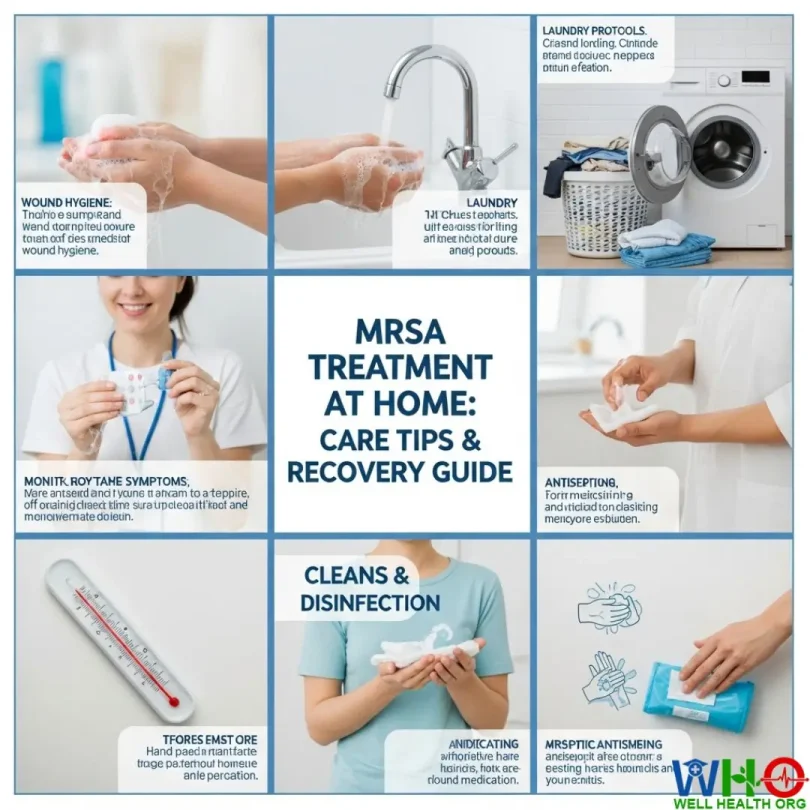
MRSA Treatment at Home: The 2026 Clinical Recovery Protocol
Senior Neurologist & Infectious Disease Strategist | 30+ Years Experience
Digital Navigation Index
1. Deconstructing the “Superbug”: What is MRSA?
To the naked eye, Staphylococcus aureus is just another microbe. In fact, it’s likely on your skin right now. We call this “colonization.” It’s like having a suspicious stranger standing on your porch; as long as the door is locked (your skin barrier is intact), you’re safe. The problem occurs when that stranger finds a key—or a crowbar.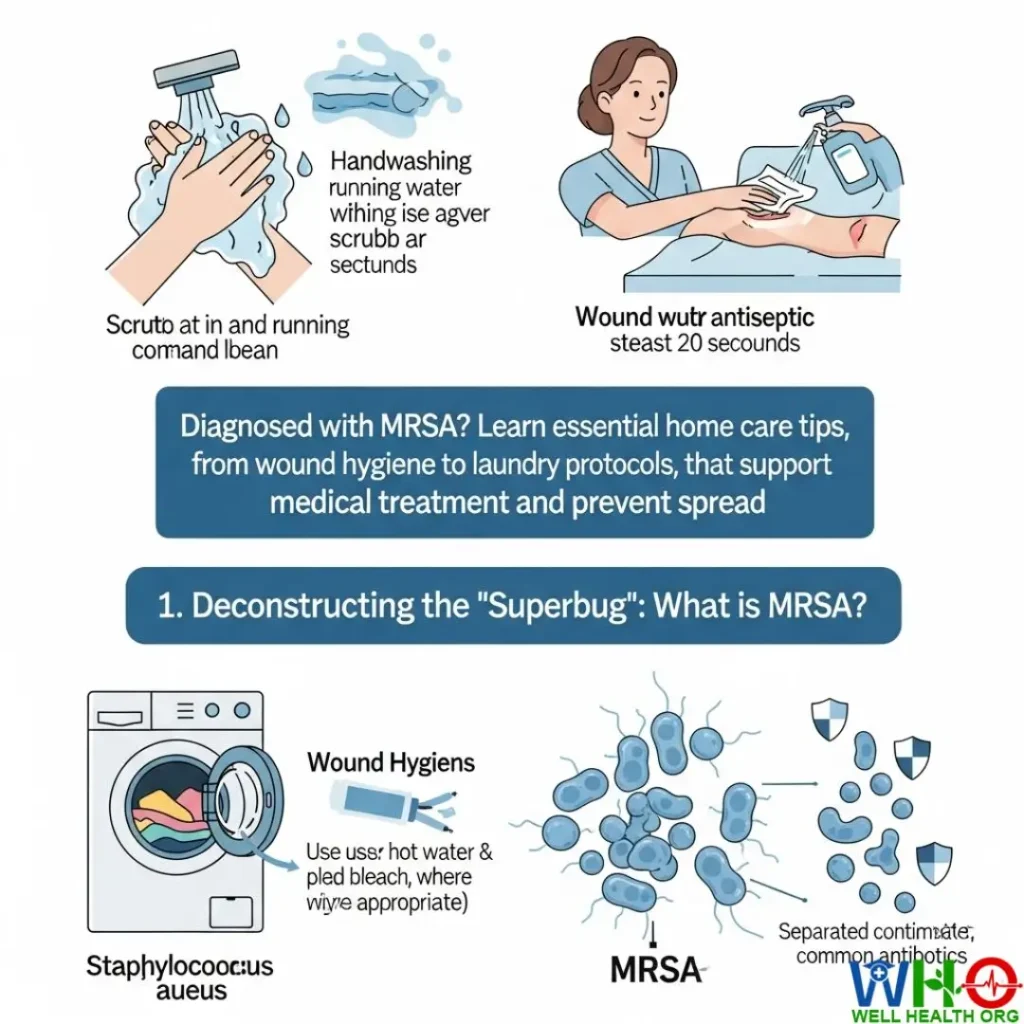
MRSA Treatment at Home
The Biological War of Attrition
Why did this happen? It’s a classic case of biological selection. When we use antibiotics haphazardly—skipping doses or taking them for viral colds—we kill the “weak” bacteria and leave the “strong” ones to breed. These survivors pass on their resistance traits like a dark inheritance. Today, we divide these into two clinical tiers:- HA-MRSA (Healthcare-Associated): The “old guard” of MRSA, found in surgical sites and catheter lines.
- CA-MRSA (Community-Associated): The “new wave,” affecting healthy, young people in gyms, schools, and dormitories. This is the version we must learn to manage at home.
2. The Path of Transmission: How MRSA Moves
Understanding transmission is the difference between a contained infection and a household outbreak. MRSA doesn’t fly through the air like a cold virus; it is a hitchhiker. It requires a vehicle. In clinical circles, we track the “Five C’s”: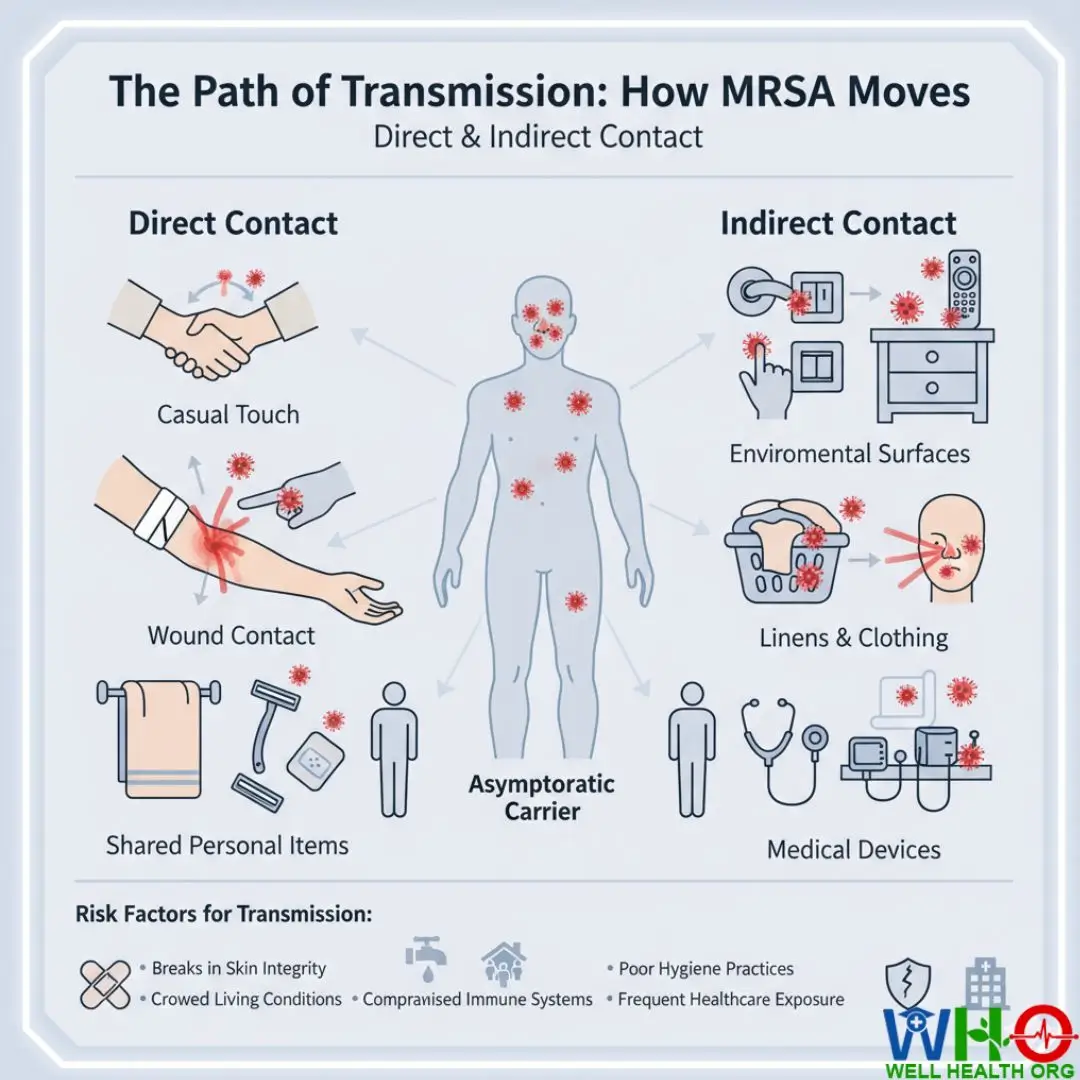
- Crowding: Dense living environments where skin contact is inevitable.
- Contact: Direct skin-to-skin touch.
- Compromised Skin: A microscopic nick from a razor is a highway for MRSA.
- Contaminated Items: Towels, razors, and sports gear.
- Cleanliness: A lack of systemic hygiene protocols.
The Carrier State: A Hidden Threat
In my practice, I’ve seen entire families pass MRSA back and forth for months. Why? Because one member was “colonized” in their nostrils or under their fingernails. They weren’t sick, so they didn’t take precautions. If you are treating one person at home, you must treat the environment as if everyone is a potential carrier.3. Recognizing the Signs: From “Spider Bites” to Serious Illness
The most dangerous thing about MRSA is its modesty. It often presents as a simple, red, painful bump. Patients consistently come to me saying, “Dr. Akram, I think a spider bit me in my sleep.”
The Anatomy of a MRSA Abscess
A MRSA skin infection is characterized by the “Three H’s”:- Heat: The skin feels feverish to the touch.
- Hardness: The area feels like a firm knot under the skin (induration).
- Hurting: The pain is often out of proportion to the size of the bump.
The Red Flag Escalation
If the bacteria breaches the skin and enters the bloodstream (bacteremia), the situation shifts from a home-care scenario to a medical emergency. Watch for:- High Fever (>103°F) accompanied by rigors (uncontrollable shaking).
- Confusion: A sign of early sepsis or neurological distress.
- Shortness of Breath: Indicating the bacteria may have reached the lungs (MRSA Pneumonia).
4. The Critical Role of Professional Diagnosis
You cannot “guess” MRSA. I have seen doctors—experienced ones—mistake MRSA for simple cellulitis, prescribe the wrong antibiotic, and watch the infection explode.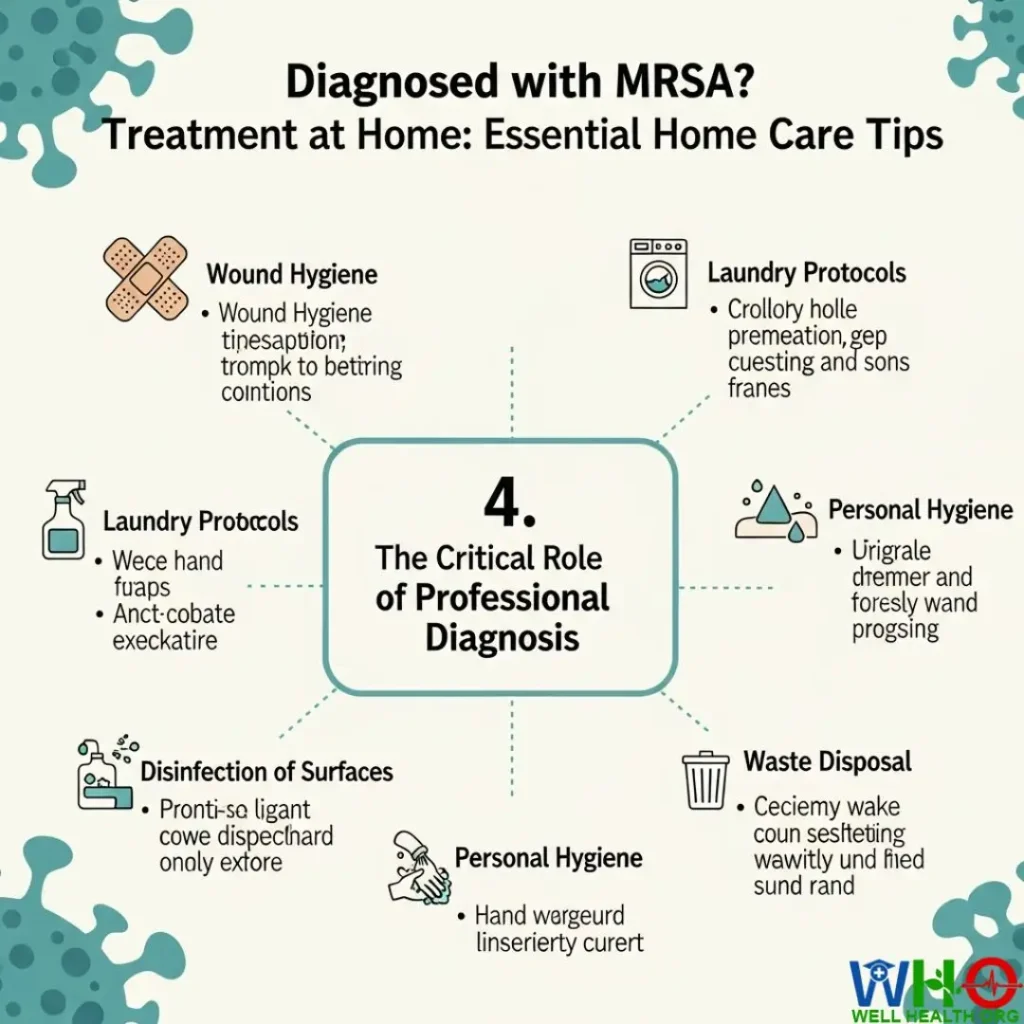
The Culture and Sensitivity (C&S) Test
This is the gold standard. We take a sample of the pus or tissue. 1. The Culture: Identifies the species. 2. The Sensitivity: This is the map. It tells us exactly which antibiotics the bacteria cannot resist. Without this, we are firing blanks in the dark.Hindi Summary (हिन्दी सारांश)
- MRSA एक खतरनाक बैक्टीरिया है जिस पर आम एंटीबायोटिक्स काम नहीं करतीं।
- यह अक्सर “मकड़ी के काटने” जैसा दिखता है।
- पैर या हाथ में सूजन, लालिमा और दर्द इसके मुख्य लक्षण हैं।
- घाव को कभी भी खुद न फोड़ें, इससे इन्फेक्शन खून में फैल सकता है।
- डॉक्टर से “Culture Test” जरूर करवाएं।
- हाथों को बार-बार साबुन से धोना सबसे बड़ा बचाव है।
- मरीज के कपड़े और तौलिया बिल्कुल अलग रखें।
- एंटीबायोटिक का कोर्स कभी अधूरा न छोड़ें।
- गर्म पानी में कपड़े धोने से बैक्टीरिया मर जाते हैं।
- प्रोटीन युक्त भोजन रिकवरी में मदद करता है।
- बुखार आने पर तुरंत अस्पताल जाएं।
- नाक के अंदर म्यूपिरोसिन क्रीम लगाने से बैक्टीरिया खत्म होते हैं।
- जिम के उपकरणों को इस्तेमाल से पहले साफ करें।
- नींद पूरी लें ताकि इम्यून सिस्टम मजबूत रहे।
- तनाव न लें, सही इलाज से MRSA पूरी तरह ठीक हो जाता है।
5. Masterclass in Home Wound Care
In a clinical setting, we treat every wound as a potential biohazard. At home, you must adopt this same mindset. A leaking MRSA wound is essentially an “infectious fountain.”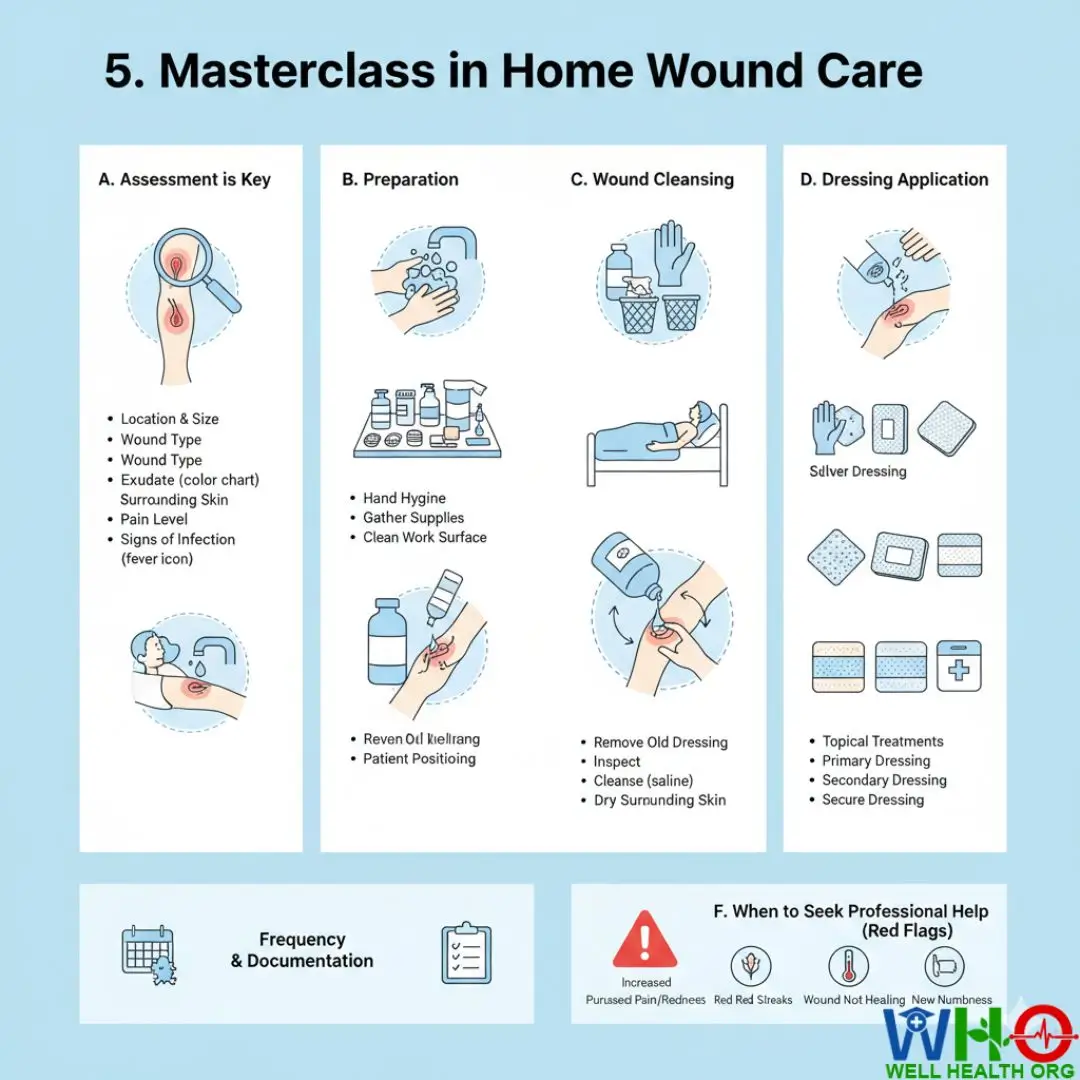
MRSA Treatment at Home (1)
The Dr. Akram Sterile Dressing Protocol
- The Perimeter Check: Before opening the bandage, mark the edge of the redness with a permanent marker. If the redness moves past this line, the treatment is failing.
- Double-Glove Technique: If possible, wear two layers of disposable gloves. Remove the outer layer after removing the dirty bandage.
- Irrigation: Use sterile saline to flush the wound. Avoid hydrogen peroxide as it can damage the delicate new skin cells trying to heal.
- The “No-Touch” Disposal: Place the old bandage directly into a biohazard bag or a sealable Ziploc. Do not let it touch the countertop.
MRSA Treatment at Home: The Clinical Remedial Ecosystem
Strategic Recovery Protocols for Methicillin-Resistant Staphylococcus Aureus
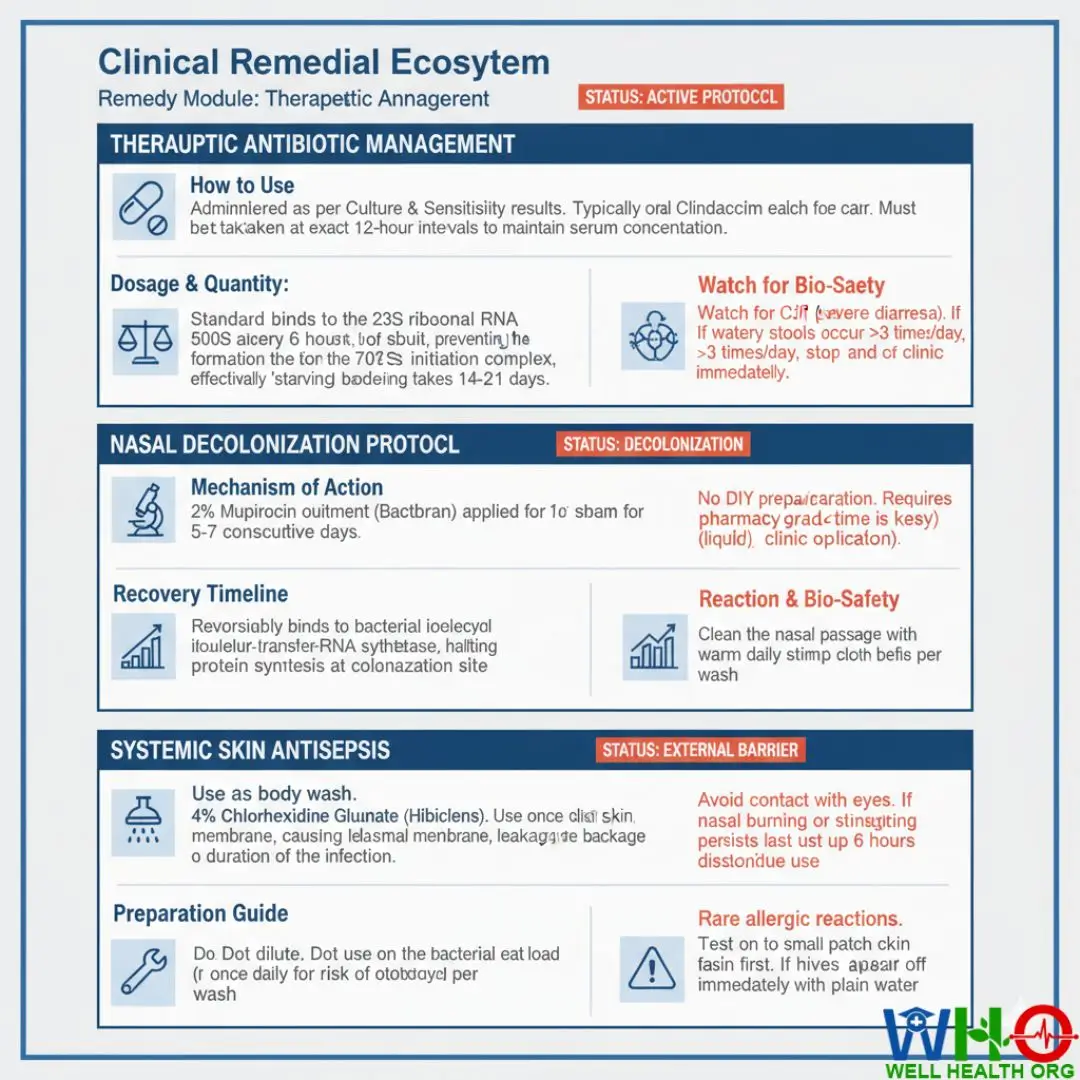
Remedy Module: Targeted Oral Antibiotics (The Core Defense)
- Bactrim (Trimethoprim/Sulfamethoxazole): Typically 1 Double Strength (DS) tablet twice daily.
- Clindamycin: 300mg to 450mg every 6 to 8 hours.
- Linezolid: 600mg every 12 hours.
Remedy Module: Nasal Decolonization (The Eradication Key)
Remedy Module: Chlorhexidine Body Wash (The External Shield)
Remedy Module: Sterile Saline Irrigation (Tissue Management)
Remedy Module: Immunological Bio-Support (Internal Healing)
- Zinc: 30mg/day (Essential for DNA synthesis in skin).
- Vitamin C: 1000mg/day (Boosts phagocyte activity).
- Protein: 1.5g per kg of body weight.
7. Environmental Decontamination: Making Your Home a Fortress
MRSA is remarkably “hardy.” It can survive on a dry TV remote for up to 8 weeks. If you only treat the patient and not the home, you are inviting a relapse.
The High-Touch Checklist
You must disinfect the following twice daily using a bleach-based solution or an EPA-registered disinfectant:- Light switches and doorknobs.
- The “Flush” handle on the toilet.
- Smartphone screens (the most overlooked bacterial reservoir).
- Kitchen cabinet handles.
The Science of the Laundry Cycle
Standard washing does not kill MRSA. You need the Thermal-Chemical Death Point.- Temperature: Minimum 60°C (140°F).
- Detergent: Use a bleach-alternative or actual bleach for whites.
- Drying: High heat for at least 30 minutes. The mechanical action of the dryer combined with heat is lethal to MRSA cell walls.
8. Supporting the Host: Boosting Your Internal Defenses
As a neurologist, I often look at how the body’s stress response affects healing. High cortisol (stress) levels inhibit your white blood cells. To beat MRSA, you need a body that is a “hostile environment” for bacteria.Nutritional Immunology
- Zinc (30-50mg daily): Essential for epithelial cell integrity. If you are deficient in zinc, your skin won’t “close” the wound fast enough.
- Vitamin D3: High doses (under supervision) can trigger the production of cathelicidins—your body’s natural antimicrobial peptides.
- Probiotics: Since you are on heavy antibiotics, you must protect your gut. Look for Saccharomyces boulardii to prevent antibiotic-associated diarrhea.
Hinglish Summary (हिन्दी-English Mix)
- MRSA normal infection nahi hai, yeh antibiotic-resistant hai.
- Isse “Spider bite” samajhne ki galti na karein.
- Wound ko touch karne se pehle aur baad mein Handwash karein.
- Old bandages ko plastic bag mein seal karke fenkein.
- Antibiotics ka course pura karein, beech mein na chhodein.
- Ghar ke high-touch areas jaise remotes aur switches ko sanitize karein.
- Patient ke towels aur bedsheets garam paani mein dhoyen.
- Protein rich diet lein (Eggs, Paneer, Daal).
- Wound ke aas-paas redness badhe to doctor ko batayein.
- Nose ke andar doctor ki batayi cream zaroor lagayein.
- Gym aur sports se thode din break lein.
- Dhoop (Sunlight) lein, Vitamin D recovery mein help karta hai.
- Stress kam lein, kyunki stress immunity down karta hai.
- Bina doctor ki advice ke koi ointment na lagayein.
- Proper hygiene hi MRSA ka sabse bada dushman hai.
9. Debunking MRSA Myths and Misconceptions
In the digital age, misinformation is a pathogen. Let’s clear the clinical air.Myth: Tea Tree Oil Cures MRSA
The Reality: In a petri dish, tea tree oil can inhibit staph. In a human body, it cannot reach the deep tissues where MRSA hides. Using it as a primary treatment is like bringing a water pistol to a forest fire. Use it for hand sanitization if you wish, but never as a substitute for antibiotics.Myth: Only “Dirty” People Get MRSA
The Reality: I have treated CEOs and professional athletes. MRSA loves high-performance environments (gyms, locker rooms). It is not a disease of “dirt”; it is a disease of “contact.”10. Comprehensive Clinical FAQ
How long is MRSA contagious after starting antibiotics?
Typically, you are considered less contagious after 48 hours of effective antibiotic treatment, provided the wound is covered and drainage has decreased. However, you are not “clear” until the full course is finished and the wound is closed.
Can I go to work with a MRSA infection?
As long as your wound can be completely covered by a bandage and you do not work in healthcare or food prep, you can usually return to work. However, avoid physical contact with others.
Can my pets get MRSA from me?
Yes. Cross-species transmission (Zoonosis) is possible. If you have an active infection, keep pets away from your bandages and do not let them lick your skin.
Why does MRSA keep coming back?
Recurrence is usually due to “re-colonization.” The bacteria may still be in your nose or on a family member’s skin. A full decolonization protocol (Mupirocin + Chlorhexidine) is often needed.
What happens if the first antibiotic doesn’t work?
This is why we do cultures. If the infection spreads, we switch to “heavy-duty” IV antibiotics like Vancomycin or Daptomycin, which usually requires hospitalization.
Is bleach better than alcohol for cleaning surfaces?
For MRSA, a 1:10 bleach-to-water solution is the gold standard for non-porous surfaces. Alcohol is effective for electronics but evaporates too quickly for deep surface disinfection.
Can MRSA live on carpet?
Yes, for several weeks. During an active infection, frequent steam cleaning or restricting access to carpeted areas is advised.
Does MRSA cause permanent scarring?
If the abscess is deep, it can leave a scar. Early “Incision and Drainage” by a doctor minimizes tissue damage and scarring.
Should I wear a mask if I have MRSA?
Only if you have MRSA in your lungs (pneumonia). For skin-based MRSA, a mask is not necessary unless you are in a sterile environment like an OR.
Can I use Neosporin on a MRSA wound?
Generally, no. MRSA is often resistant to the Bacitracin or Neomycin found in OTC ointments. Use only prescribed Mupirocin.
How do I know if the infection has reached my bones?
Signs of Osteomyelitis include deep, throbbing bone pain, inability to bear weight, and a very high ESR/CRP (blood markers of inflammation).
Is it safe to go to the pool with MRSA?
No. Even if the chlorine kills the bacteria in the water, you risk infecting others on the pool deck or via shared towels.
Can Vitamin C kill MRSA?
It doesn’t kill it directly, but it strengthens the collagen in your skin, making it harder for the bacteria to spread through tissue layers.
Can I use a shared laundry machine?
Yes, provided you use the highest heat setting and bleach. The heat of the dryer is your best friend in a laundromat setting.
What is the most common way MRSA spreads at home?
Sharing hand towels in the bathroom. Use disposable paper towels during an active infection.
Does MRSA affect the nervous system?
As a neurologist, I look for Meningitis or Epidural Abscesses. If you have back pain, stiff neck, or light sensitivity with a staph infection, see me immediately.
How often should I change the bedding?
Daily. This may seem extreme, but dead skin cells shed into your sheets are covered in bacteria.
Is MRSA airborne?
No. It can be “carried” on dust particles during bed-making, but it does not float in the air like COVID-19 or Flu.
Why is my doctor not giving me IV antibiotics?
IV antibiotics have more risks (clots, kidney issues). If oral meds can reach the site, they are safer and just as effective for CA-MRSA.
Can I get MRSA twice?
Yes. Your body does not build permanent immunity to staph. Reinfection is very common without environmental cleaning.
What is “Incision and Drainage”?
It is a sterile procedure where a doctor numbs the area, makes a small cut, and flushes out the “pocket” of infection. This is the fastest way to heal.
Does Turmeric help with MRSA?
Curcumin (in Turmeric) is anti-inflammatory, but it is not an antibiotic. Use it for support, not for a cure.
How do I dispose of MRSA waste safely?
Place waste in a plastic bag, tie it, place that bag in another bag (double-bagging), and put it in the outside bin.
What if I miss a dose of my antibiotic?
Take it as soon as you remember. If it’s almost time for the next one, skip the missed dose. Do NOT double up.
Can MRSA cause sepsis?
Yes, it is one of the leading causes of septic shock. This is why monitoring for fever and confusion is critical.
Dealing with MRSA is a test of discipline. It is a reminder that in the microscopic world, small details have massive consequences. By following these clinical protocols, you aren’t just healing a wound; you are reclaiming your home from a silent invader. Stay vigilant, finish your medicine, and never ignore a “spider bite” that throbs.
© 2026 Dr. Akram Medical Strategy Group. All Rights Reserved.
Medically Reviewed by Prof. Dr. Akram
Orthopedic Surgeon | Professor | Senior Medical Specialist
Prof. Dr. Akram is a distinguished surgeon with over 15 years of clinical expertise. Having served as a lead Emergency Specialist at Complex International Government Hospital, he currently leads a specialized team of 13 medical professionals at his private hospital. As a Professor at top medical universities, he ensures that every article on WellHealthOrg.com meets rigorous clinical standards.
Medical Disclaimer:
The information provided is for educational purposes only and is not a substitute for professional medical advice, diagnosis, or treatment. Always consult your physician for any medical concerns.
Our content is rigorously fact-checked by our 13-member Editorial Team under the clinical supervision of Prof. Dr. Akram.