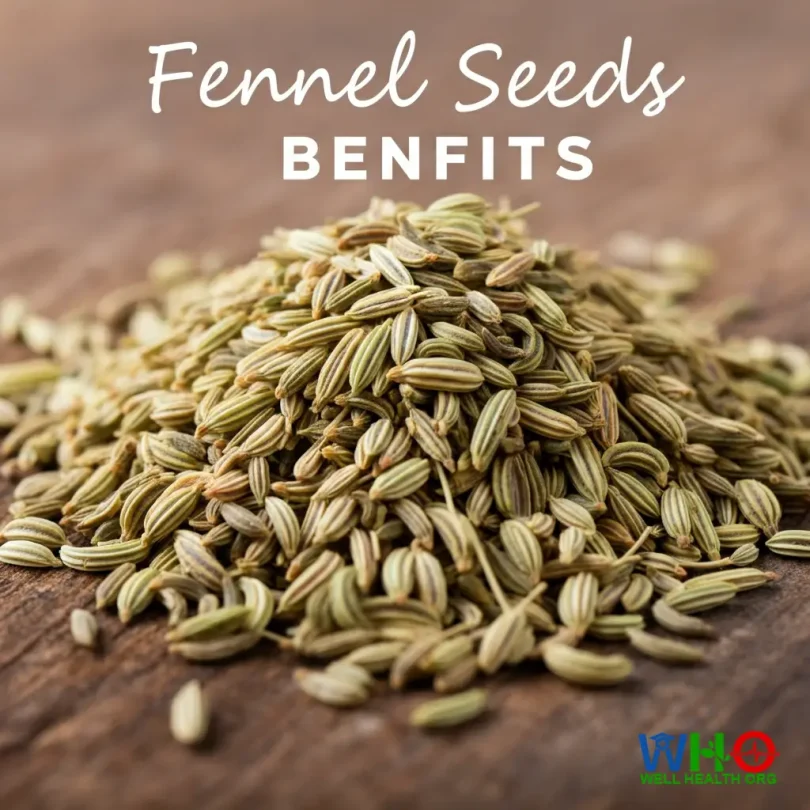
Fennel Seeds: A Complete Guide to Their Benefits, Uses, and Digestive Superpowers
Fennel seeds, or saunf as they’re affectionately called in India, are more than just an after-meal mouth freshener. These tiny, fragrant seeds have been cherished across cultures and centuries for their impressive array of health benefits—especially when it comes to digestion, metabolism, and overall wellness.
- Fennel Seeds: A Complete Guide to Their Benefits, Uses, and Digestive Superpowers
- What Are Fennel Seeds?
- Fennel Seeds Nutrition: Small Size, Big Impact
- Top 10 Health Benefits of Fennel Seeds
- 1. Improves Digestion Instantly
- 2. A Natural Ally for Weight Loss
- 3. Balances Blood Pressure Levels
- 4. Supports Eye Health
- 5. Anti-Inflammatory Action for Pain Relief
- 6. Loaded With Antioxidants for Cell Protection
- 7. Supports Hormonal Health in Women
- 8. Enhances Skin Glow and Health
- 9. Strengthens Immunity
- 10. Naturally Freshens Breath
- Fennel Seeds Uses: Creative & Practical Ways to Enjoy Them
- 1. Culinary Uses
- 2. Home Remedies
- 3. Beauty Uses
- How Much Fennel Should You Use Daily?
- Risks and Precautions: What to Watch Out For
- 1. Overuse May Cause Side Effects
- 2. Pregnancy Considerations
- 3. Allergic Reactions
- FAQs About Fennel Seeds Benefits
- Conclusion: Embrace the Power of Fennel Seeds Today
Whether you’re sipping fennel tea to soothe your stomach or sprinkling the seeds into your meals for a flavor punch, fennel seeds offer far more than taste. They’re packed with essential nutrients, antioxidants, and plant compounds that make them a true superfood.
In this guide, we’ll dive deep into the world of fennel seeds—covering everything from their origins and nutritional value to 10 scientifically supported health benefits and smart ways to use them every day.
What Are Fennel Seeds?
Fennel seeds are the dried seeds of the Foeniculum vulgare plant, an aromatic herb from the Mediterranean region. Their unique sweet and slightly licorice-like flavor makes them a favorite in both kitchens and traditional medicine cabinets around the world.
Typically light green or brown in color, fennel seeds are rich in essential oils, phytonutrients, and volatile compounds like anethole, which give them their signature taste and therapeutic properties.
In Indian households, fennel seeds are almost always served after meals to help with digestion—and it turns out, that age-old tradition is backed by science.
Fennel Seeds Nutrition: Small Size, Big Impact
Don’t let their tiny size fool you—fennel seeds are nutrient-dense. Here’s a breakdown of what you get in just 1 tablespoon (around 6 grams) of fennel seeds:
| Nutrient | Amount per 1 tbsp | % Daily Value |
|---|---|---|
| Calories | 20 kcal | – |
| Carbohydrates | 3 g | – |
| Protein | 1 g | – |
| Fiber | 2 g | – |
| Fat | 0.6 g | – |
| Calcium | 87 mg | 9% |
| Iron | 1 mg | 6% |
| Magnesium | 23 mg | 5% |
| Potassium | 120 mg | 3% |
| Vitamin C | 2 mg | 3% |
Key Nutritional Highlights:
- Fiber: Promotes gut health, eases digestion, and helps with satiety.
- Calcium & Magnesium: Essential for strong bones and muscle function.
- Potassium: Supports heart health and blood pressure regulation.
- Antioxidants: Fight oxidative stress and inflammation.
Top 10 Health Benefits of Fennel Seeds
1. Improves Digestion Instantly
This is where fennel seeds shine the brightest. They are a natural carminative, which means they help relieve gas and bloating. Fennel seeds stimulate the production of gastric enzymes, improving digestion and nutrient absorption.
How to Use:
Chew ½ to 1 tsp of fennel seeds after meals or sip on fennel seed tea for quick relief from bloating or indigestion.
2. A Natural Ally for Weight Loss
Thanks to their high fiber content and metabolism-boosting compounds, fennel seeds can aid in weight management. They help control hunger pangs, curb cravings, and boost your metabolism naturally.
Tip:
Drink fennel-infused water (soak 1 tsp seeds overnight in a glass of water) first thing in the morning on an empty stomach to promote fat breakdown and improve satiety.
3. Balances Blood Pressure Levels
The potassium in fennel seeds helps relax blood vessels and regulate heart function. This contributes to stable blood pressure and overall cardiovascular health.
Recommended Use:
Sip on warm fennel tea twice a day to improve circulation and lower tension.
4. Supports Eye Health
Fennel seeds are packed with vitamin A, which is crucial for vision. They also contain antioxidants that fight oxidative damage to eye tissues, helping maintain sharp eyesight.
Pro Tip:
Soak 1 tsp of fennel seeds overnight in water. Strain and drink in the morning for a natural eye-health tonic.
5. Anti-Inflammatory Action for Pain Relief
The anti-inflammatory properties in fennel seeds help soothe symptoms of chronic inflammatory diseases, especially arthritis and joint pain.
Bonus:
The essential oils in fennel can help relax muscles, reduce spasms, and alleviate discomfort.
6. Loaded With Antioxidants for Cell Protection
Fennel seeds are a rich source of flavonoids, phenolic compounds, and vitamin C, which help protect your cells from damage caused by free radicals. This reduces the risk of chronic conditions like cancer and heart disease.
Quick Tip:
Make fennel tea your go-to antioxidant drink—especially in cold weather.
7. Supports Hormonal Health in Women
Fennel seeds contain phytoestrogens—plant-based compounds that mimic estrogen. This can help balance hormones naturally, especially in women experiencing PMS, menstrual irregularities, or menopause.
Usage Tip:
Drinking fennel water or tea regularly may ease cramps, hot flashes, and mood swings.
8. Enhances Skin Glow and Health
Fennel seeds are great for your skin from the inside out. Their antioxidants and anti-inflammatory compounds help fight acne, reduce signs of aging, and promote a clear complexion.
Topical Use:
Create a homemade face mask by mixing fennel powder with honey for bright, glowing skin.
9. Strengthens Immunity
Vitamin C, selenium, and zinc present in fennel seeds contribute to a stronger immune system. Regular intake can help your body fight off infections, colds, and seasonal illnesses.
Immune Shot:
Warm fennel seed tea with a splash of lemon and honey—an immunity-boosting blend!
10. Naturally Freshens Breath
Fennel seeds have antimicrobial properties that neutralize odor-causing bacteria in your mouth. That’s why chewing them after meals is such a refreshing ritual in Indian households.
Pro Tip:
Chew ½ tsp of raw fennel seeds after any meal for fresh breath and oral health.
Fennel Seeds Uses: Creative & Practical Ways to Enjoy Them
One of the best things about fennel seeds? Their versatility. From your kitchen spice rack to your beauty routine, here’s how to make the most of these flavorful little seeds:
1. Culinary Uses
- Post-Meal Mouth Freshener: The most traditional use—simply chew 1 tsp after meals to aid digestion and refresh your breath.
- Flavor Enhancer: Toast and grind fennel seeds to add to dals, curries, pickles, or roasted vegetables.
- Baking Boost: Add them to cookies, muffins, or breads for a subtle licorice-like twist.
- Homemade Fennel Tea: Steep 1 tsp of crushed fennel seeds in hot water for 5–7 minutes. Strain and sip warm for digestive support.
2. Home Remedies
- Fennel Detox Water: Soak 1 tsp of fennel seeds overnight in a glass of water. Strain and drink first thing in the morning to flush toxins, reduce water retention, and curb appetite.
- Steam Inhalation: Boil fennel seeds in water and inhale the steam to clear sinuses and soothe respiratory issues.
3. Beauty Uses
- Face Mask: Mix fennel seed powder with honey or yogurt for a brightening face pack.
- Hair Rinse: Boil fennel seeds, let the water cool, and use as a final rinse after shampooing to promote scalp health and reduce dandruff.
How Much Fennel Should You Use Daily?
- Safe Daily Amount: 1–2 teaspoons (5–10 grams) per day.
- For Tea or Water: 1 tsp per 1 cup of water is ideal for teas and detox drinks.
- Topical Use: Use small amounts of fennel seed powder mixed with carrier ingredients for skin and hair.
Moderation is key—these seeds are potent, so a little goes a long way!
Risks and Precautions: What to Watch Out For
While fennel seeds are generally safe and well-tolerated, it’s good to keep the following in mind:
1. Overuse May Cause Side Effects
Consuming more than 10 grams daily may lead to stomach upset, nausea, or even hormonal disruption in sensitive individuals.
2. Pregnancy Considerations
Because fennel contains phytoestrogens, high doses may interfere with pregnancy-related hormone levels. Pregnant women should consult a doctor before using fennel in medicinal quantities.
3. Allergic Reactions
Although rare, some people may develop skin rashes or mild reactions. Always do a patch test before applying fennel to the skin.
FAQs About Fennel Seeds Benefits
Q1: What are the top three benefits of fennel seeds?
Improved digestion, hormone balance, and natural breath freshening are some of the most notable fennel seed benefits.
Q2: How do fennel seeds help with bloating and gas?
Fennel seeds contain volatile oils that relax the muscles in the gastrointestinal tract, relieving gas and reducing bloating.
Q3: Can I drink fennel water every day?
Yes! Drinking fennel-infused water in the morning is a great daily ritual for metabolism, hydration, and digestion.
Q4: Do fennel seeds support weight loss?
Absolutely. Their fiber content helps you stay full longer, and their diuretic effect may reduce water retention.
Q5: Can children consume fennel seeds?
Yes—in small amounts. About ½ teaspoon is safe for kids. Fennel tea can also soothe colic and digestive discomfort in toddlers.
Q6: How are fennel seeds different from cumin or anise?
Though similar in appearance, fennel has a sweeter, milder taste. Anise has a stronger licorice flavor, while cumin is more earthy and pungent.
Q7: Can fennel seeds affect menstrual cycles?
Due to their estrogen-mimicking compounds, fennel seeds may help regulate cycles and reduce menstrual cramps, but large quantities should be used with caution.
Conclusion: Embrace the Power of Fennel Seeds Today
Fennel seeds aren’t just another kitchen spice—they’re a time-tested herbal remedy, a flavorful culinary enhancer, and a powerful wellness booster rolled into one. With benefits ranging from better digestion and hormonal balance to glowing skin and fresh breath, these tiny seeds deserve a permanent spot in your daily routine.
Whether you prefer sipping fennel tea, chewing them after meals, or adding them to your skincare, the options are as flexible as the benefits are impressive. And best of all? They’re affordable, easy to use, and 100% natural.
So go ahead—start small, stay consistent, and let these aromatic seeds work their gentle magic from the inside out.
Medically Reviewed by Prof. Dr. Akram
Orthopedic Surgeon | Professor | Senior Medical Specialist
Prof. Dr. Akram is a distinguished surgeon with over 15 years of clinical expertise. Having served as a lead Emergency Specialist at Complex International Government Hospital, he currently leads a specialized team of 13 medical professionals at his private hospital. As a Professor at top medical universities, he ensures that every article on WellHealthOrg.com meets rigorous clinical standards.
Medical Disclaimer:
The information provided is for educational purposes only and is not a substitute for professional medical advice, diagnosis, or treatment. Always consult your physician for any medical concerns.
Our content is rigorously fact-checked by our 13-member Editorial Team under the clinical supervision of Prof. Dr. Akram.