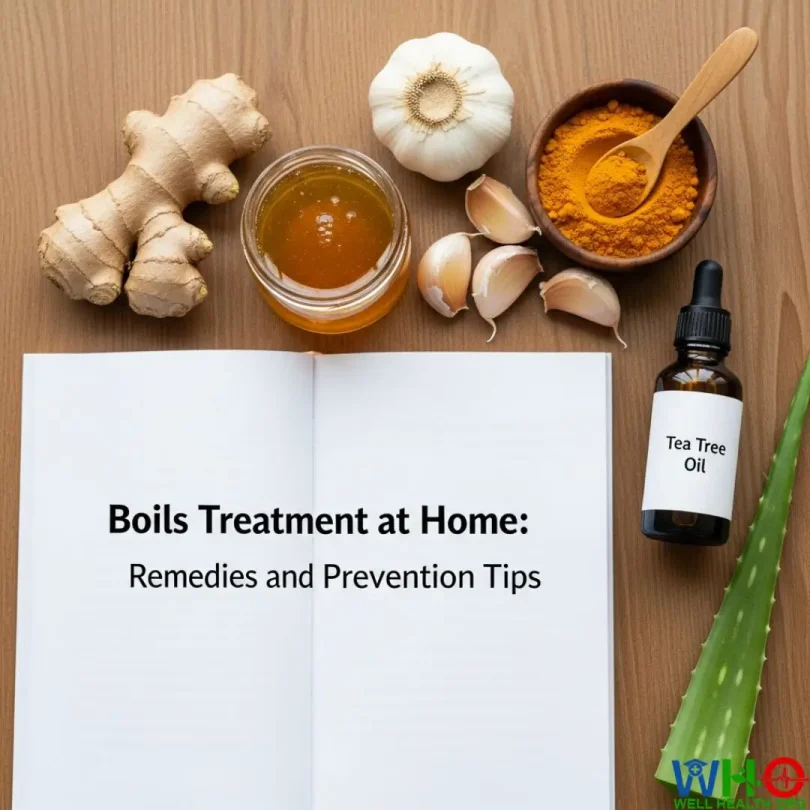
There are few skin conditions as immediately distressing, painful, and downright annoying as a boil. One day, you feel a slight tenderness or an itch in a localized spot; the next, you are dealing with a red, angry, throbbing lump that seems to have a pulse of its own. It can make sitting uncomfortable, walking painful, and wearing your favorite clothes impossible.
- Part 1: Anatomy of an Invader – What Is a Boil?
- The Lifecycle of a Boil
- Where Do They Hide?
- The “Carbuncle” Warning
- Part 2: The Golden Rule – Why You Must NEVER Pop a Boil
- Part 3: The Arsenal of Home Remedies
- 1. The Power of Heat: Warm Compresses
- 2. Tea Tree Oil: Nature’s Antiseptic
- 3. Turmeric: The Golden Healer
- 4. Epsom Salt: The Drawing Agent
- 5. Castor Oil: The Deep Penetrator
- 6. Raw Onion and Garlic Slices
- Part 4: The Rupture – What to Do When It Breaks
- Part 5: Prevention – Stopping the Cycle
- 1. Hygiene Habits (The First Line of Defense)
- 2. Wardrobe Adjustments (Reduce Friction)
- 3. Nutritional Defense (Fortify from Within)
- Part 6: Boils in Specific Locations
- Part 7: When to Wave the White Flag (Seeing a Doctor)
- Conclusion: Patience is the Cure
- Frequently Asked Questions (FAQs)
While boils—medically known as furuncles—are a common skin infection, the embarrassment and discomfort they cause often drive people to desperate measures. The urge to squeeze, pop, or aggressively attack the lump is almost overwhelming. However, improper handling of a boil can turn a minor nuisance into a serious, spreading infection.
The good news is that you rarely need a prescription pad or a surgical scalpel to deal with a standard boil. Nature has provided us with a powerful arsenal of remedies that can soothe the pain, draw out the infection, and speed up the healing process safely.
This comprehensive guide is your encyclopedia for boil care. We will go far beyond basic advice, diving deep into the biology of the boil, the “golden rules” of treatment, advanced home remedies, and the lifestyle changes necessary to ensure they never come back. Whether you are dealing with a single bump or recurring issues, this guide will empower you to take control of your skin health with confidence and care.
Part 1: Anatomy of an Invader – What Is a Boil?
To defeat the enemy, you must understand it. A boil is not just a pimple that went to the gym and got big. It is a deep-seated infection of the hair follicle and the surrounding skin tissue.

The Lifecycle of a Boil
Understanding the stages of a boil can help you identify where you are in the healing process and which remedy to use.
- The Infiltration (Day 1-2): It starts as a tender, red area. You might think it is an insect bite or an ingrown hair. Beneath the surface, bacteria (usually Staphylococcus aureus) have entered a micro-tear in the skin and traveled down the hair follicle.
- The Induration (Day 3-4): The body’s immune system counterattacks. White blood cells rush to the scene to fight the bacteria. The area becomes hard, painful, and radiates heat. The “lump” forms.
- The Necrosis (Day 5-7): The center of the boil softens as it fills with pus—a mixture of bacteria, dead skin cells, and white blood cells. A yellow or white “head” (pustule) appears at the apex. This is often the most painful stage due to the pressure building under the skin.
- The Rupture (Day 7-10): The skin gives way, and the pus drains out. The pain usually subsides almost instantly.
- The Healing (Day 10+): Granulation tissue forms, closing the wound. A small scar may remain.
Where Do They Hide?
Boils are opportunistic. They thrive in “intertriginous” zones—areas where skin rubs against skin or clothing, creating heat, sweat, and friction. Common hotspots include:
- The Posterior: Buttocks and the gluteal cleft.
- The Flexors: Armpits (axillae) and inner thighs.
- The Face and Neck: Often caused by shaving or acne complications.
The “Carbuncle” Warning
If you see a cluster of boils that form a connected area of infection under the skin, this is called a carbuncle. Carbuncles are deeper, more dangerous, and slower to heal than single boils. While home remedies can help, a carbuncle often signals a need for medical oversight.
Part 2: The Golden Rule – Why You Must NEVER Pop a Boil
Before we discuss what you should do, we must address the single biggest mistake people make.

Do not squeeze, prick, pop, or lance a boil at home.
It is understandable. The pressure is immense, and you just want relief. However, a boil is not like a surface-level whitehead. It is a walled-off pocket of infection.
The Danger of Squeezing:
- Retrograde Infection: When you squeeze, you don’t just push pus up and out; you also push it down and in. This can force the bacteria deeper into the tissue, leading to cellulitis (a spreading skin infection) or even forcing bacteria into the bloodstream (sepsis).
- The “Triangle of Death”: Be exceptionally careful with boils on the face, specifically the area from the corners of the mouth to the bridge of the nose. The blood vessels here connect directly to the cavernous sinus in the brain. An infection spread here by squeezing can lead to cavernous sinus thrombosis, a rare but life-threatening condition.
- Scarring: Trauma from squeezing damages the collagen matrix of the skin, leading to deep, pitted scars or dark hyperpigmentation that can last for months or years.
Your goal is not to force the boil open, but to coax it open. We want the boil to ripen and drain naturally.
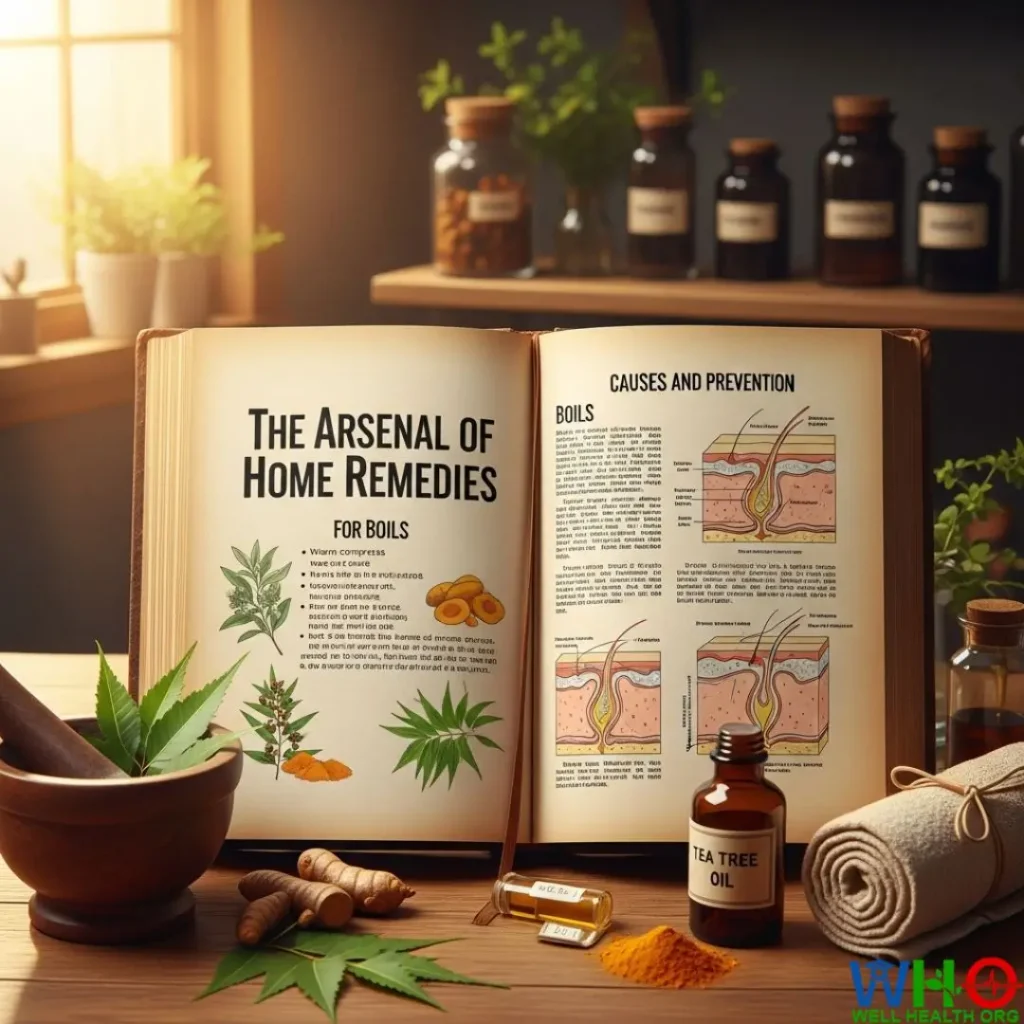
Part 3: The Arsenal of Home Remedies
Now that we have established the safety protocols, let’s explore the most effective natural treatments. These remedies work via three mechanisms: increasing circulation (to bring immune cells to the fight), softening the skin (to allow drainage), and killing surface bacteria.
1. The Power of Heat: Warm Compresses
This is the cornerstone of boil treatment. It is simple, free, and scientifically sound. Heat causes vasodilation—the widening of blood vessels. This brings more oxygen and antibodies to the area to fight the infection and helps organize the pus into a head.
The Advanced Compress Technique:
- The Setup: Use a clean washcloth and water that is warm to the touch (not scalding—you don’t want a burn on top of an infection).
- The Method: Apply the compress for 15 to 20 minutes. Do not just lay it there; apply gentle, consistent pressure.
- The Frequency: This is a numbers game. You need to do this 3 to 4 times a day, every day, until the boil ruptures.
- The “Wet vs. Dry” Debate: Wet heat (a damp cloth) penetrates tissues better than dry heat (a heating pad). Stick to the damp cloth method.
2. Tea Tree Oil: Nature’s Antiseptic
Native to Australia, the Melaleuca alternifolia tree produces an oil that is a potent antimicrobial. Studies have shown tea tree oil to be effective against MRSA (Methicillin-resistant Staphylococcus aureus), the “superbug” often responsible for stubborn boils.
The Safety Protocol:
Tea tree oil is powerful and can burn the skin if used undiluted.
- The Mix: Mix 3 drops of tea tree oil with 1 teaspoon of a carrier oil (coconut oil, olive oil, or almond oil).
- Application: Dip a clean cotton swab into the mixture and dab it precisely onto the head of the boil.
- Timing: Apply 2-3 times daily. Cover with a loose bandage to prevent the oil from rubbing off.
3. Turmeric: The Golden Healer
Turmeric is revered in Ayurvedic and Chinese medicine. Its active compound, curcumin, is a powerhouse anti-inflammatory. Using turmeric can help treat the boil from both the outside and the inside.
External Poultice:
- Mix 1 teaspoon of turmeric powder with enough water or ginger juice to make a thick paste.
- Apply this paste directly to the boil.
- Cover with gauze (Warning: Turmeric stains everything bright yellow, so be careful with your clothes and sheets).
- Leave it on for 20 minutes before rinsing.
Internal Immune Boost:
- Mix 1 teaspoon of turmeric powder into a glass of warm milk (dairy or plant-based) with a pinch of black pepper. The black pepper increases the absorption of curcumin by 2000%. Drink this nightly to help your body fight the infection systemically.
4. Epsom Salt: The Drawing Agent
Magnesium sulfate, commonly known as Epsom salt, is a hypertonic agent. This means it can actually pull moisture out of the skin. When applied to a boil, it dries out the pus and helps the boil “point” (come to a head) much faster.
The Soak vs. The Compress:
- For Body Boils: Dissolve 2 cups of Epsom salt in a warm bathtub. Soak your whole body (or just the affected part) for 20 minutes. The minerals also help relax aching muscles.
- For Isolated Boils: Dissolve 2 tablespoons of salt in a cup of hot water. Dip a washcloth in the solution and use it as your warm compress.
5. Castor Oil: The Deep Penetrator
Castor oil contains ricinoleic acid, which has anti-inflammatory properties. Unlike other oils, castor oil penetrates deep into the skin layers.
How to Use:
- Apply a few drops of castor oil directly to the boil.
- Cover with a bandage.
- Place a heating pad or hot water bottle over the bandage. The heat drives the oil deeper into the tissue to help dissolve the mass.
6. Raw Onion and Garlic Slices
It sounds like you are making a salad, but these alliums are antimicrobial heroes.
- Garlic: Fresh garlic contains allicin. Crushing a clove and applying the juice to the boil can kill bacteria. However, raw garlic can blister healthy skin, so use it only on the boil head and for short periods (5-10 minutes).
- Onion: Slices of raw onion placed over a boil and wrapped with a bandage overnight generate heat and contain antimicrobial sulfur compounds that help draw out the infection.
Part 4: The Rupture – What to Do When It Breaks
Eventually, your diligence will pay off. The boil will open, and pus will drain. This is a critical moment. If you handle this wrong, you can reinfect the area.
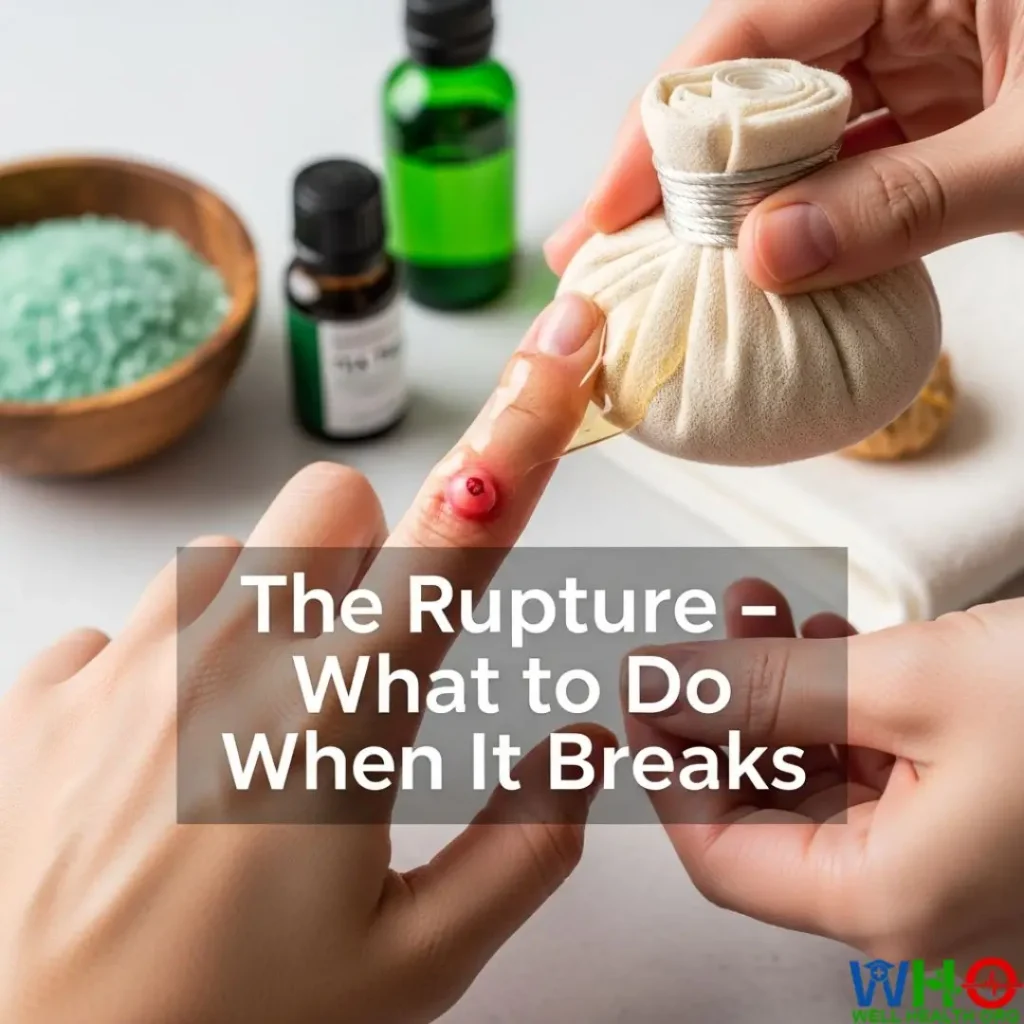
The Cleanup Protocol:
- Keep it Clean: Once it opens, wash the area thoroughly with antibacterial soap and warm water.
- Encourage Drainage: You can gently apply a warm compress to help the remaining gunk drain out. Do not squeeze hard.
- Apply Ointment: Once drained, apply a natural antibiotic ointment (like Manuka honey or a tea tree balm) or a standard over-the-counter triple antibiotic ointment.
- Bandage It: Keep the area covered with a sterile bandage. An open boil is contagious. The pus contains active bacteria that can infect other parts of your body or other people in your house.
- Wash Your Hands: Scrub your hands aggressively after changing the bandage.
- Laundry Duty: Wash any towels, sheets, or clothes that touched the open boil in hot water with bleach or a laundry sanitizer.
Part 5: Prevention – Stopping the Cycle
If you have ever had a boil, you know you never want another one. Prevention requires a three-pronged approach: Hygiene, Wardrobe, and Immunity.
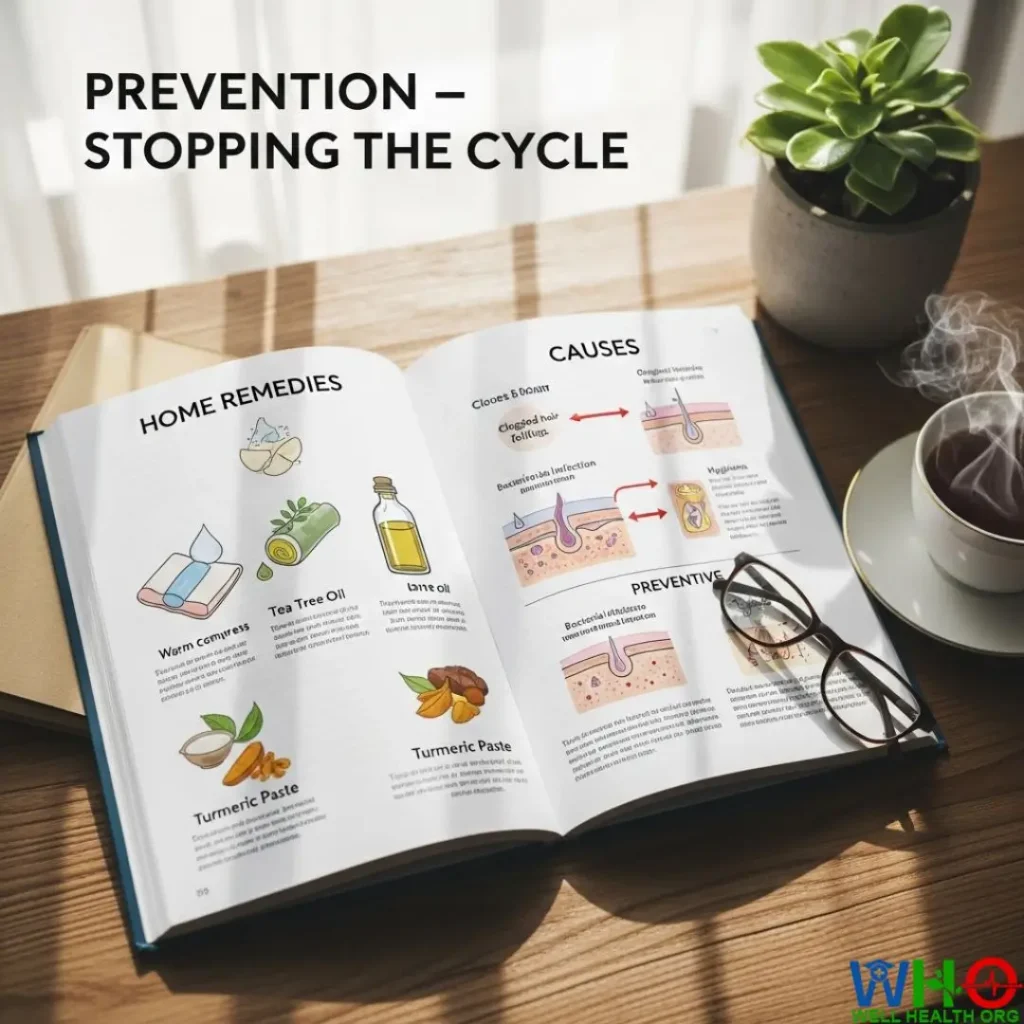
1. Hygiene Habits (The First Line of Defense)
Staph bacteria live harmlessly on the skin of many people. They only cause trouble when they get inside.
- Exfoliate: Dead skin cells can clog hair follicles, creating a trap for bacteria. Use a gentle body scrub or a loofah once or twice a week to keep pores clear.
- The Post-Workout Rule: Never sit in sweaty gym clothes. Sweat and friction soften the skin, making it easier for bacteria to penetrate. Shower immediately after exercise.
- Razor Safety: Dull razors cause micro-tears in the skin—perfect entryways for bacteria. Change your razor blades frequently and use a shaving cream that lubricates well.
2. Wardrobe Adjustments (Reduce Friction)
Since friction is a major cause of boils (especially on the inner thighs and buttocks), your clothing choices matter.
- Breathability: Opt for natural fibers like cotton, bamboo, or linen. Synthetic fabrics like polyester trap heat and moisture.
- Fit: Avoid overly tight jeans or leggings if you are prone to boils. If you must wear them, ensure you aren’t wearing them for extended periods in hot weather.
- Anti-Chafe: If you have “chub rub” (thigh chafing), use anti-chafing sticks or wear biker shorts under dresses to prevent the friction that leads to boils.
3. Nutritional Defense (Fortify from Within)
Recurring boils can sometimes indicate a nutritional deficiency or a weakened immune system.
- Zinc: This mineral is vital for skin health and immunity. Foods like pumpkin seeds, lentils, and beef are rich in zinc.
- Vitamin C: Essential for wound healing and fighting infection. Load up on citrus, bell peppers, and strawberries.
- Cut the Sugar: High blood sugar levels can suppress the immune system and feed bacteria. People with uncontrolled blood sugar (like diabetics) are much more prone to boils. Reducing processed sugar intake is one of the best things you can do for your skin.
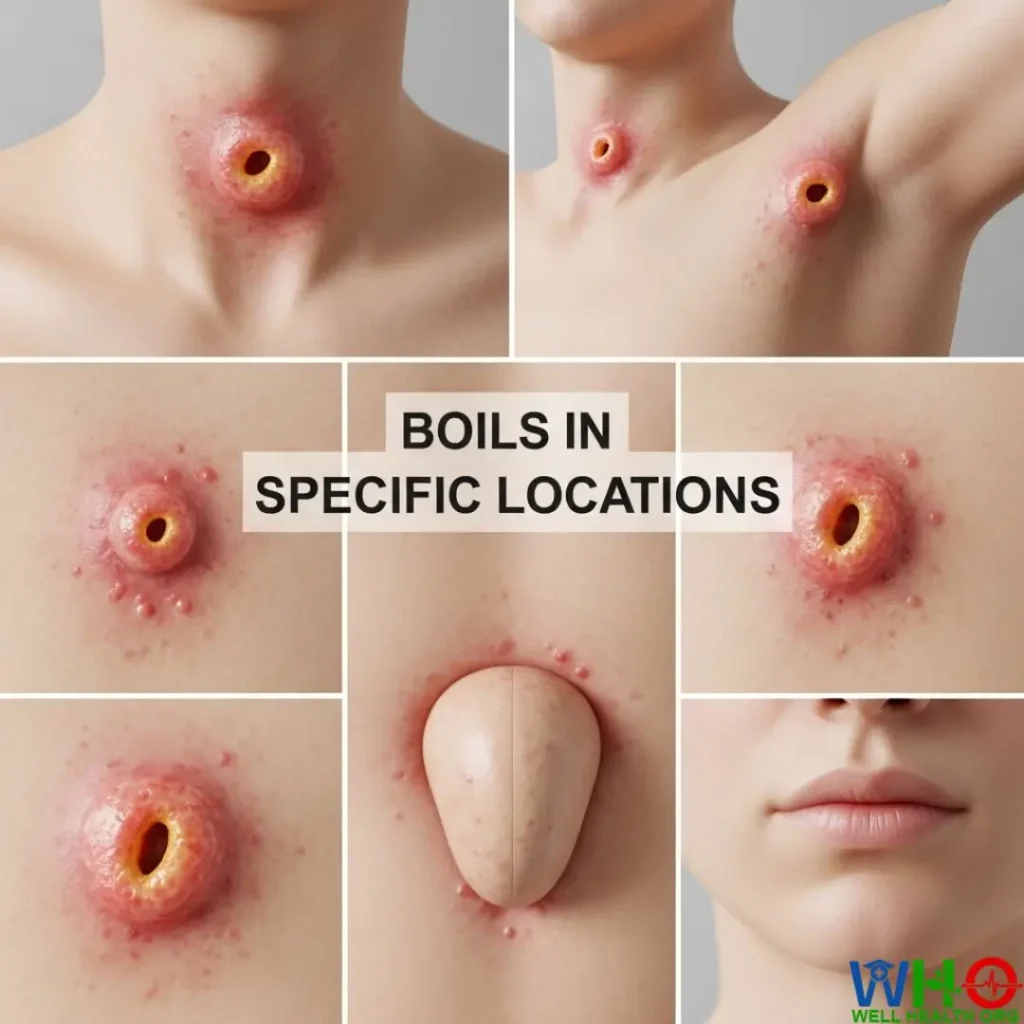
Part 6: Boils in Specific Locations
Not all boils are created equal. The location dictates the care.
The Inner Thigh/Buttocks Boil
- Challenge: Constant friction from walking and sitting.
- Tip: You must keep this area dry. Use talc-free powder during the day. When at home, wear loose boxers or go commando to let the area breathe. Avoid cycling or spinning classes until it heals.
The Armpit Boil
- Challenge: High bacteria zone, deodorant irritation, and lymph nodes nearby.
- Tip: Stop using antiperspirants, as they block pores. Switch to a natural deodorant or just wash frequently. Do not shave the area until the boil is completely gone.
The Facial Boil
- Challenge: High visibility and high risk (Triangle of Death).
- Tip: Be extremely gentle. Do not use harsh exfoliants. Use the turmeric paste or tea tree oil remedy, but test on a small patch of skin first to ensure your face doesn’t react.
Part 7: When to Wave the White Flag (Seeing a Doctor)
While 90% of boils can be managed at home, the other 10% require professional intervention. A doctor can perform an “I&D” (Incision and Drainage), where they numb the area and make a small, sterile cut to drain the infection instantly.
Seek Medical Help Immediately If:
- Systemic Symptoms: You have a fever, chills, or swollen lymph nodes. This means the infection has spread beyond the skin.
- Red Streaks: If you see red lines extending away from the boil, this is Lymphangitis (blood poisoning). This is a medical emergency.
- Size: The boil is larger than a ping-pong ball.
- Location: It is on your spine, near your eye, or in your ear.
- Recurrence: You treat one, and another appears. This suggests you might be a carrier of MRSA and need a decolonization protocol (special nose creams and body washes).
- No Progress: You have been doing warm compresses for a week, and nothing has happened.
Conclusion: Patience is the Cure
Dealing with a boil is a lesson in patience. It is ugly, it hurts, and it feels like it takes forever to heal. But by respecting the process—using heat to draw it out, natural remedies to fight the bacteria, and hygiene to prevent spread—you are helping your body do what it does best: heal.
Remember, your skin is a reflection of your overall health and your environment. By making small tweaks to your diet, your clothing, and your hygiene routine, you can turn your body into a fortress where boils are no longer welcome. Stay consistent with your compresses, keep your hands off the lump, and let nature take its course.
Frequently Asked Questions (FAQs)
Q: Can toothpaste get rid of a boil?
A: You may see this hack online, but it is not recommended. While toothpaste contains ingredients like baking soda or peroxide that can dry out a pimple, it is often too harsh for the inflamed, infected skin of a boil. It can cause contact dermatitis (a rash) and make the pain worse. Stick to Epsom salts or turmeric.
Q: Is a boil contagious?
A: Yes, very. The pus inside the boil is teeming with live bacteria (staph). If the boil ruptures and the pus touches your sheets, towels, or someone else’s skin, the infection can spread. Always wash your hands after touching a boil and keep it covered.
Q: How long does a boil last?
A: A typical boil lasts anywhere from 10 to 25 days. The first few days are the hardening phase, followed by roughly a week of softening and filling with pus, and finally rupture and healing. Using warm compresses can shorten this timeline.
Q: Can I cover a boil with a band-aid?
A: Yes, and you should! Covering a boil protects it from friction (which can make it hurt more) and prevents you from touching it. It also keeps the bacteria contained if it decides to pop while you are asleep or moving around.
Q: Why do I keep getting boils in the same spot?
A: If a boil returns to the exact same spot, it may be because the original infection never fully cleared, or a “sac” was left behind under the skin. It could also be a cyst that keeps getting infected. If this happens, a doctor may need to surgically remove the sac to stop it from coming back.
Q: Can stress cause boils?
A: Indirectly, yes. Stress raises cortisol levels, which can suppress your immune system and make you more susceptible to infections. Stress can also lead to behaviors like skin picking or poor diet, which increase risk.
Medically Reviewed by Prof. Dr. Akram
Orthopedic Surgeon | Professor | Senior Medical Specialist
Prof. Dr. Akram is a distinguished surgeon with over 15 years of clinical expertise. Having served as a lead Emergency Specialist at Complex International Government Hospital, he currently leads a specialized team of 13 medical professionals at his private hospital. As a Professor at top medical universities, he ensures that every article on WellHealthOrg.com meets rigorous clinical standards.
Medical Disclaimer:
The information provided is for educational purposes only and is not a substitute for professional medical advice, diagnosis, or treatment. Always consult your physician for any medical concerns.
Our content is rigorously fact-checked by our 13-member Editorial Team under the clinical supervision of Prof. Dr. Akram.