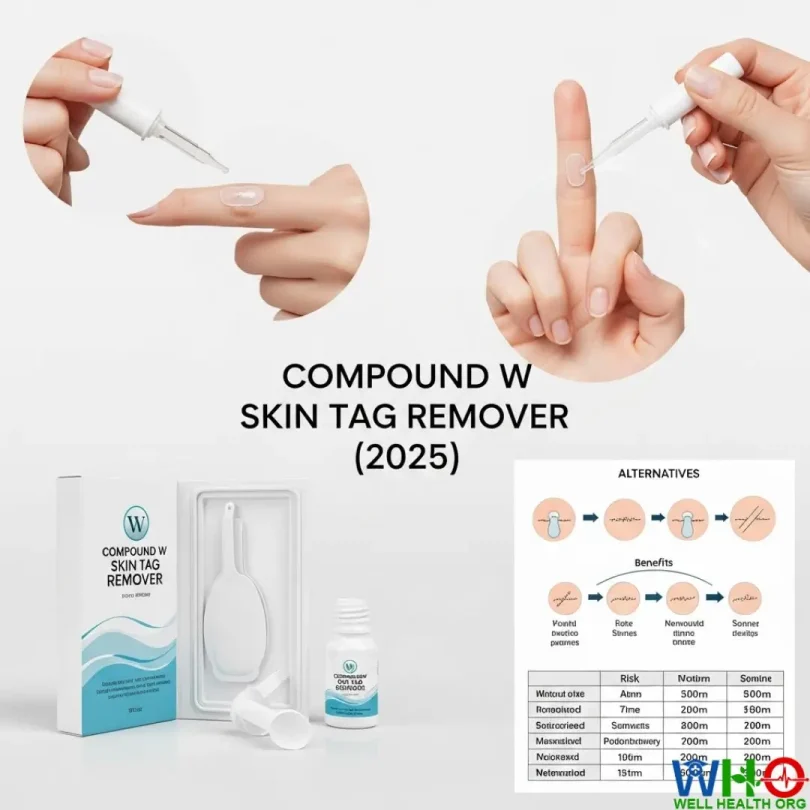
Compound W Skin Tag Remover
Skin tags might be harmless, but let’s be honest—they can be seriously annoying. Those tiny, flesh-colored bumps often pop up in the worst places: around your neck, under your arms, or even beneath your bra line. They can snag on jewelry, cause irritation, or make you feel self-conscious. The good news? You don’t necessarily need a pricey dermatology appointment to get rid of them. One of the most popular over-the-counter options is Compound W Skin Tag Remover, a trusted name in at-home cryotherapy.
- Compound W Skin Tag Remover
- Understanding Skin Tags: What They Are and Why They Form
- What Exactly Is Compound W Skin Tag Remover?
- How Compound W Skin Tag Remover Works
- Step-by-Step Guide: How to Use Compound W Skin Tag Remover
- Step 1: Prepare and Protect
- Step 2: Activate the Freezing Tip
- Step 3: Apply to the Skin Tag
- Step 4: Aftercare
- The Benefits of Using Compound W Skin Tag Remover
- 1. Convenient and Private
- 2. Affordable
- 3. Quick and Easy
- 4. Widely Available
- 5. Clinically Inspired Technology
- Possible Risks and Safety Precautions
- Common Side Effects
- Serious (But Rare) Risks
- Critical Safety Warnings
- Alternative Skin Tag Removal Options
- Professional Medical Procedures
- Other At-Home Skin Tag Removal Methods
- Tips to Prevent Future Skin Tags
- 1. Reduce Friction
- 2. Maintain a Healthy Weight
- 3. Keep Skin Clean and Dry
- 4. Manage Underlying Health Conditions
- 5. Take Care During Pregnancy
- Frequently Asked Questions (FAQs)
- Making the Right Choice for Your Skin
This comprehensive guide will walk you through everything you need to know about using Compound W to remove skin tags at home—from how it works and step-by-step application to safety precautions, benefits, risks, and alternatives. By the end, you’ll know exactly whether this DIY solution is the right move for your skin.
Understanding Skin Tags: What They Are and Why They Form
Skin tags, medically known as acrochordons, are small, soft pieces of hanging skin that can appear just about anywhere on the body. Typically, they’re flesh-colored or slightly darker and may range from the size of a grain of rice to a small grape. Though completely benign, they can cause discomfort or embarrassment depending on their size and location.

Common spots where skin tags appear include:
- The neck
- Underarms
- Eyelids
- Groin folds
- Under the breasts
But what causes them in the first place?
While the exact reason isn’t entirely clear, dermatologists believe that friction and genetics play major roles. Here are some of the most common contributing factors:
- Skin friction: Skin tags often develop in areas where skin rubs against skin or clothing.
- Age: They’re more likely to appear after age 50.
- Weight: Overweight or obese individuals are at higher risk because of increased skin folds and friction.
- Genetics: If your parents have skin tags, there’s a good chance you’ll develop them too.
- Hormonal changes: Pregnancy and hormonal fluctuations can trigger skin tag growth.
- Insulin resistance: Studies suggest a link between metabolic disorders like diabetes and the development of skin tags.
Even though skin tags are harmless, they can be irritating—literally. If they’re constantly catching on clothing or jewelry, or if they’re visible in noticeable areas, removal often becomes more about comfort and confidence than health.
What Exactly Is Compound W Skin Tag Remover?
Compound W is a brand best known for its wart removal products, but it also offers specialized options for skin tag removal. The Compound W NitroFreeze Skin Tag Remover is one of the most effective and convenient over-the-counter treatments available. It’s based on cryotherapy, the same freezing method dermatologists use in their offices—only formulated for safe at-home use.
Each kit typically includes:
- A freezing applicator device
- Disposable foam tips
- TagTarget skin shields to protect surrounding healthy skin
The primary freezing agents—dimethyl ether and propane—rapidly cool the foam tip to create an intense, freezing effect when applied directly to the skin tag. This deep cold destroys the tag’s tissue, causing it to dry up and fall off naturally within about two weeks.
This process is simple, effective, and backed by decades of clinical use in professional settings—only now, it’s packaged in a way that allows everyday users to handle the procedure themselves.
How Compound W Skin Tag Remover Works
The science behind Compound W’s effectiveness is straightforward but powerful. Cryotherapy works by exposing the skin tag to extremely cold temperatures, effectively killing the cells within the growth. Once those cells die, the body naturally heals and sheds the dead tissue over several days.

Here’s what happens step-by-step:
- The applicator tip is cooled by the aerosol freezing agent.
- When the tip is applied to the skin tag, it rapidly freezes the cells.
- Over the next 10–14 days, the frozen tissue darkens, scabs, and eventually falls off.
- Fresh skin forms underneath, leaving a smooth surface where the tag once was.
Because the product is designed to mimic professional cryotherapy, users can expect results similar to in-office treatments—just without the cost or wait time.
Step-by-Step Guide: How to Use Compound W Skin Tag Remover
Before you start, it’s crucial to read and follow the instructions carefully. Using the product correctly minimizes the risk of skin damage and ensures effective results. Here’s how to do it safely and efficiently:

Step 1: Prepare and Protect
- Select your shield: Choose a TagTarget skin shield that fits snugly around your skin tag.
- Apply it carefully: The hole in the center of the shield should surround the tag, isolating it while protecting the nearby skin.
- Assemble the applicator: Insert the stick end of a disposable foam tip into the applicator holder until it clicks into place.
Step 2: Activate the Freezing Tip
- Place the can on a stable, flat surface.
- Insert the applicator stick into the top opening of the can.
- Press down firmly for about 2–3 seconds—you’ll hear a hissing sound, meaning the foam tip is absorbing the freezing agent.
- Remove the applicator and wait 10–20 seconds for the tip to reach a safe but effective freezing temperature. The tip should appear frosty.
Step 3: Apply to the Skin Tag
- Press the frozen foam tip directly against the base of the skin tag (not the surrounding skin).
- Hold it firmly in place for about 40 seconds without moving.
- Expect a mild burning or stinging sensation—it’s a sign the freezing is working.
Step 4: Aftercare
- Dispose of the foam tip and shield—never reuse them.
- Wash your hands thoroughly.
- Over the next several days, the treated area may darken or scab. Do not pick or scratch at it.
- If the skin tag hasn’t fallen off after two weeks, repeat the process. You can safely perform up to three treatments per tag if needed.
Pro Tip: Always treat one tag at a time to maintain precision and reduce the risk of irritation.
The Benefits of Using Compound W Skin Tag Remover
So, why choose Compound W over a doctor’s visit or home remedies? Here are some compelling advantages:

1. Convenient and Private
You can treat skin tags anytime, anywhere—no appointments, no waiting rooms, and no awkward conversations. It’s a discreet solution, especially for skin tags in personal areas.
2. Affordable
Dermatologists can charge $150–$300 per tag removal. Compound W costs a fraction of that and can treat multiple tags from a single kit.
3. Quick and Easy
The freezing process itself takes under a minute, and most tags fall off within two weeks. There’s no cutting, no bleeding, and minimal aftercare.
4. Widely Available
You can find Compound W in nearly every pharmacy, supermarket, and online store—making it one of the most accessible options on the market.
5. Clinically Inspired Technology
The cryotherapy method mirrors professional dermatology treatments, providing reliable, science-backed results from home.
Possible Risks and Safety Precautions
While Compound W is generally safe when used correctly, it’s not without potential side effects. Knowing the risks helps ensure a smooth, complication-free experience.
Common Side Effects
- Redness or irritation: Temporary inflammation is normal and should fade within a few days.
- Discoloration: The area may appear lighter or darker than surrounding skin for a short period.
- Mild blistering: Occasionally, small blisters form—this is part of the healing process. Avoid popping them.
Serious (But Rare) Risks
- Incomplete removal: Some tags may require multiple treatments or professional help.
- Scarring: Over-freezing or repeated treatments on the same area can cause scars.
- Nerve damage: Applying the product too close to sensitive nerves may cause temporary numbness.
- Infection: Always keep the area clean; watch for signs like increased pain, redness, or pus.
Critical Safety Warnings
Do not use Compound W on:
- Moles, freckles, or pigmented spots
- Warts with hair
- Facial, eyelid, armpit, breast, or genital areas
- Irritated or infected skin
Consult a doctor before use if:
- You have diabetes or poor circulation
- You’re pregnant or breastfeeding
- The growth is painful, bleeding, or changing in appearance
- You’re unsure if it’s truly a skin tag
Also, keep the product away from heat and flames—it’s flammable. Always store it safely out of children’s reach.
Alternative Skin Tag Removal Options
If Compound W doesn’t feel like the best fit for your needs—or if your skin tags are in sensitive areas—there are plenty of other removal options available. Each method has its pros and cons, depending on your budget, pain tolerance, and desired speed of results.

Professional Medical Procedures
When you visit a dermatologist, you gain the advantage of expert precision and sterile tools. Here are the most common professional techniques:
1. Cryotherapy (Liquid Nitrogen Freezing)
This is the in-office version of Compound W’s at-home method. Dermatologists use liquid nitrogen at much colder temperatures than over-the-counter cryotherapy products. The procedure is quick, usually lasting only a few seconds per tag, and most people see complete removal after one session. A small scab may form and fall off within days, leaving minimal to no scarring.
2. Surgical Excision
If you want immediate results, this method is the go-to. The doctor numbs the area and uses sterile surgical scissors or a scalpel to snip off the skin tag. The procedure is fast, precise, and effective—even for larger tags. You may experience minor bleeding or a tiny scab afterward, but healing is typically quick.
3. Electrocautery (Burning Method)
This technique involves using a heated tool to burn and seal the base of the skin tag. The heat closes off blood vessels, reducing bleeding. While the word burning sounds intimidating, the procedure is generally painless under local anesthesia. Healing usually takes about a week, and the risk of recurrence is low.
4. Ligation (Tying Off the Blood Supply)
In this approach, the dermatologist ties off the base of the tag using surgical thread. By cutting off circulation, the tag dries out and falls off naturally within a few days. This is a great option for people who prefer a no-freeze, no-cut method.
Each of these procedures ensures professional supervision, lower risk of scarring, and proper identification of the growth before removal. This last point is crucial—some lesions can mimic skin tags but are actually more serious skin conditions.
Other At-Home Skin Tag Removal Methods
Not all at-home solutions are created equal. While some people swear by natural remedies, others prefer devices that replicate medical results. Here are a few popular alternatives:

1. Skin Tag Removal Devices
These small kits use a tiny rubber band to cut off the skin tag’s blood flow—a process called ligation. Over a few days, the tag dries up and falls off. It’s relatively painless, but it’s essential to follow instructions closely to prevent infection.
2. Tea Tree Oil
A favorite among natural remedy enthusiasts, tea tree oil is believed to dry out skin tags when applied regularly. However, its effectiveness hasn’t been proven scientifically. Always dilute essential oils with a carrier oil (like coconut or olive oil) to avoid irritation, and do a patch test before using it.
3. Apple Cider Vinegar
Another common home treatment, apple cider vinegar can cause the tag to dry and fall off due to its acidity. Yet, it’s harsh on the skin and may lead to burns or hyperpigmentation, especially in sensitive areas. Proceed with caution.
4. Dental Floss or String Method
This DIY technique mimics professional ligation—tying off the tag’s base to stop blood flow. However, it carries significant risks if not done properly, such as infection or scarring. Sterility is key, and if you’re not confident, it’s better to avoid this one.
Note: Always remember—only FDA-approved treatments like Compound W are designed specifically for home use. While home remedies might sound appealing, they lack quality control and scientific backing.
Tips to Prevent Future Skin Tags
While there’s no guaranteed way to completely prevent skin tags, adopting a few healthy habits can help minimize your chances of developing new ones. Think of it as general skin maintenance that keeps friction, irritation, and inflammation at bay.
1. Reduce Friction
Skin tags love friction. To lower your risk, wear loose-fitting clothes, choose breathable fabrics like cotton, and avoid tight collars or jewelry that constantly rubs against your skin.
2. Maintain a Healthy Weight
Since excess weight increases skin folds and friction points, maintaining a healthy body weight through balanced nutrition and regular physical activity can help prevent new tags from forming.
3. Keep Skin Clean and Dry
Moisture buildup, especially in folds or underarms, can create the perfect environment for irritation. After bathing or exercising, gently dry your skin and use a light body powder or anti-chafing cream to minimize rubbing.
4. Manage Underlying Health Conditions
If you have insulin resistance or type 2 diabetes, managing your blood sugar levels can reduce the likelihood of developing new skin tags. Speak with your healthcare provider about lifestyle and medication adjustments if needed.
5. Take Care During Pregnancy
Hormonal fluctuations during pregnancy can cause new skin tags to appear. Most are temporary, but gentle skin care and friction reduction can prevent additional growths.
Think of prevention as part of your skincare routine—keeping your skin smooth, friction-free, and healthy is the best defense against new skin tags.
Frequently Asked Questions (FAQs)
1. How long does it take for a skin tag to fall off after using Compound W?
Usually, it takes between 10 and 14 days for the treated skin tag to fall off completely. Occasionally, it might take a bit longer. If it hasn’t fallen off after two weeks, a second treatment can be performed. Each tag can safely undergo up to three total treatments.
2. Is Compound W painful to use?
Some mild discomfort is normal. You might feel a stinging, burning, or aching sensation during and immediately after application. This is a sign that the freezing process is working. The sensation typically fades within a few minutes to hours, and any redness should disappear after a few days.
3. Can I treat multiple skin tags at once?
Yes—but treat each one individually, using a fresh applicator tip every time. This prevents contamination and ensures that each tag gets the proper freezing duration.
4. What’s the difference between Compound W for warts and Compound W for skin tags?
Great question! The wart remover version of Compound W uses salicylic acid to dissolve wart tissue gradually. The skin tag remover, on the other hand, uses cryotherapy (freezing) to destroy tag tissue immediately. Make sure you’re using the correct product—applying wart remover to a skin tag could irritate your skin.
5. Can I exercise after using Compound W?
Yes, but wait at least 24 hours before engaging in activities that cause heavy sweating or friction. Keep the treated area clean, dry, and uncovered to allow for proper healing.
Making the Right Choice for Your Skin
Deciding how to remove a skin tag ultimately comes down to comfort, confidence, and personal preference. Compound W Skin Tag Remover provides an effective middle ground—it’s quick, affordable, and convenient, offering near-professional results in the comfort of your home.
However, it’s not a one-size-fits-all solution. If your tags are large, in sensitive locations (like eyelids or genitals), or if you have medical conditions such as diabetes, consulting a dermatologist is always the smarter route. A professional can ensure the growth is benign, remove it safely, and guide you on how to prevent future ones.
Before making a decision, read verified user reviews to get a feel for real-world experiences. Thousands of people have found success with Compound W, but every skin type is different. And remember—if you’re unsure whether a bump is truly a skin tag, don’t guess. Always have a professional evaluate it.
Removing skin tags can feel empowering—it’s about taking back your comfort and confidence. Whether you opt for Compound W or professional care, you’re investing in healthier, smoother skin that lets you feel your best.
Conclusion
Compound W Skin Tag Remover offers a practical, affordable, and efficient solution for anyone looking to remove small skin tags at home. With its cryotherapy technology, you can experience dermatologist-inspired results without leaving your house or spending hundreds of dollars. When used properly and safely, it’s an excellent option for restoring clear, irritation-free skin.
That said, always listen to your skin. If you’re uncertain about the nature of your growth or if the tag appears unusual, professional advice is priceless. Skin health isn’t something to take lightly, and a quick consultation can offer peace of mind.
Take your time, follow the instructions closely, and practice good aftercare—and soon, you’ll notice smoother, tag-free skin.
Medically Reviewed by Prof. Dr. Akram
Orthopedic Surgeon | Professor | Senior Medical Specialist
Prof. Dr. Akram is a distinguished surgeon with over 15 years of clinical expertise. Having served as a lead Emergency Specialist at Complex International Government Hospital, he currently leads a specialized team of 13 medical professionals at his private hospital. As a Professor at top medical universities, he ensures that every article on WellHealthOrg.com meets rigorous clinical standards.
Medical Disclaimer:
The information provided is for educational purposes only and is not a substitute for professional medical advice, diagnosis, or treatment. Always consult your physician for any medical concerns.
Our content is rigorously fact-checked by our 13-member Editorial Team under the clinical supervision of Prof. Dr. Akram.