
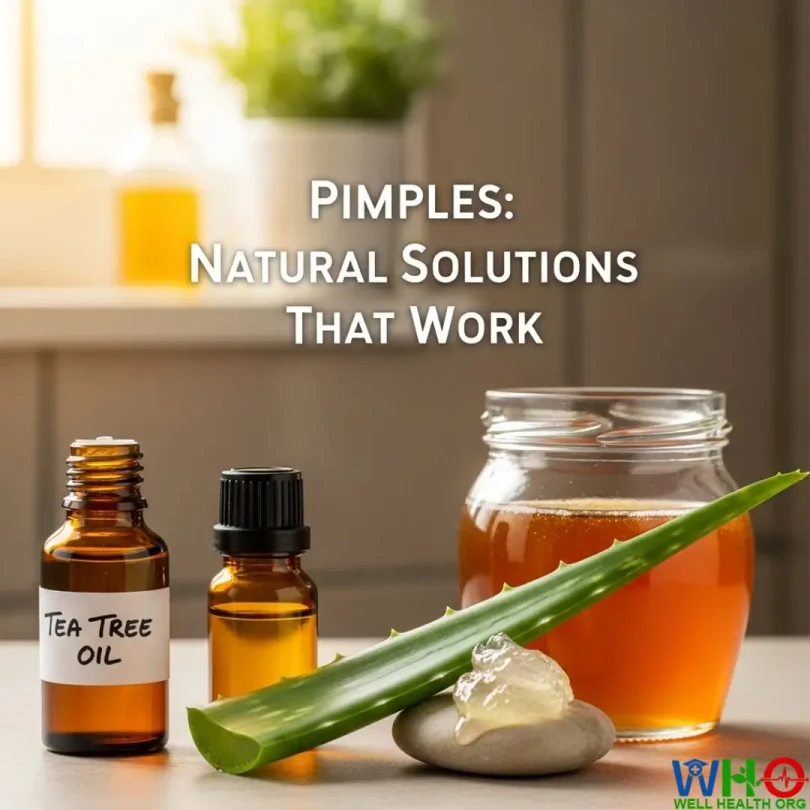
Remedies for Pimples
Dealing with pimples can feel like a never-ending battle. You wake up to find one glaring at you from the mirror, and no matter how much you wash your face or apply expensive creams, they keep coming back. The truth is, you don’t always need harsh chemicals or pricey dermatology treatments to achieve clear skin. Nature has gifted us with powerful ingredients that can heal, soothe, and prevent pimples effectively — and often, you can find them right in your kitchen.
- Remedies for Pimples
- Understanding What Really Causes Pimples
- Tea Tree Oil: The Natural Antiseptic that Battles Breakouts
- Aloe Vera: The Soothing Miracle for Inflamed Skin
- Honey: Nature’s Sweet Antibacterial Healer
- Green Tea: The Antioxidant Powerhouse
- Ice Therapy: Quick Relief for Painful Pimples
- Warm Compress: Encouraging Deep Pimples to Surface
- Diet and Nutrition: Eating for Clearer Skin
- Hygiene Habits That Prevent Pimples
- Managing Stress for Healthier Skin
- When to See a Dermatologist
- Combining Remedies: Building Your Personal Acne Treatment Plan
- Common Mistakes to Avoid When Treating Pimples Naturally
- Additional Natural Ingredients Worth Trying
- Balancing Hormones Naturally for Fewer Breakouts
- Home Remedies vs. Store-Bought Treatments: Finding the Right Balance
- Preventing Future Pimples: Long-Term Skin Health Tips
- Your Journey to Clearer Skin Starts Now
- FAQs
In this comprehensive guide, we’ll dive deep into natural pimple remedies that actually work, supported by science and real-life experience. You’ll learn about ingredients that fight acne-causing bacteria, reduce inflammation, and prevent breakouts — without damaging your skin barrier. Plus, we’ll discuss lifestyle changes, skin care habits, and when it’s time to seek professional help.
Understanding What Really Causes Pimples
Before you can treat pimples, you need to understand what causes them. Pimples form when your pores become clogged with oil, bacteria, and dead skin cells. This combination triggers inflammation, which results in those small (and sometimes painful) red bumps we all dread.
Here are the main culprits behind pimples:
- Excess oil (sebum) production: Your sebaceous glands naturally produce oil to keep your skin hydrated. However, when they produce too much, it mixes with dead skin and creates the perfect environment for bacteria to grow.
- Bacteria buildup: The bacteria Propionibacterium acnes (now called Cutibacterium acnes) thrives inside clogged pores. Once it starts multiplying, inflammation and pimples follow.
- Hormonal fluctuations: Hormones, especially androgens, increase oil production. That’s why pimples often appear during puberty, menstruation, pregnancy, or stressful periods.
- Dead skin accumulation: When dead cells aren’t shed properly, they can block pores and trap oil beneath the surface.
Understanding these triggers helps you choose the most effective treatment for your skin type and lifestyle.
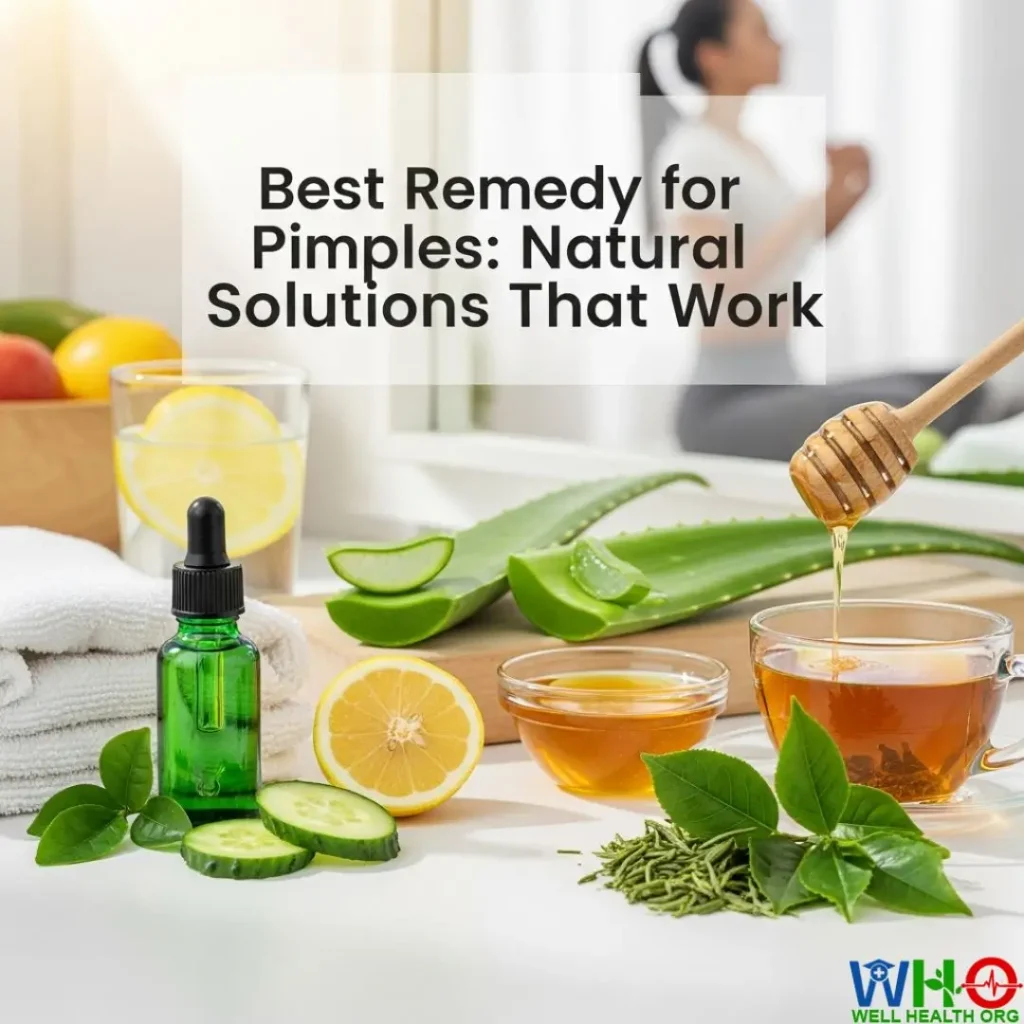
Tea Tree Oil: The Natural Antiseptic that Battles Breakouts
Tea tree oil is often referred to as “nature’s benzoyl peroxide” — and for good reason. This essential oil contains compounds like terpinen-4-ol, which possess powerful antibacterial and anti-inflammatory properties. It’s one of the most reliable natural treatments for mild to moderate acne.
How to use tea tree oil correctly:
- Dilute before applying: Mix one part tea tree oil with nine parts carrier oil (like jojoba, coconut, or olive oil). Never apply it undiluted.
- Spot treatment: Dip a clean cotton swab into the mixture and gently dab it onto affected areas.
- Test first: If you’re new to tea tree oil, test it on a small patch of skin to ensure there’s no irritation.
Why it works:
Tea tree oil kills acne-causing bacteria and reduces inflammation. Studies have found that it’s nearly as effective as over-the-counter treatments containing benzoyl peroxide — but without causing excessive dryness or peeling. Use it once daily at first, and increase to twice daily if your skin tolerates it well.
Aloe Vera: The Soothing Miracle for Inflamed Skin
If you’ve ever had a sunburn, you already know how cooling and soothing aloe vera feels. But this humble succulent does more than just calm redness — it’s a potent anti-inflammatory, antibacterial, and healing agent.
Benefits of using aloe vera for pimples:
- Reduces redness and swelling
- Speeds up the healing process of blemishes
- Provides hydration without clogging pores
- Helps fade dark spots from past breakouts
How to use it:
Cut open a fresh aloe vera leaf and scoop out the gel. Apply a thin layer to your face or affected area, letting it absorb completely before rinsing off. You can also refrigerate the gel for a refreshing cooling effect. For best results, apply it twice daily — morning and night.
Pro tip:
Look for aloe vera products that are at least 90–99% pure, without added fragrances or alcohols. Better yet, use fresh gel straight from the plant for maximum effectiveness.
Honey: Nature’s Sweet Antibacterial Healer
It might seem strange to apply something sticky like honey to your face, but raw honey (especially Manuka honey) has remarkable antibacterial and healing properties. It draws moisture into the skin while fighting infection, making it ideal for both treating active pimples and preventing new ones.
Why honey works for acne:
- It naturally contains hydrogen peroxide, which disinfects pores.
- Its thick texture helps draw out impurities and excess oil.
- It helps repair damaged skin and reduce post-acne scars.
How to use honey for pimples:
- Start with clean skin.
- Apply a thin layer of raw or Manuka honey to your entire face or just on pimples.
- Leave it on for 15–20 minutes before rinsing with warm water.
- Repeat two to three times per week.
Honey is gentle enough for all skin types and can be combined with other natural ingredients like cinnamon or turmeric for an extra antibacterial boost.
Green Tea: The Antioxidant Powerhouse
Green tea isn’t just good for your overall health — it can work wonders for your skin too. Packed with antioxidants like catechins, green tea helps regulate oil production, reduce inflammation, and fight bacteria.
Two effective ways to use green tea:
- Toner: Brew a cup of green tea, let it cool, and apply it with a cotton pad to your skin after cleansing.
- Mask: Mix used green tea leaves with a teaspoon of honey to create a gentle exfoliating mask.
Bonus: Drinking green tea regularly can also support your skin from the inside out by lowering inflammation and balancing hormones that contribute to breakouts.
Ice Therapy: Quick Relief for Painful Pimples
Got a painful, swollen pimple? Ice might be your best quick fix. It helps reduce inflammation, redness, and pain by constricting blood vessels around the affected area.
How to do it safely:
- Wrap an ice cube in a clean, soft cloth.
- Apply to the pimple for 5–10 minutes at a time.
- Repeat a few times a day as needed.
Avoid applying ice directly to your skin to prevent irritation or frostbite. This method doesn’t cure pimples but provides instant relief from swelling and discomfort.
Warm Compress: Encouraging Deep Pimples to Surface
For those painful, under-the-skin pimples that never seem to come to a head, a warm compress can be incredibly soothing. The warmth increases blood circulation, promotes healing, and helps draw out trapped pus naturally.
How to apply:
- Soak a clean washcloth in warm (not hot) water.
- Press it gently against the affected area for 10–15 minutes.
- Repeat several times a day.
Over time, the pimple may soften and drain naturally — speeding up healing without forcing it.
Diet and Nutrition: Eating for Clearer Skin
What you eat can influence how your skin behaves. While no single food directly causes pimples, certain dietary habits can make breakouts worse — while others promote a glowing, balanced complexion.
Foods that support clear skin:
- Vitamin A: Found in carrots, sweet potatoes, spinach — helps regulate skin cell turnover.
- Zinc: Found in pumpkin seeds, lentils, and lean meats — reduces inflammation and controls oil.
- Omega-3 fatty acids: Found in salmon, flaxseeds, and walnuts — help balance hormones and fight inflammation.
- Antioxidant-rich foods: Berries, green tea, and dark chocolate protect skin from oxidative damage.
Foods to limit or avoid:
- High-sugar snacks and sodas that spike insulin levels.
- Dairy products (especially skim milk), which may trigger hormonal acne in some people.
- Greasy or highly processed foods that promote inflammation.
Pro tip:
Try keeping a food diary to notice any connections between what you eat and your breakouts.
Hygiene Habits That Prevent Pimples
Simple hygiene practices can make a world of difference when it comes to keeping pimples away.
Your daily routine should include:
- Gentle cleansing: Wash your face twice daily with a mild, non-comedogenic cleanser.
- Avoid over-washing: Stripping your skin’s natural oils can cause rebound oil production.
- Clean pillowcases and towels regularly: They can harbor bacteria and oils that worsen acne.
- Don’t touch your face: Your hands carry dirt and bacteria that can transfer to your pores.
- Remove makeup thoroughly: Sleeping with makeup on clogs pores and traps bacteria.
Also, disinfect your phone screen frequently — it’s one of the dirtiest items that touches your face daily!
Managing Stress for Healthier Skin
If you’ve ever noticed breakouts right before an important event or exam, stress might be the culprit. High stress levels increase cortisol, a hormone that can boost oil production and inflammation.
Stress-relief strategies that also improve skin:
- Regular physical activity — even a 20-minute walk helps.
- Deep breathing or mindfulness meditation.
- Journaling or creative hobbies to express emotions.
- Consistent sleep (7–9 hours each night).
Healthy skin often reflects a healthy mind and body, so self-care is a key part of any skincare routine.
When to See a Dermatologist
While natural remedies work wonders for many, there are times when pimples go beyond what home treatments can manage. If you’ve been consistent with your skincare and natural remedies for several weeks but see little to no improvement, it might be time to seek professional help. Dermatologists can identify whether your acne is hormonal, bacterial, or due to other underlying conditions — and then tailor treatments accordingly.
You should see a dermatologist if you experience:
- Severe cystic acne that’s painful and deep beneath the skin.
- Persistent breakouts that don’t respond to home or over-the-counter treatments.
- Dark spots or scars that linger long after pimples heal.
- Sudden flare-ups after the age of 30 or 40 (which could signal hormonal imbalance).
- Emotional distress or loss of confidence due to acne.
Professional treatments may include:
- Topical retinoids to speed up skin cell turnover and unclog pores.
- Antibiotic creams to reduce bacterial buildup.
- Oral medications such as isotretinoin or hormonal treatments for more severe cases.
- Chemical peels or light therapy to improve texture and reduce scarring.
- Professional extractions to safely remove stubborn blackheads and whiteheads.
Dermatologists can also help you build a customized skincare plan using the right cleansers, serums, and moisturizers for your unique skin type. The combination of natural remedies and professional guidance often leads to the fastest, most lasting results.
Combining Remedies: Building Your Personal Acne Treatment Plan
Clear skin doesn’t happen overnight — it’s the result of consistent care and a balanced approach. The best acne treatment plan usually combines multiple strategies that address the root causes while nurturing your skin barrier.
Here’s how to build your personal routine:
- Morning Routine
- Wash your face with a gentle cleanser.
- Apply a natural toner like green tea or rose water.
- Moisturize using a lightweight, non-comedogenic cream.
- Apply sunscreen (SPF 30+) even if staying indoors.
- Evening Routine
- Double cleanse if you wear makeup or sunscreen.
- Apply a soothing natural remedy such as aloe vera or diluted tea tree oil.
- Use a hydrating serum with niacinamide to calm inflammation.
- End with a night moisturizer or honey mask twice a week.
- Weekly Add-Ons
- Use a honey or clay mask 2–3 times weekly.
- Steam your face once a week to open pores and release buildup.
- Gently exfoliate using green tea leaves or oatmeal to remove dead skin cells.
Key tip: Be patient and consistent. It can take 6–8 weeks of steady use to see real improvements in your skin. Avoid switching between products too quickly, as this can confuse your skin and cause irritation.
Common Mistakes to Avoid When Treating Pimples Naturally
Even the most effective remedies can fail if used incorrectly. Here are some common pitfalls to avoid:
- Over-exfoliating: Scrubbing too hard or too often can damage your skin barrier, causing more breakouts.
- Popping pimples: This can spread bacteria and lead to scarring.
- Using undiluted essential oils: Oils like tea tree or peppermint must always be diluted before applying.
- Skipping moisturizer: Even oily skin needs hydration; skipping it can cause your glands to produce more oil.
- Mixing too many ingredients: Using multiple active remedies together can irritate your skin — simplicity is key.
Listen to your skin’s feedback. If redness, stinging, or dryness occurs, reduce frequency or concentration. Remember: gentle care often yields the best long-term results.
Additional Natural Ingredients Worth Trying
Beyond the well-known remedies, a few lesser-known ingredients can also work wonders for pimples:
- Apple Cider Vinegar: Its acetic acid helps kill bacteria and balance skin’s pH. Mix one part vinegar with three parts water and apply with a cotton pad (use sparingly).
- Turmeric: Known for its strong anti-inflammatory properties. Mix turmeric powder with honey or yogurt for a soothing face mask.
- Witch Hazel: A natural astringent that tightens pores and reduces excess oil. Apply with a cotton pad after cleansing.
- Neem: Used in Ayurvedic medicine, neem has antibacterial compounds that help prevent acne formation. Neem paste or oil can be applied directly to pimples.
- Oatmeal: Great for sensitive skin — it gently exfoliates and soothes irritation. Mix with honey or yogurt for a calming mask.
When adding new ingredients, always patch-test them first to ensure compatibility with your skin type.
Balancing Hormones Naturally for Fewer Breakouts
For many people, hormonal fluctuations are the biggest driver of acne. If you experience breakouts around your menstrual cycle, jawline, or chin, hormonal imbalance may be to blame. Fortunately, lifestyle changes can help balance your hormones naturally.
Effective strategies include:
- Prioritize sleep: Lack of rest disrupts hormone regulation. Aim for 7–9 hours nightly.
- Exercise regularly: Physical activity helps balance hormones and reduce stress.
- Reduce sugar intake: High sugar levels spike insulin, which influences oil production.
- Eat hormone-friendly foods: Include flaxseeds, leafy greens, and healthy fats.
- Stay hydrated: Water helps flush toxins that could trigger breakouts.
If hormonal acne persists, speak to your doctor. Certain contraceptives or medications can help balance hormone levels effectively.
Home Remedies vs. Store-Bought Treatments: Finding the Right Balance
Natural remedies are gentle and cost-effective, but they work best for mild to moderate acne. Store-bought treatments, on the other hand, often contain concentrated ingredients designed for quicker results.
When to use home remedies:
- You prefer a chemical-free approach.
- Your breakouts are mild or occasional.
- You want to maintain skin health naturally.
When to use store-bought or prescription treatments:
- You have frequent, severe, or cystic acne.
- Natural methods haven’t shown improvement after 6–8 weeks.
- You have deep scarring or post-inflammatory hyperpigmentation.
A balanced approach — combining gentle natural remedies with dermatologist-approved treatments — often provides the most effective and lasting outcome.
Preventing Future Pimples: Long-Term Skin Health Tips
Clear skin isn’t just about treating current breakouts; it’s about preventing new ones from forming. Prevention requires consistency, mindfulness, and small but impactful daily habits.
Tips to prevent pimples long-term:
- Keep a consistent skincare routine.
- Maintain a balanced diet rich in vitamins and antioxidants.
- Stay hydrated — water helps flush toxins and maintain elasticity.
- Avoid sleeping with makeup or touching your face frequently.
- Replace pillowcases and towels weekly.
- Manage stress with relaxation techniques.
- Protect your skin from excessive sun exposure by wearing SPF daily.
Prevention is often easier (and less frustrating) than treatment, so invest in building these healthy habits early on.
Your Journey to Clearer Skin Starts Now
The best remedy for pimples doesn’t have to come from a fancy bottle or a dermatologist’s office. Sometimes, it’s sitting in your kitchen — in the form of tea tree oil, honey, aloe vera, or even a soothing green tea mask. What matters most is patience, consistency, and listening to your skin’s needs.
By combining nature’s healing ingredients with smart lifestyle choices — like eating clean, managing stress, and maintaining hygiene — you can achieve lasting results without overcomplicating your skincare routine.
If your acne persists or worsens, don’t hesitate to consult a professional. There’s no shame in seeking help; in fact, it’s the smartest way to achieve and maintain clear, healthy skin.
So, take that first step today — mix up your favorite natural remedy, stay consistent, and watch your skin thank you with a healthy, radiant glow. Clearer, smoother skin is not a dream — it’s a process that starts with care, patience, and a little help from nature.
FAQs
1. How long do natural remedies take to work on pimples?
Most natural remedies take between 4 to 8 weeks to show visible results. Patience and consistency are key — natural treatments work gently over time.
2. Can I use tea tree oil and aloe vera together?
Yes! Aloe vera helps hydrate and soothe, while tea tree oil fights bacteria. Combine a few drops of diluted tea tree oil with aloe vera gel for a gentle yet effective spot treatment.
3. Is it safe to apply honey daily?
Absolutely. Raw or Manuka honey can be applied daily as a spot treatment or mask. It keeps the skin soft, hydrated, and free from bacteria.
4. Why do my pimples get worse before they get better?
Sometimes, natural remedies bring impurities to the surface before fully clearing pores. This “purging phase” is temporary and a sign your skin is detoxifying.
5. Can stress alone cause pimples?
Stress doesn’t directly cause pimples but can trigger hormonal imbalances and inflammation that make acne worse. Managing stress is an essential part of preventing breakouts.
Medically Reviewed by Prof. Dr. Akram
Orthopedic Surgeon | Professor | Senior Medical Specialist
Prof. Dr. Akram is a distinguished surgeon with over 15 years of clinical expertise. Having served as a lead Emergency Specialist at Complex International Government Hospital, he currently leads a specialized team of 13 medical professionals at his private hospital. As a Professor at top medical universities, he ensures that every article on WellHealthOrg.com meets rigorous clinical standards.
Medical Disclaimer:
The information provided is for educational purposes only and is not a substitute for professional medical advice, diagnosis, or treatment. Always consult your physician for any medical concerns.
Our content is rigorously fact-checked by our 13-member Editorial Team under the clinical supervision of Prof. Dr. Akram.







