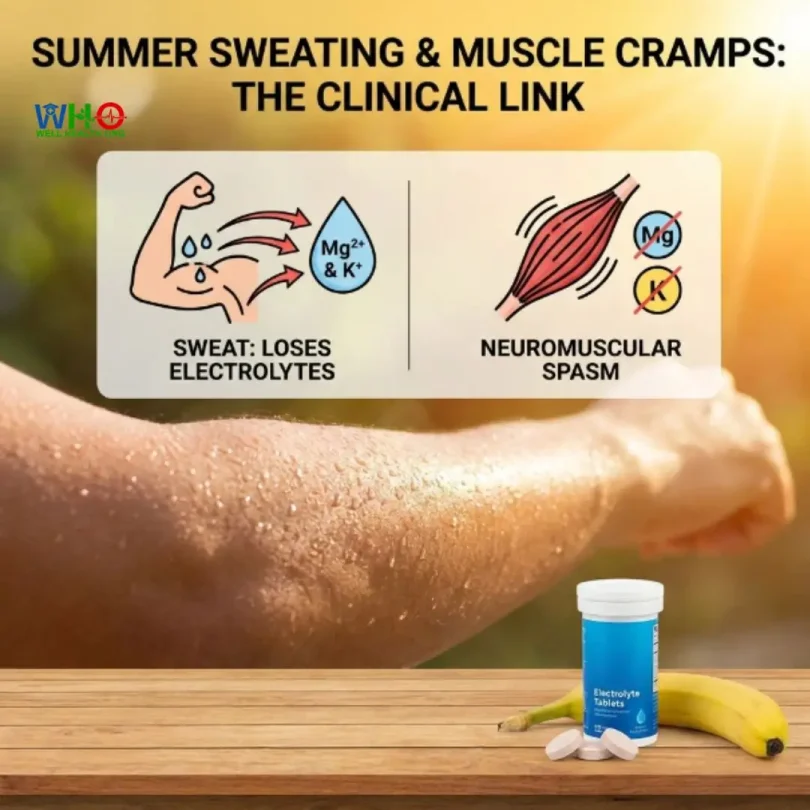
Why Summer Sweating Causes Severe Muscle Cramps: The Magnesium & Potassium Connection
|
Chief Medical Content Strategist & Senior Neurologist
🩺 Dr. Akram’s Private Clinical Notes
Just last July, during a blistering heatwave, a 42-year-old construction foreman named Rajesh walked into my clinic. He wasn’t suffering from a neurological stroke or a spinal disc herniation, though the sheer agony on his face suggested a profound physical crisis. For three consecutive nights, his calves and hamstrings had seized up with such violent intensity that he was left weeping on his bedroom floor, unable to straighten his legs. He told me he was drinking over five liters of water a day to stay hydrated while working under the blazing sun.
When we ran his serum electrolyte panel, the diagnostic picture became crystal clear: his sodium was borderline low, but his potassium and magnesium levels were profoundly depleted. By drinking massive amounts of plain water without replenishing his mineral reserves, he had inadvertently washed out his system, creating a state of neuromuscular hyperexcitability. This case is far from unique. Whether you are an athlete training in London, an office worker traversing the humid streets of Mumbai, or a laborer in Texas, the basic biochemistry of your muscles remains identical. When summer sweat robs your body of magnesium and potassium, your neuromuscular system pays a painful price.
Understanding Summer Muscle Cramps & Electrolyte Depletion
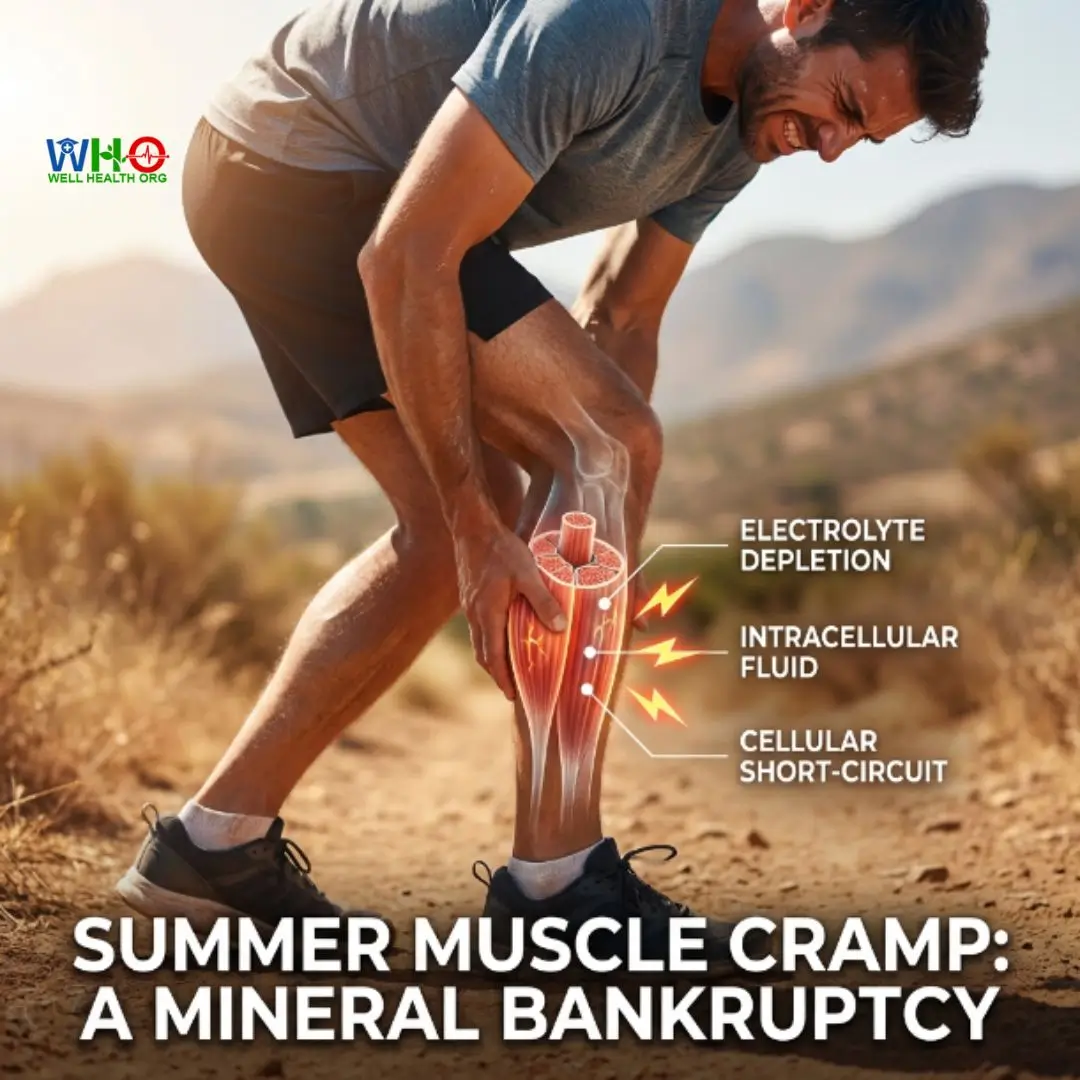
When the summer sun drives environmental temperatures upward, the human body relies on its most primitive and efficient cooling mechanism: thermoregulation via sweat production. While this process preserves our internal core temperature, it comes at a steep physiological cost. True muscle cramps, scientifically classified as involuntary, painful skeletal muscle contractions, are not merely a consequence of losing fluid. Instead, they represent an acute breakdown in cellular communication caused by the rapid loss of vital macro-minerals known as electrolytes.
Inside every skeletal muscle fiber, a highly coordinated sequence of electrical impulses governs the actions of shortening and lengthening. This system relies on precise concentrations of minerals suspended within the intracellular and extracellular fluids. When these concentrations shift, even slightly, the threshold required to trigger a nerve impulse drops drastically. The result is a sudden, uncontrolled, and agonizingly sustained muscle contraction that refuses to release voluntarily.
The Root Causes: How Sweating Triggers Neuromuscular Spasms
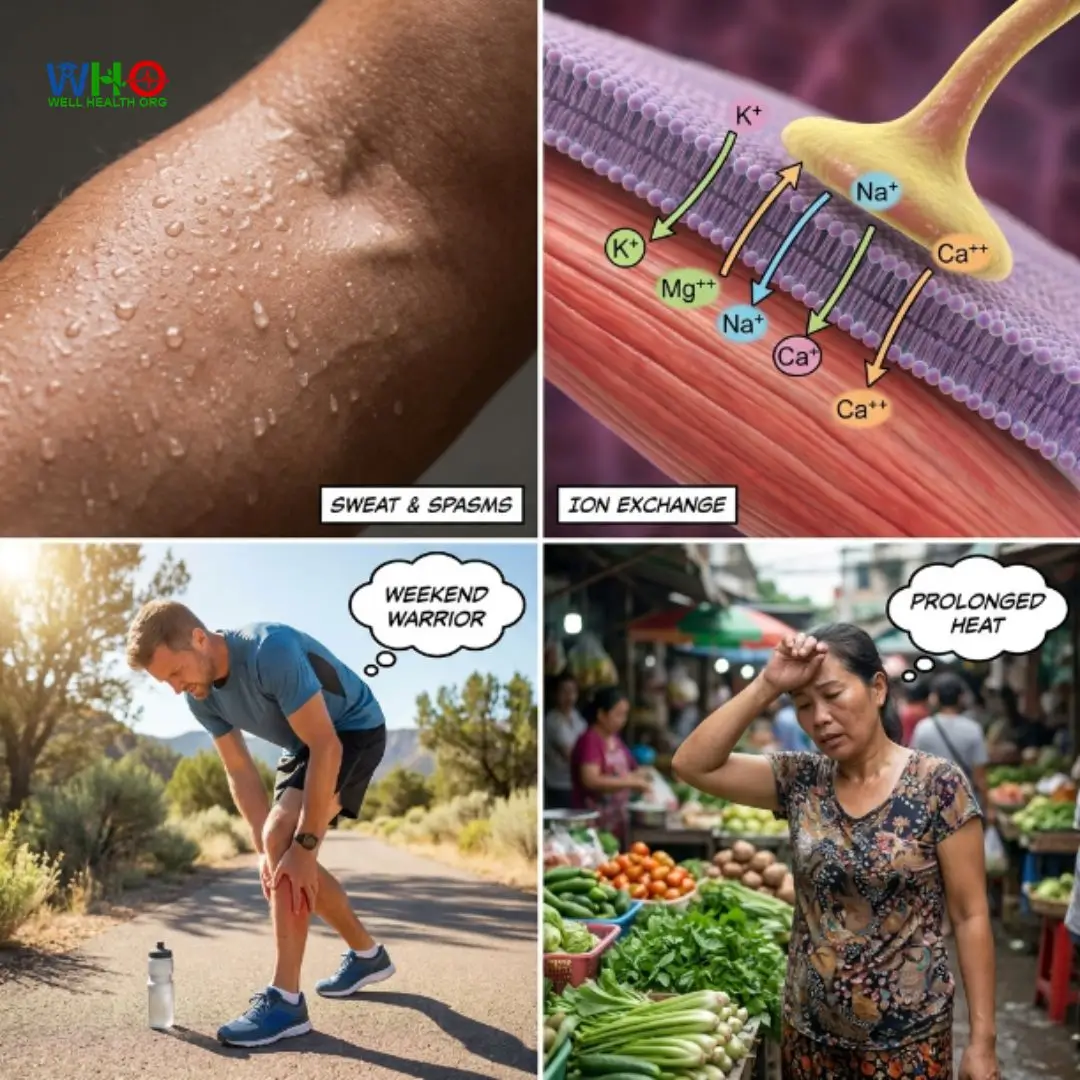
To understand why summer sweating triggers these agonizing spasms, we must look at the microscopic exchange of ions across cell membranes. When your sweat glands actively pump out moisture to cool the skin, they do not emit pure, distilled water. Sweat is a complex solution containing sodium, chloride, potassium, magnesium, and calcium.
As these minerals flee the body through the skin, the delicate “push-pull” system that keeps our muscles operating smoothly begins to collapse. Let us look closely at how these two specific minerals manage your skeletal system:
Potassium’s Role in Nerve Impulses
Potassium operates as the primary positive ion inside your cells. Working alongside sodium, which stays mostly outside the cells, it powers the sodium-potassium pump. This biological pump creates an electrical charge across the cell membrane, keeping it stable and resting. When potassium levels fall due to prolonged heat exposure and sweating, the resting charge drops. Without this stable electrical barrier, the motor nerves that control your muscles become highly sensitive and begin firing spontaneously, sending rapid, uncontrolled contraction signals down the nerve pathways.
Magnesium’s Role in Muscle Relaxation
If potassium is the gatekeeper of the electrical charge, magnesium is the ultimate relaxation mineral. In muscle biology, calcium is the mineral that triggers a contraction by binding to specific muscle proteins, locking them into a tight grip. Magnesium acts as a natural blocker, kicking calcium out of the muscle proteins so the muscle can relax and return to its resting state. When your body loses magnesium through heavy sweat, calcium remains trapped inside the muscle cells. Without enough magnesium to clear it out, the muscle fibers lock up into a painful, continuous spasm that cannot be broken by willpower alone.
Western Habits vs. Asian Lifestyle Factors
The risk of developing these severe summer muscle cramps is shaped significantly by where and how you live. In Western countries like the United States, the United Kingdom, and across Europe, the primary trigger is often intense, sudden physical exertion. Individuals who spend most of their week working sedentary office jobs in air-conditioned environments often engage in heavy outdoor sports, running, or yard work on weekends. This sudden exposure to high temperatures causes rapid, heavy sweating in a body that is not acclimated to the heat, leading to an immediate drop in available electrolytes. Additionally, modern Western diets rich in processed foods are notoriously low in magnesium, leaving individuals with very little mineral reserve to draw upon when they sweat.
In contrast, across Asian countries, particularly in the Indian subcontinent, Southeast Asia, and parts of the Middle East, the challenge stems from prolonged, daily environmental heat and humidity. Here, the body faces constant, low-grade sweat loss over many hours, even without heavy exercise. Traditional diets in these regions often feature whole grains, lentils, and local vegetables, which naturally provide good amounts of potassium and magnesium. However, the modern shift toward refined carbohydrates and fast foods, combined with long working hours in hot kitchens, small workshops, or outdoor fields without proper cooling, can slowly drain mineral reserves over the summer months. This gradual depletion often leads to painful, persistent leg cramps that strike during the night.
The Intricate Renal & Cellular Bond of Magnesium and Potassium
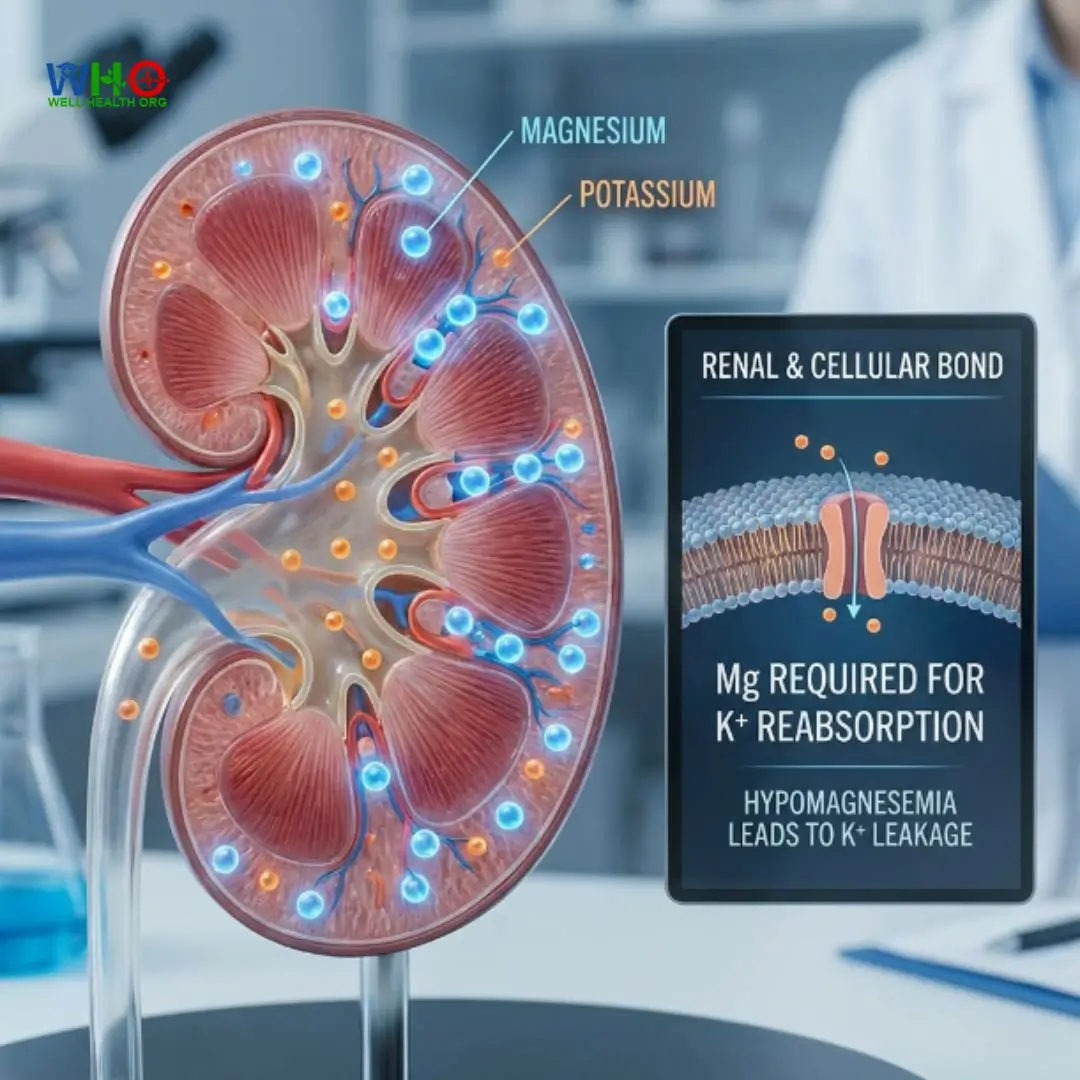
A common mistake in treating muscle cramps is addressing low potassium while ignoring magnesium. In the human body, these two minerals share a deep, chemical bond controlled by the kidneys. The kidneys require a constant supply of magnesium to properly reabsorb potassium and keep it from spilling out into the urine.
When your magnesium levels drop, specialized channels in the outer part of the kidneys stop working correctly. Without enough magnesium to keep these channels closed, the kidneys begin leaking potassium at an accelerated rate. Clinical data shows that between 40% and 60% of patients diagnosed with hypokalemia (low potassium) also suffer from an underlying, undiagnosed hypomagnesemia (low magnesium). Because both minerals are required to maintain the electrical balance across your cells, it is practically impossible to correct a potassium shortage without first fixing the underlying magnesium deficiency.
The Hidden Danger of Dilutional Hyponatremia
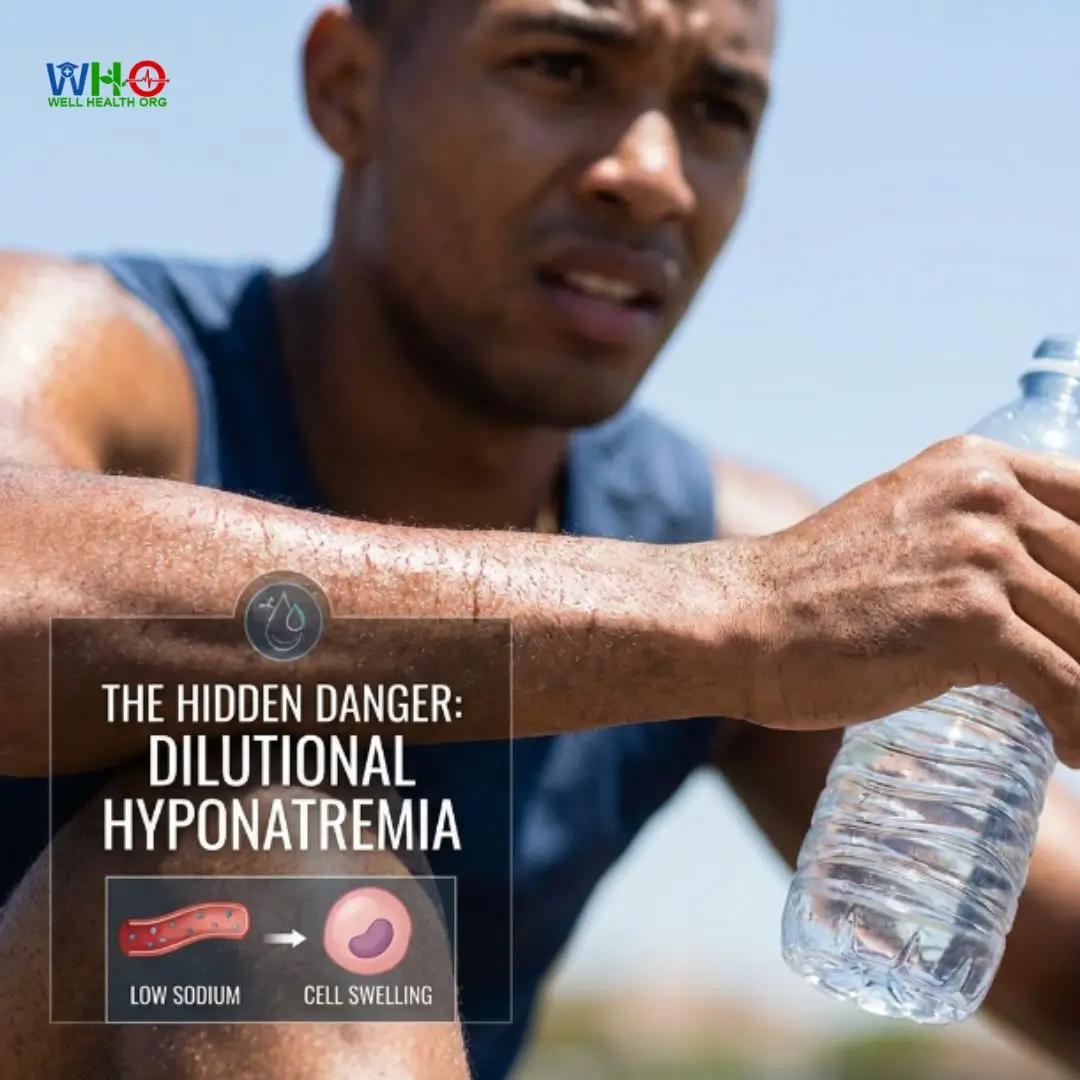
When your muscles are cramping and you are sweating profusely under the summer sun, your first instinct is usually to drink large amounts of water. While staying hydrated is essential, drinking vast quantities of pure, plain water can actually worsen severe muscle cramps. This brings us to a medical condition known as dilutional hyponatremia.
When you sweat heavily, your body loses both water and essential minerals, particularly sodium. If you replace that loss by drinking only plain water, you flood your bloodstream with fluid while adding no new minerals. This dilutes the sodium and other electrolytes already left in your blood. As the concentration of sodium drops, your body’s cells swell with excess water to balance the pressure. For your muscles and nerves, this dilution disrupts their electrical communication lines completely, triggering severe, widespread muscle cramps, dizziness, nausea, and intense fatigue. Water is vital for life, but without its mineral partners, it cannot keep your muscles working safely in the heat.
Advanced Medical Treatments for Severe Deficiencies
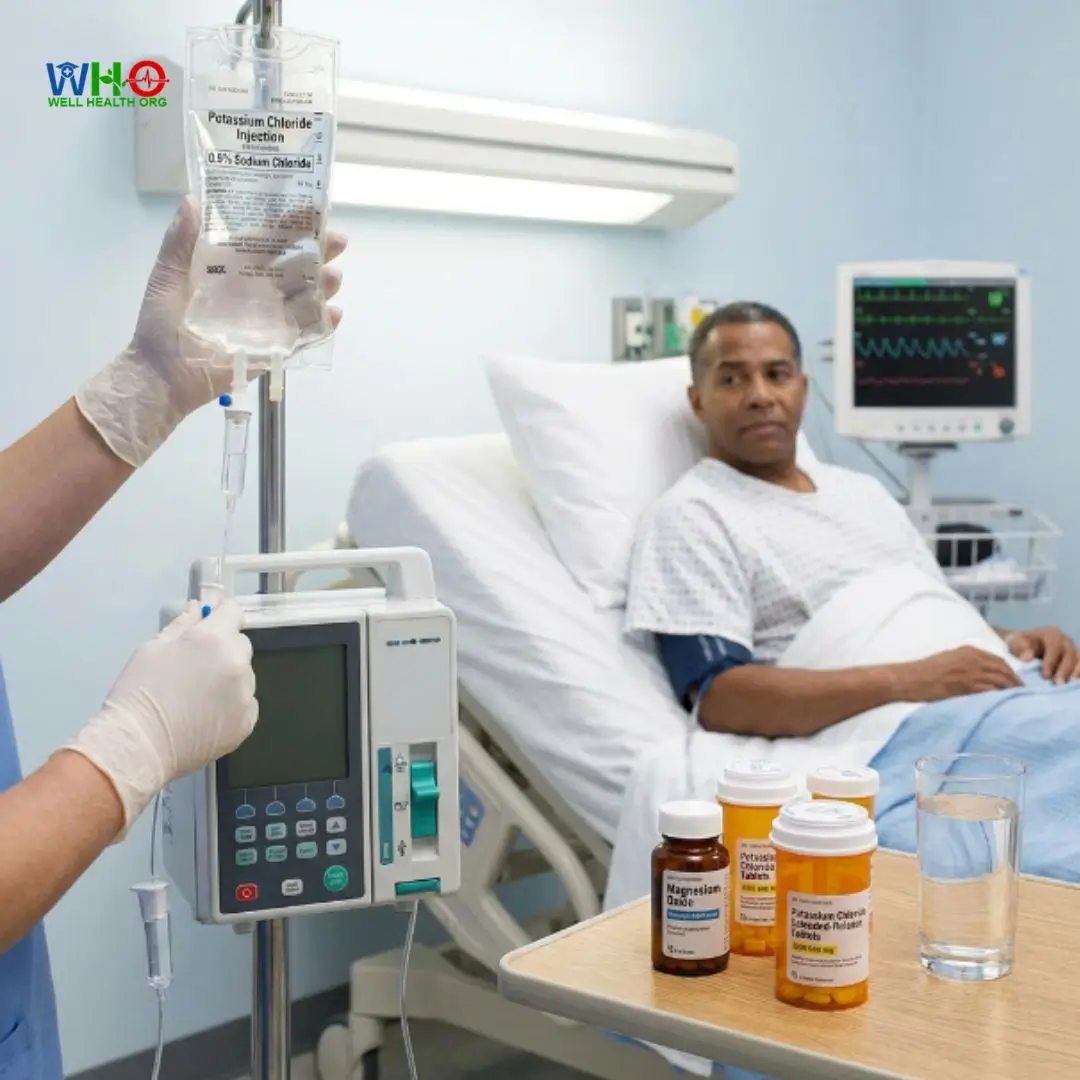
When summer electrolyte loss leads to severe, continuous spasms or dangerous muscle weakness, simple dietary adjustments are no longer enough. At this stage, clinical treatment is required to stabilize the body’s electrical systems and prevent complications like cardiac arrhythmias or severe muscle tissue breakdown. Below are the standard, evidence-based medical interventions used to treat acute mineral depletion:
⚡ Clinical Application: Used for mild-to-moderate chronic electrolyte depletion and recurring heat cramps where the digestive tract is functioning normally.
⚖️ Dosage (US/Metric):
• Potassium Chloride: Typically 20 mEq to 40 mEq (milliequivalents) per day, taken orally in divided doses with food.
• Magnesium Chloride / Oxide / Citrate: Generally 300 mg to 400 mg of elemental magnesium daily, adjusted based on regular serum blood tests.
🔬 Mechanism of Action: These specialized, extended-release formulations break down slowly in the digestive tract. This allows for a steady absorption of ions into the bloodstream, avoiding sudden spikes and letting the kidneys safely direct the minerals back into muscle tissues.
⚠️ Medical Warning: High-dose oral potassium can cause irritation or ulcers in the stomach if taken without water or food. Patients with chronic kidney disease (CKD) must never take these supplements without direct medical supervision, as their kidneys cannot filter out excess minerals, which can lead to dangerous cardiac complications.
⚡ Clinical Application: Reserved for acute medical emergencies, severe heat exhaustion, or when a patient cannot keep fluids down due to continuous vomiting and full-body muscle spasms.
⚖️ Dosage (US/Metric):
• Intravenous Magnesium Sulfate: 1 gram to 2 grams infused slowly over 15 to 60 minutes in a sterile 5% Dextrose or Normal Saline solution.
• Intravenous Potassium Chloride: Infused at a strict maximum rate of 10 mEq per hour to prevent dangerous irritation to the blood vessels and heart tissue.
🔬 Mechanism of Action: By bypassing the digestive system entirely, the IV infusion delivers active ions straight into the extracellular fluid. This immediately restores the electrical balance across nerve membranes, calms hyperactive motor nerves, and allows cramped muscle fibers to relax.
⚠️ Medical Warning: Rapid infusion of potassium can trigger fatal heart rhythms. For safety, these treatments must always be performed in a hospital or clinic while constantly monitoring the patient’s heart rhythm and testing blood mineral levels every few hours.
⚡ Clinical Application: Used for patients managing high blood pressure or heart failure who develop severe, recurring muscle cramps during the hot summer months.
⚖️ Dosage (US/Metric): Standard loop diuretics (like Furosemide, 20 mg to 40 mg) are carefully reduced or replaced with potassium-sparing alternatives, such as Spironolactone (25 mg to 50 mg daily) or Amiloride, under strict clinical guidance.
🔬 Mechanism of Action: Common blood pressure medications often force the kidneys to excrete large amounts of water along with potassium and magnesium. Swapping to potassium-sparing alternatives alters how the kidneys filter blood, forcing them to hold onto these essential minerals while still safely removing excess fluid.
⚠️ Medical Warning: Adjusting blood pressure medications carries a risk of sudden fluid retention or blood pressure spikes. Patients must never alter their daily medication doses on their own; changes must always be managed by a qualified physician.
Proven Home Remedies for Immediate Relief and Prevention
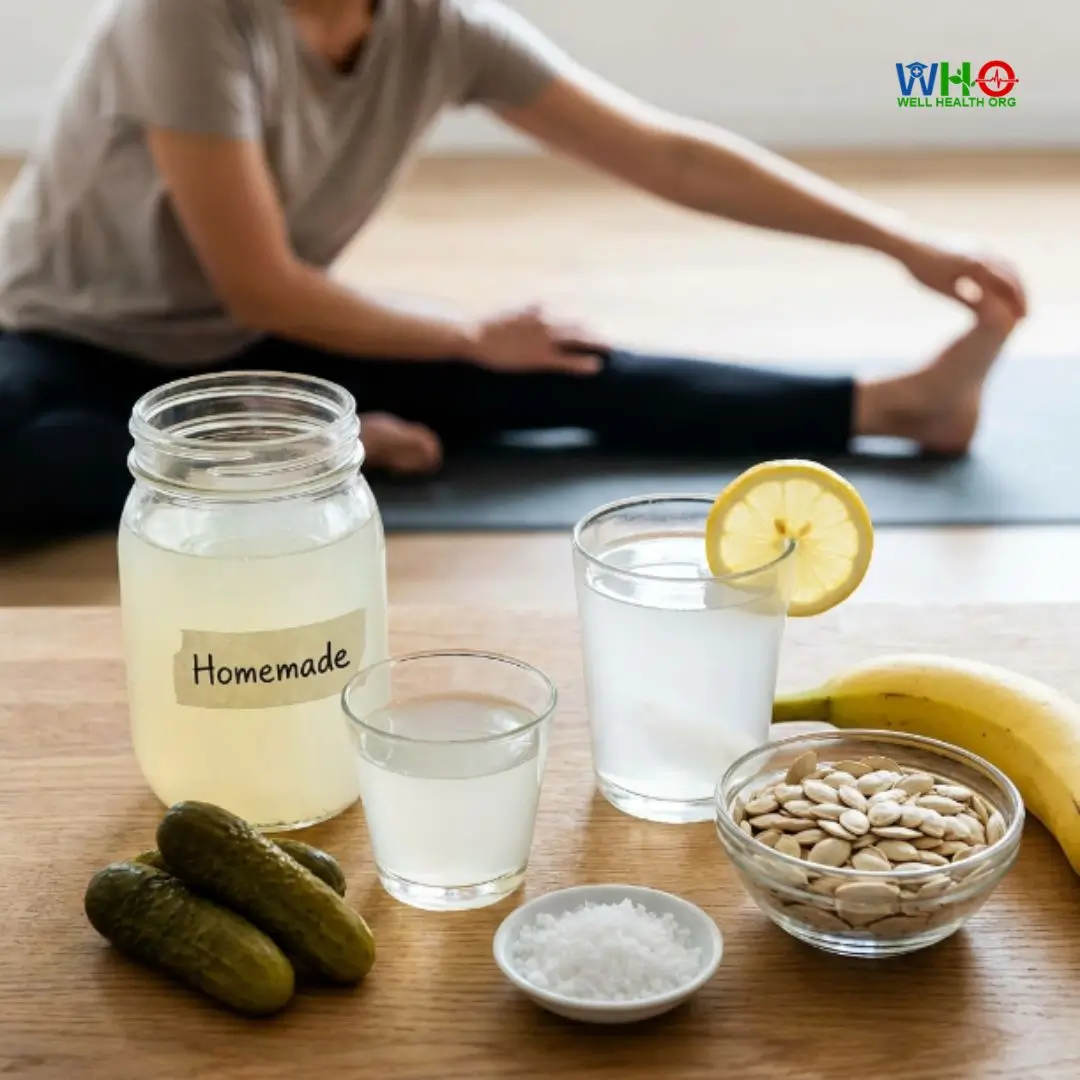
For most everyday summer cramps or mild electrolyte drops, you can find effective relief and prevention right at home. These natural approaches focus on relieving the physical spasm immediately, restoring mineral levels safely, and stopping future cramps before they start.
⚡ Preparation & Use: For an acute calf cramp, sit down, straighten your leg completely, and pull your foot firmly upward toward your shin. Hold this position for 30 to 60 seconds without bouncing until you feel the muscle release. For hamstring cramps, gently walk on the leg or stretch it forward while keeping your torso upright.
⚖️ Quantity (US/Metric): Perform this physical stretch immediately when a spasm strikes, and repeat it for 2 to 3 minutes before going to bed to prevent nighttime cramps.
🔬 Natural Healing Process: This steady, mechanical stretch activates the Golgi tendon organs—specialized sensory nerve endings inside the muscle tendons. Once activated, they send an immediate message to the spinal cord to turn off the hyperactive motor signals, forcing the cramped muscle to relax.
⚠️ Safe Usage Note: Avoid fast, bouncing movements while stretching a cramped muscle. Jerking the leg can cause small tears in the tightly locked muscle fibers, leading to soreness and inflammation that can last for days.
⚡ Preparation & Use: Keep a bottle of standard, sour commercial pickle juice in your refrigerator. The moment you feel a muscle beginning to twitch or lock up, sip the liquid directly from a small glass.
⚖️ Quantity (US/Metric): Drink 1.5 to 2 fluid ounces (approx. 45 ml to 60 ml) at the very first sign of a muscle spasm.
🔬 Natural Healing Process: Pickle juice does not work by being absorbed into the blood—it works much faster than that. The strong acetic acid (vinegar) in the juice triggers special nerve receptors at the back of your throat. This sensory trigger sends a rapid signal through your central nervous system that shuts down the hyperactive nerve firing in your legs, stopping the cramp within 90 seconds.
⚠️ Safe Usage Note: Because pickle juice has a very high sodium content, individuals with severe high blood pressure, chronic kidney issues, or congestive heart failure should avoid this remedy to prevent dangerous sodium accumulation.
⚡ Preparation & Use: Pour fresh, unsweetened coconut water into a glass. Stir in a small pinch of unrefined sea salt or pink Himalayan salt, along with a squeeze of fresh lemon juice. Drink this drink slowly during or after outdoor activities in the heat.
⚖️ Quantity (US/Metric): Consume 8 to 12 fluid ounces (approx. 250 ml to 350 ml) daily during hot weather, especially after any physical exertion or long periods of sweating.
🔬 Natural Healing Process: Coconut water is naturally rich in potassium, while adding a pinch of salt replaces the sodium lost in sweat. This combination balances fluid levels inside and outside your cells, restoring the proper electrical charge across nerve membranes and preventing the fluid dilution that triggers spasms.
⚠️ Safe Usage Note: Always choose real, natural coconut water without added sugars or artificial flavors. If you are monitoring your blood sugar due to diabetes, track these drinks carefully, as natural coconut water contains mild amounts of natural fruit sugars.
⚡ Preparation & Use: Fill a bathtub or a deep foot basin with warm water. Add pure Epsom salt crystals and stir until they dissolve completely. Soak your entire body or just your legs for 15 to 20 minutes. If you do not have a bathtub, apply a warm washcloth soaked in an Epsom salt solution directly to the sore muscle.
⚖️ Quantity (US/Metric): Use 1 to 2 cups (approx. 250g to 500g) of Epsom salt in a standard bathtub, or 3 to 4 tablespoons in a small foot basin, 2 to 3 times per week.
🔬 Natural Healing Process: Epsom salt is made of pure magnesium sulfate. The warm water relaxes tight muscle fibers and increases blood circulation to the area, while the dissolved magnesium helps soothe hyperactive nerve endings on the surface of the skin, relieving overall muscle tension.
⚠️ Safe Usage Note: Ensure the water is comfortably warm, not hot, as excessive heat can dilate blood vessels further and cause dizziness in someone who is already dehydrated from the summer sun.
⚡ Preparation & Use: Restructure your daily summer meals to include foods naturally high in magnesium and potassium. Add fresh slices of avocado to your breakfast, snack on raw pumpkin seeds, or blend fresh spinach and ripe bananas into a refreshing morning smoothie.
⚖️ Quantity (US/Metric): Aim to eat 1 medium banana (approx. 400 mg of potassium) and 1 ounce of pumpkin seeds (approx. 150 mg of magnesium) daily to build up your body’s mineral reserves during the hot season.
🔬 Natural Healing Process: Getting minerals through real food ensures they are absorbed alongside natural fibers and proteins. This allows for a slow, steady update of nutrients into your cells, refilling your internal electrolyte stores so your muscles have a healthy reserve to draw from when you sweat.
⚠️ Safe Usage Note: Keep your meals varied and balanced. If you have been diagnosed with chronic kidney issues, always check with your doctor before increasing your daily intake of potassium-rich foods, as managing high mineral levels requires careful health monitoring.
Doctor’s Final Verdict & The Bottom Line

After three decades of treating neuromuscular disorders and complex electrolyte imbalances, my clinical advice for managing summer muscle cramps comes down to a simple principle: **never treat a chemical loss with plain water alone**. When you sweat under the summer sun, your body is losing a precise mix of water, sodium, potassium, and magnesium. Trying to fix this by drinking liters of pure water dilutes your system, destabilizes your nerve membranes, and sets the stage for severe, painful muscle spasms.
If you are prone to recurring summer cramps, take a proactive approach. Start your mornings with mineral-dense foods like avocados, bananas, and seeds. When you know you will be spending time in the heat or working out, skip plain water for a portion of your hydration and opt for natural, mineral-rich options like salted coconut water or an electrolyte blend. If an acute cramp strikes, remember the double approach: use a steady, manual stretch to physically release the muscle fibers, and take a quick sip of pickle juice or an electrolyte drink to calm the hyperactive nerves.
However, listen to your body’s warning signs. If your muscle cramps are accompanied by sudden weakness, noticeable swelling, skin redness, or an irregular heartbeat, these are signs of a more serious medical issue. In these cases, avoid home remedies and seek professional clinical care immediately to protect your health.
🌍 Public Health Guidance & Regional Environmental Insights
🇺🇸 🇬🇧 🇪🇺 Guidance for Western Climates (US, UK, and Europe)
In Western countries, summer muscle cramps are frequently linked to “weekend warrior” syndrome—sudden, intense outdoor physical exertion by individuals who spend their weekdays in air-conditioned office environments. Because the body is not fully acclimated to hot weather, it loses minerals at an accelerated rate during sudden exposure.
Key Recommendations:
• Spend 7 to 10 days gradually building up your time in the heat to help your sweat glands adjust and preserve essential minerals.
• Check the daily Heat Index rather than just the air temperature before planning long runs or intense outdoor work.
• Be aware that modern Western diets are often low in magnesium; consider incorporating more whole grains and leafy greens during the summer months.
🇮🇳 𝔓𝔎 🇸🇬 Guidance for Monsoon & Tropical Climates (India, Pakistan, Southeast Asia)
Across South and Southeast Asia, the primary driver of electrolyte depletion is prolonged exposure to high humidity alongside high heat. High humidity prevents sweat from evaporating efficiently off the skin, causing the body to pump out even more sweat in a continuous effort to cool down, which gradually drains mineral reserves over the summer.
Key Recommendations:
• Rely on traditional, time-tested regional cooling drinks such as fresh coconut water (Nariyal Paani), unsweetened lime water with a pinch of black salt (Nimbu Paani), or salted buttermilk (Chaas).
• Ensure proper ventilation and shade in small workshops, kitchens, and outdoor work areas to reduce continuous, low-grade sweat loss.
• Focus on mineral-rich whole foods like lentils, spinach (Palak), and local bananas to keep your body’s base electrolyte levels stable.
Frequently Asked Questions (FAQs)
❓ Why do my leg cramps always seem to strike late at night?
Nocturnal leg cramps are very common in the summer. When you sleep, your core body temperature naturally drops slightly, and blood circulation to your limbs slows down. If your magnesium and potassium levels are already depleted from daytime sweating, this natural drop in circulation further lowers the mineral supply to your leg muscles. Additionally, small, involuntary movements or a sudden twitch during sleep can trigger hyperactive motor nerves, locking the muscle into a painful nighttime spasm.
❓ Can I just take a standard over-the-counter multi-mineral pill to stop my summer cramps?
Standard daily multivitamins generally contain only small, baseline amounts of magnesium and potassium, which are usually not enough to replace what is lost during heavy summer sweating. To prevent active cramps, it is much more effective to focus on a diet rich in mineral-dense whole foods and use targeted electrolyte drinks when you are sweating. If you are considering high-dose individual supplements, always consult your doctor first to determine the correct, safe dosage for your body.
❓ How can I easily tell the difference between standard dehydration and a true electrolyte deficiency?
Simple dehydration usually shows up as basic thirst, a dry mouth, mild headaches, and darker urine. An electrolyte deficiency, however, directly affects your nervous and muscular systems. Signs of a mineral shortage include distinct muscle twitching, fluttering, creeping sensations under the skin, sudden muscle weakness, and sharp, involuntary spasms or cramps.
❓ Why does my doctor check my kidney health before recommending a potassium supplement?
Your kidneys are the primary organs responsible for filtering out excess potassium and maintaining a safe balance in your bloodstream. If your kidney function is reduced, even slightly, taking an extra potassium supplement can cause the mineral to build up dangerously in your blood. High blood potassium (hyperkalemia) is a serious medical concern that can cause severe disruptions to your heart rhythm, which is why doctors always verify kidney health before prescribing these supplements.
❓ Is it true that drinking regular sports drinks is the best way to stop heat-related muscle cramps?
Many commercial sports drinks contain high amounts of refined sugar and surprisingly low levels of potassium and magnesium, focusing mostly on sodium and water. While they can help during high-intensity athletic training, drinking highly sugary beverages regularly without heavy exercise can lead to blood sugar spikes and digestive discomfort. For daily summer hydration, natural choices like unsweetened coconut water with a pinch of salt, or low-sugar, mineral-focused electrolyte options are generally much healthier and more effective.
Medically Reviewed by Prof. Dr. Akram
Orthopedic Surgeon | Professor | Senior Medical Specialist
Prof. Dr. Akram is a distinguished surgeon with over 15 years of clinical expertise. Having served as a lead Emergency Specialist at Complex International Government Hospital, he currently leads a specialized team of 13 medical professionals at his private hospital. As a Professor at top medical universities, he ensures that every article on WellHealthOrg.com meets rigorous clinical standards.
Medical Disclaimer:
The information provided is for educational purposes only and is not a substitute for professional medical advice, diagnosis, or treatment. Always consult your physician for any medical concerns.
Our content is rigorously fact-checked by our 13-member Editorial Team under the clinical supervision of Prof. Dr. Akram.