
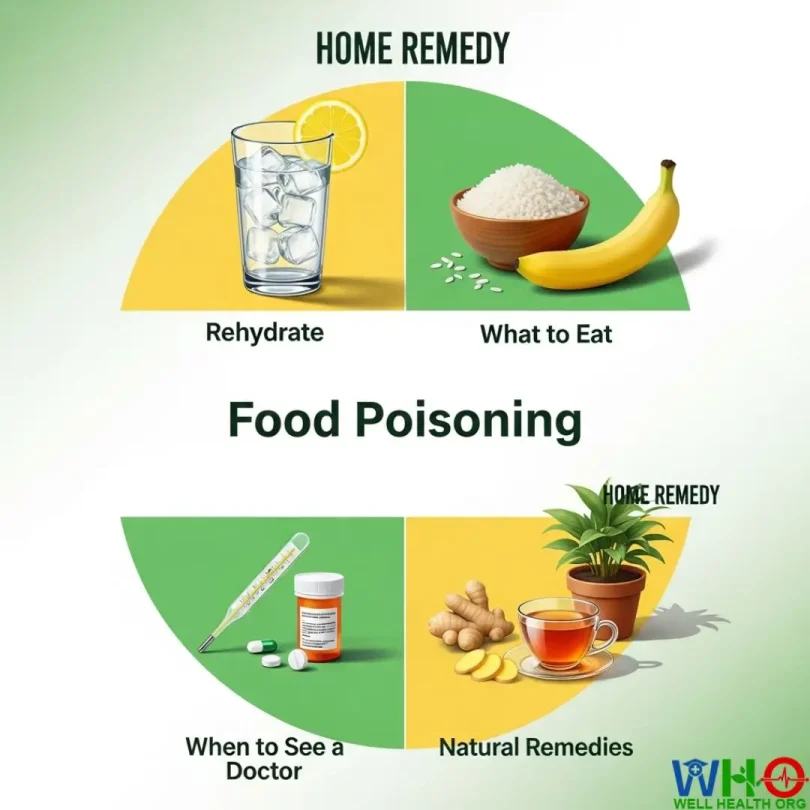
That unsettling wave of nausea after a meal — the cramping, the chills, and the sudden urge to run to the bathroom — can only mean one thing: food poisoning. This common but distressing condition occurs when you consume food or drinks contaminated with bacteria, viruses, or toxins. While some cases can be serious and require medical care, the majority are mild and can be managed safely at home with proper hydration, rest, and natural remedies that support your body’s healing process.
- Understanding Food Poisoning: What’s Really Happening in Your Body
- Common Symptoms of Food Poisoning
- Hydration: The #1 Rule for Food Poisoning Recovery
- 1. Sip Slowly and Frequently
- 2. Use Oral Rehydration Solutions (ORS)
- 3. Try Clear Liquids
- 4. Avoid Caffeine and Alcohol
- Ginger: The Ultimate Stomach Soother
- How to Use Ginger for Food Poisoning Relief
- Why It Works
- Lemon: Natural Detox and Antibacterial Support
- How to Use Lemon for Food Poisoning
- Bananas: Gentle Nutrition for a Weak Stomach
- The BRAT Diet: Easing Back into Solid Food
- Apple Cider Vinegar: Natural Antimicrobial Remedy
- How to Use:
- Rest: Give Your Body Time to Heal
- Additional Natural Remedies for Food Poisoning
- 1. Cumin Seeds (Jeera) Water
- 2. Mint and Honey
- 3. Activated Charcoal (Optional)
- When to See a Doctor
- Smart Prevention Tips to Avoid Food Poisoning
- Your Path to Fast, Safe Recovery
- FAQs About Food Poisoning Home Remedies
In this comprehensive guide, we’ll explore the best home remedies for food poisoning, practical recovery tips, and clear guidance on when to call a doctor. You’ll learn how to soothe nausea, replenish lost nutrients, and restore balance to your digestive system — all using safe, natural methods.
Understanding Food Poisoning: What’s Really Happening in Your Body
Food poisoning (also called foodborne illness) happens when you consume contaminated food or beverages. The culprits are usually bacteria like Salmonella, E. coli, and Listeria, or viruses such as norovirus. These harmful microorganisms release toxins that irritate your stomach and intestines, causing inflammation and distress.
Once contaminated food enters your system, your body reacts by trying to flush it out quickly — leading to nausea, vomiting, diarrhea, and abdominal pain. The goal of at-home care is to support your body during this cleansing process while preventing dehydration and restoring balance.
Common Symptoms of Food Poisoning
Symptoms can appear anywhere from a few hours to several days after eating contaminated food. Recognizing them early helps you take the right steps before they worsen.
- Nausea and vomiting
- Diarrhea or loose stools
- Abdominal pain and cramping
- Fever and chills
- Headache and fatigue
- Weakness or lightheadedness
In severe cases, you may also notice bloody stools, extreme dehydration, or persistent vomiting — signs that require immediate medical attention.
Pro Tip: Keep a note of what you’ve eaten in the last 24 hours and whether others who shared the same meal are also unwell. This can help doctors quickly identify potential sources.
Hydration: The #1 Rule for Food Poisoning Recovery
Dehydration is the greatest danger associated with food poisoning. Every time you vomit or have diarrhea, your body loses not only water but also vital electrolytes like sodium, potassium, and chloride. Replacing these lost fluids should be your top priority.
1. Sip Slowly and Frequently
Your stomach is already irritated, so gulping large amounts of liquid can trigger more vomiting. Instead, take small sips every 5–10 minutes. Even a teaspoon of liquid at a time helps rehydrate you gradually.
2. Use Oral Rehydration Solutions (ORS)
ORS formulas like Pedialyte or Hydralyte are scientifically balanced with electrolytes and glucose for optimal absorption. If you don’t have commercial ORS, make your own at home:
Homemade ORS Recipe:
- 1 liter (4 cups) of clean water
- 6 teaspoons of sugar
- ½ teaspoon of salt
Stir until fully dissolved and sip throughout the day.
3. Try Clear Liquids
If you can’t tolerate ORS, go for clear broths, coconut water, diluted fruit juices (like 50% apple juice and 50% water), or herbal teas such as ginger or chamomile.
4. Avoid Caffeine and Alcohol
These act as diuretics, worsening dehydration. Stick to gentle, non-acidic liquids until your stomach settles.
Ginger: The Ultimate Stomach Soother
Ginger has been used for centuries to calm nausea and stomach upset. It contains gingerol and shogaol, compounds that help relax the intestinal muscles, reduce inflammation, and block nausea signals in the brain.
How to Use Ginger for Food Poisoning Relief
- Ginger Tea: Steep 5–6 thin slices of fresh ginger root in a cup of hot water for 10 minutes. Add a teaspoon of honey once it cools slightly and sip slowly.
- Chewing Fresh Ginger: If you can handle the strong flavor, chew a small piece of raw ginger for instant nausea relief.
- Ginger Capsules: Available in most pharmacies for those who prefer supplements.
Why It Works
Ginger not only reduces nausea but also helps stimulate digestion, making it easier for your stomach to process mild foods once you start eating again.
Lemon: Natural Detox and Antibacterial Support
Lemons contain citric acid and vitamin C, which support your body’s natural detox processes and help neutralize harmful bacteria in your digestive tract.
How to Use Lemon for Food Poisoning
- Squeeze half a lemon into a glass of warm water.
- Add a pinch of salt and a teaspoon of honey.
- Drink it twice daily until symptoms improve.
This combination restores electrolyte balance and boosts immune function while gently detoxifying your system.
Note: Avoid pure lemon juice on an empty stomach — its acidity can worsen nausea in some people.
Bananas: Gentle Nutrition for a Weak Stomach
When your stomach starts settling, begin reintroducing mild, easily digestible foods. Bananas are perfect — they’re rich in potassium, an electrolyte lost during vomiting and diarrhea, and provide quick, gentle energy.
The BRAT Diet: Easing Back into Solid Food
Once vomiting stops for a few hours, transition to the BRAT diet — a time-tested recovery plan designed to rest your digestive system.
- B – Bananas
- R – Rice (plain, white)
- A – Applesauce
- T – Toast (plain, dry, or lightly buttered if tolerated)
These foods are low in fiber and fat, preventing further irritation while providing essential nutrients for recovery.
Avoid:
Dairy, spicy food, greasy meals, caffeine, alcohol, and raw vegetables — they can delay recovery and worsen diarrhea.
Apple Cider Vinegar: Natural Antimicrobial Remedy
Raw, unfiltered apple cider vinegar (ACV) has powerful antimicrobial properties that can help combat bacteria contributing to food poisoning. Its acidic nature also helps stabilize stomach pH levels.
How to Use:
- Mix 1 tablespoon of ACV in a cup of warm water.
- Add a teaspoon of honey if desired.
- Drink it before meals or once daily during recovery.
Caution:
ACV can be harsh on an already sensitive stomach. If it worsens discomfort, stop immediately and focus on hydration.
Rest: Give Your Body Time to Heal
Your body needs energy to fight off infection and repair damaged tissues. Rest is not just beneficial — it’s crucial.
Avoid strenuous activities, exercise, or long work hours. Sleep helps regulate your immune response and accelerates healing. Even short naps throughout the day can make a significant difference.
Additional Natural Remedies for Food Poisoning

1. Cumin Seeds (Jeera) Water
Cumin has antimicrobial and digestive benefits. Boil a teaspoon of cumin seeds in water, cool it slightly, and sip slowly throughout the day to relieve bloating and discomfort.
2. Mint and Honey
Mint helps reduce nausea and soothes your stomach lining. Mix one teaspoon of fresh mint juice with a teaspoon of honey and drink twice daily for gentle relief.
3. Activated Charcoal (Optional)
Activated charcoal binds toxins in your digestive system, helping remove them quickly. Always use food-grade charcoal and consult your healthcare provider before use, especially if taking medications.
When to See a Doctor
While home remedies work wonders for mild cases, severe or prolonged symptoms require medical attention. Seek help immediately if you experience:
- High fever (above 101.5°F / 38.6°C)
- Bloody or black, tar-like stools
- Severe dehydration (dry mouth, no urine for 8+ hours, dizziness)
- Persistent vomiting or inability to hold fluids for 24 hours
- Diarrhea lasting longer than 3 days
- Severe or persistent abdominal pain
Doctors may prescribe antibiotics (for bacterial infections), antiparasitic medications, or IV fluids in extreme dehydration cases.
Smart Prevention Tips to Avoid Food Poisoning
An ounce of prevention is worth a pound of cure — especially when it comes to foodborne illnesses. Follow these hygiene and food safety tips to reduce your risk:
- Cook Foods Thoroughly: Always ensure meat, poultry, and seafood reach safe internal temperatures using a food thermometer.
- Wash Hands Often: Before and after food prep, wash hands for at least 20 seconds with soap and warm water.
- Avoid Cross-Contamination: Use separate cutting boards for raw meat and ready-to-eat foods.
- Store Food Properly: Refrigerate perishables within 2 hours (1 hour in hot weather).
- Check Expiry Dates: Always check expiration dates and storage instructions before consuming packaged foods.
Your Path to Fast, Safe Recovery
Recovering from food poisoning at home is about supporting your body’s natural defense mechanisms. Stay hydrated, rest deeply, and reintroduce gentle foods like bananas, rice, and toast as your stomach stabilizes.
Complement these steps with natural remedies like ginger, lemon, and apple cider vinegar, which soothe the stomach and aid recovery.
Always listen to your body. If your symptoms persist or worsen, seek medical advice promptly. Food poisoning can feel miserable, but with the right care, most people recover fully within a few days — feeling lighter, cleaner, and healthier than before.
FAQs About Food Poisoning Home Remedies
1. How long does food poisoning last?
Mild cases usually improve within 24–48 hours, while more severe infections can last up to a week. Staying hydrated and resting speeds recovery.
2. Can I take antibiotics at home for food poisoning?
Never take antibiotics without medical advice. Many food poisonings are viral and do not require antibiotics.
3. What should I drink during food poisoning?
Water, ORS, clear soups, coconut water, and diluted juices are ideal. Avoid caffeine, alcohol, and sugary sodas.
4. Is it safe to use apple cider vinegar for food poisoning?
Yes, in small diluted doses. However, discontinue use if it causes stomach discomfort.
5. How can I prevent food poisoning in the future?
Practice strict kitchen hygiene, cook foods thoroughly, avoid expired or raw items, and store perishables properly.
Medically Reviewed by Prof. Dr. Akram
Orthopedic Surgeon | Professor | Senior Medical Specialist
Prof. Dr. Akram is a distinguished surgeon with over 15 years of clinical expertise. Having served as a lead Emergency Specialist at Complex International Government Hospital, he currently leads a specialized team of 13 medical professionals at his private hospital. As a Professor at top medical universities, he ensures that every article on WellHealthOrg.com meets rigorous clinical standards.
Medical Disclaimer:
The information provided is for educational purposes only and is not a substitute for professional medical advice, diagnosis, or treatment. Always consult your physician for any medical concerns.
Our content is rigorously fact-checked by our 13-member Editorial Team under the clinical supervision of Prof. Dr. Akram.







