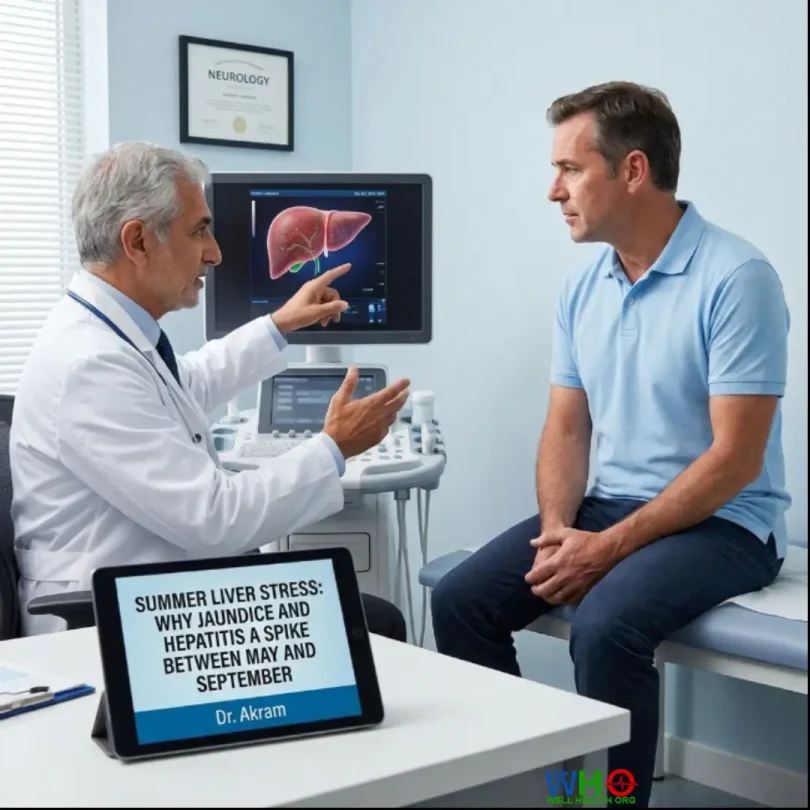
🩺 Dr. Akram’s Private Clinical Notes
Over my three decades in clinical practice, my wards have witnessed a predictable, distressing pattern every single year between May and September. As the summer heat peaks and the monsoon rains begin to saturate the soil across South Asia, or as summer travel hits its stride in the West, hospital admissions for acute icteric hepatitis—what the public commonly calls jaundice—skyrocket. I vividly recall a patient from last July: a young professional who had simply consumed a glass of fresh sugarcane juice chilled with street-vended ice during a scorching afternoon. Within three weeks, he presented with severe right upper quadrant abdominal pain, intractable vomiting, and sclera so deeply yellow they resembled lemons. His serum bilirubin was dangerously elevated, and his liver enzymes (ALT and AST) were in the thousands. This was a classic case of Hepatitis A, an entirely preventable waterborne virus that thrives on summer infrastructure vulnerabilities. This article is born out of the absolute necessity to demystify why the human liver faces its ultimate test during these five specific months, and to provide you with an exhaustive, medically sound guide to protecting your family from seasonal hepatic failure.
What is Summer Liver Stress? Understanding Seasonal Jaundice & Viral Hepatitis A
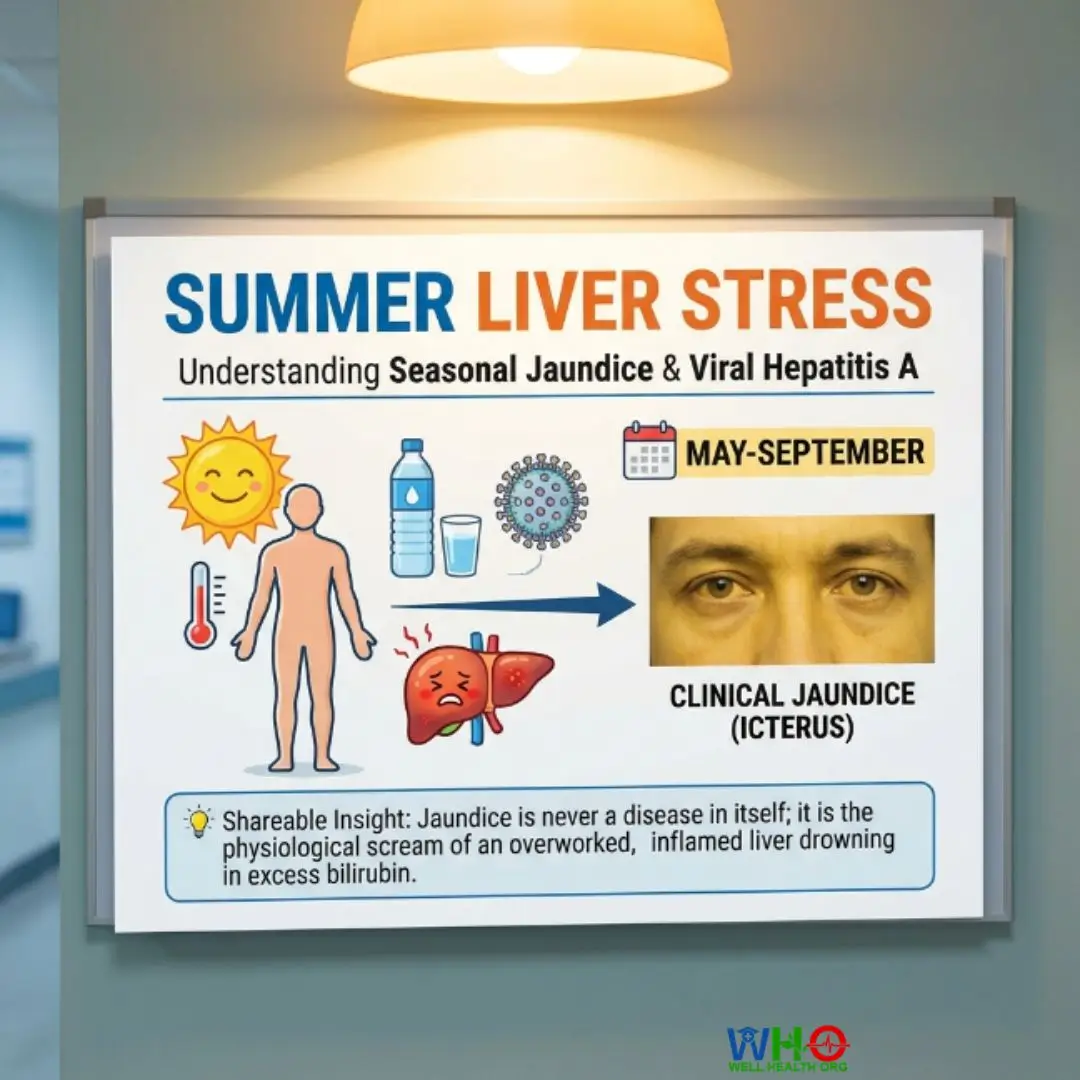
The human liver is a metabolic powerhouse, executing over 500 vital biological functions every second, ranging from protein synthesis and glycogen storage to the continuous filtration of systemic endotoxins. However, as the global calendar transitions into the window between May and September, this resilient organ faces an unprecedented environmental and epidemiological assault. This phenomenon, clinically termed Summer Liver Stress, represents a confluence of extreme thermal duress, hydration deficits, and a massive surge in environmental pathogens, most notably the Hepatitis A virus (HAV) and Hepatitis E virus (HEV).
During these warm months, metabolic demands change drastically. The human body allocates significant circulatory volume to the skin to facilitate thermoregulation via diaphoresis (sweating). This shift can inadvertently reduce splanchnic blood flow, leaving the internal visceral organs, including the liver, highly sensitive to cellular metabolic strain. When you overlay this physiological baseline with a hyper-virulent environmental influx of pathogens, you get a dramatic, predictable surge in clinical jaundice (icterus).
To understand this from a molecular level, when the Hepatitis A virus enters the body, it hitches a ride via the portal vein directly to the liver cells, known as hepatocytes. The virus replicates within these cells, causing a massive immune-mediated destruction of liver tissue. As hepatocytes rupture and die, the liver’s delicate plumbing system breaks down. It loses its capacity to process bilirubin—the yellow byproduct of natural red blood cell breakdown. Instead of being safely processed and excreted via bile into the intestines, this pigment leaks directly into the bloodstream, manifesting as the unmistakable yellow discoloration of the eyes, skin, and mucous membranes.
The Root Causes: Why Jaundice and Hepatitis A Spike Globally in Summer
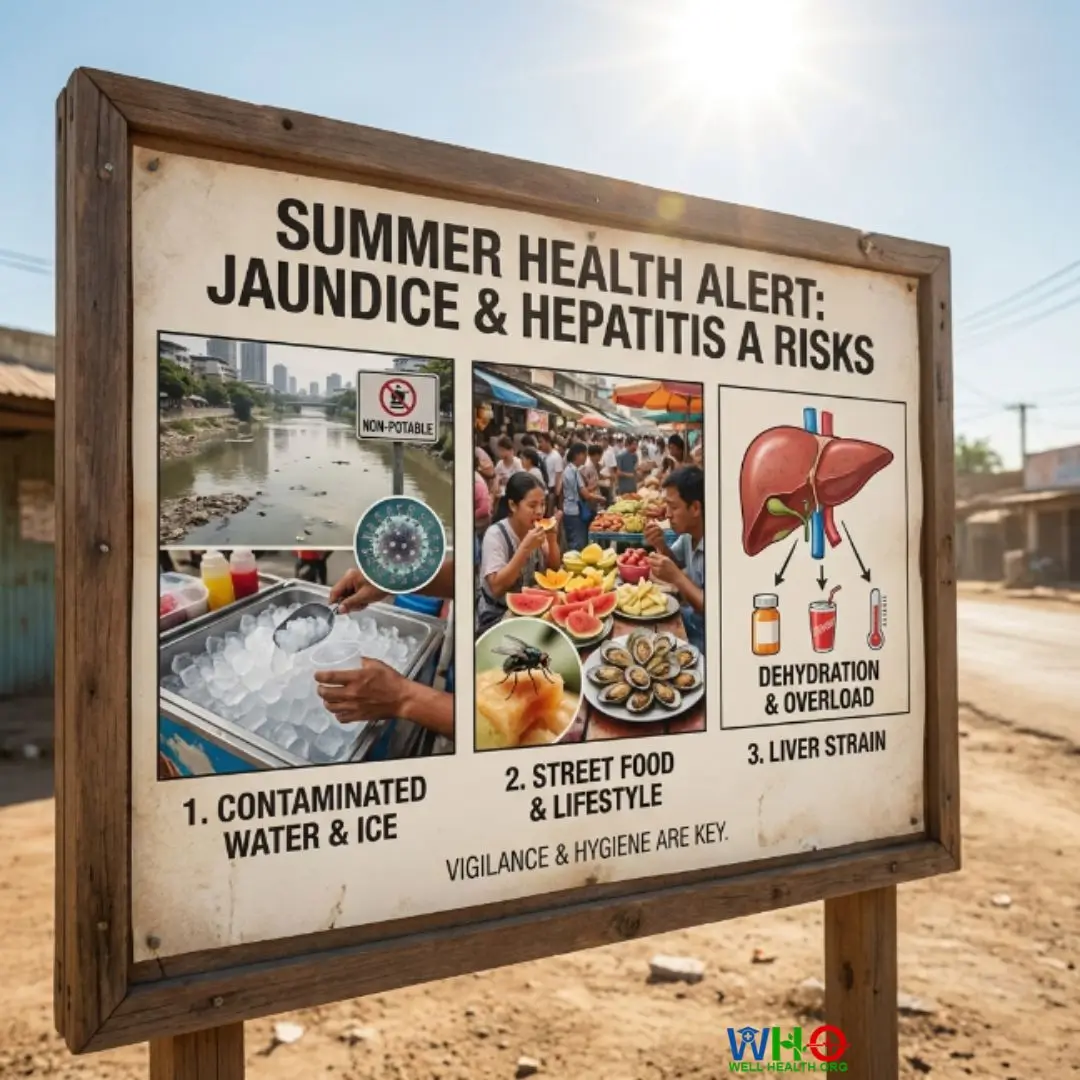
The escalating incidence of liver-related ailments, particularly Hepatitis A and jaundice, during the summer months is a multifaceted phenomenon driven by a convergence of ecological, societal, and physiological factors. The warmth and humidity characteristic of this season, whether it be the scorching dry heat of the American Southwest or the torrential monsoons of Southeast Asia, create a permissive environment for the proliferation and transmission of the Hepatitis A virus. This period marks a critical window where foundational public health infrastructure, individual dietary choices, and even our body’s intrinsic physiological responses align to place immense strain on the liver.
1. The Fecal-Oral Route and Contaminated Water
The Hepatitis A virus spreads predominantly via the fecal-oral route, a pathway where microscopic traces of infected feces are ingested. This transmission mechanism is significantly amplified during summer due to several environmental vulnerabilities.
- Water Scarcity & Pollution Dynamics: Elevated summer temperatures frequently lead to diminished surface water reservoirs. This forces municipal water systems, especially in densely populated areas of developing nations, to extract water from deeper, often less protected, subterranean sources. These deeper aquifers can be more susceptible to contamination from aging sewage infrastructure or agricultural runoff. Simultaneously, in regions experiencing heavy monsoons, storm runoff can overwhelm drainage systems, leading to the cross-contamination of potable water supplies with sewage. This scenario creates an insidious pathway for HAV to enter the drinking water supply, making tap water, even seemingly treated, a potential vector.
- Ice and Street Food Peril: The global craving for cooling beverages during summer—iced coffees, fresh fruit juices, and street-side sherbets—presents a critical risk. In many settings, particularly in Asian markets and tourist hotspots, the ice used in these drinks is often produced from unfiltered or inadequately treated tap water. Furthermore, the preparation of street food, ranging from vibrant salads to cooling chaat, frequently involves rinsing produce with ambient tap water. If this water is contaminated, the virus is directly transferred to consumable items. This practice, compounded by varying hygiene standards of vendors, creates a direct conduit for HAV to enter the human digestive system.
- Vector Transmission through Insects: The warm, humid conditions of summer are conducive to the rapid breeding and increased activity of mechanical vectors such as houseflies and cockroaches. These insects, thriving in environments with poor sanitation, can physically pick up viral particles from open sewers, decomposing waste, or contaminated surfaces. They then act as unwitting carriers, transferring the virus directly onto uncovered food, freshly prepared produce, or even cooking utensils in homes and outdoor eateries. This mechanism bypasses direct water contamination but achieves the same outcome: the ingestion of the virus.
2. Summer Lifestyle and Food Habits
Our behavioral patterns undergo a significant shift during the summer, inadvertently elevating our susceptibility to Hepatitis A infection.
- Prevalence of Outdoor Dining and Festivals: Summer is synonymous with outdoor gatherings, festivals, picnics, and an increased patronage of roadside stalls and temporary food establishments. While offering unique culinary experiences, these venues often operate with logistical challenges regarding consistent refrigeration, potable water access for washing, and stringent hygiene protocols. The sheer volume of customers and the rapid pace of service can lead to lapses in food safety, making it easier for contamination to occur and spread across numerous servings.
- Perishable Food Vulnerability: High ambient temperatures dramatically accelerate the growth of bacteria and viruses in perishable food items if they are not stored at appropriate cold temperatures. Foods such as raw shellfish (often consumed more in coastal regions during summer), uncooked salads, dairy products, and certain meat dishes are particularly susceptible. A lapse in the “cold chain” – the continuous refrigeration required from farm to table – can render these foods highly infectious. For instance, a platter of oysters kept too long at an outdoor market in Europe, or a bowl of cut fruit left exposed at a street stall in Asia, can become potent vehicles for HAV transmission.
3. Direct Strain on the Liver
Beyond direct viral exposure, the liver itself faces heightened physiological stress during summer, potentially making it more vulnerable to infectious agents and inflammation.
- Dehydration and Hepatic Workload: The increased heat and physical activity in summer lead to greater fluid loss through perspiration. If not adequately replenished, this results in dehydration, concentrating waste products and toxins in the bloodstream. The liver, being the body’s primary detoxification organ, must then work harder to filter these concentrated substances, increasing its metabolic burden. This elevated workload can reduce its reserve capacity, making it more susceptible to inflammatory damage if it encounters a viral threat like HAV.
- Medication Over-consumption and Toxin Exposure: The seasonal rise in heat-related ailments like headaches, muscle aches, and general discomfort often leads to an increased reliance on over-the-counter pain medications, such as paracetamol (acetaminophen). While safe at recommended doses, excessive or prolonged use can be hepatotoxic, meaning it can damage liver cells. Furthermore, the consumption of sugary, artificially colored carbonated beverages—often sought for refreshment—forces the liver to process additional synthetic chemicals, food dyes, and high fructose corn syrup. These substances contribute to metabolic stress, potentially promoting hepatic steatosis (fatty liver) and general inflammation, weakening the liver’s defense mechanisms against viral assaults.
Advanced Medical Treatments: Clinical Interventions for Summer Hepatic Crisis

When a patient presents with full-blown clinical jaundice and acute viral hepatitis, modern clinical medicine shifts focus toward intensive supportive care, preservation of liver function, and the prevention of fulminant hepatic failure. There is no specific direct antiviral cure for acute Hepatitis A; therefore, clinical management requires highly precise, defensive medical protocols.
🛡️ Post-Exposure Prophylaxis (PEP) Protocol
⚡ Clinical Application: Deployed immediately for close contacts of confirmed Hepatitis A patients, or individuals who realize they have consumed confirmed contaminated water or food sources within the preceding 14 days.
⚖️ Dosage (US/Metric):
1. Inactivated Hepatitis A Vaccine: A single dose of 0.5 mL (pediatric, ages 1–18) or 1.0 mL (adult) administered intramuscularly into the deltoid muscle.
2. Human Immune Globulin (IG): Administered at 0.1 mL/kg intramuscularly for immunocompromised individuals, infants under 12 months, or patients with chronic liver disease.
🔬 Mechanism of Action: The vaccine triggers rapid, active production of neutralizing IgG antibodies. Meanwhile, the Immune Globulin provides immediate, passive immunity by binding directly to the circulating Hepatitis A viral capsids, preventing them from attaching to and entering healthy hepatocytes.
⚠️ Medical Warning: Post-Exposure Prophylaxis is entirely ineffective if administered more than 14 days after exposure. Realize that this is a race against time before viral replication outpaces the immune response.
💧 Advanced Intravenous Fluid & Electrolyte Restoration
⚡ Clinical Application: Utilized in patients suffering from acute liver stress accompanied by relentless vomiting, severe dehydration, and an inability to tolerate any oral intake.
⚖️ Dosage (US/Metric): Continuous IV infusion of 5% Dextrose in 0.45% Normal Saline (or Lactated Ringer’s), titrated precisely between 75 mL/hr to 125 mL/hr based on ongoing serum electrolyte monitoring, central venous pressure, and hourly urine output metrics.
🔬 Mechanism of Action: Intravenous dextrose provides an immediate, easily accessible source of energy to the body, sparing the liver from having to break down glycogen or convert proteins via gluconeogenesis—both of which place heavy metabolic demands on inflamed liver tissue. The fluid matrix rapidly restores circulating blood volume, improves microvascular blood flow to the liver, and dilutes systemic concentrations of toxic metabolic waste products.
⚠️ Medical Warning: Avoid rapid over-hydration. Inflamed liver states can alter systemic fluid pressures, and excessive fluid volume can precipitate localized edema or worsen ascites (fluid accumulation in the abdomen) if serum albumin levels are low.
🧠 Symptomatic Antiemetic Control & Hepatic Encephalopathy Shielding
⚡ Clinical Application: Prescribed strictly to break the cycle of severe nausea and vomiting while protecting the central nervous system from accumulating ammonia toxins.
⚖️ Dosage (US/Metric): Ondansetron: 4 mg to 8 mg administered intravenously or orally via disintegrating tablets, up to three times daily. If serum ammonia rises, oral Lactulose is administered at 15 mL to 30 mL three times daily to induce 2–3 soft bowel movements per day.
🔬 Mechanism of Action: Ondansetron works as a highly selective 5-HT3 serotonin receptor antagonist, safely switching off the vomiting center in the brain without placing a heavy processing load on the liver’s damaged enzyme pathways. Lactulose alters the pH of the colon, converting diffusible toxic ammonia ($NH_3$) into non-absorbable ammonium ions ($NH_4^+$), which are then safely flushed out of the body in stool.
⚠️ Medical Warning: Traditional, older antiemetics like Metoclopramide or sedatives must be entirely avoided. An inflamed liver cannot process these medications efficiently, which can cause heavy sedation and completely mask the early warning signs of life-threatening hepatic coma.
Proven Home Remedies: Practical Care Frameworks for Non-Critical Patients

For individuals presenting with mild to moderate seasonal liver stress who do not require inpatient hospitalization, structured home-based protocols are absolutely vital to accelerate hepatic tissue regeneration. Home care must focus heavily on reducing physical energy expenditures and managing systemic symptoms safely.
🛌 Absolute Bed Rest Strategy
⚡ Preparation & Use: Establish a dedicated, quiet, highly ventilated resting area. The patient must refrain from all forms of occupational work, intensive cognitive activities, and any physical exercise until serum liver transaminases fall toward safe reference limits.
⚖️ Quantity (US/Metric): A minimum of 18 to 20 hours of horizontal bed rest daily for the first 10 to 14 days following the onset of jaundice symptoms.
🔬 Natural Healing Process: When the human body is upright or physically active, a significant percentage of circulating blood is diverted to the large skeletal muscles of the legs and torso. By maintaining a flat, recumbent position, you maximize internal blood flow through the portal vein. This consistent delivery of oxygen and nutrients directly supports the rapid division and repair of damaged liver cells.
⚠️ Safe Usage Note: Avoid allowing the patient to remain entirely immobile in a single position for days on end to prevent deep vein blood clots. Encourage gentle ankle movements and short, slow walks to the restroom.
❄️ Pruritus Management (Jaundice-Induced Skin Itching)
⚡ Preparation & Use: Maintain a cool indoor temperature using air conditioning or fans. Apply cold, damp washcloths to severely affected skin zones. Provide loose-fitting, unbleached, 100% organic cotton clothing. Avoid all hot or warm baths.
⚖️ Quantity (US/Metric): Apply cool compresses for 15 to 20 minutes at a time, up to 6 times daily, followed by a liberal application of unperfumed, plain calamine lotion.
🔬 Natural Healing Process: Jaundice causes systemic accumulation of bile salts, which deposit directly into the subcutaneous tissue beneath the skin, irritating local nerve endings and causing intense, agonizing itching. High ambient temperatures expand surface blood vessels, making this itching far worse. Cool compresses constrict these local blood capillaries and temporarily numb nerve endings, providing safe relief without the use of heavy, liver-processed medications.
⚠️ Safe Usage Note: Strict warning against scratching the skin, which can create micro-tears that easily become infected by skin bacteria. Keep the patient’s fingernails clipped short and clean.
❄️ Cool Compress Pruritus Relief
⚡ Preparation & Use: Keep the room cool using a fan or air conditioner. Soak a soft washcloth in cold water, wring it out, and lay it across itching skin areas. Dress the patient in loose, light, breathable cotton clothes. Avoid hot showers completely.
⚖️ Quantity (US/Metric): Apply cold compresses for 15 to 20 minutes at a time, up to 5 or 6 times a day as needed. Follow with a thin layer of plain calamine lotion.
🔬 Natural Healing Process: Jaundice causes yellow bile salts to deposit under the skin, which tickles and irritates local nerve endings, causing severe itching. Warm temperatures open up blood vessels and make this itching worse. Cold compresses narrow those blood vessels and calm the local skin nerves, reducing the urge to scratch without using liver-taxing medications.
⚠️ Safe Usage Note: Do not scratch. Scratching damages the skin barrier and can lead to secondary bacterial infections. Keep the patient’s fingernails trimmed short and clean.
🚫 Complete Chemical & Alcohol Abstinence
⚡ Preparation & Use: Completely remove all alcoholic beverages, packaged carbonated sodas with synthetic color dyes, and optional over-the-counter pills from the patient’s immediate environment.
⚖️ Quantity (US/Metric): 100% strict elimination of alcohol and unprescribed pills for a minimum of 3 to 6 months following complete biological recovery from jaundice.
🔬 Natural Healing Process: Alcohol breaks down into acetaldehyde, a direct cellular toxin that destroys the structural walls of liver cells. When the liver is already fighting a virus, even small amounts of alcohol or unneeded over-the-counter painkillers can cause sudden cellular death, delaying recovery for months or causing long-term damage.
⚠️ Safe Usage Note: If the patient is an everyday alcohol user, do not stop abruptly without medical supervision, as sudden alcohol withdrawal can trigger severe, life-threatening neurological side effects.
Diet and Natural Remedies: Target Nutrition for Bilirubin Clearance
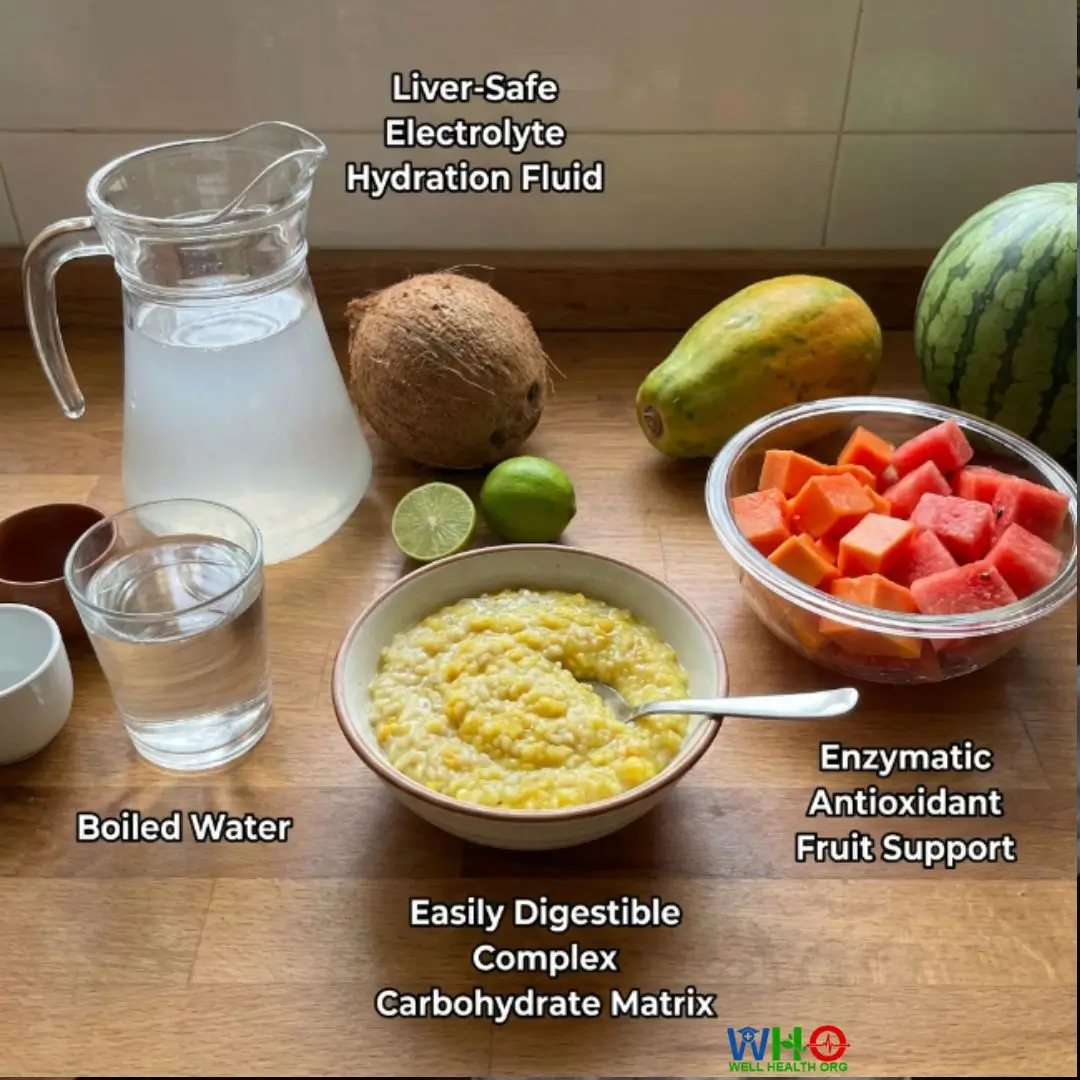
Targeted, highly specific nutritional adjustments serve as the foundation of successful recovery from summer liver stress. Because the liver’s capacity to synthesize bile and process macronutrients is severely compromised during an acute viral infection, what you put into your body determines exactly how fast you recover.
🌴 Liver-Safe Electrolyte Hydration Fluid
⚡ Preparation & Use: Procure fresh, green, tender coconut water from verified hygienic vendors. Alternatively, prepare fresh lime juice using water that has been boiled continuously for a full 20 minutes and cooled down. Sip these fluids slowly throughout the morning and afternoon hours.
⚖️ Quantity (US/Metric): Consume 300 mL to 500 mL of fresh coconut water daily, supplemented by 2 liters of pure, boiled-and-cooled drinking water divided into small 100 mL portions every waking hour.
🔬 Natural Healing Process: Tender coconut water is packed with natural potassium, magnesium, and sodium in a highly biocompatible profile that mirrors human plasma. It delivers immediate cellular hydration without requiring active metabolic processing by damaged liver cells. This consistent fluid intake assists the kidneys in actively flushing out water-soluble conjugated bilirubin from the bloodstream, directly reducing the visible signs of jaundice.
⚠️ Safe Usage Note: Patients with preexisting advanced chronic kidney disease (CKD) or diabetes must have their potassium and sugar levels monitored by a physician before increasing their coconut water intake.
🍚 Easily Digestible Complex Carbohydrate Matrix
⚡ Preparation & Use: Prepare a soft, overcooked blend of white rice and split yellow lentils (traditionally known in Asian households as Khichdi), completely omitting any oil, ghee, butter, or heavy spices. Cook until the texture becomes porridge-like. Serve warm in small bowls.
⚖️ Quantity (US/Metric): Feed the patient 150 grams to 200 grams of this oil-free preparation, divided across 5 to 6 small meals throughout the day, rather than serving 2 or 3 large meals.
🔬 Natural Healing Process: An inflamed liver struggles to process fats and proteins, but it still desperately needs clean energy to fund cellular self-repair. Overcooked, simple carbohydrates are broken down in the upper digestive tract with minimal effort. This provides a steady supply of glucose to maintain hepatic glycogen stores, preventing muscle wasting and giving the liver a clean energy supply to fuel tissue regeneration.
⚠️ Safe Usage Note: Ensure absolutely no solid fats (like ghee, butter, or hydrogenated oils) are added to the preparation. The liver requires bile to emulsify fats, and forcing an inflamed liver to produce bile can cause severe upper abdominal pain and worsen vomiting.
🥭 Enzymatic Antioxidant Fruit Support
⚡ Preparation & Use: Select perfectly ripe, fresh papayas, watermelons, or apples. Thoroughly wash the whole fruit under running water, peel the outer skin entirely yourself with clean hands, and cut into small, bite-sized cubes. Consume immediately; do not store cut fruit.
⚖️ Quantity (US/Metric): 1 cup (approximately 150 grams) of fresh, freshly peeled papaya or watermelon chunks consumed slowly during mid-morning hours.
🔬 Natural Healing Process: Ripe papaya contains papain and chymopapain, natural digestive enzymes that take a significant digestive burden off the stomach and pancreas. Furthermore, these fruits are packed with vitamin C and carotenoids, powerful antioxidants that neutralize the massive wave of free radicals generated by viral inflammation within the liver tissue, protecting healthy hepatocytes from secondary damage.
⚠️ Safe Usage Note: Never buy pre-cut fruits from open-air summer markets. These are frequently washed with contaminated water and exposed to flies, presenting a massive risk of re-infection or secondary bacterial contamination.
Emergency Protocol: Countering Adverse Reactions to Remedies
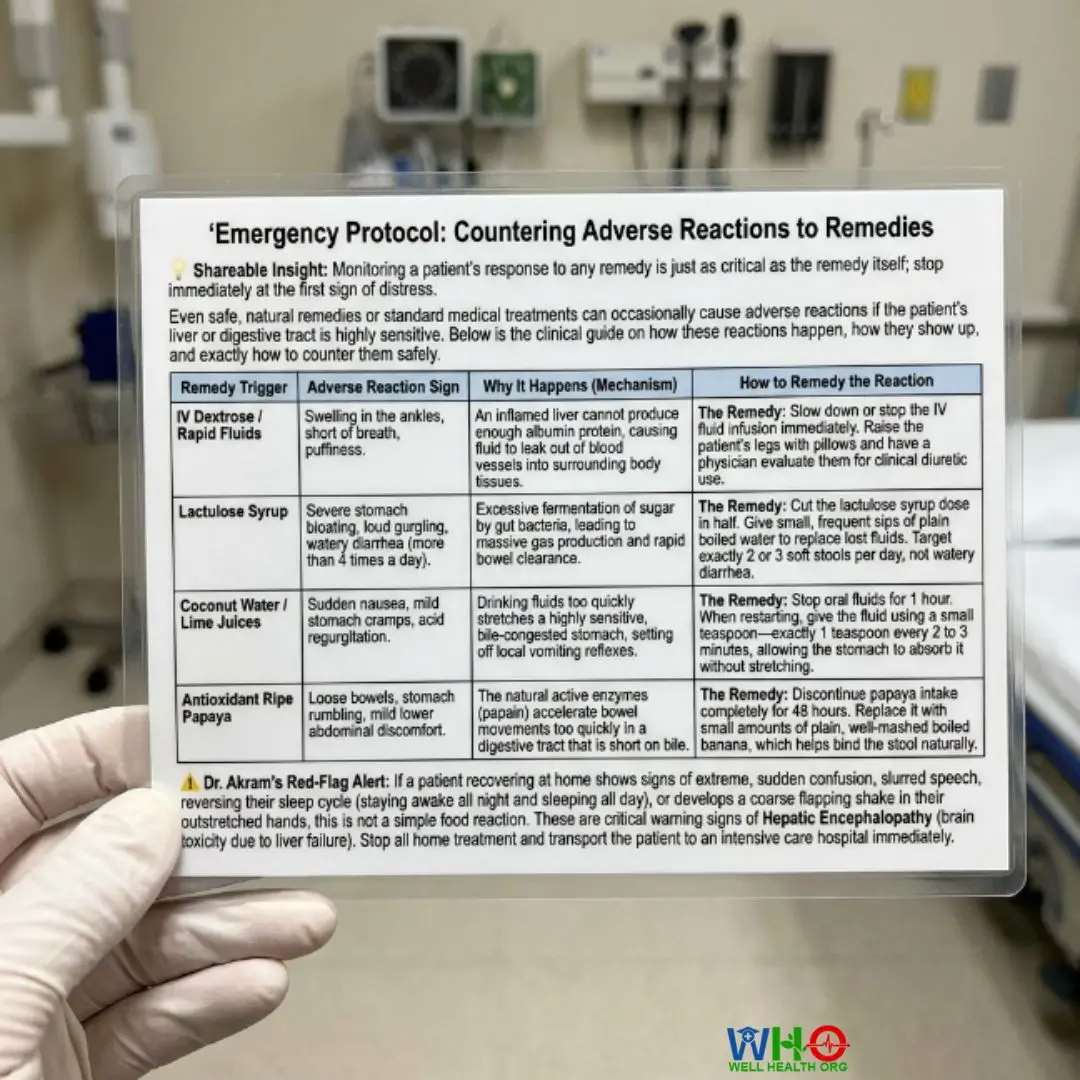
Even safe, natural remedies or standard medical treatments can occasionally cause adverse reactions if the patient’s liver or digestive tract is highly sensitive. Below is the clinical guide on how these reactions happen, how they show up, and exactly how to counter them safely.
| Remedy Trigger | Adverse Reaction Sign | Why It Happens (Mechanism) | How to Remedy the Reaction |
|---|---|---|---|
| IV Dextrose / Rapid Fluids | Swelling in the ankles, short of breath, puffiness. | An inflamed liver cannot produce enough albumin protein, causing fluid to leak out of blood vessels into surrounding body tissues. | The Remedy: Slow down or stop the IV fluid infusion immediately. Raise the patient’s legs with pillows and have a physician evaluate them for clinical diuretic use. |
| Lactulose Syrup | Severe stomach bloating, loud gurgling, watery diarrhea (more than 4 times a day). | Excessive fermentation of sugar by gut bacteria, leading to massive gas production and rapid bowel clearance. | The Remedy: Cut the lactulose syrup dose in half. Give small, frequent sips of plain boiled water to replace lost fluids. Target exactly 2 or 3 soft stools per day, not watery diarrhea. |
| Coconut Water / Lime Juices | Sudden nausea, mild stomach cramps, acid regurgitation. | Drinking fluids too quickly stretches a highly sensitive, bile-congested stomach, setting off local vomiting reflexes. | The Remedy: Stop oral fluids for 1 hour. When restarting, give the fluid using a small teaspoon—exactly 1 teaspoon every 2 to 3 minutes, allowing the stomach to absorb it without stretching. |
| Antioxidant Ripe Papaya | Loose bowels, stomach rumbling, mild lower abdominal discomfort. | The natural active enzymes (papain) accelerate bowel movements too quickly in a digestive tract that is short on bile. | The Remedy: Discontinue papaya intake completely for 48 hours. Replace it with small amounts of plain, well-mashed boiled banana, which helps bind the stool naturally. |
⚠️ Dr. Akram’s Red-Flag Alert: If a patient recovering at home shows signs of extreme, sudden confusion, slurred speech, reversing their sleep cycle (staying awake all night and sleeping all day), or develops a coarse flapping shake in their outstretched hands, this is not a simple food reaction. These are critical warning signs of Hepatic Encephalopathy (brain toxicity due to liver failure). Stop all home treatment and transport the patient to an intensive care hospital immediately.
Doctor’s Final Verdict & The Bottom Line on Summer Liver Protection
As a clinician who has managed thousands of acute liver injuries, my final verdict is clear: respect the metabolic limits of a healing liver. The spike in Jaundice and Hepatitis A between May and September is an entirely preventable epidemiological trend. If you find yourself or a loved one dealing with this condition, remember that time, hydration, and an absolute lack of toxins are your greatest allies.
The single biggest mistake I see families make is panic-buying unverified herbal liver tonics, heavy traditional formulations, or aggressive “cleanses.” An inflamed, structurally damaged liver is highly sensitive. Complex herbal compounds often contain concentrated plant alkaloids or hidden heavy metals that require heavy processing by the liver’s cytochrome P450 enzyme pathways. Forcing an already failing liver to process these complex molecules can easily push a manageable case of seasonal jaundice into acute, irreversible fulminant hepatic failure.
Instead, stick to the basics. Focus on strict fluid management, opt for a zero-fat carbohydrate diet, ensure absolute bed rest, and stay in close communication with a qualified medical professional. If you plan to travel or live in high-risk zones during these months, prioritize receiving the 2-dose Hepatitis A vaccine series. It provides near-100% immunity for decades, entirely removing this seasonal threat from your life.
🌍 Global Audience Guidance & Lifestyle Protection Adjustments
✈️ For Western Audiences (US, UK, Europe, Canada)
- Summer Festivals & Food Trucks: When attending crowded outdoor music festivals or local farmers’ markets, always check if the vendor has a visible health inspection permit. Carry an alcohol-based hand sanitizer containing at least 60% alcohol, and use it thoroughly before consuming any finger foods.
- Raw Shellfish Hazard: Avoid consuming raw or lightly steamed oysters, clams, or mussels during the summer months. Estuaries and coastal waters warm up significantly between June and August, causing a surge in viral loads within filter-feeding shellfish. Cooking shellfish to an internal temperature of at least 90°C (194°F) for 90 seconds is required to fully deactivate the Hepatitis A virus.
- International Summer Travel: If traveling to parts of Central America, South America, Africa, or Asia during summer vacations, visit a travel clinic at least 4 to 6 weeks before your departure date to secure your initial dose of the Hepatitis A vaccine.
🇮🇳 For Eastern & Asian Audiences (India, Pakistan, Bangladesh, SE Asia)
- The Boiled Water Mandate: Do not rely blindly on basic point-of-use domestic carbon filters or simple UV water purifiers during the peak monsoon months of July and August. The sheer viral load in municipal lines during sewage backups can overwhelm these systems. Ensure all drinking water is brought to a rolling boil for a full 20 minutes before consumption.
- Street Juices and Crushed Ice: Make a commitment to entirely avoid sugarcane juice, mixed fruit juices, or flavored shaved ice treats from roadside carts between May and September. The blocks of ice utilized by these vendors are frequently manufactured using unverified industrial water sources and transported in highly unsanitary conditions.
- Monsoon Vector Defense: Keep all household foodstuffs completely covered in airtight containers to prevent mechanical transmission by houseflies. Utilize food-grade pest control measures inside the kitchen to eradicate cockroaches and flies immediately.
Frequently Asked Questions (Global Medical Reference)
Q1: How can I differentiate between a simple summer flu and the early stages of Hepatitis A?
While both begin with non-specific symptoms like fatigue, a low-grade fever, and mild body aches, a true viral hepatitis infection presents with a distinct gastrointestinal signature. Within 3 to 5 days of the initial fever, patients develop an intense distaste for food, a complete loss of appetite, and significant nausea or vomiting. The definitive diagnostic turning point occurs when the urine changes color, turning a deep, concentrated amber or cola-brown color, closely followed by the yellowing of the white parts of the eyes (sclera). A simple blood test evaluating serum liver transaminases (ALT/AST) can instantly confirm liver inflammation long before full jaundice becomes visible on the skin.
Q2: Can I take standard paracetamol or ibuprofen to treat the fever and headaches caused by summer jaundice?
As a neurologist and clinical strategist, I issue a strict warning here: No, you must avoid or heavily restrict these medications during acute liver inflammation. Paracetamol (acetaminophen) is processed directly by the liver. When the liver is actively fighting a viral infection, its primary antioxidant pathways (glutathione) are severely depleted. Taking standard doses of paracetamol can cause direct drug-induced liver injury on top of the viral infection. Ibuprofen and other non-steroidal anti-inflammatory drugs (NSAIDs) can increase the risk of stomach irritation and internal bleeding, which is dangerous because an inflamed liver produces fewer blood-clotting proteins. Use cool forehead compresses to manage fever naturally, and consult your doctor before taking any pill.
Q3: How many days does it typically take for a patient to fully recover from seasonal Hepatitis A?
The biological recovery timeline for acute Hepatitis A generally spans between 4 to 8 weeks. The acute phase—marked by intense jaundice, extreme lethargy, and vomiting—usually begins to improve after the first 14 days of strict bed rest and a zero-fat diet. However, residual liver weakness and profound fatigue can linger for up to two full months. Unlike Hepatitis B or C, the Hepatitis A virus never converts into a chronic, lifelong infection and does not cause permanent cirrhosis. Once your immune system clears the virus, you gain complete, lifelong biological immunity against re-infection.
Q4: Why does the skin itch so intensely during a jaundice spike, and can antihistamines treat it?
The itching, or clinical pruritus, happens because the inflamed liver cannot process or excrete bile acids properly. These bile salts back up and build up directly under the skin, triggering specialized nerve fibers. Standard over-the-counter antihistamines are often entirely ineffective because this itching is not driven by histamine release. Instead, clinical management relies on keeping the environment cool, applying calamine lotion, or, in severe medical cases, having a doctor prescribe bile-acid binding resins like Cholestyramine, which actively trap bile salts within the intestines so they can be excreted in stool.
Q5: Is it true that a patient recovering from jaundice must completely avoid meat, eggs, and milk?
During the initial, intense phase of jaundice (the first 2 weeks), it is highly advisable to completely eliminate red meat, whole eggs, heavy dairy cream, and butter, primarily because of their high fat content, which requires bile to digest. However, as the vomiting stops and your appetite starts to return, your body requires clean amino acids to structurally rebuild the damaged liver cells. You can safely gradually introduce ultra-lean, fat-free protein sources such as boiled egg whites, well-cooked skinless chicken breast, or soft tofu, provided they are prepared with absolutely zero oil or fat.
Medically Reviewed by Prof. Dr. Akram
Orthopedic Surgeon | Professor | Senior Medical Specialist
Prof. Dr. Akram is a distinguished surgeon with over 15 years of clinical expertise. Having served as a lead Emergency Specialist at Complex International Government Hospital, he currently leads a specialized team of 13 medical professionals at his private hospital. As a Professor at top medical universities, he ensures that every article on WellHealthOrg.com meets rigorous clinical standards.
Medical Disclaimer:
The information provided is for educational purposes only and is not a substitute for professional medical advice, diagnosis, or treatment. Always consult your physician for any medical concerns.
Our content is rigorously fact-checked by our 13-member Editorial Team under the clinical supervision of Prof. Dr. Akram.