Managing Pregnancy Constipation Without Harsh Laxatives
By Prof. Dr. Akram | Chief Medical Content Strategist & Senior Neurologist
30+ Years Experience | Adhering to FDA, NHS, and WHO Guidelines
🩺 Dr. Akram’s Private Clinical Notes
“Last year, I consulted a 28-year-old expectant mother from Mumbai who had recently traveled to London during her late second trimester. She arrived in my clinic deeply distressed. The combination of heavy prenatal iron supplements, a sudden shift from her traditional high-fluid Indian diet to drier, processed travel foods, and the systemic dehydration of a long-haul flight had caused severe fecal impaction. Her local practitioners had rushed to suggest chemical laxatives, which left her with painful abdominal cramping and immense anxiety about her baby’s safety. By approaching her digestive system from a neurological and physiological standpoint—calming the enteric nervous system, adjusting her iron intake, and introducing targeted, culturally familiar dietary fibers with exact hydration protocols—we restored her bowel function within 48 hours without a single harsh chemical. This is a scenario I see repeated globally, from the busy streets of New Delhi to the suburbs of Chicago. The body is adapting to a beautiful, complex change, and we must support it with precision, not brute force.”
Table of Contents
What is Pregnancy Constipation?
Having constipation means that you are struggling to pass a bowel movement. Physiologically, it occurs when food waste lingers for an extended period in the lower portion of your digestive tract—specifically the large intestine or colon. As a neurologist who studies the enteric nervous system (the “second brain” in your gut), I can tell you that the communication between your brain and your digestive tract changes drastically when you conceive.
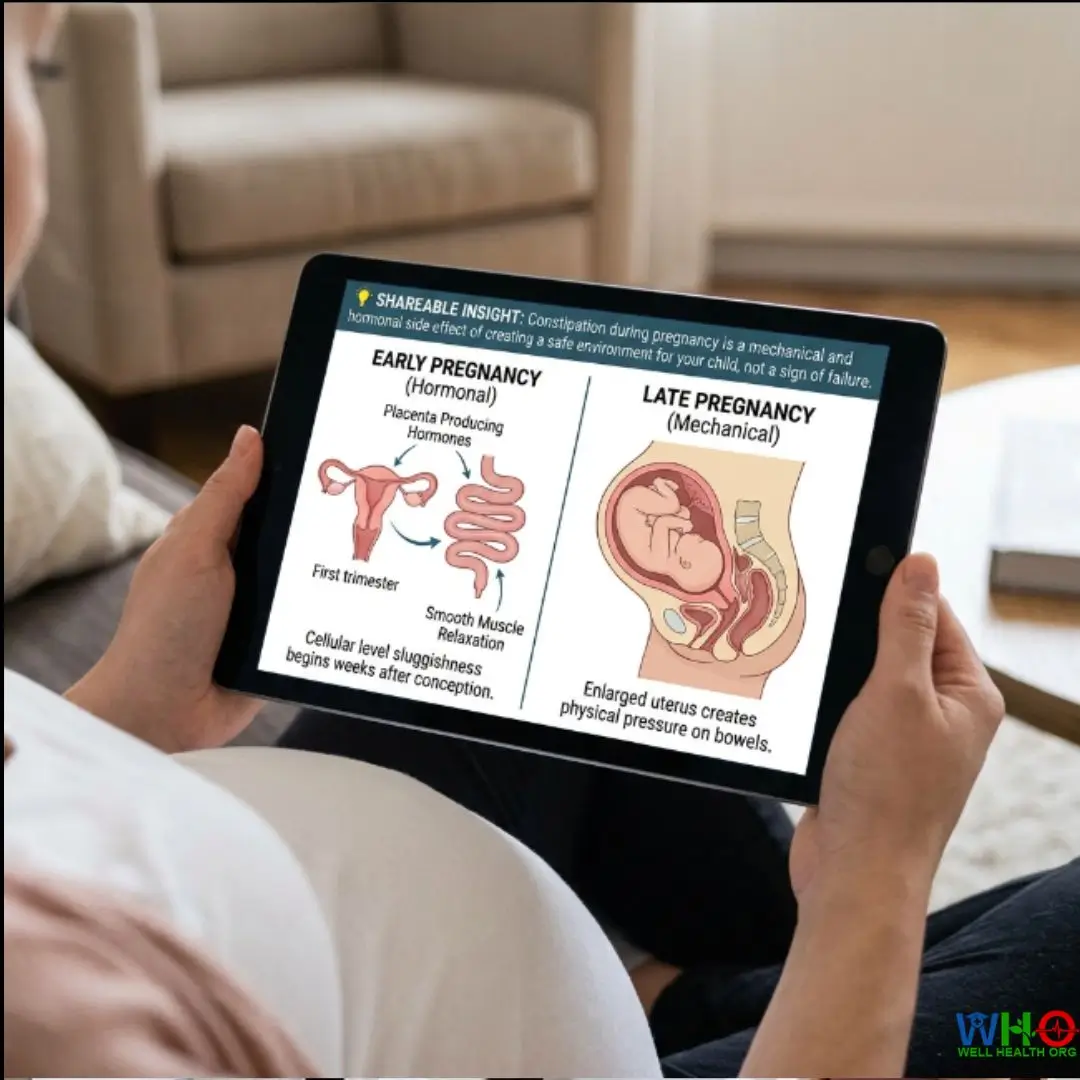
While most adults have experienced the discomfort of being constipated at some point, the frequency and severity skyrocket during gestation. You may start to feel constipated as early as the first or second month of pregnancy. This is the period when your body begins rapidly altering its hormonal profile to prevent uterine contractions and support the embryo. Because the smooth muscle of the uterus must remain relaxed, the smooth muscle of your intestines also relaxes as collateral damage.
By the time you reach your third trimester, you face a compounding issue: mechanical obstruction. The fetus is at its heaviest, and the enlarged uterus rests directly on your bowels, compressing the pathway. About 1 in 5 women experiences this clinical constipation, characterized by having fewer than three bowel movements a week, severe bloating, straining, and passing hard, lumpy, and dry stools that can cause secondary complications like anal fissures or hemorrhoids if left untreated.
The Timeline of Gestational Sluggish Bowel
While many women associate digestive distress with the massive physical changes of the third trimester, this sluggishness actually begins at a cellular level just weeks after conception. As early as the first or second month, the placenta begins producing vast amounts of hormones. Therefore, constipation can manifest almost immediately. By the third trimester, the situation often peaks. The fetus is at its heaviest, creating intense biomechanical pressure on the rectum and pelvic floor, physically obstructing the normal exit routes for digested matter. Statistically, one in five expectant mothers will battle this condition, enduring symptoms such as abdominal bloating, hard lumpy stools, and the sensation of incomplete evacuation.
The Root Causes: Why Does Your Digestive System Slow Down?
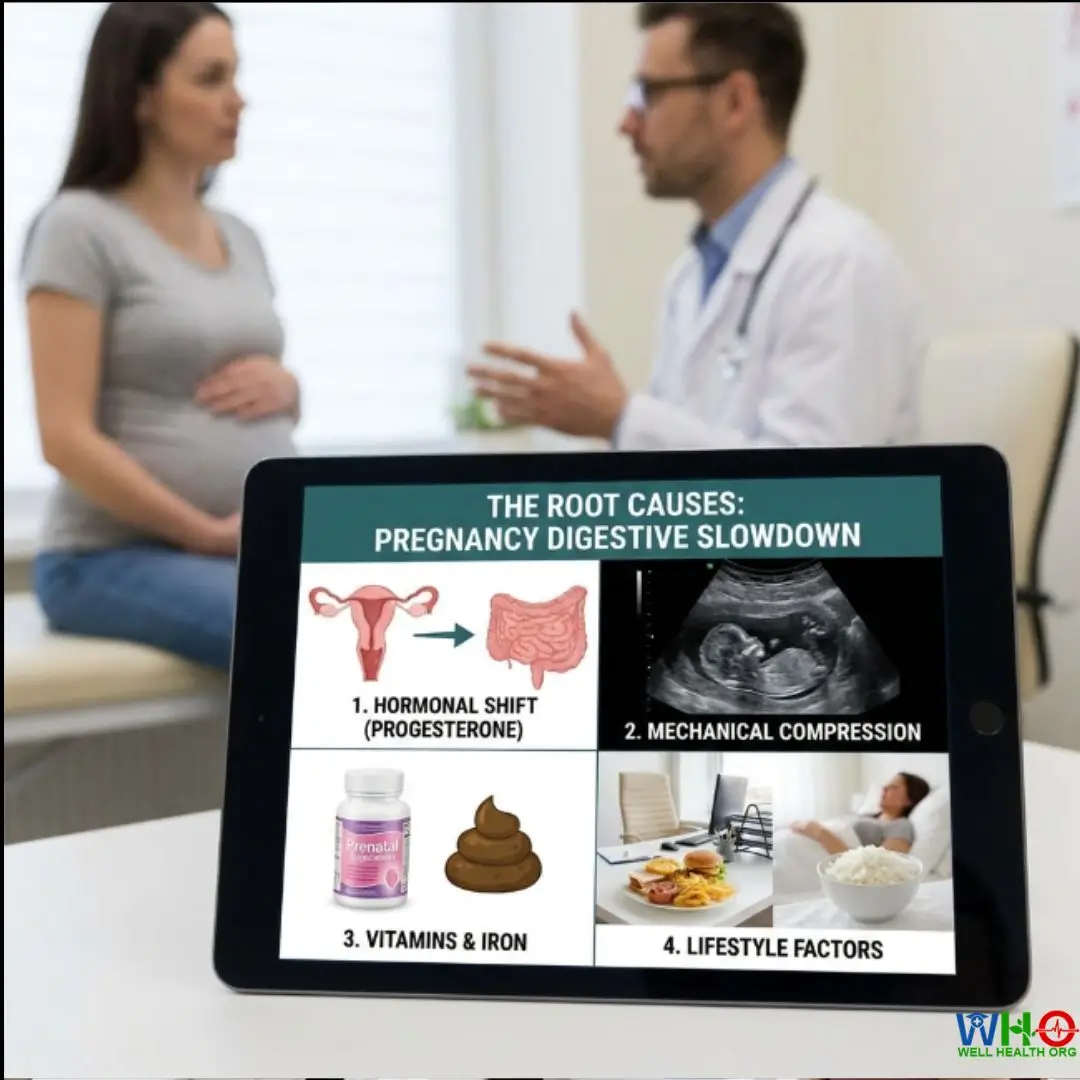
To treat any medical condition effectively, we must first understand its pathogenesis—the step-by-step origin of the disease. In the context of maternal care, there is rarely one single culprit. Instead, it is a combination of hormonal shifts, mechanical pressures, and daily lifestyle choices that span from the busy corporate offices of New York to the bustling kitchens of South Asia.
1. The Progesterone Effect (Hormonal Shift)
From the moment of conception, your body dramatically increases its production of progesterone. This hormone is crucial; it prevents the uterus from contracting prematurely. However, progesterone does not just target the uterus; it acts on all smooth muscle tissue in the body, including the gastrointestinal tract. This causes a significant decrease in gastric motility. The longer food waste sits in the colon, the more water the colon absorbs from it. This prolonged transit time turns soft waste into dry, hard, immobile rocks.
2. Mechanical Compression by the Fetus
As you transition into the late second and third trimesters, your baby grows rapidly. The expanding uterus competes for space in the abdominal cavity, placing immense physical weight on the rectum and lower intestines. This physical roadblock narrows the passage, requiring more muscular force from an already weakened, progesterone-soaked bowel to move waste out of the body.
3. Prenatal Vitamins and Iron Supplements
Iron is vital for preventing maternal anemia and ensuring proper fetal oxygenation. However, synthetic iron found in many prenatal vitamins is notoriously difficult for the gut to absorb. The unabsorbed iron sits in the intestines, altering the local microbiome and causing severe stool hardening. This is a global issue, but it is especially prevalent in regions like India and Pakistan, where baseline dietary iron might be low, leading doctors to prescribe high-dose synthetic supplements.
4. Global Lifestyle and Dietary Factors
The causes of this condition morph depending on geographical habits:
- Western Lifestyles (US/UK/EU): High consumption of ultra-processed carbohydrates (white bread, pasta) combined with a highly sedentary corporate lifestyle. A lack of movement means a lack of physical stimulation to the bowel. The standard recommendation of “eight glasses of water” is severely inadequate for a pregnant woman in dry, centrally heated environments.
- Eastern/Asian Lifestyles: Traditional diets heavily reliant on polished white rice (which lacks the fibrous bran) and highly spiced, sodium-rich broths can lead to rapid cellular dehydration. Furthermore, cultural practices in some Asian regions encourage strict bed rest during pregnancy to protect the fetus, which inadvertently shuts down the physical movement required for healthy bowel function.
Advanced Medical Treatments & Gentle Interventions

When lifestyle modifications are insufficient, we must turn to medical interventions. As a strict rule, stimulant laxatives (like senna or bisacodyl) are generally avoided during pregnancy unless explicitly supervised, as they can cause severe cramping and theoretically stimulate uterine contractions. Instead, we rely on osmotic agents and stool softeners. Below are safe, clinically verified approaches.
⚡ Clinical Application: Polyethylene Glycol 3350 (Osmotic Laxative)
⚖️ Dosage (US/Metric): 17 grams (approximately 1 heaping tablespoon) dissolved entirely in 8 ounces (240 ml) of clear water or non-citrus juice, taken once daily.
🔬 Mechanism of Action: This is a long-chain polymer that acts as an osmotic agent. It is inert, meaning it is not absorbed into the maternal bloodstream and does not cross the placenta. It simply binds to water molecules in the gut, retaining fluid in the colon to physically soften and swell the stool, promoting a natural urge to evacuate without chemical stimulation of the nerves.
⚠️ Medical Warning: FDA/WHO compliant risks: May cause mild abdominal bloating or flatulence initially. Reaction and Cure: If you experience cramping or loose stools after 2-3 days, this indicates over-hydration of the bowel. Cure: Immediately stop the medication, switch to drinking plain oral rehydration salts (ORS) to balance electrolytes, and resume a standard high-fiber diet. Do not use for more than 7 consecutive days without consulting your obstetrician.
⚡ Clinical Application: Docusate Sodium (Stool Softener)
⚖️ Dosage (US/Metric): 50 to 100 mg capsule taken orally once or twice daily with a full glass (250 ml) of water.
🔬 Mechanism of Action: Docusate is a surfactant. It lowers the surface tension at the oil-water interface of the stool, allowing water and lipids (fats) to penetrate the dry fecal mass. It does not force the bowel to push; it merely turns a hard rock into a soft sponge.
⚠️ Medical Warning: FDA/WHO compliant risks: Do not mix with mineral oil, as docusate can increase the systemic absorption of the oil, leading to liver toxicity. Reaction and Cure: If you develop throat irritation (from liquid forms) or a mild skin rash, it is an allergic reaction. Cure: Discontinue use immediately. Take a cool shower, apply a soothing calamine lotion, and notify your doctor. The rash will subside within 24 hours.
⚡ Clinical Application: Medical-Grade Soluble Fiber Supplementation (Psyllium Husk or Methylcellulose).
⚖️ Dosage (US/Metric): 5 to 10 grams dissolved completely in at least 250 ml (8.5 oz) of room temperature water, taken once daily, strictly away from prenatal vitamins.
🔬 Mechanism of Action: Unlike stimulant laxatives, these are bulk-forming agents. They do not enter the bloodstream. Instead, they travel to the colon and absorb massive amounts of water, forming a slippery, gelatinous matrix. This expands the walls of the intestine gently, triggering stretch receptors in the enteric nervous system, which naturally restarts rhythmic peristalsis without violent spasms.
⚠️ Medical Warning: Must be consumed with adequate fluids. Taking bulk-forming fibers without sufficient water can cause intestinal blockages. Always consult your obstetrician before starting.
⚡ Clinical Application: Prenatal Vitamin Iron Modification (Switching to Iron Bisglycinate).
⚖️ Dosage (US/Metric): Dependent on maternal anemia panels, typically 25mg – 30mg of elemental iron bound to bisglycinate.
🔬 Mechanism of Action: Standard ferrous sulfate dissolves in the stomach, leaving free iron to oxidize and irritate the gastrointestinal tract, causing severe constipation. Iron bisglycinate (chelated iron) binds the iron molecule to two amino acids. This complex bypasses the harsh stomach acid and is absorbed seamlessly in the small intestine, leaving almost zero unabsorbed residue to constipate the colon.
⚠️ Medical Warning: Do not change your iron supplement or reduce your dosage without a physician reviewing your hemoglobin and ferritin levels to ensure fetal oxygen transport is not compromised.
⚡ Clinical Application: Pelvic Floor Physiotherapy & Defecation Biofeedback.
⚖️ Dosage (US/Metric): 2 to 3 supervised sessions with a specialized maternal physical therapist.
🔬 Mechanism of Action: Constant straining causes the puborectalis muscle (the sling holding your rectum) to enter a state of chronic spasm. Biofeedback therapy uses neurological retraining to teach the mother how to intentionally relax the pelvic floor rather than tightening it when pushing. It relies on repairing the brain-muscle connection that pain has disrupted.
⚠️ Medical Warning: Ensure the therapist is certified in perinatal care to prevent undue stress on the cervix.
Proven Home Remedies & Dietary Adjustments
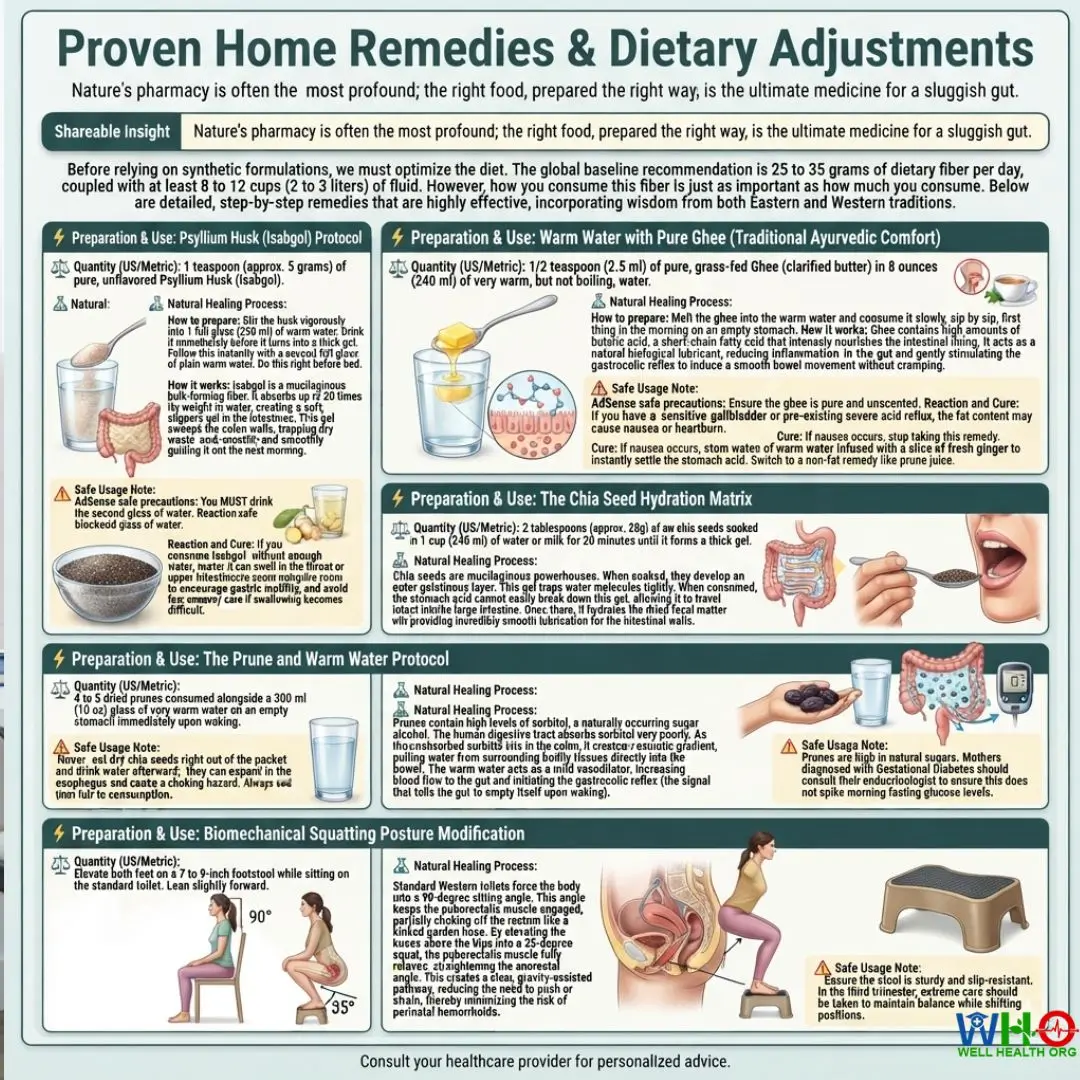
Before relying on synthetic formulations, we must optimize the diet. The global baseline recommendation is 25 to 35 grams of dietary fiber per day, coupled with at least 8 to 12 cups (2 to 3 liters) of fluid. However, how you consume this fiber is just as important as how much you consume. Below are detailed, step-by-step remedies that are highly effective, incorporating wisdom from both Eastern and Western traditions.
⚡ Preparation & Use: Psyllium Husk (Isabgol) Protocol
⚖️ Quantity (US/Metric): 1 teaspoon (approx. 5 grams) of pure, unflavored Psyllium Husk (Isabgol).
🔬 Natural Healing Process: How to prepare: Stir the husk vigorously into 1 full glass (250 ml) of warm water. Drink it immediately before it turns into a thick gel. Follow this instantly with a second full glass of plain warm water. Do this right before bed. How it works: Isabgol is a mucilaginous bulk-forming fiber. It absorbs up to 20 times its weight in water, creating a soft, slippery gel in the intestines. This gel sweeps the colon walls, trapping dry waste and smoothly guiding it out the next morning.
⚠️ Safe Usage Note: AdSense safe precautions: You MUST drink the second glass of water. Reaction and Cure: If you consume Isabgol without enough water, it can swell in the throat or upper intestine, causing severe bloating or an obstruction. Cure: If you feel intense trapped gas or choking, drink warm peppermint tea immediately, walk slowly around the room to encourage gastric motility, and avoid further fiber intake for 24 hours. Seek emergency care if swallowing becomes difficult.
⚡ Preparation & Use: Warm Water with Pure Ghee (Traditional Ayurvedic Comfort)
⚖️ Quantity (US/Metric): 1/2 teaspoon (2.5 ml) of pure, grass-fed Ghee (clarified butter) in 8 ounces (240 ml) of very warm, but not boiling, water.
🔬 Natural Healing Process: How to prepare: Melt the ghee into the warm water and consume it slowly, sip by sip, first thing in the morning on an empty stomach. How it works: Ghee contains high amounts of butyric acid, a short-chain fatty acid that intensely nourishes the intestinal lining. It acts as a natural biological lubricant, reducing inflammation in the gut and gently stimulating the gastrocolic reflex to induce a smooth bowel movement without cramping.
⚠️ Safe Usage Note: AdSense safe precautions: Ensure the ghee is pure and unscented. Reaction and Cure: If you have a sensitive gallbladder or pre-existing severe acid reflux, the fat content may cause nausea or heartburn. Cure: If nausea occurs, stop taking this remedy. Drink a small glass of warm water infused with a slice of fresh ginger to instantly settle the stomach acid. Switch to a non-fat remedy like prune juice.
⚡ Preparation & Use: The Chia Seed Hydration Matrix.
⚖️ Quantity (US/Metric): 2 tablespoons (approx. 28g) of raw chia seeds soaked in 1 cup (240 ml) of water or milk for 20 minutes until it forms a thick gel.
🔬 Natural Healing Process: Chia seeds are mucilaginous powerhouses. When soaked, they develop an outer gelatinous layer. This gel traps water molecules tightly. When consumed, the stomach acid cannot easily break down this gel, allowing it to travel intact into the large intestine. Once there, it hydrates the dried fecal matter while providing incredibly smooth lubrication for the intestinal walls.
⚠️ Safe Usage Note: Never eat dry chia seeds right out of the packet and drink water afterward; they can expand in the esophagus and cause a choking hazard. Always soak them fully prior to consumption.
⚡ Preparation & Use: The Prune and Warm Water Protocol.
⚖️ Quantity (US/Metric): 4 to 5 dried prunes consumed alongside a 300 ml (10 oz) glass of very warm water on an empty stomach immediately upon waking.
🔬 Natural Healing Process: Prunes contain high levels of sorbitol, a naturally occurring sugar alcohol. The human digestive tract absorbs sorbitol very poorly. As the unabsorbed sorbitol sits in the colon, it creates an osmotic gradient, pulling water from surrounding bodily tissues directly into the bowel. The warm water acts as a mild vasodilator, increasing blood flow to the gut and initiating the gastrocolic reflex (the signal that tells the gut to empty itself upon waking).
⚠️ Safe Usage Note: Prunes are high in natural sugars. Mothers diagnosed with Gestational Diabetes should consult their endocrinologist to ensure this does not spike morning fasting glucose levels.
⚡ Preparation & Use: Biomechanical Squatting Posture Modification.
⚖️ Quantity (US/Metric): Elevate both feet on a 7 to 9-inch footstool while sitting on the standard toilet. Lean slightly forward.
🔬 Natural Healing Process: Standard Western toilets force the body into a 90-degree sitting angle. This angle keeps the puborectalis muscle engaged, partially choking off the rectum like a kinked garden hose. By elevating the knees above the hips into a 35-degree squat, the puborectalis muscle fully relaxes, straightening the anorectal angle. This creates a clear, gravity-assisted pathway, reducing the need to push or strain, thereby minimizing the risk of perinatal hemorrhoids.
⚠️ Safe Usage Note: Ensure the stool is sturdy and slip-resistant. In the third trimester, extreme care should be taken to maintain balance while shifting positions.
Doctor’s Final Verdict & The Bottom Line
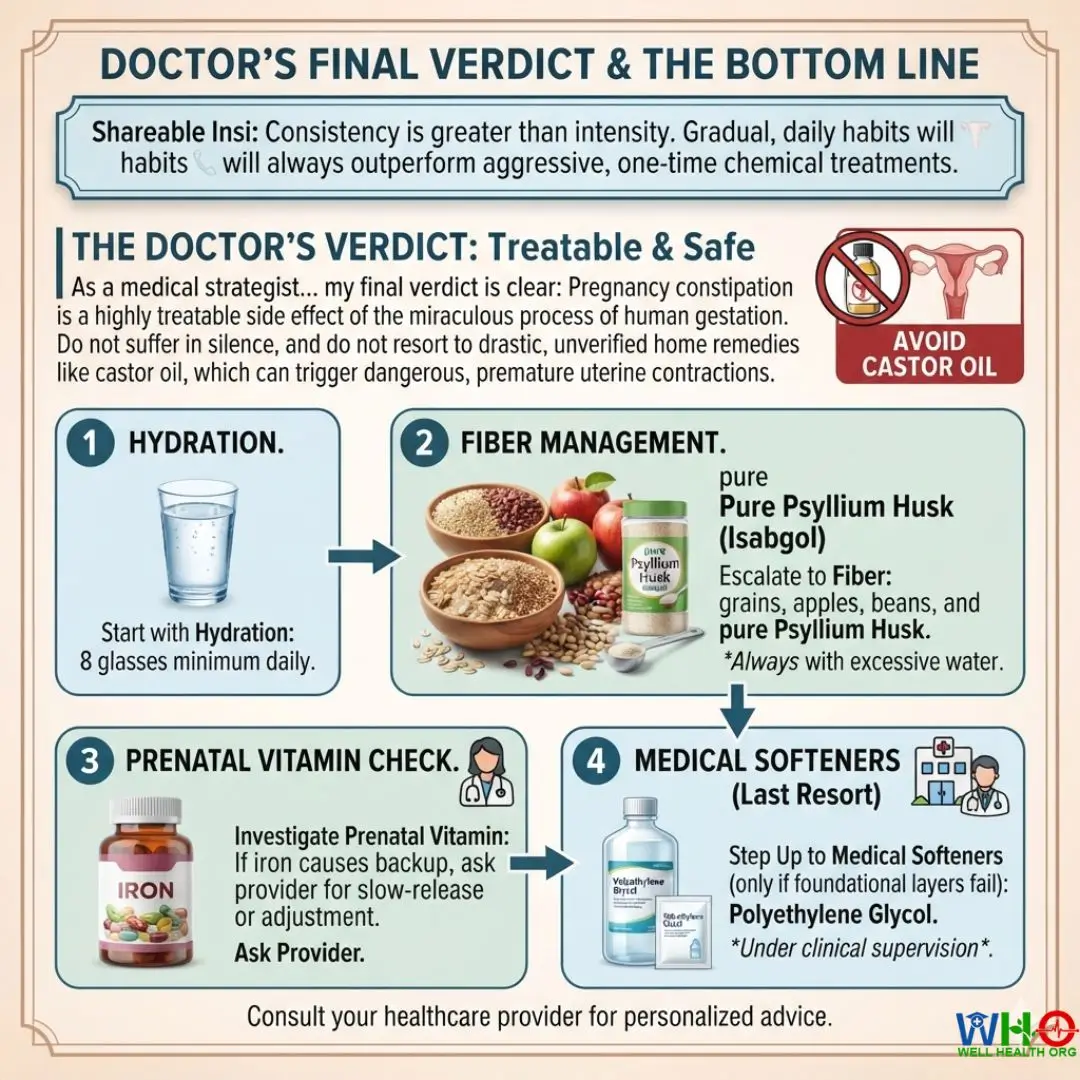
As a medical strategist who observes global health trends, my final verdict is clear: Pregnancy constipation is a highly treatable side effect of the miraculous process of human gestation. Do not suffer in silence, and do not resort to drastic, unverified home remedies like castor oil, which can trigger dangerous, premature uterine contractions.
Your action plan should always follow an escalating protocol. Start with hydration—remember that eight glasses are the bare minimum. Escalate to dietary fiber management, explicitly utilizing safe sources like whole grains, apples, beans, and targeted supplements like pure Psyllium Husk (Isabgol), always consumed with excessive water. Investigate your prenatal vitamin; if your iron is causing the backup, ask your provider for a slow-release formulation or a temporary adjustment. Only when these foundational layers fail should you step up to inert, osmotic medical softeners like Polyethylene Glycol, under clinical supervision.
Global Patient Action Plans
Depending on your geographic location, climate, and cultural diet, your approach to managing maternal digestion must adapt. Select your region below for targeted advice:
🇺🇸 🇬🇧 🇪🇺 Patient Protocol: US, UK & Europe
Dietary Focus: The Western diet often lacks natural roughage. Swap processed white bread for 100% whole grain alternatives (delivering 2-4g fiber per slice). Integrate berries (raspberries are excellent) and leafy greens into daily smoothies.
Hydration: Central heating in winter or air conditioning in summer can subtly dehydrate you. Keep a marked water bottle at your desk and aim for 2.5 liters of fluid daily.
Movement: Incorporate 20-30 minutes of low-impact cardiovascular work, such as brisk walking or prenatal yoga, to mechanically stimulate the gut. Sedentary office jobs drastically slow bowel transit times.
🇮🇳 🇵🇰 🇧🇩 Patient Protocol: Asian Countries
Dietary Focus: Traditional South Asian pregnancy diets are rich, heavy, and sometimes lacking in raw fiber due to hygiene practices of overcooking vegetables. Embrace cooked lentils (dal), chickpeas, and high-fiber vegetables like bitter gourd (karela) and bottle gourd (lauki). Ensure moderation with deep-fried items and excess dairy, which can be highly binding.
Hydration & Spices: Hot climates demand increased hydration. Balance strong black tea (which has tannins that can worsen constipation) with warm water infusions of fennel seeds (saunf) or cumin to naturally soothe gastric inflammation.
Remedial Care: Utilize the evening Isabgol (Psyllium) remedy or morning warm water with ghee, strictly following the dosage and water intake guidelines mentioned in the natural remedies section to prevent blockages.
Global FAQs
Can constipation or straining hurt the baby during pregnancy?
No. While the immense abdominal pressure and severe bloating are highly uncomfortable for you, it will not harm the fetus. Your baby is securely protected within the uterus, cushioned by the fluid-filled amniotic sac. However, severe straining can harm *you* by causing anal fissures or painful hemorrhoids. If you find yourself holding your breath and straining intensely, stop immediately, elevate your feet on a small stool, and utilize the warm water and ghee or Isabgol remedies discussed earlier.
What month does constipation typically start in pregnancy?
It can begin as early as the first trimester (weeks 1-12) due to the initial, sudden surge of the hormone progesterone. However, symptoms often peak during the third trimester when the sheer weight of the growing baby mechanically presses against the large intestine. Many women also face postpartum constipation as the body clears anesthesia, readjusts hormones, and heals from perineal trauma.
Is it safe to use Castor Oil to relieve my blockage?
Absolutely not. Castor oil is a highly aggressive stimulant laxative. It does not just stimulate the bowels; the ricinoleic acid within it can cross-react and stimulate the smooth muscle of the uterus, potentially triggering premature labor or painful, irregular contractions. Never use unverified traditional purgatives without direct authorization from your obstetrician.
When should I see my healthcare provider?
You should contact your primary healthcare provider if you have not had a bowel movement in over three to four days, if you notice bright red blood in the toilet or on the tissue (indicating potential hemorrhoids or fissures), or if your constipation is accompanied by severe, sharp abdominal pain, fever, or vomiting. Early intervention prevents minor discomforts from escalating into fecal impaction.
Medically Reviewed by Prof. Dr. Akram
Orthopedic Surgeon | Professor | Senior Medical Specialist
Prof. Dr. Akram is a distinguished surgeon with over 15 years of clinical expertise. Having served as a lead Emergency Specialist at Complex International Government Hospital, he currently leads a specialized team of 13 medical professionals at his private hospital. As a Professor at top medical universities, he ensures that every article on WellHealthOrg.com meets rigorous clinical standards.
Medical Disclaimer:
The information provided is for educational purposes only and is not a substitute for professional medical advice, diagnosis, or treatment. Always consult your physician for any medical concerns.
Our content is rigorously fact-checked by our 13-member Editorial Team under the clinical supervision of Prof. Dr. Akram.