
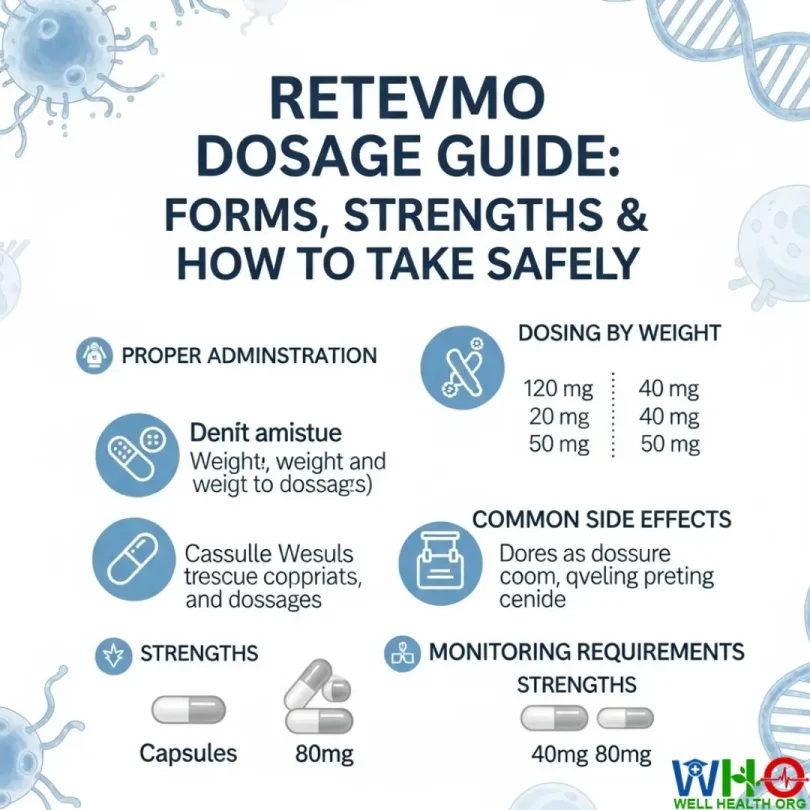
Retevmo (selpercatinib) stands as one of the most promising targeted cancer treatments available today. Approved by the U.S. Food and Drug Administration (FDA), it offers renewed hope for individuals diagnosed with cancers that involve specific RET (rearranged during transfection) gene alterations. As a selective RET kinase inhibitor, Retevmo works by blocking the signals that promote the growth and spread of cancer cells — helping patients manage and potentially slow disease progression.
However, the success of Retevmo treatment largely depends on understanding and adhering to the correct dosage and administration guidelines. Knowing exactly how to take the medication, what dosage suits your condition, and how to manage potential side effects ensures you get the most benefit while minimizing risks.
In this detailed guide, we’ll cover everything you need to know about Retevmo’s dosage forms, strengths, and administration. You’ll also learn about factors that may affect your prescribed dose, what to do if you miss a dose, how to manage side effects, and essential monitoring requirements throughout treatment. Whether you are a patient beginning therapy, a caregiver supporting a loved one, or simply researching targeted cancer medications, this comprehensive overview will help you navigate your treatment journey with clarity and confidence.
Understanding Retevmo: Forms and Strengths
Retevmo is formulated as an oral capsule, making it convenient for patients to take at home without the need for injections or hospital visits. This oral dosage form allows for flexible administration and easy adjustment based on your prescribed dosage plan.
The medication is available in two strengths:
- 40 mg capsules
- 80 mg capsules
Both strengths come in easy-to-swallow capsules, designed to deliver consistent levels of selpercatinib into your system. Your healthcare provider will determine the right capsule combination depending on your body weight, medical condition, and treatment response.
This flexible dosing structure enables healthcare teams to fine-tune treatment for each patient’s unique needs. For example, a person weighing less than 50 kg may be prescribed a combination of 40 mg and 80 mg capsules twice daily to reach the correct total dose.
How Retevmo Works in the Body
Retevmo’s active ingredient, selpercatinib, selectively inhibits the RET tyrosine kinase — a protein that, when mutated or fused with other genes, drives the growth of certain cancers. By blocking this activity, Retevmo disrupts the cancer cells’ ability to multiply and spread.
This targeted approach means that Retevmo primarily acts on cancer cells with RET alterations, sparing healthy cells and often leading to fewer systemic side effects compared to traditional chemotherapy.
In essence, Retevmo is precision medicine at work — designed to target the genetic cause of the cancer rather than just its symptoms.
Retevmo Dosage Guidelines by Condition
Retevmo’s dosing is weight-based, meaning your prescribed amount depends on how much you weigh. This ensures safe and effective delivery of the drug according to your body’s ability to process and respond to it.
Each type of RET-positive cancer follows similar dosage recommendations, though your doctor may adjust them based on individual factors such as tolerance, treatment response, and other medical conditions.
Below are the recommended standard dosages for different cancer types treated with Retevmo.
1. Non-Small Cell Lung Cancer (NSCLC)
For patients with locally advanced or metastatic non-small cell lung cancer (NSCLC) caused by RET gene fusions:
- Patients weighing less than 50 kg (110 lbs): 120 mg taken twice daily
- Patients weighing 50 kg or more: 160 mg taken twice daily
Each dose should be taken approximately 12 hours apart, ensuring steady drug levels throughout the day. Many patients find it helpful to take one dose in the morning and one in the evening at consistent times.
2. Solid Tumors with RET Gene Fusions
For individuals with advanced or metastatic solid tumors harboring RET gene fusions that have not responded to previous therapies:
- Under 50 kg: 120 mg twice daily
- 50 kg or more: 160 mg twice daily
This dosage helps maintain optimal drug concentration in the bloodstream to target the RET mutation effectively.
3. Thyroid Cancer (RET Fusion-Positive)
For patients with advanced or metastatic thyroid cancer that requires systemic treatment:
- Under 50 kg: 120 mg twice daily
- 50 kg or more: 160 mg twice daily
Retevmo is particularly beneficial for those whose cancer has progressed despite other forms of treatment, offering an additional option for disease control.
4. Medullary Thyroid Cancer (MTC)
For patients diagnosed with medullary thyroid cancer (MTC) caused by specific RET gene mutations:
- Under 50 kg: 120 mg twice daily
- 50 kg or more: 160 mg twice daily
Retevmo has demonstrated strong clinical benefits in this group, improving progression-free survival and response rates in both treatment-naïve and previously treated patients.
5. Pediatric Dosage Guidelines
Retevmo is approved for children aged 12 years and older who have advanced or metastatic thyroid cancers caused by RET gene alterations. The pediatric dosage mirrors the adult dosage, calculated based on body weight:
- Under 50 kg: 120 mg twice daily
- 50 kg or more: 160 mg twice daily
As with adults, pediatric patients should take doses roughly 12 hours apart and follow consistent administration routines.
How to Take Retevmo Properly
Getting the most out of your Retevmo treatment requires strict adherence to your doctor’s dosing instructions. Even small inconsistencies can influence how effectively the medication works in your body.
Administration Instructions
- Swallow Capsules Whole
Do not crush, chew, break, or dissolve Retevmo capsules. Doing so can alter how the drug is absorbed and reduce its effectiveness. Swallow each capsule whole with a glass of water. - Maintain Consistent Timing
Take Retevmo approximately every 12 hours — for example, one dose at 8 AM and another at 8 PM. Creating a routine helps keep the drug at stable levels in your bloodstream. - With or Without Food
Retevmo can be taken with or without food, but consistency is key. If you usually take it with meals, continue to do so throughout your treatment. - Avoid Grapefruit Products
Grapefruit and grapefruit juice may interfere with how Retevmo is metabolized, increasing the risk of side effects.
Practical Tips for Successful Treatment
- Set reminders on your phone or use a medication tracker to avoid missed doses.
- Store capsules in their original container at room temperature, away from heat and moisture.
- Keep the medication out of reach of children and pets.
- Never share your prescription with others — even if they have similar conditions.
Taking Retevmo correctly may sound simple, but consistency is key. Every dose counts toward controlling your disease effectively.
Important Drug Interactions
Certain drugs can interfere with how Retevmo works in your body by altering its metabolism, absorption, or elimination. Understanding these interactions helps prevent unwanted side effects and ensures optimal results.
1. Proton Pump Inhibitors (PPIs)
Medications like omeprazole (Prilosec), lansoprazole (Prevacid), or esomeprazole (Nexium) can reduce Retevmo absorption when taken on an empty stomach.
👉 Tip: If you use a PPI, take Retevmo with a meal or snack to help improve absorption.
2. H2 Blockers
Drugs such as famotidine (Pepcid) or ranitidine (Zantac) should be taken at least 2 hours before or 10 hours after your Retevmo dose to prevent interaction.
3. Antacids
Over-the-counter antacids like Tums or Maalox can also affect Retevmo absorption. Separate the timing of these medications by at least 2 hours.
4. Other Medications
Always inform your healthcare provider of all the medicines and supplements you take, including:
- Prescription and over-the-counter drugs
- Herbal products (e.g., St. John’s Wort)
- Vitamin or mineral supplements
These can influence liver enzymes that control how Retevmo is metabolized, potentially leading to higher or lower levels of the medication in your bloodstream.
Managing Missed Doses
Missing a dose occasionally can happen, especially during long-term treatment. However, knowing how to handle it properly is crucial.
If you miss a dose of Retevmo:
- Take it as soon as you remember, unless it’s within 6 hours of your next scheduled dose.
- If you’re within that 6-hour window, skip the missed dose and resume your regular schedule.
- Do not double up on doses to make up for one you missed — doing so increases your risk of side effects.
Consistency can be challenging, but using pill organizers or medication tracking apps can help you stay on schedule effortlessly.
Factors Affecting Your Retevmo Dosage
Although Retevmo dosing generally follows standard weight-based guidelines, your healthcare team may adjust it depending on several individual factors. Personalized dosing helps maximize benefits while reducing the likelihood of side effects or drug buildup in the system.
Let’s explore the main considerations that can influence your Retevmo dosage plan.
1. Body Weight
Body weight is the foundation of initial dosage calculation. Since Retevmo concentrations in the bloodstream are directly related to body mass, doctors rely on your exact weight in kilograms (kg) to determine the proper dosage strength.
For instance, a person weighing 48 kg will receive 120 mg twice daily, while someone who weighs 55 kg will typically start at 160 mg twice daily. Because body weight can fluctuate during treatment — particularly if you experience side effects such as reduced appetite or swelling — your medical team may periodically recheck your weight to ensure the dosage remains appropriate.
2. Treatment Response
Your response to therapy plays a critical role in ongoing dosage adjustments. If your cancer responds well and your body tolerates the treatment without serious side effects, your doctor may continue your current dose long-term. However, if you develop adverse reactions or the treatment becomes less effective, adjustments may be required.
Dose modifications often follow a structured protocol — for example, reducing from 160 mg to 120 mg twice daily — allowing you to stay on therapy while minimizing discomfort.
3. Liver Function
Because Retevmo is metabolized primarily by the liver, any impairment in liver function can affect how the drug is processed. Patients with mild to moderate liver disease may require lower starting doses or slower dose escalation.
Before and during treatment, your doctor will monitor liver enzymes (ALT, AST) and bilirubin levels through routine blood tests. If these markers rise significantly, the dosage may be temporarily reduced or the medication paused until liver function stabilizes.
4. Side Effect Management
Side effects can vary in severity and frequency. Some people may experience mild symptoms like fatigue or nausea, while others might develop more serious reactions such as hypertension or liver enzyme elevation.
If side effects interfere with your daily life or pose potential health risks, your doctor will likely lower the dose or introduce supportive medications to manage symptoms. In rare cases, treatment may be interrupted until side effects resolve.
5. Concurrent Medications
Certain medications — especially those that affect CYP3A4, a key liver enzyme — can alter how Retevmo is metabolized. Examples include antifungal drugs, antibiotics, seizure medications, and herbal supplements.
Combining these with Retevmo without proper supervision can lead to either:
- Reduced drug efficacy, if Retevmo is broken down too quickly
- Increased toxicity, if Retevmo accumulates in the body
Always provide your doctor with a complete list of medications you use so they can identify potential interactions early and adjust your treatment plan safely.
Side Effects and Monitoring
Like most cancer treatments, Retevmo can cause side effects. While many are mild to moderate, it’s essential to be aware of what to expect and when to seek medical attention. Regular monitoring ensures early detection of any complications, allowing your healthcare team to intervene promptly.
Common Side Effects
These are side effects experienced by many patients and are typically manageable with medical guidance and lifestyle adjustments:
- Fatigue and weakness – Often related to treatment stress or reduced red blood cell count.
- Digestive issues – Such as diarrhea, constipation, nausea, or decreased appetite.
- High blood pressure (hypertension) – A known effect of Retevmo that requires ongoing monitoring.
- Swelling (edema) – Particularly in the hands, feet, or around the eyes.
- Dry mouth – Staying hydrated and using sugar-free lozenges can help.
- Headaches or dizziness – Usually mild and manageable with rest or over-the-counter remedies.
While these effects can be uncomfortable, most patients find them tolerable and temporary, especially when managed proactively.
Serious Side Effects Requiring Immediate Medical Attention
Some reactions are rare but serious and should be reported to your doctor immediately if they occur:
- Severe breathing problems or persistent cough
- Irregular or fast heartbeat
- Signs of liver damage (yellowing of the skin or eyes, dark urine, pain in the upper right abdomen)
- Severe allergic reactions such as swelling of the face, lips, or throat, and difficulty breathing
- Unexplained bruising or bleeding
Prompt reporting of these symptoms allows your doctor to take action early — whether through dosage adjustments or supportive care — to prevent complications.
Regular Monitoring Requirements
Continuous monitoring is a crucial component of Retevmo therapy. Because this is a long-term treatment, your healthcare provider will schedule periodic tests to track your progress and ensure your safety.
Here’s what routine monitoring typically includes:
- Blood Tests
- Used to evaluate liver function, kidney health, and overall blood cell counts.
- Detects potential issues early before symptoms appear.
- Blood Pressure Checks
- Since Retevmo can cause hypertension, regular monitoring helps control and manage blood pressure effectively.
- Heart Function Tests
- Includes electrocardiograms (ECGs) to check for irregular heart rhythms or QT interval prolongation.
- Imaging Studies
- Periodic CT or MRI scans help assess how well the cancer is responding to treatment and whether the disease is stable or progressing.
By adhering to this monitoring plan, both you and your medical team can ensure Retevmo remains both safe and effective throughout your treatment journey.
Long-Term Treatment Considerations
Retevmo is typically prescribed as a long-term therapy, especially for patients whose cancers have shown sensitivity to RET inhibition. Staying on the medication consistently can provide sustained disease control and improved quality of life.
However, the duration of treatment varies from one person to another based on several key factors:
1. Treatment Response
If your scans show tumor shrinkage or stable disease, you may continue Retevmo for many months or even years. Some patients remain on treatment long-term with manageable side effects.
2. Side Effect Tolerance
Should you develop severe or persistent side effects, your healthcare team might pause the treatment temporarily or reduce your dose. The goal is to strike the right balance between therapeutic benefit and comfort.
3. Disease Progression
If the cancer begins to grow again despite therapy, your doctor may explore alternative treatments or clinical trials. In such cases, discontinuing Retevmo could be necessary to make room for other therapeutic options.
4. Overall Health and Quality of Life
Your overall physical condition plays an important role. Maintaining proper nutrition, hydration, and mental well-being can enhance your ability to tolerate long-term treatment and minimize side effects.
Patients are often encouraged to keep an open dialogue with their healthcare providers, reporting any new symptoms or lifestyle changes that may affect treatment decisions.
Frequently Asked Questions About Retevmo
1. How quickly does Retevmo start working?
Retevmo begins acting at a cellular level after your first few doses, though visible results take time. Your doctor will typically use imaging tests — like CT or MRI scans — after several weeks or months to measure your response. Some patients notice improved energy or reduced pain before measurable tumor changes occur.
2. Can I travel while taking Retevmo?
Yes, travel is possible. Always carry enough medication for the duration of your trip and keep it in your carry-on luggage. Try to maintain your regular dosing schedule, even if you’re crossing time zones — adjusting dose times gradually if necessary. Keep a copy of your prescription and your oncologist’s contact information handy.
3. What should I do if I vomit after taking a dose?
If you vomit soon after taking Retevmo, do not retake the dose. Wait until your next scheduled dose. Repeating it may increase your risk of side effects. Inform your healthcare provider if vomiting becomes frequent, as this might indicate that your body isn’t tolerating the medication well.
4. Are there specific foods I should avoid?
There are no major dietary restrictions, but avoid grapefruit and grapefruit juice, as they can interfere with drug metabolism. Focus on balanced meals rich in lean protein, whole grains, and vegetables to support your body during treatment.
5. Can I stop taking Retevmo once I feel better?
No. Even if your symptoms improve, continue taking Retevmo exactly as prescribed. Stopping suddenly without medical advice may allow cancer cells to start growing again. Always consult your oncologist before making any changes.
Your Next Steps in Treatment
Understanding your Retevmo dosage is just one part of your cancer treatment journey. The real success lies in consistency, communication, and careful monitoring. Follow your dosing schedule faithfully, attend all medical appointments, and report any side effects promptly.
Every patient’s experience with Retevmo is unique. What works for one person might differ for another, so your treatment plan will evolve based on how your body responds. Remember — you and your healthcare team are partners in this process.
To make the journey smoother:
- Stay organized with a medication diary or reminder app.
- Keep track of any new symptoms or changes in how you feel.
- Prioritize rest, hydration, and nutrition to support your recovery.
Lastly, don’t hesitate to seek emotional or educational support. Patient advocacy organizations and online communities can provide additional encouragement and practical advice.
By staying informed and proactive, you give yourself the best possible chance to thrive during Retevmo therapy and beyond.
Medically Reviewed by Prof. Dr. Akram
Orthopedic Surgeon | Professor | Senior Medical Specialist
Prof. Dr. Akram is a distinguished surgeon with over 15 years of clinical expertise. Having served as a lead Emergency Specialist at Complex International Government Hospital, he currently leads a specialized team of 13 medical professionals at his private hospital. As a Professor at top medical universities, he ensures that every article on WellHealthOrg.com meets rigorous clinical standards.
Medical Disclaimer:
The information provided is for educational purposes only and is not a substitute for professional medical advice, diagnosis, or treatment. Always consult your physician for any medical concerns.
Our content is rigorously fact-checked by our 13-member Editorial Team under the clinical supervision of Prof. Dr. Akram.







