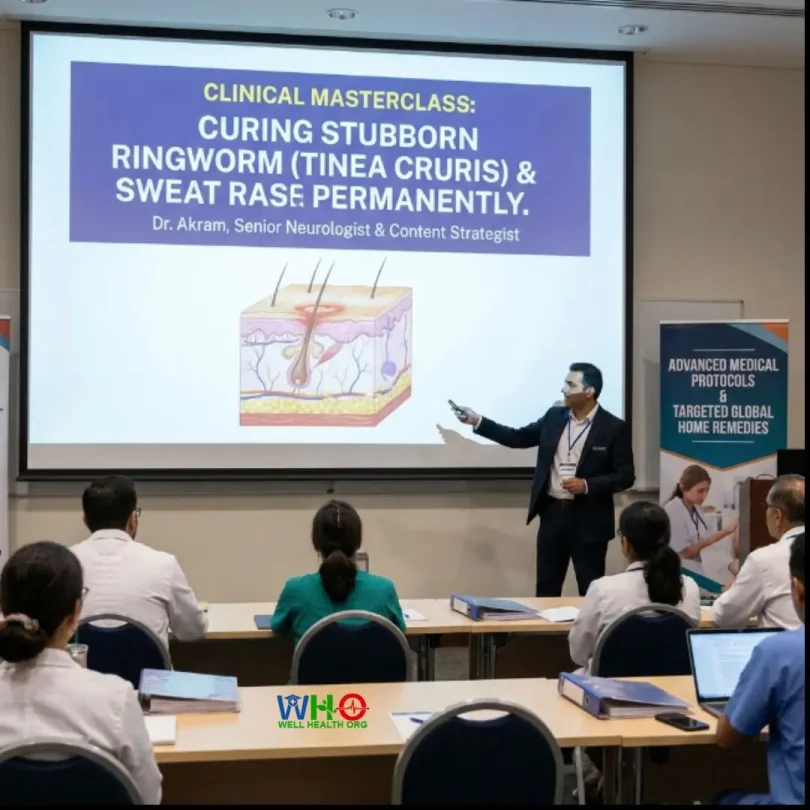
🩺 Dr. Akram’s Private Clinical Notes for Curing Stubborn Ringworm
Over my three decades practicing medicine across international centers, patients frequently walk into my clinic completely demoralized by what they call ‘the never-ending itch.’ I remember an anonymized case of a 42-year-old logistical manager who split his time between the high humidity of Singapore and the variable summer heat of London. He had been battling an aggressive, weeping groin rash for eleven months. He had cycled through countless over-the-counter creams, experienced brief respites, and then watched in horror as the angry, red, ring-like borders returned with a vengeance every time he spent an afternoon outdoors.
When I examined him, the skin architecture was heavily compromised, demonstrating classic signs of topical steroid misuse—thinning, striae, and an amplified fungal bloom known clinically as *tinea incognito*. He had fallen into the classic trap: applying an OTC hydrocortisone cream to suppress the itch, which inadvertently fed the underlying dermatophytes by paralyzing the local cutaneous immune response. My team put him on a strict, multi-phase systemic and topical protocol, coupled with rigorous textile decontamination. Within six weeks, his skin barrier was entirely restored, and he has remained completely lesion-free for over three years. This masterclass outlines the exact clinical framework we utilized to achieve that permanent cure.”
📋 Comprehensive Medical Index
What is Summer Fungal Infection & Tinea Cruris?
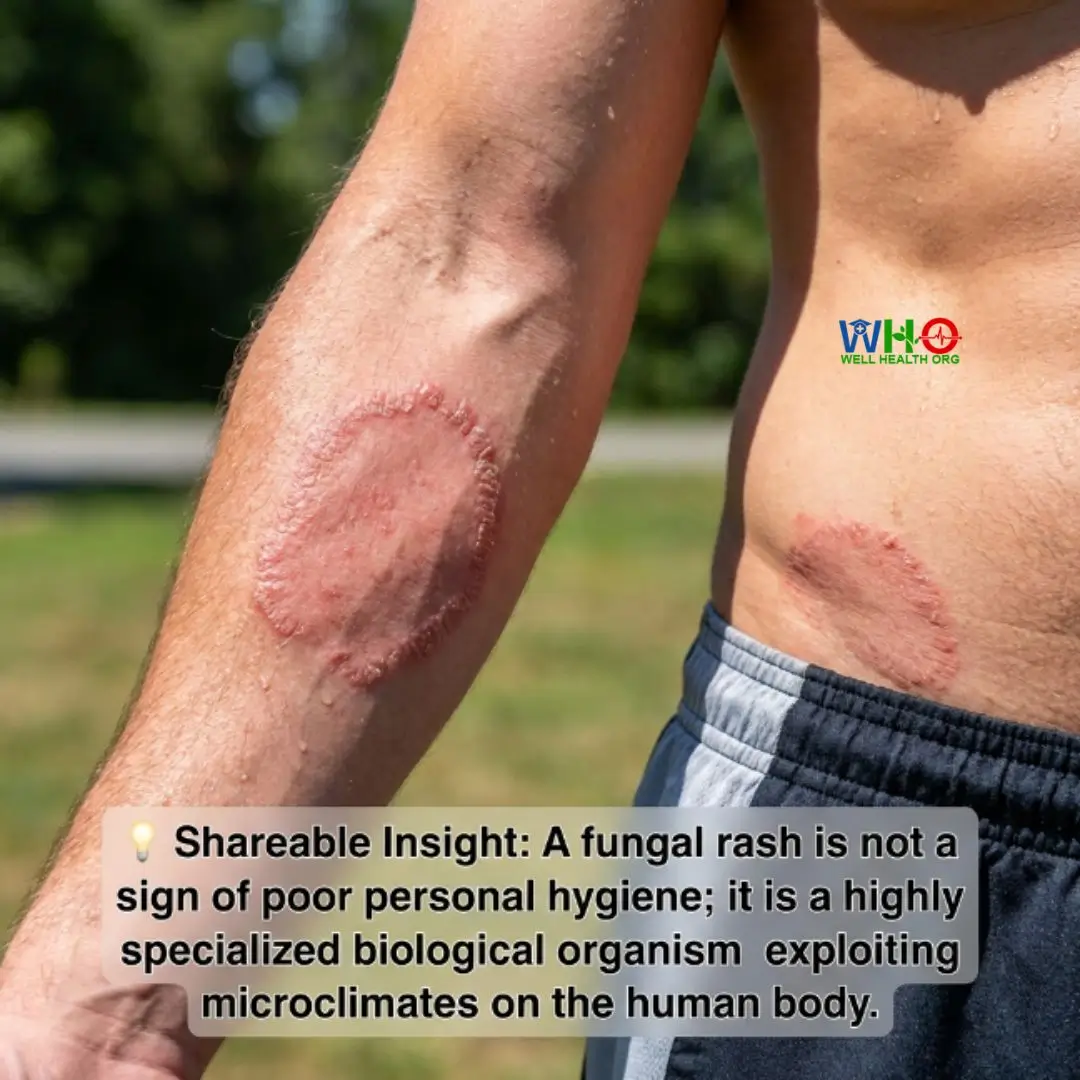
When summer arrives, bringing with it soaring temperatures and oppressive humidity levels, the human skin becomes a primary battleground for microscopic pathogens. Among the most pervasive and stubborn of these seasonal complaints are superficial mycoses—specifically Tinea Cruris (commonly referred to as jock itch or groin ringworm) and generalized sweat rashes (intertrigo complicated by yeast colonization). These conditions are not merely superficial skin irritations; they are active, aggressive infections caused by specialized fungi known as dermatophytes and yeasts like Candida albicans.
Dermatophytes are filamentous fungi belonging to the genera Trichophyton, Microsporum, and Epidermophyton. They survive exclusively by digesting keratin, a structural protein that comprises the primary matrix of your outermost skin layer (the stratum corneum), as well as your hair and nails. When these organisms encounter the ideal physiological conditions—elevated skin surface temperatures and trapped ambient moisture—they shift from dormant spores into an active, destructive mycelial phase. They grow outward in a circular, expanding pattern, creating the characteristic raised, highly inflamed, scaly red borders that define ringworm.
Sweat rashes, by contrast, frequently begin as mechanical intertrigo—an inflammatory condition caused by skin-on-skin friction within intertriginous zones such as the groin, inner thighs, underarms, and inframammary folds. The constant friction damages the protective epidermal barrier, allowing trapped sweat to macerate the tissues. This warm, nutrient-rich environment becomes an open invitation for opportunistic fungi to colonize the area, turning a simple friction burn into a intense, deeply rooted, burning fungal infection.
The Cellular Root Causes & Environmental Catalysts

To successfully cure an infection permanently, we must evaluate the unique biological and lifestyle variables that allow these fungal cells to thrive. Dermatophytes cannot penetrate healthy, dry skin that possesses an intact acid mantle. However, modern lifestyles across both Western and Eastern societies have inadvertently optimized human skin for fungal colonization.
The Role of the Cutaneous Microenvironment
Human sweat contains urea, minerals, and lactic acid, which form part of the skin’s natural moisturizing factor. However, when sweat is trapped against the body for extended periods, it significantly alters the skin’s surface pH, shifting it from its healthy, slightly acidic baseline (around pH 5.5) toward an alkaline status. Fungi possess highly sensitive pH-sensing pathways that trigger morphological changes when the environment becomes alkaline, inducing them to produce aggressive proteolytic enzymes called keratinases. These enzymes dissolve the cellular bonds between your skin cells, allowing fungal hyphae to tunnel deeper into the stratum corneum.
Western Habits vs. Eastern Lifestyles
The global prevalence of these infections shows distinct behavioral variations depending on geography and fashion trends:
- The Western Traps: In highly industrialized Western nations (such as the US, UK, and continental Europe), the primary culprit is often synthetic athletic attire and tight-fitting fashion. Fabrics like polyester, nylon, and elastane are heavily utilized in modern activewear and synthetic denim. While they may look stylish or dry quickly on the surface, they trap a thin micro-layer of superheated, humid air directly against the perineal and inguinal skin. Combine this with prolonged periods of sedentary office work in plush leather chairs, and you create a literal incubator for dermatophyte proliferation.
- The Eastern Realities: Across highly humid Asian climates, the challenge is fundamentally environmental and structural. Monsoon seasons, crowded urban transits, and occupations requiring extensive outdoor physical activity result in continuous, unremitting sweating. If public bathing or immediate clothing changes are unavailable during long working shifts, the skin stays macerated for twelve or fourteen hours consecutively, allowing any stray fungal spores picked up from environmental surfaces to take root instantly.
Advanced Medical Treatments & Pharmacological Protocols
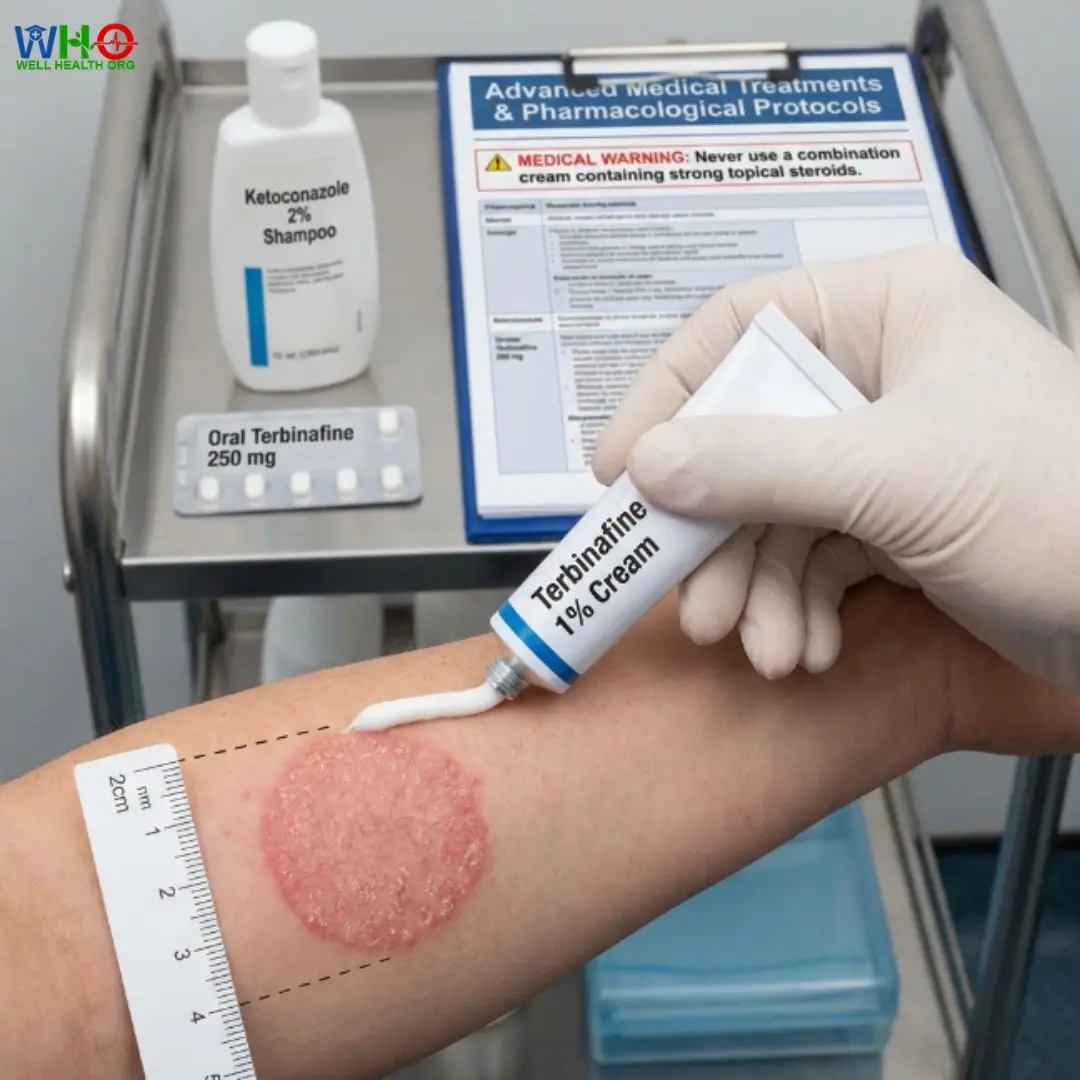
When dealing with stubborn, recurrent ringworm or an extensively colonized sweat rash, casual application of over-the-counter creams without a structural protocol is useless. True clinical eradication demands precise pharmacological target selection. Below are the primary medical therapies used globally by leading dermatologists.
1. Advanced Topical Antifungal Formulations
🛡️ Medical Protocol: Allylamines and Imidazoles
- ⚡ Clinical Application: Apply a thin layer of cream to clean, bone-dry skin twice daily. Crucially, the cream must be spread at least 2 centimeters past the visible, active red border of the rash. Fungal hyphae are microscopic and migrate outward well ahead of visible inflammation. Most importantly, therapy must continue for an additional 14 days after the skin returns to a completely normal appearance.
- ⚖️ Dosage (US/Metric): Terbinafine 1% cream or Clotrimazole 1% cream applied twice daily. A standard 15-gram or 30-gram tube must be used consistently without missing doses.
- 🔬 Mechanism of Action: Allylamines (Terbinafine) selectively inhibit squalene epoxidase, a vital enzyme in the fungal sterol biosynthesis pathway. This leads to an intracellular accumulation of toxic squalene and a severe deficiency in ergosterol (the core building block of the fungal cell membrane), causing rapid fungal cell death (fungicidal effect). Imidazoles (Clotrimazole, Miconazole) inhibit the lanosterol 14α-demethylase enzyme, causing structural defects in the membrane that stop reproduction (fungistatic effect).
- ⚠️ Medical Warning: Never use a combination cream containing strong topical steroids (e.g., Betamethasone or Hydrocortisone) to treat a confirmed fungal infection. While the steroid will dramatically reduce itching and redness within 24 hours by downregulating your local immune cells, it leaves the skin completely defenseless. The fungus will feed on the altered tissue, mutate, and bloom aggressively across a massive surface area once the cream is stopped.
2. Oral Systemic Prescriptions for Chronic Infections
💊 Systemic Eradication: Oral Azoles & Allylamines
- ⚡ Clinical Application: Indicated strictly for extensive tinea infections that cover multiple large bodily regions, cases involving severe follicular involvement (Tinea Incognito/Majocchi’s Granuloma), or chronic infections that have completely failed standard topical regimens after four consecutive weeks of adherence.
- ⚖️ Dosage (US/Metric): Oral Terbinafine 250 mg once daily for 2 to 4 weeks, OR Oral Itraconazole 100 mg to 200 mg daily for up to 15 days, strictly under a registered medical practitioner’s supervision.
- 🔬 Mechanism of Action: Systemic agents enter the bloodstream, distribute deeply into the adipose tissue, and diffuse into the basal layers of the epidermis. As the skin cells mature and migrate upward, they carry the systemic drug with them, creating a hostile skin matrix that kills the fungus from the inside out.
- ⚠️ Medical Warning: Oral antifungals are processed extensively by the cytochrome P450 enzyme pathway in the human liver. Baseline and mid-treatment liver function tests (LFTs) are mandatory for prolonged usage. These medications carry strict contraindications for individuals with pre-existing hepatic impairment or those taking interacting medications like certain statins, blood thinners, or antiarrhythmics.
3. Scalp Applications & Medicated Body Washes
🚿 Cutaneous Clearance: Medicated Cleansers
- ⚡ Clinical Application: If a patient has a concurrent scalp infection (Tinea Capitis), the scalp serves as a constant reservoir, shedding millions of active fungal spores straight down onto the neck, torso, and groin. Use a medicated shampoo to wash the entire body from head to toe during your daily shower. The lather must be left in place on the skin for a full 5 to 10 minutes before rinsing thoroughly with cool water.
- ⚖️ Dosage (US/Metric): Ketoconazole 2% shampoo or Selenium Sulfide 2.5% suspension utilized 2 to 3 times per week for a duration of 4 weeks.
- 🔬 Mechanism of Action: These highly viscous surfactants deliver high concentrations of active antifungals directly into hair follicles and pores, stripping away superficial fungal colonies and reducing surface yeast counts dramatically.
- ⚠️ Medical Warning: Can cause localized skin dryness, transient irritation, or mild hair shedding if left on too long or if used on raw, broken skin. Avoid direct contact with mucosal surfaces or the eyes.
Proven Home Remedies & Spore Decontamination Protocols

Many people view home care as an alternative to western pharmacology. In clinical reality, natural interventions and lifestyle modifications serve as crucial, non-negotiable supportive therapies. They break the endless cycle of re-infection that occurs when patients rely solely on pharmaceuticals while ignoring their everyday environments.
1. Thermal and Chemical Laundry Decontamination Protocol
🧺 Environmental Cleansing: Breaking the Spore Cycle
- ⚡ Preparation & Use: Collect all underwear, undershirts, socks, gym gear, bedsheets, and bath towels immediately after a single use. Wash these textiles in a dedicated, high-temperature laundry cycle separate from the rest of your household’s clothes. After washing, dry the items on your machine’s highest heat setting for at least 40 minutes, or hang them in direct, uninterrupted sunlight, as ultraviolet radiation acts as a potent natural disinfectant.
- ⚖️ Quantity (US/Metric): Set the washing machine water temperature to a minimum of 60°C (140°F). Add 1/2 cup (approximately 120 grams) of sodium borate (Borax) or 1/2 cup of standard liquid laundry bleach directly to the drum along with your heavy-duty detergent.
- 🔬 Natural Healing Process: Fungal arthrospores are incredibly resilient and can survive for many months embedded inside standard cotton or synthetic weaves washed at cool temperatures. The combination of intense heat (above 60°C) along with the high alkalinity of Borax or the oxidative power of bleach denatures the structural cell wall proteins of the spores, completely rendering them sterile and incapable of re-infecting your skin.
- ⚠️ Safe Usage Note: Bleach can degrade colored fabrics rapidly. For delicate items, rely heavily on the 60°C hot water cycle or utilize specialized color-safe clothing disinfectants containing quaternary ammonium compounds. Never wear damp clothes or share used towels with family members under any circumstances.
2. Cutaneous Dryness & Powder Protective Barriers
🍃 Microclimate Control: Starving the Fungus
- ⚡ Preparation & Use: After showering, pat the skin gently with a completely fresh, sterile towel. Do not rub vigorously, as dragging the towel across the rash can create microscopic tears in the skin that allow the infection to spread outward. Let the skin air-dry completely for 5 to 10 minutes before putting on clothes. Dust all high-friction, sweat-prone skin folds thoroughly with an oil-free drying powder.
- ⚖️ Quantity (US/Metric): Apply a liberal dust layer of pure Zea Mays (Cornstarch) powder or dedicated over-the-counter medicated Miconazole/Clotrimazole antifungal powder twice daily, especially right before heading outdoors into hot weather.
- 🔬 Natural Healing Process: These fine powders absorb excess sweat the moment it exits the sweat glands, preventing the moisture buildup that softens and breaks down your skin cells. Furthermore, choosing 100% loose-weave organic cotton clothing allows air to circulate freely across your skin, keeping temperatures below the critical threshold required for fungal hyphae to grow.
- ⚠️ Safe Usage Note: Avoid using standard fragranced talcum powders. Talc can trap moisture against the skin if it clumps up, and heavy artificial fragrances can cause intense contact dermatitis on skin that is already inflamed by a fungal infection.
Doctor’s Final Verdict & The Bottom Line

As a clinician with decades of experience, I must emphasize that achieving a permanent cure for stubborn ringworm (Tinea Cruris) and summer sweat rashes requires a strict, multi-front approach. You cannot treat this condition casually. If you simply apply an antifungal cream for three or four days until the itching stops, you are merely pruning the weeds while leaving the roots completely intact. The surviving fungal population will return stronger and more resistant to treatment than before.
To eliminate these conditions permanently, you must commit to a comprehensive, non-negotiable protocol: use targeted topical antifungals (like Terbinafine or Clotrimazole) consistently for at least two full weeks after the skin looks completely clear; avoid the dangerous trap of symptom-masking steroid creams; keep all high-friction skin folds completely clean and bone-dry; and aggressively decontaminate your clothing and bedsheets using hot water cycles above 60°C along with Borax or bleach. If you follow every step of this protocol diligently, you will disrupt the life cycle of the pathogen, restore your skin’s natural protective barrier, and permanently reclaim your comfort during the hot summer months.
Global Adaptation & Environmental Field Guides
Select your specific geographical region below to access localized advice tailored to your climate, regional lifestyle habits, and local pharmaceutical availability.
🌍 Western Climates (USA, Canada, UK, & Continental Europe)
Primary Environmental Stressors: Artificial indoor heating systems coupled with tight, layered cold-weather attire during transitional spring months, followed immediately by sudden, high-humidity summer heatwaves without widespread residential air conditioning (particularly common across the UK and Western Europe).
Action Plan: Avoid heavy synthetic athleisure wear during office hours or long commutes. Opt for lightweight, open-weave linen or specialized moisture-wicking merino wool undergarments. Ensure all home gym equipment, yoga mats, and shared fitness facilities are thoroughly disinfected with broad-spectrum fungicidal sprays prior to direct skin contact.
Over-the-Counter Brands: Look for Lamisil AT (Terbinafine 1%), Lotrimin AF (Clotrimazole 1% or Miconazole Nitrate 2%), and Canesten (UK/Europe equivalents).
🌏 Tropical & Monsoon Climates (South Asia, ASEAN, & Middle East)
Primary Environmental Stressors: Intense, unremitting ambient humidity (often exceeding 80%), heavy monsoon rains, prolonged daily transits in crowded public transportation, and jobs requiring physical labor under the direct summer sun, leading to constant skin maceration.
Action Plan: Carry a spare change of 100% loose cotton undergarments in your daily work bag. If showering immediately after your commute isn’t an option, use disposable, unscented body wipes to thoroughly clean the groin and underarms, pat the areas completely dry with clean tissues, and apply a thin layer of medicated drying powder. Avoid tight-fitting synthetic denim entirely during the summer months.
Over-the-Counter Brands: Look for Zalain (Sertaconazole), Lulifin (Luliconazole), Candid/Clocip (Clotrimazole), and standard Terbinafine topical formulations available at local pharmacies.
Global Frequently Asked Questions (Clinical Analysis)
Q1: What kills a stubborn ringworm infection the fastest?
The fastest way to eliminate dermatophytes is by using a topical allylamine cream, such as Terbinafine 1%, used consistently twice daily. Allylamines are directly fungicidal, meaning they actively destroy the fungal cell wall, making them much faster and more effective than older, fungistatic imidazole creams (like Clotrimazole), which only stop the fungus from multiplying. For severe, stubborn, or widespread infections, combining your topical cream with an oral antifungal medication prescribed by your doctor will deliver the fastest clinical clearance.
Q2: Will a ringworm infection eventually go away on its own without treatment?
While it is theoretically possible for a highly robust immune system to eventually isolate and control a mild fungal infection over many months, it is highly unlikely to clear up on its own in warm, humid summer conditions. Ignoring the infection usually allows it to spread to other areas of your body (such as your feet, torso, or scalp) or to your family members. Untreated fungal infections can also cause deep cracks and fissures in the skin, which open the door for aggressive secondary bacterial infections that require intensive antibiotic therapy.
Q3: Why does my groin rash keep returning every single summer?
Recurrent summer fungal infections are almost always caused by two common factors: stopping your treatment too early, or living with hidden reservoirs of fungal spores. Many patients stop applying their cream the moment the itching stops, leaving behind the most resilient fungal spores which simply wait for the next hot, sweaty day to multiply again. Additionally, if you don’t thoroughly decontaminate your bedsheets, towels, and underwear by washing them in hot water above 60°C, you will constantly re-infect your skin every time you wear those clothes or crawl into bed.
Q4: Can I use over-the-counter hydrocortisone or steroid creams to soothe the intense itching?
Absolutely not. Applying any form of topical steroid cream to a fungal infection is one of the most common mistakes patients make. Steroids work by suppressing your local immune response, which quickly reduces redness and stops the itching temporarily. However, this leaves the fungus completely unchecked. The organism will feed on your skin cells and spread aggressively, leading to a severe, modified infection known as *tinea incognito* that is much more difficult to treat and cure.
Q5: When should I stop trying to treat this at home and see a specialist?
You should schedule an appointment with a board-certified dermatologist if your rash shows absolutely no improvement after 14 days of consistent, daily over-the-counter antifungal treatment. You must seek immediate medical attention if you notice any signs of a secondary bacterial infection—such as open sores, thick yellow fluid or pus oozing from the area, red streaks traveling up your skin, severe swelling, or a fever.
Medically Reviewed by Prof. Dr. Akram
Orthopedic Surgeon | Professor | Senior Medical Specialist
Prof. Dr. Akram is a distinguished surgeon with over 15 years of clinical expertise. Having served as a lead Emergency Specialist at Complex International Government Hospital, he currently leads a specialized team of 13 medical professionals at his private hospital. As a Professor at top medical universities, he ensures that every article on WellHealthOrg.com meets rigorous clinical standards.
Medical Disclaimer:
The information provided is for educational purposes only and is not a substitute for professional medical advice, diagnosis, or treatment. Always consult your physician for any medical concerns.
Our content is rigorously fact-checked by our 13-member Editorial Team under the clinical supervision of Prof. Dr. Akram.