● STATUS: ONLINE | MEDICALLY VERIFIED BY PROF. DR. AKRAM (SENIOR NEUROLOGIST)
Electrolyte Hydration Drink : Biological Requirement
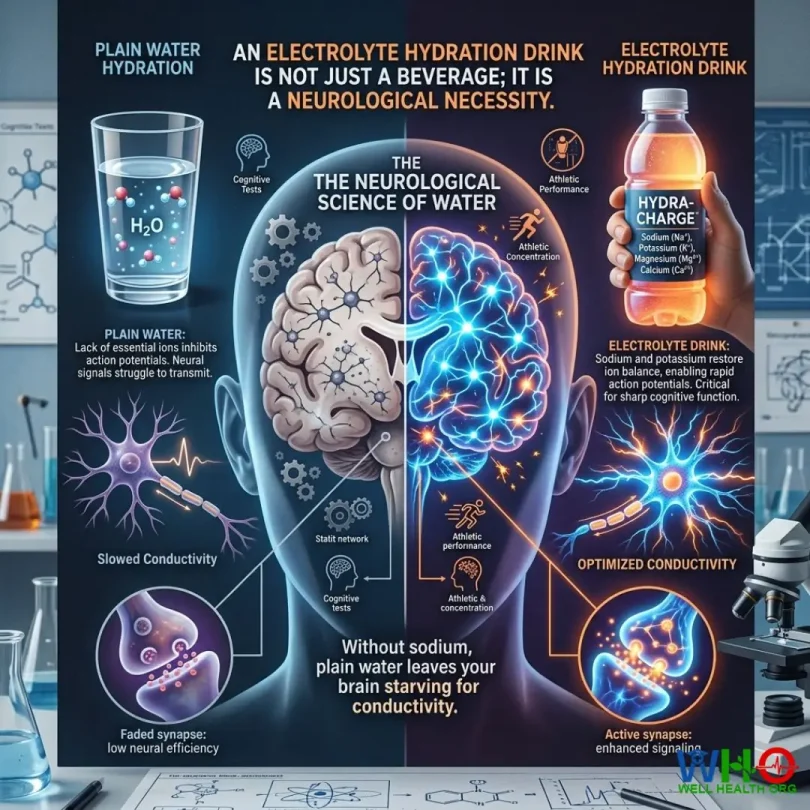
In my three decades as a practicing neurologist, I have seen perfectly healthy individuals rushed into my emergency department actively seizing, entirely unaware that their rigid adherence to “drinking a gallon of water a day” was the direct cause of their neurological collapse. They quenched their thirst, but they drowned their synapses. You cannot sustain human consciousness on plain water alone. Every time you sweat, you bleed the electrical charge required to fire your muscles and power your brain. This is exactly why an electrolyte hydration drink is not merely an athletic supplement; it is a baseline biological requirement.

I remember a distinct clinical “Eureka” moment early in my career. A marathon runner was brought in presenting with severe ataxia (loss of coordination) and acute confusion. He had meticulously hydrated with plain water at every single mile marker. His blood work revealed severe hyponatremia—a critical drop in blood sodium. The sheer volume of plain water had diluted his extracellular matrix to the point where his neurons could no longer generate an action potential. His brain was functionally short-circuiting. Administering an intravenous saline drip reversed the catastrophe in minutes. That day cemented my clinical perspective: fluid volume without mineral conductivity is a physiological hazard.
Shareable Insight: “Your brain doesn’t run on water; it runs on the electrical charge carried by the minerals suspended within it. Quenching your thirst without replacing electrolytes is like trying to charge your phone with a broken cable.”
Interactive Diagnostic Index
Osmotic Balance: Why Your Cells Reject Plain Water
Water absorption in the human body is not a passive event. It is a highly regulated mechanism dictated by osmotic balance. When you swallow a mouthful of plain water, it travels down to your intestines. For that water to cross the intestinal wall and enter your bloodstream, it requires a biological pull. Sodium acts as the primary gatekeeper in this process through a mechanism called the Sodium-Glucose Linked Transporter (SGLT1), or through pure sodium-dependent osmotic gradients.
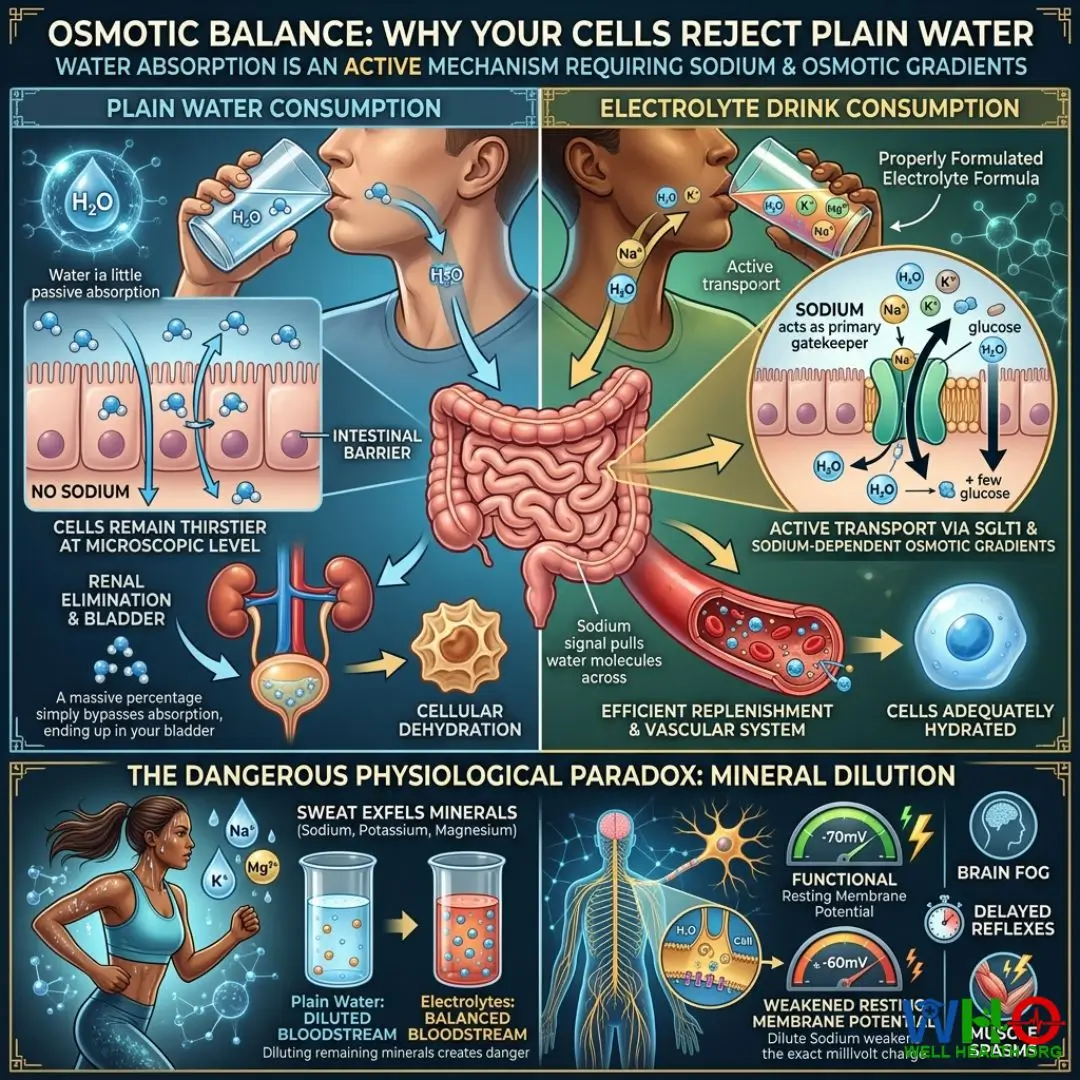
When you consume a properly formulated electrolyte hydration drink, the sodium in the fluid binds to receptors in your gut, actively pulling the water molecules across the cellular membrane and into your vascular system. Without that sodium signal, a massive percentage of the plain water you drink simply bypasses cellular absorption, passing through your renal system and ending up in your bladder. You experience the sensation of drinking, but at a microscopic level, your cells remain drastically dehydrated.
Increasing water intake without adjusting for mineral depletion creates a dangerous physiological paradox. As you sweat, you expel sodium, potassium, and magnesium. If you replace that lost fluid strictly with plain water, you dilute the remaining minerals in your bloodstream. This dilution diminishes the resting membrane potential of your nerve cells. Your nervous system relies on an exact millivolt charge (typically -70mV) to function. Dilute the sodium, and the charge weakens. This is the physiological origin of the brain fog, delayed reflexes, and muscle spasms you experience during prolonged physical exertion or heat exposure.
The Neurological Big 5: Decoding Electrolyte Mechanisms
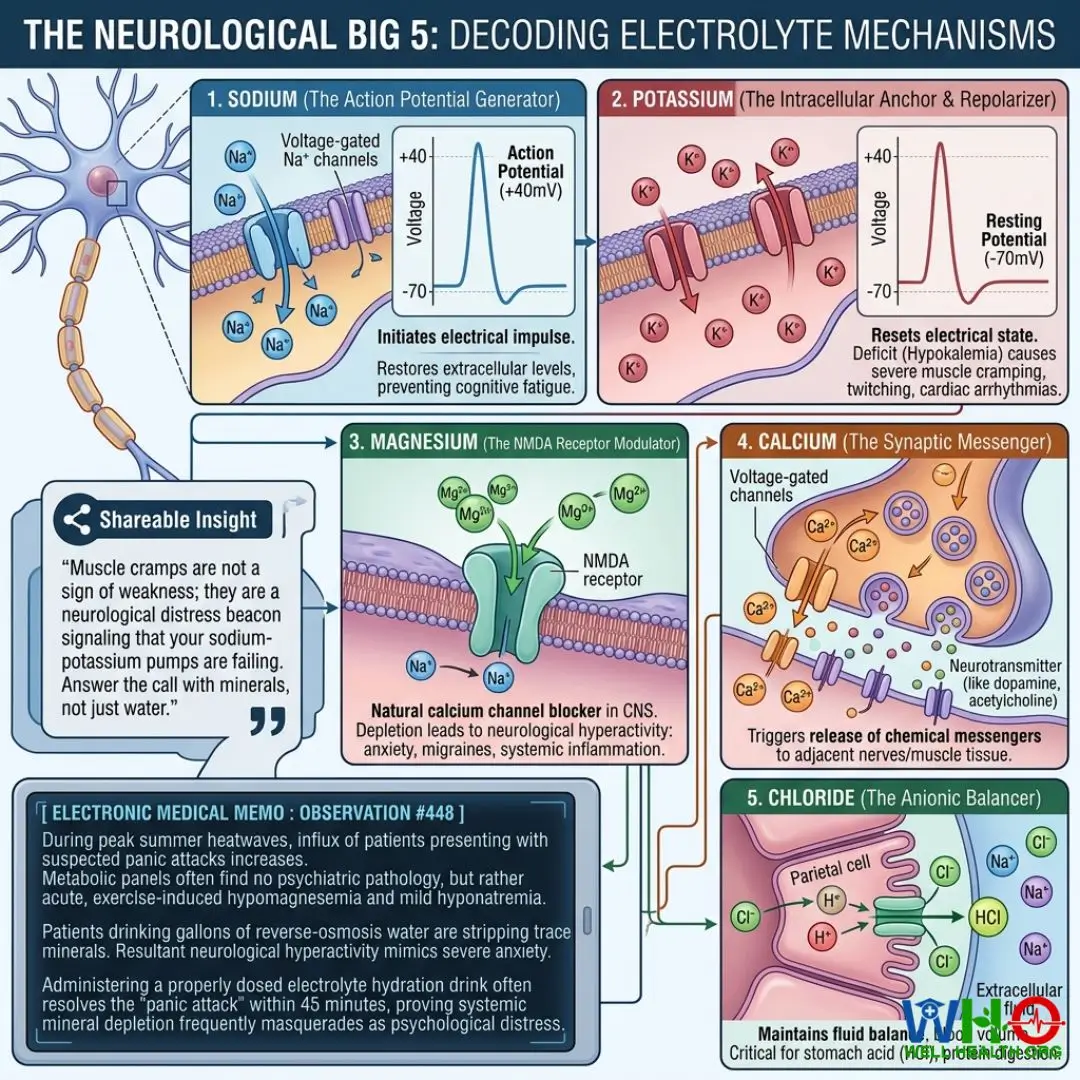
To truly understand why an electrolyte hydration drink outperforms tap water, we must dissect the specific cellular roles of the five primary macro-minerals. These are not merely ingredients; they are the biochemical hardware of human movement and cognition.
1. Sodium (The Action Potential Generator)
Sodium is the predominant extracellular cation. In neurology, sodium is responsible for initiating the ‘Action Potential’—the electrical spark that travels down the axon of a nerve. When your brain tells your hand to move, sodium channels open instantly, allowing positively charged ions to rush into the nerve cell, firing the signal. A high-quality electrolyte hydration drink restores extracellular sodium, preventing the sluggish nerve signaling that leads to cognitive fatigue.
2. Potassium (The Intracellular Anchor & Repolarizer)
While sodium lives outside the cell, potassium dominates the inside. After a nerve fires, potassium rushes out to reset the cell’s electrical state (repolarization). If potassium levels drop (hypokalemia), the nerve cannot reset fast enough. This manifests clinically as severe muscle cramping, twitching, and cardiac arrhythmias. Potassium is the ultimate recovery mineral for cellular function.
3. Magnesium (The NMDA Receptor Modulator)
Magnesium is the unsung hero of the central nervous system. It acts as a natural calcium channel blocker at the NMDA receptor site in the brain, preventing neurons from becoming overstimulated. When magnesium levels deplete due to sweat or stress, neurons fire uncontrollably, leading to anxiety, migraines, and systemic inflammation. An effective electrolyte hydration drink must contain bioavailable magnesium to soothe the neuromuscular junction.
4. Calcium (The Synaptic Messenger)
Beyond bone density, calcium triggers the actual release of neurotransmitters. When an electrical signal reaches the end of a nerve, calcium ions flood the synaptic cleft, forcing the nerve to release chemical messengers (like dopamine and acetylcholine) to the adjacent nerve or muscle tissue.
5. Chloride (The Anionic Balancer)
Chloride partners with sodium to maintain fluid balance and blood volume. It is also a critical component of stomach acid (hydrochloric acid), meaning severe chloride depletion can disrupt your body’s ability to digest proteins and absorb secondary nutrients.
Shareable Insight: “Muscle cramps are not a sign of weakness; they are a neurological distress beacon signaling that your sodium-potassium pumps are failing. Answer the call with minerals, not just water.”
[ ELECTRONIC MEDICAL MEMO : OBSERVATION #448 ]
“During peak summer heatwaves, the influx of patients presenting with suspected panic attacks drastically increases. Upon running metabolic panels, we frequently find no psychiatric pathology, but rather acute, exercise-induced hypomagnesemia and mild hyponatremia. The patients are drinking gallons of reverse-osmosis water, completely stripping their bodies of trace minerals. The resultant neurological hyperactivity mimics severe anxiety. Administering a properly dosed electrolyte hydration drink often resolves the ‘panic attack’ within 45 minutes, proving that systemic mineral depletion frequently masquerades as psychological distress.”
The Breath Connection: How Electrolytes Keep You Breathing
One of the most overlooked manifestations of electrolyte imbalance is its direct impact on respiratory mechanics. Breathing feels automatic, but it requires the constant contraction and relaxation of the diaphragm and intercostal muscles (the muscles between your ribs). These muscles are entirely dependent on extracellular potassium and calcium to contract.
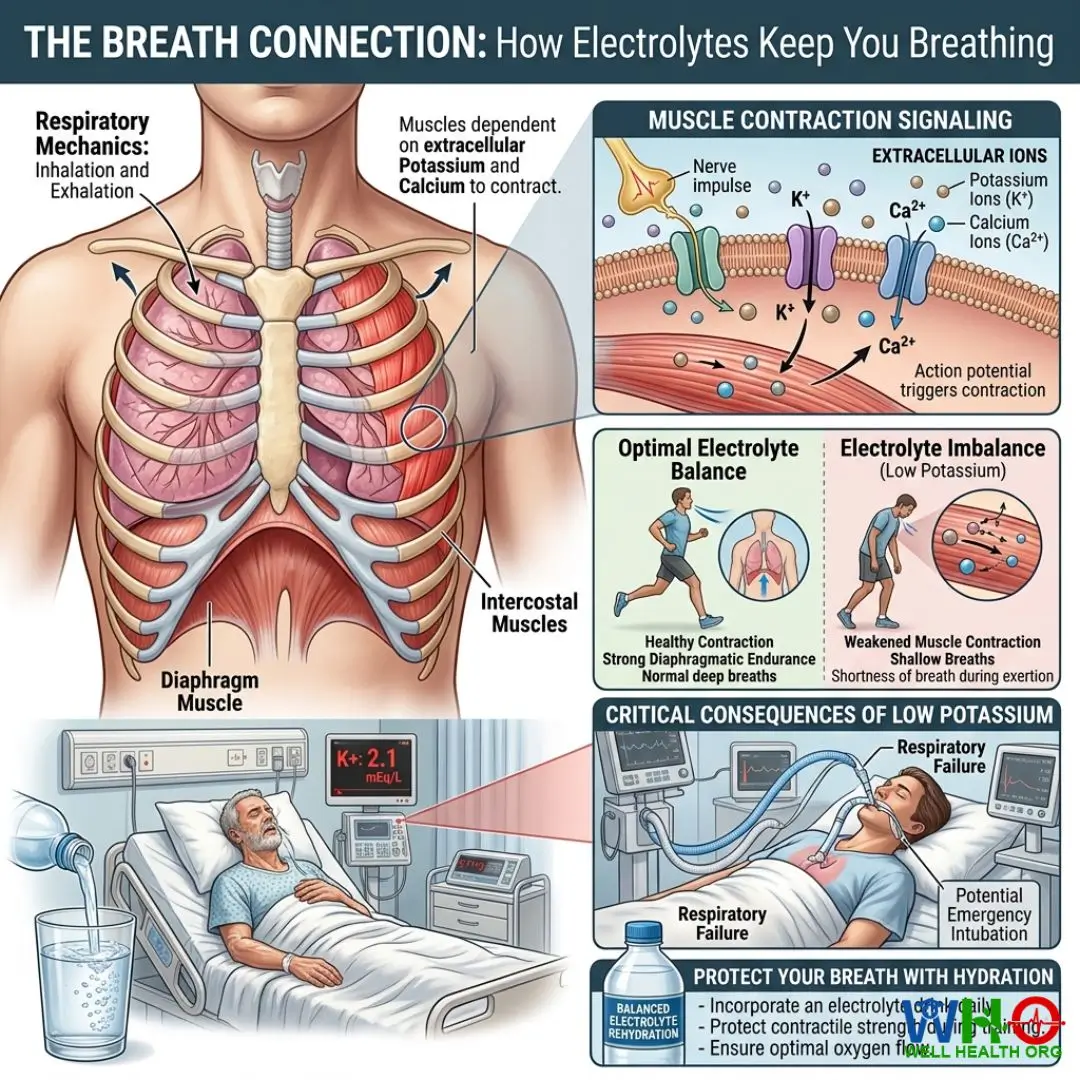
When blood potassium drops significantly, a dangerous weakness overtakes the respiratory muscles. Patients will often describe an inability to take a “satisfying” deep breath, or sudden shortness of breath during exertion. In a clinical setting, critically low potassium can cause outright respiratory failure, necessitating emergency intubation. While daily sweating won’t induce immediate respiratory failure, chronic low-level mineral depletion certainly restricts diaphragmatic endurance. By incorporating a balanced electrolyte hydration drink into your daily routine—especially during rigorous training regimens—you protect the contractile strength of the muscles that keep oxygen flowing into your lungs.
Clinical Remedial Ecosystem: The Complete Hydration Protocols
In my neurological practice, I do not prescribe generic advice like “drink fluids until your urine is clear.” That is a dangerous oversimplification. Different physiological stressors drain different mineral reserves. Below is the complete suite of electronic-precision remedy modules. Whether you are combating gastrointestinal trauma, extreme environmental heat, or nocturnal muscle misfires, this is how you deploy an electrolyte hydration drink as a targeted clinical intervention.
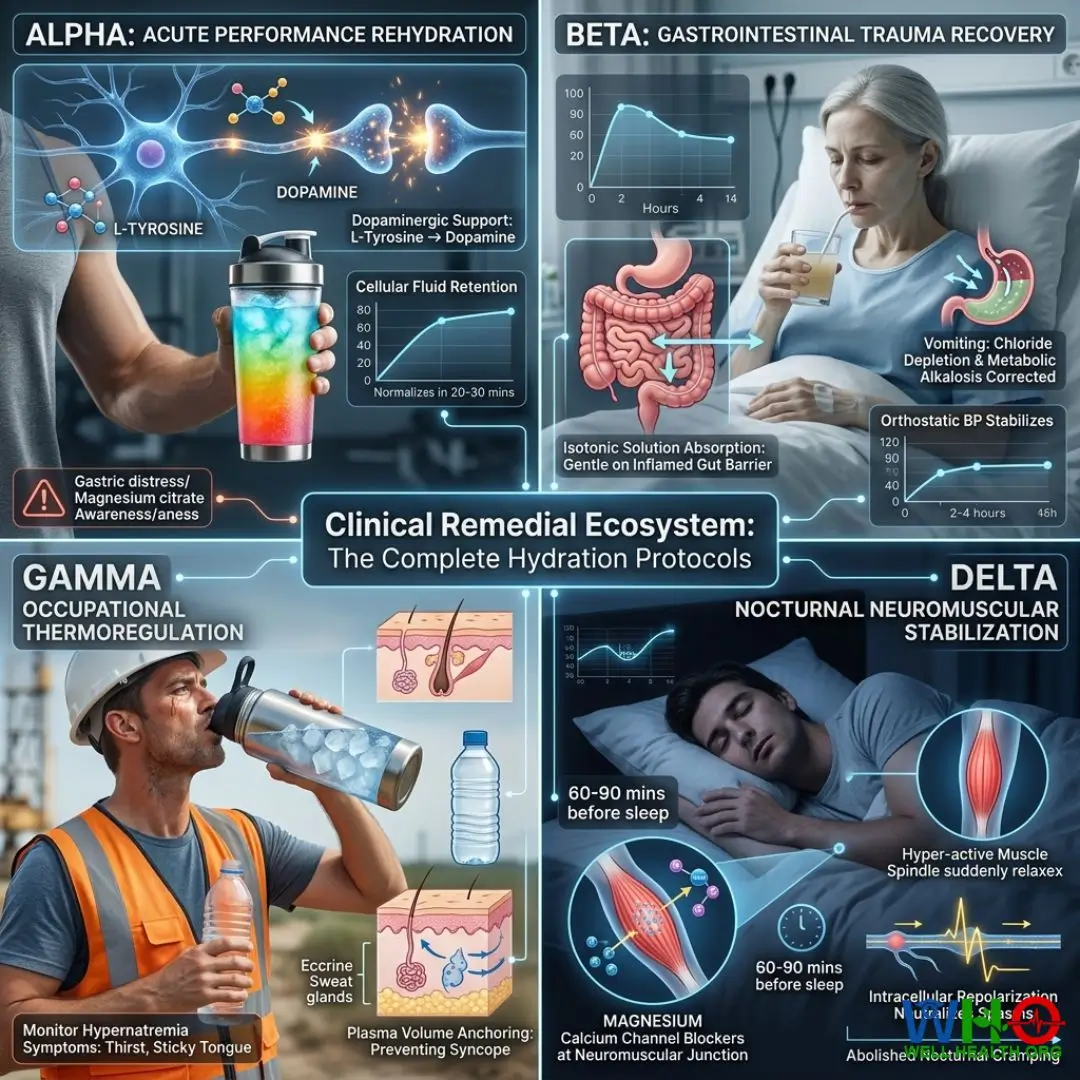
MODULE Beta: Gastrointestinal Trauma Recovery (Illness Protocol)
Deployed during or immediately following viral gastroenteritis, food poisoning, or any condition involving acute vomiting and osmotic diarrhea.
- ⚡ How to Use (Clinical Application): Micro-dosing is mandatory. Do not consume large volumes rapidly. Sip 1 to 2 ounces every 10 minutes to bypass the gastric stretch receptors that trigger the vomiting reflex.
- ⚖️ Dosage & Quantity (Clinical Measurement): 1 serving of a zero-sugar electrolyte hydration drink diluted into 24 ounces of water. The slight over-dilution creates an isotonic solution that is gentler on an inflamed intestinal mucosal lining.
- 🔬 Mechanism of Action (Electronic Biological Mapping): Vomiting violently expels gastric acid (hydrochloric acid), causing systemic chloride depletion and metabolic alkalosis. Diarrhea aggressively flushes intracellular potassium. This matrix immediately crosses the compromised gut barrier, utilizing sodium-glucose independent pathways to halt the dangerous drop in blood volume (hypovolemia).
- 📈 Recovery Timeline (Projected Outcome): Orthostatic blood pressure stabilizes within 2 to 4 hours of continuous micro-dosing. The sensation of extreme vertigo upon standing will dissipate as vascular fluid volume returns.
- 🛠️ Preparation Guide (Laboratory Method): Prepare with ambient, room-temperature water. Ice-cold fluids can cause sudden gastric spasms (pyloric cramping) in an already highly sensitized and inflamed digestive tract. Stir gently until completely clear.
- ⚠️ Reaction & Bio-Safety (Emergency Protocol): If vomiting occurs instantly upon ingestion, the gut is in acute spasm. Cease oral intake for 45 minutes, apply sublingual ice chips, and attempt micro-dosing again. If fluid rejection continues past 12 hours, intravenous (IV) medical intervention is required.
MODULE Gamma: Occupational Thermoregulation (Extreme Heat)
Deployed for prolonged exposure to high heat indices—outdoor labor, prolonged hiking, or intense occupational stressors exceeding 3 hours.
- ⚡ How to Use (Clinical Application): “Pre-loading” is critical. Consume 16 ounces of the formula 30 minutes prior to entering the heat environment. Once in the heat, alternate: one bottle of electrolyte matrix, followed by one bottle of plain water, rotating continuously.
- ⚖️ Dosage & Quantity (Clinical Measurement): 1 scoop of a fortified electrolyte hydration drink per 16 ounces of water. Cap maximum daily supplementation at 3 to 4 servings to avoid excessive sodium loading, relying on alternating plain water to handle pure volume needs.
- 🔬 Mechanism of Action (Electronic Biological Mapping): The eccrine sweat glands aggressively extract water and sodium from the blood plasma to cool the skin. As plasma volume drops, the heart pumps harder, and the brain receives less oxygenated blood, leading to heat syncope (fainting). This protocol chemically anchors water inside the vascular system, preventing plasma volume collapse.
- 📈 Recovery Timeline (Projected Outcome): Prevents the onset of deep-tissue muscle cramps and mitigates the late-afternoon neurological “crash” (brain fog and lethargy) entirely. Core temperature regulation remains optimal throughout the exposure window.
- 🛠️ Preparation Guide (Laboratory Method): Thermal shock is your ally here. Utilize a double-walled vacuum flask filled with 40% ice. Cold sensory input on the palate and in the stomach triggers vagal nerve responses that actively lower the perceived rate of exertion in the brain.
- ⚠️ Reaction & Bio-Safety (Emergency Protocol): Monitor for symptoms of hypernatremia (excess sodium) if active sweating ceases but aggressive electrolyte consumption continues. Signs include severe, unquenchable thirst and a dry, sticky tongue. If this occurs, switch exclusively to plain water immediately.
MODULE Delta: Nocturnal Neuromuscular Stabilization
Deployed specifically for evening recovery, eradication of nocturnal calf/foot cramps, and circadian-friendly neurological reset.
- ⚡ How to Use (Clinical Application): Consume precisely 60 to 90 minutes before your targeted sleep latency phase. This allows adequate time for cellular absorption and primary bladder voiding before entering REM sleep.
- ⚖️ Dosage & Quantity (Clinical Measurement): 1 scoop of a strictly caffeine-free, sugar-free electrolyte hydration drink concentrated in only 10 to 12 ounces of water. Minimizing fluid volume is essential to prevent nocturia (waking up to urinate).
- 🔬 Mechanism of Action (Electronic Biological Mapping): The magnesium payload acts as a calcium channel blocker at the neuromuscular junction, forcing hyper-active muscle spindles to relax. The potassium drives intracellular repolarization, ensuring that the electrical impulses triggering restless leg syndrome or sudden calf spasms are chemically neutralized.
- 📈 Recovery Timeline (Projected Outcome): Acute nocturnal cramping is typically abolished on the very first night of application. Deep-sleep architecture improves over a 72-hour period as central nervous system excitability decreases.
- 🛠️ Preparation Guide (Laboratory Method): Prepare with slightly chilled water. Shake moderately for 10 seconds. You want a concentrated shot of minerals without flooding the renal system with excess water volume right before bed.
- ⚠️ Reaction & Bio-Safety (Emergency Protocol): Some individuals have sensitive bowel responses to rapid magnesium intake on an empty stomach late at night. If mild gastrointestinal gurgling or loose morning stools occur, simply reduce the dosage to a half-scoop and consume it 30 minutes earlier, ideally alongside a small protein-based evening snack.
Generic advice to “drink more fluids” is obsolete in modern functional medicine. We require targeted, electronic-precision protocols. Below is the data-driven framework for utilizing an electrolyte hydration drink to reverse physiological deficits safely and effectively.
MODULE Alpha: Acute Performance Rehydration
Deployed for physical exertion exceeding 45 minutes, extreme thermoregulation demands, or rigorous cognitive tasks requiring dopaminergic support.
- ⚡ How to Use (Clinical Application): Consume precisely 15 minutes prior to intense activity to preload the extracellular matrix, and sip continuously throughout the duration of the stressor.
- ⚖️ Dosage & Quantity (Clinical Measurement): 1 scoop of a zero-sugar formula (e.g., G FUEL Hydration) per 16-20 ounces of cold water. Do not hyper-concentrate; osmolality requires adequate water volume.
- 🔬 Mechanism of Action (Electronic Biological Mapping): The sodium-potassium matrix rapidly restores the resting membrane potential of the peripheral nerves. Formulas fortified with L-Tyrosine cross the blood-brain barrier, acting as a direct precursor to dopamine and norepinephrine, mitigating cognitive fatigue.
- 📈 Recovery Timeline (Projected Outcome): Cellular fluid retention normalizes within 20-30 minutes. Cessation of minor muscle fasciculations (twitching) occurs within 45 minutes post-ingestion.
- 🛠️ Preparation Guide (Laboratory Method): Utilize a double-wall vacuum-insulated stainless steel shaker. Thermal regulation is critical; cold fluids empty from the gastric tract into the intestines faster than warm fluids, expediting absorption. Agitate vigorously for 15 seconds to ensure complete crystalline dissolution.
- ⚠️ Reaction & Bio-Safety (Emergency Protocol): Monitor for gastric distress. Overconsumption of magnesium citrate in a short window can draw excess water into the colon, causing a laxative effect. If nausea occurs, halt intake and dilute the remaining solution with an additional 10 ounces of water.
The Sugar Trap: Selecting the Proper Electrolyte Matrix
A vast majority of commercial sports beverages are glorified syrups. They were initially engineered decades ago for elite endurance athletes running marathons, where rapid glycogen replenishment (sugar) was just as critical as sodium replacement. However, for the average individual executing a 60-minute gym session, working outdoors, or simply trying to stay hydrated at an office desk, flooding the pancreas with 35 grams of refined sucrose triggers a disastrous insulin spike.
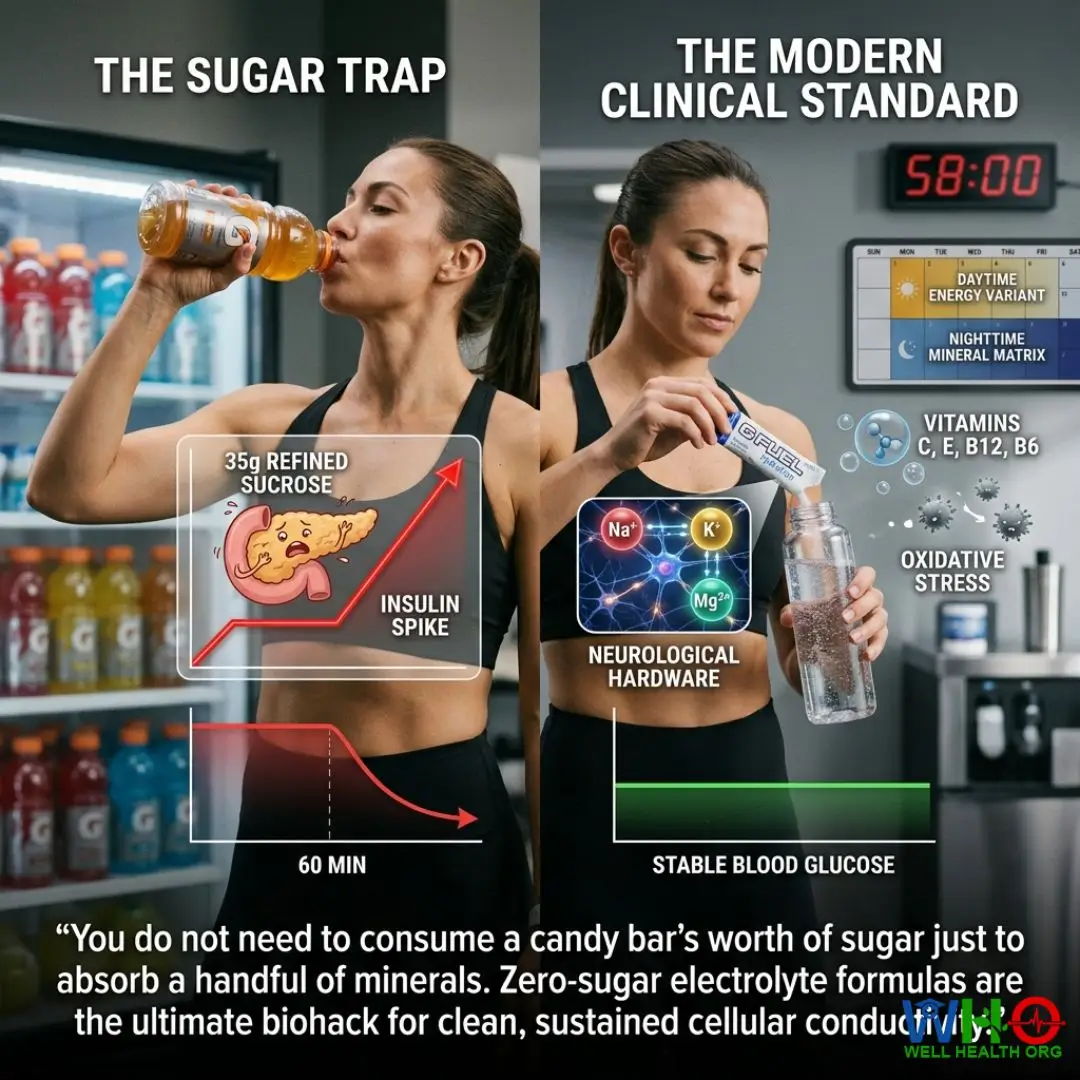
This is where modern, powder-based formulas dictate the new clinical standard. When you isolate the minerals from the carbohydrates, you create a zero-calorie osmotic pull. An optimal electrolyte hydration drink provides the essential neurological hardware (Sodium, Potassium, Magnesium) without demanding a severe metabolic tax from your liver and pancreas.
Formulas like G FUEL Hydration represent a sophisticated evolution in this space. By engineering a product that is calorie-free, sugar-free, and caffeine-free, the clinical applications widen immensely. You can safely administer this baseline hydration matrix during evening recovery windows when caffeine would violently disrupt the circadian rhythm and sleep architecture. The inclusion of vitamins C, E, B12, and B6 provides adjunctive oxidative stress defense and supports myelin sheath integrity (via B12). For high-output periods, cycling a caffeinated energy variant during the day, followed by a purely mineral-based hydration formula at night, establishes a highly efficient, 24-hour cellular equilibrium.
Shareable Insight: “You do not need to consume a candy bar’s worth of sugar just to absorb a handful of minerals. Zero-sugar electrolyte formulas are the ultimate biohack for clean, sustained cellular conductivity.”
Regional Translation Modules: Hindi & Hinglish
🇮🇳 Hindi Social Summary (Tap to Expand)
- 1. इलेक्ट्रोलाइट्स केवल एक सप्लीमेंट नहीं हैं; ये आपके मस्तिष्क और शरीर को चलाने वाले आवश्यक खनिज हैं।
- 2. जब आप केवल सादा पानी पीते हैं, तो शरीर की कोशिकाओं को हाइड्रेट करने की क्षमता कम हो जाती है।
- 3. सोडियम (Sodium) नसों में विद्युत संकेत (electrical signals) भेजने का मुख्य कारण है।
- 4. पोटैशियम (Potassium) मांसपेशियों के संकुचन (muscle contraction) को नियंत्रित करता है।
- 5. भारी पसीने के दौरान शरीर से खनिज तेजी से बाहर निकलते हैं।
- 6. यदि आप केवल पानी से इसकी भरपाई करते हैं, तो ‘हाइपोनेट्रेमिया’ (Hyponatremia) का खतरा बढ़ जाता है।
- 7. सिरदर्द और थकान अक्सर डिहाइड्रेशन से पहले इलेक्ट्रोलाइट्स की कमी का संकेत देते हैं।
- 8. एक अच्छा electrolyte hydration drink बिना चीनी के होना चाहिए।
- 9. चीनी युक्त स्पोर्ट्स ड्रिंक्स से आपका इंसुलिन लेवल तेजी से बढ़ता है, जो सेहत के लिए हानिकारक है।
- 10. मैग्नीशियम (Magnesium) मांसपेशियों की ऐंठन (cramps) को रोकने में सबसे प्रभावी है।
- 11. लगातार 45 मिनट से अधिक व्यायाम करने पर इलेक्ट्रोलाइट्स की आवश्यकता अनिवार्य हो जाती है।
- 12. उल्टी या दस्त की स्थिति में सादे पानी से ज्यादा इलेक्ट्रोलाइट पानी फायदेमंद होता है।
- 13. इलेक्ट्रोलाइट्स युक्त पानी आंतों में अधिक तेजी से अवशोषित (absorb) होता है।
- 14. विटामिन B12 और B6 नसों की कार्यक्षमता (nerve function) को बढ़ाते हैं।
- 15. रात के समय कैफीन-मुक्त (Caffeine-free) इलेक्ट्रोलाइट पाउडर का उपयोग सबसे अच्छा रिकवरी टूल है।
🇮🇳 Hinglish Quick-Read Summary (Tap to Expand)
- 1. Normal paani peena kaafi nahi hai, cells ko actually hydrate karne ke liye minerals chahiye.
- 2. Jab aap bahut zyada sweat karte ho, toh body sirf paani nahi, current carry karne wale minerals bhi lose karti hai.
- 3. Sodium ek gatekeeper ki tarah kaam karta hai jo paani ko cells ke andar pull karta hai.
- 4. Sirf plain water peene se blood mein sodium dilute ho jata hai, jisse brain fog aur dizziness hoti hai.
- 5. Potassium ki kami se muscles mein cramps aur breathing mein heavy feel hota hai.
- 6. Ek sahi electrolyte hydration drink mein zero sugar aur high mineral profile hona zaroori hai.
- 7. Commercial sports drinks mein bahut sugar hoti hai, jo insulin spike karti hai, isliye unhe avoid karein.
- 8. Agar aap 45 minutes se zyada workout kar rahe hain, toh electrolyte water mandatory hai.
- 9. Magnesium raat mein hone wale leg cramps aur muscle twitching ko completely rok sakta hai.
- 10. L-Tyrosine wale hydration drinks focus aur mental clarity ko boost karte hain bina caffeine ke.
- 11. Bimar hone par (vomiting/diarrhea), plain water se zyada recovery electrolyte blend se milti hai.
- 12. Thanda electrolyte paani stomach se intestines mein jaldi absorb hota hai.
- 13. Over-hydration bhi dangerous hai, isliye paani ko minerals ke sath balance karna seekhein.
- 14. Stainless steel shaker mein apna drink cold rakhein, kyunki taste achha hone par aap naturally zyada hydrate honge.
- 15. Apne workout routine mein ek sugar-free hydration formula add karna sabse simple health upgrade hai.
Comprehensive Medical FAQ: The Science of Cellular Hydration
As a neurologist, my inbox is flooded with patient inquiries regarding fluid balance, supplementation, and metabolic function. Below is an exhaustive clinical breakdown answering over 25 critical queries regarding your hydration biology.
1. Is it possible to consume too many electrolytes?
Yes. The body operates on a delicate threshold. Excessive sodium intake can radically expand blood volume, increasing hydrostatic pressure against blood vessel walls (hypertension). Too much potassium (hyperkalemia) can severely disrupt the electrical pacing of the heart, which is particularly dangerous for patients with compromised kidney function. Always adhere to clinically recommended serving sizes and utilize an electrolyte hydration drink to fill specific deficits, not to mindlessly replace standard fluid intake.
2. What foods naturally mimic a high-quality electrolyte formula?
Nature provides excellent osmotic balancers. Bananas and oranges are formidable potassium sources. Dark leafy greens, such as spinach and Swiss chard, provide highly bioavailable magnesium and calcium. Coconut water is arguably the best natural isomorphic beverage, offering a rich electrolyte matrix. Avocados and seeds round out a diet that naturally maintains the body’s resting membrane potential.
3. Can an electrolyte hydration drink replace sugary post-workout sports drinks?
Absolutely, and for 90% of the population, it should. Traditional sports drinks were formulated with heavy carbohydrate loads for elite endurance athletes running marathons. If you are doing standard hypertrophy training or cardio for under 90 minutes, a sugar-free electrolyte hydration drink replaces the lost neurological minerals without dumping 30 grams of refined sugar into your bloodstream, thereby avoiding an insulin crash.
4. How fast does an electrolyte formula absorb compared to plain water?
Due to the sodium-dependent active transport mechanisms in the gut, a properly mixed electrolyte hydration drink is pulled into the vascular system drastically faster than plain water. Most patients experience relief from clinical dehydration symptoms (lightheadedness, acute muscle fatigue) within 15 to 30 minutes, whereas plain water pools longer in the gastric tract.
5. Should sedentary individuals consume daily electrolytes?
For healthy adults eating a nutrient-dense, whole-food diet in a climate-controlled environment, dedicated supplementation is generally unnecessary. However, if a sedentary individual chronically consumes large amounts of coffee (a diuretic), engages in intermittent fasting, or works in high heat, a conservative dose of an electrolyte hydration drink helps maintain fluid volume in the central nervous system.
6. How does sodium affect the blood-brain barrier?
The blood-brain barrier (BBB) tightly regulates what enters the brain tissue. Sodium is the primary dictator of fluid movement across the BBB. In hyponatremia (low sodium), water rushes from the blood into the brain tissue due to osmotic pressure, causing cerebral edema (brain swelling). This is a fatal neurological emergency, heavily reinforcing why high-volume water consumption must be balanced with sodium.
7. What is the precise role of magnesium in nerve health?
Magnesium functions as a microscopic gatekeeper at the NMDA receptors in your neurons. It physically blocks calcium from flooding the nerve cell when it shouldn’t. Without adequate magnesium, neurons become hyper-excitable, firing erratically. This excitotoxicity leads to migraines, severe muscle twitching, and heightened systemic stress.
8. Why do I get muscle twitching after drinking plain water?
Drinking large volumes of plain water rapidly dilutes the electrolyte concentration in your interstitial fluid. This dilution compromises the sodium-potassium pump, destabilizing the electrical charge of the muscle fibers. The muscle essentially “short-circuits,” firing involuntarily, causing the twitching (fasciculations) you observe, particularly in the eyelids and calves.
9. Does a zero-sugar electrolyte hydration drink break a fast?
No. Pure electrolyte minerals (sodium, potassium, magnesium) contain zero caloric energy and do not trigger an insulin response. For individuals practicing intermittent fasting, an electrolyte hydration drink is highly recommended to prevent the profound mineral loss that often accompanies glycogen depletion during the fasting window.
10. How does potassium deficiency trigger shortness of breath?
Your diaphragm is a massive skeletal muscle responsible for inflating your lungs. Like all muscles, it requires potassium for the repolarization phase of contraction. Severe hypokalemia (low potassium) weakens the contractile force of the diaphragm, leading to a shallow breathing pattern and a subjective feeling of respiratory distress.
11. What is hyponatremia and why is it a neurological emergency?
Hyponatremia is a critical drop in serum sodium levels, usually caused by overhydration with plain water during endurance events. It causes an osmotic shift where water floods brain cells. The resulting cerebral edema increases intracranial pressure, leading to profound confusion, grand mal seizures, coma, and potentially death if not treated immediately with hypertonic saline.
12. Can caffeine deplete my body’s mineral reserves?
Yes. Caffeine is a mild diuretic that increases renal blood flow and inhibits sodium reabsorption in the kidneys. This forces your body to excrete more water, carrying sodium and potassium out in the urine. Heavy coffee drinkers must be vigilant about replenishing these lost minerals via diet or an electrolyte hydration drink.
13. Does L-Tyrosine in hydration formulas actually support cognitive focus?
Clinically, yes. L-Tyrosine is a non-essential amino acid that actively crosses the blood-brain barrier. It acts as the direct biosynthetic precursor to catecholamine neurotransmitters, specifically dopamine, norepinephrine, and epinephrine. During periods of high stress or physical exhaustion, L-Tyrosine replenishes these depleted neurotransmitters, sustaining cognitive focus and delaying central nervous system fatigue.
14. Why do my calves cramp exclusively at night?
Nocturnal leg cramps are a hallmark symptom of intracellular magnesium depletion combined with mild dehydration. While you sleep, blood pressure naturally drops, and peripheral circulation slows down. If your neuromuscular junctions are starved of magnesium, this slight reduction in circulatory support triggers spontaneous, agonizing muscle contractions.
15. Is a pinch of Himalayan pink salt enough to hydrate my cells?
While a pinch of pink salt provides a minimal amount of sodium chloride, it severely lacks the clinical ratios of potassium and magnesium required to reestablish osmotic balance after intense sweating. It is a rudimentary hack, not a substitute for a mathematically formulated electrolyte hydration drink that addresses comprehensive cellular needs.
16. Can I mix my electrolyte hydration drink with hot water?
Technically yes, the elemental minerals do not degrade under normal boiling temperatures. However, for clinical rehydration, cold water is highly preferred. Gastric emptying—the speed at which fluid moves from the stomach to the intestines—is significantly accelerated by cold fluids, allowing the active minerals to enter the bloodstream much faster.
17. How do the kidneys regulate mineral balance during heavy sweating?
The kidneys act as the ultimate biological filtration plant. When you sweat out massive amounts of sodium, the kidneys secrete an enzyme called renin, triggering a hormonal cascade (the RAAS system) that ends with the release of aldosterone. Aldosterone commands the kidneys to ruthlessly retain whatever sodium is left in the blood, often at the dangerous expense of excreting necessary potassium.
18. What is the relationship between chloride and stomach acid?
Chloride is biologically tethered to sodium in the extracellular fluid, but it plays a unique role in the gastrointestinal tract. It binds with hydrogen to create hydrochloric acid (HCl). Chronic depletion of electrolytes, particularly chloride through excessive sweating or vomiting, can impair the stomach’s ability to produce adequate acid, severely hindering protein digestion and nutrient absorption.
19. Do children need electrolyte hydration drinks during summer sports?
Children have a higher surface-area-to-mass ratio than adults, meaning they absorb environmental heat rapidly and are highly susceptible to sudden fluid and mineral shifts. During intense summer sports, an appropriate dosage of a sugar-free electrolyte hydration drink is vastly superior to plain water, helping prevent heat exhaustion and dangerous thermoregulatory failures.
20. How does hydration affect migraine frequency and severity?
Migraines are fundamentally neurovascular events. Dehydration causes a drop in blood volume, forcing cranial blood vessels to constrict to maintain blood pressure. Simultaneously, magnesium depletion triggers cortical spreading depression—the electrical wave that initiates migraine aura and pain. Maintaining osmotic balance prevents this cascade entirely.
21. Can certain blood pressure medications interact with potassium supplements?
Yes. ACE inhibitors (like Lisinopril) and potassium-sparing diuretics (like Spironolactone) actively prevent the kidneys from excreting potassium. If a patient on these medications consumes a high-dose potassium electrolyte hydration drink, they risk life-threatening hyperkalemia. Always consult your prescribing physician before adding mineral supplements to a pharmacological regimen.
22. What role do B-vitamins play in a cellular hydration matrix?
Premium formulas often include B6 and B12. While minerals handle the electrical charge, B-vitamins maintain the structural integrity of the nerve itself. Vitamin B12 is essential for the synthesis of myelin, the protective fatty sheath wrapping around the axon. Without intact myelin, the electrical signals generated by sodium and potassium would simply dissipate into surrounding tissue.
23. Why do I feel dizzy when I stand up too fast?
This is called orthostatic hypotension. When you stand up rapidly, gravity pulls blood into your lower extremities. If you are lacking in sodium, your total vascular blood volume is inherently low. Your body cannot constrict its blood vessels fast enough to push blood back up to your brain, resulting in transient cerebral hypoxia (dizziness) and darkened vision.
24. How does high altitude alter my body’s electrolyte demands?
At high altitudes, the partial pressure of oxygen drops, forcing you to breathe faster (hyperventilation). This rapid breathing expels excessive water vapor from the lungs. Additionally, altitude suppresses the thirst mechanism while increasing renal fluid excretion. This rapid, invisible dehydration demands aggressive replenishment with a high-quality electrolyte hydration drink to stave off acute mountain sickness.
25. What is the osmotic gap, and why does clinical medicine measure it?
The serum osmolal gap is the mathematical difference between the measured concentration of particles in the blood (mostly sodium, glucose, and urea) and the calculated osmolality. A widened gap in the ER usually indicates the presence of toxic, unmeasured substances (like methanol). Tracking the osmotic baseline proves how ruthlessly the body strives to maintain perfect equilibrium between water and trace minerals.
© 2026 Dr. Akram Medical Strategy Group. All Rights Reserved. This material is for educational clinical reference and does not replace immediate physician intervention in acute medical crises.
Medically Reviewed by Prof. Dr. Akram
Orthopedic Surgeon | Professor | Senior Medical Specialist
Prof. Dr. Akram is a distinguished surgeon with over 15 years of clinical expertise. Having served as a lead Emergency Specialist at Complex International Government Hospital, he currently leads a specialized team of 13 medical professionals at his private hospital. As a Professor at top medical universities, he ensures that every article on WellHealthOrg.com meets rigorous clinical standards.
Medical Disclaimer:
The information provided is for educational purposes only and is not a substitute for professional medical advice, diagnosis, or treatment. Always consult your physician for any medical concerns.
Our content is rigorously fact-checked by our 13-member Editorial Team under the clinical supervision of Prof. Dr. Akram.