High Blood Pressure
High blood pressure, medically known as hypertension, is often referred to as the “silent killer.” It is a moniker earned by its stealthy nature; it creeps up on you, often without a single headache or dizzy spell to warn you, all the while placing an immense, silent strain on your heart and delicate arteries. For millions of people, a diagnosis of hypertension feels like a life sentence of daily pills, strict dietary restrictions, and the constant, nagging fear of a cardiovascular event.
- 1. Decoding the Pressure: The Ayurvedic Anatomy of Hypertension
- The Role of “Rakta Vata”
- 2. The Green Pharmacy: Potent Herbs for Cardiac Care
- Sarpagandha (Rauwolfia serpentina): The Ancient Sedative
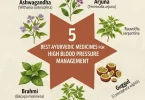
- Arjuna (Terminalia arjuna): The Guardian of the Heart
- Ashwagandha (Withania somnifera): The Stress Buster
- Jatamansi (Nardostachys jatamansi): The Himalayan Calmer
- Garlic (Lasuna): The Kitchen Cardiologist
- 3. Classical Formulations: Synergistic Healing
- Mukta Vati
- Arjunarishta
- Prabhakar Vati
- 4. The Sattvic Diet: Eating for a Calm Heart
- The Sodium Trap
- Foods to Embrace
- Foods to Avoid (The Triggers)
- 5. Movement and Breath: Yoga and Pranayama
- The Power of Pranayama (Breath Control)
- Recommended Asanas (Poses)
- 6. Dinacharya: A Daily Routine for Balance
- 7. Panchakarma: The Deep Detox
- 8. Critical Safety Protocols and Modern Integration
- Conclusion: A Marathon, Not a Sprint
While modern medicine has made incredible strides in managing this condition through beta-blockers and ACE inhibitors, there is a growing hunger for a more holistic approach. People are asking: Is there a way to not just force the numbers down, but to heal the system that is pushing them up?
Enter Ayurveda. Originating in India over 5,000 years ago, Ayurveda is not merely a system of medicine; it is a science of life. Unlike Western medicine, which often treats the body as a machine with broken parts, Ayurveda views the body as a garden. When a plant (your heart) is struggling, you don’t just paint the leaves green; you look at the soil, the water, and the sunlight.
In this comprehensive guide, we will journey deep into the Ayurvedic perspective on high blood pressure. We will move beyond simple advice and explore the root energetic causes of hypertension, the potent “green pharmacy” of Indian herbs, and the specific daily rituals (Dinacharya) that can help restore the rhythm of your heart. Whether you are looking to complement your current treatment or prevent future issues, this ancient wisdom offers a roadmap to a calmer, healthier cardiovascular system.
1. Decoding the Pressure: The Ayurvedic Anatomy of Hypertension
To treat high blood pressure effectively, you must first understand what it represents in the body. In modern terms, we look at systolic and diastolic numbers. In Ayurveda, we look at the Doshas—the bio-energetic forces that govern our physical and mental processes.

Health, according to Ayurveda, is a dynamic balance of three Doshas: Vata (Air/Space), Pitta (Fire/Water), and Kapha (Earth/Water).
The Role of “Rakta Vata”
High blood pressure is rarely a single-dosha issue, but it is primarily linked to a condition known as Rakta Vata.
- Vata Disturbance: Vata governs movement and the nervous system. When Vata becomes aggravated—usually due to anxiety, irregular sleep, or dry foods—it causes constriction. Imagine the blood vessels tightening and becoming rigid. This forces the blood to move under higher pressure, much like putting your thumb over the end of a garden hose.
- Pitta Aggravation: Pitta governs heat, metabolism, and blood (Rakta). When Pitta spikes—often due to anger, stress, alcohol, or spicy food—the blood becomes “hot” and increases in volume and viscosity. This creates a forceful, rushing pressure against the artery walls.
- Kapha Blockage: Kapha governs structure and stability. Excess Kapha manifests as heaviness, cholesterol buildup, and plaque. This narrows the channels, forcing the heart to pump harder to push blood through a clogged pipe.
Therefore, an Ayurvedic approach to hypertension is never one-size-fits-all. It focuses on pacifying the specific energy that is out of balance. Is your BP driven by stress (Vata)? Is it driven by anger and heat (Pitta)? Or is it driven by weight and congestion (Kapha)? Identifying this root cause is the first step toward true healing.
2. The Green Pharmacy: Potent Herbs for Cardiac Care
Nature has provided a vast array of botanicals that act as natural calcium channel blockers, diuretics, and beta-blockers. However, unlike synthetic drugs which isolate a single chemical, these herbs contain a symphony of compounds that buffer side effects and support the body holistically.

Sarpagandha (Rauwolfia serpentina): The Ancient Sedative
If there is one herb synonymous with blood pressure control, it is Sarpagandha, also known as Indian Snakeroot. Its history is fascinating; the modern drug Reserpine, one of the first pharmacological treatments for hypertension, was isolated from this very plant.
- How it Works: Sarpagandha acts directly on the central nervous system. It reduces the levels of catecholamines (neurotransmitters like adrenaline) that cause vessels to constrict.
- Best For: Individuals with high Vata-Pitta imbalances, characterized by insomnia, racing thoughts, and a rapid heart rate.
- Ayurvedic Wisdom: Because it is potent, it is rarely used alone today. It is often blended with soothing herbs to prevent excessive sedation or depression, which can be side effects of pure Reserpine.
Arjuna (Terminalia arjuna): The Guardian of the Heart
The bark of the Arjuna tree has been the gold standard for cardiac health for millennia.
- How it Works: Unlike Sarpagandha which lowers pressure, Arjuna is a cardio-tonic. It strengthens the heart muscle (myocardium), improving the efficiency of each pump. It is rich in Co-enzyme Q-10 and antioxidants that protect the endothelial lining of the arteries from damage.
- Best For: Everyone. Whether you have high BP, angina, or palpitations, Arjuna is generally considered safe and restorative. It helps widen the blood vessels naturally, reducing the resistance against which the heart has to pump.
Ashwagandha (Withania somnifera): The Stress Buster
We cannot talk about blood pressure without talking about stress. Ashwagandha is an adaptogen—a unique class of herbs that helps the body “adapt” to stress.
- How it Works: Chronic stress keeps your body in “fight or flight” mode, flooding your system with cortisol. Cortisol keeps blood pressure high. Ashwagandha has been shown to lower serum cortisol levels significantly. By calming the nervous system, it treats the cause of the pressure rather than just the symptom.
- Best For: The overworked, overtired individual whose blood pressure spikes due to anxiety or fatigue.
Jatamansi (Nardostachys jatamansi): The Himalayan Calmer
Growing in the high altitudes of the Himalayas, this herb is a cousin to Valerian but with a sweeter, more pleasant effect.
- How it Works: It is a powerful nervine tonic. It reduces the “excitation” of the nerve cells. For patients whose blood pressure fluctuates wildly (labile hypertension) based on their emotional state, Jatamansi provides a stabilizing, grounding influence.
Garlic (Lasuna): The Kitchen Cardiologist
You likely have this remedy in your pantry right now.
- How it Works: Garlic is rich in adenosine and allicin. It prevents platelets from clumping together (acting as a mild blood thinner) and helps relax blood vessels.
- Ayurvedic Tip: To avoid the heating aggravation of Pitta that raw garlic can cause, Ayurveda recommends soaking crushed garlic cloves in milk (creating Lasuna Ksheera Pak). This delivers the medicinal benefit while the cooling milk protects the stomach and cools the blood.
3. Classical Formulations: Synergistic Healing
While single herbs are effective, Ayurvedic masters perfected the art of formulation—blending herbs to maximize potency and minimize side effects. If you are browsing Ayurvedic products, you will likely encounter these terms:

Mukta Vati
This is perhaps the most famous formulation for hypertension in modern India. It is a tablet (Vati) that combines herbs like Sarpagandha, Brahmi, Shankhpushpi, and Pearl Calcium (Mukta Pishti).
- The Synergy: While Sarpagandha lowers the pressure, Brahmi and Shankhpushpi cool the mind, and the Pearl Calcium soothes the heat of Pitta. It is designed to tackle the mental and physical aspects of BP simultaneously.
Arjunarishta
This is a liquid tonic. In Ayurveda, Arishtas are herbal wines made by fermenting decoctions with jaggery and fire flame bush flowers.
- Why Fermented? The natural self-generated alcohol in the tonic acts as a carrier, delivering the active compounds of the Arjuna bark into the bloodstream faster than a tablet could. It is excellent for strengthening the heart valves and improving circulation.
Prabhakar Vati
This is a mineral-herbal formulation often used for heart disease. It contains iron and mica calx (processed safely through Ayurvedic alchemy) along with Arjuna. It is specifically used when high blood pressure is accompanied by breathlessness or heart failure, as it boosts the oxygen-carrying capacity of the blood.
4. The Sattvic Diet: Eating for a Calm Heart
You cannot medicate your way out of a bad diet. Ayurveda places immense importance on Ahara (food). For hypertension, the goal is a Sattvic (pure and balanced) diet that pacifies Vata and Pitta.

The Sodium Trap
Modern medicine says “cut the salt.” Ayurveda agrees but adds nuance. Salt (Lavana taste) is heating and water-retaining, which aggravates Pitta and Kapha.
- The Switch: Move away from refined table salt. Ayurveda suggests using Saindhava Lavana (Rock Salt) in moderation. It is considered lighter and less likely to cause water retention than sea salt, though quantity still matters.
Foods to Embrace
- Cooling Vegetables: Focus on gourds (bottle gourd, ridge gourd), cucumber, and leafy greens. Bottle gourd (Lauki) juice is a famous folk remedy for bringing down acidity and blood pressure.
- Potassium-Rich Fruits: Bananas, watermelons, and pomegranates. Pomegranate juice is particularly revered for its astringent taste, which helps tone the capillaries.
- Whole Grains: Barley and old rice are preferred over new wheat, which can be hard to digest.
Foods to Avoid (The Triggers)
- The Sour and Spicy: Pickles (Achar), excessive chilies, and sour yogurt are Pitta-aggravating. They heat the blood and increase pressure.
- The Heavy and Oily: Red meat, aged cheeses, and deep-fried foods block the channels (Kapha), increasing resistance to blood flow.
- Stimulants: Coffee and alcohol are sharp and stimulating. They disturb Vata and instantly raise heart rate. Switch to herbal teas like Hibiscus or Arjun tea.
5. Movement and Breath: Yoga and Pranayama
Exercise in Ayurveda is not about burning calories; it is about circulating Prana (life force). For a hypertension patient, high-intensity cardio can sometimes be too stressful. Instead, we focus on cooling, grounding movements.

The Power of Pranayama (Breath Control)
Breathing is the remote control for your nervous system. By changing how you breathe, you can switch your body from “fight or flight” (Sympathetic) to “rest and digest” (Parasympathetic).
- Chandra Bhedana (Left Nostril Breathing):
- The left nostril corresponds to the “Moon” energy (cooling/calming).
- How to do it: Close your right nostril with your thumb. Inhale gently through the left nostril. Close the left, and exhale through the right. Repeat, always inhaling through the left. This physically cools the body and lowers BP.
- Bhramari (Humming Bee Breath):
- This technique creates a vibration in the brain that acts as a sonic massage for the nervous system.
- How to do it: Close your ears with your thumbs and eyes with your fingers. Inhale deep, and upon exhalation, make a low-pitched humming sound like a bee. Do this for 5 minutes daily to see a reduction in stress.
- Sheetali (Cooling Breath):
- Curl your tongue into a tube (or purse your lips if you can’t curl). Inhale through the “straw” of your tongue. You will feel cold air entering. Close your mouth and exhale through the nose. This is incredibly effective for Pitta-type high blood pressure (associated with anger/heat).
Recommended Asanas (Poses)
- Shavasana (Corpse Pose): It looks easy—just lying down—but doing it consciously is powerful. It allows the muscles to completely let go of tension, dropping diastolic pressure.
- Setu Bandhasana (Bridge Pose): When done gently, this opens the chest and regulates blood flow to the head.
- Avoid: Inversions like Headstands (Sirsasana) are generally contraindicated for high blood pressure patients as they rush blood to the head, increasing intracranial pressure.
6. Dinacharya: A Daily Routine for Balance
In Ayurveda, when you do things is just as important as what you do. Regulating your biological clock helps regulate your blood pressure.

The Ideal Hypertension-Management Routine:
- 6:00 AM: Wake up. Do not hit snooze; waking up slowly prevents morning anxiety.
- 6:15 AM: Drink a glass of warm copper-charged water. This supports peristalsis and cleanses the digestive tract.
- 6:30 AM: Gentle yoga and Pranayama (focus on Left Nostril Breathing).
- 7:00 AM: Abhyanga (Self-Massage). This is vital. Massaging your body with warm sesame oil (for Vata) or coconut oil (for Pitta) for 10 minutes calms the nervous system through the skin. It improves circulation and releases oxytocin.
- 8:00 AM: Breakfast. Warm oatmeal or fruit.
- 12:30 PM: Lunch. This should be the heaviest meal. The digestive fire is strongest here.
- 6:00 PM: Dinner. Keep it light—soups or steamed vegetables. Eating late causes indigestion, which disrupts sleep and spikes morning BP.
- 9:30 PM: Wind down. No screens. A cup of warm milk with a pinch of nutmeg can induce sleep naturally.
- 10:00 PM: Sleep. Restorative sleep is when the heart repairs itself.
7. Panchakarma: The Deep Detox
For chronic or severe hypertension, dietary changes might not be enough. This is where Panchakarma (clinical detoxification) comes in. These therapies must be done at a clinic.
- Shirodhara: This is the ultimate therapy for hypertension. Warm, medicated oil is poured in a continuous, rhythmic stream over the center of the forehead (the “Third Eye”). This induces a trance-like state of deep relaxation, resetting the central nervous system and significantly lowering blood pressure immediately after the session.
- Takradhara: Similar to Shirodhara but uses medicated buttermilk. This is specifically for Pitta-type hypertension, cooling the heat in the brain and body.
- Virechana (Purgation): A supervised cleanse to remove excess Pitta (bile and heat) from the liver and gall bladder. Since the liver plays a huge role in blood purity, this therapy often results in sustained BP reduction.
8. Critical Safety Protocols and Modern Integration
This is the most important section of this guide. While Ayurvedic herbs are natural, they are chemically active.
The Danger of “Double Dosing”
If you are currently taking prescription medication (like Lisinopril or Amlodipine), adding potent herbs like Sarpagandha or Arjuna can cause your blood pressure to drop too low (hypotension). This can lead to fainting, dizziness, or falls.
- The Rule: Never stop your allopathic medication cold turkey.
- The Strategy: Introduce Ayurvedic support gradually under the supervision of a doctor. As your blood pressure stabilizes and lowers naturally due to lifestyle changes and herbs, your doctor can slowly taper down your prescription dosage.
Quality Control
Not all supplements are created equal. Heavy metal contamination is a risk in poorly manufactured herbal products. Always look for certifications (GMP, ISO, Ministry of AYUSH) and buy from established, reputable brands.
Contraindications
- Pregnancy: Many herbs that move blood (like garlic in high doses or certain formulations) are not safe for pregnancy.
- Surgery: Herbs like garlic and turmeric act as blood thinners. They must be stopped at least 2 weeks before any scheduled surgery to prevent excessive bleeding.
Conclusion: A Marathon, Not a Sprint
Healing high blood pressure through Ayurveda is not about popping a different kind of pill; it is about reclaiming the rhythm of your life. It is about understanding that your heart is reacting to the way you live—the stress you carry, the food you eat, and the rest you deny yourself.
By incorporating the wisdom of Sarpagandha and Arjuna, embracing the calm of Pranayama, and nourishing yourself with Sattvic foods, you are doing more than just managing a number on a medical chart. You are treating the root cause. You are teaching your body how to find its center again.
Start small. Maybe today, it is just substituting that second coffee for a cup of Arjuna tea. Maybe tomorrow, it is trying five minutes of left-nostril breathing. These small ripples, over time, create a wave of healing that can protect your heart for decades to come. As always, walk this path with the guidance of a professional, and listen to the wisdom your own body is waiting to share with you.
Medically Reviewed by Prof. Dr. Akram
Orthopedic Surgeon | Professor | Senior Medical Specialist
Prof. Dr. Akram is a distinguished surgeon with over 15 years of clinical expertise. Having served as a lead Emergency Specialist at Complex International Government Hospital, he currently leads a specialized team of 13 medical professionals at his private hospital. As a Professor at top medical universities, he ensures that every article on WellHealthOrg.com meets rigorous clinical standards.
Medical Disclaimer:
The information provided is for educational purposes only and is not a substitute for professional medical advice, diagnosis, or treatment. Always consult your physician for any medical concerns.
Our content is rigorously fact-checked by our 13-member Editorial Team under the clinical supervision of Prof. Dr. Akram.