Introduction: Covid Medicine Over The Counter
Even though the height of the COVID-19 pandemic is behind us, the virus itself hasn’t disappeared. New variants continue to emerge, and people still catch COVID-19 every day. For most individuals, symptoms can be managed safely at home—but knowing which over-the-counter (OTC) medicines actually help can make a huge difference in your recovery.
- Introduction: Covid Medicine Over The Counter
- Understanding COVID-19 Symptoms
- Common Symptoms That Respond to OTC Treatments
- Pain Relievers for Fever and Body Aches
- 1. Acetaminophen (Tylenol): Gentle but Effective Relief
- How It Helps
- How to Use It Safely
- Best For:
- 2. Ibuprofen (Advil, Motrin): Reducing Pain, Fever, and Inflammation
- Addressing Early Concerns
- How to Take It Safely
- Best For:
- 3. Naproxen (Aleve): Long-Lasting Relief
- How It Works
- Safety Tips
- Best For:
- Managing Cough and Sore Throat
- Soothing a COVID-19 Cough
- Extra Tip:
- Easing a Sore Throat
- Addressing Nasal Congestion and Sinus Pressure
- Decongestants: Clearing the Airways
- How to Use Them
- Multi-Symptom Medications
- Saline Nasal Sprays: A Gentle Option
- Steam Inhalation and Home Remedies
- The Role of Supportive Care in COVID-19 Recovery
- 1. Prioritize Rest
- 2. Stay Hydrated
- 3. Eat Nutritious Foods
- 4. Isolate to Protect Others
- 5. Gentle Movement and Breathing Exercises
- When to Seek Medical Attention
- Emergency Warning Signs
- When to Call Your Doctor
- Precautions and Medication Interactions
- 1. Check for Drug Interactions
- 2. Avoid Doubling Up
- 3. Know Your Medical History
- 4. Watch for Side Effects
- 5. Don’t Mask Worsening Symptoms
- Distinguishing COVID-19 from Colds and Flu
- How to Tell the Difference
- Testing Is Key
- Why It Matters
- Common Misconceptions About OTC COVID Treatments
- Myth 1: OTC Medications Cure COVID-19
- Myth 2: Avoid Fever Reducers Because Fever Helps Fight Infection
- Myth 3: Supplements Like Vitamin C or Zinc Prevent COVID-19
- Myth 4: Cough Suppressants Work Best for COVID Cough
- Prescription Antiviral Treatments: When OTC Isn’t Enough
- 1. Paxlovid (Nirmatrelvir and Ritonavir)
- Who Should Take It
- Timing Is Everything
- Important Precautions
- 2. Remdesivir (Veklury)
- 3. Other Antivirals and Emerging Treatments
- Finding Reliable COVID-19 Information
- Trusted Sources for Guidance
- What to Avoid
- The Importance of Early Testing and Monitoring
- Why Early Testing Matters
- Keeping Track of Symptoms
- Practical At-Home Remedies That Support Healing
- 1. Steam Inhalation
- 2. Warm Saltwater Gargles
- 3. Honey and Lemon
- 4. Humidify Your Environment
- 5. Gentle Movement
- Long COVID and Post-Recovery Considerations
- Managing Post-COVID Symptoms
- Taking Control of Your COVID-19 Recovery
- Frequently Asked Questions (FAQs)
- 1. Can I take Tylenol and Advil together for COVID symptoms?
- 2. What’s the safest OTC medicine for children with COVID-19?
- 3. Are there natural remedies that help COVID recovery?
- 4. When should I get tested after exposure?
- 5. How can I prevent reinfection?
The truth is, there’s no single drugstore remedy that cures COVID-19. However, the right combination of OTC treatments, hydration, rest, and care can ease discomfort, reduce fever, calm coughs, and help your body heal more comfortably.
Understanding which medications to choose—and when it’s time to see a healthcare professional—can be the difference between a rough recovery and a smooth one. This guide walks you through the best OTC COVID medications, explains what each does, and shares how to safely manage your symptoms at home using expert-backed recommendations.
Understanding COVID-19 Symptoms
COVID-19 affects people differently. Some experience mild cold-like symptoms, while others deal with intense fatigue, body aches, and fever. Recognizing which symptoms you have—and how severe they are—helps you select the right OTC medicines for relief.
Common Symptoms That Respond to OTC Treatments
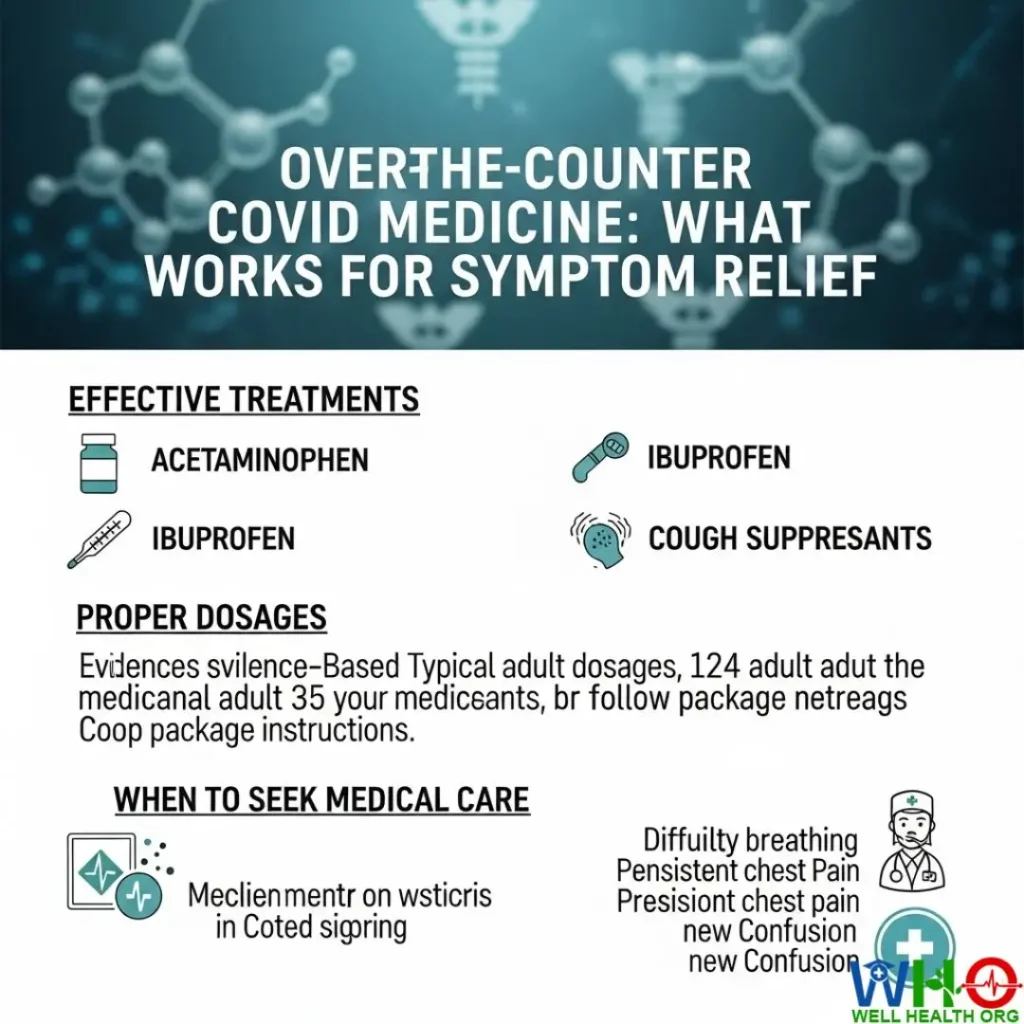
- Fever: A mild to moderate fever is the body’s way of fighting off infection. While a fever helps your immune system do its job, a high or prolonged fever (especially over 104°F) can make you miserable and even dangerous if uncontrolled.
- Body aches and headaches: These are among the most uncomfortable symptoms, often described as deep muscle soreness or flu-like fatigue.
- Cough: Some people develop a dry, hacking cough, while others have a more productive one with mucus. COVID coughs can linger even after other symptoms fade.
- Sore throat: This is a common early symptom, often described as scratchy, painful, or raw.
- Nasal congestion and sinus pressure: Many people experience a stuffy nose or blocked sinuses, which can make breathing and sleeping difficult.
Everyone’s experience is unique. Some may only have one or two mild symptoms, while others feel like they’ve been hit by a truck. The key is choosing medications that match your symptoms without overlapping or overusing similar ingredients.
Pain Relievers for Fever and Body Aches
Pain relievers are usually the first line of defense when dealing with COVID-19 symptoms. While they don’t cure the virus, they can significantly improve comfort, reduce fever, and make rest possible—which is essential for recovery.
Let’s break down the three main types of pain relievers you can use safely at home.
1. Acetaminophen (Tylenol): Gentle but Effective Relief
Acetaminophen is one of the most widely used fever reducers and pain relievers. It doesn’t treat the virus itself but helps you feel better while your immune system does the work.
How It Helps
- Reduces fever and helps control body temperature
- Relieves headaches and muscle aches
- Gentle on the stomach, unlike many NSAIDs
How to Use It Safely
Follow the dosage instructions on the package carefully—more is not better. Taking too much acetaminophen can cause severe liver damage, especially if combined with alcohol or other medications containing the same ingredient (many cold and flu products do).
Avoid using it if your doctor has warned you about liver issues or if you regularly consume alcohol.
Best For:
People who can’t tolerate NSAIDs, those with sensitive stomachs, or individuals with kidney problems who need a milder option.
2. Ibuprofen (Advil, Motrin): Reducing Pain, Fever, and Inflammation
Ibuprofen is a non-steroidal anti-inflammatory drug (NSAID) that not only lowers fever and reduces pain but also decreases inflammation in the body.
Addressing Early Concerns
Early in the pandemic, there was confusion over whether ibuprofen could worsen COVID-19. Thankfully, those fears were not supported by research. Today, ibuprofen remains a safe, effective, and recommended option for managing COVID-related symptoms.
How to Take It Safely
Take ibuprofen with food to protect your stomach from irritation. Avoid it if you have kidney disease, ulcers, or have been advised against NSAIDs. Always follow the label’s dosage guidelines.
Best For:
People experiencing high fevers, intense headaches, or body aches that interfere with sleep and daily comfort.
3. Naproxen (Aleve): Long-Lasting Relief
Naproxen is another NSAID similar to ibuprofen but with a longer duration of action—lasting up to 12 hours per dose. This makes it ideal for people who want fewer doses or need nighttime coverage.
How It Works
Like other NSAIDs, naproxen lowers fever, relieves pain, and reduces inflammation. However, its longer action means you won’t have to wake up in the middle of the night to take another dose.
Safety Tips
Take naproxen with food and avoid combining it with other NSAIDs or alcohol. If your doctor has told you to avoid NSAIDs due to stomach or kidney issues, stick with acetaminophen instead.
Best For:
Those who prefer less frequent dosing or need consistent, long-lasting pain and fever control overnight.
Managing Cough and Sore Throat
A cough is one of the most persistent COVID-19 symptoms—often lasting weeks after recovery. Unfortunately, most traditional OTC cough medicines don’t do much for COVID-related coughs. However, several home-based and natural remedies can bring real relief.
Soothing a COVID-19 Cough
- Cough drops and lozenges: These help lubricate the throat and reduce irritation. Opt for menthol or honey-based ones for extra comfort.
- Warm liquids: Drinks like herbal tea, chamomile, or hot water with lemon soothe the throat and loosen mucus.
- Honey: A time-tested natural cough suppressant. A spoonful before bed can calm your cough and help you sleep. (Note: never give honey to children under one year old.)
- Decongestant balms: Products like Vicks VapoRub can open airways when rubbed on the chest or throat.
- Saltwater gargles: Mix half a teaspoon of salt in warm water and gargle several times a day to reduce throat swelling and pain.
Extra Tip:
Avoid dry air—it can worsen coughing. Run a humidifier in your bedroom, especially at night, to add moisture to the air and soothe your respiratory tract.
Easing a Sore Throat
Sore throats often feel worst in the early days of COVID. Besides lozenges and gargles, throat sprays with mild anesthetics can provide temporary relief. Keeping your throat moist with fluids and avoiding cold air can also help.
While these remedies won’t make the virus go away faster, they help you rest and recover comfortably—and that’s crucial for healing.
Addressing Nasal Congestion and Sinus Pressure
One of the most annoying COVID symptoms is nasal congestion—that stuffy, blocked-nose feeling that makes breathing, sleeping, and even tasting food difficult. Luckily, OTC treatments can help you breathe easier.
Decongestants: Clearing the Airways
OTC decongestants (like pseudoephedrine or phenylephrine) can temporarily reduce swelling in your nasal passages, making it easier to breathe through your nose.
How to Use Them
- Always follow the label directions—more isn’t better.
- Avoid decongestants if you have high blood pressure, heart problems, or thyroid disorders unless your doctor approves.
- Watch for side effects like a racing heart, anxiety, or trouble sleeping.
Multi-Symptom Medications
Many cold and flu products combine decongestants with pain relievers or antihistamines. Read labels carefully—these “combo” medicines often contain acetaminophen or ibuprofen, which can accidentally lead to overdosing if you’re already taking another product with the same ingredient.
Saline Nasal Sprays: A Gentle Option
For a medication-free approach, saline sprays are excellent. They use simple saltwater to wash out mucus, reduce dryness, and keep nasal passages hydrated. They can be used multiple times per day and are safe for most people, including children and pregnant women.
Steam Inhalation and Home Remedies
Inhaling steam from a bowl of hot water or a warm shower can loosen mucus and open airways naturally. Adding a few drops of eucalyptus or peppermint oil (if tolerated) can provide extra relief.
Combining these simple treatments helps restore easy breathing without overloading your system with unnecessary medication.
The Role of Supportive Care in COVID-19 Recovery
While medications can ease discomfort, supportive care is what truly helps your body fight off the infection. Think of it as giving your immune system the best possible environment to do its job. Even mild cases of COVID-19 can sap your energy and cause prolonged fatigue if you don’t take proper care of yourself.
1. Prioritize Rest
Your body needs rest to focus its resources on healing. Even if you feel tempted to keep up with work, chores, or social activities, it’s crucial to slow down. Pushing yourself too hard can extend your recovery time and worsen fatigue.
Try to:
- Sleep at least 8–10 hours a night.
- Take naps when you feel drained.
- Listen to your body—if you’re tired, stop and rest.
A restful environment—dim lighting, comfortable bedding, and a quiet atmosphere—can make all the difference.
2. Stay Hydrated
Hydration is key to reducing fever, loosening mucus, and preventing dehydration. When you have a fever or are breathing rapidly, you lose more fluids through sweat and respiration.
Drink plenty of:
- Water (your best choice)
- Herbal teas (chamomile, ginger, peppermint)
- Broth or soups (for electrolytes and nourishment)
- Electrolyte beverages (like Pedialyte or Gatorade)
Avoid alcohol and caffeine, as both can dehydrate you and worsen symptoms like dizziness or headache.
3. Eat Nutritious Foods
Even if you don’t feel hungry, nutrition supports your immune system and provides the energy your body needs to heal. Go for easy-to-digest, nutrient-rich foods:
- Soups and stews (packed with vegetables and lean protein)
- Fresh fruits (especially oranges, bananas, and berries)
- Whole grains (like oatmeal or brown rice)
- Yogurt or smoothies (soothing and easy on the throat)
Avoid heavy, fried, or overly spicy foods, which can upset your stomach and make recovery harder.
4. Isolate to Protect Others
Stay home until you’ve been fever-free for at least 24 hours (without medication) and your symptoms are clearly improving. COVID-19 remains contagious even in mild cases, so isolation helps prevent spreading it to loved ones, coworkers, or vulnerable individuals.
If you live with others:
- Use a separate bathroom if possible.
- Wear a mask when around others indoors.
- Disinfect high-touch surfaces frequently.
5. Gentle Movement and Breathing Exercises
Once your fever subsides, try light stretching or breathing exercises to prevent stiffness and improve lung capacity. Deep breathing—slowly inhaling through your nose and exhaling through your mouth—can help keep your lungs clear and promote better oxygen flow.
When to Seek Medical Attention
Most people recover from COVID-19 without hospital care, but some symptoms can signal serious complications. It’s vital to know when to get help.
Emergency Warning Signs
Seek emergency medical care immediately if you experience:
- Shortness of breath or difficulty breathing
- Chest pain or persistent pressure in the chest
- Bluish lips or face (a sign of low oxygen)
- New confusion or trouble staying awake
- Severe dizziness or fainting
- Inability to keep down fluids or signs of dehydration
If you have a home oxygen monitor (pulse oximeter), check your oxygen levels. An oxygen saturation below 94% while resting can indicate that your lungs are struggling and you need urgent care.
When to Call Your Doctor
Contact your healthcare provider if:
- Your fever stays above 104°F (40°C)
- You have a history of febrile seizures
- Symptoms worsen or fail to improve after several days
- You can’t manage symptoms with OTC treatments
- You are 65 or older, immunocompromised, or have chronic conditions like diabetes, heart disease, or asthma
Early medical attention can prevent complications. Even if you think your case is “mild,” certain people—especially those in high-risk groups—may benefit from prescription antivirals such as Paxlovid, which work best when taken within the first five days of symptoms.
Precautions and Medication Interactions
Before taking any OTC medicine for COVID-19, you should always consider safety and interactions. COVID itself can put strain on your body, and some medications may not mix well with others.
1. Check for Drug Interactions
If you take regular medications—such as for blood pressure, diabetes, or depression—make sure your chosen OTC remedies won’t cause harmful interactions. This is especially critical if you’ve been prescribed Paxlovid, as it interacts with many common drugs.
When in doubt, ask your pharmacist or doctor before starting anything new.
2. Avoid Doubling Up
Be cautious with combination cold and flu products. Many already contain acetaminophen, so taking them alongside Tylenol could lead to accidental overdose and liver damage. Always read labels to check the active ingredients.
3. Know Your Medical History
If your doctor has ever advised you to avoid certain medications—like NSAIDs (ibuprofen, naproxen)—that advice still applies during COVID. Stick with acetaminophen if NSAIDs aren’t safe for you.
4. Watch for Side Effects
Common side effects include:
- Stomach upset with NSAIDs
- Liver problems with too much acetaminophen
- Increased heart rate or blood pressure with decongestants
If you experience severe pain, rash, swelling, or any allergic reaction, stop the medication and seek medical care immediately.
5. Don’t Mask Worsening Symptoms
Some people keep taking OTC drugs just to “push through” their illness. But if your symptoms return the moment medication wears off—or you need increasing doses to function—it may signal complications. Always re-evaluate if you’re not improving after several days.
Distinguishing COVID-19 from Colds and Flu
It’s easy to mistake COVID-19 for a bad cold or flu, especially now that many variants cause milder symptoms. But identifying the right illness helps guide proper treatment and protect others from infection.
How to Tell the Difference
| Symptom | COVID-19 | Flu | Common Cold |
|---|---|---|---|
| Onset | Gradual, over several days | Sudden | Gradual |
| Fever | Common, can last several days | High and sudden | Rare |
| Cough | Dry, persistent | Dry or productive | Mild |
| Fatigue | Intense, long-lasting | Severe | Mild |
| Loss of taste/smell | Common | Rare | Rare |
| Body aches | Moderate to severe | Severe | Mild |
| Nasal congestion | Common | Sometimes | Very common |
Testing Is Key
The only reliable way to confirm whether you have COVID-19, flu, or a common cold is through testing. Rapid at-home tests provide results in minutes and are readily available at pharmacies.
If you test positive for COVID-19, begin isolation immediately and inform close contacts to prevent further spread.
Why It Matters
Getting an accurate diagnosis ensures you:
- Choose the right OTC and prescription treatments
- Know how long to isolate
- Protect others—especially those at higher risk—from infection
Common Misconceptions About OTC COVID Treatments
Despite years of experience with the virus, misinformation about COVID-19 treatments still circulates. Let’s clear up some of the most persistent myths.
Myth 1: OTC Medications Cure COVID-19
Reality: No over-the-counter medication cures COVID-19. These medicines only manage symptoms, such as fever, congestion, or pain, while your immune system fights the infection.
Myth 2: Avoid Fever Reducers Because Fever Helps Fight Infection
Reality: While mild fever helps activate your immune response, extremely high fevers can cause dehydration and exhaustion. Reducing a fever with acetaminophen or ibuprofen can make you more comfortable and help you rest—crucial for recovery.
Myth 3: Supplements Like Vitamin C or Zinc Prevent COVID-19
Reality: There’s no solid scientific evidence that supplements can prevent or cure COVID-19. However, maintaining a balanced diet rich in vitamins and minerals supports your immune system overall.
Myth 4: Cough Suppressants Work Best for COVID Cough
Reality: Most OTC cough syrups don’t help COVID-related coughs. Natural remedies like honey, humidifiers, and warm liquids often work better and come without side effects.
Prescription Antiviral Treatments: When OTC Isn’t Enough
While over-the-counter medications can effectively manage mild symptoms, certain individuals are at higher risk of severe illness from COVID-19 and may require prescription antiviral treatments. These medications directly target the virus, preventing it from multiplying and spreading throughout the body.
1. Paxlovid (Nirmatrelvir and Ritonavir)
Paxlovid is one of the most effective oral antivirals for COVID-19, shown to reduce hospitalization and death risk by up to 89% in high-risk adults when started early. It’s a combination of two medicines:
- Nirmatrelvir, which blocks a key enzyme the virus needs to replicate
- Ritonavir, which helps keep nirmatrelvir active in your body longer
Who Should Take It
- Adults and children (12+) at high risk of developing severe illness
- Those with underlying conditions such as diabetes, heart disease, obesity, or weakened immune systems
Timing Is Everything
Paxlovid must be taken within five days of symptom onset to work effectively. Delaying treatment can reduce its effectiveness significantly.
Important Precautions
Paxlovid has many drug interactions, especially with cholesterol medicines, blood thinners, and psychiatric medications. Never take it without consulting your healthcare provider and pharmacist first.
2. Remdesivir (Veklury)
Remdesivir is an antiviral given by IV in hospitals or clinics. It’s typically reserved for people who are hospitalized or at very high risk of complications.
- It works by stopping the virus from making copies of itself inside the body.
- Unlike Paxlovid, it’s administered under medical supervision, usually for three to five days.
- It can also be used for certain pediatric cases under professional guidance.
While it’s not an OTC option, understanding that such treatments exist helps high-risk individuals seek prompt care when needed.
3. Other Antivirals and Emerging Treatments
New antivirals are under review and development worldwide. Some may become available for home use or early outpatient care. Researchers continue to explore therapies that shorten illness duration, reduce viral load, and lower the risk of long COVID symptoms.
For now, the best approach remains: test early, monitor symptoms closely, and talk to your doctor immediately if you’re eligible for antiviral treatment.
Finding Reliable COVID-19 Information
One of the biggest challenges in the pandemic’s aftermath is separating accurate medical information from misinformation. With so many opinions online, it’s easy to feel overwhelmed or confused about what actually works.
Trusted Sources for Guidance
- Centers for Disease Control and Prevention (CDC):
Provides the latest recommendations for COVID-19 testing, isolation, vaccination, and treatment. - World Health Organization (WHO):
Offers global insights into variants, prevention strategies, and public health guidelines. - Your Healthcare Provider:
The best source for personalized advice, especially if you have pre-existing conditions or take regular medications. - Local Health Departments:
Regional agencies often provide testing locations, vaccine clinics, and outbreak updates specific to your area. - Pharmacists:
A highly underrated source of knowledge—pharmacists can explain OTC options, identify potential drug interactions, and recommend safe combinations.
What to Avoid
- Social media “miracle cures” – if it sounds too good to be true, it usually is.
- Unverified health blogs or influencers – even well-meaning people may share outdated or incorrect information.
- Homemade or untested remedies – some natural remedies can interact dangerously with prescribed medications.
Always fact-check information through credible medical organizations or trusted professionals before trying new treatments.
The Importance of Early Testing and Monitoring
Early detection is one of the best defenses against severe COVID-19. With rapid home tests now widely available, you can confirm your infection within minutes and take timely action.
Why Early Testing Matters
- Allows early access to antivirals like Paxlovid
- Helps you start isolation quickly to protect others
- Guides your use of OTC medications appropriately
- Lets healthcare providers monitor symptoms before they worsen
Keeping Track of Symptoms
Create a simple symptom diary to monitor how you’re feeling day by day. Include your temperature, cough frequency, energy levels, and any new symptoms that appear. This helps doctors assess progress if you need medical advice.
If possible, use a pulse oximeter to measure oxygen saturation. Levels consistently below 94% should prompt medical evaluation, even if you feel okay.
Practical At-Home Remedies That Support Healing
Beyond OTC medicines, a few natural and simple home remedies can make recovery more comfortable. They don’t replace medical treatment, but they can enhance your comfort and healing.
1. Steam Inhalation
Inhaling steam helps clear nasal congestion and soothe irritated airways.
- Boil water, pour it into a bowl, cover your head with a towel, and breathe in gently for 5–10 minutes.
- You can add a drop of eucalyptus or peppermint oil (if not sensitive).
2. Warm Saltwater Gargles
Gargling with warm salt water can reduce throat inflammation and kill bacteria.
- Mix ½ teaspoon of salt in a cup of warm water.
- Gargle for 30 seconds and repeat several times daily.
3. Honey and Lemon
This classic combo coats the throat and reduces coughing. A warm glass of water with honey and lemon not only soothes irritation but also provides a natural boost of vitamin C.
4. Humidify Your Environment
Dry indoor air can make coughing and sore throat worse. Running a humidifier or even placing bowls of water near heating vents can add much-needed moisture to your living space.
5. Gentle Movement
As you recover, mild activity—like stretching, slow walks, or breathing exercises—can help prevent muscle stiffness and maintain lung function. Don’t push yourself; move as your energy allows.
Long COVID and Post-Recovery Considerations
Even after testing negative, some people continue to experience symptoms for weeks or months—a condition commonly known as Long COVID. It can include fatigue, brain fog, shortness of breath, or lingering cough.
Managing Post-COVID Symptoms
- Continue pacing yourself: Don’t jump back into full activity immediately.
- Eat balanced meals: Nutrients like omega-3s, vitamins D and B12, and antioxidants support brain and muscle recovery.
- Stay hydrated: Ongoing dehydration can worsen fatigue and headaches.
- Track your symptoms: Keep a record for your doctor to identify any patterns or worsening issues.
If your symptoms persist beyond four weeks or interfere with daily life, reach out to a post-COVID clinic or your primary care provider. Early intervention can speed up recovery and rule out other causes.
Taking Control of Your COVID-19 Recovery
Recovering from COVID-19 at home can feel daunting, but with the right tools, you can manage symptoms effectively and reduce complications. Over-the-counter medicines such as acetaminophen, ibuprofen, and naproxen can relieve pain and fever. Natural remedies like honey, lozenges, and saline sprays soothe coughs and congestion, while rest, hydration, and nutrition fuel your body’s healing process.
Remember:
- OTC drugs manage symptoms—they don’t kill the virus.
- Seek medical attention if your condition worsens or if you belong to a high-risk group.
- Test early, isolate responsibly, and consider prescription antivirals if eligible.
- Always double-check drug interactions and follow label directions carefully.
The key to recovery lies in balance—supporting your immune system, staying hydrated, and listening to your body. With mindful care, most people make a full recovery within two weeks.
You know your body best. If something feels off or you’re unsure, never hesitate to call your healthcare provider. Trusting your instincts is one of the most powerful tools you have in navigating COVID-19 safely.
Frequently Asked Questions (FAQs)
1. Can I take Tylenol and Advil together for COVID symptoms?
Yes, you can alternate acetaminophen (Tylenol) and ibuprofen (Advil) for better fever and pain control—but only under recommended dosing intervals. Never exceed the total daily limit for either.
2. What’s the safest OTC medicine for children with COVID-19?
For kids, acetaminophen or ibuprofen (in child-appropriate formulations) can be used for fever and pain. Avoid aspirin unless prescribed, as it can cause Reye’s syndrome.
3. Are there natural remedies that help COVID recovery?
Yes. Honey, ginger tea, steam inhalation, and hydration can ease symptoms naturally. However, none replace medical care or antiviral treatment when needed.
4. When should I get tested after exposure?
Test five days after exposure or sooner if symptoms develop. Early testing ensures timely treatment and isolation to prevent spreading the virus.
5. How can I prevent reinfection?
Keep your vaccinations up to date, practice good hand hygiene, and wear masks in crowded indoor spaces during surges. A strong immune system and smart precautions remain your best defense.
Conclusion: Empowering Yourself Through Knowledge
Managing COVID-19 at home is easier when you understand what works and what doesn’t. Over-the-counter medications can’t cure the virus, but they provide much-needed comfort and relief during recovery. Combine them with proper rest, hydration, and medical awareness to ensure a safe and speedy recovery.
Stay informed, stay cautious, and remember—knowledge is your best medicine.
Medically Reviewed by Prof. Dr. Akram
Orthopedic Surgeon | Professor | Senior Medical Specialist
Prof. Dr. Akram is a distinguished surgeon with over 15 years of clinical expertise. Having served as a lead Emergency Specialist at Complex International Government Hospital, he currently leads a specialized team of 13 medical professionals at his private hospital. As a Professor at top medical universities, he ensures that every article on WellHealthOrg.com meets rigorous clinical standards.
Medical Disclaimer:
The information provided is for educational purposes only and is not a substitute for professional medical advice, diagnosis, or treatment. Always consult your physician for any medical concerns.
Our content is rigorously fact-checked by our 13-member Editorial Team under the clinical supervision of Prof. Dr. Akram.