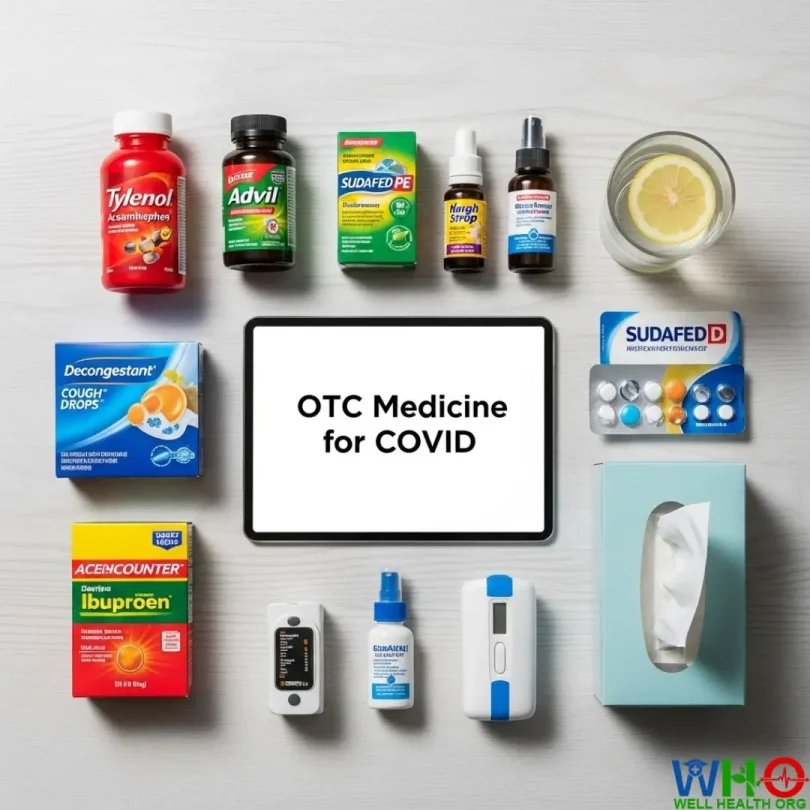
Introduction: OTC Medicine for COVID-19
Although the world has moved beyond the height of the pandemic, COVID-19 remains part of daily life. New variants continue to circulate, and many people still catch mild or moderate infections that can be treated safely at home. For most, recovery doesn’t require a hospital visit—just the right combination of over-the-counter (OTC) medications, rest, and supportive care.
- Introduction: OTC Medicine for COVID-19
- Understanding COVID-19 Symptoms: What’s Really Going On in Your Body
- OTC Medicines for COVID-19: A Comprehensive Breakdown
- 1. Pain Relievers and Fever Reducers
- Acetaminophen (Tylenol): Reliable, Gentle, and Effective
- Ibuprofen (Advil, Motrin): Fast, Powerful Relief for Pain and Inflammation
- Aspirin: An Older Option with Caution
- How Pain Relievers Work: The Science Behind the Relief
- Pro Tips for Using Pain Relievers Safely
- 2. Cough Suppressants and Expectorants
- Cough Relief: Understanding the Right OTC Remedies
- Dextromethorphan: The Go-To Cough Suppressant
- Guaifenesin: The Mucus-Clearing Expectorant
- Other Helpful Cough Remedies
- 3. Decongestants: Clearing the Stuffy Nose
- Pseudoephedrine (Sudafed): The Most Effective Oral Decongestant
- Phenylephrine: A Less Effective Alternative
- Nasal Spray Decongestants: Oxymetazoline and Xylometazoline
- Saline Nasal Sprays: A Natural Alternative
- 4. Antihistamines: Managing Sneezing and Runny Nose
- Sedating Antihistamines (First-Generation)
- Non-Sedating Antihistamines (Second-Generation)
- 5. Supportive Care for Home Recovery: The Healing Foundation
- Stay Hydrated: Keep Your Fluids Up
- Prioritize Rest and Sleep
- Humidifiers and Steam Therapy
- Gargling with Salt Water
- 6. When to Seek Medical Attention: Recognizing Serious Symptoms
- Emergency Warning Signs
- Contact Your Doctor Promptly If You:
- The Role of Prescription Antivirals (Paxlovid and Others)
- 7. Important Precautions and Drug Interactions
- Avoid Doubling Up on Active Ingredients
- Check for Medication Interactions
- Use Caution with Underlying Health Conditions
- Watch for Side Effects
- 8. COVID-19 vs. Cold vs. Flu: Spotting the Difference
- 9. Myths and Misconceptions About OTC COVID Medicines
- Myth #1: OTC Medicines Cure COVID-19
- Myth #2: Avoid All Fever Reducers
- Myth #3: Vitamin C and Zinc Prevent COVID-19
- Myth #4: Cough Syrups Are Always Effective
- Myth #5: All Nasal Sprays Are Safe to Use Long-Term
- 10. Home Remedies and Natural Aids for COVID-19 Recovery
- Warm Liquids and Herbal Teas
- Honey and Lemon for Sore Throat and Cough
- Steam Inhalation and Hot Showers
- Saltwater Gargle
- Humidifier Use
- Rest and Mindful Breathing
- 11. Nutrition Tips for Faster Recovery
- Focus on Light, Nutrient-Dense Meals
- Hydration-Boosting Foods
- Immune-Boosting Nutrients
- 12. Preventing COVID-19 Reinfection
- 1. Stay Up to Date with Vaccines
- 2. Maintain Healthy Habits
- 3. Continue Practicing Basic Hygiene
- 4. Recognize and Address Long COVID Symptoms Early
- 13. Finding Reliable Information About COVID Treatments
- 14. Taking Control of Your Recovery
- 15. Final Thoughts: Healing with Confidence and Care
- FAQs About OTC COVID Treatment
- Conclusion
While there’s no pill you can buy to “cure” the virus, OTC medicines can make a huge difference in how you feel during recovery. They help lower fever, ease headaches, calm coughs, relieve congestion, and soothe sore throats so that your immune system can focus on fighting the infection.
Understanding what each medicine does—and when to use it—is key. The wrong combination or dose can lead to side effects, while the right approach can keep you comfortable and speed up recovery time.
This comprehensive guide breaks down the best OTC options for COVID-19 symptom relief, how they work, and how to use them safely. Whether you’re treating your first infection or caring for a loved one, this article will help you navigate home recovery with confidence.
⚠️ Important Note:
This information is for educational purposes only. Always consult your healthcare provider if you have underlying conditions, are pregnant, or take other medications. Personal medical guidance should always come from a licensed professional.
Understanding COVID-19 Symptoms: What’s Really Going On in Your Body
COVID-19 symptoms overlap with those of the flu and common cold, but their intensity and duration can vary greatly from person to person. Some experience mild sniffles, while others face several days of exhaustion, muscle pain, and fever.
According to current data, the most commonly reported symptoms include:
- Runny or stuffy nose
- Headache and sinus pressure
- Persistent fatigue or exhaustion
- Sneezing and sore throat
- Fever and chills
- Cough (dry or productive)
- Muscle and joint pain
- Loss of taste or smell (less common with recent variants)
These symptoms appear because your immune system is actively fighting the virus. When your immune cells detect an infection, they release chemicals called cytokines, which trigger inflammation. This inflammatory response causes many of the aches, pains, and fevers you feel—it’s the body’s natural way of defending itself.
The good news? Most of these symptoms can be effectively managed with simple over-the-counter medications and supportive care at home.
OTC Medicines for COVID-19: A Comprehensive Breakdown
Different symptoms call for different treatments. Let’s take a detailed look at the most useful OTC medicines you can rely on for relief—and the right way to use them.
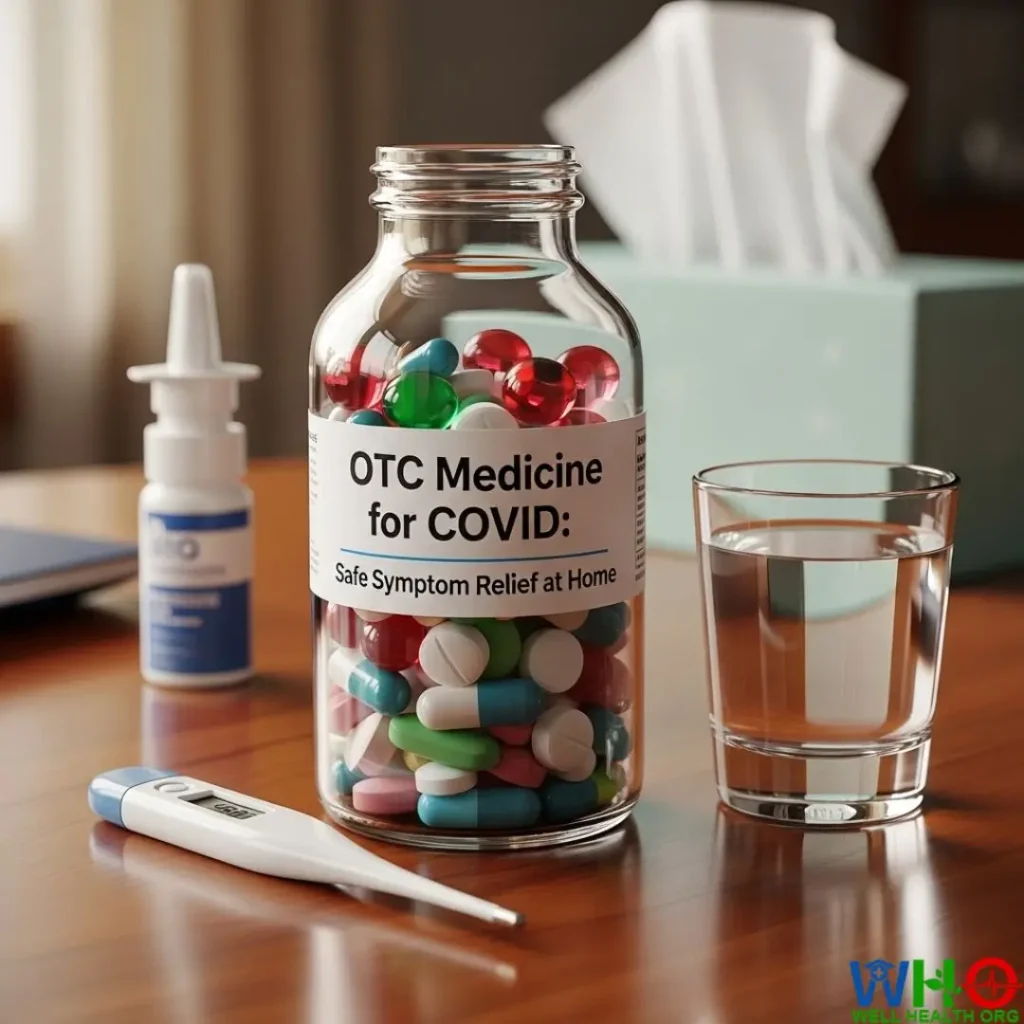
1. Pain Relievers and Fever Reducers
Pain, fever, and body aches are among the most common and unpleasant COVID-19 symptoms. The goal isn’t to completely eliminate your fever (since it helps your body fight infection) but to reduce it when it becomes too high or uncomfortable.
OTC pain relievers are highly effective in easing fever, headaches, sore throats, and muscle pain—but you must choose wisely and follow correct dosages.
Acetaminophen (Tylenol): Reliable, Gentle, and Effective
Acetaminophen is one of the safest and most commonly used fever reducers. It works by acting on the brain’s temperature-control center to lower fever and relieve pain.
Why It’s a Top Choice:
- Gentle on the stomach
- Effective for headaches, sore throat, and fever
- Suitable for most adults and children
How to Use It:
Take acetaminophen according to the dosage listed on the label—typically every 4 to 6 hours as needed, without exceeding the maximum daily dose (usually 3000–4000 mg for adults). Overdosing can lead to liver damage, especially if combined with alcohol or other medicines that contain acetaminophen (such as some “multi-symptom” cold or flu products).
When to Avoid:
- If you have liver disease or drink alcohol regularly
- If your doctor has advised against it
Best For:
Individuals who cannot tolerate NSAIDs due to stomach, kidney, or heart issues.
Ibuprofen (Advil, Motrin): Fast, Powerful Relief for Pain and Inflammation
Ibuprofen, a non-steroidal anti-inflammatory drug (NSAID), helps with fever, body aches, and inflammation. It’s particularly useful if your symptoms include muscle soreness, sinus pressure, or swelling.
How It Works:
Ibuprofen blocks prostaglandins, substances in your body that cause pain, inflammation, and fever. By reducing prostaglandin levels, ibuprofen provides both pain relief and anti-inflammatory benefits.
Addressing Old Concerns:
Early in the pandemic, there were rumors that ibuprofen might worsen COVID-19. However, extensive research has since proven no link between ibuprofen and poorer outcomes. It remains a safe, effective option when taken correctly.
How to Use It:
- Take every 6–8 hours with food to minimize stomach irritation.
- Don’t exceed 1200 mg daily without a doctor’s guidance (for OTC use).
- Stay hydrated while taking it.
When to Avoid:
If you have ulcers, kidney disease, or heart failure, check with your healthcare provider first.
Best For:
Moderate to severe body aches, headaches, or high fevers that interfere with rest.
Aspirin: An Older Option with Caution
Aspirin can also reduce fever and pain by blocking prostaglandin production, but it’s not as commonly recommended for COVID-19 symptom relief anymore.
Why?
While effective, aspirin carries a higher risk of stomach irritation, bleeding, and should never be used in children or teenagers recovering from viral infections due to the risk of Reye’s syndrome—a rare but serious condition that affects the liver and brain.
For adults, low-dose aspirin prescribed for heart protection can be continued unless your doctor advises otherwise, but don’t start or stop it without medical supervision.
Best For:
Adults already using aspirin for cardiovascular health, under medical advice.
How Pain Relievers Work: The Science Behind the Relief
All three of these medications—acetaminophen, ibuprofen, and aspirin—work by inhibiting prostaglandins, chemicals your body produces during infection and injury. Prostaglandins signal your brain to feel pain and raise your body’s temperature. By blocking these chemicals, OTC pain relievers help you feel more comfortable and allow your immune system to keep working without the added strain of fever and inflammation.
Pro Tips for Using Pain Relievers Safely
- Never mix multiple medications that contain the same active ingredient (for example, Tylenol + NyQuil, both of which contain acetaminophen).
- Alternate between acetaminophen and ibuprofen only if directed by a doctor or pharmacist.
- If your fever lasts longer than three days or returns after breaking, contact a healthcare professional.
- Drink plenty of fluids to protect your kidneys when using NSAIDs.
Proper use of these medications doesn’t just ease discomfort—it helps prevent fatigue, dehydration, and secondary complications that can slow your recovery.
2. Cough Suppressants and Expectorants
A cough can be one of the most lingering and frustrating COVID symptoms. Some people experience a dry, irritating cough, while others develop a productive cough that brings up mucus. The right treatment depends on which type you have.
Cough Relief: Understanding the Right OTC Remedies
Coughing is one of the body’s natural defense mechanisms—it helps clear mucus and irritants from the airways. However, during a COVID-19 infection, coughs can become exhausting, painful, and disruptive, especially at night. Fortunately, several OTC cough medicines can help ease your symptoms and improve sleep quality.
There are two main types of cough medicines you’ll find in your local pharmacy: cough suppressants and expectorants. Understanding the difference between the two can help you choose the right one for your needs.
Dextromethorphan: The Go-To Cough Suppressant
Dextromethorphan is one of the most common ingredients found in OTC cough medicines such as Delsym or Robitussin DM. It works by acting on the brain’s “cough center,” effectively reducing the urge to cough.
Best for:
Dry, tickly, and non-productive coughs that interfere with sleep or concentration.
How to Use It Safely:
- Take it exactly as directed on the package label.
- Avoid combining multiple products containing dextromethorphan.
- Never exceed the recommended dosage—taking too much can lead to dizziness, drowsiness, or confusion.
Pro Tip: For nighttime relief, use a long-acting version like Delsym, which provides up to 12 hours of suppression.
Guaifenesin: The Mucus-Clearing Expectorant
If your cough brings up phlegm, you need a medicine that helps you clear your airways instead of suppressing the cough. That’s where guaifenesin, the main ingredient in Mucinex, comes in.
How It Works:
Guaifenesin loosens and thins mucus in the lungs and bronchial tubes, making it easier to cough up. This keeps your airways clear and helps prevent secondary infections like bronchitis.
Best for:
Wet or productive coughs with chest congestion.
How to Use It:
- Drink plenty of fluids while taking guaifenesin—it works best when your body is well-hydrated.
- Use extended-release tablets or syrup every 12 hours as needed.
Combination Products:
Some OTC cough medications combine dextromethorphan (for dry cough) and guaifenesin (for mucus relief). These combination products can be effective if your cough varies between dry and wet throughout the day. Always read the label carefully to ensure you’re not doubling up on active ingredients.
Other Helpful Cough Remedies
While OTC cough medicines can provide relief, a few simple home remedies can also work wonders:
- Honey: A spoonful of honey (especially raw or manuka honey) soothes throat irritation and reduces coughing frequency. Avoid giving honey to children under 1 year old.
- Warm beverages: Herbal teas, lemon water, or broth hydrate your throat and help thin mucus.
- Steam therapy: Inhaling steam from a hot shower or a bowl of hot water can open airways and calm a dry cough.
- Humidifiers: Adding moisture to the air prevents your throat from drying out, reducing coughing at night.
3. Decongestants: Clearing the Stuffy Nose
A stuffy or congested nose is another hallmark symptom of COVID-19 that can make breathing uncomfortable and sleep nearly impossible. Fortunately, OTC decongestants can help by reducing inflammation in your nasal passages and improving airflow.
Pseudoephedrine (Sudafed): The Most Effective Oral Decongestant
Pseudoephedrine is a powerful decongestant that works by shrinking swollen blood vessels inside your nasal passages. This reduces congestion and allows you to breathe more freely.
Key Details:
- Available behind the pharmacy counter (you’ll need to show ID, but no prescription required).
- Works within 30–60 minutes and lasts up to 4–6 hours.
- Found in products like Sudafed or Advil Cold & Sinus.
When to Be Careful:
Pseudoephedrine can raise blood pressure and heart rate, so it’s not suitable for everyone. Avoid it if you have high blood pressure, heart disease, glaucoma, or thyroid problems without consulting your doctor first.
Phenylephrine: A Less Effective Alternative
Phenylephrine is commonly found in many OTC “cold and flu” products on store shelves. However, recent research (including an FDA review) has shown that oral phenylephrine is not very effective for nasal congestion.
If you need true relief, pseudoephedrine or nasal sprays are more reliable options.
Nasal Spray Decongestants: Oxymetazoline and Xylometazoline
For fast, targeted relief, nasal sprays such as Afrin (oxymetazoline) or Otrivin (xylometazoline) work within minutes. They directly constrict blood vessels in the nose, instantly opening airways and reducing swelling.
How to Use Them Correctly:
- Use only for 2–3 consecutive days. Prolonged use can cause rebound congestion (rhinitis medicamentosa), making symptoms worse.
- Spray each nostril once or twice per dose as directed.
- Clean the nozzle regularly to prevent contamination.
Best For:
Short-term relief when congestion is severe—especially before bedtime or during travel.
Saline Nasal Sprays: A Natural Alternative
If you prefer a gentler, medication-free approach, saline nasal sprays are excellent for moisturizing and clearing nasal passages. They’re safe for all ages and can be used multiple times per day.
How They Work:
Saline sprays rinse away mucus, allergens, and viruses from your nasal lining, helping reduce irritation and congestion without side effects.
Pro Tip:
Combine saline sprays with a humidifier for the best results—especially if indoor heating or air conditioning is drying out your sinuses.
4. Antihistamines: Managing Sneezing and Runny Nose
While COVID-19 isn’t an allergic reaction, some symptoms—like sneezing, runny nose, and watery eyes—can feel a lot like seasonal allergies. This is where antihistamines can be helpful.
Sedating Antihistamines (First-Generation)
Medications like diphenhydramine (Benadryl) or chlorpheniramine help reduce runny nose, sneezing, and watery eyes by blocking histamine receptors.
Benefits:
- Great for nighttime use—they promote rest while easing symptoms.
- Reduce mucus production and post-nasal drip.
Downsides:
- Can cause drowsiness, dry mouth, and sluggishness the next day.
- Should be avoided before driving or operating machinery.
Best For:
Nighttime relief when congestion and sneezing disrupt your sleep.
Non-Sedating Antihistamines (Second-Generation)
If you need daytime relief without feeling groggy, loratadine (Claritin), cetirizine (Zyrtec), and fexofenadine (Allegra) are excellent choices. These second-generation antihistamines are long-acting and cause little to no drowsiness.
Pro Tip:
Even though antihistamines are primarily used for allergies, they can help dry up nasal secretions and reduce the constant runny nose or post-nasal drip that sometimes accompanies COVID-19, especially in later stages.
5. Supportive Care for Home Recovery: The Healing Foundation
OTC medications can only do so much. True recovery from COVID-19 depends on supportive care—the everyday actions you take to help your body heal.
Here’s what to prioritize during home isolation and recovery.
Stay Hydrated: Keep Your Fluids Up
Hydration is absolutely essential when fighting a viral infection. Fever and rapid breathing can cause you to lose fluids faster than usual, leading to dehydration. Proper hydration helps:
- Regulate body temperature
- Loosen mucus
- Support immune cell function
Best Fluids to Drink:
- Water
- Herbal teas (ginger, chamomile, or mint)
- Broths and soups
- Electrolyte drinks (Pedialyte, Gatorade)
Avoid:
Excess caffeine, alcohol, and sugary sodas—they can worsen dehydration.
Pro Tip:
If plain water feels boring, add a splash of lemon or cucumber slices to make it more refreshing.
Prioritize Rest and Sleep
Your immune system works best when your body is at rest. Trying to “power through” your illness only delays recovery.
Tips for Better Rest:
- Create a quiet, comfortable sleep environment.
- Keep your phone away before bed.
- Use extra pillows to elevate your head if congestion makes breathing difficult.
Think of sleep as your natural antiviral medication—it’s during rest that your body produces the proteins and antibodies needed to fight off infections.
Humidifiers and Steam Therapy
Moist air soothes irritated airways, loosens mucus, and eases coughing.
- Use a cool-mist humidifier in your room, especially while sleeping.
- Inhale steam from a warm shower or bowl of hot water for 10–15 minutes.
Cleaning Reminder:
Always clean your humidifier every 2–3 days to prevent mold and bacteria buildup.
Gargling with Salt Water
A sore throat is often one of the earliest and most uncomfortable COVID-19 symptoms. Gargling with warm salt water (½ teaspoon of salt in 8 oz of warm water) several times a day can:
- Reduce throat inflammation
- Kill bacteria
- Ease pain when swallowing
It’s a time-tested home remedy that complements your OTC throat sprays and lozenges beautifully.
6. When to Seek Medical Attention: Recognizing Serious Symptoms
While most COVID-19 infections can be safely managed at home with OTC medicines and supportive care, some cases require immediate medical attention. Recognizing warning signs early can save lives and prevent complications.
Even if your symptoms started mild, the virus can occasionally progress rapidly—especially in individuals with underlying health issues. Don’t hesitate to seek help if anything feels “off.”
Below are key signs and symptoms that indicate you should contact a healthcare provider or go to the emergency room:
Emergency Warning Signs
Seek urgent medical care if you experience any of the following:
- Difficulty breathing or shortness of breath
- Persistent chest pain or pressure
- New confusion or inability to stay awake
- Bluish lips or face (a sign of low oxygen levels)
- Severe dizziness or fainting
- Inability to keep fluids down or severe vomiting
These symptoms suggest that your oxygen levels may be dropping, your heart or lungs are under strain, or dehydration has become severe. If possible, use a pulse oximeter (available in most pharmacies) to monitor your oxygen saturation. A reading below 94% warrants a call to your healthcare provider right away.
Contact Your Doctor Promptly If You:
- Have a fever higher than 104°F (40°C)
- Are in a high-risk group (over 65, pregnant, immunocompromised, or have chronic health conditions like diabetes, heart disease, or lung disease)
- Experience worsening symptoms after several days
- Feel your cough or shortness of breath intensifying
- Cannot manage your fever or pain with OTC medications
Even if symptoms seem moderate, doctors may prescribe antiviral treatments to reduce the risk of severe illness—especially for those at higher risk.
The Role of Prescription Antivirals (Paxlovid and Others)
While this guide focuses on over-the-counter symptom management, it’s worth mentioning that several prescription antiviral medications can significantly improve outcomes when started early.
- Paxlovid (nirmatrelvir/ritonavir)
- Oral antiviral taken for 5 days.
- Most effective when started within the first 5 days of symptom onset.
- Reduces the risk of hospitalization and death by up to 89% in high-risk adults.
- May interact with certain medications (always check with your doctor).
- Remdesivir
- Administered via IV in healthcare settings.
- Used for patients who are hospitalized or at very high risk.
- Molnupiravir
- An oral antiviral option when Paxlovid isn’t suitable.
These antivirals do not replace OTC medicines, but they work alongside them—OTC medications ease symptoms while antivirals target the virus directly.
If you test positive for COVID-19 and fall into a high-risk category, contact your healthcare provider immediately to discuss whether you qualify for one of these treatments. Timing is crucial—these medications lose effectiveness if started too late.
7. Important Precautions and Drug Interactions
When using OTC medications to manage COVID-19 symptoms, it’s essential to understand how different drugs interact. Even common medicines can become risky when combined improperly.
Avoid Doubling Up on Active Ingredients
Many multi-symptom cold and flu medicines (like DayQuil, NyQuil, or Theraflu) contain acetaminophen, dextromethorphan, and phenylephrine in one product. If you’re already taking Tylenol or another medicine with the same ingredients, you could accidentally overdose.
Always read labels carefully and stick to one product per symptom type when possible.
Check for Medication Interactions
If you’re taking prescription medications—especially antidepressants, blood thinners, or antivirals like Paxlovid—talk to your pharmacist or doctor before using OTC medicines. Certain combinations can cause dangerous reactions or reduce the effectiveness of your prescriptions.
For example:
- Paxlovid interacts with several medications, including statins, blood thinners, and some heart drugs.
- Decongestants (like pseudoephedrine) can raise blood pressure and heart rate, posing risks for people with hypertension or arrhythmia.
- NSAIDs (like ibuprofen and naproxen) can worsen kidney issues when combined with certain diuretics or blood pressure medications.
When in doubt, bring a list of all your current medications to your pharmacist. They can quickly identify safe combinations and recommend alternatives.
Use Caution with Underlying Health Conditions
If you have chronic medical conditions, certain OTC medications may not be safe for you. Here’s what to watch out for:
| Condition | Use With Caution | Safer Alternatives |
|---|---|---|
| High blood pressure or heart disease | Avoid pseudoephedrine and phenylephrine | Use saline sprays or antihistamines |
| Kidney disease | Avoid long-term use of NSAIDs (ibuprofen, naproxen) | Acetaminophen (Tylenol) |
| Liver disease | Limit or avoid acetaminophen | Ibuprofen (if kidneys are healthy) |
| Stomach ulcers | Avoid NSAIDs | Acetaminophen |
| Diabetes | Monitor sugar levels—some syrups contain sugar | Sugar-free or tablet options |
These precautions aren’t meant to scare you—they’re simply smart steps to ensure your recovery is safe and smooth.
Watch for Side Effects
Even OTC medications can cause side effects, particularly if used improperly or for too long.
Common Side Effects Include:
- NSAIDs (Ibuprofen, Naproxen): Stomach pain, heartburn, nausea, and increased blood pressure.
- Acetaminophen: Liver damage at high doses or with alcohol use.
- Decongestants: Jitteriness, rapid heartbeat, and elevated blood pressure.
- Antihistamines: Drowsiness, dry mouth, and blurred vision.
If any side effect feels severe or unusual—such as chest pain, confusion, or allergic reaction—stop the medication immediately and contact your doctor.
8. COVID-19 vs. Cold vs. Flu: Spotting the Difference
It’s easy to confuse COVID-19 with the common cold or influenza because they share many symptoms. However, understanding their key differences can help you decide whether to test, isolate, or seek medical attention.
| Symptom | COVID-19 | Flu | Common Cold |
|---|---|---|---|
| Onset | Gradual | Sudden | Gradual |
| Fever | Common, moderate | Common, often high | Rare |
| Cough | Common, dry | Common, dry | Mild |
| Body aches | Common | Severe | Mild |
| Fatigue | Common | Severe | Sometimes |
| Loss of taste/smell | Sometimes | Rare | Rare |
| Congestion/runny nose | Common | Sometimes | Common |
| Sore throat | Common | Sometimes | Common |
Key Takeaway:
While symptoms overlap, COVID-19 tends to develop gradually and may include loss of taste or smell. The flu, in contrast, hits suddenly with a high fever and extreme fatigue, while the common cold is generally milder.
When in doubt, use an at-home COVID test or visit a healthcare center for confirmation. Accurate diagnosis ensures you’re using the right medications and protecting others from infection.
9. Myths and Misconceptions About OTC COVID Medicines
Even after years of living with COVID-19, misinformation still circulates about what works and what doesn’t. Let’s clear up a few common myths:
Myth #1: OTC Medicines Cure COVID-19
Fact:
No over-the-counter medication can kill the virus or speed up recovery. OTC treatments only manage symptoms—your body’s immune system does the real healing.
Myth #2: Avoid All Fever Reducers
Fact:
While mild fever helps your body fight infection, high or prolonged fevers drain your energy and cause dehydration. Using acetaminophen or ibuprofen to stay comfortable doesn’t weaken your immune response—it helps you rest and recover better.
Myth #3: Vitamin C and Zinc Prevent COVID-19
Fact:
Despite popular belief, no supplement has been proven to prevent or cure COVID-19. That said, maintaining balanced nutrition supports overall immune health. A healthy diet rich in vitamins and minerals can indirectly aid recovery.
Myth #4: Cough Syrups Are Always Effective
Fact:
Many cough syrups provide minimal benefit for COVID-related coughs. Warm fluids, honey, and humidified air often provide better relief with fewer side effects.
Myth #5: All Nasal Sprays Are Safe to Use Long-Term
Fact:
While saline sprays are safe for daily use, medicated nasal sprays (like Afrin) should be limited to three days to prevent rebound congestion.
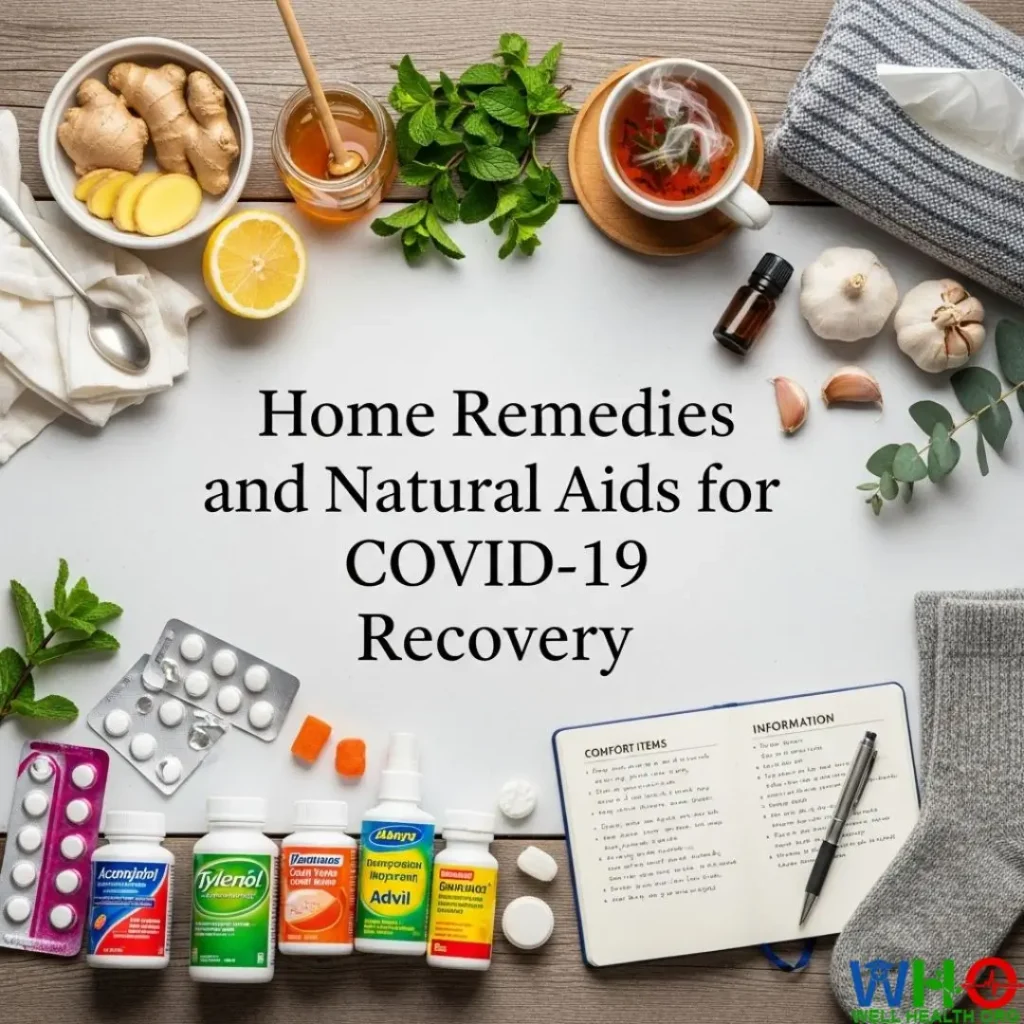
10. Home Remedies and Natural Aids for COVID-19 Recovery
In addition to over-the-counter medicines, many natural and home remedies can play a powerful supporting role in easing symptoms and speeding up recovery. While these approaches don’t replace medical treatment, they complement it beautifully—helping you feel more comfortable as your immune system does its job.
Warm Liquids and Herbal Teas
There’s a reason your grandmother always recommended tea when you were sick—it works. Warm liquids not only soothe sore throats and calm coughs but also help keep mucus thin and easier to clear.
Some of the best teas for COVID recovery include:
- Ginger tea: Anti-inflammatory and helps relieve nausea.
- Chamomile tea: Promotes relaxation and sleep.
- Peppermint tea: Eases congestion and sinus pressure.
- Lemon and honey tea: Soothes the throat and provides mild antibacterial effects.
You can also sip on warm water with lemon and honey throughout the day to keep your throat moist and reduce irritation.
Honey and Lemon for Sore Throat and Cough
Honey is nature’s cough suppressant. It coats your throat, reduces irritation, and can quiet persistent coughing, especially at night. Mix one tablespoon of honey with warm water and a squeeze of lemon for a soothing, vitamin-rich drink.
Important: Never give honey to children under 1 year old, as it can contain spores that cause infant botulism.
Steam Inhalation and Hot Showers
Steam therapy is a simple, time-tested remedy that helps open nasal passages, moisturize airways, and relieve congestion.
How to do it:
- Fill a bowl with hot (not boiling) water.
- Add a few drops of eucalyptus or peppermint oil if desired.
- Lean over the bowl, cover your head with a towel, and breathe deeply for 10 minutes.
Alternatively, taking a hot shower can provide the same benefits while also relaxing tense muscles and easing body aches.
Saltwater Gargle
A saltwater gargle is one of the most underrated home remedies for sore throat pain. It reduces inflammation, loosens mucus, and helps kill bacteria in the throat.
Recipe: Mix ½ teaspoon of salt in 8 ounces of warm water, gargle for 30 seconds, and spit out. Repeat several times daily as needed.
Humidifier Use
COVID often causes dry, irritated airways, especially in heated or air-conditioned environments. A cool-mist humidifier can help by keeping the air moist, which reduces coughing fits and nasal dryness.
Keep your humidifier clean to avoid mold or bacterial growth—empty the tank and rinse it with a vinegar solution every two to three days.
Rest and Mindful Breathing
It’s tempting to return to normal routines as soon as you start feeling better, but pushing yourself too early can prolong recovery. Fatigue is one of COVID’s most persistent symptoms, and your body needs adequate rest to heal.
Tips to recover efficiently:
- Take naps when you feel tired.
- Practice gentle breathing exercises to strengthen your lungs.
- Avoid strenuous workouts until you’re symptom-free for several days.
Think of your recovery like recharging a drained battery—rest isn’t laziness; it’s medicine.
11. Nutrition Tips for Faster Recovery
Food may not sound appealing when you’re sick, but your body needs fuel to fight infection. The right nutrients support immune cell production, reduce inflammation, and help rebuild strength.
Focus on Light, Nutrient-Dense Meals
When your appetite is low, go for smaller meals rich in vitamins and minerals:
- Soups and broths: Easy to digest and hydrating.
- Fruits: Oranges, kiwis, and berries provide vitamin C.
- Vegetables: Leafy greens and bell peppers boost immune support.
- Protein sources: Eggs, tofu, chicken, or legumes help repair tissues.
Avoid heavy, fried, or processed foods—they can increase inflammation and make you feel sluggish.
Hydration-Boosting Foods
You can hydrate through more than just water. Add water-rich foods like cucumbers, watermelon, oranges, and soups to your diet. They’ll keep your energy levels steady and aid in temperature regulation.
Immune-Boosting Nutrients
Here’s a quick look at nutrients that may help your body recover faster:
| Nutrient | Why It Helps | Best Sources |
|---|---|---|
| Vitamin C | Strengthens immune function and tissue repair | Citrus fruits, kiwi, bell peppers |
| Vitamin D | Supports immune modulation and respiratory health | Sunlight, salmon, fortified milk |
| Zinc | Helps immune cell production and reduces inflammation | Nuts, seeds, lentils, shellfish |
| Protein | Repairs tissues and supports antibody production | Chicken, eggs, beans, tofu |
| Omega-3 fatty acids | Reduce inflammation and support lung function | Fish, flaxseeds, chia seeds |
Note: Supplements aren’t magic cures, but they can help fill nutritional gaps, especially if you’re not eating much. Always consult your healthcare provider before starting new supplements.
12. Preventing COVID-19 Reinfection
Even after you’ve recovered, it’s important to protect yourself and others. Reinfections are possible, especially with new variants. Here’s how to lower your risk:
1. Stay Up to Date with Vaccines
Vaccination remains one of the most effective ways to prevent severe illness. Updated COVID-19 boosters are designed to protect against the most recent variants and reduce the likelihood of long COVID symptoms.
2. Maintain Healthy Habits
Strong immunity begins with a healthy lifestyle.
- Get at least 7–8 hours of sleep each night.
- Eat balanced meals rich in antioxidants.
- Exercise regularly but gently, especially after illness.
- Manage stress with breathing exercises or mindfulness.
3. Continue Practicing Basic Hygiene
Even though restrictions have eased, simple hygiene habits still make a big difference:
- Wash your hands frequently with soap and water.
- Avoid touching your face with unwashed hands.
- Ventilate indoor spaces and use HEPA filters where possible.
- Wear a mask in crowded indoor settings if local transmission is high.
4. Recognize and Address Long COVID Symptoms Early
Some people continue to experience lingering symptoms—fatigue, brain fog, loss of taste, or shortness of breath—weeks or even months after recovering. This condition is known as Long COVID.
If symptoms persist beyond four weeks, consult your doctor. Early intervention, physical therapy, and nutritional adjustments can help you manage and gradually overcome these prolonged effects.
13. Finding Reliable Information About COVID Treatments
With so much misinformation floating around online, knowing where to find trustworthy guidance is essential. Avoid self-diagnosis and always verify health advice with reputable sources.
Trusted Resources Include:
- CDC (Centers for Disease Control and Prevention): Up-to-date recommendations on isolation, testing, and vaccines.
- WHO (World Health Organization): Global updates and variant tracking.
- Your healthcare provider: Personalized advice based on your medical history.
- Licensed pharmacists: For safe medication guidance and drug interaction checks.
Avoid social media “cures,” miracle supplements, or unverified home remedies that claim to kill the virus—they can be ineffective or even dangerous.
14. Taking Control of Your Recovery
Recovering from COVID-19 can be physically draining and emotionally frustrating, but with the right approach, most people bounce back within a couple of weeks. The combination of over-the-counter symptom relief, supportive home care, and good nutrition helps make this process smoother.
Here’s a recap of what truly works:
- For fever and pain: Use acetaminophen or ibuprofen.
- For coughs: Try dextromethorphan (for dry cough) or guaifenesin (for mucus).
- For congestion: Use pseudoephedrine or saline sprays.
- For sore throats: Gargle salt water, use lozenges, or sip warm tea with honey.
- For overall recovery: Rest, hydrate, and eat nourishing foods.
Remember—these medications and remedies treat symptoms, not the virus itself. The real healing comes from your immune system, and it performs best when you take care of your body.
Be patient with yourself. Recovery may come in waves, but every day you rest and care for your body is a step toward full health.
15. Final Thoughts: Healing with Confidence and Care
Living with COVID-19 in today’s world means understanding how to handle it wisely. While there’s still no “instant cure,” you have a powerful toolkit at home: over-the-counter medicines, simple remedies, and self-care practices that genuinely make a difference.
By recognizing your symptoms, treating them appropriately, and knowing when to seek help, you can take charge of your recovery with confidence.
Remember:
- Follow proper dosing instructions.
- Stay hydrated and rest.
- Don’t ignore worsening symptoms.
- Seek medical advice early if you’re at higher risk.
Recovery is a process—but with informed care and mindful attention, your body is fully capable of overcoming COVID-19.
FAQs About OTC COVID Treatment
1. Can OTC medications shorten the duration of COVID-19?
No. OTC medications don’t kill the virus or shorten the illness. They simply relieve symptoms while your body fights the infection.
2. Is it safe to combine Tylenol and Advil for COVID symptoms?
Yes, but only under guidance. You can alternate them every few hours if one alone isn’t enough—but always follow proper dosing and avoid exceeding daily limits.
3. What should I avoid taking with Paxlovid?
Paxlovid interacts with several drugs, including statins, blood thinners, and certain antidepressants. Always check with your healthcare provider or pharmacist before combining it with any OTC medicine.
4. How long should I isolate after testing positive?
Follow CDC guidelines: isolate for at least 5 days, then wear a mask for another 5 if symptoms are improving and you’re fever-free for 24 hours without medication.
5. When should I test again after infection?
You can retest after 5–7 days if needed, especially if symptoms persist or before returning to work or public activities. Some people may continue testing positive for up to two weeks even after recovery.
Conclusion
COVID-19 may still be around, but it’s no longer the mystery it once was. With the right mix of over-the-counter medicines, healthy habits, and timely medical support, most people can recover fully at home without complications.
Stock your medicine cabinet, take care of your body, and don’t hesitate to reach out to professionals when needed. Your health—and peace of mind—are worth it.
Medically Reviewed by Prof. Dr. Akram
Orthopedic Surgeon | Professor | Senior Medical Specialist
Prof. Dr. Akram is a distinguished surgeon with over 15 years of clinical expertise. Having served as a lead Emergency Specialist at Complex International Government Hospital, he currently leads a specialized team of 13 medical professionals at his private hospital. As a Professor at top medical universities, he ensures that every article on WellHealthOrg.com meets rigorous clinical standards.
Medical Disclaimer:
The information provided is for educational purposes only and is not a substitute for professional medical advice, diagnosis, or treatment. Always consult your physician for any medical concerns.
Our content is rigorously fact-checked by our 13-member Editorial Team under the clinical supervision of Prof. Dr. Akram.