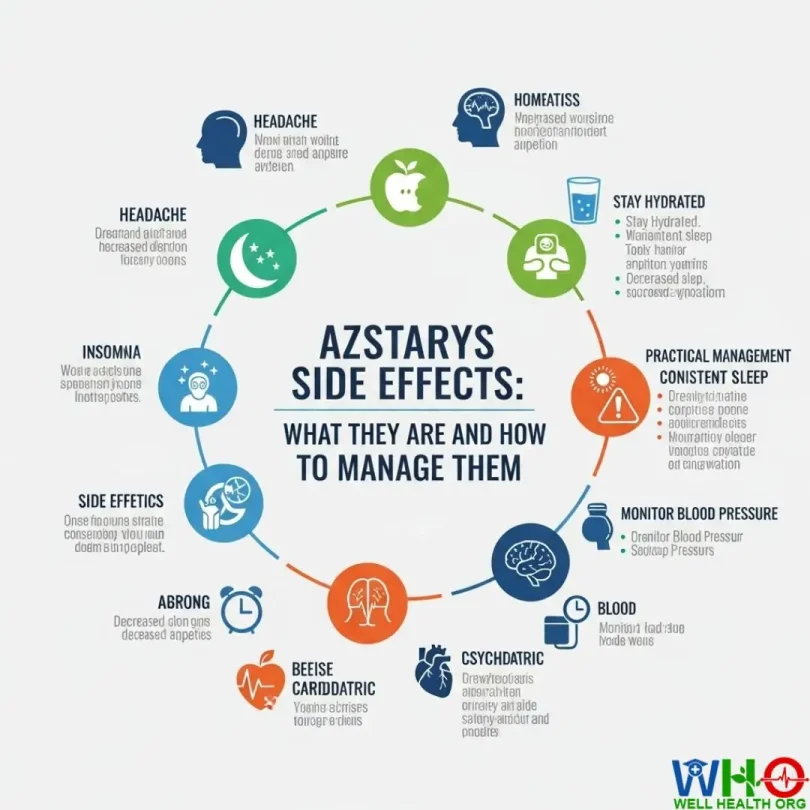
Azstarys (a combination of serdexmethylphenidate and dexmethylphenidate) is one of the newer ADHD medications approved for children ages 6 and older as well as adults. It has become an important option for people struggling with symptoms such as poor focus, impulsivity, and hyperactivity. For many, it provides a smoother and longer-lasting effect compared to older stimulant medications.
- Why Understanding Side Effects Matters
- Common Side Effects of Azstarys
- Most Common Side Effects
- Additional Mild Side Effects
- Managing Mild Side Effects at Home
- 1. Appetite and Weight Changes
- 2. Sleep Difficulties (Insomnia)
- 3. Digestive Issues
- 4. Managing Anxiety and Irritability
- Serious Side Effects: What to Watch For
- 1. Cardiovascular Concerns
- 2. Mood and Mental Health Changes
- 3. Circulation Problems
- 4. Other Serious Reactions
- Azstarys Interactions and Contraindications
- Medical Conditions That Require Caution
- Medication Interactions
- Alcohol Considerations
- Tips for a Smooth Azstarys Experience
- 1. Starting Treatment
- 2. Ongoing Management
- 3. Special Considerations for Children
- When to Consult Your Doctor
- Seek Immediate Medical Attention If You Experience:
- Schedule an Appointment Soon If You Notice:
- Routine Follow-up Discussions
- Balancing Benefits and Risks
- Final Thoughts and Key Takeaways
- Important Disclaimer
But, like every prescription drug, Azstarys comes with potential side effects. Understanding these effects—whether mild, moderate, or serious—is essential for anyone considering this treatment. By knowing what to expect, you can work with your doctor to reduce discomfort, monitor risks, and maximize the benefits of your medication.
This in-depth guide explores the most common and serious side effects of Azstarys, practical management tips, important interactions, and when you should seek medical attention.
Why Understanding Side Effects Matters
Every ADHD medication, including Azstarys, works by altering brain chemistry. Specifically, Azstarys increases levels of dopamine and norepinephrine, neurotransmitters that play key roles in focus and attention. While this can be life-changing for managing ADHD symptoms, these changes also affect other body systems, leading to potential side effects.
Being informed helps you:
- Differentiate normal vs. concerning symptoms: Many side effects improve as your body adjusts. Others may require immediate medical care.
- Work proactively with your doctor: Reporting side effects early helps providers adjust doses or recommend coping strategies.
- Stay consistent with treatment: Understanding what’s temporary vs. serious makes it easier to continue medication without unnecessary worry.
Think of it this way: just as a new exercise routine may cause sore muscles at first, new ADHD medication may bring temporary side effects while your body adapts. The key is learning how to manage them safely.
Common Side Effects of Azstarys
Most people taking Azstarys experience only mild, manageable side effects. These are often temporary and fade within a few weeks as the body adjusts. Clinical trial data has highlighted the following reactions:
Most Common Side Effects
- Decreased appetite
- Insomnia (difficulty falling or staying asleep)
- Dizziness
- Abdominal pain
- Irritability or mood changes
Additional Mild Side Effects
Some patients also report:
- Weight loss over time
- Indigestion or bloating
- Nausea and occasional vomiting
- Restlessness or anxiety
For most individuals, these effects appear in the first 1–3 weeks of treatment and gradually lessen. However, if side effects become disruptive to daily life, your doctor can suggest adjustments such as dosage changes, timing modifications, or supportive therapies.
Example: A child starting Azstarys may lose interest in lunchtime meals during the first two weeks. Over time, appetite often returns, especially if parents adjust meal times around when the medication is most active.
Managing Mild Side Effects at Home
The good news is that most mild side effects can be managed with simple lifestyle strategies. Below are some of the most effective approaches.
1. Appetite and Weight Changes
Loss of appetite is one of the most common complaints. Left unaddressed, it can sometimes lead to slowed growth in children or weight loss in adults.
Tips to manage appetite changes:
- Eat nutrient-dense meals during times of better hunger (often breakfast and dinner).
- Opt for frequent, smaller meals instead of three large meals.
- Time meals strategically—try eating before taking Azstarys or after the medication’s peak effect.
- Add high-calorie, healthy snacks like nuts, avocado toast, or smoothies.
- Consider nutritional shakes if appetite remains low—ask your doctor before adding supplements.
Real-life example: Parents often find that offering a protein-rich breakfast before giving a child their Azstarys dose helps ensure they get adequate nutrition despite reduced midday appetite.
2. Sleep Difficulties (Insomnia)
Because Azstarys is a stimulant, it can interfere with falling asleep—especially if taken later in the day.
Ways to improve sleep:
- Take Azstarys early in the morning to reduce nighttime stimulation.
- Establish a bedtime routine with calming activities (reading, warm bath, meditation).
- Avoid caffeine in the afternoon and evening.
- Keep the sleep environment cool, dark, and quiet.
- Turn off screens at least 60 minutes before bed.
Tip: If sleep issues persist, your doctor may adjust the dosage or recommend behavioral sleep strategies.
3. Digestive Issues
Stomach discomfort is fairly common but usually mild.
Coping strategies:
- Take Azstarys with food, if approved by your doctor.
- Eat bland, easy-to-digest foods like toast, rice, or crackers when nauseous.
- Stay hydrated by sipping water throughout the day.
- Avoid greasy, heavy, or spicy foods that can worsen symptoms.
4. Managing Anxiety and Irritability
Some individuals feel more restless or irritable when starting Azstarys. This usually improves with time.
Helpful strategies include:
- Regular physical activity, which lowers stress and balances mood.
- Mindfulness or deep breathing exercises when feeling anxious.
- Keeping a structured daily routine to reduce unpredictability.
- Prioritizing consistent, restorative sleep.
If mood-related side effects worsen instead of improving, your doctor may consider dose adjustments or an alternative ADHD medication.
Serious Side Effects: What to Watch For
While most side effects are mild, Azstarys—like other stimulant medications—carries risks of more serious reactions. Recognizing these warning signs can help you act quickly and protect your health.
1. Cardiovascular Concerns
Because stimulants affect the central nervous system, they may influence the heart and blood pressure. Seek medical attention immediately if you notice:
- Chest pain or tightness
- Rapid, pounding, or irregular heartbeat
- Shortness of breath
- Fainting or near-fainting episodes
- Feeling like your heart is racing
Note: People with pre-existing heart conditions may be at higher risk. Always inform your doctor about your full medical history before starting Azstarys.
2. Mood and Mental Health Changes
Rarely, stimulant medications may trigger or worsen psychiatric symptoms.
Warning signs include:
- Hallucinations (seeing or hearing things that aren’t there)
- Manic or psychotic episodes
- Racing thoughts or severe restlessness
- Intense mood swings or paranoia
If these occur, stop the medication and seek immediate medical help.
3. Circulation Problems
Stimulants can sometimes reduce blood flow to extremities, leading to symptoms such as:
- Cold hands and feet
- Numbness or tingling in fingers and toes
- Unexplained changes in skin color (pale, blue, or blotchy)
These circulation-related issues require prompt medical evaluation.
4. Other Serious Reactions
Less common but urgent side effects include:
- Erections lasting more than 4 hours (a medical emergency)
- New or worsening tics or involuntary movements
- Severe allergic reactions (swelling, rash, breathing difficulty)
Tip: Always keep emergency contacts handy when starting a new medication and monitor closely during the first weeks.
Azstarys Interactions and Contraindications
One of the most important aspects of safely using Azstarys is understanding what it interacts with. Even though it’s effective for ADHD, certain health conditions, medications, and lifestyle factors may increase risks or make side effects worse.
Medical Conditions That Require Caution
Before prescribing Azstarys, your doctor will ask about your medical history to determine whether this medication is safe for you.
Conditions that may require extra caution include:
- Heart problems or structural abnormalities – Stimulants can increase blood pressure and heart rate, which may put extra strain on a vulnerable heart.
- High blood pressure (hypertension) – Azstarys may worsen existing high blood pressure if not closely monitored.
- Glaucoma – Especially narrow-angle glaucoma, as stimulants can increase eye pressure.
- Mood disorders – Individuals with depression, bipolar disorder, or severe anxiety may see symptoms worsen.
- Circulatory conditions – Poor circulation or conditions like Raynaud’s disease can worsen with stimulant use.
- Neurological conditions – Those with Tourette syndrome or motor tics may experience worsening of symptoms.
- History of substance abuse – Because stimulants can be misused, a history of drug or alcohol misuse requires careful monitoring.
Medication Interactions
Even though clinical trials didn’t list every possible interaction, Azstarys—like other stimulants—may interact with a wide range of drugs. Always provide your healthcare provider with a complete list of medications, supplements, and herbal remedies you take.
Potentially problematic interactions include:
- Other ADHD medications – Combining stimulants may increase side effects or lead to dangerous overstimulation.
- Antidepressants (SSRIs, SNRIs, or MAOIs) – Some antidepressants affect neurotransmitter systems in ways that may interact with Azstarys. MAOIs, in particular, are dangerous when combined with stimulants and should never be used together.
- Blood pressure medications – Since Azstarys raises blood pressure, it can counteract the effects of medications meant to lower it.
- Antacids and acid-reducing medications – These can affect how quickly Azstarys is absorbed, potentially altering its effects.
Alcohol Considerations
Although there are no well-documented, direct drug-alcohol interactions with Azstarys, combining stimulants with alcohol is generally discouraged. Here’s why:
- Alcohol can increase side effects like nausea, dizziness, or poor judgment.
- Both alcohol and stimulants strain the cardiovascular system.
- Drinking while on ADHD medication can mask alcohol’s sedative effects, increasing the risk of drinking too much.
Bottom line: It’s best to avoid or strictly limit alcohol while on Azstarys unless your doctor confirms it is safe for your specific case.
Tips for a Smooth Azstarys Experience
Taking Azstarys isn’t just about swallowing a pill—it’s about integrating it into your daily routine in a way that maximizes benefits while minimizing side effects. Here are some practical strategies to make the transition smoother.
1. Starting Treatment
- Follow dosing instructions carefully – Never take more than prescribed.
- Track your side effects – Keep a journal noting any changes in mood, appetite, sleep, or focus. This helps your doctor fine-tune your dosage.
- Take medication at the same time each day – Consistency helps stabilize effects and reduces insomnia.
- Adopt lifestyle changes early – Healthy routines around food, sleep, and stress management can prevent common side effects.
2. Ongoing Management
- Attend regular checkups – Your doctor may monitor blood pressure, heart rate, and weight to ensure safety.
- Stay physically active – Exercise improves focus, reduces anxiety, and supports heart health.
- Prioritize quality sleep – Since insomnia is common, build a strong nighttime routine.
- Communicate openly with your provider – Report any side effects, even if they seem minor. Small adjustments can make a big difference.
3. Special Considerations for Children
Azstarys is approved for children as young as 6 years old, but parents and caregivers need to be especially attentive. Kids may experience the same side effects as adults, plus an additional concern:
- Growth delays – Stimulants can affect appetite and growth rates in children. Doctors typically monitor height and weight regularly during treatment.
If growth concerns arise, doctors may suggest a “medication holiday” (pausing treatment during weekends or summers) or adjusting the dose.
Parenting tip: Keep a food and growth journal for your child. This provides valuable information for pediatricians to decide whether changes are needed.
When to Consult Your Doctor
Knowing when to call your doctor can make the difference between a manageable side effect and a serious health issue.
Seek Immediate Medical Attention If You Experience:
- Chest pain, rapid heartbeat, or severe palpitations
- Trouble breathing, fainting, or extreme dizziness
- Severe allergic reaction (swelling, rash, difficulty breathing)
- Erection lasting longer than 4 hours (medical emergency)
- Suicidal thoughts, severe depression, or sudden personality changes
Schedule an Appointment Soon If You Notice:
- Side effects that don’t improve within 2–3 weeks
- Worsening anxiety, depression, or irritability
- Sleep problems that disrupt daily life
- Significant appetite or weight changes
- New or worsening tics
Routine Follow-up Discussions
During regular visits, it’s helpful to discuss:
- How well Azstarys is controlling your ADHD symptoms
- Any lingering side effects (even if mild)
- Questions about diet, exercise, or supplements
- Concerns about long-term use
Remember: ADHD treatment isn’t “one-size-fits-all.” It may take time and adjustments to find the right balance of medication, lifestyle changes, and behavioral strategies.
Balancing Benefits and Risks
When weighing the decision to take Azstarys, it’s natural to worry about side effects. But it’s equally important to recognize the potential benefits:
- Better focus and productivity
- Improved school or work performance
- Reduced impulsivity and restlessness
- Greater confidence in daily life
For many, the benefits outweigh the risks, especially when side effects are monitored and managed properly. But each person’s experience is unique.
If Azstarys doesn’t work well for you—or if side effects are too difficult to manage—there are many other ADHD medications and non-medication treatments available. The goal is to find a plan that improves your quality of life without compromising your health.
Final Thoughts and Key Takeaways
- Most Azstarys side effects are mild and improve within weeks.
- Lifestyle strategies (nutrition, sleep, exercise) can ease common issues like appetite loss or insomnia.
- Serious side effects are rare but require immediate medical attention.
- Children need growth monitoring, and parents should keep track of eating and development patterns.
- Regular communication with your doctor is the best way to ensure safe and effective use of Azstarys.
Important Disclaimer
This article is for informational purposes only. It should not be used as a substitute for professional medical advice, diagnosis, or treatment. Always consult a qualified healthcare provider before starting or changing medications. If you experience severe side effects, seek immediate medical care.
Medically Reviewed by Prof. Dr. Akram
Orthopedic Surgeon | Professor | Senior Medical Specialist
Prof. Dr. Akram is a distinguished surgeon with over 15 years of clinical expertise. Having served as a lead Emergency Specialist at Complex International Government Hospital, he currently leads a specialized team of 13 medical professionals at his private hospital. As a Professor at top medical universities, he ensures that every article on WellHealthOrg.com meets rigorous clinical standards.
Medical Disclaimer:
The information provided is for educational purposes only and is not a substitute for professional medical advice, diagnosis, or treatment. Always consult your physician for any medical concerns.
Our content is rigorously fact-checked by our 13-member Editorial Team under the clinical supervision of Prof. Dr. Akram.