
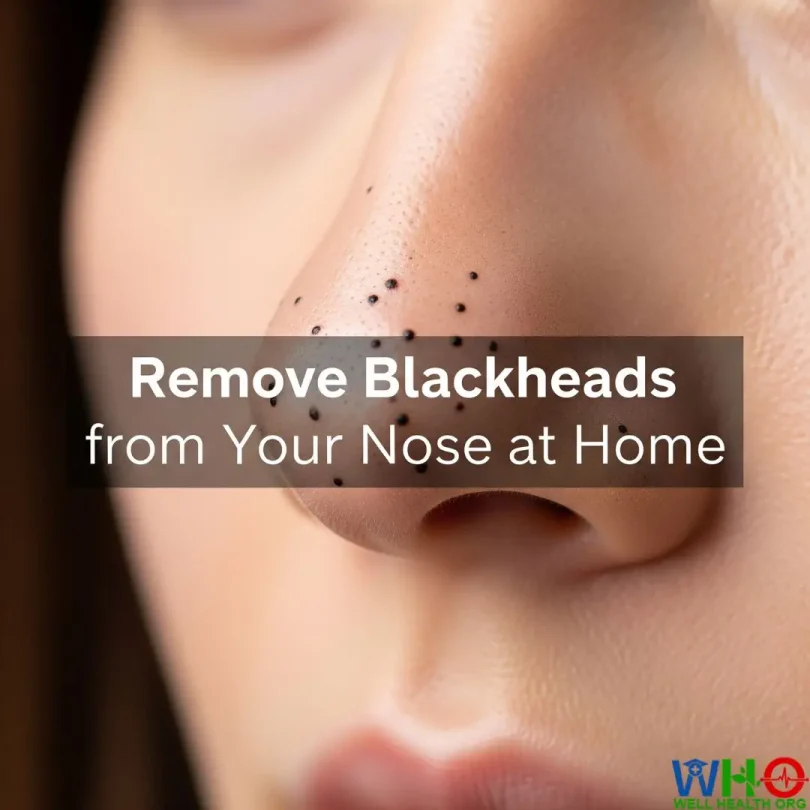
How to Remove Blackheads From Nose at Home — those tiny, dark dots that love to settle on your nose — can be incredibly stubborn. You wash, exfoliate, maybe even squeeze (though you shouldn’t), and somehow, they keep coming back. The truth is, removing blackheads doesn’t have to involve expensive treatments or harsh products. With the right understanding, care, and consistency, you can safely and effectively manage blackheads from the comfort of your home.
- Understanding Blackheads: What They Are and Why They Appear
- Common Causes of Blackheads on the Nose
- Effective Home Remedies for Removing Blackheads from Your Nose
- 1. Wash Your Face the Right Way
- 2. Exfoliate Gently — Don’t Scrub Harshly
- 3. Steam to Open Up Your Pores
- 4. Try Safe and Gentle Extraction (If Needed)
- 5. Apply Clay or Charcoal Masks
- 6. DIY Blackhead Masks from Natural Ingredients
- Preventing Blackheads: Building a Routine That Works
- 1. Create a Consistent Skincare Routine
- 2. Adjust Your Lifestyle Habits
- 3. Know When to See a Professional
- Your Journey to Clearer Skin
- Frequently Asked Questions (FAQs)
In this complete guide, you’ll learn what causes blackheads, how to treat them using proven home remedies, and, most importantly, how to prevent them from returning. Let’s dive into how to get that smooth, radiant, blackhead-free nose you’ve always wanted — naturally.
Understanding Blackheads: What They Are and Why They Appear
Before jumping into solutions, it’s crucial to understand what blackheads actually are. Many people think blackheads are trapped dirt or poor hygiene, but that’s a myth.
Blackheads form when pores (hair follicles) become clogged with a mixture of oil (sebum) and dead skin cells. Unlike whiteheads — which are closed comedones — blackheads remain open to the surface of the skin. When the trapped oil and debris come into contact with air, they oxidize, turning dark in color. That’s why they appear black or dark gray.
Blackheads are technically a mild form of acne and are most common on the nose, forehead, and chin, where oil glands are more active.
Common Causes of Blackheads on the Nose
Several factors contribute to the formation of blackheads:
- Excess Oil Production: Overactive sebaceous glands produce too much oil, which mixes with dead skin and blocks pores.
- Dead Skin Buildup: When skin isn’t exfoliated regularly, dead cells accumulate and clog pores.
- Hormonal Changes: Hormones can stimulate oil production, especially during puberty, menstruation, or stress.
- Bacteria and Pollution: Environmental impurities and bacteria can worsen congestion and inflammation.
- Improper Skincare: Using products that are too heavy, greasy, or irritating can exacerbate clogged pores.
Understanding these triggers is the first step to building a skincare plan that not only clears existing blackheads but also prevents new ones from forming.
Effective Home Remedies for Removing Blackheads from Your Nose
Blackhead removal doesn’t have to mean a trip to the dermatologist or a pricey facial. With the right techniques and a little patience, you can treat them at home effectively.
1. Wash Your Face the Right Way
A clean face is the foundation of clear skin. Washing your face twice a day — in the morning and before bed — removes excess oil, dirt, and bacteria that contribute to blackheads.
Tips for effective cleansing:
- Choose a gentle, non-comedogenic cleanser that won’t strip your skin. Look for ingredients like salicylic acid, tea tree oil, or green tea extract.
- Avoid over-washing — it can backfire by drying your skin and triggering more oil production.
- Always cleanse after workouts to remove sweat and bacteria buildup.
- Use lukewarm water — hot water can irritate skin and cause dryness.
Consistency is key. Over time, regular cleansing reduces the amount of oil and debris in your pores, making blackheads less likely to form.
2. Exfoliate Gently — Don’t Scrub Harshly
Exfoliation helps remove dead skin cells before they can clog pores. But harsh scrubs can actually make things worse by irritating your skin and causing microtears.
Instead, go for chemical exfoliants that dissolve dead skin and clear out pores more gently and effectively.
Best exfoliating ingredients for blackheads:
- Salicylic Acid (BHA): Penetrates deep into oily pores and breaks down buildup.
- Glycolic or Lactic Acid (AHAs): Brighten the skin’s surface while promoting new cell turnover.
- Niacinamide: Reduces inflammation and helps regulate oil production.
Use exfoliants 2–3 times a week, depending on your skin type. Over-exfoliation can cause redness, dryness, or peeling, so listen to your skin’s response.
3. Steam to Open Up Your Pores
A facial steam can work wonders before attempting blackhead extraction or applying masks. The warm steam loosens sebum and debris, softening clogged pores.
How to do it at home:
- Boil water and pour it into a large bowl.
- Let it cool for a minute, then lean over the bowl with a towel draped over your head to trap the steam.
- Steam for 5–10 minutes — not longer.
- Gently pat your skin dry and follow with a mask or treatment.
You can add natural ingredients like green tea, chamomile, or lavender oil to your steam for added soothing and antibacterial effects.
4. Try Safe and Gentle Extraction (If Needed)
After steaming, you can try gentle blackhead removal using a sterilized extraction tool. This should be done carefully to avoid damage:
- Sanitize your tool with alcohol before use.
- Apply gentle pressure — never force it.
- If a blackhead doesn’t come out easily, stop. Over-squeezing can cause scarring or inflammation.
If you’re unsure or your blackheads are deep and stubborn, it’s best to leave extractions to a professional esthetician.
5. Apply Clay or Charcoal Masks
Clay and charcoal are two of the best natural ingredients for clearing blackheads. They act like magnets, drawing out impurities and excess oil.
Clay Masks:
- Bentonite and kaolin clays absorb oil and gently detoxify the skin.
- Use once or twice a week to minimize shine and tighten pores.
Charcoal Masks:
- Activated charcoal binds to dirt and toxins, pulling them out of pores.
- Look for masks that combine charcoal with soothing ingredients like aloe or hyaluronic acid.
When used consistently, these masks can dramatically reduce blackhead buildup and improve overall skin texture.
6. DIY Blackhead Masks from Natural Ingredients
If you love natural skincare, DIY masks can be both effective and affordable.
Honey and Lemon Mask
- Honey has antibacterial and moisturizing properties.
- Lemon juice contains natural AHA (citric acid) to exfoliate.
Mix 1 tablespoon of honey with 3–4 drops of fresh lemon juice. Apply to your nose, leave on for 10–15 minutes, then rinse with warm water.
Oatmeal and Yogurt Mask
- Oatmeal soothes and gently exfoliates.
- Yogurt contains lactic acid to soften blackheads.
Blend 1 tablespoon of ground oatmeal with 2 tablespoons of plain yogurt and apply as a 15-minute mask.
Caution: Always do a patch test before trying any new mask, especially those with citrus, as it can cause sensitivity in sunlight.
Preventing Blackheads: Building a Routine That Works
Treating blackheads is one thing, but preventing them is where lasting results come from. Here’s how to keep your skin clear long-term:
1. Create a Consistent Skincare Routine
A solid skincare routine doesn’t have to be complicated, but it does need to be consistent.
Daily steps for blackhead prevention:
- Cleanser: Morning and night, use a gentle, oil-free cleanser.
- Exfoliant: 2–3 times per week to clear away dead cells.
- Retinoids: Retinol or adapalene helps speed up cell turnover, preventing clogs before they form.
- Moisturizer: Use a lightweight, non-comedogenic moisturizer to maintain balance.
- Sunscreen: Always finish your morning routine with an oil-free, broad-spectrum SPF — even on cloudy days.
Remember: Drying out your skin won’t stop blackheads. It will only cause your oil glands to work overtime, making things worse. Balance is key.
2. Adjust Your Lifestyle Habits
Your skincare routine works best when supported by healthy habits.
- Manage Stress: Stress hormones increase oil production. Try yoga, meditation, or deep breathing.
- Eat Skin-Friendly Foods: Focus on whole grains, leafy greens, and omega-3-rich foods like salmon and walnuts. Avoid excessive sugar and dairy, which can trigger acne in some people.
- Stay Hydrated: Water helps flush out toxins and keeps your skin hydrated.
- Don’t Touch Your Face: Your hands carry bacteria and oils that can clog pores.
- Change Pillowcases Often: Dirty pillowcases accumulate oil and bacteria — wash them weekly.
3. Know When to See a Professional
If blackheads persist despite your best efforts, or if they’re deep and painful, it may be time to see a dermatologist or licensed esthetician. They can perform safe extractions, chemical peels, or prescribe topical treatments tailored to your skin’s needs.
Professional treatments like microdermabrasion or salicylic acid peels can also deliver faster, more noticeable results for stubborn congestion.
Your Journey to Clearer Skin
Removing blackheads from your nose at home doesn’t have to be a never-ending struggle. With the right combination of gentle care, consistent habits, and smart product choices, you can clear your pores safely and maintain smoother, healthier-looking skin.
Remember: quick fixes rarely last. Focus on nurturing your skin instead of punishing it — and over time, your complexion will thank you.
Frequently Asked Questions (FAQs)
1. Can toothpaste remove blackheads?
No. Toothpaste can irritate and dry out your skin. It’s not formulated for facial use and may worsen acne.
2. How often should I exfoliate my nose?
Two to three times per week is ideal. Over-exfoliating can cause irritation and trigger more oil production.
3. Are pore strips good for blackheads?
Pore strips can temporarily remove surface blackheads but don’t address the root cause. They may also irritate sensitive skin.
4. Does diet really affect blackheads?
Yes, to some extent. High-glycemic foods and dairy may trigger more oil production in some people, while a balanced diet supports clearer skin.
5. How long does it take to see results from home remedies?
With consistent use of gentle exfoliation, cleansing, and masks, you may see improvement in 2–4 weeks. Patience and consistency are key.
Medically Reviewed by Prof. Dr. Akram
Orthopedic Surgeon | Professor | Senior Medical Specialist
Prof. Dr. Akram is a distinguished surgeon with over 15 years of clinical expertise. Having served as a lead Emergency Specialist at Complex International Government Hospital, he currently leads a specialized team of 13 medical professionals at his private hospital. As a Professor at top medical universities, he ensures that every article on WellHealthOrg.com meets rigorous clinical standards.
Medical Disclaimer:
The information provided is for educational purposes only and is not a substitute for professional medical advice, diagnosis, or treatment. Always consult your physician for any medical concerns.
Our content is rigorously fact-checked by our 13-member Editorial Team under the clinical supervision of Prof. Dr. Akram.







