
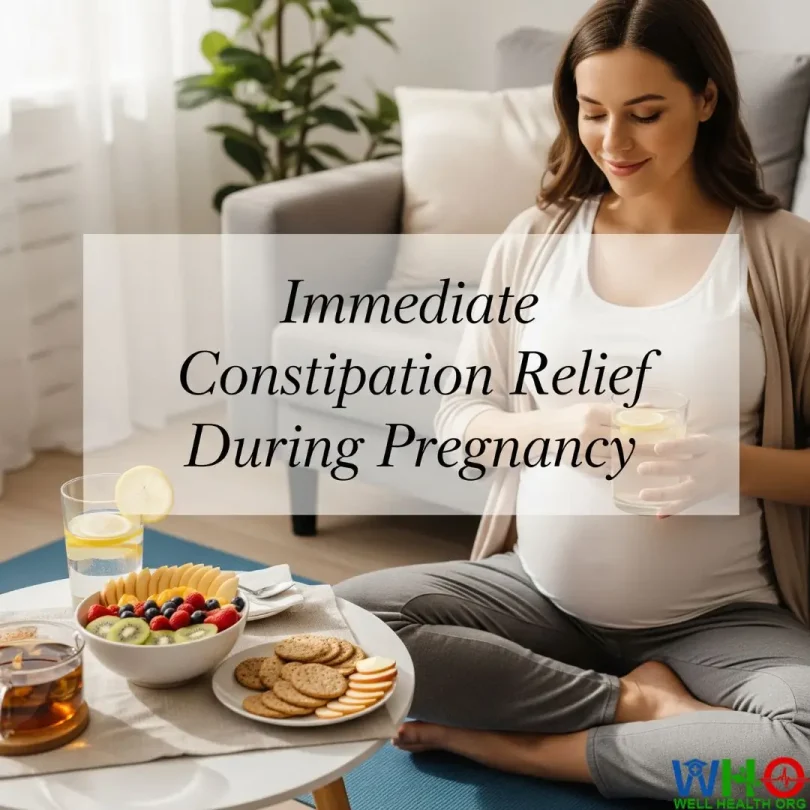
Immediate Constipation Relief During Pregnancy
Pregnancy is one of life’s most beautiful journeys — filled with excitement, anticipation, and miraculous changes happening inside your body. Yet, along with all the joy, many expecting mothers face an uncomfortable reality: constipation. If you’ve found yourself straining or feeling bloated more often since becoming pregnant, you’re far from alone. Research shows that between 16% and 39% of pregnant women experience constipation at some point during their pregnancy.
- Immediate Constipation Relief During Pregnancy
- 🤰 Understanding Why Pregnancy Often Leads to Constipation
- Hormonal Shifts: The Root Cause
- Physical Pressure from the Growing Uterus
- Iron Supplements: A Common Contributor
- Reduced Physical Activity
- Dehydration and Dietary Factors
- 💧 Hydration: The First Step Toward Immediate Relief
- Why Water Matters So Much
- How to Use Water for Quick Relief
- 🥗 Fiber: The Natural Way to Get Things Moving
- Soluble vs. Insoluble Fiber: What’s the Difference?
- Top Pregnancy-Safe Fiber Foods
- Fiber Tips for Pregnant Women
- 🚶♀️ Gentle Movement for Better Digestion
- Why Movement Helps
- Safe Pregnancy Exercises for Constipation Relief
- 🚽 The Toilet Position Trick: A Game Changer
- 🍋 Safe and Quick Home Remedies for Constipation During Pregnancy
- 1. Warm Lemon Water
- 2. The Prune Juice Protocol
- 3. Probiotics for Digestive Harmony
- 💊 When Natural Methods Need a Boost
- Magnesium Supplements
- Adjusting Prenatal Vitamins
- Doctor-Recommended Fiber Supplements
- 🚨 Red Flags: When to Contact Your Doctor Immediately
- ⚠️ What to Avoid During Pregnancy
- 🌸 Creating a Daily Routine for Prevention
- 🌼 Your Path to a Comfortable, Healthy Pregnancy
Constipation during pregnancy can be frustrating, but it’s also perfectly normal. The good news is that you don’t need to rely on harsh laxatives or unsafe remedies to find relief. There are gentle, natural, and doctor-approved home remedies that can ease constipation, promote better digestion, and keep both you and your baby safe.
This comprehensive guide will help you understand why constipation happens during pregnancy, explore safe home remedies that can bring quick relief, and share preventive strategies so you can stay comfortable throughout this special time.
🤰 Understanding Why Pregnancy Often Leads to Constipation
Constipation isn’t just about diet — it’s a physiological response to the many hormonal and physical changes your body undergoes during pregnancy.

Hormonal Shifts: The Root Cause
The main culprit behind pregnancy-related constipation is progesterone, a hormone your body produces in higher amounts to support your baby’s growth. Progesterone relaxes smooth muscle tissue — including the muscles of your intestinal walls. While this relaxation helps your uterus stretch and grow, it also slows down your digestive system. The result? Food moves more sluggishly through your intestines, causing stools to harden and making bowel movements less frequent.
Physical Pressure from the Growing Uterus
As your pregnancy progresses, your uterus expands and begins to press against your intestines. This added pressure makes it more difficult for waste to move through your colon smoothly, often leading to bloating, gas, and irregular bowel habits.
Iron Supplements: A Common Contributor
Most prenatal vitamins contain iron, which is crucial for preventing anemia and supporting your baby’s development. However, iron can be a double-edged sword — it can cause your stools to become dry and hard, making them more difficult to pass. Some women experience significant constipation when taking high-iron prenatal supplements.
Reduced Physical Activity
Fatigue, nausea, and the general discomforts of pregnancy may lead you to slow down your daily activity. While rest is essential, too much inactivity can further slow down your digestive system, making constipation worse.
Dehydration and Dietary Factors
Pregnancy increases your body’s need for fluids. If you aren’t drinking enough water, your colon will draw moisture from stool to meet your body’s needs — leaving waste dry and compact. A diet low in fiber compounds the problem, leading to fewer and more difficult bowel movements.
Understanding these causes gives you the power to make targeted, gentle changes that support your digestion and help you stay comfortable.
💧 Hydration: The First Step Toward Immediate Relief
When dealing with constipation during pregnancy, hydration is your best friend. It’s one of the simplest, safest, and most effective remedies you can try right away.

Why Water Matters So Much
Water helps soften stool and keeps everything moving through your intestines. During pregnancy, your blood volume increases significantly, and your body uses more fluid to support your growing baby, amniotic sac, and placenta. This means you need extra hydration just to maintain balance.
How to Use Water for Quick Relief
Start your morning with a large glass of warm water and fresh lemon juice. The warmth stimulates digestion, and lemon adds a touch of natural acidity to encourage bowel contractions. Think of it as a gentle morning “wake-up call” for your digestive system.
Aim for 8–12 cups (2–3 liters) of water throughout the day. Keep a reusable water bottle nearby and sip consistently rather than gulping large amounts at once — steady hydration works better than intermittent bursts.
If plain water feels monotonous, try:
- Infused water with slices of cucumber, mint, or citrus fruits.
- Coconut water, rich in electrolytes and pregnancy-safe.
- Warm herbal teas, such as ginger, peppermint, or chamomile — all known for their soothing digestive benefits.
⚠️ Avoid senna or other “detox” teas. Senna acts as a stimulant laxative, which can trigger uterine contractions and is unsafe during pregnancy.
🥗 Fiber: The Natural Way to Get Things Moving
Next to hydration, fiber is your second line of defense against constipation. It helps add bulk and softness to your stool, making it easier to pass.

Soluble vs. Insoluble Fiber: What’s the Difference?
- Soluble fiber dissolves in water to form a gel-like substance, softening stool and promoting smooth bowel movements. Found in oats, apples, and legumes.
- Insoluble fiber adds bulk and helps waste move more efficiently through your intestines. Found in vegetables, bran, and whole grains.
Top Pregnancy-Safe Fiber Foods
- Prunes: Nature’s most reliable laxative. They contain both fiber and sorbitol, a natural sugar alcohol that draws water into your intestines.
➤ How to use: Eat 3–5 prunes as a snack or drink ½ cup (about 4 ounces) of prune juice. Relief often comes within a few hours. - Applesauce and Stewed Pears: Softer on your stomach than raw fruits, these provide soluble fiber and gentle relief.
- Ground Flaxseed: Rich in omega-3s and fiber. Mix one tablespoon into a glass of warm milk or water and drink immediately before it thickens.
- Whole Grains: Oatmeal, brown rice, and whole wheat bread are ideal breakfast and lunch staples to maintain regularity.
- Legumes: Lentils, chickpeas, and black beans offer a blend of fiber and protein that keeps digestion steady.
Fiber Tips for Pregnant Women
Increase fiber gradually to prevent bloating and gas. When you boost fiber intake, always increase water consumption at the same time — otherwise, fiber can actually worsen constipation.
🚶♀️ Gentle Movement for Better Digestion
It’s tempting to rest more during pregnancy — and you should — but incorporating light exercise can make a world of difference in easing constipation.
Why Movement Helps
Exercise stimulates the natural contractions of your intestines (called peristalsis), helping stool move more efficiently through your colon. It also boosts circulation, reduces bloating, and improves overall mood and energy.
Safe Pregnancy Exercises for Constipation Relief
- Walking: A simple 10–15 minute walk after meals can significantly improve digestion.
- Prenatal Yoga: Gentle yoga poses, such as the Cat-Cow stretch or Child’s Pose, can help relieve trapped gas and stimulate bowel movement.
- Pelvic Tilts: While lying on your back or side, gently rock your hips to improve colon movement and strengthen your lower back.
Avoid intense workouts or abdominal exercises — these can strain your core or lead to discomfort.
🚽 The Toilet Position Trick: A Game Changer
You might be surprised to learn that how you sit on the toilet can make constipation worse — or better.
When sitting in a standard seated position, your rectum forms a slight kink that makes stool passage more difficult. By elevating your feet (using a small footstool or stack of books), your knees rise above your hips, mimicking a natural squatting position.
This posture straightens your rectum and relaxes the puborectalis muscle, allowing stool to pass more easily — often making elimination quicker and less painful.
Try this simple adjustment next time you use the bathroom. Many women report near-instant improvement once they adopt this position regularly.
🍋 Safe and Quick Home Remedies for Constipation During Pregnancy
When constipation strikes and you need fast, gentle relief, these natural methods can help you feel better within hours.

1. Warm Lemon Water
Start your day with warm lemon water on an empty stomach. The warmth hydrates, and lemon’s natural acidity stimulates digestive juices. For extra benefit, add a teaspoon of honey for mild sweetness and additional soothing effects.
2. The Prune Juice Protocol
Keep a bottle of 100% pure prune juice in your refrigerator. Drink 4–6 ounces when constipation sets in. You can dilute it with a bit of apple or pear juice if the taste is too strong. Most people notice results within 2–4 hours.
3. Probiotics for Digestive Harmony
Healthy gut bacteria are crucial for regular bowel movements. Include probiotic-rich foods like:
- Yogurt with live cultures
- Kefir
- Fermented vegetables such as sauerkraut or kimchi (in moderation)
You can also ask your healthcare provider about a pregnancy-safe probiotic supplement.
💊 When Natural Methods Need a Boost
Sometimes, even the most consistent home care isn’t enough. In these cases, there are safe, mild medical options — but always consult your doctor first.
Magnesium Supplements
Magnesium naturally draws water into the intestines, softening stool. Magnesium citrate or magnesium oxide can be effective, but dosage and form should always be guided by your healthcare provider to avoid electrolyte imbalance.
Adjusting Prenatal Vitamins
If your prenatal vitamin contains a high dose of iron and you notice constipation worsening, talk to your doctor. They may recommend a different formula with less iron or one that includes a gentle stool softener.
Doctor-Recommended Fiber Supplements
Pregnancy-safe fiber supplements such as psyllium husk or methylcellulose can add bulk to stool without harsh side effects. Always pair them with sufficient hydration.
🚨 Red Flags: When to Contact Your Doctor Immediately
Constipation during pregnancy is common, but certain symptoms signal the need for medical attention:
- No bowel movement for more than 3 days
- Severe abdominal pain or cramping
- Blood in your stool
- Nausea and vomiting accompanying constipation
- Signs of dehydration, such as dizziness or dark urine
Your doctor can rule out complications like bowel obstruction or provide safe, temporary medication to ease your discomfort.
⚠️ What to Avoid During Pregnancy
Not all constipation remedies are safe when you’re expecting. Avoid the following unless explicitly approved by your healthcare provider:
- Stimulant laxatives (like bisacodyl or senna): Can cause uterine contractions.
- Mineral oil-based laxatives: May interfere with vitamin absorption.
- Castor oil: Can trigger premature labor.
- Aloe vera latex or inner leaf extract: Strong laxative properties unsafe during pregnancy.
When in doubt, always consult your healthcare professional before trying any new supplement or herbal remedy.
🌸 Creating a Daily Routine for Prevention
The best way to prevent constipation during pregnancy is to build healthy habits into your everyday life.
Morning: Start with warm lemon water.
Meals: Include fruits, vegetables, and whole grains at each meal.
Hydration: Keep your water bottle handy — aim to sip every 15–20 minutes.
Movement: Take short walks throughout the day or after meals.
Toilet routine: Try to use the bathroom at the same time daily, ideally after breakfast when digestion is active.
Consistency helps your body form a regular rhythm, making bowel movements more predictable and comfortable.
🌼 Your Path to a Comfortable, Healthy Pregnancy
Constipation may be one of pregnancy’s less glamorous symptoms, but it doesn’t have to rule your days. With the right mix of hydration, fiber, gentle exercise, and mindful habits, you can relieve constipation naturally and safely — no harsh chemicals required.
These natural remedies support your body’s unique needs during pregnancy while protecting your baby’s well-being. Remember, constipation is temporary. By treating your digestive system with patience and care, you’ll not only feel better but also improve nutrient absorption — ensuring that both you and your baby stay healthy and nourished.
If home remedies aren’t enough, never hesitate to reach out to your healthcare provider. Relief is possible, and your comfort matters just as much as your baby’s growth.
🥣 Sample Daily Meal Plan for Preventing Constipation During Pregnancy
A well-balanced diet is one of the most effective ways to keep your digestive system regular throughout pregnancy. Below is a pregnancy-safe daily meal plan focused on fiber, hydration, and gut-friendly nutrients — all of which promote smooth digestion and comfort.
Morning Routine: Hydration and Activation
Upon Waking: Start with a large glass of warm lemon water to stimulate your digestive tract.
Breakfast:
Oatmeal topped with sliced bananas and chia seeds.
Add a drizzle of honey and a handful of blueberries for extra antioxidants.
Optional: A cup of ginger or peppermint tea for gentle morning digestion.
👉 Why it helps: Oats contain soluble fiber that softens stool, while chia seeds add omega-3s and bulk. The fruit provides natural sugars and moisture to help keep everything moving.
Mid-Morning Snack
Greek yogurt with live probiotics and a tablespoon of ground flaxseed.
Drink one glass of water or coconut water afterward.
👉 Why it helps: Yogurt supports gut health by balancing bacteria, while flaxseed adds gentle fiber and healthy fats that aid bowel movements.
Lunch
Mixed salad with spinach, chickpeas, shredded carrots, cucumber, and avocado.
Dress it with olive oil and lemon juice, which lubricates your digestive tract naturally.
Serve with a slice of whole-grain bread or a small portion of brown rice.
👉 Why it helps: Greens and legumes add bulk and moisture to your stool, while healthy fats make digestion smoother and more efficient.
Afternoon Snack
Prunes or dates (3–5 pieces)
A cup of herbal tea or infused water with mint and cucumber.
👉 Why it helps: Prunes act as a natural laxative, while hydration ensures stool softness and consistency.
Dinner
Grilled salmon or lentil stew, paired with steamed broccoli, carrots, and quinoa.
End with a small bowl of applesauce or pear puree for dessert.
👉 Why it helps: Quinoa and lentils provide protein and fiber; cooked vegetables are gentle on digestion. Apples and pears contain pectin, a soluble fiber that prevents constipation.
Before Bed
A warm glass of milk with honey or a cup of chamomile tea.
Take a few deep breaths or do light stretching to relax your digestive muscles.
🌿 Additional Natural Aids and Techniques for Constipation Relief
Beyond diet and hydration, there are other gentle, natural practices that can provide quick relief and help you maintain regularity throughout your pregnancy.
- Abdominal Massage (Gentle Only!)
Lightly massaging your abdomen can encourage bowel movement. Using circular motions, start at your right lower abdomen, move upward, across your belly, and down your left side.
⚠️ Important: Only do this in the second or third trimester with your healthcare provider’s approval. Avoid deep pressure — this should feel soothing, not forceful.
- Warm Compress or Bath
A warm (not hot) bath can relax your abdominal muscles and stimulate bowel movement. Add a few drops of lavender essential oil (if approved by your doctor) for relaxation.
- Breathing and Relaxation Techniques
Stress can tighten abdominal muscles and interfere with digestion. Practice deep belly breathing for five minutes each day — inhale deeply, hold for two seconds, and exhale slowly. It helps stimulate your parasympathetic nervous system, which controls digestion.
- Consistent Routine
Try to use the bathroom at the same time every day, ideally after breakfast when digestion is most active. Over time, your body will adapt, making bowel movements more predictable.
👩⚕️ Expert Insights: What Doctors Recommend for Pregnancy Constipation
Obstetricians and nutritionists emphasize that constipation during pregnancy is a symptom of slowed digestion, not a disease. Therefore, treating it requires patience and consistency rather than quick-fix solutions.
Key Professional Recommendations
Hydrate first, supplement second. Most doctors suggest addressing dehydration and fiber intake before considering supplements or stool softeners.
Choose prenatal vitamins wisely. If iron is causing trouble, your doctor may switch you to a gentle iron formula or split your dosage throughout the day.
Don’t skip meals. Irregular eating patterns can confuse your digestive system and worsen constipation.
Include probiotics daily. Whether through food or supplements, they help regulate bowel flora and prevent hard stools.
Medical Options (When Necessary)
If lifestyle and dietary adjustments don’t bring relief, your provider might recommend:
Docusate sodium: A mild stool softener considered safe for pregnancy.
Bulk-forming fiber supplements: Such as psyllium (Metamucil) or methylcellulose.
Lactulose syrup: Occasionally prescribed for chronic constipation but should only be used under supervision.
Remember — avoid self-medicating. Even “natural” products can affect your pregnancy differently.
🌸 Constipation During Each Trimester: What to Expect
Constipation doesn’t affect every pregnancy the same way. Here’s how it typically progresses and what you can do at each stage.
First Trimester
Hormones begin to rise rapidly. Early nausea or food aversions might reduce your fiber intake, leading to sluggish digestion.
Tips: Focus on fluids, small frequent meals, and soft fruits like pears and papaya.
Second Trimester
As your appetite returns, iron supplements and a growing uterus often make constipation worse.
Tips: Increase fiber gradually, prioritize walking after meals, and make prune juice part of your daily routine.
Third Trimester
Pressure from the baby is at its peak, and physical discomfort can limit activity.
Tips: Continue hydration, use elevated toilet posture, and consult your doctor if you go more than 2–3 days without a bowel movement.
🍼 Myths and Facts About Constipation During Pregnancy
Let’s clear up some common misconceptions that can cause confusion or unnecessary worry.
Myth Reality
Drinking coffee is the best way to relieve constipation. Caffeine can cause dehydration and may not be safe in high amounts during pregnancy. Water and fiber are better long-term solutions.
Laxatives are harmless because they’re “natural.” Some laxatives and herbal teas (like senna or aloe) can cause uterine contractions and are unsafe for pregnant women.
Skipping meals can give your digestion a rest. Skipping meals slows down digestion further. Regular, balanced meals are key to bowel regularity.
Constipation is just a nuisance. Persistent constipation can lead to hemorrhoids or rectal pain, so it’s best to treat it early.
🌼 Real-Life Experiences: What Other Expectant Mothers Have Found Helpful
Many women share their own successful strategies for relieving constipation naturally during pregnancy.
Amelia, 28 weeks pregnant: “Switching to warm lemon water every morning changed everything for me. It’s a small ritual that keeps me regular and energized.”
Priya, first pregnancy: “My doctor recommended probiotic yogurt and prune juice. Within a week, my digestion felt lighter and more comfortable.”
Sarah, mother of two: “I used a footstool when going to the bathroom — I never realized posture mattered so much! It made a huge difference.”
Hearing what works for others can offer encouragement, but remember — every body is different. Always tailor your routine to your comfort and consult your healthcare provider when necessary.
🧘♀️ Combining Remedies for the Best Results
No single solution works for everyone. The best approach is a combination of gentle remedies practiced consistently.
Here’s an example of a daily constipation-relief routine:
Morning: Warm lemon water + light stretching.
Breakfast: Oatmeal with chia seeds and banana.
Midday: 10-minute walk after lunch.
Afternoon: Prune juice or probiotic yogurt.
Evening: Fiber-rich dinner and elevated toilet posture.
Bedtime: Chamomile tea and deep breathing to relax your muscles.
Consistency is key. Most women notice significant improvement within 3 to 5 days of following a structured routine like this.
🧡 When to Seek Professional Help
If constipation persists despite your best efforts, don’t ignore it. Prolonged constipation can lead to hemorrhoids, anal fissures, or unnecessary discomfort.
Your doctor may:
Check for underlying conditions such as thyroid issues or gestational hormonal imbalances.
Adjust your prenatal supplement plan.
Recommend safe, short-term medication.
You’re not failing by seeking help — in fact, proactive care keeps both you and your baby safer and more comfortable.
🌷 The Takeaway: Embrace Gentle, Consistent Care
Constipation is one of the most common — yet most manageable — challenges during pregnancy. With hydration, fiber, light exercise, and patience, you can restore regularity and feel comfortable again.
These home remedies don’t just bring relief; they also promote overall wellness, better nutrient absorption, and improved mood. Remember to listen to your body, make small consistent changes, and lean on your healthcare provider whenever you need reassurance.
Pregnancy may slow things down a little — but with the right care, your digestion doesn’t have to be one of them.
🧾 FAQs About Constipation During Pregnancy
- How quickly do home remedies like lemon water or prune juice work?
Many women experience relief within 2 to 4 hours after drinking prune juice or warm lemon water. However, regular hydration and fiber intake yield more lasting results over several days.
- Can constipation harm my baby?
No — constipation affects your comfort, not your baby’s health. However, chronic constipation can lead to hemorrhoids or strain, so addressing it early is best for both of you.
- Are probiotics safe to take during pregnancy?
Yes, probiotics are generally safe and beneficial during pregnancy. Choose live-culture yogurts or doctor-approved supplements.
- What’s the safest stool softener during pregnancy?
Docusate sodium (Colace) is commonly recommended for pregnant women. Always consult your doctor before using it.
- How can I keep constipation from coming back after delivery?
Continue drinking water, eating fiber-rich foods, and staying active post-delivery. Your body is still adjusting hormonally, and these habits support long-term digestive health.
Medically Reviewed by Prof. Dr. Akram
Orthopedic Surgeon | Professor | Senior Medical Specialist
Prof. Dr. Akram is a distinguished surgeon with over 15 years of clinical expertise. Having served as a lead Emergency Specialist at Complex International Government Hospital, he currently leads a specialized team of 13 medical professionals at his private hospital. As a Professor at top medical universities, he ensures that every article on WellHealthOrg.com meets rigorous clinical standards.
Medical Disclaimer:
The information provided is for educational purposes only and is not a substitute for professional medical advice, diagnosis, or treatment. Always consult your physician for any medical concerns.
Our content is rigorously fact-checked by our 13-member Editorial Team under the clinical supervision of Prof. Dr. Akram.







