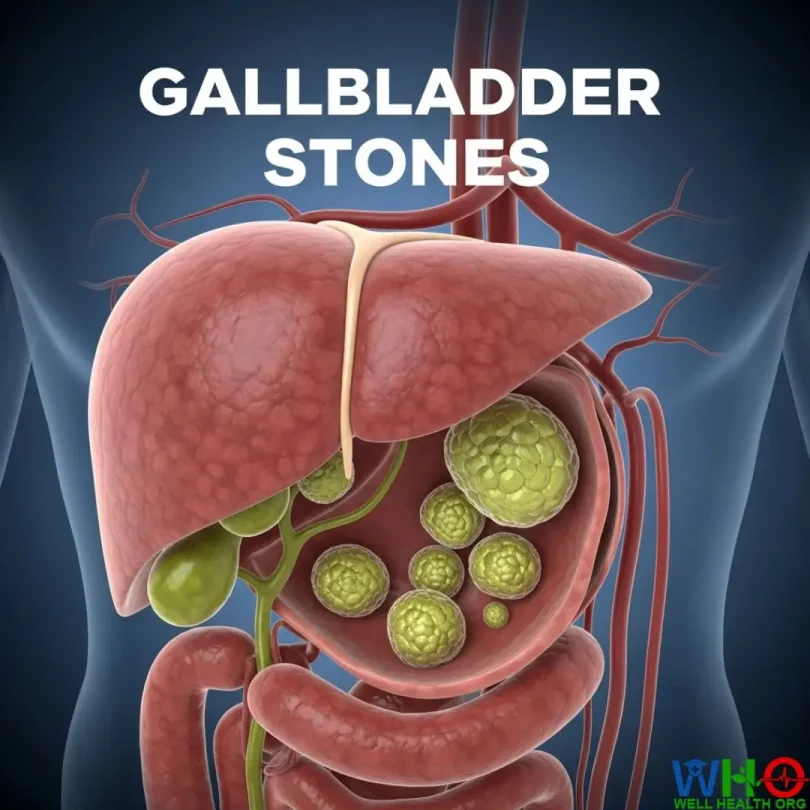
Gall Bladder Stones
Gallstones can turn an ordinary day into a painful experience. One moment, you’re feeling fine — the next, there’s a sharp pain under your ribs that radiates to your back or shoulder. For many people, this isn’t just a one-time event but a recurring problem caused by hardened deposits forming in the gallbladder.
- Gall Bladder Stones
- Understanding Gallstones: What’s Really Going On Inside Your Body
- Common Symptoms of Gallstones
- Why Do Gallstones Form? The Hidden Triggers
- Dietary Changes: What to Eat (and What to Skip)
- Best Foods for Gallbladder Health
- Foods to Avoid
- Smart Eating Habits That Make a Difference
- Herbal and Natural Remedies for Gallstones
- 1. Milk Thistle
- 2. Artichoke Extract
- 3. Dandelion Root Tea
- 4. Gold Coin Grass (Lysimachiae Herba)
- 5. Peppermint Oil
- Lifestyle Changes That Support Gallbladder Function
- 1. Stay Active
- 2. Maintain a Healthy Weight (But Avoid Crash Diets)
- 3. Manage Stress
- 4. Limit Alcohol and Quit Smoking
- Gallbladder Cleanses: Helpful or Harmful?
- When to See a Doctor
- Your Path to Gallbladder Health
- FAQs About Home Remedies for Gallstones
While surgery and medication are common medical options, not everyone wants to go under the knife right away. That’s where natural home remedies for gallstones come in. With smart lifestyle changes, dietary adjustments, and a few time-tested herbal supports, many people find real relief — and even prevent future attacks.
This comprehensive guide explains what gallstones are, why they form, and how to manage them naturally. You’ll learn which foods support gallbladder health, which to avoid, how herbal remedies can help, and when it’s time to see a doctor.
Understanding Gallstones: What’s Really Going On Inside Your Body
Your gallbladder is a small, pear-shaped organ tucked just beneath your liver. It acts as a storage tank for bile — a yellow-green digestive fluid that helps break down fats. When you eat, your gallbladder releases bile into your small intestine to aid digestion.
Gallstones form when the components of bile become unbalanced. Most often, this happens when there’s too much cholesterol or bilirubin (a pigment formed when red blood cells break down), or when the gallbladder doesn’t empty completely. These small, solid particles can range in size from a grain of sand to a golf ball.
There are two main types of gallstones:
- Cholesterol gallstones: The most common type, often yellow-green, formed when there’s too much cholesterol in the bile.
- Pigment gallstones: Made mostly of bilirubin, these are smaller, darker, and more common in people with certain liver or blood conditions.
Many people with gallstones don’t even know they have them. But when a stone blocks the flow of bile, it can trigger intense pain — often referred to as a gallbladder attack.
Common Symptoms of Gallstones
- Sharp or cramping pain in the upper right abdomen (often after eating fatty foods)
- Pain radiating to the right shoulder or back
- Nausea or vomiting
- Indigestion or bloating
- Fever and chills (if infection occurs)
- Yellowing of the skin or eyes (jaundice)
- Clay-colored or gray stools
Doctors typically diagnose gallstones using ultrasound or CT scans to get a clear view of the gallbladder and bile ducts.
Why Do Gallstones Form? The Hidden Triggers
Gallstones develop for a mix of dietary, hormonal, and genetic reasons. Understanding the root cause helps you take proactive steps to prevent them.
- Excess cholesterol: When bile contains too much cholesterol and not enough bile salts, it can crystallize into stones.
- Poor bile flow: If the gallbladder doesn’t empty completely or frequently enough, bile becomes stagnant — allowing stones to form.
- Hormonal changes: Pregnancy, birth control pills, and hormone therapy can all increase cholesterol levels in bile.
- Rapid weight loss: Losing weight too quickly can disrupt bile composition and increase the risk of gallstone formation.
- Poor diet: High-fat, high-sugar, and low-fiber diets are among the leading dietary triggers.
Simply put, gallstones are often the body’s way of saying, “Something’s off in your digestion or metabolism.”
Dietary Changes: What to Eat (and What to Skip)
Your diet plays one of the biggest roles in both preventing and managing gallstones. Think of food as your daily medicine — what you eat can either inflame the problem or soothe it.
Best Foods for Gallbladder Health
- High-fiber foods:
Whole grains, fruits, vegetables, and legumes help your digestive system run smoothly and prevent cholesterol buildup. Oats, beans, and lentils are particularly effective. - Healthy fats — in moderation:
Your body still needs fats to trigger bile release. Choose heart-healthy options like olive oil, flaxseed oil, and avocados instead of fried or processed fats. - Lean proteins:
Opt for fish, turkey, chicken, tofu, or lentils. These are easier to digest than fatty cuts of red meat. - Vitamin C-rich foods:
Citrus fruits, bell peppers, and strawberries may help your body convert cholesterol into bile acids more effectively, reducing stone formation risk. - Plant-based meals:
People who eat mostly plant-based diets tend to have fewer gallbladder issues. Try swapping red meat for beans or tofu a few times a week.
Foods to Avoid
Some foods are known triggers for gallstone pain and inflammation:
- Fried and fatty foods (burgers, fries, creamy sauces)
- Processed meats like sausages or bacon
- Full-fat dairy (butter, cheese, cream)
- Refined carbohydrates (white bread, pastries, sugary cereals)
- Highly processed snacks (chips, packaged desserts)
If you suspect a certain food triggers your symptoms, keep a food diary to identify and eliminate it.
Smart Eating Habits That Make a Difference
Beyond what you eat, how you eat can significantly impact your gallbladder health.
- Eat smaller, more frequent meals. Large meals make your gallbladder contract harder, which can trigger pain if stones are present.
- Chew thoroughly and eat slowly. This helps with digestion and reduces pressure on the gallbladder.
- Don’t skip meals. Regular eating helps maintain consistent bile flow.
- Stay hydrated. Aim for 8–10 glasses of water a day to keep bile diluted and flowing smoothly.
- Limit late-night eating. Give your digestive system time to rest before bed.
These habits not only reduce gallbladder attacks but also improve your overall digestive efficiency.
Herbal and Natural Remedies for Gallstones
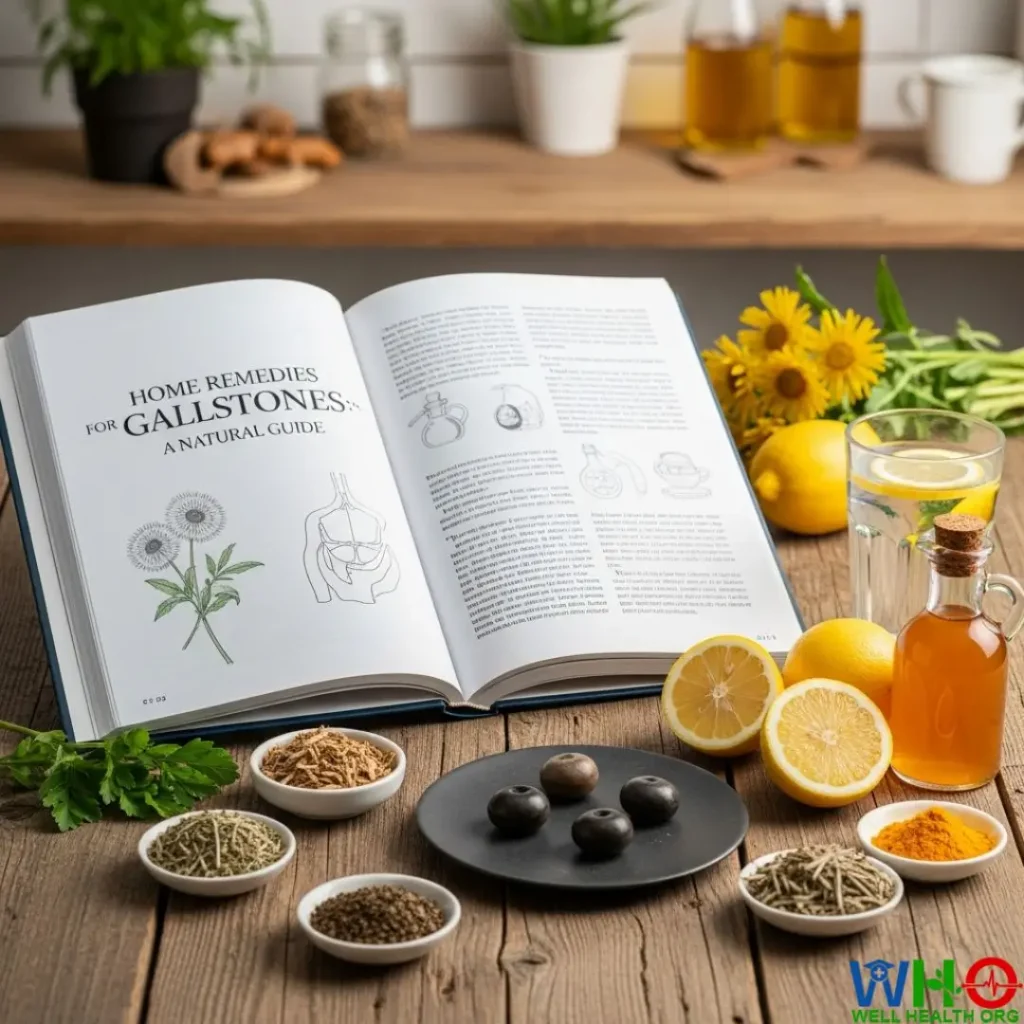
While no herbal remedy can “dissolve” gallstones completely, certain herbs and natural treatments may support liver function, improve bile flow, and reduce inflammation. Always consult your doctor before trying new supplements, especially if you’re pregnant or taking medication.
1. Milk Thistle
Milk thistle (Silybum marianum) has been used for centuries to support liver and gallbladder health. The active compound, silymarin, acts as an antioxidant and may protect liver cells while promoting bile production.
How to use:
You can find milk thistle as capsules or teas. A standard dose is around 200–400 mg daily, but always check with your healthcare provider first.
2. Artichoke Extract
Artichokes aren’t just delicious — their extract has been shown to stimulate bile flow, which may help prevent stone formation. Steamed or roasted artichokes can be a great dietary addition.
Pro tip:
Try incorporating artichoke hearts into salads or pasta for a flavorful, gallbladder-friendly meal.
3. Dandelion Root Tea
Dandelion root supports both the liver and gallbladder by promoting bile production and flow. It’s mildly detoxifying and can be consumed as a daily tea.
Preparation:
Steep 1 teaspoon of dried dandelion root in a cup of boiling water for 10 minutes. Drink it 1–2 times daily.
4. Gold Coin Grass (Lysimachiae Herba)
Used in traditional Chinese medicine, gold coin grass is thought to help soften gallstones and improve bile drainage. Though scientific research is limited, many natural practitioners recommend it as part of a holistic approach.
5. Peppermint Oil
Peppermint has antispasmodic properties that can ease gallbladder pain and improve bile flow. It’s often available as capsules or used as peppermint tea.
Lifestyle Changes That Support Gallbladder Function
You can’t control everything that affects your gallbladder, but lifestyle habits play a major role in managing symptoms and preventing stone formation.
1. Stay Active
Regular exercise improves digestion, helps control weight, and balances cholesterol — all essential for preventing gallstones.
Aim for at least 30 minutes of moderate exercise five times a week. Brisk walking, yoga, and swimming are great options.
2. Maintain a Healthy Weight (But Avoid Crash Diets)
Obesity is one of the strongest risk factors for gallstones, but losing weight too quickly can backfire. Rapid weight loss changes bile chemistry, increasing stone formation risk.
Instead, aim to lose 1–2 pounds per week through balanced eating and physical activity.
3. Manage Stress
Chronic stress affects digestion and bile flow. Try incorporating mindfulness practices like deep breathing, gentle yoga, or meditation to help regulate your body’s stress response.
4. Limit Alcohol and Quit Smoking
Both alcohol and smoking can impair liver function and worsen gallbladder inflammation. Reducing or eliminating these habits will improve your overall digestive health.
Gallbladder Cleanses: Helpful or Harmful?
You may have heard about “gallbladder flushes” that claim to dissolve stones using olive oil, lemon juice, or herbal concoctions. While these cleanses are popular online, there’s no scientific evidence that they actually remove gallstones. In fact, they can be dangerous — sometimes triggering painful attacks or dehydration.
Stick to evidence-based natural remedies and consult your healthcare provider before attempting any cleanse or detox.
When to See a Doctor
Even if you prefer natural treatments, there are times when professional medical care is absolutely necessary. Seek immediate medical help if you experience:
- Severe or persistent abdominal pain (lasting more than 4–5 hours)
- High fever or chills
- Jaundice (yellowing of the skin or eyes)
- Vomiting or inability to keep fluids down
- Gray or pale stools
These could indicate a blocked bile duct or gallbladder infection, which requires urgent treatment. In some cases, surgery to remove the gallbladder (cholecystectomy) may be the safest option.
Your Path to Gallbladder Health
Managing gallstones naturally isn’t about quick fixes — it’s about creating lasting habits that support your body’s balance. By eating a nutrient-rich, fiber-filled diet, staying active, and supporting your liver with gentle herbs, you can reduce gallstone symptoms and protect your digestive health for the long term.
Remember, each person’s body responds differently. Keep a journal to track what triggers or relieves your symptoms, and discuss your progress with your healthcare provider.
You don’t have to live with gallstone pain forever. With consistency, awareness, and a bit of patience, it’s entirely possible to live comfortably and keep your gallbladder healthy — naturally.
FAQs About Home Remedies for Gallstones
1. Can gallstones go away on their own?
Small gallstones may pass naturally, but most don’t dissolve completely without medical or surgical help. However, natural remedies can reduce symptoms and prevent new stones from forming.
2. Is apple cider vinegar good for gallstones?
Apple cider vinegar is a popular folk remedy, but there’s no scientific proof that it dissolves gallstones. Still, its mild acidity may support digestion when used in small amounts (like diluted in water before meals).
3. Can I prevent gallstones through diet alone?
Yes, to a large extent. A balanced diet rich in fiber, fruits, and healthy fats can help maintain proper bile composition and reduce gallstone risk.
4. Are herbal supplements safe during pregnancy?
Not all herbs are safe for pregnant women. Always consult your healthcare provider before taking any supplement, especially herbal remedies, while pregnant or breastfeeding.
5. Is surgery always necessary for gallstones?
Not always. If your stones are small and not causing severe symptoms, lifestyle changes and natural remedies may be enough. However, recurring or severe attacks often require medical treatment.
Medically Reviewed by Prof. Dr. Akram
Orthopedic Surgeon | Professor | Senior Medical Specialist
Prof. Dr. Akram is a distinguished surgeon with over 15 years of clinical expertise. Having served as a lead Emergency Specialist at Complex International Government Hospital, he currently leads a specialized team of 13 medical professionals at his private hospital. As a Professor at top medical universities, he ensures that every article on WellHealthOrg.com meets rigorous clinical standards.
Medical Disclaimer:
The information provided is for educational purposes only and is not a substitute for professional medical advice, diagnosis, or treatment. Always consult your physician for any medical concerns.
Our content is rigorously fact-checked by our 13-member Editorial Team under the clinical supervision of Prof. Dr. Akram.