
Introduction Bee Stings
Bee stings can turn a peaceful day outdoors into an unexpectedly painful one. Whether you’re tending your garden, hiking along a trail, or enjoying a sunny picnic, encountering a bee is sometimes unavoidable. Fortunately, most bee stings are mild and can be safely and effectively treated at home using simple, natural remedies that you probably already have in your kitchen or bathroom cabinet.
- Introduction Bee Stings
- Understanding Bee Stings: What Really Happens Beneath the Skin
- Immediate First Aid for Bee Stings: Acting Fast Makes All the Difference
- 1. Remove the Stinger — But Do It the Right Way
- 2. Clean the Area Thoroughly
- 3. Apply Cold Compress or Ice Pack
- Powerful and Proven Household Remedies for Bee Stings
- Baking Soda Paste: The Classic Alkaline Neutralizer
- Raw Honey: Nature’s Golden Healer
- Apple Cider Vinegar: The Natural Venom Neutralizer
- Alternative Natural Remedies You Can Try
- Mud or Clay Poultice: The Ancient Cooling Remedy
- Fresh Onion: A Surprisingly Effective Natural Soother
- Aloe Vera Gel: Cooling Relief Straight from Nature
- Meat Tenderizer Solution: A Surprising Enzyme-Based Remedy
- Toothpaste: The Unexpected Quick Fix
- Recognizing When to Seek Medical Help
- Signs of an Allergic Reaction (Anaphylaxis)
- When Home Treatment Isn’t Enough
- Preventing Bee Stings: How to Stay Safe Outdoors
- Avoid Attracting Bees
- Be Mindful of Bee Habitats
- Create a Bee-Safe Garden
- Natural Aftercare: Supporting Healing After the Sting
- 1. Keep the Area Moisturized and Protected
- 2. Use Natural Anti-Itch Solutions
- 3. Hydrate and Support Recovery from the Inside Out
- Bee Sting Remedies for Children and Sensitive Skin
- 1. Stay Calm and Reassure Them
- 2. Choose Gentle Remedies
- 3. Monitor Closely for Allergic Reactions
- Real-Life Tips: What People Who Deal with Bee Stings Often Do
- Myth Busting: What NOT to Do After a Bee Sting
- When You’re Allergic: Preparing for Future Safety
- Quick Recap: Your Bee Sting Emergency Checklist
- Conclusion: Be Prepared, Stay Calm, and Heal Naturally
- FAQs
In this comprehensive guide, we’ll dive deep into the most effective home remedies for bee stings that truly work — backed by real-world experience, traditional wisdom, and basic science. You’ll also learn when to seek medical help, how to prevent stings in the future, and the best ways to soothe discomfort quickly and naturally.
Understanding Bee Stings: What Really Happens Beneath the Skin
When a bee stings, it injects venom through a barbed stinger into your skin. This venom contains a mix of enzymes, peptides, and proteins designed to protect the bee’s colony. Unfortunately, these same compounds trigger an immediate reaction in your body.
The venom activates pain receptors and stimulates the release of histamines — chemicals your immune system produces in response to allergens or toxins. That’s what causes the redness, itching, swelling, and sharp burning sensation associated with bee stings.
Typically, the reaction is localized, lasting from a few hours to a few days, depending on the individual’s sensitivity. However, for people with bee allergies, a sting can trigger a serious and potentially life-threatening reaction known as anaphylaxis.
Understanding what happens physiologically after a sting helps you choose the right remedy and respond quickly to reduce pain and swelling before it gets worse.
Immediate First Aid for Bee Stings: Acting Fast Makes All the Difference
Before reaching for any natural remedies, it’s essential to act quickly to minimize the impact of the venom. The first few minutes after a sting can determine how severe your symptoms become. Follow these simple but crucial steps for immediate first aid.
1. Remove the Stinger — But Do It the Right Way
The moment you realize you’ve been stung, inspect the site closely. If the bee left behind its stinger — which looks like a tiny black dot or splinter — you’ll want to remove it immediately. Every second counts, as the stinger continues to release venom for several minutes after the bee flies away.
The correct removal method:
Instead of pinching it with tweezers or your fingers (which can squeeze out more venom), gently scrape it out using the edge of a credit card, a blunt knife, or your fingernail. Move in one smooth motion parallel to your skin. This technique prevents further venom injection and helps reduce the risk of inflammation and infection.
2. Clean the Area Thoroughly
After removing the stinger, wash the area well with mild soap and warm water. This step might seem basic, but it’s vital. Cleansing removes residual venom, dirt, and bacteria that could lead to infection later. After cleaning, pat dry with a clean towel — avoid rubbing, which can worsen irritation.
You can also apply a small amount of antiseptic or hydrogen peroxide to disinfect the area before applying any remedy. Clean skin ensures that the treatment you apply afterward works more effectively.
3. Apply Cold Compress or Ice Pack
To quickly control pain and swelling, wrap some ice cubes in a thin towel or use a cold gel pack. Hold it against the sting for 10–15 minutes. The cold constricts blood vessels, slows venom absorption, and numbs the area, providing instant relief. If needed, repeat this process every few hours.
Pro tip: Avoid placing ice directly on your skin—it can cause ice burns or frostbite.
These immediate steps form the foundation for treating bee stings at home. Once you’ve done them, it’s time to reach for one of the natural remedies below that can accelerate healing and bring lasting comfort.
Powerful and Proven Household Remedies for Bee Stings
Sometimes, the best medicine comes from your kitchen. The following tried-and-true home remedies have stood the test of time because they truly work. They help neutralize the venom, calm inflammation, and support your body’s natural healing process.
Baking Soda Paste: The Classic Alkaline Neutralizer
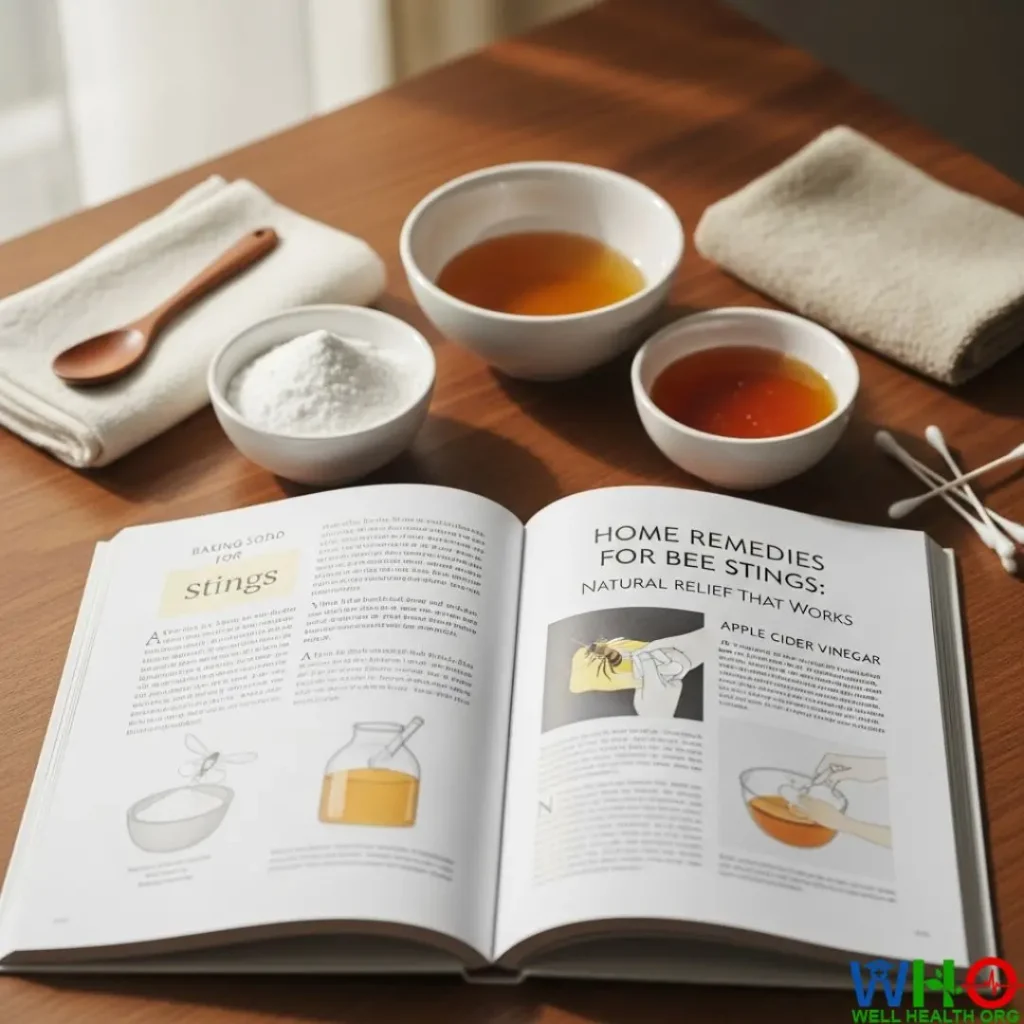
If you only try one remedy, make it this one. Baking soda (sodium bicarbonate) is one of the most effective natural treatments for bee stings thanks to its alkaline properties. Bee venom is acidic, so baking soda helps neutralize the sting’s pH imbalance, reducing both pain and swelling.
How to use it:
- Mix three parts baking soda with one part water to create a thick paste.
- Apply it directly to the sting site.
- Cover it with a clean gauze pad or bandage.
- Leave it on for 15–20 minutes, then rinse with cool water.
Reapply every few hours if symptoms persist.
Why it works: The alkalinity of baking soda neutralizes the venom’s acidity, while its mild texture soothes itching and irritation. Some people even mix in a drop of coconut oil or aloe vera gel for added hydration and cooling effects.
Pro tip: For children or those with sensitive skin, test a small area first to ensure there’s no mild irritation, though this is rare.
Raw Honey: Nature’s Golden Healer
It may seem ironic that honey — the very substance bees produce — can treat their sting. Yet, raw honey is a powerful natural healer loaded with antibacterial, anti-inflammatory, and enzymatic properties.
When applied to the sting, honey reduces swelling, speeds up tissue repair, and keeps bacteria from multiplying. The natural sugars in honey draw moisture away from the wound, creating an environment that discourages infection.
How to apply it:
- Dab a small amount of raw or organic honey onto the affected area.
- Cover it with a clean bandage or gauze to prevent stickiness and keep insects away.
- Leave it for 30–60 minutes, then gently rinse with lukewarm water.
For faster results, you can repeat this two to three times daily.
Bonus tip: Pair honey treatment with a cold compress between applications to double the relief effect.
Apple Cider Vinegar: The Natural Venom Neutralizer
Apple cider vinegar (ACV) is another household essential that can ease bee sting discomfort. Its acetic acid content helps break down the venom’s proteins, which may relieve pain and reduce swelling. It also acts as a mild antiseptic.
Directions:
- Soak a cotton ball or a clean cloth in undiluted apple cider vinegar.
- Apply it directly to the sting for 15–20 minutes.
- For multiple stings, mix a small bowl or basin of ACV and soak the affected area for up to 15 minutes.
The slight tingling sensation means it’s working — it’s helping your body neutralize the venom while cleansing the wound.
Pro tip: If your skin is sensitive, dilute ACV with an equal amount of water to prevent irritation.
Alternative Natural Remedies You Can Try
While baking soda, honey, and vinegar are the go-to favorites, there are several other natural solutions that can bring soothing relief and support faster healing.
Mud or Clay Poultice: The Ancient Cooling Remedy
Long before commercial ointments existed, people relied on natural mud or clay poultices to treat insect bites and stings. Rich in minerals like magnesium and calcium, clean clay helps draw out toxins, cool the skin, and reduce inflammation.
Here’s how to do it:
- Mix clean mud or bentonite clay with a small amount of water to create a thick paste.
- Apply it directly to the sting area.
- Let it dry completely, which may take 20–30 minutes.
- Rinse gently with clean water and pat dry.
You’ll feel a soothing cooling effect as the clay dries and pulls out impurities.
Caution: Only use clean, chemical-free mud. Avoid mud from questionable sources, especially stagnant water, which can harbor bacteria.
Fresh Onion: A Surprisingly Effective Natural Soother
Onions do more than add flavor to your meals—they also contain sulfur compounds and quercetin, natural chemicals known for their anti-inflammatory and antihistamine effects. These compounds can help reduce pain, redness, and swelling after a bee sting.
To use this remedy:
- Cut a fresh onion in half.
- Place the cut side directly against the sting.
- Hold it in place for 10–15 minutes or gently rub it over the area.
- Wash off with clean water afterward.
The mild pungency may sting at first, but it fades quickly and leaves behind relief. Some people alternate onion with a honey application for enhanced healing.
Aloe Vera Gel: Cooling Relief Straight from Nature
If you have an aloe vera plant at home, you already own one of nature’s best skin healers. Aloe vera gel is famous for its cooling and anti-inflammatory properties, making it a perfect remedy for bee stings. The gel soothes irritation, hydrates the skin, and promotes faster tissue repair.
How to use it:
- Cut a fresh aloe vera leaf and scoop out the transparent gel inside.
- Apply the gel directly to the sting site.
- Allow it to dry naturally — don’t rinse immediately.
- Reapply every few hours as needed for continued relief.
If you don’t have a plant, store-bought pure aloe vera gel (with no alcohol or artificial fragrances) works well too. For an extra cooling sensation, refrigerate the gel before applying it.
Why it works: Aloe contains compounds like acemannan and glycoproteins that reduce inflammation and stimulate skin regeneration. This helps the redness and swelling subside faster while minimizing the risk of scarring or hyperpigmentation.
Expert tip: Combine aloe vera gel with a drop of lavender or tea tree essential oil for an antiseptic boost — but always do a patch test first to ensure your skin tolerates the blend.
Meat Tenderizer Solution: A Surprising Enzyme-Based Remedy
While it may sound odd, meat tenderizer can actually help with bee sting relief. Most tenderizers contain papain, a natural enzyme derived from papaya that breaks down the proteins in bee venom responsible for pain and swelling.
How to make it:
- Mix one teaspoon of meat tenderizer with a few drops of water to form a paste.
- Apply the paste to the sting site and leave it on for about 15 minutes.
- Rinse thoroughly with cool water.
This method can work remarkably fast — many people notice reduced swelling within half an hour. However, it’s best used occasionally and not on sensitive skin or open wounds.
Toothpaste: The Unexpected Quick Fix
Toothpaste might not be the first thing that comes to mind for treating a bee sting, but it’s a surprisingly effective home hack. Most toothpastes are slightly alkaline, helping to neutralize the acidic venom. The cooling menthol flavor in many toothpastes also provides instant soothing relief.
How to use it:
- Dab a small amount of white (non-gel) toothpaste on the sting area.
- Leave it on for 10–15 minutes before rinsing with cool water.
- Reapply once or twice a day if discomfort persists.
While toothpaste shouldn’t replace medical treatments for severe reactions, it can provide quick relief when you’re outdoors or don’t have other remedies handy.
Recognizing When to Seek Medical Help
Even though most bee stings are harmless, there are times when they can become serious. Knowing when to treat at home and when to seek professional medical help can make all the difference.
Signs of an Allergic Reaction (Anaphylaxis)
If your body overreacts to bee venom, you might experience a severe allergic response called anaphylaxis. This condition can develop within minutes of the sting and requires immediate emergency care.
Warning signs include:
- Difficulty breathing or wheezing
- Swelling of the lips, tongue, throat, or face
- Dizziness or fainting
- Rapid heartbeat or confusion
- Nausea, vomiting, or abdominal cramps
- Hives or rash spreading beyond the sting site
If any of these symptoms appear, call emergency services right away or use an epinephrine auto-injector (EpiPen) if available. Even if symptoms improve after using epinephrine, always follow up with a doctor, as reactions can sometimes return.
When Home Treatment Isn’t Enough
Even if you don’t have a severe allergic reaction, there are times when a bee sting warrants medical attention. You should contact a healthcare provider if:
- Redness, pain, or swelling worsens after 48 hours instead of improving.
- You notice pus, warmth, or red streaks, which could signal an infection.
- You were stung multiple times, especially by a swarm.
- The sting occurred near your eyes, mouth, or throat, where swelling can interfere with breathing or vision.
- You have a known bee allergy but didn’t have your EpiPen or antihistamine available.
Your doctor might recommend antihistamines, corticosteroids, or antibiotics depending on the situation.
Preventing Bee Stings: How to Stay Safe Outdoors
As helpful as remedies are, the best cure for a bee sting is not getting stung in the first place. Prevention is key, especially if you spend a lot of time outdoors.
Avoid Attracting Bees
Bees are naturally drawn to bright colors, floral prints, and sweet scents. To make yourself less appealing:
- Wear neutral-colored clothing like beige, olive, or white instead of bold reds or yellows.
- Avoid floral-patterned fabrics that resemble flowers.
- Skip perfumes, scented lotions, and hair sprays, which mimic floral fragrances.
- Keep food and drinks covered during picnics, especially sugary sodas, fruit juices, and desserts.
If a bee approaches you, stay calm and still. Swatting or making sudden movements can provoke it. Bees typically sting only when they feel threatened.
Be Mindful of Bee Habitats
When gardening or hiking, take note of your surroundings. Bees love flowering plants, fruit trees, and areas with water sources. Before sitting on the grass or reaching into bushes, check for bee activity.
If you see a hive or swarm nearby, keep your distance and contact a local beekeeper or pest control expert to relocate it safely. Never attempt to remove a hive yourself.
Create a Bee-Safe Garden
If you love gardening, you don’t have to give it up to avoid bee stings. Instead, design a bee-friendly yet safe garden layout. Plant flowering plants like lavender, sunflowers, and zinnias away from your main sitting or play areas. This gives bees a safe foraging zone while keeping your relaxation spaces sting-free.
Additionally, avoid walking barefoot outdoors, especially in clover patches or near flowering plants where bees often gather.
Natural Aftercare: Supporting Healing After the Sting
Once the initial pain and swelling subside, it’s essential to help your skin fully recover. Even minor stings can leave behind irritation or mild inflammation if not cared for properly. Follow these natural aftercare tips to promote faster healing and prevent scarring or infection.
1. Keep the Area Moisturized and Protected
After washing the sting area, apply a light layer of a natural moisturizer such as coconut oil, shea butter, or vitamin E oil. These ingredients help hydrate the skin, reduce itching, and support the regeneration of healthy cells.
Coconut oil, in particular, is known for its antibacterial and anti-inflammatory properties. Applying it two to three times a day can reduce redness and keep the skin smooth.
If you’re outdoors again shortly after being stung, cover the area with breathable clothing or a bandage to protect it from sun exposure and dirt.
2. Use Natural Anti-Itch Solutions
Even after the swelling goes down, mild itching may linger. To calm that irritating sensation, consider these natural anti-itch remedies:
- Oatmeal paste: Mix oatmeal with a bit of water to form a paste and apply it to the skin for 15 minutes.
- Calamine lotion: Provides a cooling effect and reduces itchiness.
- Essential oils: A few drops of lavender or chamomile oil diluted in a carrier oil can calm irritation and provide a gentle fragrance.
Avoid scratching the area — it can reopen the wound and increase the risk of infection.
3. Hydrate and Support Recovery from the Inside Out
Staying hydrated helps your body flush out toxins more efficiently. Drink plenty of water and consider herbal teas like chamomile, peppermint, or green tea, which can aid in reducing inflammation internally.
Eating foods rich in vitamin C (such as oranges, strawberries, and bell peppers) and antioxidants also helps your immune system repair the skin more effectively.
Bee Sting Remedies for Children and Sensitive Skin
Bee stings can be particularly distressing for children, not just because of the pain but also the fear that follows. Here’s how to handle stings in kids and those with extra-sensitive skin safely and gently.
1. Stay Calm and Reassure Them
Children often panic after being stung. Your calm response helps them stay still while you remove the stinger and clean the area. Explain that the pain will fade quickly, and distract them with something engaging while you treat it.
2. Choose Gentle Remedies
Stick to mild, natural treatments:
- Aloe vera gel: Safe and soothing for delicate skin.
- Honey: Apply a thin layer for antibacterial protection.
- Cold compress: Reduces pain and swelling without irritation.
Avoid strong or acidic remedies like undiluted apple cider vinegar or meat tenderizer on children’s skin, as these may cause mild burning sensations.
3. Monitor Closely for Allergic Reactions
If your child shows signs of difficulty breathing, vomiting, or swelling around the face or throat, seek emergency care immediately. Even if they’ve been stung before without issues, allergies can develop suddenly.
Keep an antihistamine suitable for children on hand (after checking with your pediatrician) for mild allergic responses like hives or itching.
Real-Life Tips: What People Who Deal with Bee Stings Often Do
Through years of outdoor experience, many gardeners, hikers, and beekeepers have discovered their own go-to methods for dealing with stings. Here are a few time-tested tricks from people who know bees best:
- Beekeepers often carry small tubes of baking soda paste or vinegar-soaked cotton balls in their gear. They know that applying a neutralizer quickly prevents swelling.
- Campers swear by cold mud applications — they’re free, fast, and surprisingly effective when you’re far from a first-aid kit.
- Gardeners rely on aloe vera and honey. Both remedies are gentle enough for repeated use and safe for sensitive skin.
- Parents often pack a few natural essentials (like honey packets, aloe gel, and wet wipes) in their outdoor bags for unexpected stings during picnics or playground trips.
These shared experiences show that natural remedies aren’t just old wives’ tales—they’re practical, proven, and backed by countless successful uses.
Myth Busting: What NOT to Do After a Bee Sting
When panic sets in, it’s easy to turn to quick fixes you’ve heard from others. But not all remedies are safe or effective. Here are some common myths to avoid:
- ❌ Don’t squeeze the stinger: This injects more venom into your skin. Always scrape, never pinch.
- ❌ Don’t apply alcohol directly: It can dry out and irritate the skin, worsening inflammation.
- ❌ Avoid tight bandages: Restricting blood flow traps the venom in one area instead of letting your body process it naturally.
- ❌ Skip unverified home concoctions: Mixing multiple strong substances (like vinegar and toothpaste together) can damage the skin barrier.
Stick with remedies that are simple, gentle, and proven safe through years of use.
When You’re Allergic: Preparing for Future Safety
If you’ve had allergic reactions to bee stings in the past, taking preventive measures is crucial. Speak to your doctor about carrying an epinephrine auto-injector (EpiPen). Learning how to use it can be lifesaving in emergencies.
Also, consider wearing a medical alert bracelet that notes your allergy. In case of a sting when you’re alone or unable to communicate, this can alert others to seek immediate help.
For people with mild to moderate allergies, immunotherapy (bee venom therapy) is sometimes recommended. This involves receiving small doses of purified venom over time to desensitize the immune system and reduce the severity of future reactions. Always discuss this option with an allergist.
Quick Recap: Your Bee Sting Emergency Checklist
Here’s a simple, practical guide to follow the next time you or someone else gets stung:
| Step | Action | Purpose |
|---|---|---|
| 1 | Remove the stinger (scrape, don’t squeeze) | Stops venom release |
| 2 | Wash with soap and water | Prevents infection |
| 3 | Apply cold compress | Reduces pain and swelling |
| 4 | Choose a home remedy (baking soda, honey, vinegar, etc.) | Neutralizes venom |
| 5 | Monitor for allergic reactions | Ensures safety |
| 6 | Keep area clean and moisturized | Promotes healing |
Having these steps memorized or printed in your first-aid kit ensures you’re always ready for the unexpected.
Conclusion: Be Prepared, Stay Calm, and Heal Naturally
A bee sting may be painful, but it doesn’t have to ruin your day. By understanding what happens when you’re stung and knowing which natural remedies to apply, you can handle most stings confidently right at home.
Simple ingredients like baking soda, raw honey, apple cider vinegar, aloe vera, and onion are surprisingly powerful tools for neutralizing venom and calming irritation. Acting quickly — by removing the stinger, cleaning the area, and applying the right treatment — makes recovery faster and easier.
Most importantly, listen to your body. If symptoms seem unusual, severe, or prolonged, never hesitate to seek professional care. Prevention and preparedness go hand in hand with natural treatment — so always stay aware, pack smart for outdoor activities, and handle bees with respect.
With a little knowledge and the right home remedies, you can protect yourself and your loved ones from the pain of bee stings while continuing to enjoy the outdoors safely and confidently.
FAQs
1. Can bee stings become dangerous even if I’m not allergic?
Yes. Multiple stings can inject enough venom to cause more serious symptoms such as nausea, dizziness, or weakness. If you’ve been stung several times, seek medical advice, even if you don’t have a known allergy.
2. What’s the fastest natural way to stop bee sting pain?
Applying a cold compress immediately followed by a baking soda paste typically provides the fastest relief. The cold numbs the area while baking soda neutralizes the venom.
3. Can I use vinegar for wasp stings too?
Yes, but with caution. Wasp venom is alkaline, so vinegar (acidic) helps neutralize it — the opposite of how it works for bee stings. For bees, baking soda works better; for wasps, vinegar does.
4. How long does it take for a bee sting to heal completely?
Most bee stings heal within 3 to 7 days. Mild redness or itching may linger, but swelling and pain usually subside within 24 to 48 hours.
5. Are home remedies safe for everyone?
Generally, yes — but people with sensitive skin, allergies, or open wounds should always patch-test any remedy first. When in doubt, consult a healthcare provider for advice.
Medically Reviewed by Prof. Dr. Akram
Orthopedic Surgeon | Professor | Senior Medical Specialist
Prof. Dr. Akram is a distinguished surgeon with over 15 years of clinical expertise. Having served as a lead Emergency Specialist at Complex International Government Hospital, he currently leads a specialized team of 13 medical professionals at his private hospital. As a Professor at top medical universities, he ensures that every article on WellHealthOrg.com meets rigorous clinical standards.
Medical Disclaimer:
The information provided is for educational purposes only and is not a substitute for professional medical advice, diagnosis, or treatment. Always consult your physician for any medical concerns.
Our content is rigorously fact-checked by our 13-member Editorial Team under the clinical supervision of Prof. Dr. Akram.







