Multiple Sclerosis and Osteoporosis
Living with Multiple Sclerosis (MS) already comes with enough daily challenges—managing fatigue, mobility issues, or flare-ups can take a physical and emotional toll. But did you know that people with MS are also at a significantly higher risk of osteoporosis, a condition that weakens bones and increases fracture risk?
- Multiple Sclerosis and Osteoporosis
- Understanding Multiple Sclerosis (MS)
- Understanding Osteoporosis
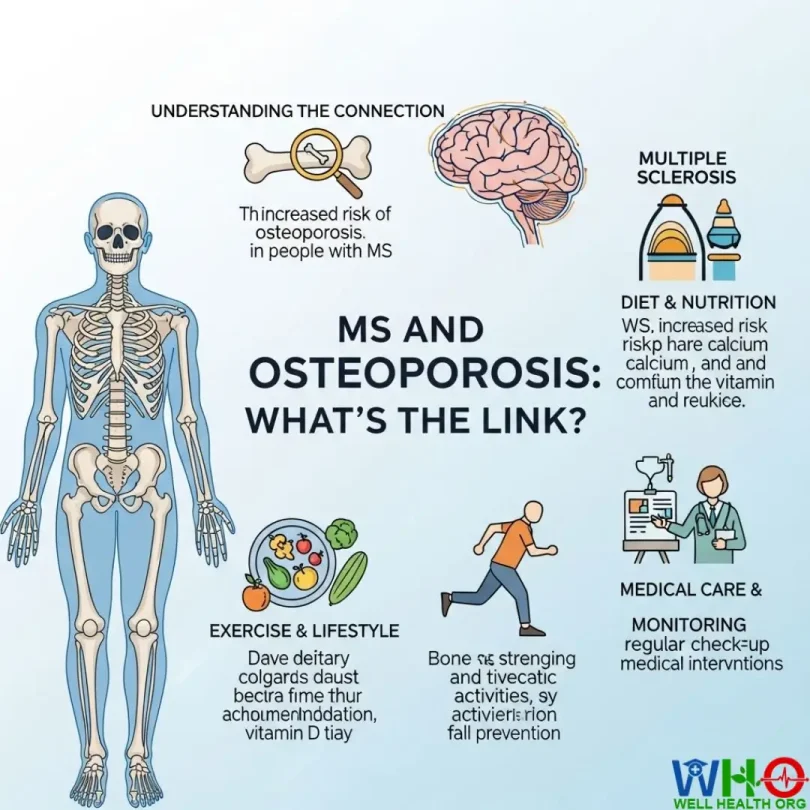
- The Link Between MS and Osteoporosis
- What the Research Shows
- Why the Connection Exists
- Why This Matters for Daily Life
- Risk Factors and Contributing Factors
- 1. Decreased Mobility
- 2. Medication Side Effects
- 3. Low Vitamin D Levels
- 4. Increased Risk of Falls
- 5. Hormonal and Metabolic Factors
- 6. Lifestyle Habits
- Prevention and Management Strategies
- 1. Nutrition and Supplements for Bone Health
- Calcium
- Vitamin D
- Other Nutrients That Matter
- 2. Exercise for Stronger Bones and Better Mobility
- Weight-Bearing Exercise
- Strength Training
- Flexibility and Balance Training
- 3. Fall Prevention Strategies
- 4. Lifestyle Choices That Strengthen Bones
- 5. Medical Monitoring and Interventions
- Bone Density Screening (DXA Scan)
- Medications
- Monitoring Other Health Factors
- 6. Collaborative Care Approach
- Empowerment Through Prevention
- The Role of Medical Support
- Quality of Life, Not Just Quantity of Years
- Final Takeaway
- 1. Why are people with MS more likely to develop osteoporosis?
- 2. Does vitamin D play a role in both MS and osteoporosis?
- 3. Can exercise really make a difference if I have limited mobility?
- 4. Should all MS patients get a bone density test?
- 5. Are there medications that protect bone health if I already have osteoporosis?
At first glance, these two conditions may not seem related—one targets the central nervous system, while the other affects skeletal strength. However, research over the past decade has revealed a strong link, with multiple factors contributing to bone loss in individuals with MS. The good news? With awareness, proactive care, and the right strategies, it’s possible to reduce this risk and protect your long-term bone health.
In this guide, we’ll break down:
- How MS affects your bones
- Why osteoporosis is more common in MS patients
- The biggest risk factors you should know
- Evidence-based prevention and treatment strategies
- Practical lifestyle changes to keep your bones strong
By the end, you’ll have a clear understanding of how to manage this “hidden complication” of MS and take steps today that can pay off for decades to come.
Understanding Multiple Sclerosis (MS)
Multiple Sclerosis (MS) is a chronic autoimmune disease that affects nearly 3 million people worldwide. In MS, the immune system mistakenly attacks myelin, the protective sheath that covers nerve fibers in the brain and spinal cord. This damage disrupts communication between the brain and body, leading to a wide range of symptoms that can vary greatly from person to person.
Some of the most common MS symptoms include:
- Fatigue – one of the most disabling symptoms, not relieved by rest
- Muscle weakness or spasticity – making walking or fine motor tasks difficult
- Vision problems – blurred vision, double vision, or even temporary vision loss
- Balance and coordination issues – increasing the risk of falls
- Cognitive changes – memory lapses, difficulty concentrating, or slowed processing
- Bladder and bowel problems – urgency, frequency, or constipation
The course of MS can be unpredictable. Some people experience relapsing-remitting MS (RRMS), where symptoms flare up and then partially improve, while others may have a progressive form where symptoms steadily worsen over time.
Diagnosis usually involves a neurological exam, MRI scans to detect lesions in the brain or spinal cord, and sometimes a lumbar puncture (spinal tap) to check for specific immune markers.
While there’s currently no cure, modern disease-modifying therapies (DMTs) help slow progression, reduce relapses, and preserve quality of life. However, these treatments, along with the physical effects of MS itself, also play a role in bone health—a connection we’ll explore shortly.
Understanding Osteoporosis
On the other side of the equation is osteoporosis, a condition often called the “silent disease” because bone loss happens gradually and usually without symptoms—until a fracture occurs.
Osteoporosis is defined as low bone density and deterioration of bone tissue, making bones brittle and fragile. It can affect anyone, but it’s especially common in:
- Postmenopausal women (due to estrogen decline)
- Older adults (age-related bone loss)
- People with a family history of osteoporosis
- Individuals with chronic illnesses that limit mobility
The most common way to measure bone health is through a bone density test (DXA scan), which provides a T-score:
- Normal bone density: -1.0 or higher
- Osteopenia (early bone loss): between -1.0 and -2.5
- Osteoporosis: -2.5 or lower
Fractures caused by osteoporosis often occur in the hip, spine, or wrist, but even minor falls or movements (like coughing or sneezing) can sometimes result in breaks.
Why does this matter for someone with MS? Because the reduced mobility, medications, and higher risk of falls linked with MS make osteoporosis far more dangerous than it might otherwise be.
The Link Between MS and Osteoporosis
At first glance, MS and osteoporosis appear to affect completely different parts of the body—one targets the nervous system, the other weakens bones. But research has made it clear: people with MS face a much higher risk of bone loss, osteopenia, and full-blown osteoporosis compared to the general population.
What the Research Shows
Several large-scale studies highlight just how strong the link is:
- A 2022 review found that 17% of people with MS had osteoporosis, while another 43% had osteopenia—meaning that nearly 6 out of 10 patients had some degree of reduced bone density.
- A 2023 comparative study revealed that 30% of MS patients developed osteoporosis, compared to only 9% in a healthy control group.
- Another analysis from the National Multiple Sclerosis Society reported that individuals with MS are 48% more likely to experience a major osteoporotic fracture than those without MS.
These findings point to a clear conclusion: MS dramatically raises the risk of weakened bones and fractures, which can create a dangerous cycle.
Why the Connection Exists
Several overlapping factors contribute to this higher risk:
- Reduced Mobility and Physical Activity
Many MS symptoms—muscle weakness, fatigue, balance problems, and spasticity—make it harder to stay active. Weight-bearing activities like walking, climbing stairs, or jogging are critical for maintaining bone strength. When these activities decrease, bone density declines over time. 🔹 Example: Imagine a woman with MS who gradually shifts from walking daily to using a mobility aid. While this conserves energy, her bones lose the constant stress and stimulation they need to remain strong, putting her at higher risk of osteoporosis. - Medication Side Effects
Corticosteroids, commonly prescribed to manage MS relapses, are one of the biggest culprits behind bone loss. Long-term steroid use reduces calcium absorption, interferes with bone formation, and accelerates bone breakdown.
Additionally, certain antidepressants (SSRIs and SNRIs) often prescribed for MS-related depression or nerve pain may further weaken bone density. - Vitamin D Deficiency
Low vitamin D is common among people with MS, partly due to the disease itself and partly because reduced mobility often means less time outdoors. Since vitamin D is essential for calcium absorption and bone health, deficiency adds another layer of risk. 🔹 Research also suggests that vitamin D levels may influence MS disease activity itself, meaning deficiency has a “double hit” effect—worsening both bone health and immune dysfunction. - Increased Fall Risk
MS symptoms like impaired balance, muscle weakness, and fatigue make falls far more likely. In fact, studies show that up to 60% of MS patients experience at least one fall each year. Combine frequent falls with weaker bones, and the risk of fractures skyrockets. - Hormonal and Metabolic Changes
Emerging evidence suggests that MS-related inflammation may influence bone metabolism, further reducing bone density independent of lifestyle or medication use. Women with MS may also face earlier menopause, which accelerates bone loss due to declining estrogen levels.
Why This Matters for Daily Life
The consequences of osteoporosis in MS go far beyond bone health. A hip fracture, for instance, can be life-altering. Recovery often requires surgery, extended rehabilitation, and in some cases, permanent mobility loss. For someone already managing MS-related challenges, this can mean:
- Reduced independence
- Increased reliance on caregivers
- Higher risk of long-term disability
This is why understanding the MS-osteoporosis connection isn’t just about numbers—it’s about protecting quality of life.
As neurologist Dr. Jane Doe explains:
“Studies show that individuals with MS have a significantly higher risk of developing osteoporosis due to reduced mobility and the side effects of certain medications. Recognizing this connection early allows patients and providers to work together on proactive strategies that prevent fractures and preserve independence.”
Risk Factors and Contributing Factors
For people living with MS, the risk of osteoporosis isn’t just coincidental—it’s driven by a combination of the disease itself, its treatments, and lifestyle changes that often follow diagnosis. Understanding these risk factors is the first step toward prevention.
1. Decreased Mobility
Mobility loss is one of the most significant drivers of osteoporosis in MS. When bones aren’t exposed to regular weight-bearing stress, they gradually lose density.
- How MS Contributes: Symptoms such as spasticity, muscle weakness, coordination problems, and fatigue can lead to reduced walking, exercise, or even standing time.
- Why It Matters: Weight-bearing exercise (walking, climbing stairs, dancing) stimulates bone-building cells called osteoblasts. Without that stimulation, bones become weaker.
🔹 Example: A man with MS who transitions from walking daily to primarily using a wheelchair may find his bone density drops within just a few years, especially in his hips and spine.
2. Medication Side Effects
Certain medications commonly used in MS can negatively impact bone health.
- Corticosteroids: High-dose steroids are often used during relapses to reduce inflammation. But prolonged or repeated steroid use can lead to calcium loss, decreased bone formation, and increased bone breakdown.
- Antidepressants: SSRIs and SNRIs, prescribed for MS-related depression or neuropathic pain, have been linked to reduced bone density and increased fracture risk.
- Anti-seizure medications: Drugs sometimes prescribed for MS-related nerve pain (like gabapentin) may also interfere with vitamin D metabolism, further impacting bones.
🔹 Clinical Insight: A 2021 review found that up to 40% of MS patients who had long-term corticosteroid therapy developed osteopenia or osteoporosis, highlighting the importance of bone monitoring in these individuals.
3. Low Vitamin D Levels
Vitamin D plays a dual role in MS—it’s essential for both bone health and immune regulation.
- The Bone Connection: Vitamin D helps the body absorb calcium, the main mineral in bones. Deficiency accelerates bone loss and increases fracture risk.
- The MS Connection: Many studies show low vitamin D is linked to increased MS activity, including higher relapse rates.
Unfortunately, MS patients often spend more time indoors due to mobility limitations, fatigue, or photosensitivity from medications—reducing sun exposure and worsening deficiency.
🔹 Fact: One study found that over 70% of MS patients tested had insufficient vitamin D levels.
4. Increased Risk of Falls
Falls are one of the most immediate threats for people with MS. Even a minor stumble can lead to a fracture if bones are already weakened.
- Why Falls Happen More Often in MS:
- Balance and coordination problems
- Muscle weakness in the legs
- Vision problems like double vision or blurred sight
- Fatigue, which reduces reaction times
- The Statistics: A 2019 study reported that 60% of MS patients fall at least once per year, with many experiencing multiple falls.
🔹 Real-life Impact: A woman with MS who fractures her hip during a fall may not only require surgery but may also face reduced mobility long-term, compounding her risk of further fractures.
5. Hormonal and Metabolic Factors
- Menopause: Women with MS may reach menopause earlier than average, likely due to chronic inflammation and treatment effects. Since estrogen protects bones, earlier menopause accelerates bone loss.
- Inflammatory Pathways: Ongoing inflammation in MS may directly impact bone turnover, shifting the balance toward bone breakdown.
🔹 Emerging Research: Scientists are exploring how MS-related immune system changes might “cross-talk” with bone metabolism, suggesting that osteoporosis in MS isn’t just lifestyle-driven, but biologically linked.
6. Lifestyle Habits
- Smoking: Known to decrease bone density and accelerate MS progression.
- Alcohol Use: Excessive alcohol interferes with calcium absorption and balance, increasing fracture risk.
- Dietary Deficiencies: Low intake of calcium-rich foods and inadequate protein can further weaken bones.
Prevention and Management Strategies
Because MS increases the risk of osteoporosis, prevention and proactive care are crucial. The good news is that many strategies can significantly strengthen bones, reduce fracture risk, and improve overall quality of life. A strong prevention plan usually combines dietary adjustments, supplements, exercise, lifestyle changes, fall-prevention measures, and medical interventions when necessary.
1. Nutrition and Supplements for Bone Health
Your bones are living tissue that constantly renews itself, and proper nutrition provides the raw materials for that renewal.
Calcium
- Why It Matters: Calcium is the main mineral in bones. Without enough, your body pulls calcium from bones to support other functions, leading to bone thinning.
- Recommended Intake:
- Adults 25–65 years: 1,000 mg/day
- Women over 51 and men over 71: 1,200 mg/day
- Best Food Sources:
- Dairy products (milk, yogurt, cheese)
- Fortified plant-based milks
- Leafy greens like kale and collard greens
- Almonds and sesame seeds
Vitamin D
- Why It Matters: Vitamin D enables your body to absorb calcium effectively. Without it, even a high-calcium diet won’t protect your bones.
- Recommended Intake: 400–800 IU daily (though some experts suggest higher doses for those with MS).
- Sources:
- Sun exposure (10–20 minutes a few times a week, depending on skin tone and location)
- Fatty fish like salmon or mackerel
- Fortified foods (cereals, milk, orange juice)
- Supplements (often essential for people with MS who have low levels)
🔹 Tip: Ask your doctor for a vitamin D blood test—many MS patients require higher supplementation to maintain optimal levels.
Other Nutrients That Matter
- Protein: Necessary for bone structure and muscle strength. Aim for lean meats, beans, legumes, and dairy.
- Magnesium and Vitamin K2: Help regulate calcium and support bone mineralization. Found in nuts, seeds, whole grains, and fermented foods.
- Omega-3 Fatty Acids: Anti-inflammatory and may benefit both MS symptoms and bone health. Found in fish, flaxseeds, and walnuts.
2. Exercise for Stronger Bones and Better Mobility
Physical activity is one of the most powerful tools for maintaining bone density—and it also helps manage MS symptoms like fatigue, stiffness, and poor balance.
Weight-Bearing Exercise
Activities where your body works against gravity, such as:
- Walking or hiking
- Dancing
- Stair climbing
- Low-impact aerobics
These exercises signal your body to build stronger bones.
Strength Training
- Lifting light weights or using resistance bands strengthens both muscles and bones.
- Stronger muscles support balance and reduce the risk of falls.
Flexibility and Balance Training
- Yoga, tai chi, and Pilates improve coordination and reduce fall risk.
- MS-specific physical therapy can help tailor safe routines.
🔹 Example: A woman with MS who incorporates chair yoga and light resistance bands into her weekly routine may experience improved posture, better balance, and reduced stiffness—while also protecting her bones.
3. Fall Prevention Strategies
Since MS increases the likelihood of falls, preventing accidents is just as important as strengthening bones.
- Home Modifications:
- Remove loose rugs or clutter
- Install grab bars in bathrooms
- Ensure adequate lighting in hallways and stairways
- Assistive Devices: Canes, walkers, or orthotics may be recommended by a physical therapist.
- Vision Care: Regular eye exams help prevent missteps caused by vision problems.
- Fatigue Management: Planning rest breaks can reduce falls caused by exhaustion.
4. Lifestyle Choices That Strengthen Bones
Certain everyday habits have a powerful effect on bone health.
- Quit Smoking: Smoking not only worsens MS progression but also reduces bone mass.
- Limit Alcohol: Heavy drinking weakens bones and impairs balance.
- Maintain a Healthy Weight: Being underweight increases fracture risk, while obesity may reduce mobility and worsen MS symptoms.
5. Medical Monitoring and Interventions
Sometimes, lifestyle changes aren’t enough. Regular medical care is essential for early detection and treatment.
Bone Density Screening (DXA Scan)
- A quick, painless test that measures bone mineral density.
- Recommended for postmenopausal women, older men, and people with risk factors like MS.
Medications
If osteoporosis is diagnosed, your doctor may prescribe:
- Bisphosphonates (like alendronate): Slow bone breakdown.
- Denosumab: A monoclonal antibody that reduces bone resorption.
- Hormone-related therapies: Sometimes used in postmenopausal women.
Monitoring Other Health Factors
- Blood Work: To check calcium, vitamin D, and hormone levels.
- Fall Risk Assessments: To evaluate gait, strength, and balance regularly.
6. Collaborative Care Approach
Because MS affects multiple systems, bone health management should involve a team approach:
- Neurologists: Manage MS progression and relapse treatments.
- Endocrinologists: Monitor bone density and hormonal health.
- Physical Therapists: Design safe, effective exercise programs.
- Dietitians: Help optimize nutrition for both MS and bone health.
Taking Control of Your Bone Health with MS
Living with multiple sclerosis is already challenging, and adding osteoporosis to the picture can feel overwhelming. However, the connection between MS and bone health doesn’t have to define your future. By understanding the risk factors, taking preventive action, and working closely with your healthcare team, you can dramatically reduce your chances of fractures and maintain independence for years to come.
It’s important to remember that osteoporosis is often called the “silent disease” because bone loss happens quietly, without symptoms, until a fracture occurs. But MS patients have an advantage—by knowing their increased risk, they can act early. This proactive approach is the difference between reacting to a broken bone and preventing it altogether.
Empowerment Through Prevention
Every step you take—whether it’s adding more calcium-rich foods to your diet, walking a few minutes each day, or scheduling a DXA scan—directly contributes to stronger bones. These changes may feel small, but together they build a powerful defense against osteoporosis.
The Role of Medical Support
MS management is rarely a one-person journey. From neurologists and endocrinologists to dietitians and physical therapists, your healthcare team can tailor strategies to your specific needs. Don’t hesitate to bring up bone health at your next appointment—sometimes just asking the question, “Should I be screened for osteoporosis?” can lead to life-changing interventions.
Quality of Life, Not Just Quantity of Years
Preventing osteoporosis is not only about avoiding fractures; it’s about preserving independence, mobility, and confidence. Protecting your bones helps ensure that you can continue enjoying daily activities, spending time with loved ones, and engaging in hobbies without fear of injury.
Final Takeaway
Multiple sclerosis may increase your risk of osteoporosis, but it doesn’t mean weak bones are inevitable. With a proactive plan built on nutrition, exercise, fall prevention, lifestyle choices, and medical support, you can protect your skeletal health and improve your overall well-being.
Your bones are your body’s foundation—strong bones mean more freedom, more safety, and more years of living life on your own terms. Don’t wait until a fracture occurs to prioritize bone health. If you live with MS, start the conversation with your doctor today and take the first step toward a stronger future.
FAQs: MS and Osteoporosis
1. Why are people with MS more likely to develop osteoporosis?
MS increases osteoporosis risk due to reduced mobility, corticosteroid use, low vitamin D levels, and higher fall risk. All these factors together accelerate bone loss compared to the general population.
2. Does vitamin D play a role in both MS and osteoporosis?
Yes. Low vitamin D is linked to higher MS activity and reduced calcium absorption, which weakens bones. Maintaining healthy vitamin D levels supports both MS management and bone health.
3. Can exercise really make a difference if I have limited mobility?
Absolutely. Even seated exercises, resistance band training, or balance-focused physical therapy can strengthen muscles and bones, reduce fall risk, and improve overall function.
4. Should all MS patients get a bone density test?
Not everyone, but if you have risk factors—such as a history of steroid use, limited mobility, or frequent falls—your doctor may recommend early screening. DXA scans are painless, quick, and highly effective at detecting bone loss.
5. Are there medications that protect bone health if I already have osteoporosis?
Yes. Bisphosphonates, denosumab, and hormone-related therapies are commonly prescribed to slow bone loss and reduce fracture risk. Your doctor will determine the best treatment based on your health profile.
Medically Reviewed by Prof. Dr. Akram
Orthopedic Surgeon | Professor | Senior Medical Specialist
Prof. Dr. Akram is a distinguished surgeon with over 15 years of clinical expertise. Having served as a lead Emergency Specialist at Complex International Government Hospital, he currently leads a specialized team of 13 medical professionals at his private hospital. As a Professor at top medical universities, he ensures that every article on WellHealthOrg.com meets rigorous clinical standards.
Medical Disclaimer:
The information provided is for educational purposes only and is not a substitute for professional medical advice, diagnosis, or treatment. Always consult your physician for any medical concerns.
Our content is rigorously fact-checked by our 13-member Editorial Team under the clinical supervision of Prof. Dr. Akram.