
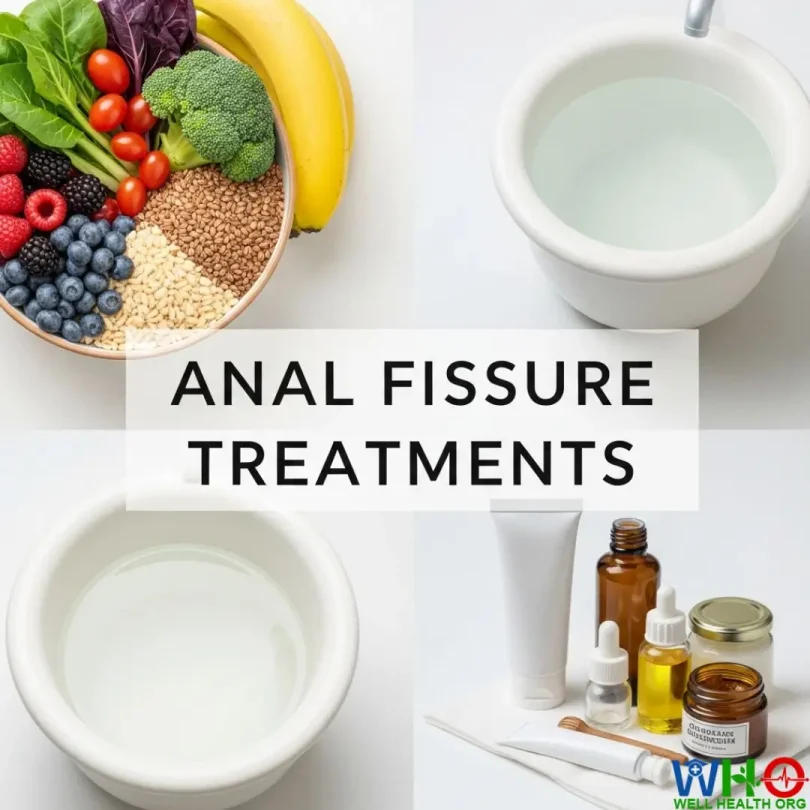
Anal fissures are more than just uncomfortable — they can turn even the simplest daily routines into painful challenges. That sharp, burning sensation during bowel movements or the sight of bright red blood on toilet paper can be alarming. If you’ve ever experienced this, you’re not alone. Millions of people around the world silently struggle with anal fissures, often feeling embarrassed to discuss it or seek help.
- Understanding Anal Fissures: What Exactly Are They?
- Root Causes: Why Do Anal Fissures Happen?
- Home Remedies for Anal Fissure: Proven Natural Treatments
- 1. Nourish with a High-Fiber Diet
- Stay Hydrated
- Avoid Constipation Triggers
- 2. Soothe with Warm Sitz Baths
- 3. Apply Natural Topical Remedies
- Aloe Vera Gel
- Coconut Oil
- Olive Oil + Honey Mixture
- Witch Hazel or Calendula Cream
- 4. Practice Gentle Hygiene Habits
- 5. Use Stool Softeners and Natural Laxatives
- 6. Add Healing Oils and Herbal Remedies
- 7. Prioritize Movement and Daily Activity
- 8. Manage Stress — Your Gut Feels It Too
- 9. Healing Timeline: How Long Does Recovery Take?
- 10. When to See a Doctor
- 11. Preventing Future Anal Fissures: Long-Term Care Habits
- Eat Smart, Every Day
- Avoid Straining
- Maintain Gentle Hygiene
- Exercise Regularly
- Use Lubrication When Needed
- Monitor Your Health
- 12. Helpful Lifestyle Adjustments for Better Anal Health
- 13. Natural Pain Relief Tips You Can Try Today
- 14. Common Mistakes to Avoid During Healing
- 15. Expert Insights: What Doctors Want You to Know
- 16. Encouraging Words: You Can Heal Naturally
- Conclusion: Start Your Healing Journey Today
- Frequently Asked Questions (FAQs)
The good news? Many mild to moderate anal fissures heal naturally with the right home remedies, lifestyle adjustments, and gentle care. You don’t always have to jump straight to medications or surgery. Nature, combined with smart daily habits, offers effective ways to ease pain, soothe inflammation, and encourage healing — safely and naturally.
In this detailed guide, you’ll discover proven home remedies for anal fissures that work, backed by both medical understanding and traditional healing wisdom. We’ll walk through dietary changes, soothing sitz baths, natural topical applications, and prevention tips to keep fissures from coming back.
Understanding Anal Fissures: What Exactly Are They?
An anal fissure is essentially a small tear or crack in the thin, delicate tissue (mucosa) lining the anus — the opening through which stool passes. Think of it as a paper cut in one of the most sensitive parts of your body. These fissures most often appear in the posterior (back) part of the anal canal, though they can occur elsewhere too.
Common symptoms include:
- Sharp, burning, or tearing pain during and after bowel movements
- Bright red blood on the stool or toilet paper
- A visible tear or small split near the anal opening
- A skin tag or small lump near the affected area
- Persistent itching, irritation, or discomfort
- Muscle spasms in the anal sphincter, which can make pain worse
Doctors classify fissures as:
- Acute fissures – Short-term tears that typically heal within 4–6 weeks with proper care.
- Chronic fissures – Longer-lasting or recurring tears that may resist healing and sometimes require medical treatment.
While anal fissures are not dangerous, they can cause significant pain and distress. Fortunately, early intervention with home-based remedies can make a big difference in both healing and comfort.
Root Causes: Why Do Anal Fissures Happen?
Understanding why fissures develop helps you prevent them from recurring. In most cases, they are triggered by physical strain or irritation in the anal canal.
Here are the most common causes:
- Constipation and Straining
Hard, dry stools are the leading cause of anal fissures. When you push too hard during bowel movements, the anal lining can stretch beyond its limit and tear. Chronic constipation also increases pressure, slowing the healing process. - Chronic Diarrhea
On the other end of the spectrum, frequent loose stools irritate and inflame the anal lining, leaving it vulnerable to cracking. - Childbirth and Pregnancy
Women often develop fissures during or after childbirth due to the immense pressure on the pelvic and anal muscles during delivery. Hormonal changes that slow digestion can worsen constipation, compounding the risk. - Inflammatory Bowel Disease (IBD)
Conditions like Crohn’s disease or ulcerative colitis cause chronic inflammation in the intestinal and anal tissues, making them more fragile. - Reduced Blood Flow
Poor circulation — especially in older adults — can weaken tissue repair, delaying healing and increasing susceptibility to fissures. - Previous Anal Surgery or Injury
Surgical scars or trauma can make the area more prone to tearing again. - Poor Anal Hygiene or Harsh Cleansing
Over-cleaning with perfumed soaps or excessive wiping can dry and irritate delicate skin, leading to micro-tears.
In essence, anything that increases strain, irritation, or dryness around the anus can contribute to fissure formation.
Home Remedies for Anal Fissure: Proven Natural Treatments
If your fissure is acute (less than six weeks old) and you don’t have severe pain or infection, you can often heal it naturally at home. The goal is simple: soften stools, reduce irritation, and help tissues regenerate.
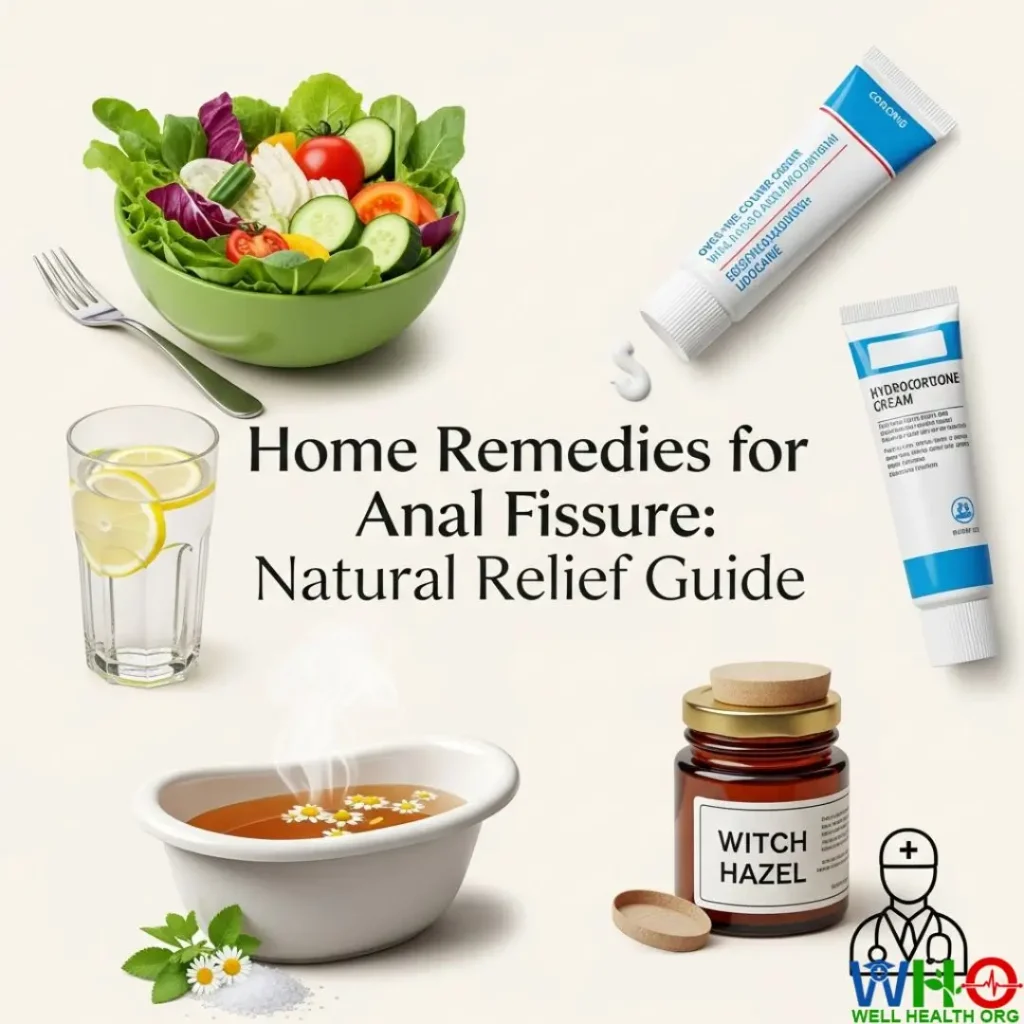
Below are the most effective and medically supported home remedies for anal fissures.
1. Nourish with a High-Fiber Diet
Your diet directly impacts stool consistency — and therefore, the pressure exerted on your anal canal.
A fiber-rich diet is the foundation of fissure recovery because fiber adds bulk and softness to stools, making them easier to pass. Aim for 25–35 grams of fiber daily.
Excellent sources of dietary fiber include:
- Fruits: Apples (with skin), pears, prunes, raspberries, and oranges
- Vegetables: Broccoli, carrots, spinach, kale, and cauliflower
- Whole Grains: Oats, brown rice, barley, quinoa, and whole-wheat bread
- Legumes: Lentils, chickpeas, beans, and peas
- Seeds: Chia, flaxseeds, and psyllium husk
💡 Pro Tip: Introduce fiber gradually. Increasing too quickly may cause gas or bloating. Pair fiber with plenty of fluids for best results.
Stay Hydrated
Drinking 8–10 glasses of water daily ensures fiber works effectively. Without water, fiber can harden stool rather than soften it, worsening constipation. Herbal teas, soups, and fruit-infused water are excellent hydrating alternatives.
Avoid Constipation Triggers
Cut back on:
- Processed and fried foods
- Red meat and cheese (which can be constipating)
- Spicy foods (may irritate during elimination)
- Excessive caffeine and alcohol (they dehydrate)
Over time, consistent dietary habits can not only heal current fissures but also prevent future ones.
2. Soothe with Warm Sitz Baths
Few remedies feel as instantly relieving as a sitz bath. It involves soaking your anal area in warm water to promote healing and comfort.
How to do it:
- Fill a clean bathtub or basin with 3–4 inches of warm (not hot) water.
- Sit in the bath for 10–15 minutes, ensuring your anal region is submerged.
- Repeat 2–3 times daily — especially after bowel movements.
- Gently pat the area dry with a soft towel. Avoid rubbing.
Why it works:
Warm water relaxes the anal sphincter muscles, reduces spasms, improves blood flow, and helps clean the area without irritation. These combined effects significantly reduce pain and promote faster healing.
For added relief, you can add Epsom salt or a few drops of antiseptic essential oils (like lavender or chamomile) — but only after consulting a doctor, as sensitive skin may react to some additives.
3. Apply Natural Topical Remedies
Soothing the area directly can reduce pain, inflammation, and itching while supporting tissue repair. Below are gentle, natural topical options widely used for fissure relief:
Aloe Vera Gel
Aloe vera is nature’s healing superstar. Its anti-inflammatory and skin-repairing properties calm irritation and promote regeneration.
Apply a small amount of 100% pure aloe vera gel (no alcohol or fragrance) 2–3 times daily. It forms a protective layer that hydrates and soothes.
Coconut Oil
Virgin coconut oil is an excellent natural moisturizer and antimicrobial agent. It helps prevent infection while keeping the anal tissue soft.
Apply gently after cleaning or before bowel movements as a lubricant.
Olive Oil + Honey Mixture
A traditional remedy involves mixing equal parts of olive oil and honey. This blend acts as a natural antiseptic and moisturizer. Apply twice daily to accelerate healing.
Witch Hazel or Calendula Cream
Both contain natural astringent and anti-inflammatory properties. They reduce swelling and discomfort without the harshness of synthetic creams.
⚠️ Safety Tip: Always perform a patch test first. The anal area is sensitive, and even natural products can cause reactions in some individuals.
4. Practice Gentle Hygiene Habits
Proper hygiene plays a critical role in both healing and preventing further irritation. Because the anal region is sensitive and prone to bacterial growth, keeping it clean — but not over-cleaned — is key.
Follow these steps for optimal hygiene:
- Clean gently after every bowel movement. Use lukewarm water or unscented baby wipes instead of harsh, perfumed toilet paper. Avoid scrubbing or vigorous wiping.
- Dry with care. Pat the area gently with a soft towel or allow it to air dry. Avoid rubbing, as friction can reopen healing tissue.
- Skip the harsh soaps. Many commercial soaps strip away natural oils and irritate the delicate anal skin. Choose mild, fragrance-free cleansers if necessary.
- Wear breathable clothing. Opt for loose-fitting cotton underwear that allows airflow and keeps the area dry. Moisture-trapping fabrics like nylon can encourage bacterial growth.
- Change underwear daily. Fresh, clean garments prevent infections and maintain comfort.
Some people find applying a thin layer of petroleum jelly or zinc oxide cream before bowel movements helps protect against friction and reduce pain. Think of it as creating a tiny barrier shield for your skin.
💡 Expert Tip: Avoid using perfumed wipes or antibacterial gels unless specifically designed for sensitive skin. These can worsen irritation or disrupt the skin’s natural pH balance.
5. Use Stool Softeners and Natural Laxatives
Even the best diet sometimes needs a little help. If constipation persists despite increased fiber and hydration, temporary stool softeners or gentle laxatives can relieve pressure during bowel movements — reducing pain and promoting healing.
Common and safe options include:
- Docusate Sodium (Colace): A stool softener that helps water penetrate the stool, making it easier to pass.
- Polyethylene Glycol (MiraLAX): An osmotic laxative that draws water into the colon without cramping.
- Psyllium Husk: A natural plant-based fiber supplement that adds bulk and moisture to stools.
- Magnesium Citrate or Milk of Magnesia: Short-term solutions to relieve occasional constipation (use under guidance).
Natural alternatives like flaxseeds, prunes, figs, or soaked chia seeds can work wonders. These act as mild laxatives while providing additional nutrients.
⚠️ Important: Use stool softeners for short-term relief. Overuse can cause dependency, meaning your bowels may become less responsive naturally. Always follow label instructions or consult your doctor if unsure.
6. Add Healing Oils and Herbal Remedies
Certain herbs and oils are known for their anti-inflammatory and regenerative properties. When used safely, they can enhance your body’s natural healing process.
Top natural remedies to consider:
- Tea Tree Oil (Diluted): Offers antimicrobial benefits that may prevent infection. Mix 1–2 drops with a carrier oil like coconut or olive oil before applying.
- Calendula Oil: Promotes tissue repair and soothes inflamed skin. Apply a few drops gently to the affected area twice daily.
- Chamomile Compress: Steep chamomile tea, let it cool, and use a soft cloth to apply the warm infusion to the anal region. It reduces swelling and discomfort naturally.
- Turmeric Paste: Known for its powerful anti-inflammatory action, turmeric (mixed with coconut oil) may support healing when applied lightly.
These natural ingredients, while gentle, should be used with caution. Always test on a small patch of skin first to rule out allergic reactions.
7. Prioritize Movement and Daily Activity
Sedentary lifestyles contribute significantly to constipation, sluggish digestion, and poor circulation — all of which worsen fissures. Regular physical activity promotes healthy bowel movements and speeds up healing.
Simple activities that help:
- Walking: A 20–30 minute walk daily stimulates digestion and reduces bowel sluggishness.
- Yoga: Gentle poses like Pavanamuktasana (Wind-Relieving Pose) or Balasana (Child’s Pose) improve bowel motility and reduce pelvic tension.
- Pelvic Floor Relaxation Exercises: These help loosen the anal sphincter muscles, reducing spasms that cause pain.
Avoid prolonged sitting, especially on hard surfaces. If your job requires sitting, use a soft cushion or donut pillow to minimize pressure.
8. Manage Stress — Your Gut Feels It Too
You might not realize it, but stress has a direct impact on your digestive system. Anxiety and chronic tension can disrupt bowel patterns, leading to constipation or diarrhea — both triggers for anal fissures.
Stress management techniques that work:
- Practice deep breathing or mindfulness meditation daily.
- Try progressive muscle relaxation to release tension in the pelvic area.
- Ensure you’re getting enough sleep — the body heals best at rest.
- Engage in enjoyable hobbies, nature walks, or social activities to unwind.
Your gut and brain are closely connected (a link known as the gut-brain axis). Managing stress doesn’t just calm your mind — it also supports smoother digestion and faster healing.
9. Healing Timeline: How Long Does Recovery Take?
Healing time depends on how early you begin treatment and how consistently you follow your routine.
- Acute Fissures: With proper home care, most heal within 2 to 4 weeks. You may notice pain relief within days.
- Chronic Fissures: These take longer — often 6 to 12 weeks — and may require prescription creams or minor procedures.
According to clinical observations, around 50–60% of fissures heal naturally without surgery. The key is consistency: following dietary habits, maintaining hygiene, and avoiding strain.
If your fissure doesn’t heal after a few weeks, don’t lose hope — chronic fissures can still recover with continued care and professional guidance.
10. When to See a Doctor
Home remedies are effective for most mild fissures, but it’s essential to know when medical attention is needed. Ignoring severe symptoms can worsen the condition.
Consult a doctor if you experience:
- Persistent pain beyond 6 weeks
- Heavy or increasing bleeding
- Swelling, pus, or fever (signs of infection)
- Recurring fissures despite home care
- Pain so severe it affects your daily life
Additionally, seek medical evaluation if you have underlying conditions like:
- Crohn’s Disease or Ulcerative Colitis
- HIV or compromised immunity
- History of anal surgery or trauma
- Pregnancy or recent childbirth
Doctors may prescribe topical nitroglycerin, calcium channel blockers, or botulinum toxin injections to relax muscles and improve blood flow. In stubborn cases, a small surgical procedure called lateral internal sphincterotomy can permanently relieve pressure and promote healing.
11. Preventing Future Anal Fissures: Long-Term Care Habits
Healing a fissure is one thing — keeping it from coming back is another. Once your anal fissure has healed, it’s vital to make certain habits a permanent part of your lifestyle. Prevention focuses on maintaining soft stools, healthy digestion, and good anal hygiene.
Here’s how to protect yourself from recurrence:
Eat Smart, Every Day
- Keep fiber consistent. Continue eating fruits, vegetables, legumes, and whole grains to maintain regular bowel movements.
- Stay hydrated. Water is the best natural stool softener — aim for at least 8–10 glasses per day.
- Limit constipation culprits. Processed snacks, red meat, and low-fiber diets can cause hard stools. Replace them with gut-friendly foods like papaya, oatmeal, or yogurt.
💡 Tip: Starting your morning with warm water and lemon or a spoon of soaked chia seeds can gently activate bowel movement and prevent strain.
Avoid Straining
Never force a bowel movement. If you don’t feel the urge, wait. Straining increases anal pressure, which can reopen healed fissures. Also, avoid sitting on the toilet for long periods scrolling on your phone — this position stresses the anal muscles.
Maintain Gentle Hygiene
Continue the cleansing habits you adopted during healing. Stick with mild, fragrance-free products and soft wipes. The goal is to stay clean without over-irritating the delicate anal tissue.
Exercise Regularly
Staying active improves circulation, digestion, and overall gut health. Even a 20-minute walk after meals can help prevent constipation.
Use Lubrication When Needed
If you engage in anal intercourse, always use a water-based lubricant. Never skip lubrication, as dryness and friction are leading causes of tears.
Monitor Your Health
If you suffer from chronic conditions like IBD or thyroid imbalances that affect bowel movement, work closely with your doctor to keep them under control. Balanced gut health supports long-term anal health too.
By following these preventive measures, most people can avoid recurring fissures and enjoy pain-free, confident bowel habits for good.
12. Helpful Lifestyle Adjustments for Better Anal Health
In addition to the core remedies, a few lifestyle tweaks can dramatically enhance comfort and promote ongoing healing.
1. Don’t Ignore the Urge:
When you feel the need to go, don’t delay. Holding in stools allows water to be reabsorbed in the colon, making stools harder and more painful to pass later.
2. Keep the Area Moisturized:
Dry skin around the anus can crack easily. Regular application of coconut or vitamin E oil keeps it supple and prevents new tears.
3. Manage Your Weight:
Excess weight, especially around the abdomen, puts pressure on the pelvic and anal area. Maintaining a healthy weight improves circulation and reduces the risk of fissures.
4. Avoid Long Periods of Sitting:
If your job involves sitting for long hours, take breaks every hour to stand, stretch, or walk briefly. This relieves anal pressure and boosts blood flow.
5. Sleep Well:
Good sleep is often overlooked but vital for tissue repair. The body heals fastest during rest, so ensure 7–8 hours of quality sleep each night.
Together, these small but meaningful habits reinforce healing and prevent re-injury.
13. Natural Pain Relief Tips You Can Try Today
Dealing with an anal fissure often means managing discomfort day to day. Thankfully, there are several easy ways to reduce pain naturally without relying on strong painkillers.
- Cold Compress: Applying a cool, clean compress to the affected area can numb the pain and reduce swelling. Wrap an ice pack in a soft cloth and apply for 5–10 minutes.
- Essential Oils (Diluted): Lavender and chamomile essential oils, when diluted with a carrier oil, provide a calming and anti-inflammatory effect.
- Sitz Bath with Salt: Adding half a cup of Epsom salt to your sitz bath enhances muscle relaxation and detoxification.
- Mindful Breathing During Bowel Movements: Take deep, slow breaths. It helps reduce muscle tension in the sphincter, minimizing pain while passing stools.
- Gentle Movement: Light walking after meals can help stimulate digestion, reducing the need to strain.
Avoid numbing creams that contain steroids unless prescribed by a healthcare provider, as long-term use can thin the skin and delay healing.
14. Common Mistakes to Avoid During Healing
Many people unintentionally make mistakes that delay fissure healing or worsen symptoms. Being aware of these helps you recover faster.
- Ignoring Early Symptoms: Waiting until the pain becomes severe can allow a simple fissure to become chronic. Start home care at the first sign of discomfort.
- Overusing Harsh Products: Soaps, wipes with alcohol, or scented sprays can irritate sensitive skin.
- Skipping Fiber or Water: Inconsistent fiber intake or poor hydration quickly brings constipation back.
- Rubbing Instead of Patting Dry: Friction damages healing tissue. Always pat gently.
- Prolonged Sitting or Straining: Long hours on the toilet can undo progress.
- Overusing Laxatives: Dependence on laxatives weakens your natural bowel reflex.
- Neglecting Stress Management: Emotional tension contributes to anal muscle spasms and delayed healing.
Remember, healing is not just about treatment — it’s about consistency, patience, and mindfulness in daily habits.
15. Expert Insights: What Doctors Want You to Know
Medical professionals often emphasize that most anal fissures are preventable with healthy bowel habits. When treated early, they rarely need surgery. However, ignoring them can lead to complications like chronic tears, persistent bleeding, or secondary infections.
Doctors also stress that recurring fissures may indicate an underlying issue such as:
- Chronic constipation
- Poor diet
- IBD (Crohn’s disease or ulcerative colitis)
- Hypothyroidism
- Anal trauma
So, if you notice repeated fissures even after following remedies, it’s wise to get evaluated. In some cases, prescription medications — like nitroglycerin ointments or calcium channel blockers — can improve blood flow and speed up healing dramatically.
And if surgery becomes necessary, it’s generally quick, effective, and done under local anesthesia — offering lasting relief when other options fail.
16. Encouraging Words: You Can Heal Naturally
Healing from an anal fissure may feel slow and frustrating, but remember — the body has an incredible ability to repair itself. With consistent self-care, a nutritious diet, and patience, most people heal fully without invasive treatment.
Here’s what to keep in mind:
- Every small habit matters — from staying hydrated to sitting in a warm bath.
- Never ignore your body’s signals.
- Healing takes time, but progress is steady when you’re consistent.
Many people who once feared chronic fissures now live symptom-free simply by maintaining good fiber intake, gentle hygiene, and calm digestion. You can too.
Conclusion: Start Your Healing Journey Today
Anal fissures may be painful, but they are not unbeatable. By combining natural home remedies — such as a high-fiber diet, soothing sitz baths, gentle hygiene, and mindful living — you can effectively relieve pain and accelerate healing. Early intervention and consistency are your greatest allies.
If your symptoms persist or worsen, never hesitate to consult a healthcare provider. A quick evaluation ensures you’re on the safest and most effective treatment path. Remember, healing isn’t just about soothing the current tear — it’s about building lasting habits that keep your digestive system happy and healthy.
Your comfort and confidence matter. With care, awareness, and natural remedies, most anal fissures can heal completely — right at home.
Frequently Asked Questions (FAQs)
1. Can anal fissures heal on their own?
Yes. Acute fissures often heal naturally within a few weeks when you maintain soft stools, proper hygiene, and use soothing remedies like sitz baths and aloe vera.
2. Is surgery always necessary for chronic fissures?
Not always. Many chronic fissures improve with prescription ointments or lifestyle changes. Surgery is considered only when all conservative treatments fail.
3. Are there any foods to avoid during recovery?
Yes. Limit processed foods, red meat, spicy dishes, and caffeine, as these can worsen constipation or irritation.
4. How can I tell if my fissure is healing?
Pain gradually decreases, bleeding reduces, and bowel movements become easier. The area may still feel sensitive for a while, so continue gentle care.
5. Can exercise worsen an anal fissure?
Strenuous workouts that strain abdominal muscles can aggravate symptoms. Gentle walks, yoga, and stretching are safe and beneficial during healing.
Medical Disclaimer:
This article provides general information and should not replace professional medical advice. Always consult a healthcare provider for diagnosis and treatment. The remedies mentioned are for supportive care, not a substitute for clinical treatment. If symptoms persist or worsen, seek immediate medical attention.
Medically Reviewed by Prof. Dr. Akram
Orthopedic Surgeon | Professor | Senior Medical Specialist
Prof. Dr. Akram is a distinguished surgeon with over 15 years of clinical expertise. Having served as a lead Emergency Specialist at Complex International Government Hospital, he currently leads a specialized team of 13 medical professionals at his private hospital. As a Professor at top medical universities, he ensures that every article on WellHealthOrg.com meets rigorous clinical standards.
Medical Disclaimer:
The information provided is for educational purposes only and is not a substitute for professional medical advice, diagnosis, or treatment. Always consult your physician for any medical concerns.
Our content is rigorously fact-checked by our 13-member Editorial Team under the clinical supervision of Prof. Dr. Akram.







