
Oatmeal Bath for Sunburn Relief
Few things ruin a summer day faster than realizing your skin has turned bright red after hours outdoors. Whether you’ve been lounging on the beach, gardening, or hiking under the sun, a sunburn can sneak up on you before you know it. That burning, stinging sensation and tight, inflamed skin are clear signs that your skin’s outer layer has been damaged by ultraviolet (UV) rays.
While prevention with sunscreen and protective clothing is always best, accidents happen — and when they do, you need quick, gentle relief. Many commercial after-sun lotions promise cooling comfort, but some contain artificial fragrances, alcohol, or harsh chemicals that can further irritate already inflamed skin.
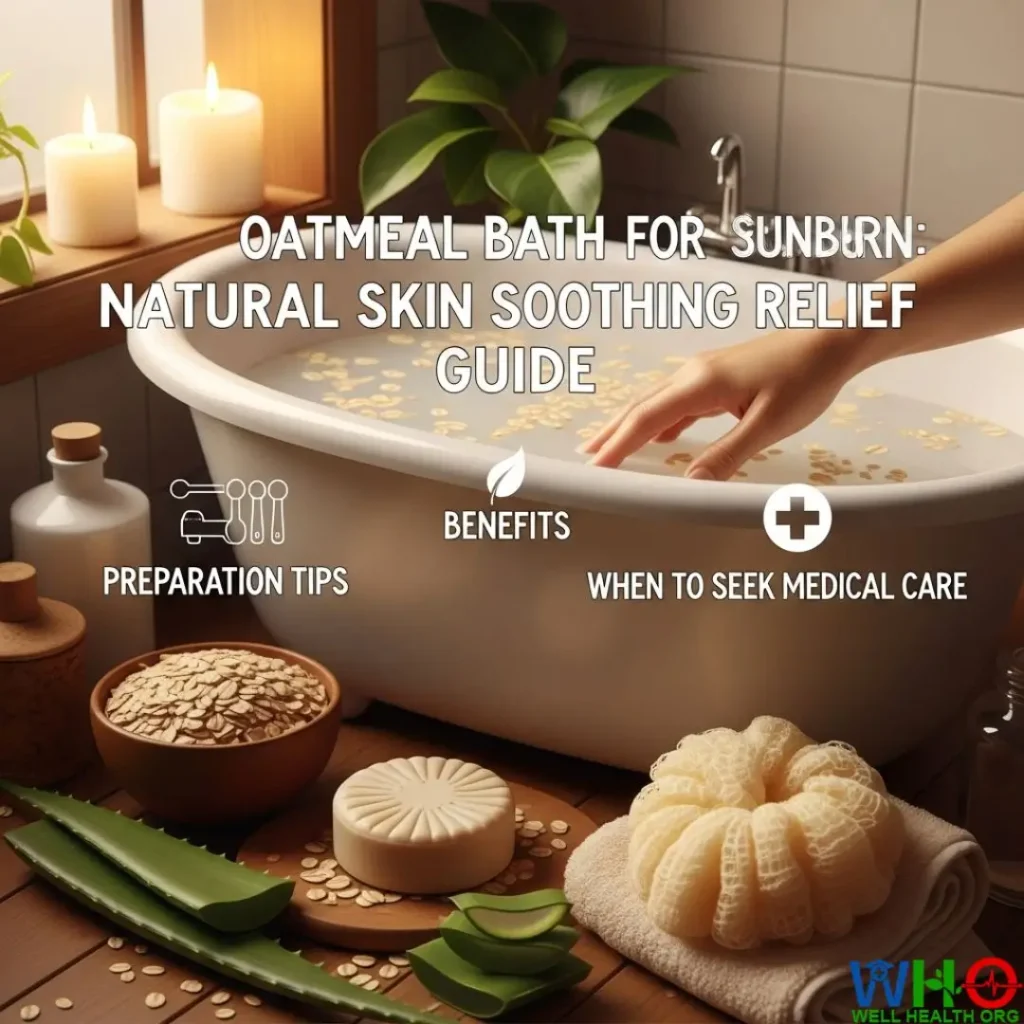
For generations, one simple home remedy has stood the test of time: the oatmeal bath for sunburn relief. This natural, soothing treatment doesn’t just ease pain and itching — it helps your skin heal more effectively by restoring its moisture balance and calming inflammation. Even better, it’s safe, affordable, and easy to prepare with ingredients you probably already have at home.
This comprehensive guide explains everything you need to know about using oatmeal baths to treat sunburn — including how they work, how to prepare them properly, and additional remedies that boost recovery. You’ll also learn essential prevention tips and when it’s time to seek medical help.
Understanding Sunburn and Its Effects on the Skin
Before exploring how oatmeal helps, it’s important to understand what happens when you get sunburned. Sunburn is a form of radiation burn caused by overexposure to the sun’s ultraviolet (UV) rays — specifically UVA and UVB. These rays penetrate your skin and damage the DNA within skin cells, triggering an inflammatory response as your body rushes to repair the damage.
In mild cases, sunburn causes redness, tenderness, and peeling. In more severe cases, it can lead to blisters, swelling, and even systemic symptoms like fever, chills, or dehydration. Repeated sunburns accelerate skin aging, weaken elasticity, and increase the risk of skin cancer, including melanoma.
When your skin is burned, it loses moisture and natural oils, leading to dryness and a compromised protective barrier. That’s why soothing hydration and gentle care are essential during the healing process — and oatmeal baths deliver both.
What Is an Oatmeal Bath and How Does It Work?
An oatmeal bath involves soaking in warm water mixed with colloidal oatmeal — a finely ground form of oats that disperses evenly in water, creating a soft, milky solution. This isn’t the same as dumping whole oats into your bathtub; colloidal oatmeal is processed to release powerful compounds that nourish and protect your skin.
The Science Behind Colloidal Oatmeal
Colloidal oatmeal is rich in biologically active components such as:
- Avenanthramides: Natural antioxidants with potent anti-inflammatory properties that calm redness, burning, and irritation.
- Beta-glucans: Sugars that form a thin, protective film over the skin, sealing in moisture and promoting faster healing.
- Saponins: Natural cleansers that gently remove dirt and oil without stripping the skin’s barrier.
- Lipids and proteins: These nourish and repair the skin, restoring softness and flexibility.
Together, these elements transform a simple oat soak into a therapeutic treatment that works with your skin’s natural healing mechanisms — providing immediate comfort and long-term recovery support.
Key Benefits of Oatmeal Baths for Sunburn Relief
Oatmeal baths are more than just a soothing soak. They offer multiple skin-healing benefits supported by research and centuries of use in dermatology.
1. Reduces Inflammation and Redness
Sunburn triggers your immune system to release inflammatory chemicals, which cause redness and heat. Avenanthramides in oatmeal act as natural anti-inflammatories, reducing the intensity of these reactions. Many users notice less redness and tenderness after just one or two baths.
2. Restores Skin Moisture
Sunburned skin loses its ability to retain water. Oatmeal’s beta-glucans help form a moisture-locking barrier, preventing further dehydration and relieving that tight, dry feeling. This effect is particularly important in the days following a burn, when skin begins to peel and flake.
3. Soothes Itching and Discomfort
As sunburn heals, itching often becomes unbearable. Oatmeal’s proteins have natural antihistamine effects that calm itching sensations, allowing the skin to recover without constant scratching — which can cause infection or scarring.
4. Provides Gentle Cleansing
Unlike soaps, which can strip natural oils and worsen irritation, colloidal oatmeal contains saponins that cleanse without damaging delicate tissue. It removes sweat, oils, and bacteria in a mild, skin-friendly way.
5. Supports Overall Skin Healing
By reducing inflammation, maintaining hydration, and protecting the skin barrier, oatmeal baths accelerate the overall healing process. Skin feels softer, smoother, and less irritated — all without synthetic ingredients or added chemicals.
How to Prepare an Oatmeal Bath for Sunburn: Step-by-Step Guide
Creating your own oatmeal bath at home is simple, but following the correct steps ensures maximum effectiveness. Here’s exactly how to do it:
Step 1: Choose or Make Colloidal Oatmeal
You can buy ready-to-use colloidal oatmeal powder at most pharmacies or make your own:
- Use plain, unflavored oats (quick oats or rolled oats work best).
- Grind 1 cup of oats in a blender or food processor until you get a fine, flour-like powder.
- Test it by mixing a spoonful into a glass of warm water — it should turn milky and feel silky, not gritty.
Step 2: Prepare the Bath
- Fill your bathtub with lukewarm water — never hot. Hot water increases inflammation and dryness.
- Sprinkle the oatmeal powder slowly under the running tap so it disperses evenly.
- Stir the water with your hand to make sure the oatmeal is fully dissolved and distributed.
Step 3: Soak Gently
- Immerse yourself in the bath for 15–20 minutes.
- Move your body occasionally to allow even coating of oatmeal across your skin.
- Focus on keeping sunburned areas submerged for consistent relief.
Step 4: Post-Bath Care
- When done, gently pat your skin dry with a soft towel. Avoid rubbing.
- While your skin is still slightly damp, apply a fragrance-free moisturizer or pure aloe vera gel to lock in hydration.
- Repeat once or twice a day as needed for ongoing relief.
Expert Tips for the Best Results
- Keep the Temperature Right:
Cool to lukewarm water is ideal. Too cold may shock your system; too hot worsens inflammation. - Limit Bath Time:
Over-soaking (beyond 20 minutes) can actually dry your skin. Short, consistent baths are better than long ones. - Use Clean Towels and Linens:
Always use freshly laundered towels to avoid introducing bacteria to vulnerable, sunburned skin. - Moisturize Immediately After Bathing:
Apply a lightweight, alcohol-free moisturizer within three minutes of getting out to seal in hydration. - Stay Hydrated:
Drink plenty of water. Remember, sunburn draws fluids to the surface, leaving your body dehydrated.
Additional Natural Remedies to Complement Oatmeal Baths
For maximum comfort and healing, combine oatmeal baths with these gentle, natural remedies:

1. Aloe Vera
Pure aloe vera gel has cooling and anti-inflammatory effects. Apply it directly to burned areas after bathing. For an extra soothing effect, refrigerate the gel before use.
2. Cold Compresses
Use clean, damp washcloths soaked in cool water to relieve hot spots between baths. Apply for 10–15 minutes several times a day.
3. Honey
Honey is a natural humectant that locks in moisture and promotes wound healing. Apply a thin layer to small patches of sunburned skin and rinse off gently after 20 minutes.
4. Cucumber Slices or Puree
Cucumbers are rich in antioxidants and have natural cooling properties. Blend or slice and apply to the affected areas for instant relief.
5. Coconut Water or Yogurt Mask
Plain yogurt or coconut water can soothe the skin and replenish lost nutrients. Apply gently, let it sit for 10–15 minutes, and rinse with cool water.
What to Avoid When Treating Sunburn
It’s tempting to try quick fixes, but certain common treatments can do more harm than good. Avoid:
- Petroleum jelly or thick oils: These trap heat in the skin and delay healing.
- Harsh soaps or scrubs: They strip moisture and aggravate inflammation.
- Alcohol-based lotions: These can sting and dry out your skin further.
- Ice or very cold water: Sudden temperature changes can worsen tissue damage.
- Breaking blisters: This increases infection risk. Let them heal naturally.
Healing from the Inside Out: Nutrition and Hydration
Skin recovery isn’t just about what you put on your body — it’s also about what you put in it.
Stay Hydrated
Drink water throughout the day to replace fluids lost through evaporation and inflammation. Add electrolytes if your burn is extensive or you’ve been sweating heavily.
Eat Skin-Repairing Foods
Incorporate foods rich in:
- Vitamin C: Supports collagen repair (citrus fruits, strawberries, bell peppers)
- Vitamin E: Acts as an antioxidant (nuts, seeds, avocados)
- Omega-3 fatty acids: Reduces inflammation (salmon, flaxseeds)
- Zinc: Aids in wound healing (pumpkin seeds, chickpeas)
How Long Does It Take for Sunburn to Heal?
Mild sunburns typically improve within 3 to 5 days, while moderate cases may take up to a week or more. Severe sunburns with blistering can take two weeks or longer to fully heal. Using oatmeal baths consistently during this period can help shorten recovery time by calming inflammation and promoting moisture retention.
When to Seek Medical Attention
Oatmeal baths are excellent for mild to moderate sunburns, but some symptoms require immediate medical care. Contact a doctor if you experience:
- Blisters covering more than 20% of your body
- Severe swelling or pain not relieved by home remedies
- Fever, chills, or nausea
- Signs of infection (pus, red streaks, worsening redness)
- Dizziness, confusion, or dehydration symptoms
- Eye pain or vision changes after sun exposure
These may indicate sun poisoning or second-degree burns, which need professional treatment.
Prevention: Your Best Defense Against Sunburn
Once you’ve healed, the next goal is to prevent sunburn from happening again. Protecting your skin isn’t just about comfort — it’s about long-term health.
1. Use Sunscreen Daily
Choose a broad-spectrum SPF 50+ sunscreen and reapply every two hours, especially after swimming or sweating.
2. Seek Shade
Avoid direct sunlight during peak hours between 10 AM and 4 PM.
3. Wear Protective Clothing
Opt for UPF-rated clothing, wide-brimmed hats, and UV-blocking sunglasses.
4. Stay Aware on Cloudy Days
Up to 80% of UV rays can penetrate clouds — so don’t skip sunscreen.
5. Keep Skin Moisturized
Healthy, hydrated skin is less prone to peeling, cracking, and lasting damage after sun exposure.
Medically Reviewed by Prof. Dr. Akram
Orthopedic Surgeon | Professor | Senior Medical Specialist
Prof. Dr. Akram is a distinguished surgeon with over 15 years of clinical expertise. Having served as a lead Emergency Specialist at Complex International Government Hospital, he currently leads a specialized team of 13 medical professionals at his private hospital. As a Professor at top medical universities, he ensures that every article on WellHealthOrg.com meets rigorous clinical standards.
Medical Disclaimer:
The information provided is for educational purposes only and is not a substitute for professional medical advice, diagnosis, or treatment. Always consult your physician for any medical concerns.
Our content is rigorously fact-checked by our 13-member Editorial Team under the clinical supervision of Prof. Dr. Akram.