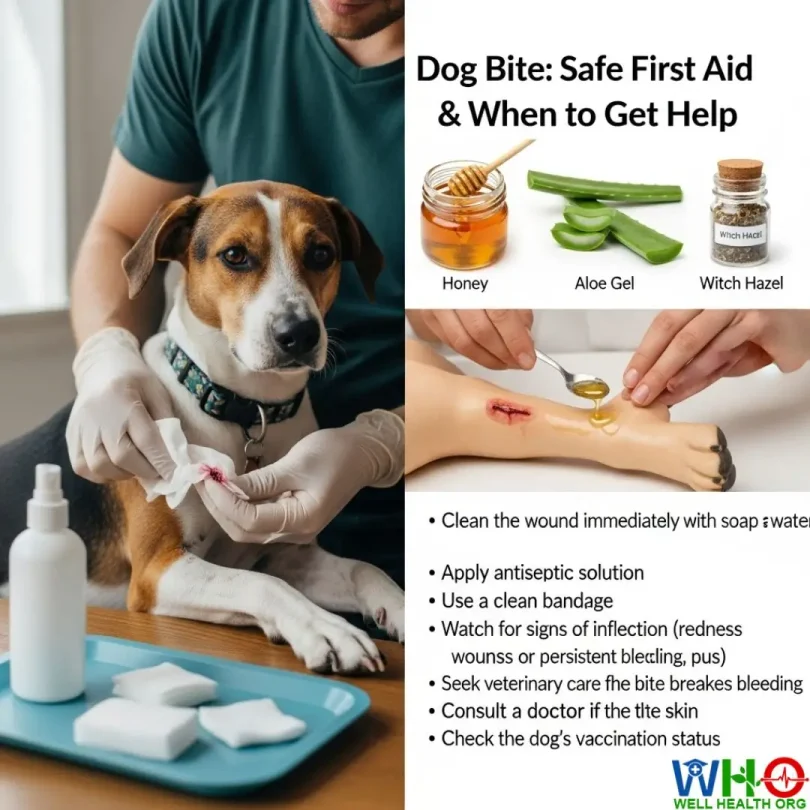
Introduction: Understanding Dog Bites and Why Quick Action Matters
Dog bites can happen when you least expect them — a playful nip from your pet that goes wrong, a startled neighborhood dog reacting defensively, or even an encounter with an unfamiliar stray. Regardless of how it happens, every dog bite should be taken seriously. Beyond the visible wound, the real danger lies in the bacteria inside a dog’s mouth, which can cause severe infections if not treated promptly.
- Introduction: Understanding Dog Bites and Why Quick Action Matters
- Immediate First Aid: What to Do Right After a Dog Bite
- 1. Stop the Bleeding Immediately
- 2. Clean the Wound Thoroughly
- 3. Protect and Cover the Wound
- Natural Remedies for Minor Dog Bite Wound Care
- Honey: Nature’s Best Antibacterial Healer
- Turmeric: The Golden Anti-Inflammatory Remedy
- Aloe Vera: The Cooling Healer
- Natural Ways to Prevent Infection After a Dog Bite
- Tea Tree Oil: A Natural Disinfectant (Use with Caution)
- Saltwater Rinse: Simple and Effective
- When Home Remedies Aren’t Enough: Recognizing Danger Signs
- Seek Professional Help Immediately If You Notice:
- Why Every Dog Bite Needs a Medical Evaluation
- 1. Infection Risk
- 2. Rabies Assessment
- 3. Tetanus Shot
- Emotional and Psychological Recovery After a Dog Bite
- For Adults:
- For Children:
- Legal and Reporting Steps: Protecting Yourself and Others
- What to Document:
- Prevention: Reducing the Risk of Dog Bites
- For Dog Owners:
- For Non-Owners and Children:
- Supporting Recovery Naturally
- Conclusion: Protect, Heal, and Learn
- Frequently Asked Questions
While professional medical care is essential, knowing the correct first aid and natural wound care steps can make a big difference in those critical first minutes. Acting quickly and cleaning the wound properly helps prevent infection, minimizes scarring, and sets the stage for faster healing.
In this comprehensive guide, you’ll learn:
- What to do immediately after a dog bite
- Effective and safe home remedies for mild dog bites
- Natural treatments that support healing and fight infection
- When it’s time to see a doctor
- How to handle the emotional and legal aspects of a dog bite
By the end, you’ll have a clear understanding of how to treat a dog bite at home safely — and when home care isn’t enough.
Immediate First Aid: What to Do Right After a Dog Bite
The first few minutes after a dog bite are the most crucial. How you respond during this time can determine whether your wound heals cleanly or becomes infected. Let’s go step-by-step through the essential first aid process.
1. Stop the Bleeding Immediately
If the wound is bleeding, don’t panic — but act fast.
- Apply direct pressure using a clean cloth, sterile gauze, or even a clean piece of clothing if you’re outdoors and have no medical supplies handy.
- If possible, elevate the injured area above heart level to slow blood flow and minimize swelling.
- Maintain firm, steady pressure for at least 10 to 15 minutes.
For minor bites, bleeding should stop within that time. But if the blood spurts, won’t stop with pressure, or the wound looks deep, call emergency services immediately. These could be signs of a damaged artery or severe tissue injury.
2. Clean the Wound Thoroughly
Cleaning is the most important step in preventing infection. Dog saliva contains over 60 different types of bacteria, and even a small puncture can trap germs deep under the skin.
Follow this safe cleaning process:
- Rinse the wound under lukewarm running water for at least 10 minutes.
- Use mild hand soap (avoid harsh antiseptics that can irritate tissue).
- Gently wash the surrounding area, allowing water to flow through the wound to flush out saliva and debris.
After cleaning, pat the area dry with a clean towel. Then, apply an antiseptic such as povidone-iodine or 3% hydrogen peroxide around the edges (not deep inside puncture wounds). These help reduce bacteria but can damage tissue if overused, so be gentle.
3. Protect and Cover the Wound
Once cleaned, apply a thin layer of antibiotic ointment or a natural antibacterial remedy (like honey or aloe vera, which we’ll discuss soon). Then, cover it with a sterile, non-stick bandage to keep out dirt and bacteria.
Change the dressing at least once or twice a day, or anytime it becomes wet or dirty. Keep an eye out for early signs of infection such as redness, swelling, or warmth.
Natural Remedies for Minor Dog Bite Wound Care
For superficial scratches or mild bites, a few natural remedies can support your body’s healing and minimize scarring. These remedies should always follow proper cleaning, not replace it.
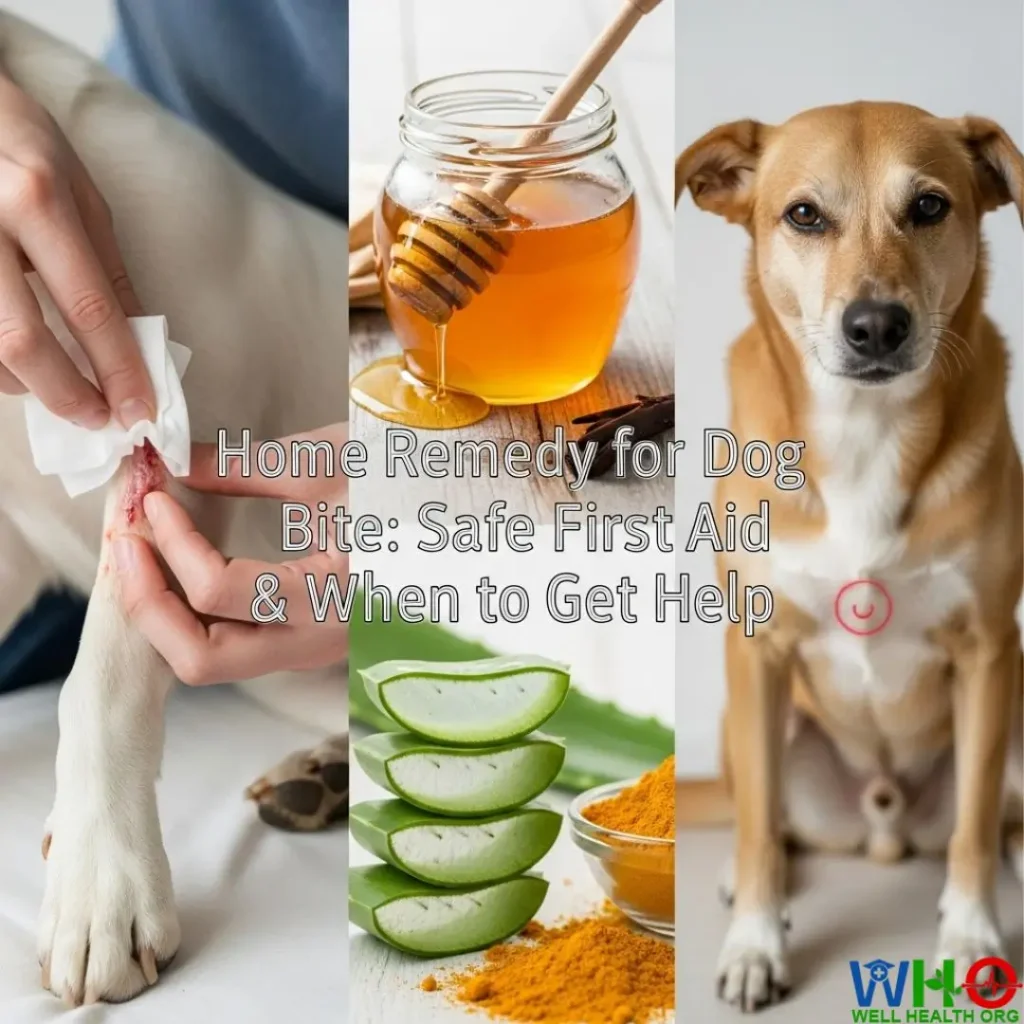
Honey: Nature’s Best Antibacterial Healer
Honey, especially medical-grade Manuka honey, is one of the best-known natural wound treatments. It’s rich in antimicrobial enzymes and creates a protective barrier that discourages bacterial growth.
How to Use:
- Apply a thin layer of pure, organic honey to the cleaned wound.
- Cover it with a sterile dressing or gauze.
- Replace daily and reapply honey until the wound begins to close and redness fades.
Honey not only keeps the wound clean but also speeds tissue regeneration and reduces inflammation — an excellent choice for shallow bites or scratches.
Turmeric: The Golden Anti-Inflammatory Remedy
Turmeric contains curcumin, a compound with natural antibacterial and anti-inflammatory properties. It helps calm swelling, boosts local immunity, and can minimize the chance of infection.
To apply safely:
- Mix turmeric powder with sterile water or coconut oil to create a smooth paste.
- Apply it gently around the wound edges — never inside a deep puncture.
- Cover with a light, clean dressing.
You can also drink turmeric milk (a mix of warm milk and a pinch of turmeric) to support healing from the inside out.
Aloe Vera: The Cooling Healer
Fresh aloe vera gel soothes pain, reduces inflammation, and supports skin regeneration. It’s also naturally antimicrobial, making it ideal for small wounds.
How to Use:
- Extract fresh gel directly from an aloe leaf.
- Apply a thin layer over the cleaned wound.
- Cover with a sterile bandage and reapply twice daily.
Choose pure aloe vera gel without artificial additives if you’re using a store-bought version.
Natural Ways to Prevent Infection After a Dog Bite
Even after cleaning and dressing, infection can develop quickly. Combining good hygiene with natural antimicrobial support keeps your wound safe during the healing phase.
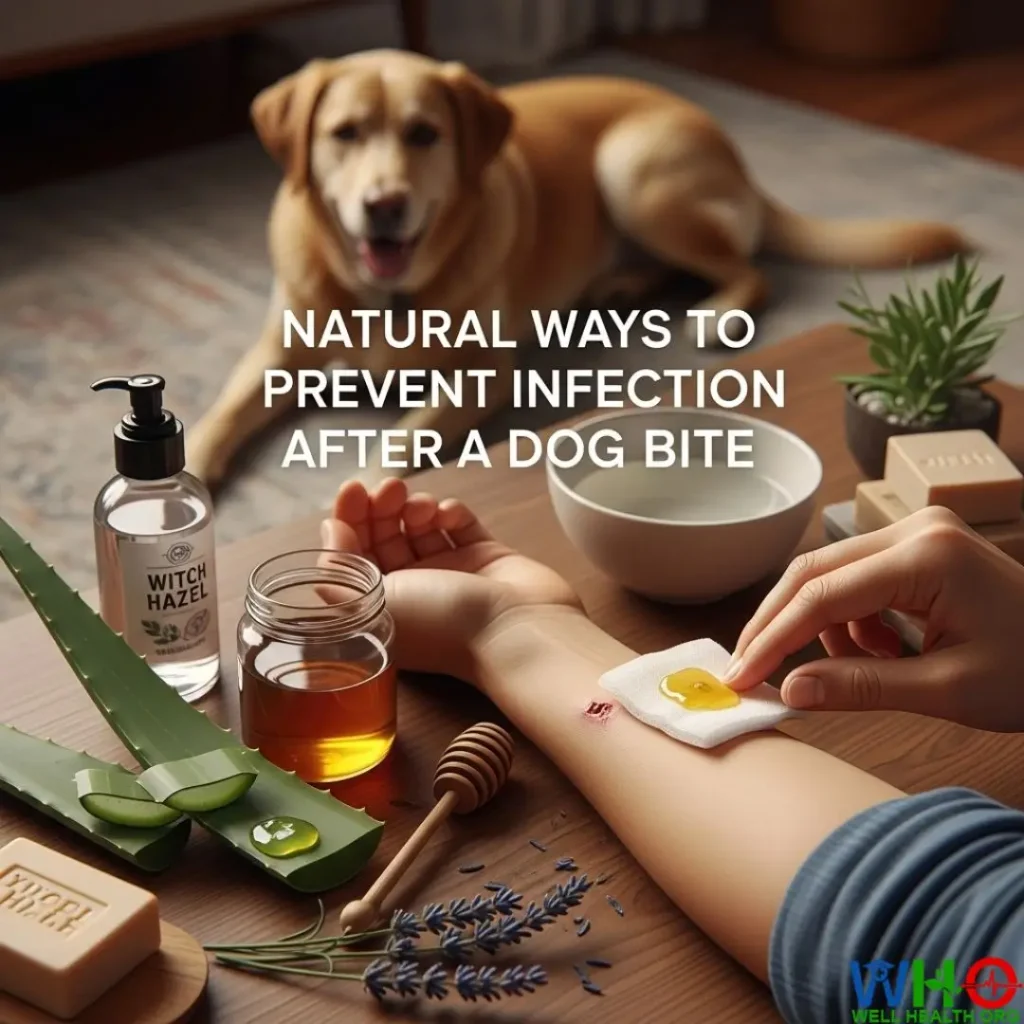
Tea Tree Oil: A Natural Disinfectant (Use with Caution)
Tea tree oil is one of nature’s most powerful antiseptics — but it’s very strong and must be diluted.
How to Apply Safely:
- Mix 1–2 drops of tea tree oil with 1 tablespoon of coconut or olive oil.
- Dab gently around the wound edges using a clean cotton swab.
- Never pour undiluted oil directly into open skin.
Always do a patch test on your forearm first to check for irritation or allergic reactions.
Saltwater Rinse: Simple and Effective
Saltwater is one of the oldest and safest wound-cleaning methods. It helps cleanse minor wounds, balance skin pH, and discourage bacterial growth.
How to Make and Use:
- Dissolve 1 teaspoon of salt in 1 cup of warm water.
- Rinse the wound gently twice daily.
- Pat dry before reapplying any dressing or ointment.
This gentle method is particularly good for keeping shallow wounds clean as they heal.
When Home Remedies Aren’t Enough: Recognizing Danger Signs
Not all bites can or should be treated at home. Some wounds require immediate medical care, especially if they’re deep, bleeding heavily, or show early signs of infection.
Seek Professional Help Immediately If You Notice:
- Deep puncture wounds or visible muscle/fat exposure
- Bleeding that won’t stop after 15 minutes of pressure
- Fever, chills, or body aches within 24 hours of the bite
- Increasing redness, swelling, or pus around the wound
- Red streaks spreading outward (a sign of blood infection)
- Bites from unknown or unvaccinated dogs
Even if a wound appears minor, infection can develop beneath the skin — especially from dog bites on the hands, face, or legs.
Why Every Dog Bite Needs a Medical Evaluation
Even small bites should be checked by a healthcare professional within 8 hours. Here’s why:
1. Infection Risk
A doctor will assess whether you need antibiotics to prevent infection, especially if the bite broke the skin.
2. Rabies Assessment
Your doctor will ask if the dog is vaccinated and whether it can be observed for rabies symptoms. Rabies is rare but fatal if untreated — you’ll need post-exposure prophylaxis if there’s any doubt.
3. Tetanus Shot
If you haven’t had a tetanus booster in the past 5 years, your doctor may recommend one immediately.
Emotional and Psychological Recovery After a Dog Bite
A dog bite doesn’t just leave a physical wound — it can also cause emotional trauma, especially for children or people who love animals. Feeling fear, anxiety, or even guilt is normal after such an incident.
For Adults:
Talk about the event and process your feelings. If you find yourself becoming fearful around dogs, consider speaking with a counselor or therapist who specializes in trauma recovery.
For Children:
Provide reassurance and clear explanations about what happened. Avoid letting the fear linger — gently reintroduce safe, calm dogs once the child feels ready, to prevent long-term fear.
Legal and Reporting Steps: Protecting Yourself and Others
In most areas, dog bites must be reported to local authorities or animal control. This helps track potentially dangerous animals and prevent future attacks. Reporting isn’t about blame — it’s about safety.
What to Document:
- Photos of your wound (after medical cleaning)
- Contact details of the dog’s owner and any witnesses
- Time, date, and location of the incident
- Medical reports and treatment details
These records are valuable for both public health and insurance purposes if complications arise.
Prevention: Reducing the Risk of Dog Bites
Prevention starts with awareness and education — for both dog owners and the public.
For Dog Owners:
- Train and socialize your dog early.
- Keep vaccinations, especially rabies, up to date.
- Use leashes in public and secure your property properly.
- Recognize and respect signs of canine stress, such as growling or avoiding eye contact.
For Non-Owners and Children:
- Never approach an unfamiliar dog without the owner’s permission.
- Avoid touching dogs while they’re eating, sleeping, or caring for puppies.
- Don’t run away from dogs — this can trigger their chase instinct.
- Teach children to stay calm and avoid making sudden movements.
Supporting Recovery Naturally
As your wound heals, support your body with proper nutrition and rest. Eat foods rich in vitamin C (citrus fruits, bell peppers) and zinc (nuts, seeds, legumes) to boost collagen production and tissue repair.
Stay hydrated, keep your wound clean, and watch for any late signs of infection for at least two weeks after the bite.
Conclusion: Protect, Heal, and Learn
Dog bites can be frightening, but knowing how to respond makes all the difference. Quick first aid — stopping the bleeding, cleaning the wound, and protecting it — can prevent infection and save tissue. Natural remedies like honey, turmeric, and aloe vera can support healing, but they should complement, not replace, professional care.
Always err on the side of caution: seek medical evaluation for any dog bite, even if it looks minor. Protecting your health also means addressing emotional healing and taking steps to prevent future incidents — for you, your pets, and your community.
Frequently Asked Questions
1. Can I treat a dog bite at home?
Minor bites and scratches can be managed at home with proper cleaning and natural remedies, but all bites should be checked by a doctor to rule out infection and rabies.
2. How long does a dog bite take to heal?
Superficial bites may heal in 7–10 days, while deeper wounds can take several weeks, depending on care and infection prevention.
3. Is hydrogen peroxide safe for cleaning dog bites?
It can be used once for initial cleaning but avoid repeated use — it may harm healthy tissue and delay healing.
4. What should I do if a stray dog bites me?
Wash the wound immediately, cover it, and go to a hospital. Rabies prophylaxis must start as soon as possible after exposure.
5. Can natural remedies replace antibiotics?
No. Natural remedies support healing but cannot substitute prescribed antibiotics for moderate or severe bites.
Medically Reviewed by Prof. Dr. Akram
Orthopedic Surgeon | Professor | Senior Medical Specialist
Prof. Dr. Akram is a distinguished surgeon with over 15 years of clinical expertise. Having served as a lead Emergency Specialist at Complex International Government Hospital, he currently leads a specialized team of 13 medical professionals at his private hospital. As a Professor at top medical universities, he ensures that every article on WellHealthOrg.com meets rigorous clinical standards.
Medical Disclaimer:
The information provided is for educational purposes only and is not a substitute for professional medical advice, diagnosis, or treatment. Always consult your physician for any medical concerns.
Our content is rigorously fact-checked by our 13-member Editorial Team under the clinical supervision of Prof. Dr. Akram.