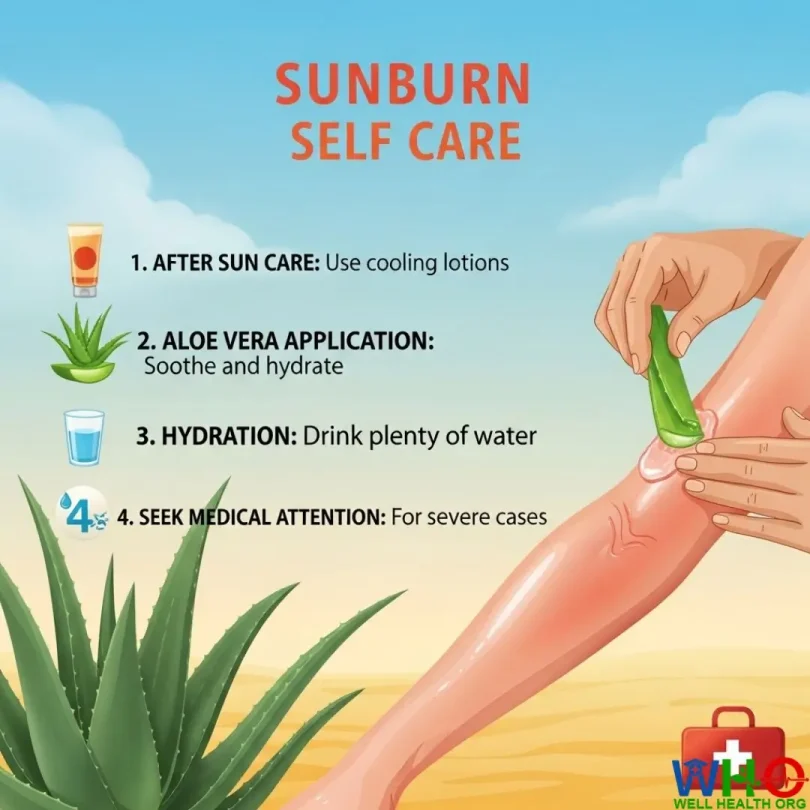
Sunburn Self Care
Few things can ruin a perfect sunny day faster than realizing your skin has turned an angry shade of red. Whether you spent too long at the beach, forgot to reapply sunscreen, or underestimated a cloudy day, sunburn is your skin’s way of saying it’s had too much. That warm, tight, and tingling sensation may seem mild at first—but beneath the surface, your skin cells are inflamed and fighting to repair UV-induced damage.
- Sunburn Self Care
- Understanding What Happens When You Get Sunburned
- Step 1: Get Out of the Sun Immediately
- Step 2: Cool Down Your Skin—Safely and Gently
- Step 3: Apply Aloe Vera and Hydrating Moisturizers
- Step 4: Try Additional Home Remedies for Faster Relief
- Step 5: Stay Hydrated—Inside and Out
- Step 6: Handle Blisters with Care
- Step 7: Know When to Seek Medical Attention
- Step 8: Prevention — The Smartest Form of Sunburn Self-Care
- 1. Use Sunscreen Correctly
- 2. Seek Shade
- 3. Dress for Protection
- 4. Don’t Trust the Clouds
- 5. Be Wary of Reflective Surfaces
- 6. Strengthen Skin from the Inside Out
- Step 9: The Healing Timeline — What to Expect
- Step 10: Post-Sunburn Skin Care and Long-Term Protection
- 1. Continue Moisturizing Daily
- 2. Avoid Harsh Products
- 3. Protect Healing Skin from the Sun
- 4. Treat Peeling Gently
- 5. Schedule Regular Skin Checks
- Step 11: Myths About Sunburns—Busted
- Step 12: When Sunburn Becomes Sun Poisoning
- Step 13: Long-Term Skin Health After Sun Damage
- Conclusion: Treat Your Skin with Respect and Care
- Frequently Asked Questions (FAQs)
Sunburn isn’t just about short-term discomfort. Repeated sun exposure without protection can lead to premature aging, dark spots, wrinkles, and even skin cancer. But the good news is that with the right care, you can significantly speed up healing, reduce pain, and protect your skin from lasting harm.
This in-depth guide covers immediate steps, proven home remedies, professional care advice, and powerful prevention tips—everything you need to know to care for your skin after sunburn and prevent it from happening again.
Understanding What Happens When You Get Sunburned
When ultraviolet (UV) rays penetrate your skin, they damage the DNA in your skin cells faster than your body can produce melanin—the pigment that acts as a natural sunscreen. Your immune system responds by sending extra blood to the area to repair the damage, causing redness, swelling, and pain.
This process can start within a few hours of exposure and peak at around 24–36 hours. Depending on how severe the burn is, it may take anywhere from three days to over a week for your skin to fully heal. Severe burns can even blister and peel as your body sheds damaged cells and regenerates new ones.
Step 1: Get Out of the Sun Immediately
The moment you notice your skin turning pink or feeling unusually warm, stop what you’re doing and find shade or go indoors. Staying out in the sun will only deepen the damage and increase the risk of peeling or blistering later on.
Once you’re safely away from UV exposure, inspect your skin in natural light. If it’s just slightly flushed, you may be dealing with a mild burn that’s easily treatable at home. But if the skin is fiery red, tender to touch, or forming blisters, it’s a more serious burn that requires gentle, consistent care.
Even if you’re wearing sunscreen, remember that reapplication is crucial—especially after sweating or swimming. Missing just one spot can lead to a painful patch later, so make it a rule to check your coverage every two hours outdoors.
Step 2: Cool Down Your Skin—Safely and Gently
After getting out of the sun, your top priority is to release the heat trapped in your skin. Cooling helps calm inflammation and reduces the burning sensation.
Take a cool (not cold) shower or bath for 10–15 minutes. The goal is to soothe your skin, not shock it. Extremely cold water can constrict blood vessels and make discomfort worse.
After bathing:
- Gently pat your skin dry with a soft towel—don’t rub.
- Leave your skin slightly damp to help seal in moisture when applying lotion.
- For quick spot relief, apply a cool, damp washcloth to sunburned areas for 10–15 minutes, several times a day.
Avoid using ice directly on your skin—it may feel good temporarily but can actually worsen inflammation and increase sensitivity.
Step 3: Apply Aloe Vera and Hydrating Moisturizers
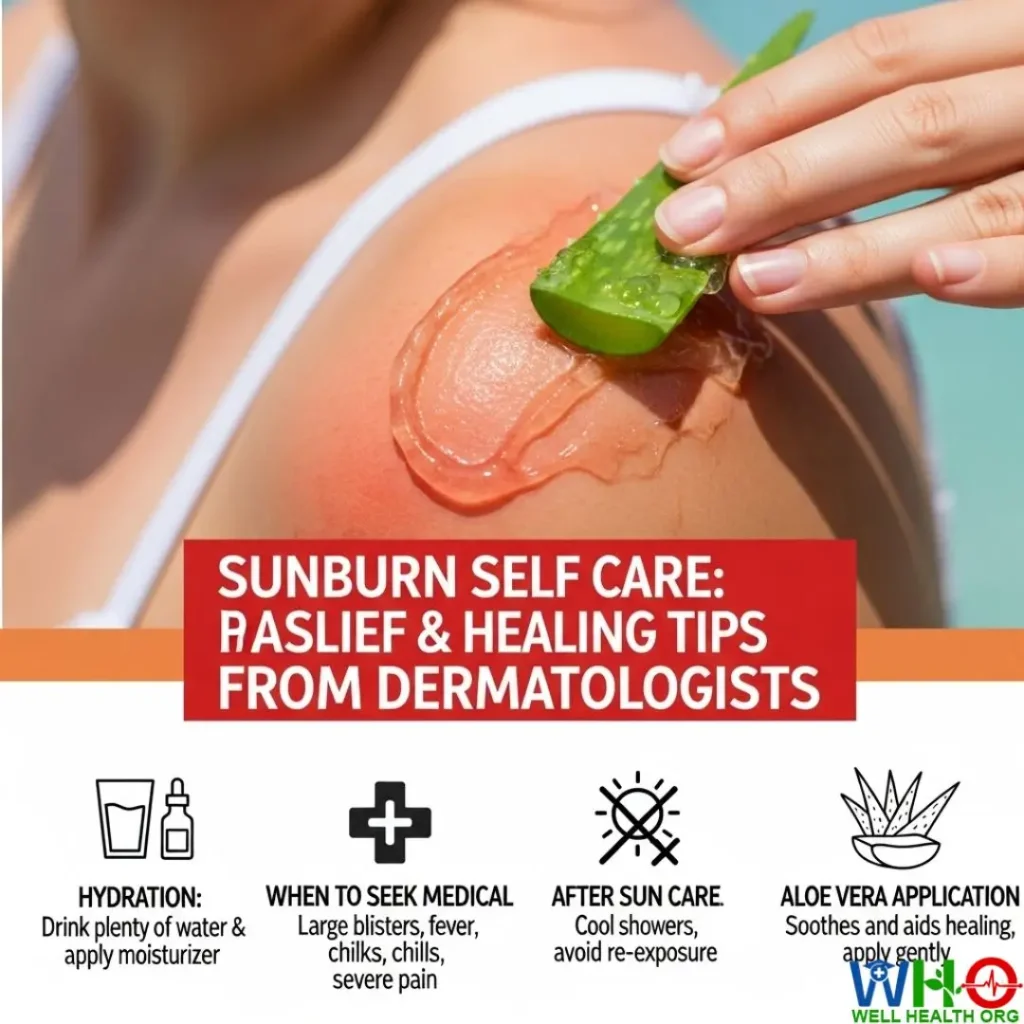
One of the most effective and soothing remedies for sunburn is pure aloe vera. This natural gel contains anti-inflammatory and antioxidant compounds that help calm redness, reduce swelling, and support your skin’s healing process.
If you have an aloe vera plant, cut a fresh leaf, scoop out the gel, and apply it directly to your skin. For store-bought products, look for options labeled “100% pure aloe vera gel” without alcohol or added fragrances, which can irritate sensitive skin.
After aloe application, follow with a gentle, fragrance-free moisturizer containing ingredients like soy, ceramides, or glycerin. These help lock in hydration and prevent excessive peeling.
Reapply moisturizer several times a day—especially after bathing or when your skin feels dry and tight. Keeping your skin hydrated speeds up recovery and helps prevent flaking.
Step 4: Try Additional Home Remedies for Faster Relief
Beyond aloe vera, a few household items can make your sunburn recovery smoother:
- Calamine Lotion: Helps relieve itching and provides a cooling effect. Apply a thin layer and let it absorb naturally.
- Colloidal Oatmeal Baths: Add finely ground oatmeal to lukewarm bathwater to soothe widespread sunburn. It’s especially effective if your skin feels itchy or rough.
- Apple Cider Vinegar (Diluted): Some people find relief by mixing a tablespoon of apple cider vinegar with a cup of water and gently dabbing it on burned areas using a cotton pad. This helps restore your skin’s natural pH balance—but only use it if your skin isn’t blistered.
- Over-the-Counter Pain Relievers: Medications like ibuprofen or aspirin can reduce swelling, redness, and pain. Always take them with food and follow package directions.
Avoid using petroleum-based products too early, as they can trap heat in your skin. Once the heat has subsided (usually after the first 24 hours), they can help keep your skin moisturized.
Step 5: Stay Hydrated—Inside and Out
Sunburn pulls fluid from deeper tissues to your skin’s surface to aid healing. This can lead to mild dehydration, leaving you feeling fatigued, dizzy, or nauseated.
To help your body recover:
- Drink plenty of water—at least 8–10 glasses per day.
- Add electrolyte-rich drinks like coconut water if you’ve been sweating heavily.
- Eat water-dense foods like watermelon, cucumber, and oranges.
Proper hydration doesn’t just help your skin heal—it also replenishes the moisture your body loses through the damaged skin barrier.
Step 6: Handle Blisters with Care
If blisters form, you’ve likely sustained a second-degree sunburn. While they may look alarming, blisters are your body’s natural defense mechanism, sealing off the injured tissue underneath to prevent infection.
Here’s how to manage them safely:
- Do NOT pop or peel blisters, no matter how tempting it may be.
- Clean the area gently with mild soap and water.
- Apply a thin layer of petroleum jelly to keep it moist.
- Cover with a loose, non-stick bandage if needed for protection.
- Change bandages daily and monitor for signs of infection, such as redness, pus, or increased pain.
If a blister breaks accidentally, wash it carefully, apply an antibiotic ointment, and keep it covered to prevent bacteria from entering.
Step 7: Know When to Seek Medical Attention
While most sunburns heal with time and home remedies, some cases require medical intervention. It’s important to recognize when your body is signaling for extra help.
You should contact a healthcare provider or dermatologist immediately if you experience any of the following:
- Severe blistering covering a large portion of your body
- High fever (over 101°F or 38.3°C), chills, or flu-like symptoms
- Nausea, dizziness, or confusion, which can signal heat exhaustion or sun poisoning
- Signs of infection, such as increased redness, swelling, pus, or pain
- Severe dehydration that doesn’t improve even after drinking water
- Intense pain unrelieved by over-the-counter medication
Children, older adults, and people with fair or sensitive skin are especially vulnerable to complications and should always be evaluated if symptoms seem unusual or severe.
Don’t hesitate to seek medical advice—sunburn may look like a simple skin issue, but it’s actually a sign of deeper cellular damage that sometimes requires professional care.
Step 8: Prevention — The Smartest Form of Sunburn Self-Care
The most effective sunburn treatment is not getting one in the first place. Prevention isn’t just about vanity; it’s about protecting your skin’s health for life. UV damage accumulates over time, meaning every sunburn increases your risk of skin cancer, wrinkles, and dark spots later in life.
Here’s how to protect your skin every day:
1. Use Sunscreen Correctly
- Choose a broad-spectrum, water-resistant sunscreen with an SPF of 30 or higher.
- Apply at least one ounce (a shot glass full) of sunscreen to cover your body.
- Reapply every two hours, and immediately after swimming or sweating.
- Don’t forget easy-to-miss spots: your ears, back of the neck, tops of feet, and scalp line.
2. Seek Shade
Limit direct sun exposure between 10 a.m. and 4 p.m., when UV rays are strongest. Whether you’re at the beach, hiking, or gardening, take breaks in the shade to give your skin time to recover.
3. Dress for Protection
Opt for sun-protective clothing—lightweight, long-sleeved shirts, wide-brimmed hats, and UV-blocking sunglasses. Many brands now offer clothing with UPF (Ultraviolet Protection Factor) ratings that block up to 98% of UV radiation.
4. Don’t Trust the Clouds
Even on overcast days, up to 80% of UV rays penetrate clouds. Always wear sunscreen regardless of the weather.
5. Be Wary of Reflective Surfaces
Water, snow, and sand reflect UV rays, effectively doubling your exposure. This is why people often burn faster near the beach or on ski trips than they realize.
6. Strengthen Skin from the Inside Out
A diet rich in antioxidants—like vitamin C, E, and beta-carotene—can help your skin resist UV damage. Foods like oranges, carrots, spinach, and almonds all contribute to natural skin defense.
Step 9: The Healing Timeline — What to Expect
Understanding how your skin heals helps you manage expectations and avoid aggravating the damage.
Day 1–2:
- Redness, warmth, and mild pain begin to develop.
- Cooling treatments and hydration are key.
Day 3–4:
- Skin may start to tighten or itch as it repairs itself.
- Continue moisturizing and avoid picking or scratching.
Day 5–7:
- Peeling may occur as dead skin cells shed naturally.
- Keep moisturizing to prevent cracking and dryness.
After One Week:
- New skin appears, slightly more sensitive than before.
- Continue gentle care and avoid direct sunlight for several more days.
Healing speed varies based on skin type, burn severity, and how quickly you begin treatment.
Step 10: Post-Sunburn Skin Care and Long-Term Protection
Even after your skin appears healed, the effects of UV damage can linger beneath the surface. Strengthening your skin’s natural barrier and rebuilding its resilience are essential steps to prevent future burns.
1. Continue Moisturizing Daily
Keep your skin hydrated with gentle, nourishing lotions containing ingredients like hyaluronic acid, ceramides, and vitamin E. This helps repair damaged cells and supports your skin barrier.
2. Avoid Harsh Products
Skip exfoliants, retinoids, and alcohol-based toners for at least a week after sunburn—they can worsen irritation. Stick to mild cleansers and soothing products.
3. Protect Healing Skin from the Sun
Even mild UV exposure can re-burn sensitive, healing skin. Wear protective clothing, apply sunscreen religiously, and limit time outdoors during recovery.
4. Treat Peeling Gently
When peeling starts, resist the urge to pull off loose skin. Let it shed naturally while keeping the area moisturized to avoid scarring.
5. Schedule Regular Skin Checks
If you burn easily or have a history of frequent sunburns, make annual dermatology appointments part of your routine. Early detection of skin abnormalities can save your life.
Step 11: Myths About Sunburns—Busted
Even in the age of the internet, plenty of misinformation about sunburns persists. Let’s clear up a few common myths:
- Myth 1: “A base tan prevents sunburn.”
False. Any tan is a sign of skin damage. It provides minimal protection—equivalent to an SPF of about 3. - Myth 2: “You can’t get burned on a cloudy day.”
False. UV rays pass through clouds and can still damage your skin. - Myth 3: “Oil or butter can soothe sunburn.”
Avoid these completely. They trap heat and delay healing. - Myth 4: “Peeling means your skin is healing faster.”
Peeling is just your body’s way of removing damaged cells—it’s not a sign of rapid recovery. - Myth 5: “Dark skin doesn’t burn.”
People with darker skin tones can still burn and experience long-term UV damage. Protection is essential for all skin types.
Step 12: When Sunburn Becomes Sun Poisoning
Severe sunburn—often called sun poisoning—isn’t just a surface injury. It can cause systemic symptoms, including dehydration, fever, and infection risk.
Signs include:
- Severe blistering and peeling
- Headaches, nausea, or fainting
- Rapid heartbeat
- Swelling of the face or limbs
- Fever and chills
If you suspect sun poisoning, seek medical care immediately. You may need oral or IV fluids, prescription creams, or stronger pain relief to recover safely.
Step 13: Long-Term Skin Health After Sun Damage
Even one blistering sunburn can double your risk of melanoma, the deadliest form of skin cancer. Protecting and monitoring your skin long-term is crucial.
Perform monthly self-checks in front of a mirror:
- Look for new or changing moles, dark spots, or lesions.
- Remember the ABCDE rule: Asymmetry, Border irregularity, Color variation, Diameter >6mm, and Evolving shape.
If you notice any changes, schedule a dermatologist appointment immediately.
Conclusion: Treat Your Skin with Respect and Care
Sunburn may seem like a temporary annoyance, but its effects run much deeper than a few days of redness and peeling. The good news is that with immediate care—cooling the skin, staying hydrated, moisturizing regularly, and avoiding further UV exposure—you can minimize the damage and support healthy healing.
Most importantly, make sun protection a daily habit. Sunscreen, shade, and protective clothing aren’t just for summer—they’re essential year-round defenses against premature aging and skin cancer.
Your skin protects you every day from the world around you. It deserves that same care and protection in return. Treat it gently, listen to its signals, and enjoy the sun safely.
Frequently Asked Questions (FAQs)
1. How long does sunburn take to heal?
Mild sunburns heal in about 3–5 days, while more severe burns with blisters can take up to two weeks. Moisturizing and avoiding sun exposure can speed up recovery.
2. Is peeling skin after sunburn normal?
Yes. Peeling is your body’s way of shedding dead skin cells. Let it happen naturally—don’t pull or scrub it off.
3. Can I still tan after a sunburn?
No. Your skin is already damaged and sensitive. Further UV exposure will worsen the damage and increase cancer risk.
4. Are home remedies like milk or yogurt effective for sunburn?
Cold milk compresses can provide temporary relief due to lactic acid and fat content, but they don’t repair damage. Always follow with proper moisturizers.
5. When should I see a doctor for sunburn?
If you experience fever, large blisters, confusion, or signs of infection, seek medical attention immediately.
Medically Reviewed by Prof. Dr. Akram
Orthopedic Surgeon | Professor | Senior Medical Specialist
Prof. Dr. Akram is a distinguished surgeon with over 15 years of clinical expertise. Having served as a lead Emergency Specialist at Complex International Government Hospital, he currently leads a specialized team of 13 medical professionals at his private hospital. As a Professor at top medical universities, he ensures that every article on WellHealthOrg.com meets rigorous clinical standards.
Medical Disclaimer:
The information provided is for educational purposes only and is not a substitute for professional medical advice, diagnosis, or treatment. Always consult your physician for any medical concerns.
Our content is rigorously fact-checked by our 13-member Editorial Team under the clinical supervision of Prof. Dr. Akram.