
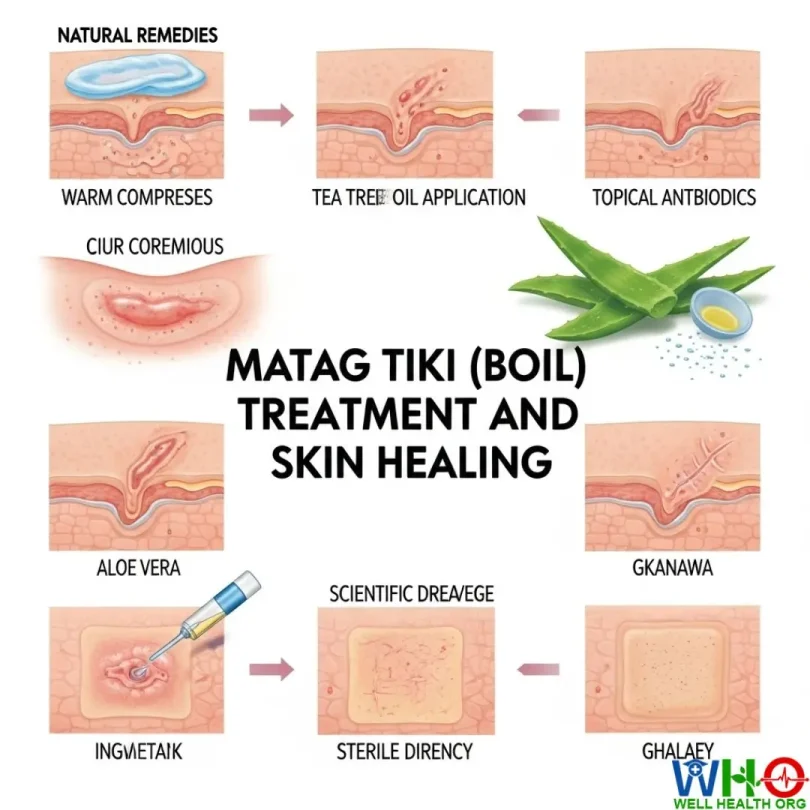
Matag Tiki (Boil)
Skin infections can test your patience and confidence — especially when they’re painful, swollen, and refuse to heal quickly. If you’ve ever dealt with a boil, known in some cultures as “matag tiki,” you already understand how frustrating they can be. These tender bumps can make even simple tasks uncomfortable and leave you searching for relief that doesn’t rely solely on antibiotics.
- Matag Tiki (Boil)
- What Is Matag Tiki? Understanding the Skin Infection Beneath the Surface
- How Boils Form
- Common Locations
- Identifying Symptoms
- What Causes Matag Tiki? Common Risk Factors You Should Know
- The Science Behind Natural Matag Tiki Treatment
- Why Heat Therapy Works
- Holistic Healing Philosophy
- Step-by-Step Guide: How to Treat Matag Tiki at Home
- Step 1: Warm Compress Therapy
- Step 2: Keep the Area Spotlessly Clean
- Step 3: Care After the Boil Drains Naturally
- Step 4: What Not to Do
- Step 5: Support Healing From Within
- Real Success Story: Natural Healing in Action
- When to Seek Professional Medical Help
- Potential Complications and How to Avoid Them
- Integrating Matag Tiki Treatment Into Your Daily Routine
- Prevention: Building Long-Term Skin Resilience
- Recommended Natural and Medical Supplies
- Taking Control of Your Skin Health the Natural Way
- Conclusion
- Frequently Asked Questions (FAQs)
Here’s the uplifting news: most boils can be treated safely and naturally at home with time-tested remedies, consistent hygiene, and gentle care. The key is understanding how they form, supporting your body’s healing process, and knowing when professional help is the smarter move.
This comprehensive guide takes you step by step through matag tiki treatment, from identifying early symptoms to post-recovery care. You’ll learn about science-backed natural therapies, preventive measures, and real-world strategies to keep your skin resilient, radiant, and infection-free — the natural way.
What Is Matag Tiki? Understanding the Skin Infection Beneath the Surface
Matag tiki — often referred to medically as a boil or furuncle — is a localized bacterial infection that develops deep in a hair follicle or oil gland. It starts small, like a tender red bump, but over several days it can grow larger, painful, and filled with pus as the body’s immune system fights back.
How Boils Form
Your skin naturally harbors bacteria, including Staphylococcus aureus (staph). Normally harmless, these microbes can become opportunistic when they enter through:
- Tiny cuts or abrasions
- Ingrown hairs
- Skin friction or sweating
- Compromised immune barriers
Once bacteria invade, your immune system dispatches white blood cells to the site, forming pus — a thick, yellowish fluid made up of dead cells, bacteria, and tissue debris. The result? A raised, inflamed lump that can throb with pain until it either drains naturally or is treated.
Common Locations
Boils tend to appear in areas prone to sweat and friction:
- Face and neck
- Armpits
- Thighs and buttocks
- Shoulders and back
- Groin or waistband area
Identifying Symptoms
Recognizing early signs can help you start treatment sooner. Typical characteristics include:
- Swelling, redness, and tenderness
- A firm lump that becomes soft at the center
- A white or yellow “head” as pus accumulates
- Possible mild fever or fatigue
- Drainage of cloudy or thick pus when the boil bursts
If untreated, multiple boils may cluster together, forming a more serious infection known as a carbuncle — a condition that definitely requires medical care.
What Causes Matag Tiki? Common Risk Factors You Should Know
While anyone can develop boils, certain conditions and habits make them more likely. Understanding these factors empowers you to prevent future infections.
- Poor Hygiene: Infrequent washing allows sweat, oil, and bacteria to build up.
- Weakened Immunity: Conditions like diabetes, anemia, or chronic stress reduce your ability to fight infections.
- Close Contact: Sharing towels, razors, or clothing with someone who has an active staph infection increases your risk.
- Skin Conditions: Acne, eczema, and dermatitis compromise the skin’s protective barrier.
- Excessive Friction: Tight clothing or repetitive rubbing can irritate follicles, creating entry points for bacteria.
Keeping your skin clean, dry, and protected goes a long way toward reducing recurrence — but if a boil does appear, the right approach can minimize discomfort and speed recovery.
The Science Behind Natural Matag Tiki Treatment
Treating boils naturally doesn’t mean ignoring science — in fact, it’s quite the opposite. Natural approaches support your body’s own healing intelligence by:
- Enhancing circulation
- Encouraging natural drainage
- Reducing bacterial growth
- Promoting tissue repair
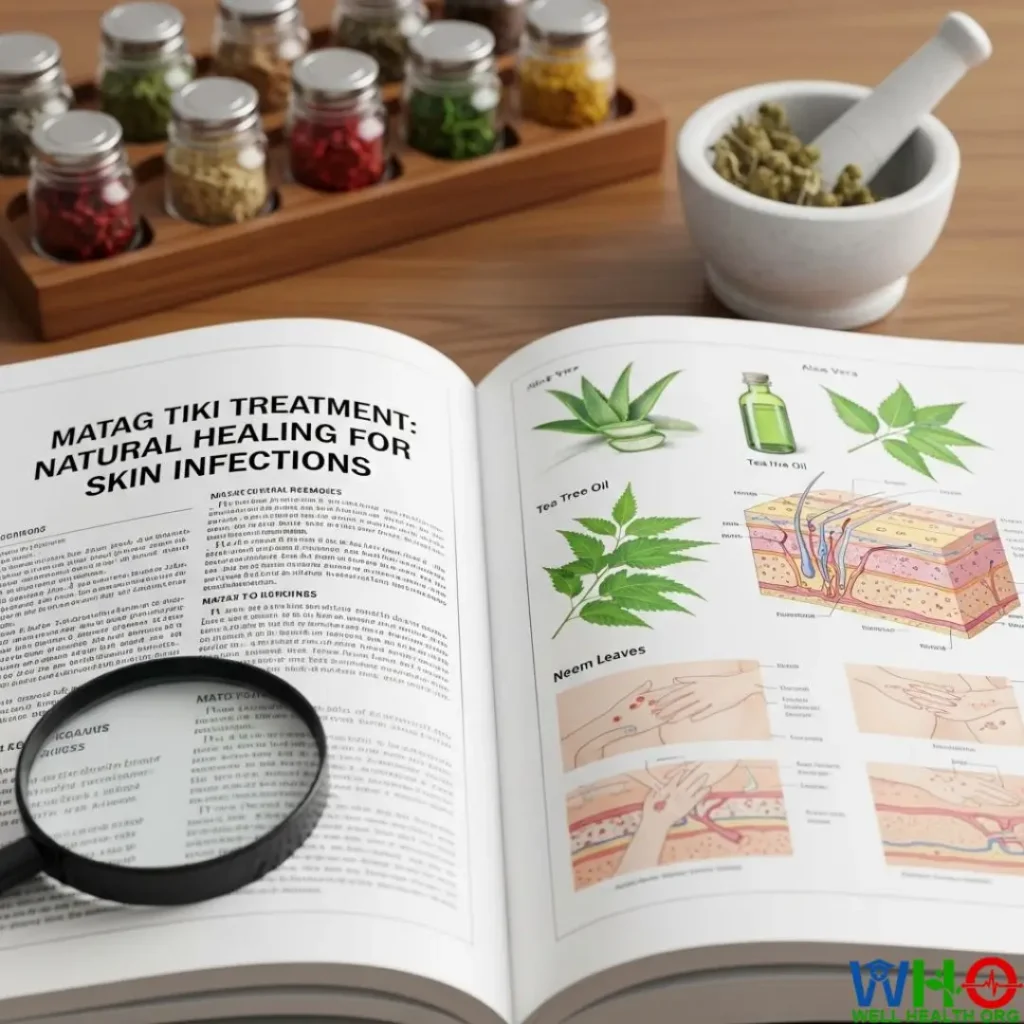
Why Heat Therapy Works
Heat therapy is at the heart of natural matag tiki treatment. Warm compresses work wonders by stimulating vasodilation — the expansion of blood vessels — which boosts oxygen and nutrient delivery to the affected area. This process:
- Speeds up immune cell activity
- Softens the tissue, helping pus rise to the surface
- Relieves pain by calming nerve sensitivity
- Promotes faster drainage and healing
When paired with proper hygiene, this technique transforms a painful boil into a manageable, short-lived condition.
Holistic Healing Philosophy
Natural treatment aligns with holistic wellness principles — working with your body rather than against it. Instead of squeezing, cutting, or applying harsh chemicals, you support the body’s own ability to heal safely, reducing scarring and preventing recurrence.
Step-by-Step Guide: How to Treat Matag Tiki at Home
Managing a boil requires consistency, patience, and gentle care. The following step-by-step routine is effective for most mild to moderate boils.
Step 1: Warm Compress Therapy
You’ll need:
- A clean, soft washcloth or small towel
- Warm (not hot) water
- A clean bowl or basin
Instructions:
- Wash your hands thoroughly with soap and water.
- Soak the washcloth in warm water, then wring out excess moisture.
- Test the temperature on your wrist — it should be comfortably warm.
- Apply the cloth directly to the boil for 10–15 minutes.
- Repeat 3–4 times daily, using a freshly cleaned washcloth each session.
- Wash your hands after every compress to prevent spreading bacteria.
Pro tip: Add a pinch of Epsom salt to the water — it can help draw out impurities and reduce inflammation.
Step 2: Keep the Area Spotlessly Clean
Cleanliness is your greatest defense against spreading infection. Between compress sessions:
- Gently wash the area twice a day with mild, fragrance-free soap.
- Pat the area dry using a clean towel — don’t rub.
- Avoid applying lotions, creams, or powders.
- Wear loose, breathable clothing to prevent irritation.
Maintaining a clean environment ensures the infection heals smoothly without reinfection or scarring.
Step 3: Care After the Boil Drains Naturally
When the boil bursts and pus begins to drain:
- Let it drain naturally — never squeeze or press.
- Clean the site gently with sterile gauze.
- Apply a thin layer of antibacterial ointment if recommended by your doctor.
- Cover with a clean, dry bandage.
- Change the bandage daily or whenever it becomes damp.
- Continue warm compresses once or twice daily until fully healed.
This stage is crucial for preventing bacterial spread. Remember: drainage is part of healing, not a reason to panic.
Step 4: What Not to Do
Some habits can worsen your infection or cause long-term damage:
- ❌ Never pop, lance, or squeeze a boil.
- ❌ Don’t cover it too tightly — air circulation aids healing.
- ❌ Avoid using very hot water or strong antiseptics.
- ❌ Don’t share towels, razors, or bedding.
- ❌ Skip cosmetic products over infected skin.
Patience and hygiene are your two best allies in this process.
Step 5: Support Healing From Within
Your skin reflects your internal health. Boost your recovery by:
- Staying hydrated: Drink 8–10 glasses of water daily.
- Eating nutrient-rich foods: Add vitamin C (for immunity), zinc (for wound repair), and probiotics (for gut balance).
- Sleeping well: Deep rest supports cell regeneration and immune defense.
- Managing stress: Meditation, breathing exercises, or short walks help maintain hormonal balance that supports healing.
Real Success Story: Natural Healing in Action
Take Sarah, a 32-year-old teacher who developed a painful boil after a hiking trip. “At first, it felt like a mosquito bite that wouldn’t go away,” she recalls. “I started warm compresses that evening and kept it clean twice daily. By day three, it drained on its own, and within a week, it was completely gone.”
Sarah’s experience highlights the power of early, consistent care. Natural methods can absolutely work — provided you commit to daily treatment and proper hygiene.
When to Seek Professional Medical Help
While most boils can be handled at home, certain situations require prompt medical attention. Ignoring warning signs could allow infection to spread or cause complications.
Contact a healthcare provider if:
- The boil is larger than 2 inches in diameter.
- You develop a fever above 100.4°F (38°C).
- The pain interferes with daily activities.
- Red streaks spread from the boil (possible cellulitis).
- The infection doesn’t improve after a week of home care.
- You notice multiple boils forming at once.
- The boil appears on your face, spine, or groin.
- You have diabetes, heart disease, or a weakened immune system.
A doctor may perform an incision and drainage (I&D) procedure in sterile conditions or prescribe antibiotics if necessary. Never attempt to lance a boil at home — this increases infection risk and scarring.
Potential Complications and How to Avoid Them
Natural treatment is generally safe, but incorrect care can cause issues. Be alert to the following risks:
| Complication | Description | Prevention |
|---|---|---|
| Cellulitis | Infection spreading to deeper skin layers | Keep area clean; avoid squeezing |
| Scarring | Improper drainage or irritation | Allow natural healing; use gentle compresses |
| Recurrence | New boils developing later | Address hygiene and immune health |
| Abscess | Deep tissue infection | Seek medical drainage if swelling worsens |
Always wash your hands before and after touching the infected area, keep supplies sterile, and stay observant for any unusual changes.
Integrating Matag Tiki Treatment Into Your Daily Routine
Healing doesn’t need to disrupt your lifestyle. Here’s a simple schedule to weave treatment into your day:
Morning Routine
- Clean the affected area during your shower.
- Apply a warm compress while having breakfast.
- Dress the site with fresh bandaging if it’s draining.
Midday Routine
- Reapply a warm compress during lunch or breaks.
- Keep the area clean using individually wrapped wipes if at work.
Evening Routine
- Apply another warm compress before dinner and again before bed.
- Replace bandages and ensure your bedding stays clean.
Small, consistent actions create a big impact — promoting steady healing and preventing new infections.
Prevention: Building Long-Term Skin Resilience
Once you’ve healed, your next goal is to prevent recurrence. Here’s how to fortify your skin naturally:
- Shower after sweating: Sweat and bacteria thrive together — wash promptly after workouts.
- Exfoliate gently: Use a mild scrub two to three times weekly to unclog pores.
- Wear breathable fabrics: Cotton or bamboo fabrics reduce friction and moisture buildup.
- Boost immunity: Eat balanced meals, stay hydrated, and manage stress.
- Treat skin conditions: Address acne, eczema, or dermatitis early to prevent bacterial entry points.
Healthy skin begins with consistent care, not quick fixes.
Recommended Natural and Medical Supplies
You don’t need an expensive shopping list to treat matag tiki effectively. Here are a few essentials worth keeping on hand:
| Item | Purpose | Where to Buy |
|---|---|---|
| Clean washcloths | For warm compresses | Pharmacies, supermarkets |
| Antibacterial soap | Gentle cleansing | Drugstores, natural health stores |
| Sterile gauze pads | Cleaning and covering drainage | First-aid sections |
| Medical tape | Securing bandages | Pharmacies |
| Antibacterial ointment | Optional for post-drainage care | Over-the-counter |
| Epsom salt | Enhances warm compress effectiveness | Grocery or wellness stores |
For natural enthusiasts, diluted tea tree oil offers mild antibacterial support — but always patch test before use and discontinue if irritation occurs.
Taking Control of Your Skin Health the Natural Way
Matag tiki treatment showcases the incredible healing potential of your own body. By combining warmth, cleanliness, rest, and mindful care, you encourage your immune system to handle infections efficiently — no harsh interventions required.
The beauty of natural treatment is that it’s more than just symptom relief; it’s skin empowerment. You gain confidence, awareness, and control over your health — qualities that last long after the infection is gone.
Remember: early attention, gentle consistency, and self-awareness are your most powerful tools. Whether it’s your first boil or a recurring issue, you have everything you need to heal — naturally.
Conclusion
Boils (matag tiki) might seem daunting, but they’re your body’s signal that something needs care — not fear. With the right natural approach, you can manage them safely, reduce discomfort, and prevent future flare-ups. Warm compresses, hygiene, hydration, and mindful nutrition are simple yet profoundly effective strategies.
However, always recognize your limits. Seek medical help if symptoms persist or escalate. True wellness lies in balancing natural wisdom with modern medical insight — ensuring your skin heals beautifully and your confidence shines through.
So, take charge of your skin health today. Treat your body with patience, nourish it with care, and watch it respond with strength, clarity, and radiance.
Frequently Asked Questions (FAQs)
1. Can I treat matag tiki at home without seeing a doctor?
Yes — if it’s small, mild, and not on a sensitive area. Follow hygiene practices and use warm compresses. But see a doctor if it grows or becomes very painful.
2. How long does it take for a boil to heal naturally?
Most boils resolve within 7–14 days, depending on size and care consistency.
3. Is tea tree oil safe for treating boils?
Diluted tea tree oil can help fight bacteria, but use caution — it can irritate sensitive skin. Always patch-test and consult your doctor during pregnancy or if you have allergies.
4. Can diet influence skin infections like matag tiki?
Absolutely. Diets rich in vitamin C, zinc, and antioxidants strengthen your immune system, reducing infection frequency.
5. What should I do if boils keep coming back?
Recurrent boils may indicate an underlying issue — like diabetes, staph colonization, or low immunity. A doctor can perform tests and prescribe targeted treatment.
Medically Reviewed by Prof. Dr. Akram
Orthopedic Surgeon | Professor | Senior Medical Specialist
Prof. Dr. Akram is a distinguished surgeon with over 15 years of clinical expertise. Having served as a lead Emergency Specialist at Complex International Government Hospital, he currently leads a specialized team of 13 medical professionals at his private hospital. As a Professor at top medical universities, he ensures that every article on WellHealthOrg.com meets rigorous clinical standards.
Medical Disclaimer:
The information provided is for educational purposes only and is not a substitute for professional medical advice, diagnosis, or treatment. Always consult your physician for any medical concerns.
Our content is rigorously fact-checked by our 13-member Editorial Team under the clinical supervision of Prof. Dr. Akram.







