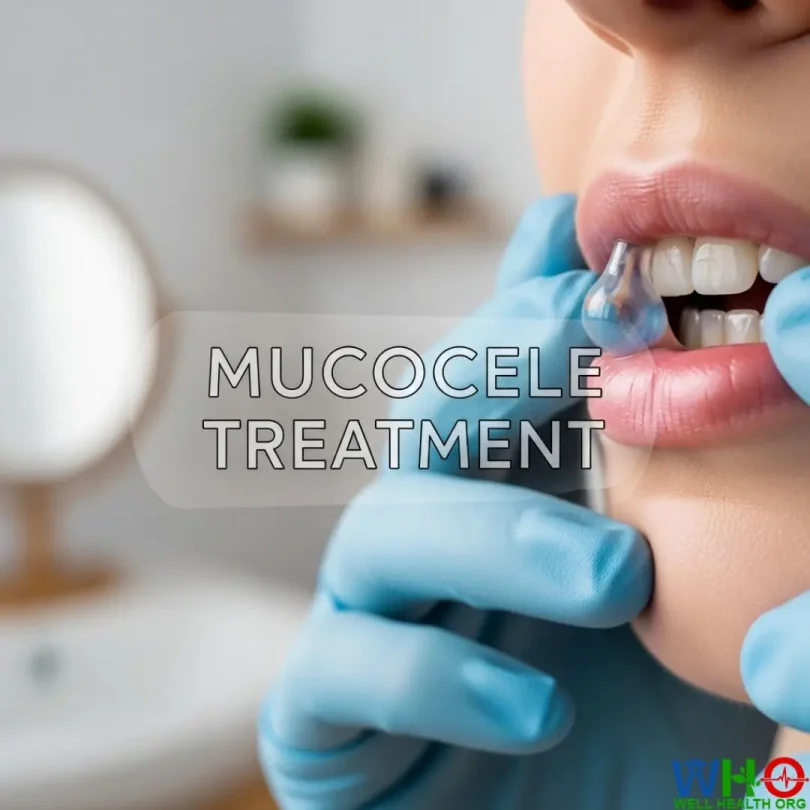
Introduction Mucocele Treatment at Home
Imagine you’re eating or chatting and suddenly notice a soft, round bump inside your mouth. It doesn’t hurt much, but it feels odd — smooth, squishy, and a bit distracting. If this sounds familiar, you may be dealing with a mucocele — a small, fluid-filled cyst that forms when one of the salivary glands becomes blocked or injured.
- Introduction Mucocele Treatment at Home
- What Is a Mucocele?
- Causes and Common Locations of Mucoceles
- Common Causes Include:
- Where Mucoceles Commonly Form:
- How to Identify a Mucocele
- Key Symptoms:
- Safe Mucocele Treatment at Home
- 1. Saltwater Rinse
- How to Use:
- 2. Warm Compress
- How to Use:
- 3. Honey and Turmeric Application
- How to Use:
- 4. Aloe Vera Gel
- How to Use:
- 5. Over-the-Counter Pain Relief
- Important Warning:
- Lifestyle and Hygiene Tips for Faster Healing
- Tips to Prevent Mucoceles
- 1. Break Harmful Habits
- 2. Practice Excellent Oral Hygiene
- 3. Use Protection During Sports
- 4. Stop Smoking
- 5. Visit Your Dentist Regularly
- When You Should See a Doctor
- Consult a Doctor or Dentist If You Notice:
- Professional Mucocele Treatments
- 1. Cryotherapy (Freezing Treatment)
- 2. Laser Therapy
- 3. Surgical Excision
- 4. Marsupialization (for Ranulas)
- 5. Steroid Injections
- Home Care After Medical Treatment
- Myths and Misconceptions About Mucoceles
- Myth 1: “Popping the mucocele will make it go away faster.”
- Myth 2: “A mucocele means you have oral cancer.”
- Myth 3: “Mucoceles can only be cured through surgery.”
- Myth 4: “Mucoceles are caused by poor oral hygiene.”
- Dietary Tips for Oral Healing
- Foods That Promote Healing:
- Foods to Avoid:
- Preventive Oral Care Routine
- Children and Mucoceles: What Parents Should Know
- For Mild Cases:
- When to Visit the Dentist:
- Living with and Preventing Recurrence
- When to Be Concerned: Red Flags
- Conclusion: A Simple Approach to Oral Health
- FAQs About Mucocele Treatment at Home
Though the appearance of a mucocele can be unsettling, the good news is that it’s typically harmless and often heals on its own. Still, understanding what causes these cysts, how to manage them safely at home, and when to seek professional help can save you discomfort and worry.
In this comprehensive guide, we’ll explore everything you need to know about mucoceles — including causes, symptoms, home remedies, preventive care, and professional treatment options. You’ll learn how to manage this common oral issue naturally and confidently without risking complications.
What Is a Mucocele?
A mucocele, also known as a mucous cyst, is a benign lesion that forms inside the mouth when a small salivary gland becomes damaged or blocked. These glands normally produce saliva that keeps the mouth moist, but when the duct that carries saliva to the mouth’s surface is injured, saliva accumulates beneath the lining of the mouth, forming a small sac or blister.
Mucoceles are typically:
- Soft, smooth, and dome-shaped
- Clear, bluish, or pinkish in color
- Painless, though larger cysts may cause mild discomfort
They can occur at any age and are especially common in teenagers and young adults — often because of lip-biting or minor oral trauma.
There are two main types of mucoceles:
- Superficial mucoceles, which form close to the surface of the mucous membrane and may rupture easily.
- Deep mucoceles, which develop deeper within the tissues and are more likely to persist or enlarge over time.
While they may look worrying, mucoceles are generally noncancerous and rarely pose any serious health risk.
Causes and Common Locations of Mucoceles
Mucoceles develop primarily because of mechanical injury or blockage of the salivary ducts. In simple terms, when saliva cannot exit properly, it accumulates under the tissue, forming a cyst.
Common Causes Include:
- Lip or Cheek Biting: Accidental bites are the most frequent cause of mucoceles, particularly on the lower lip.
- Cheek or Lip Sucking Habits: Repeated suction creates pressure and trauma on delicate tissues.
- Dental Braces or Appliances: Friction from brackets, wires, or retainers can irritate or injure the mucosa.
- Smoking: Chronic exposure to smoke and heat causes tissue inflammation and duct blockage.
- Sharp or Broken Teeth: Irregular tooth edges can damage soft tissue repeatedly.
Where Mucoceles Commonly Form:
- Inner surface of the lower lip (most frequent site)
- Inside of the cheeks
- Underside of the tongue
- Gums
- Floor of the mouth (known as a ranula, which can grow larger than other mucoceles)
Ranulas, in particular, may cause a noticeable swelling under the tongue and can sometimes affect speech or swallowing if not treated.
How to Identify a Mucocele
Because mucoceles are painless and soft, many people don’t notice them right away. However, recognizing their appearance and behavior helps distinguish them from other oral lesions.
Key Symptoms:
- A soft, round, or dome-shaped bump inside your mouth
- Size typically ranges from 1 mm to 2 cm
- A translucent, bluish, or pinkish tint
- Smooth surface that may fluctuate in size
- Absence of pain, though larger cysts can feel uncomfortable or “in the way” when eating or speaking
Occasionally, the cyst may rupture spontaneously, releasing a clear, watery fluid, and then reappear within a few days. This recurrence happens when the underlying salivary duct remains blocked.
If the bump becomes hard, bleeds, or changes color, or if you experience persistent discomfort, it’s wise to consult a dental professional to rule out other conditions such as fibromas, infections, or oral ulcers.
Safe Mucocele Treatment at Home
In most cases, mucoceles resolve naturally within a few days to a few weeks. The goal of home treatment isn’t to remove the cyst but to support healing and prevent infection.

It’s crucial not to puncture or pop a mucocele yourself — doing so can introduce bacteria, cause infection, or lead to scarring and recurrence. Instead, try these gentle, science-backed home remedies to encourage recovery.
1. Saltwater Rinse
One of the simplest and safest remedies for mucoceles is a warm saltwater rinse. Salt acts as a natural disinfectant and helps reduce inflammation, promoting faster healing.
How to Use:
- Mix ½ teaspoon of salt in one cup of warm water.
- Stir until fully dissolved.
- Swish the solution gently in your mouth for 30 seconds, then spit it out.
- Repeat 3–4 times daily.
This rinse keeps the mouth clean, especially if the mucocele ruptures, and minimizes the risk of infection while soothing irritation.
2. Warm Compress
A warm compress helps stimulate blood circulation and can reduce mild swelling or tenderness around the affected area.
How to Use:
- Soak a clean washcloth in warm (not hot) water.
- Wring out the excess moisture.
- Hold the cloth gently against the outside of your cheek or lip over the cyst for 5–10 minutes.
- Repeat several times a day.
The gentle heat promotes healing by improving blood flow and reducing any localized inflammation.
3. Honey and Turmeric Application
Both honey and turmeric have antibacterial and anti-inflammatory properties that can help soothe oral tissues and prevent secondary infection.
How to Use:
- Mix one teaspoon of honey with a pinch of turmeric powder to form a paste.
- Apply this mixture carefully to the affected area inside your mouth.
- Leave it on for 10–15 minutes before rinsing with warm water.
Repeat twice daily for best results. The honey coats and heals while turmeric reduces inflammation.
4. Aloe Vera Gel
Aloe vera is well-known for its skin-healing properties and works equally well for oral tissues.
How to Use:
- Extract fresh aloe gel from the leaf or use an organic, food-grade product.
- Apply a small amount directly to the mucocele using clean fingers or a cotton swab.
- Leave it for about 10 minutes before rinsing your mouth with lukewarm water.
Aloe soothes irritation, helps shrink the cyst, and prevents infection.
5. Over-the-Counter Pain Relief
If the mucocele feels uncomfortable — especially when eating or talking — mild pain relievers can help.
Use ibuprofen or acetaminophen as directed on the packaging to manage pain and reduce inflammation. However, this should be temporary support and not a long-term solution.
Important Warning:
Never attempt to puncture or cut open the cyst. This can worsen the problem, leading to infection or permanent damage to your salivary glands. Mucoceles are delicate and need time to heal naturally.
Lifestyle and Hygiene Tips for Faster Healing
Along with home remedies, small lifestyle habits can make recovery quicker and prevent recurrences.
- Maintain good oral hygiene: Brush twice daily and floss gently to avoid irritation.
- Avoid spicy or acidic foods: These can sting or aggravate the cyst.
- Stay hydrated: Drink plenty of water to keep saliva flowing freely.
- Avoid lip biting and sucking habits: These repetitive motions can delay healing.
- Switch to soft-bristle toothbrushes: Reduce friction in the affected area.
Tips to Prevent Mucoceles
Although mucoceles aren’t completely preventable, adopting mindful oral habits significantly reduces your risk.
1. Break Harmful Habits
Avoid biting or sucking your lips and cheeks, especially when stressed or distracted. These unconscious habits are the top causes of mucoceles.
2. Practice Excellent Oral Hygiene
Regular brushing and flossing prevent inflammation that can block salivary ducts. An antibacterial mouthwash may also help maintain oral cleanliness.
3. Use Protection During Sports
If you play contact sports, wear a mouthguard. It cushions your lips and cheeks from trauma that could cause salivary gland damage.
4. Stop Smoking
Smoking irritates the oral mucosa and dries the mouth, increasing susceptibility to cyst formation.
5. Visit Your Dentist Regularly
Routine dental checkups help identify small mucoceles or oral injuries before they worsen.
When You Should See a Doctor
While most mucoceles are mild and self-limiting, there are instances when home care simply isn’t enough. If the cyst doesn’t heal naturally or shows concerning signs, seeking medical attention is the safest choice. Ignoring persistent mucoceles could lead to discomfort, infection, or complications that require surgical intervention.
Consult a Doctor or Dentist If You Notice:
- The mucocele persists beyond two to three weeks without improvement.
- The cyst becomes painful, red, or swollen, suggesting infection.
- The bump grows larger or starts to interfere with chewing, swallowing, or speaking.
- The lesion bleeds, hardens, or changes color.
- You notice multiple mucoceles forming in different parts of your mouth.
- You have a mucocele on the floor of the mouth (known as a ranula) that seems to enlarge rapidly or cause discomfort under the tongue.
A healthcare provider can easily identify a mucocele through a physical examination. In rare cases, they may recommend an ultrasound, MRI, or biopsy to confirm that the lesion isn’t something more serious, such as a tumor or abscess.
If necessary, your doctor may suggest one of the following professional treatment options.
Professional Mucocele Treatments
When a mucocele doesn’t heal on its own or keeps returning, medical treatment may be required. The approach depends on the cyst’s size, location, and severity.
1. Cryotherapy (Freezing Treatment)
This minimally invasive method involves freezing the cyst with liquid nitrogen to destroy the damaged tissue. It’s quick, effective, and typically performed under local anesthesia. The treated area heals within a week, leaving minimal scarring.
2. Laser Therapy
Laser removal uses a precise beam to vaporize the cyst. This procedure causes very little bleeding or discomfort and is ideal for small mucoceles. Healing is generally fast, and recurrence rates are low.
3. Surgical Excision
For persistent or deep mucoceles, especially those that interfere with normal functions, surgical removal is the best solution. The surgeon excises both the cyst and the associated salivary gland duct to prevent recurrence. Stitches are usually removed after one week.
4. Marsupialization (for Ranulas)
This technique is commonly used for large mucoceles on the floor of the mouth. The doctor makes a small incision and sutures the edges to form a permanent opening, allowing saliva to drain freely instead of accumulating again.
5. Steroid Injections
In some cases, corticosteroids may be injected into the cyst to reduce inflammation and shrink the swelling. This is usually reserved for patients who cannot undergo surgery.
Most medical procedures for mucoceles are safe, fast, and performed under local anesthesia, meaning you can go home the same day. After treatment, maintaining oral hygiene and avoiding further trauma is key to preventing recurrence.
Home Care After Medical Treatment
If you’ve undergone professional treatment for a mucocele, your recovery can be smooth and comfortable by following these steps:
- Rinse with warm saltwater two to three times daily to keep the mouth clean.
- Avoid spicy, hot, or crunchy foods that can irritate the healing area.
- Refrain from biting or sucking the treated area.
- Take prescribed pain relievers or antibiotics if recommended by your doctor.
- Stay hydrated and avoid alcohol or tobacco, as they delay healing.
Most patients recover fully within 7–10 days, depending on the size and type of procedure performed.
Myths and Misconceptions About Mucoceles
Even though mucoceles are common, misinformation often leads to unnecessary fear or unsafe self-treatment. Let’s clarify some myths.
Myth 1: “Popping the mucocele will make it go away faster.”
Truth: Puncturing the cyst only increases your risk of infection and scarring. It doesn’t fix the blocked duct, so the cyst will likely reappear.
Myth 2: “A mucocele means you have oral cancer.”
Truth: Mucoceles are benign. However, if a cyst looks irregular, changes color, or doesn’t heal, a dentist should examine it to rule out other conditions.
Myth 3: “Mucoceles can only be cured through surgery.”
Truth: Many mucoceles heal naturally or with simple home remedies. Surgery is only needed for persistent or recurrent cases.
Myth 4: “Mucoceles are caused by poor oral hygiene.”
Truth: While good hygiene is important, mucoceles are typically caused by trauma or blockage of salivary ducts — not by bacteria or plaque.
Dietary Tips for Oral Healing
Nutrition plays a surprisingly important role in oral health and recovery from mucoceles. Eating the right foods can reduce inflammation and support tissue repair.
Foods That Promote Healing:
- Vitamin C-rich fruits (oranges, guavas, amla) to boost collagen and healing.
- Green leafy vegetables like spinach and drumstick leaves for minerals and antioxidants.
- Soft foods such as soups, porridges, and smoothies that are gentle on the mouth.
- Turmeric and honey, known for their antibacterial and soothing properties.
Foods to Avoid:
- Spicy or acidic foods that can sting the lesion (e.g., chili, lemon).
- Hard or crunchy snacks like chips or nuts that can irritate soft tissues.
- Sugary foods and carbonated drinks that may slow healing.
- Alcohol and tobacco, which irritate and dry the mouth.
Eating slowly and chewing carefully can also help prevent accidental trauma to the healing area.
Preventive Oral Care Routine
A strong oral care routine is your best defense against recurrent mucoceles and other soft-tissue injuries. Here’s an easy daily plan:
- Brush gently twice daily using a soft-bristle brush and fluoride toothpaste.
- Floss carefully to remove debris without hurting the gums.
- Use a mild mouthwash to kill bacteria and maintain freshness.
- Inspect your mouth regularly for new bumps or lesions.
- Stay hydrated — saliva protects and cleanses your mouth naturally.
- Avoid repetitive habits like lip biting or chewing pens.
Consistency is key — your mouth heals faster and stays healthier when it’s cared for daily.
Children and Mucoceles: What Parents Should Know
Mucoceles are not uncommon in children, especially those who frequently bite their lips or have dental braces. Here’s how to manage and prevent them safely.
For Mild Cases:
- Encourage rinsing with warm saltwater twice daily.
- Apply aloe vera gel or honey (if the child is over one year old).
- Distract or redirect lip-biting habits with positive reinforcement.
When to Visit the Dentist:
- The cyst doesn’t go away within two weeks.
- The child complains of pain, swelling, or difficulty eating.
- The bump increases in size or changes color.
Pediatric dentists can easily diagnose and, if necessary, treat mucoceles with minimal discomfort.
Living with and Preventing Recurrence
After recovering from a mucocele, preventing recurrence is all about awareness and gentle care. Avoid repetitive behaviors that cause trauma, and manage stress — many people unconsciously bite their lips when anxious or deep in thought.
If you wear braces or dentures, ensure they fit properly and don’t rub against your cheeks or lips. Regular dental checkups will help identify and correct any such issues early.
When to Be Concerned: Red Flags
Though rare, sometimes what looks like a mucocele might actually be something else, such as a benign tumor (pleomorphic adenoma) or a minor salivary gland neoplasm. Warning signs that warrant an immediate dental or medical visit include:
- A lump that doesn’t fluctuate in size
- A hard or fixed mass
- Persistent pain or numbness around the area
- Bleeding or ulceration
- Rapid growth in a short time
Prompt evaluation ensures early diagnosis and treatment if needed.
Conclusion: A Simple Approach to Oral Health
A mucocele may look worrying, but in reality, it’s one of the most harmless oral conditions you can experience. Most heal naturally, especially when you maintain good oral hygiene and avoid habits that injure your mouth.
If you ever find one, remember this: patience and proper care are often all you need. Simple remedies like saltwater rinses, warm compresses, or honey applications can support healing. But if the bump persists or causes pain, professional care ensures safe and permanent relief.
Your mouth is one of the body’s most sensitive areas — treat it gently, keep it clean, and listen to what it tells you. With mindful habits and regular dental checkups, you can enjoy a healthy, comfortable smile free from unnecessary worry.
FAQs About Mucocele Treatment at Home
1. Can I pop a mucocele to make it go away faster?
No. Popping the cyst increases infection risk and does not solve the root problem. It’s best to let it heal naturally or seek professional care if it persists.
2. How long does a mucocele take to heal naturally?
Most mucoceles heal within one to three weeks, depending on size and location. If it lasts longer, consult a dentist.
3. Can mouth ulcers and mucoceles be treated the same way?
Not exactly. Mouth ulcers are open sores, while mucoceles are cysts filled with fluid. Saltwater rinses help both, but mucoceles may require different care if persistent.
4. Are mucoceles contagious?
No. They’re not caused by viruses or bacteria and cannot spread from person to person.
5. What’s the best way to prevent mucoceles from recurring?
Avoid lip-biting, maintain good oral hygiene, and get regular dental checkups. If you wear braces, use wax to prevent irritation.
Medically Reviewed by Prof. Dr. Akram
Orthopedic Surgeon | Professor | Senior Medical Specialist
Prof. Dr. Akram is a distinguished surgeon with over 15 years of clinical expertise. Having served as a lead Emergency Specialist at Complex International Government Hospital, he currently leads a specialized team of 13 medical professionals at his private hospital. As a Professor at top medical universities, he ensures that every article on WellHealthOrg.com meets rigorous clinical standards.
Medical Disclaimer:
The information provided is for educational purposes only and is not a substitute for professional medical advice, diagnosis, or treatment. Always consult your physician for any medical concerns.
Our content is rigorously fact-checked by our 13-member Editorial Team under the clinical supervision of Prof. Dr. Akram.