Introduction: Understanding How to Recover Safely and Effectively
Best Remedies for COVID-19: Even though the world has largely adapted to life after the pandemic, COVID-19 continues to linger as an unwelcome visitor in many homes. A positive test result can still derail your plans, leave you feeling drained, and spark a flurry of questions about how best to care for yourself or your loved ones.
- Introduction: Understanding How to Recover Safely and Effectively
- The Foundations of Healing: Rest and Hydration
- Over-the-Counter Medications: Easing the Worst Symptoms
- Natural Remedies That Actually Help
- 1. Honey and Ginger for Cough and Sore Throat
- 2. Saltwater Gargle
- 3. Nasal Saline Rinse
- 4. Steam Inhalation
- Nourishing Your Body: What to Eat and What to Avoid
- The Role of Vitamins and Supplements
- Breathing Easy: Managing Cough and Shortness of Breath
- Managing Fatigue and Brain Fog
- Emotional Health During Recovery
- Knowing When to Seek Professional Medical Help
- Home Care Tips for Comfort and Faster Recovery
- The Role of Modern Medicine: Antivirals and Professional Treatments
- What Doesn’t Work — Myths to Avoid
- Recovering After COVID: Post-Virus Care and Long COVID
- Conclusion: Healing with Patience and Care
- Frequently Asked Questions
Whether it’s your first time dealing with the virus or a reinfection, the good news is that most cases can be managed safely at home with the right approach. Knowing what actually works — and what doesn’t — can make a huge difference in how quickly you recover.
In this comprehensive guide, we’ll walk through Best Remedies for COVID-19, trusted treatments, and safe home-care strategies for COVID-19. You’ll learn the importance of rest and hydration, the role of over-the-counter medications, and how natural remedies like honey, ginger, and steam inhalation can bring comfort. We’ll also talk about when it’s time to seek professional help — because knowing those warning signs could save your life.
Let’s dive into the science-backed ways to ease your symptoms, support your body’s healing process, and make your recovery as smooth as possible.
The Foundations of Healing: Rest and Hydration
When your body is fighting off a virus like COVID-19, rest and hydration are your first lines of defense. These two simple yet powerful actions form the foundation of your recovery — and ignoring them can slow your healing dramatically.
Why Rest Matters:
Your immune system performs best when your body isn’t under physical or mental strain. During rest, your body redirects energy from daily activities toward fighting the infection and repairing tissues. Studies have shown that people who get fewer than seven hours of sleep are far more likely to develop respiratory infections.
So, if you’ve tested positive, consider this your sign to hit pause. Cancel unnecessary obligations, limit screen time, and create a restful environment. The more quality sleep you get, the better your immune system can respond. Even short naps during the day can help recharge your body’s healing mechanisms.
Hydration: Fuel for Recovery
COVID-19 often comes with fever, which increases your body’s temperature and leads to fluid loss through sweating and faster breathing. Dehydration can worsen symptoms like fatigue, headache, and sore throat, making it essential to drink enough fluids.
Focus on water, herbal teas, clear broths, or electrolyte drinks. Beverages like chamomile or ginger tea soothe the throat and calm inflammation. If swallowing feels uncomfortable, try taking small sips throughout the day or sucking on ice chips.
Avoid alcohol and caffeine since they can dehydrate you further. Remember, hydration is more than just drinking — it’s part of your body’s immune defense system. Well-hydrated tissues can clear mucus better and transport immune cells efficiently where they’re needed most.
Over-the-Counter Medications: Easing the Worst Symptoms
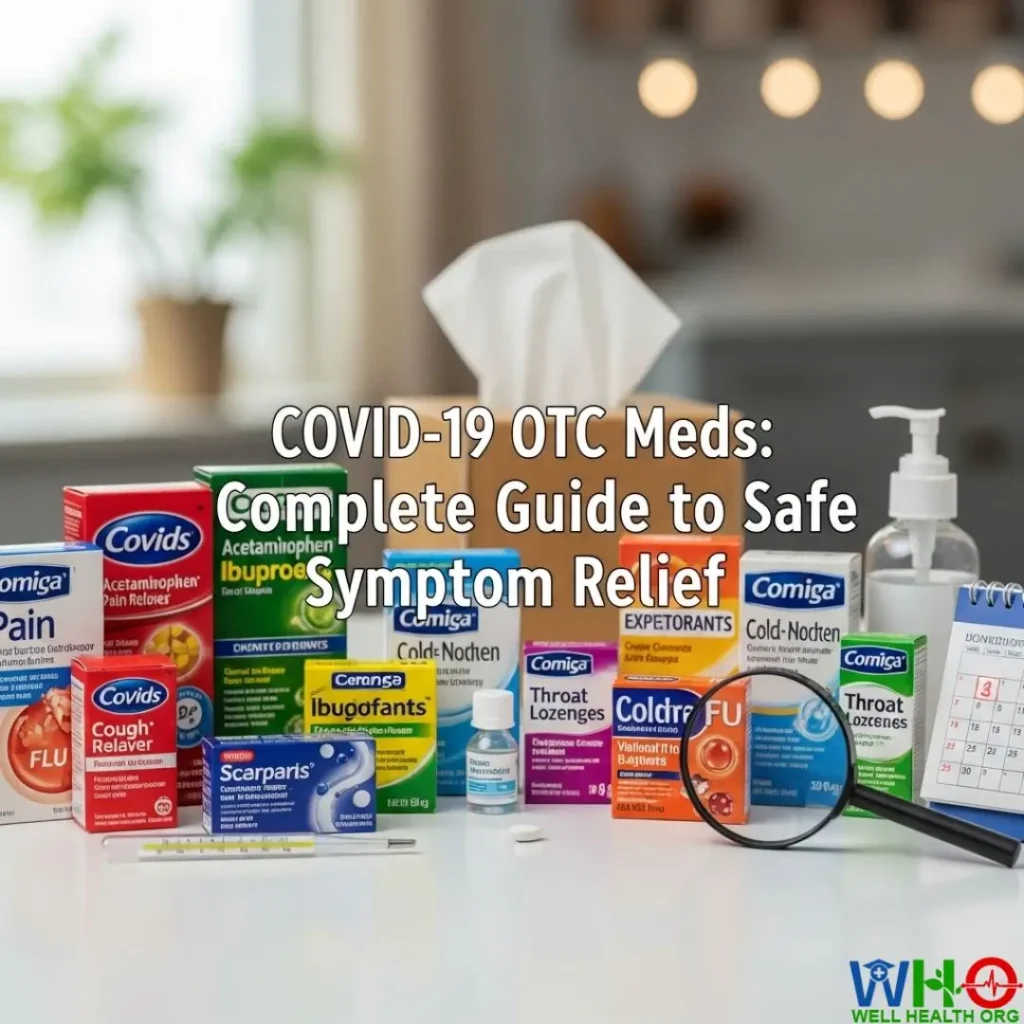
For many people, COVID-19 symptoms mimic those of a stubborn cold or flu. Over-the-counter (OTC) medications can bring welcome relief and make the recovery period much more manageable. The key is knowing which medications target which symptoms — and using them safely.
For Fever and Pain:
Fever, muscle aches, and headaches are among the most common symptoms of COVID-19. Acetaminophen (Tylenol) and ibuprofen (Advil, Motrin) can help lower fever and reduce body pain. Always follow the dosage instructions on the label unless advised otherwise by your doctor. Alternating between the two, when recommended, can provide steady relief without overloading your system.
For Cough:
A dry, persistent cough can be exhausting and interfere with sleep. A cough suppressant containing dextromethorphan (such as Robitussin or Delsym) can calm your throat and help you rest.
If your cough produces mucus, an expectorant like guaifenesin (Mucinex) helps loosen mucus, making it easier to expel. Try to keep your chest and throat warm and stay hydrated — moisture helps thin mucus naturally.
For Congestion:
If your nose feels completely blocked, a decongestant such as pseudoephedrine (Sudafed) can relieve nasal pressure. Saline nasal sprays are also a gentle, non-medicated alternative to help clear your nasal passages.
Important Safety Tips:
- Avoid combining multiple cold medications that contain the same active ingredients.
- Read labels carefully to prevent accidental overdosing.
- If you have underlying conditions like heart disease, high blood pressure, or liver issues, consult a doctor before taking OTC medications.
By managing your symptoms strategically, you can improve your comfort while your immune system does its job of fighting the virus.
Natural Remedies That Actually Help
In addition to medication, natural and home-based remedies can make a significant difference in how you feel during COVID-19 recovery. While none of these will cure the virus, they can provide soothing, natural relief for your symptoms and support your immune health.
1. Honey and Ginger for Cough and Sore Throat
A warm drink with honey and ginger has been used for centuries to ease sore throats and reduce coughing. Honey has natural antibacterial and antiviral properties and coats the throat, providing temporary relief from irritation. Ginger, on the other hand, contains compounds like gingerol that have anti-inflammatory and antioxidant effects.
Try this simple recipe:
- Boil a cup of water and add a few slices of fresh ginger.
- Let it steep for 5–10 minutes, then add a spoonful of honey.
- Sip slowly while it’s warm.
This soothing drink can help calm coughs, reduce throat inflammation, and make breathing more comfortable.
2. Saltwater Gargle
A saltwater gargle is an age-old home remedy for sore throats. It works by reducing swelling, loosening mucus, and flushing out irritants and bacteria.
Mix half a teaspoon of salt in a glass of warm water, gargle for about 30 seconds, and spit it out. Repeat several times a day as needed. It’s simple, inexpensive, and surprisingly effective.
3. Nasal Saline Rinse
If nasal congestion is making it hard to breathe, try a nasal saline rinse or spray. This method helps clear mucus and allergens from the nasal passages and can even reduce viral particles. Some studies suggest saline rinsing can speed up recovery by improving nasal hygiene and lowering viral load.
You can use a neti pot or saline spray — just ensure you use sterile or distilled water to prevent infection.
4. Steam Inhalation
Breathing in steam can provide instant relief for nasal congestion, sinus pressure, and throat irritation. While it won’t kill the virus, it does moisten airways, soothe inflammation, and make it easier to breathe.
To do this safely:
- Boil water and pour it into a large bowl.
- Lean over carefully, cover your head with a towel, and inhale the steam for 5–10 minutes.
- You can also add a few drops of eucalyptus oil or peppermint oil for extra comfort.
Alternatively, a hot shower or humidifier can deliver similar benefits.
Nourishing Your Body: What to Eat and What to Avoid
When you’re battling COVID-19, your appetite might be the first thing to disappear — but what you eat plays a vital role in your recovery. The right foods can strengthen your immune system, reduce inflammation, and help your body repair itself faster.
Focus on Nutrient-Rich Foods:
Your immune system relies on essential nutrients to function properly. Aim to include:
- Vitamin C: Found in oranges, strawberries, kiwis, and bell peppers, it boosts immune function and helps your body repair tissues.
- Zinc: Present in beans, nuts, eggs, and meat, zinc helps your immune cells fight off viruses.
- Vitamin D: Often low during illness, this vitamin supports immune regulation. You can get it from sunlight or fortified foods like milk and cereal.
- Omega-3 Fatty Acids: Found in salmon, flaxseeds, and walnuts, these healthy fats fight inflammation.
If your sense of taste or smell has changed — a common COVID symptom — opt for mild but nourishing meals like:
- Warm soups (chicken broth, vegetable soup, miso)
- Mashed sweet potatoes or oatmeal
- Soft fruits like bananas and applesauce
- Scrambled eggs or smoothies
Hydrating Foods Count Too:
Cucumbers, watermelon, oranges, and soups not only offer nutrients but also help you stay hydrated.
Foods to Avoid:
Skip processed foods, excessive sugar, and alcohol. These can increase inflammation, weaken immunity, and slow down recovery. Fried and heavy foods can also cause nausea or discomfort if your stomach feels sensitive.
As nutrition expert Dr. Laura Benson puts it:
“Food is medicine, especially during illness. You’re giving your immune system the raw materials it needs to fight effectively.”
Listening to your body is key — if you’re not hungry, eat small, frequent meals. Every spoonful of something nourishing is a step toward recovery.
The Role of Vitamins and Supplements
Many people turn to vitamins and supplements during illness — but which ones actually help against COVID-19, and which are just hype?
1. Vitamin C and Zinc:
Both are known for their immune-boosting properties. While they can’t cure COVID-19, they may help shorten the duration of respiratory infections and improve your body’s defenses.
2. Vitamin D:
Low vitamin D levels have been linked to worse outcomes in respiratory illnesses. Supplementation may support immune function, especially if you have limited sun exposure.
3. Quercetin and Elderberry:
These natural antioxidants can support your immune system by fighting inflammation and helping your body resist viral replication. However, evidence is still emerging, so they should complement — not replace — standard care.
4. Probiotics:
A healthy gut means a stronger immune system. Probiotics from yogurt, kefir, or supplements can support your gut bacteria, which play a surprising role in fighting infections.
Caution:
Not all supplements are beneficial. Megadoses of vitamins can be harmful, especially fat-soluble ones like vitamin D. Always consult a healthcare professional before starting new supplements.
Remember: supplements support recovery — they don’t replace rest, hydration, or medical treatment.
Breathing Easy: Managing Cough and Shortness of Breath
COVID-19 often targets the respiratory system, leading to coughing, congestion, or shortness of breath. While most mild cases improve with time, there are ways to support your breathing and ease discomfort at home.
1. Practice Controlled Breathing:
Simple breathing exercises can strengthen your lungs and increase oxygen intake. Try the “4-7-8” method — inhale for 4 seconds, hold for 7, and exhale slowly for 8. Repeat several times daily to relax your airways.
2. Use a Humidifier:
Moist air can help reduce coughing and soothe irritated nasal passages. Clean your humidifier regularly to avoid bacterial buildup.
3. Elevate Your Sleeping Position:
If you’re congested or short of breath, sleep with an extra pillow to keep your chest elevated. This allows your lungs to expand more easily and can reduce nighttime coughing.
4. Light Movement and Posture:
While rest is critical, gentle movement (like stretching or walking around your room) can help prevent lung stiffness and improve circulation once your fever subsides.
If you ever feel like you can’t catch your breath or breathing becomes painful, it’s important to seek immediate medical attention. Do not wait it out.
Managing Fatigue and Brain Fog
One of the most frustrating aspects of COVID-19 is the lingering fatigue and “brain fog” that can persist even after other symptoms fade. You may feel mentally drained, forgetful, or unable to concentrate. This is your body’s signal that it’s still healing.
1. Listen to Your Energy Levels:
Don’t push yourself to return to normal activities too soon. Alternate between short bursts of activity and rest.
2. Prioritize Quality Sleep:
A consistent sleep schedule helps regulate your immune system and rebuild your strength. Avoid caffeine late in the day and limit screen exposure before bed.
3. Stay Mentally Engaged — Gently:
Reading light material, doing puzzles, or journaling can help re-engage your mind without overexerting it.
4. Nutrition for Brain Recovery:
Omega-3 fatty acids, leafy greens, and antioxidant-rich foods (like berries) support brain health and cognitive recovery.
Most people find that fatigue improves gradually over weeks, but if it persists or worsens, consider consulting your doctor.
Emotional Health During Recovery
Physical recovery is only one part of the process. COVID-19 can also take a mental and emotional toll — especially when isolation or uncertainty adds to stress.
1. Stay Connected:
Reach out to friends or family through phone or video calls. Emotional support boosts resilience and can lift your spirits.
2. Practice Mindfulness or Meditation:
Deep breathing, meditation apps, or even short gratitude exercises can lower stress hormones and improve mood.
3. Limit COVID News Intake:
It’s helpful to stay informed, but too much news can trigger anxiety. Stick to credible sources and check updates once or twice a day instead of constantly.
4. Seek Professional Help if Needed:
If you’re feeling persistently anxious, depressed, or overwhelmed, reach out to a counselor or therapist. Mental health is as crucial as physical recovery.
A calm mind fosters a healing body — don’t underestimate that connection.
Knowing When to Seek Professional Medical Help
While most COVID-19 infections can be treated safely at home, it’s critical to recognize when self-care is no longer enough. Some symptoms indicate that the virus is progressing beyond a mild stage and requires immediate medical attention.
Red-Flag Symptoms Include:
- Shortness of breath or difficulty breathing
- Persistent chest pain or pressure
- Confusion or difficulty staying awake
- Pale, gray, or bluish skin, lips, or nail beds
- A high fever that doesn’t improve with medication
- Sudden dizziness or fainting
If you or someone you’re caring for experiences any of these symptoms, call emergency services right away. It’s always better to be cautious — waiting too long can lead to serious complications.
For High-Risk Individuals:
People with underlying conditions such as diabetes, heart disease, lung disorders, or weakened immune systems are more vulnerable to severe illness. If you fall into this category, contact your doctor as soon as you test positive, even if your symptoms are mild.
You might be eligible for antiviral medications such as Paxlovid or Molnupiravir, which have been shown to significantly reduce the risk of hospitalization and severe outcomes. These medications work best when started within the first five days of symptom onset.
Hospital Care May Include:
- Supplemental oxygen
- Steroids to reduce lung inflammation
- Antiviral or monoclonal antibody treatments
- Intravenous fluids and monitoring for complications
Remember: getting timely medical care can make all the difference between a mild case and a life-threatening one. Always listen to your body — and trust your instincts.
Home Care Tips for Comfort and Faster Recovery
Creating a supportive environment at home can make your recovery smoother and reduce the risk of spreading the virus to others.
1. Isolate Properly:
Stay in a separate room, use your own utensils, and if possible, have a separate bathroom. Good ventilation is key — open windows to keep air circulating.
2. Clean Regularly:
Disinfect frequently touched surfaces like doorknobs, phones, and countertops. Use gloves when handling laundry or dishes from the sick room.
3. Monitor Your Symptoms:
Keep a daily log of your temperature, oxygen levels (if you have a pulse oximeter), and how you feel overall. If you notice your oxygen saturation dropping below 94%, or if your symptoms worsen, contact your healthcare provider immediately.
4. Comfort Hacks:
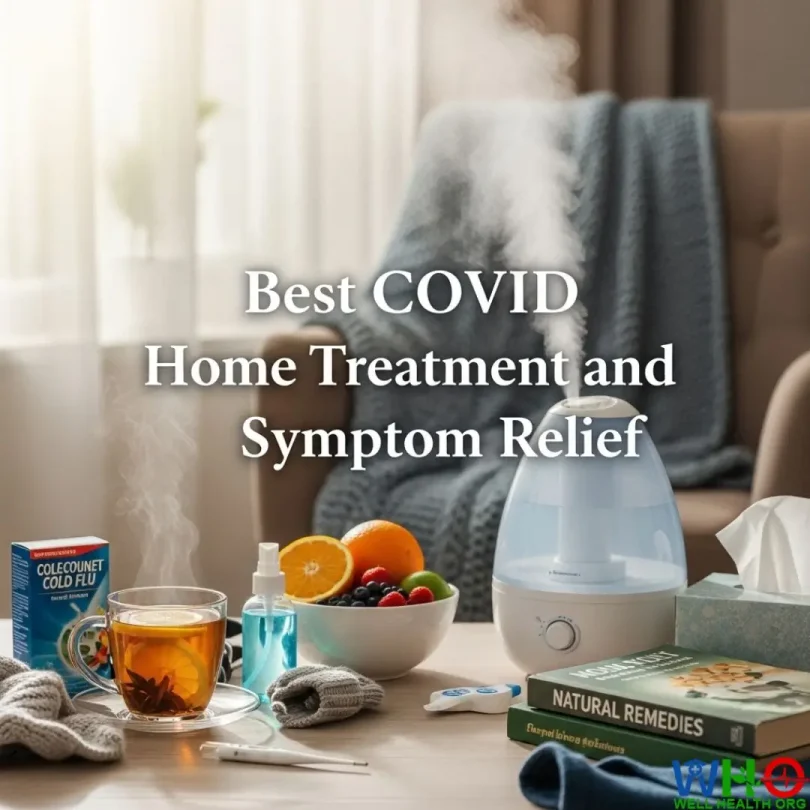
- Use a humidifier or place a bowl of warm water in your room to keep air moist.
- Drink warm liquids to soothe your throat and reduce coughing.
- Apply warm compresses to sore muscles or the chest area.
- Keep tissues, a thermometer, and your medications close by.
5. Protect Others:
Wear a mask when around other household members and wash your hands frequently. Even after symptoms improve, continue isolating for at least five full days and wear a mask for another five days afterward.
With these small but powerful actions, you can make your home a healing space — and help prevent others from falling ill.
The Role of Modern Medicine: Antivirals and Professional Treatments
In the early stages of the pandemic, home remedies were often the only option. But now, modern medicine offers effective antiviral treatments that can prevent complications when started early.
1. Antiviral Medications:
- Paxlovid (nirmatrelvir/ritonavir): Highly effective at reducing hospitalization risk in high-risk patients. It works by stopping the virus from multiplying inside your body.
- Molnupiravir: Another oral antiviral that disrupts viral replication, usually prescribed when Paxlovid isn’t suitable.
2. Monoclonal Antibody Treatments:
Previously, monoclonal antibodies were widely used to treat COVID-19, though their effectiveness has changed as new variants emerged. Always check with your healthcare provider for the latest approved options.
3. Steroids (like Dexamethasone):
For patients with more severe symptoms or lung inflammation, corticosteroids help reduce the immune system’s overreaction that can damage lung tissue.
4. Oxygen Therapy:
If oxygen levels drop below safe levels, supplemental oxygen may be administered in hospitals or, in some cases, at home under medical supervision.
These medical interventions have saved countless lives, but timing is crucial. Early consultation with a doctor ensures you receive the most effective care before symptoms escalate.
What Doesn’t Work — Myths to Avoid
Unfortunately, misinformation about COVID-19 remedies still circulates widely. Believing in unproven or unsafe treatments can delay recovery or even cause harm. Let’s clear up some common myths:
1. Antibiotics Treat COVID-19:
False. COVID-19 is caused by a virus, not bacteria, so antibiotics are ineffective unless a bacterial infection develops on top of it.
2. Drinking Alcohol or Bleach Kills the Virus:
Completely false — and dangerous. These substances can seriously damage your body and have no effect on COVID-19.
3. Megadoses of Vitamins Cure the Virus:
High doses of vitamins (especially vitamin D or zinc) can be toxic and strain your kidneys or liver. Stick to recommended amounts.
4. Home Steam or Sunlight “Kills” the Virus:
Steam and sunlight can ease symptoms and improve comfort, but they don’t eliminate the virus. Your immune system does that work naturally.
5. Herbal “Cures”:
Some herbal remedies may provide mild symptom relief, but there’s no scientific evidence that any herbal product can cure COVID-19. Always discuss supplements with your healthcare provider.
In short, the best remedies are simple, science-backed, and safe. Stick to trusted medical advice, not social media trends.
Recovering After COVID: Post-Virus Care and Long COVID
Even after testing negative, some people continue to experience lingering symptoms — a condition known as Long COVID. Common complaints include fatigue, brain fog, chest discomfort, and difficulty concentrating.
To Support Post-COVID Recovery:
- Pace Yourself: Avoid jumping straight back into strenuous activity. Gradually rebuild stamina.
- Prioritize Sleep and Nutrition: Continue eating immune-supportive foods and maintain a consistent bedtime routine.
- Gentle Exercise: Once approved by your doctor, start with light stretching or walking to restore muscle strength and circulation.
- Monitor Persistent Symptoms: If you experience ongoing shortness of breath, dizziness, or cognitive issues, consult a physician. You may need rehabilitation or specialized care.
Long COVID Clinics:
Many hospitals now offer post-COVID care programs designed to support recovery from lingering symptoms through physical therapy, breathing exercises, and counseling.
Healing after COVID isn’t just about waiting — it’s about nurturing your body back to balance.
Conclusion: Healing with Patience and Care
Recovering from COVID-19 can feel slow and unpredictable, but with the right approach, your body knows how to heal. Rest, hydration, balanced nutrition, and proper symptom management are your most powerful tools.
Use medications and natural remedies wisely, stay in tune with your body, and never hesitate to seek medical guidance if symptoms worsen. Remember that recovery is both a physical and emotional journey — give yourself the grace to move through it one day at a time.
Your health and well-being are worth every ounce of care and patience you give yourself.
Frequently Asked Questions
1. How long does it take to recover from COVID-19?
Most mild cases resolve within 7–14 days, but fatigue and cough may linger for several weeks. Everyone’s recovery timeline is different.
2. Can I exercise while recovering?
Light stretching or short walks are fine once your fever is gone and breathing is normal. Avoid intense workouts until you feel fully recovered.
3. Should I still isolate if I feel better but test positive?
Yes. Continue isolating for at least 5 days from symptom onset and wear a mask for another 5 days after that to protect others.
4. Is it normal to lose taste or smell?
Yes, it’s a common symptom. Most people regain their senses within weeks, though some may take longer. Smell training can help speed up recovery.
5. Can supplements prevent COVID-19?
No supplement can prevent infection, but vitamins like D, C, and zinc can support overall immune function when taken appropriately.
Medically Reviewed by Prof. Dr. Akram
Orthopedic Surgeon | Professor | Senior Medical Specialist
Prof. Dr. Akram is a distinguished surgeon with over 15 years of clinical expertise. Having served as a lead Emergency Specialist at Complex International Government Hospital, he currently leads a specialized team of 13 medical professionals at his private hospital. As a Professor at top medical universities, he ensures that every article on WellHealthOrg.com meets rigorous clinical standards.
Medical Disclaimer:
The information provided is for educational purposes only and is not a substitute for professional medical advice, diagnosis, or treatment. Always consult your physician for any medical concerns.
Our content is rigorously fact-checked by our 13-member Editorial Team under the clinical supervision of Prof. Dr. Akram.