
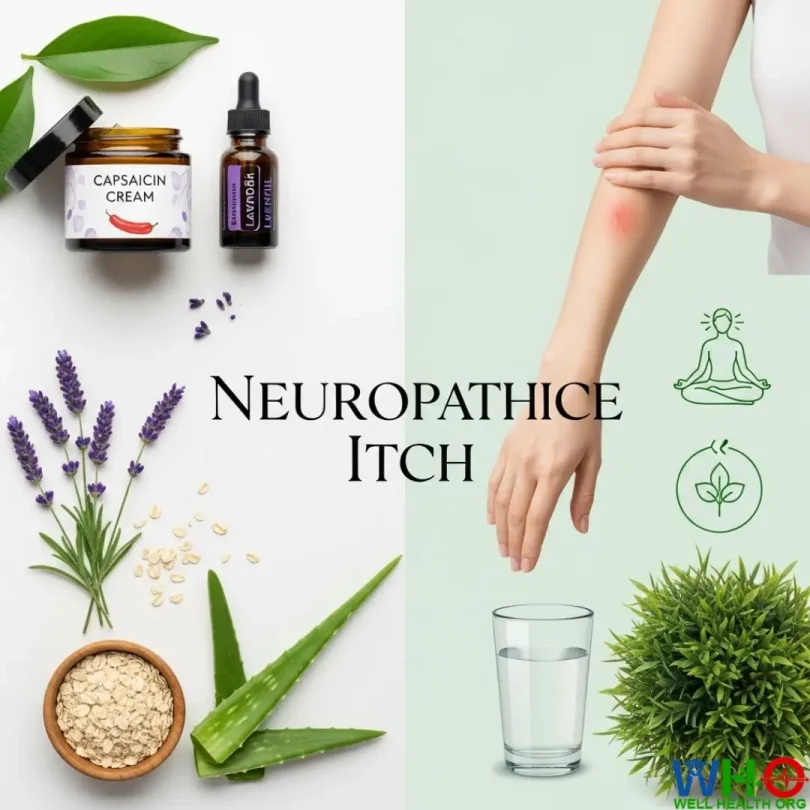
Home Remedies for Neuropathic Itch
Neuropathic itch is a frustrating, persistent, and often misunderstood condition. Unlike the common itch that results from dry skin, allergies, or insect bites, neuropathic itch originates deep within the nervous system. It occurs when nerve fibers misfire, sending false signals to the brain that make you feel like something is irritating your skin—even when nothing is. The result? A relentless, tingling, burning, or crawling sensation that can drive anyone to constant discomfort.
- Home Remedies for Neuropathic Itch
- Understanding Neuropathic Itch: When Your Nerves Cause the Itch
- How Nerve Damage Triggers Itching
- Recognizing the Symptoms: What Neuropathic Itch Feels Like
- Key Characteristics of Neuropathic Itch
- Topical Home Remedies for Neuropathic Itch Relief
- 1. Capsaicin Cream: The Chili Pepper Solution
- 2. Menthol and Peppermint Oil: Cooling Relief
- 3. Aloe Vera: Nature’s Soothing Gel
- 4. Cooling Compresses and Ice Packs
- Oral Supplements for Nerve Pain and Itch Management
- 1. Omega-3 Fatty Acids: Nourishing the Nerves
- 2. Vitamin D: The Sunshine Vitamin for Nerve Support
- 3. B Vitamins: The Nerve-Healing Complex
- Lifestyle Adjustments for Lasting Neuropathic Itch Relief
- 1. Managing Stress: Calming the Mind to Calm the Nerves
- 2. Gentle Exercise: Moving Toward Relief
- 3. Moisturizing and Skin Hydration
- 4. Avoiding Irritants That Aggravate Itch
- 5. Wet Wrap Therapy: A Soothing Overnight Solution
- Additional Natural Remedies for Neuropathic Itch
- 1. Colloidal Oatmeal Baths
- 2. Baking Soda Baths or Pastes
- 3. Apple Cider Vinegar (ACV) for Scalp or Localized Itch
- When to Seek Medical Advice
- Diagnosis and Medical Treatment Options
- Finding the Right Combination for You
- Conclusion: Taking Control of Neuropathic Itch Naturally
- FAQs About Neuropathic Itch
For many people living with neuropathic pruritus, the search for relief becomes an ongoing struggle. Traditional anti-itch creams, moisturizers, and antihistamines rarely work because they target skin-based irritation, not nerve-based miscommunication. The good news is that there are several home remedies for neuropathic itch that can provide meaningful relief. When used alongside professional treatment, these natural approaches can help calm nerve activity, reduce inflammation, and restore comfort.
In this comprehensive guide, you’ll discover the most effective natural remedies, lifestyle strategies, and practical home treatments to soothe neuropathic itch. Each method is designed to work with your body, not against it—helping you manage symptoms safely and naturally.
Understanding Neuropathic Itch: When Your Nerves Cause the Itch
Neuropathic itch occurs due to nerve dysfunction or injury. Instead of reacting to an external irritant, your nerves send abnormal signals to the brain, tricking it into believing that something is itching your skin. This false signal results in sensations like burning, stinging, or tingling—even when your skin looks completely normal.
Unlike typical itching caused by allergies or eczema, neuropathic itch doesn’t respond to hydrocortisone or antihistamine creams. That’s because the source isn’t skin deep—it’s neurological.
How Nerve Damage Triggers Itching
When nerve fibers in your skin, spinal cord, or brain become damaged, they may fire signals randomly or excessively. These signals are interpreted as “itch” rather than “pain,” even though no external cause exists. Over time, the constant misfiring can sensitize your nervous system, making the itching feel more intense.
The most common causes of nerve damage leading to neuropathic itch include:
- Diabetes (Peripheral Neuropathy): High blood sugar can damage peripheral nerves, especially in the hands and feet.
- Shingles (Postherpetic Neuralgia): Even after the rash heals, lingering nerve inflammation can cause persistent itching.
- Multiple Sclerosis (MS): Nerve demyelination can trigger unusual sensations, including itching, burning, or tingling.
- Spinal Cord Injuries: Disrupted nerve pathways can lead to localized or generalized itching.
- Certain Medications: Some drugs, particularly opioids or chemotherapy agents, can affect nerve function.
Each cause requires a different treatment approach, but natural remedies can help manage symptoms regardless of the underlying trigger.
Recognizing the Symptoms: What Neuropathic Itch Feels Like
Neuropathic itch doesn’t behave like a normal itch—and understanding its unique sensations can help you identify and manage it more effectively.
Most people describe it as a deep, burning itch that feels like it’s coming from beneath the skin rather than on its surface. Others report sensations of tingling, crawling insects, sharp stings, or electric shocks. The itching can occur in small patches or across larger body areas.
Key Characteristics of Neuropathic Itch
- The itch occurs without a visible rash or irritation.
- Scratching doesn’t help—and may even make it worse.
- The sensation may intensify at night, especially when distractions fade.
- It often appears in the same localized spots, like the arms, legs, or back.
- Some people experience alternating sensations of itching and burning.
Since the itch originates from the nervous system, scratching can actually worsen the irritation by stimulating nerve endings further. Instead, the goal of treatment should be to calm the nerves and reduce inflammation.
If you’ve been dealing with these symptoms for weeks or months, it’s important to consult a healthcare provider for diagnosis. But in the meantime, natural home remedies can help you find relief and protect your skin from damage.
Topical Home Remedies for Neuropathic Itch Relief
Topical treatments are often the first line of defense for managing neuropathic itch at home. While they don’t fix the underlying nerve issue, they can interrupt itch signals and provide cooling, numbing, or soothing relief. Here are some of the best natural options:
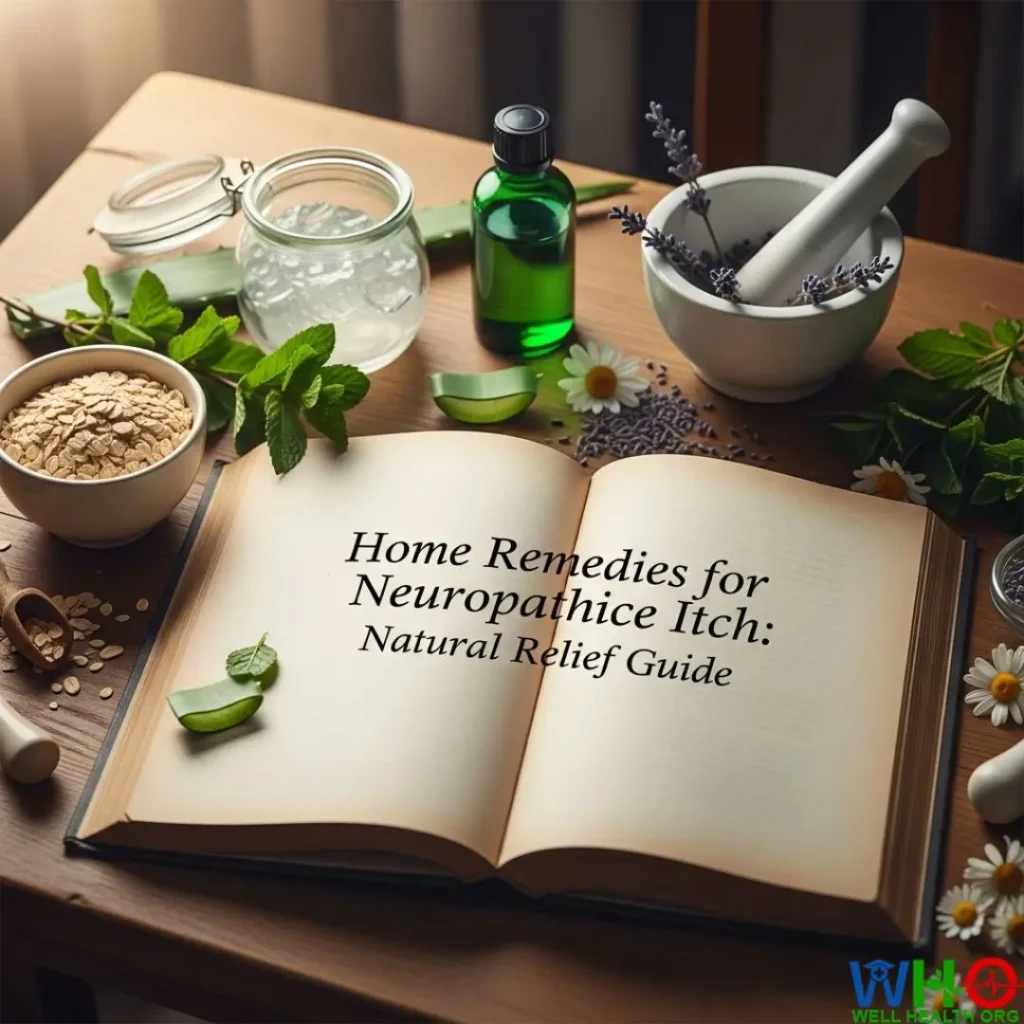
1. Capsaicin Cream: The Chili Pepper Solution
Capsaicin, the compound that gives chili peppers their heat, is surprisingly effective for calming nerve-related itch. It works by depleting substance P, a neurotransmitter that carries pain and itch signals to your brain. When applied regularly, capsaicin helps reduce nerve hypersensitivity.
How to Use:
- Choose a low-concentration capsaicin cream (0.025%–0.075%) to start.
- Apply it to the itchy area two to four times daily.
- Expect mild warmth or burning during the first few uses—this usually fades as your skin adjusts.
- Always wash your hands thoroughly after applying to avoid contact with eyes or sensitive areas.
Many users report significant relief after consistent use for 1–2 weeks. While it may take time to build up effectiveness, it’s one of the few topical treatments that directly addresses nerve overactivity.
2. Menthol and Peppermint Oil: Cooling Relief
Menthol provides an instant cooling sensation that can override itching signals by activating cold-sensitive nerve fibers. Peppermint oil, which naturally contains menthol, also has mild anti-inflammatory and analgesic properties.
How to Use:
- Mix a few drops of peppermint essential oil with a tablespoon of carrier oil (like coconut or jojoba).
- Gently massage into affected areas for quick relief.
- Store in the refrigerator for an added cooling effect.
A 2016 study found that peppermint oil improved itchy skin more effectively than petroleum jelly. However, always dilute essential oils before use to prevent irritation.
3. Aloe Vera: Nature’s Soothing Gel
Aloe vera is a gentle, natural remedy with cooling, moisturizing, and anti-inflammatory properties. The gel from the aloe plant helps soothe irritated nerves and hydrate the skin, reducing overall discomfort.
How to Use:
- Apply pure aloe vera gel directly to itchy areas two to three times a day.
- Keep it in the fridge for a cold, calming application.
- Use fresh aloe from the plant if possible, or choose a product with minimal additives.
Although aloe doesn’t treat the root cause, it can help reduce burning sensations and prevent skin damage from scratching.
4. Cooling Compresses and Ice Packs
Applying something cold can instantly relieve neuropathic itching by slowing nerve signals and numbing the affected area. The American Academy of Dermatology recommends cold, wet cloths or ice packs for temporary relief.
How to Use:
- Wrap an ice pack or bag of frozen vegetables in a soft towel.
- Apply for 10–15 minutes to itchy areas.
- Avoid direct contact with skin to prevent frostbite.
You can also store moisturizers or lotions in the refrigerator for double the soothing effect.
Oral Supplements for Nerve Pain and Itch Management
Your diet and nutrient intake can play a major role in nerve health. Certain vitamins, minerals, and natural compounds can help repair nerve damage, reduce inflammation, and ease neuropathic itch from within.
1. Omega-3 Fatty Acids: Nourishing the Nerves
Omega-3 fatty acids—found in fish oil, flaxseed, and chia seeds—are powerful anti-inflammatories. They help protect nerve membranes and improve overall nerve function.
How to Use:
- Take 1,000–2,000 mg of omega-3 supplements daily (after consulting your doctor).
- Include fatty fish like salmon, sardines, and mackerel in your meals.
- Pair with vitamin E-rich foods to enhance absorption.
Several studies have shown that omega-3s reduce nerve inflammation and improve symptoms in those with peripheral neuropathy, making them a great addition to your daily wellness plan.
2. Vitamin D: The Sunshine Vitamin for Nerve Support
Vitamin D deficiency is surprisingly common among people with chronic nerve pain and itching. This essential nutrient supports nerve regeneration and immune balance.
How to Use:
- Ask your doctor to test your vitamin D levels.
- Take a daily supplement (1,000–2,000 IU or as prescribed).
- Spend 10–20 minutes in sunlight daily to help your body produce natural vitamin D.
Restoring optimal levels may help reduce neuropathic symptoms and improve mood—an added bonus for those struggling with chronic discomfort.
3. B Vitamins: The Nerve-Healing Complex
B vitamins, especially B12, B6, and B1 (thiamine), play key roles in nerve function and repair. Deficiencies can worsen neuropathic symptoms and slow healing.
How to Use:
- Take a high-quality B-complex supplement daily.
- Include foods like eggs, whole grains, leafy greens, and lean meats in your diet.
- For severe deficiency, your doctor may recommend B12 injections.
Regular supplementation helps rebuild nerve health over time, which can gradually reduce the frequency and intensity of neuropathic itching.
Lifestyle Adjustments for Lasting Neuropathic Itch Relief
While topical remedies and supplements can ease symptoms, long-term neuropathic itch relief often depends on lifestyle habits that support nerve health, reduce inflammation, and calm the body’s stress response. Because the nervous system plays a central role, managing emotional and physical stress can make a noticeable difference.
Below are key adjustments you can integrate into your daily routine to naturally reduce neuropathic itching and prevent flare-ups.
1. Managing Stress: Calming the Mind to Calm the Nerves
Stress doesn’t just affect your mood—it directly impacts your nervous system. When you’re anxious or under pressure, your body releases cortisol and adrenaline, which heighten nerve sensitivity. This can make itching more intense and persistent.
Practical Stress-Relief Strategies:
- Mindfulness Meditation: Set aside 10–15 minutes daily to focus on your breathing. Research shows that meditation can reduce nerve hypersensitivity by retraining the brain’s response to signals.
- Progressive Muscle Relaxation: Before bedtime, tense and release each muscle group to reduce tension and promote better sleep.
- Yoga and Tai Chi: These gentle exercises combine movement, breath, and focus, helping balance the nervous system and reduce itching triggers.
- Consistent Sleep Routine: Poor sleep increases inflammation and amplifies discomfort. Go to bed and wake up at the same time each day to help your body recover.
Learning to manage stress doesn’t happen overnight, but consistent practice can help reduce the intensity of neuropathic itch episodes.
2. Gentle Exercise: Moving Toward Relief
You don’t have to engage in strenuous workouts to benefit from physical activity. Gentle, consistent movement helps improve blood circulation, reduce inflammation, and release endorphins—natural chemicals that combat pain and itch sensations.
Recommended Activities:
- Walking: Start with short daily walks in fresh air. Even 20 minutes can enhance circulation and nerve health.
- Swimming: The buoyancy of water reduces pressure on the body, while the cool temperature soothes irritated skin.
- Stretching or Yoga: Keeps your muscles flexible and supports spinal alignment, which may ease nerve compression.
Exercise also supports mental health by reducing anxiety and depression—common in people dealing with chronic nerve pain or itch. Over time, gentle physical activity strengthens your resilience against flare-ups.
3. Moisturizing and Skin Hydration
Even though neuropathic itch originates from within the nervous system, maintaining skin hydration can help prevent additional irritation. Dry skin amplifies sensations of itching by making the outer layer more sensitive to nerve signals.
Tips for Optimal Skin Hydration:
- Apply moisturizer immediately after showering while your skin is still damp to lock in moisture.
- Choose fragrance-free products containing ingredients like ceramides, hyaluronic acid, and glycerin.
- Avoid alcohol-based lotions, which dry the skin further.
- Keep indoor humidity balanced—especially during winter—by using a humidifier.
Hydrated skin helps reduce the intensity of superficial itching sensations and provides a protective barrier against scratching damage.
4. Avoiding Irritants That Aggravate Itch
Certain everyday habits and products can worsen neuropathic itching. Identifying and removing these triggers can significantly reduce discomfort.
Avoid or Modify the Following:
- Hot showers or baths: Heat dilates blood vessels and can heighten nerve sensitivity. Instead, use lukewarm water.
- Scented soaps or detergents: Fragrances and dyes can irritate skin and heighten nerve reactivity. Choose mild, hypoallergenic formulas.
- Tight or synthetic clothing: Opt for loose, breathable cotton fabrics to reduce friction and allow your skin to breathe.
- Overheating at night: Keep your bedroom cool and wear lightweight pajamas to prevent temperature-triggered itch flare-ups.
These small environmental adjustments can dramatically improve comfort levels, especially when combined with other remedies.
5. Wet Wrap Therapy: A Soothing Overnight Solution
When itching becomes severe or disrupts sleep, wet wrap therapy can provide fast, effective relief. Recommended by dermatologists and the National Eczema Association, this method helps rehydrate the skin and block the urge to scratch.
How to Do It:
- Gently cleanse and moisturize the affected area.
- Soak clean cotton gauze or cloth in warm water and wring out excess moisture.
- Wrap the damp layer over the itchy area.
- Cover with a dry layer of gauze or soft cotton clothing.
- Leave on for several hours or overnight.
Wet wraps work by cooling the skin, hydrating deeper layers, and reducing inflammation. They also act as a physical barrier, preventing scratching during sleep—a key benefit for those with intense nighttime itching.
Additional Natural Remedies for Neuropathic Itch
Sometimes, the most effective relief comes from combining traditional remedies with simple household ingredients. Here are several natural treatments that have shown promise in calming both surface irritation and nerve-related itch.
1. Colloidal Oatmeal Baths
Colloidal oatmeal—finely ground oats suspended in water—forms a soothing barrier on the skin, locking in moisture and reducing irritation. It contains avenanthramides, natural compounds with antioxidant and anti-inflammatory effects.
How to Use:
- Add one cup of colloidal oatmeal to lukewarm bathwater.
- Soak for 15–20 minutes, gently pat dry, and apply a moisturizer.
- Repeat as needed during flare-ups.
Oatmeal baths are particularly helpful for widespread itching and are safe for daily use.
2. Baking Soda Baths or Pastes
Baking soda’s natural antifungal and pH-balancing properties can reduce itching sensations, especially when irritation is linked to minor infections or sweat buildup.
How to Use:
- Add ¼ cup of baking soda to a warm bath and soak for 10–15 minutes.
- Alternatively, mix baking soda with water to form a paste and apply to localized itchy spots.
- Rinse thoroughly and moisturize afterward.
This simple remedy can temporarily calm skin while reducing burning or tingling sensations associated with neuropathic itch.
3. Apple Cider Vinegar (ACV) for Scalp or Localized Itch
Apple cider vinegar contains natural acetic acid, which helps balance skin pH and may reduce itchiness. It’s especially useful for scalp itching caused by nerve irritation or buildup of skin oils.
How to Use:
- Mix equal parts ACV and water.
- Apply with a cotton ball or spray bottle to affected areas.
- Allow to dry for 10–15 minutes, then rinse with cool water.
Avoid using ACV on open wounds, broken skin, or heavily inflamed areas—it can cause a burning sensation.
When to Seek Medical Advice
While home remedies can help you manage symptoms, they are not a cure for neuropathic itch. Persistent or worsening itching may indicate an underlying neurological or systemic condition that requires medical attention.
Consult a Doctor If You Experience:
- Itching that lasts longer than two weeks despite home treatment
- Intense burning or electric-like sensations
- Swelling, redness, or weeping sores
- Severe sleep disruption or anxiety caused by itching
- Spreading of itch to new or multiple areas
- Accompanying pain, weakness, or numbness
A dermatologist, neurologist, or pain specialist can perform nerve conduction tests or imaging to identify the source of nerve irritation. Early diagnosis ensures more effective, targeted treatment.
Diagnosis and Medical Treatment Options
If your doctor confirms that neuropathic itch is the cause, they may recommend specific therapies to reduce nerve overactivity and improve quality of life.
Common Medical Treatments Include:
- Topical Prescription Creams: Medications like lidocaine, ketamine, or compounded creams can numb affected nerves.
- Oral Medications: Drugs such as gabapentin, pregabalin, or low-dose antidepressants help regulate nerve signaling.
- Physical Therapy: Strengthening exercises and posture correction can relieve nerve compression contributing to itching.
- TENS (Transcutaneous Electrical Nerve Stimulation): This therapy uses mild electrical currents to retrain nerve function.
- Treatment of Underlying Conditions: Managing diabetes, MS, or post-shingles complications can prevent progression.
Always discuss new treatments with your healthcare provider, especially when combining them with home remedies or supplements.
Finding the Right Combination for You
Neuropathic itch management is rarely one-size-fits-all. What provides relief for one person may be ineffective for another. The best results often come from combining multiple strategies—natural, lifestyle-based, and medical.
Helpful Tips for Finding Relief:
- Start with one or two remedies at a time to track what works best.
- Keep a journal of your daily symptoms, diet, stress levels, and weather conditions.
- Note which remedies provide quick relief versus long-term improvement.
- Be patient—nerve healing takes time, and consistent care yields the best outcomes.
Remember: neuropathic itch stems from nerve dysfunction, not surface irritation. By supporting nerve health, maintaining calm, and caring for your skin, you can gradually regain comfort and control.
Conclusion: Taking Control of Neuropathic Itch Naturally
Living with neuropathic itch can feel isolating, but understanding the cause empowers you to manage it more effectively. Natural remedies—from cooling aloe and menthol treatments to nerve-supporting vitamins and lifestyle changes—offer safe, gentle ways to soothe discomfort.
The key is consistency: supporting nerve health, reducing inflammation, and maintaining a calm, hydrated environment for your skin. Combine these home remedies with your healthcare provider’s guidance for the best results. Relief may not come overnight, but with persistence, you can significantly reduce itching intensity and reclaim your comfort.
FAQs About Neuropathic Itch
1. Can neuropathic itch go away on its own?
In some mild cases, the itch may fade as nerves heal, but chronic neuropathic itch often requires ongoing management through lifestyle changes, supplements, or medications.
2. Is scratching harmful for neuropathic itch?
Yes. Scratching can damage the skin and worsen nerve sensitivity. Instead, try cooling compresses, menthol creams, or meditation techniques to distract from the sensation.
3. Which vitamin is best for nerve repair?
Vitamin B12 is crucial for nerve regeneration. Pairing it with B-complex vitamins and omega-3s enhances overall nerve health and reduces itching.
4. Can stress cause neuropathic itching?
Absolutely. Stress heightens nerve reactivity, making itching worse. Mindfulness, deep breathing, and gentle exercise can help keep symptoms under control.
5. Are essential oils safe for neuropathic itch?
Yes, when diluted properly in a carrier oil. Peppermint and lavender oils provide cooling, soothing effects—but never apply them undiluted to the skin.
Medically Reviewed by Prof. Dr. Akram
Orthopedic Surgeon | Professor | Senior Medical Specialist
Prof. Dr. Akram is a distinguished surgeon with over 15 years of clinical expertise. Having served as a lead Emergency Specialist at Complex International Government Hospital, he currently leads a specialized team of 13 medical professionals at his private hospital. As a Professor at top medical universities, he ensures that every article on WellHealthOrg.com meets rigorous clinical standards.
Medical Disclaimer:
The information provided is for educational purposes only and is not a substitute for professional medical advice, diagnosis, or treatment. Always consult your physician for any medical concerns.
Our content is rigorously fact-checked by our 13-member Editorial Team under the clinical supervision of Prof. Dr. Akram.







