Pimples on Private Parts Female Home Remedies
Discovering a pimple in your private area can be both uncomfortable and concerning. The skin in the genital region is delicate and prone to irritation, making any bump or redness instantly noticeable. But before panic sets in, know this — vaginal pimples are common and, in most cases, harmless. Just like acne that appears on your face, chest, or back, pimples in the pubic or vulvar region are usually the result of clogged pores, bacteria, or irritation.
- Pimples on Private Parts Female Home Remedies
- Understanding Vaginal Pimples: What They Really Are
- Why Do Vaginal Pimples Occur?
- 1. Ingrown Hairs
- 2. Folliculitis (Infected Hair Follicles)
- 3. Friction and Sweat
- 4. Hormonal Fluctuations
- 5. Blocked Pores and Sweat Glands
- 6. Contact Dermatitis (Allergic Reactions)
- 7. Underlying Conditions That Mimic Pimples
- Safe and Soothing Home Remedies for Vaginal Pimples
- 1. Warm Compress Therapy
- 2. Tea Tree Oil (Antibacterial Remedy)
- 3. Aloe Vera Gel for Cooling Relief
- 4. Apple Cider Vinegar (Natural Astringent)
- 5. Exfoliate Gently to Prevent Ingrown Hairs
- 6. Coconut Oil as a Natural Moisturizer
- 7. Use Turmeric Paste for Its Healing Power
- 8. Cold Compress for Pain or Swelling
- Preventing Pimples on Female Private Parts
- 1. Practice Proper Shaving and Hair Removal Hygiene
- 2. Maintain Consistent Feminine Hygiene
- 3. Choose Breathable, Comfortable Clothing
- 4. Manage Hormonal Fluctuations Naturally
- 5. Avoid Harsh Products and Fragrances
- 6. Strengthen Your Immune System
- When to See a Doctor
- Expert Tips for Long-Term Vulvar and Skin Health
- 1. Maintain a Consistent Skincare Routine for the Bikini Area
- 2. Switch to Natural Fibers
- 3. Stay Mindful of Menstrual Hygiene
- 4. Manage Stress Levels
- 5. Use Probiotics for Skin and Vaginal Balance
- Frequently Asked Questions (FAQs)
- 1. Are pimples on private parts normal?
- 2. Can I pop a vaginal pimple?
- 3. How long do vaginal pimples last?
- 4. What can I use to dry out a vaginal pimple quickly?
- 5. Can shaving cause vaginal pimples?
- 6. When should I worry that it’s not a pimple?
- Final Thoughts: Embrace Gentle Care for Your Feminine Health
These small, sometimes painful bumps can appear on the labia, bikini line, or pubic area, but not inside the vaginal canal itself. While the condition can be embarrassing to discuss, it’s important to remember that it’s treatable — often with simple home remedies and better hygiene habits.
This complete guide explains why pimples appear on the female private area, explores proven home remedies for soothing and clearing them, and provides expert tips on prevention and self-care. By understanding your body and adopting gentle routines, you can restore comfort and confidence naturally.
Understanding Vaginal Pimples: What They Really Are
Vaginal pimples, also known as pubic acne or vulvar pimples, are small bumps that develop when oil glands or hair follicles become clogged. They can be red, white, or flesh-colored and may contain pus. Some may feel tender to the touch, especially when irritated by tight clothing, friction, or sweat.
It’s crucial to differentiate between a simple pimple and other possible skin conditions in the genital area. Pimples are typically short-lived and respond well to home care, whereas certain bumps — such as genital warts, cysts, or infections — require medical attention. Understanding the underlying cause helps ensure you treat the problem correctly and safely.
Why Do Vaginal Pimples Occur?
Pimples in the genital region can develop for many of the same reasons as facial acne — clogged pores, bacteria buildup, or excess oil production. However, the sensitivity and warmth of the area, combined with friction from clothing or shaving, make it especially prone to irritation.
Here are the most common causes:
1. Ingrown Hairs
One of the leading culprits behind vaginal pimples is ingrown hairs. When you shave, wax, or pluck pubic hair, it sometimes grows back into the skin instead of outward. This trapped hair can cause redness, swelling, and a pus-filled bump that closely resembles a pimple.
Research shows that about 33% of women who remove pubic hair experience ingrown hairs at some point. To minimize this, exfoliate gently before hair removal, use a clean razor, and always shave in the direction of hair growth.
2. Folliculitis (Infected Hair Follicles)
Folliculitis occurs when a hair follicle becomes infected by bacteria — often Staphylococcus aureus. This can happen after shaving, waxing, or friction from tight clothing. It appears as clusters of small red bumps or whiteheads that may itch or feel tender.
Mild folliculitis often clears up with warm compresses and good hygiene, but recurrent or deep infections may require topical antibiotic creams.
3. Friction and Sweat
Wearing tight leggings, synthetic underwear, or non-breathable fabrics can create constant friction in the groin area. Add sweat and heat, and you’ve got the perfect breeding ground for bacteria. This combination clogs pores and triggers acne-like bumps.
To avoid this, wear loose, cotton underwear and change out of sweaty gym clothes promptly. Friction-related pimples are especially common after long workouts or hot days.
4. Hormonal Fluctuations
Hormones play a significant role in skin health. During your menstrual cycle, pregnancy, or menopause, shifts in estrogen and progesterone can increase sebum (oil) production, clogging pores and encouraging breakouts.
If you notice pimples appearing at the same time each month, hormones are likely the cause. Managing stress, maintaining a balanced diet, and getting enough sleep can help regulate hormone levels naturally.
5. Blocked Pores and Sweat Glands
The pubic region contains many sebaceous (oil) and sweat glands. When these become blocked by dead skin cells or excess oil, small pimples or blackheads may form. Unlike facial acne, genital acne tends to develop under clothing where moisture accumulates, so it’s essential to keep the area clean and dry.
6. Contact Dermatitis (Allergic Reactions)
The skin around the vulva is delicate and can easily react to irritants found in soaps, laundry detergents, scented wipes, feminine sprays, or bubble baths. These products may trigger contact dermatitis, leading to itchy, red bumps that mimic acne.
Switching to unscented, hypoallergenic products can help prevent irritation. When in doubt, use mild, fragrance-free soap and warm water to clean the area.
7. Underlying Conditions That Mimic Pimples
Not every bump in the genital area is a pimple. Some may actually be:
- Vulvar cysts: Fluid-filled sacs that can appear similar to pimples but are typically deeper under the skin.
- Genital warts: Flesh-colored growths caused by certain strains of HPV.
- Herpes lesions: Painful sores that start as blisters and can resemble pimples in early stages.
If your bump is painful, spreading, or doesn’t heal within two weeks, it’s best to consult a gynecologist or dermatologist for proper evaluation.
Safe and Soothing Home Remedies for Vaginal Pimples
Before you rush to pop a pimple (a big no-no!), understand that the vulvar skin is extremely sensitive, and improper treatment can lead to infection, scarring, or more irritation. Instead, rely on gentle, evidence-backed home remedies that soothe inflammation, kill bacteria, and promote natural healing.
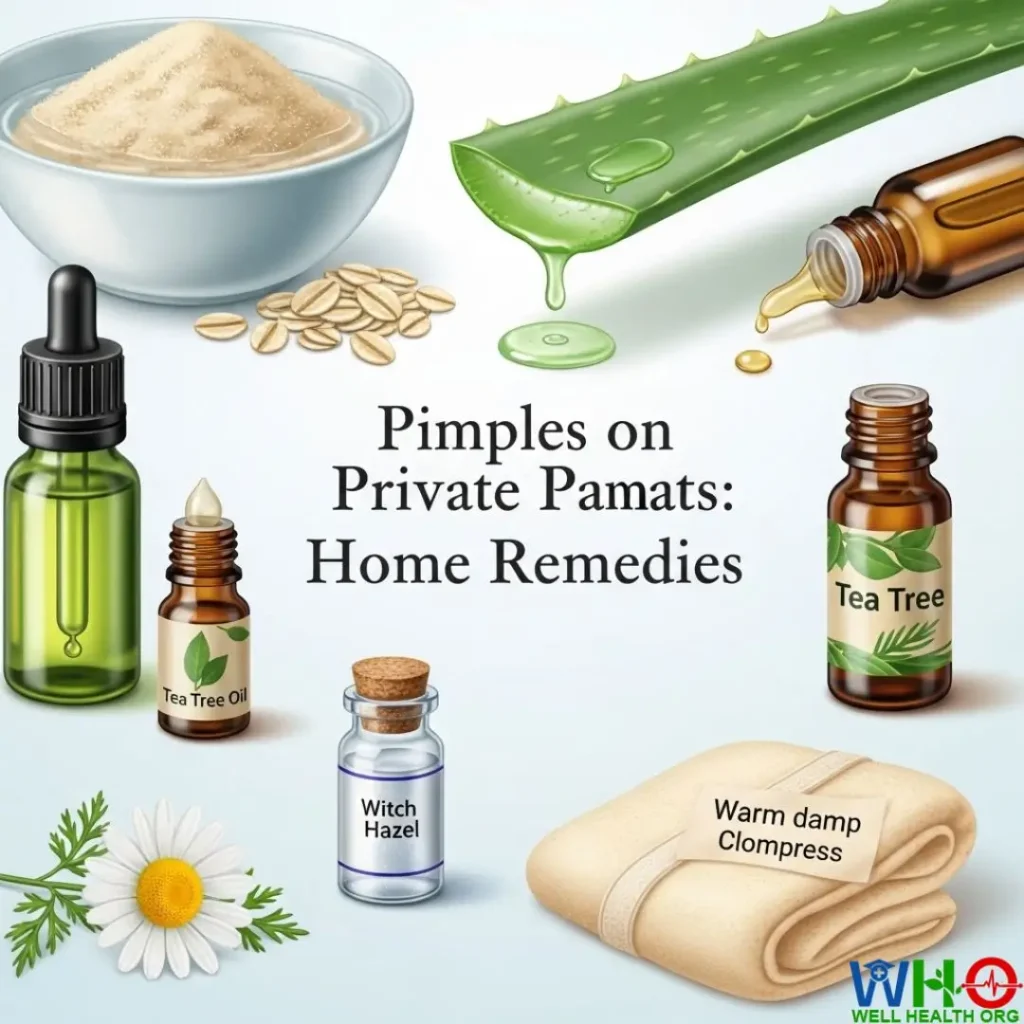
Here are the top home remedies recommended by dermatologists and natural skincare experts:
1. Warm Compress Therapy
A warm compress helps reduce swelling, relieve pain, and encourage drainage of pus from clogged pores.
How to do it:
- Soak a clean cloth in warm (not hot) water.
- Apply it gently to the affected area for 10–15 minutes.
- Repeat this 2–3 times daily.
The warmth improves blood circulation, which speeds up the healing process. Add a pinch of Epsom salt to the water for extra antibacterial benefits.
2. Tea Tree Oil (Antibacterial Remedy)
Tea tree oil is one of the most powerful natural remedies for skin infections due to its antibacterial, antifungal, and anti-inflammatory properties. It helps kill bacteria, dry out pimples, and reduce redness.
How to use it:
- Mix 2–3 drops of tea tree oil with 1 tablespoon of coconut or olive oil.
- Apply with a cotton swab directly to the pimple.
- Leave it on for 15 minutes, then rinse off with warm water.
Repeat twice daily. Never apply pure, undiluted tea tree oil directly to the skin—it can cause burns or irritation.
3. Aloe Vera Gel for Cooling Relief
Fresh aloe vera gel soothes inflammation and promotes healing. Its cooling effect provides instant relief from itching and irritation.
How to use it:
- Extract fresh gel from an aloe leaf (or use 100% pure aloe gel).
- Apply a thin layer to the affected area.
- Let it sit for 10–15 minutes before rinsing.
You can store aloe vera gel in the fridge for extra cooling power.
4. Apple Cider Vinegar (Natural Astringent)
Apple cider vinegar (ACV) helps balance the skin’s pH level and acts as a mild disinfectant. It can also help dry out the pimple naturally.
How to use it:
- Mix equal parts ACV and water.
- Dip a cotton ball into the mixture and apply to the bump.
- Leave on for 5–10 minutes, then rinse thoroughly.
If you have sensitive skin, dilute it further or use this remedy only once daily to prevent irritation.
5. Exfoliate Gently to Prevent Ingrown Hairs
Gentle exfoliation removes dead skin cells and helps release trapped hairs.
DIY exfoliant recipe:
- Mix 1 tablespoon of Epsom salt with a few drops of warm water to form a paste.
- Gently massage the mixture onto the affected skin.
- Leave for 5–10 minutes before rinsing.
Avoid using harsh scrubs or applying too much pressure—the goal is to unclog pores, not irritate them.
6. Coconut Oil as a Natural Moisturizer
Coconut oil is a soothing, antimicrobial moisturizer that helps heal skin while preventing bacterial buildup. After cleansing, apply a thin layer of virgin coconut oil to the area. It keeps the skin soft, hydrated, and protected.
7. Use Turmeric Paste for Its Healing Power
Turmeric contains curcumin, a compound known for its anti-inflammatory and antibacterial properties.
Mix a pinch of turmeric powder with a few drops of water or honey to form a paste. Apply it to the affected spot for 10–15 minutes before rinsing. Turmeric may help reduce redness and prevent infection.
8. Cold Compress for Pain or Swelling
If the pimple feels painful or swollen, apply a cold compress wrapped in a soft cloth for a few minutes. It reduces inflammation and numbs the discomfort temporarily.
Preventing Pimples on Female Private Parts
While home remedies can help clear up existing bumps, prevention is always better than cure. By making a few adjustments to your daily hygiene and self-care habits, you can significantly reduce the chances of developing future pimples in your intimate area.
Below are dermatologist-approved prevention strategies to keep your skin smooth, clean, and healthy.
1. Practice Proper Shaving and Hair Removal Hygiene
Shaving is one of the leading triggers of pubic pimples and ingrown hairs. To minimize irritation:
- Exfoliate gently before shaving to remove dead skin cells.
- Use a sharp, clean razor and replace it regularly—never share razors.
- Always shave in the direction of hair growth, not against it.
- Use a soothing shaving cream or gel, not soap, which can dry out the skin.
- After shaving, apply a light moisturizer or aloe vera gel to calm the area.
If shaving tends to irritate your skin, consider alternative hair removal methods like trimming with scissors or an electric trimmer. Waxing and hair removal creams should be used cautiously, as both can cause allergic reactions or burns if not done properly.
2. Maintain Consistent Feminine Hygiene
Cleanliness is key when it comes to preventing vaginal pimples. However, “clean” does not mean using harsh products. The vaginal area has its own natural pH balance and protective bacteria (the vaginal microbiome), which can be disrupted by over-cleansing or scented products.
For best results:
- Wash daily using lukewarm water and a mild, fragrance-free cleanser.
- Avoid douching, as it removes beneficial bacteria and increases infection risk.
- After washing, dry thoroughly before putting on underwear.
- Change sanitary pads and liners frequently during your period.
Proper hygiene helps reduce bacterial buildup and keeps pores clear without stripping the skin’s natural moisture.
3. Choose Breathable, Comfortable Clothing
The fabrics you wear play a crucial role in skin health. Tight, synthetic clothing traps moisture and creates friction, which can lead to chafing, irritation, and acne-like breakouts.
Dermatologists recommend:
- Wearing cotton underwear that allows air to circulate.
- Avoiding nylon or polyester underwear for everyday use.
- Changing out of sweaty gym clothes or wet swimsuits immediately after exercise.
- Sleeping in loose, breathable nightwear to give your skin a break.
A simple wardrobe adjustment can drastically reduce skin irritation and improve comfort.
4. Manage Hormonal Fluctuations Naturally
Since hormone changes are a major cause of pimples in the pubic region, balancing your hormones can help prevent breakouts.
Here are some natural ways to promote hormonal harmony:
- Eat a balanced diet rich in fiber, whole grains, and omega-3 fatty acids.
- Limit sugar and processed foods, which can spike insulin and androgens.
- Exercise regularly to improve circulation and reduce stress.
- Get enough sleep — poor rest affects hormone regulation and skin repair.
- Stay hydrated, as dehydration can trigger excess oil production.
If you suffer from recurring breakouts linked to your menstrual cycle, consider consulting a gynecologist or endocrinologist for hormonal testing or medical guidance.
5. Avoid Harsh Products and Fragrances
Your genital area is one of the most sensitive parts of your body, so it’s important to be selective with the products you use. Many commercial feminine washes, sprays, and wipes contain fragrances, alcohol, and preservatives that can irritate the skin and clog pores.
Look for:
- Hypoallergenic, fragrance-free cleansers.
- Unscented laundry detergents for your underwear.
- Alcohol-free wipes (if you must use them).
- Natural moisturizers like aloe vera or coconut oil.
Remember, your skin thrives when it’s allowed to breathe and maintain its natural balance.
6. Strengthen Your Immune System
A strong immune system helps your skin fight off infections, including bacterial folliculitis and other irritations that can appear as pimples.
Support your immunity by:
- Eating plenty of vitamin-rich fruits and vegetables (especially those high in Vitamin C, A, and E).
- Reducing stress through mindfulness, yoga, or light exercise.
- Getting adequate rest (7–8 hours per night).
- Staying hydrated to help the body flush out toxins.
Your overall health is closely tied to your skin health — healthy lifestyle habits reflect in your complexion, even in intimate areas.
When to See a Doctor
Most vaginal or pubic pimples heal naturally within one to two weeks. However, there are times when it’s important to seek professional medical care. Ignoring persistent or painful bumps could allow infections to worsen or mask more serious conditions.
See a doctor or gynecologist if:
- The pimple is large, extremely painful, or filled with pus.
- The bump does not heal after two weeks or keeps returning.
- You notice multiple recurring pimples or swelling in the groin area.
- The bump is accompanied by fever, redness, or fluid drainage.
- You suspect it could be an STI (Sexually Transmitted Infection) like genital herpes or warts.
Your doctor can examine the affected area, perform necessary tests, and provide the right treatment. Depending on the diagnosis, they may recommend topical antibiotic creams, oral medications, or minor drainage procedures if the bump is cystic.
Never try to pop or squeeze a pimple yourself, as this can spread bacteria, lead to scarring, and delay healing.
Expert Tips for Long-Term Vulvar and Skin Health
Maintaining healthy skin in the vaginal area isn’t just about reacting to problems — it’s about building habits that support comfort and balance. Dermatologists and gynecologists emphasize that gentle care and consistency are key.
Here are expert-backed strategies to keep your intimate skin healthy and glowing:
1. Maintain a Consistent Skincare Routine for the Bikini Area
Just like your facial skincare, your bikini area benefits from a gentle routine:
- Cleanse: Use a mild cleanser daily.
- Exfoliate: Once or twice a week to prevent dead skin buildup.
- Moisturize: Apply aloe vera gel or coconut oil after shaving.
- Protect: Avoid chemical-heavy lotions or perfumes in the area.
This simple 4-step care plan helps prevent acne, ingrown hairs, and irritation.
2. Switch to Natural Fibers
Cotton is the gold standard, but bamboo and hemp underwear are also excellent breathable alternatives. They wick away moisture and reduce odor naturally.
If you’re prone to sweating, consider changing your underwear twice a day, especially during hot weather or workouts.
3. Stay Mindful of Menstrual Hygiene
During menstruation, hormonal and bacterial changes can increase breakouts in the bikini region. Prevent irritation by:
- Changing pads or tampons every 4–6 hours.
- Washing with gentle soap before and after changing.
- Using unscented sanitary products to avoid allergic reactions.
Reusable menstrual cups made from medical-grade silicone can also be a safer, eco-friendly choice for those with sensitive skin.
4. Manage Stress Levels
Chronic stress triggers cortisol production — a hormone that increases oil gland activity and can cause acne in unexpected areas, including the pubic region. Incorporate relaxation techniques such as:
- Deep breathing exercises
- Meditation or yoga
- Regular physical activity
- Spending time outdoors or journaling
Reducing stress not only benefits your skin but also supports your hormonal balance and immune health.
5. Use Probiotics for Skin and Vaginal Balance
Probiotics — the “good bacteria” — can help maintain both gut and vaginal microbiome health. A balanced microbiome means less inflammation and better skin defense against acne-causing bacteria.
You can get probiotics from:
- Yogurt with live cultures
- Fermented foods like kefir, kimchi, or sauerkraut
- Supplements designed for women’s health
Balanced internal health supports clearer, calmer skin from the inside out.
Frequently Asked Questions (FAQs)
1. Are pimples on private parts normal?
Yes, they are quite common. The genital area has sweat and oil glands just like the rest of your body, so pimples can form from clogged pores, shaving irritation, or hormonal changes.
2. Can I pop a vaginal pimple?
No — popping can lead to infection, scarring, and further irritation. Instead, use warm compresses or natural remedies to help the pimple heal safely.
3. How long do vaginal pimples last?
Most disappear within 7–14 days. If they persist longer or worsen, see a doctor.
4. What can I use to dry out a vaginal pimple quickly?
A warm compress or diluted apple cider vinegar can help, but always dilute and test first to avoid irritation. Avoid alcohol-based acne creams — they’re too harsh for this sensitive area.
5. Can shaving cause vaginal pimples?
Yes, shaving can cause ingrown hairs and folliculitis. Always use a sharp razor, proper shaving gel, and moisturize afterward to prevent irritation.
6. When should I worry that it’s not a pimple?
If the bump is very painful, filled with fluid, spreads rapidly, or looks like a blister, it might be an infection such as herpes or a cyst. See a healthcare provider immediately for diagnosis.
Final Thoughts: Embrace Gentle Care for Your Feminine Health
Pimples on your private parts might feel embarrassing or uncomfortable, but they’re usually not serious and can be treated effectively at home. The key is gentle care, patience, and consistency. Avoid harsh chemicals or aggressive squeezing, and focus on soothing remedies like aloe vera, tea tree oil, or warm compresses.
Your body’s intimate skin deserves the same thoughtful attention you give your face or hands — perhaps even more. By following healthy hygiene habits, wearing breathable fabrics, and listening to your body, you can prevent future breakouts and maintain smooth, irritation-free skin.
If at any point you’re uncertain or your symptoms worsen, don’t hesitate to consult a dermatologist or gynecologist. They can help rule out infections and ensure your skin receives the right treatment.
With mindful care, natural remedies, and professional support when needed, you can keep your intimate skin healthy, confident, and comfortable year-round.
Medically Reviewed by Prof. Dr. Akram
Orthopedic Surgeon | Professor | Senior Medical Specialist
Prof. Dr. Akram is a distinguished surgeon with over 15 years of clinical expertise. Having served as a lead Emergency Specialist at Complex International Government Hospital, he currently leads a specialized team of 13 medical professionals at his private hospital. As a Professor at top medical universities, he ensures that every article on WellHealthOrg.com meets rigorous clinical standards.
Medical Disclaimer:
The information provided is for educational purposes only and is not a substitute for professional medical advice, diagnosis, or treatment. Always consult your physician for any medical concerns.
Our content is rigorously fact-checked by our 13-member Editorial Team under the clinical supervision of Prof. Dr. Akram.