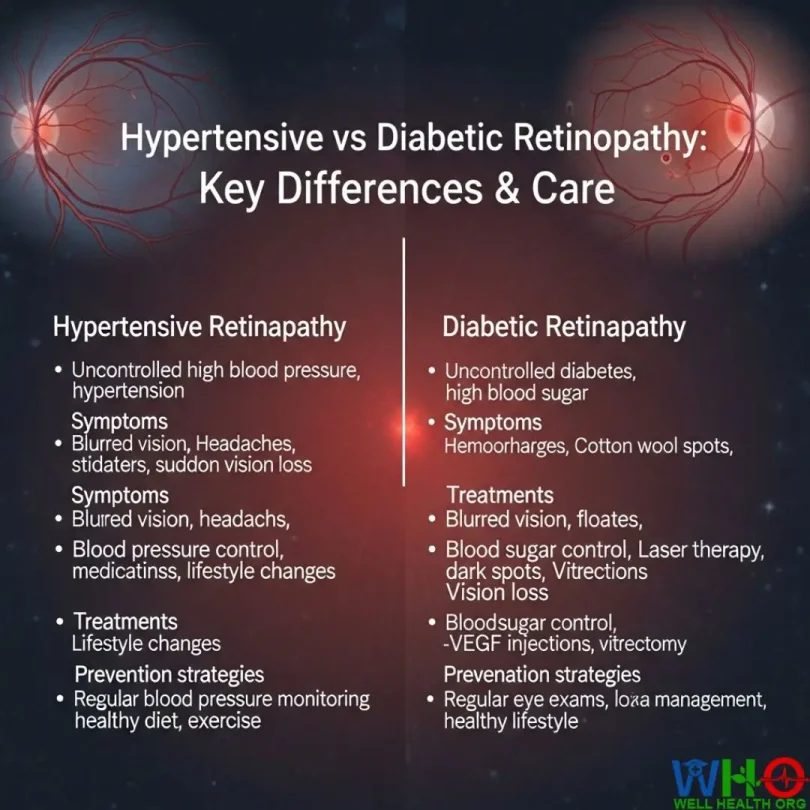
Hypertensive Retinopathy vs Diabetic Retinopathy
High blood pressure (hypertension) and diabetes are among the most widespread health issues worldwide. While most people are aware of their impact on the heart, kidneys, and overall health, fewer realize how seriously they can threaten vision.
- Hypertensive Retinopathy vs Diabetic Retinopathy
- 1. Understanding Hypertensive Retinopathy
- How Hypertension Affects the Retina
- 2. Stages of Hypertensive Retinopathy
- 3. Symptoms of Hypertensive Retinopathy
- Possible Symptoms Include:
- 4. Understanding Diabetic Retinopathy
- How Diabetes Damages the Retina
- 5. Types of Diabetic Retinopathy
- 6. Symptoms of Diabetic Retinopathy
- Common Symptoms Include:
- 7. Comparing Causes and Risk Factors
- Hypertensive Retinopathy Risk Factors
- Diabetic Retinopathy Risk Factors
- 8. Similarities and Differences in Symptoms
- Similarities
- Differences
- 9. Diagnosis and Detection
- Examination Techniques
- Screening Recommendations
- 10. Treatment Options
- Hypertensive Retinopathy Treatment
- Diabetic Retinopathy Treatment
- 11. Prevention Strategies
- Preventing Hypertensive Retinopathy
- Preventing Diabetic Retinopathy
- 12. Living with Retinopathy: Lifestyle and Support
- Daily Management Tips
- Emotional and Mental Health Support
- 13. Prognosis and Long-Term Outlook
- Hypertensive Retinopathy Prognosis
- Diabetic Retinopathy Prognosis
- Key Factors That Improve Prognosis
- 14. When to Seek Medical Attention
- Red Flags to Watch For:
- 15. Frequently Asked Questions (FAQs)
- Conclusion: Protecting Your Vision for Life
Both conditions damage the retina—the thin, light-sensitive tissue lining the back of the eye responsible for capturing visual images and sending them to the brain. When retinal blood vessels are compromised, eyesight can be permanently impaired.
Two major eye diseases linked to these systemic conditions are:
- Hypertensive Retinopathy (HR) – eye damage caused by uncontrolled high blood pressure.
- Diabetic Retinopathy (DR) – eye damage resulting from long-term high blood sugar.
Though they affect the same part of the eye, their development, risk factors, and treatments differ significantly. Understanding these differences can help individuals protect their sight, seek early intervention, and manage their health more effectively.
This guide explores causes, symptoms, diagnosis, treatment options, and prevention strategies for hypertensive retinopathy and diabetic retinopathy. If you or someone you care for has high blood pressure or diabetes, this information can be a powerful tool to preserve vision for life.
1. Understanding Hypertensive Retinopathy
Hypertensive retinopathy develops when chronic high blood pressure damages the tiny arteries and veins in the retina. These blood vessels are delicate, and prolonged elevated pressure forces them to work under stress. Over time, they become narrow, thickened, and less flexible, restricting oxygen and nutrient delivery to retinal cells.
This damage doesn’t always happen overnight—it’s usually the result of years of uncontrolled hypertension. Unfortunately, many people live with high blood pressure without realizing it, since it often causes no early symptoms. The first sign may be when a doctor notices retinal changes during a routine eye exam.
How Hypertension Affects the Retina
Think of blood vessels as plumbing pipes: the higher the pressure inside, the more strain on the walls. Eventually, this constant force:
- Narrows the vessels, reducing blood flow.
- Weakens vessel walls, making them prone to leaks.
- Causes tiny hemorrhages or fluid buildup in the retina.
If left untreated, this can progress to vision-threatening complications.
2. Stages of Hypertensive Retinopathy
Doctors classify hypertensive retinopathy into four distinct stages, ranging from mild to severe:
- Stage 1 (Mild):
- Subtle narrowing of retinal arteries.
- Often no symptoms at this stage.
- Detectable only with an eye exam.
- Stage 2 (Moderate):
- More pronounced narrowing of arteries.
- Arteriovenous (AV) nicking may appear—where arteries compress crossing veins.
- Still, patients may not notice changes in vision.
- Stage 3 (Severe):
- Flame-shaped hemorrhages (bleeding spots on the retina).
- Cotton-wool spots (small white patches signaling reduced blood flow).
- Vision starts becoming blurred or distorted.
- Stage 4 (Malignant Hypertension Retinopathy):
- Severe swelling of the retina.
- Extensive bleeding.
- Swelling of the optic nerve (papilledema).
- Sudden and severe vision loss possible.
Stage 4 is considered a medical emergency, often linked to dangerously high blood pressure that can also threaten the brain, heart, and kidneys.
3. Symptoms of Hypertensive Retinopathy
One of the biggest challenges with hypertensive retinopathy is its silent progression. Many people don’t experience noticeable symptoms until significant retinal damage has occurred.
Possible Symptoms Include:
- Blurred or reduced vision.
- Double vision.
- Headaches linked to high blood pressure spikes.
- Sudden, severe vision loss in late stages.
In many cases, the condition is first discovered during a routine dilated eye exam, where an ophthalmologist notices changes in the retinal vessels. This highlights the importance of regular check-ups, especially for individuals with hypertension.
4. Understanding Diabetic Retinopathy
Unlike hypertensive retinopathy, which is driven by blood pressure, diabetic retinopathy is caused by prolonged high blood sugar damaging retinal vessels.
High glucose levels gradually weaken the inner walls of blood vessels, making them leaky. The retina becomes starved of oxygen and nutrients, prompting the body to grow new blood vessels (a process called neovascularization). Unfortunately, these new vessels are fragile, abnormal, and prone to bleeding or scarring, which can worsen vision loss.
Diabetic retinopathy is one of the leading causes of blindness in working-age adults worldwide, making it a serious public health concern.
How Diabetes Damages the Retina
- Leaking vessels: Damaged capillaries allow fluid and proteins to seep into the retina, causing swelling.
- Microaneurysms: Small bulges form on weakened vessel walls.
- Abnormal new vessels: The body grows fragile vessels that rupture easily.
- Scar tissue formation: Scar tissue can tug on the retina, leading to retinal detachment.
Over time, this damage may lead to permanent blindness if left untreated.
5. Types of Diabetic Retinopathy
Doctors classify diabetic retinopathy into two main types:
- Non-Proliferative Diabetic Retinopathy (NPDR):
- The earlier stage.
- Retinal blood vessels become weak and leaky.
- Small hemorrhages, swelling (edema), and microaneurysms may appear.
- Vision may still be relatively unaffected, but subtle changes can occur.
- Proliferative Diabetic Retinopathy (PDR):
- The advanced stage.
- Abnormal new blood vessels grow on the retina’s surface.
- These vessels bleed easily, leading to floaters, dark spots, or sudden vision loss.
- Scar tissue from repeated bleeding may cause retinal detachment, a sight-threatening complication.
Unlike hypertensive retinopathy, which may improve if blood pressure is well-controlled, diabetic retinopathy is progressive. Early management is key to slowing its course and preserving vision.
6. Symptoms of Diabetic Retinopathy
Just like hypertensive retinopathy, diabetic retinopathy often develops silently in its early stages. Many people may not notice any vision problems until significant damage has already occurred. This is why regular diabetic eye screenings are essential.
Common Symptoms Include:
- Blurred vision that comes and goes, especially when blood sugar levels fluctuate.
- Increased floaters — small dark spots or squiggly lines drifting across your vision.
- Dark or blank areas in the visual field.
- Difficulty seeing colors or noticing that colors look washed out.
- Sudden vision loss, often due to bleeding inside the eye (vitreous hemorrhage).
Since symptoms may not appear until the disease is advanced, individuals with diabetes should never wait for warning signs. By the time vision changes occur, the condition may already be severe.
7. Comparing Causes and Risk Factors
Both hypertensive and diabetic retinopathy involve damage to retinal blood vessels, but the root causes differ. Understanding risk factors helps identify who may be more vulnerable.
Hypertensive Retinopathy Risk Factors
- Uncontrolled or long-standing high blood pressure.
- Age over 40 (risk increases with age).
- African American ethnicity (higher prevalence of hypertension).
- Family history of high blood pressure.
- Smoking, which accelerates vascular damage.
- Excessive alcohol intake.
- High-sodium diet, which worsens blood pressure.
- Sedentary lifestyle and obesity.
Diabetic Retinopathy Risk Factors
- Poorly controlled blood sugar levels.
- Longer duration of diabetes (risk rises after 10+ years).
- High blood pressure, which worsens retinal damage.
- High cholesterol, contributing to vessel changes.
- Pregnancy (can accelerate progression of DR).
- Smoking, which restricts blood flow to the retina.
- Kidney disease (common in long-term diabetes).
- Family history of diabetic eye disease.
👉 Key Takeaway: People with both diabetes and hypertension are at a much higher risk of developing either or both types of retinopathy. Managing both conditions aggressively is crucial for protecting vision.
8. Similarities and Differences in Symptoms
While both conditions affect vision, there are subtle differences in how symptoms appear and progress.
Similarities
- Blurred vision.
- Potential for sudden vision loss.
- Often no early symptoms.
- Progressive worsening if untreated.
Differences
- Hypertensive Retinopathy:
- Symptoms often linked to blood pressure spikes.
- Headaches and double vision may be more common.
- Can improve if blood pressure is controlled.
- Diabetic Retinopathy:
- Symptoms fluctuate with blood sugar levels.
- Floaters, dark spots, and blank areas are more typical.
- Generally progressive and less likely to reverse without treatment.
9. Diagnosis and Detection
Since early symptoms are minimal, diagnosis depends heavily on eye exams. Eye specialists use several techniques to detect retinopathy before vision loss occurs.
Examination Techniques
- Dilated Eye Exam: Special drops enlarge pupils so doctors can see the retina clearly.
- Fundus Photography: High-resolution images capture changes in retinal vessels for comparison over time.
- Fluorescein Angiography: A dye is injected into the bloodstream, highlighting leaks and abnormal blood vessels.
- Optical Coherence Tomography (OCT): Creates cross-sectional images of the retina, detecting swelling or fluid buildup.
Screening Recommendations
- Hypertension patients: Annual eye exams, more often if retinopathy is present.
- Diabetes patients:
- Type 1 diabetes: Eye exam within 5 years of diagnosis, then yearly.
- Type 2 diabetes: Eye exam at the time of diagnosis, then yearly.
- Pregnant women with diabetes: Additional exams during pregnancy.
👉 Early detection allows for timely treatment, often preventing serious vision loss.
10. Treatment Options
Treatment strategies differ because the root causes of hypertensive and diabetic retinopathy are distinct.
Hypertensive Retinopathy Treatment
The mainstay of treatment is blood pressure control. Once blood pressure is stabilized, retinal changes often improve.
- Medications:
- ACE inhibitors and ARBs (protect blood vessels).
- Diuretics (reduce fluid and blood pressure).
- Calcium channel blockers or beta-blockers as needed.
- Lifestyle Modifications:
- Reducing sodium intake.
- Regular exercise (150 minutes of moderate activity per week).
- Maintaining a healthy weight.
- Avoiding smoking and limiting alcohol.
- Stress management techniques.
- Advanced Interventions:
- In severe cases, laser therapy may be used to seal leaking vessels.
- Emergency treatment may be required for malignant hypertension.
Diabetic Retinopathy Treatment
Treatment depends on the stage of retinopathy.
- Medical Management:
- Strict control of blood sugar (HbA1c < 7%).
- Control of blood pressure and cholesterol.
- Anti-VEGF Injections:
- Drugs like ranibizumab or aflibercept are injected into the eye.
- Prevent abnormal vessel growth and reduce swelling.
- Laser Photocoagulation:
- Targets leaking blood vessels to seal them off.
- Helps prevent progression to proliferative disease.
- Vitrectomy:
- Surgical removal of blood and scar tissue from the eye.
- Used in advanced cases with severe bleeding or retinal detachment.
- Emerging Treatments:
- Gene therapy to repair damaged retinal cells.
- Sustained-release drug implants for long-term control.
👉 Unlike hypertensive retinopathy, diabetic retinopathy cannot be reversed once damage occurs. Treatments aim to slow progression and preserve remaining vision.
11. Prevention Strategies
The best treatment is prevention, since both conditions can develop silently.
Preventing Hypertensive Retinopathy
- Monitor blood pressure regularly.
- Maintain a heart-healthy diet low in sodium, rich in fruits and vegetables.
- Exercise consistently.
- Manage stress with yoga, meditation, or relaxation techniques.
- Limit alcohol and avoid smoking.
- Take prescribed medications exactly as directed.
Preventing Diabetic Retinopathy
- Keep blood sugar levels within target range (through diet, exercise, and medication).
- Monitor HbA1c regularly (goal usually < 7%).
- Have annual dilated eye exams.
- Manage cholesterol and blood pressure.
- Avoid smoking, which worsens circulation.
- Manage other conditions (like kidney disease) that increase risk.
12. Living with Retinopathy: Lifestyle and Support
Being diagnosed with hypertensive or diabetic retinopathy can feel overwhelming, but it does not mean inevitable blindness. With the right lifestyle adjustments and medical care, many people maintain good vision and quality of life.
Daily Management Tips
- Track your numbers: Keep a log of your blood pressure and/or blood sugar. Small changes can help your doctor fine-tune your treatment plan.
- Follow your medication plan: Skipping doses or taking medicines inconsistently increases risks.
- Adopt an eye-friendly diet: Dark leafy greens, omega-3 rich fish (like salmon), citrus fruits, and nuts support retinal health.
- Exercise regularly: Even brisk walking for 30 minutes daily improves circulation to the eyes.
- Protect your eyes: Wear sunglasses outdoors to block UV rays and reduce additional stress on your retina.
Emotional and Mental Health Support
Vision problems can affect confidence, independence, and mental health. Many patients experience anxiety or depression when facing potential vision loss.
- Counseling or therapy can help with coping strategies.
- Support groups (online or local) provide encouragement from people with similar experiences.
- Low-vision rehabilitation services teach adaptive skills to help individuals maintain independence.
👉 Living with retinopathy means focusing not just on the eyes, but on whole-body wellness.
13. Prognosis and Long-Term Outlook
The prognosis depends on how early retinopathy is detected and how well the underlying condition is managed.
Hypertensive Retinopathy Prognosis
- Early stages (1–2): Often reversible if blood pressure is controlled.
- Advanced stages (3–4): May cause permanent damage, including optic nerve swelling, retinal bleeding, or even stroke risk.
Diabetic Retinopathy Prognosis
- Non-proliferative stage (NPDR): If managed well, progression can be slowed or halted.
- Proliferative stage (PDR): More dangerous, with high risk of severe vision loss. Treatments like injections, laser therapy, or surgery are often needed.
Key Factors That Improve Prognosis
- Early detection through regular screenings.
- Consistent control of blood pressure and blood sugar.
- Following treatment plans and attending follow-up appointments.
- Healthy lifestyle choices that protect blood vessels.
👉 With today’s treatments, blindness from retinopathy is less common than in the past, but only if patients remain proactive.
14. When to Seek Medical Attention
Many people delay seeking help because they don’t realize eye problems are linked to blood pressure or diabetes. Prompt care makes a huge difference.
Red Flags to Watch For:
- Sudden blurred or double vision.
- Increase in eye floaters or flashes of light.
- Dark or empty spots in your field of vision.
- Unexplained headaches combined with vision changes.
- Gradual worsening of eyesight despite new glasses.
If you notice these symptoms, see an eye doctor immediately. If you already have high blood pressure or diabetes, don’t wait until problems appear—schedule regular screenings as part of your routine care.
15. Frequently Asked Questions (FAQs)
Q1: Can hypertensive retinopathy and diabetic retinopathy occur together?
Yes. People with both high blood pressure and diabetes are at increased risk of having both conditions, which can accelerate vision damage if untreated.
Q2: Is vision loss from retinopathy permanent?
Not always. Early hypertensive changes can sometimes reverse with proper blood pressure control. Diabetic retinopathy damage is usually permanent, but treatments can slow progression and preserve remaining vision.
Q3: How often should I have an eye exam if I have diabetes or high blood pressure?
At least once a year. More frequent exams may be needed if retinopathy is detected or if your doctor advises it.
Q4: Can lifestyle changes really protect my eyes?
Absolutely. Exercise, diet, smoking cessation, and stress management are powerful tools in reducing damage to retinal blood vessels.
Q5: Are new treatments on the horizon?
Yes. Research is advancing in gene therapy, stem cell treatments, and sustained-release eye injections, offering hope for even better outcomes in the future.
Conclusion: Protecting Your Vision for Life
Both hypertensive retinopathy and diabetic retinopathy are serious but preventable threats to your vision. The key lies in managing the root cause—blood pressure for hypertension, and blood sugar for diabetes. With early detection, timely treatment, and consistent lifestyle changes, many people maintain healthy eyesight well into later life.
Your vision depends on the choices you make today. Prioritize regular eye exams, follow medical advice, and take active steps to control your overall health. Whether you’re living with high blood pressure, diabetes, or both, remember: your eyes are windows to your health—protect them wisely.
Medically Reviewed by Prof. Dr. Akram
Orthopedic Surgeon | Professor | Senior Medical Specialist
Prof. Dr. Akram is a distinguished surgeon with over 15 years of clinical expertise. Having served as a lead Emergency Specialist at Complex International Government Hospital, he currently leads a specialized team of 13 medical professionals at his private hospital. As a Professor at top medical universities, he ensures that every article on WellHealthOrg.com meets rigorous clinical standards.
Medical Disclaimer:
The information provided is for educational purposes only and is not a substitute for professional medical advice, diagnosis, or treatment. Always consult your physician for any medical concerns.
Our content is rigorously fact-checked by our 13-member Editorial Team under the clinical supervision of Prof. Dr. Akram.