
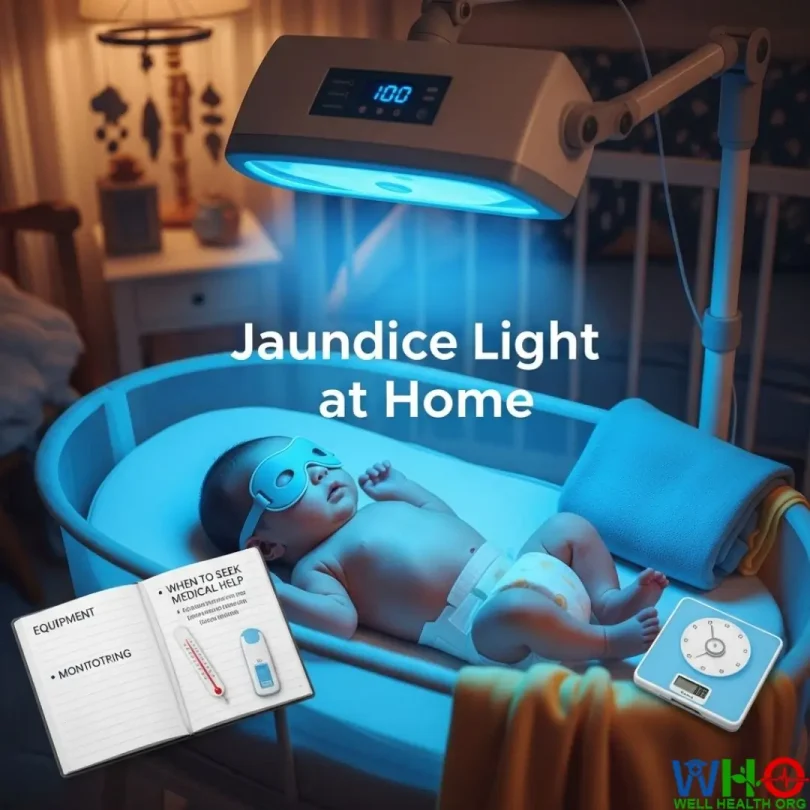
Jaundice Light at Home
Bringing your baby home for the first time is a moment filled with joy, tenderness, and excitement — but it can also come with unexpected worries. One of the most common concerns new parents face is newborn jaundice, a condition that can make your baby’s skin and eyes appear yellow. When your doctor recommends phototherapy for treatment, it’s natural to feel anxious or unsure about how to handle it, especially if you’re told the therapy can be done at home.
- Jaundice Light at Home
- Understanding Newborn Jaundice and How Phototherapy Works
- When Home Phototherapy Is Recommended
- Essential Equipment for Home Phototherapy
- 1. Phototherapy Blankets (Biliblankets)
- 2. Phototherapy Lamps
- 3. Eye Protection
- Step-by-Step Guide to Safe Home Phototherapy
- 1. Prepare the Environment
- 2. Set Up the Equipment
- 3. Prepare Your Baby
- 4. Begin Treatment
- 5. Monitor Progress
- Benefits and Considerations of Home Phototherapy
- Monitoring Your Baby During Home Phototherapy
- 1. Tracking Bilirubin Levels
- 2. Observing Skin and Eye Color
- 3. Feeding and Hydration
- 4. Behavior and Alertness
- 5. Equipment Monitoring
- Tip for Parents:
- When to Seek Immediate Medical Attention
- Creating a Supportive and Comfortable Environment
- 1. Establish a Routine
- 2. Create a Comfortable Space
- 3. Share Responsibilities
- 4. Emotional Support for Parents
- 5. Keep Communication Open
- Practical Tips for a Smooth Phototherapy Experience
- Your Next Steps for Successful Home Treatment
- Final Thoughts
- FAQs About Home Phototherapy for Newborn Jaundice
Here’s the reassuring truth: home phototherapy for jaundice is not only safe and effective but also helps keep your family together during your baby’s early days. With proper guidance and the right equipment, you can manage your baby’s treatment confidently from the comfort of your home.
Jaundice is a very common condition — it affects around 60% of full-term newborns and as many as 80% of premature babies. While mild jaundice usually fades on its own, higher bilirubin levels require intervention. Phototherapy plays a crucial role in safely lowering those levels and preventing complications.
This expanded and in-depth guide will walk you through everything you need to know about home phototherapy — from understanding how it works and setting up equipment correctly, to identifying when it’s time to seek medical help. You’ll also learn how to maintain emotional balance, ensure safe bonding time, and manage the day-to-day responsibilities that come with newborn care.
Understanding Newborn Jaundice and How Phototherapy Works
Newborn jaundice occurs when bilirubin, a yellow pigment produced during the breakdown of red blood cells, builds up in your baby’s blood and tissues. Since a newborn’s liver is still developing, it may not be able to process bilirubin efficiently right after birth. As a result, bilirubin accumulates, giving your baby’s skin and the whites of their eyes a yellowish tint.
In most cases, jaundice appears 2–3 days after birth, peaks around day 4 or 5, and gradually disappears within 1–2 weeks. However, if bilirubin levels rise too quickly or reach unsafe levels, phototherapy is required to prevent potential brain damage caused by a condition known as kernicterus.
Phototherapy, also called bilirubin light therapy, uses special blue-green light (in the 420–470 nanometer range) to convert bilirubin into a form that your baby’s body can easily eliminate through urine and stool. The treatment is painless, non-invasive, and remarkably effective when done correctly.
In hospitals, phototherapy is often administered under controlled supervision. However, with modern medical equipment and support systems, many families now opt for home phototherapy, which allows babies with mild to moderate jaundice to be treated safely in their own environment. It provides a more comfortable, less stressful experience for both parents and infants.
Still, it’s vital to understand that home treatment is only suitable for certain cases and should always be carried out under medical supervision. Your pediatrician will determine if your baby is a good candidate based on health, bilirubin levels, and other key factors.
When Home Phototherapy Is Recommended
Not every baby with jaundice can undergo treatment at home. Doctors carefully evaluate your baby’s health before recommending home phototherapy. Generally, a baby may be eligible if they meet the following criteria:
- Born at 36 weeks gestation or later (full-term or near full-term)
- Showing no other health complications
- Feeding well and steadily gaining weight
- Bilirubin levels that are elevated but not dangerously high
- Parents who can follow medical guidance accurately and maintain close contact with healthcare providers
If your baby’s bilirubin levels are rising rapidly or if they show signs of severe jaundice (such as deep yellow skin below the chest, poor feeding, or lethargy), hospital treatment is necessary. In those cases, intensive phototherapy or additional medical interventions will be used to stabilize your baby’s condition quickly.
Your healthcare team will make the final call, ensuring your baby’s safety always comes first. If home treatment is approved, the hospital or medical supplier will provide all necessary equipment, detailed instructions, and scheduled monitoring visits. Many families appreciate this arrangement because it lets them care for their newborn in a familiar, comforting space while staying connected to professional support.
Essential Equipment for Home Phototherapy
To ensure your baby receives effective treatment, you’ll need medical-grade phototherapy equipment designed specifically for newborn jaundice. Using regular household lamps, tanning lights, or sunlight is unsafe and ineffective — these cannot deliver the precise wavelength needed to break down bilirubin and may even harm your baby.
Here’s an overview of the most common devices used for home phototherapy:
1. Phototherapy Blankets (Biliblankets)
Biliblankets are soft, flexible fiber-optic pads that emit therapeutic light directly onto your baby’s skin. You wrap the blanket around your baby’s torso or back, allowing for continuous light exposure even while feeding or cuddling. This design minimizes disruption to bonding time, making it a popular choice for home use.
Advantages:
- Allows feeding and holding during treatment
- Portable and comfortable for the baby
- Easy to use and clean
Pro Tip: Always ensure the light-emitting side is in full contact with your baby’s skin for maximum effectiveness.
2. Phototherapy Lamps
These are stationary units that project a focused blue-green light over your baby from above. The lamp’s height and intensity can be adjusted depending on the manufacturer’s instructions. While these units can be very effective, they require your baby to remain under the light for long periods — so parents often alternate between lamp and blanket use.
Safety Reminder: Keep the lamp at the recommended distance (usually 12–18 inches) to avoid overheating or uneven exposure.
3. Eye Protection
Regardless of the system used, eye protection is mandatory. Special padded or opaque eye covers shield your baby’s sensitive eyes from the bright light. The covers must remain in place at all times during treatment and should fit snugly but comfortably.
Parent Tip: Gently clean your baby’s face and eye area during breaks to prevent irritation.
Your healthcare provider will guide you in setting up the equipment correctly. Most systems also come with built-in timers and light intensity monitors, ensuring consistent, safe, and effective phototherapy sessions.
Step-by-Step Guide to Safe Home Phototherapy
Administering phototherapy at home may seem daunting at first, but with clear instructions and attention to detail, it’s manageable and safe. Follow this step-by-step guide for effective home treatment:

1. Prepare the Environment
Choose a clean, warm, and comfortable area for treatment — ideally a quiet room where your baby can rest without too much disturbance. Maintain the temperature between 68–72°F (20–22°C), since your baby will be lightly clothed or in just a diaper during therapy.
2. Set Up the Equipment
- Wash your hands thoroughly.
- Place the phototherapy unit on a stable surface, away from direct sunlight or heating sources.
- Ensure all cords and connections are secure.
- Check that the light intensity and distance match the manufacturer’s guidelines.
3. Prepare Your Baby
- Undress your baby completely except for a diaper to maximize skin exposure.
- Place the eye covers securely but gently over their closed eyes.
- Position your baby comfortably — either on their back for lamp-based systems or wrapped in the biliblanket.
4. Begin Treatment
Turn on the device and follow the schedule provided by your doctor. Most babies require continuous light exposure for 24 hours, with short breaks for feeding, diaper changes, and cuddles.
During treatment:
- Rotate your baby’s position occasionally to ensure even exposure.
- Check that the light source remains at the correct distance.
- Make sure the equipment remains cool and functioning properly.
5. Monitor Progress
Keep an eye on your baby’s behavior, skin color, and temperature. Minor side effects like mild skin dryness or loose stools are normal and temporary. If your baby seems overly fussy, too sleepy, or refuses to feed, contact your healthcare provider immediately.
Tip: Keep a daily log of treatment hours, feeding times, and diaper output. This helps your doctor assess how well therapy is working.
Benefits and Considerations of Home Phototherapy
Home phototherapy offers several emotional, practical, and financial benefits for families managing newborn jaundice.
1. Family Togetherness
Unlike hospital treatment, where babies often stay in the nursery or under observation, home phototherapy allows parents and infants to remain together. This continuous contact helps reinforce bonding, breastfeeding, and emotional security — all of which are crucial during the newborn stage.
2. Comfort and Flexibility
Being at home allows parents to feed, cuddle, and care for their baby in a relaxed environment. The familiar setting helps both the baby and parents stay calm, which can support faster recovery.
3. Cost Efficiency
Hospital stays for jaundice can be costly. Home phototherapy often costs less overall, especially when covered by insurance plans that include equipment rental and nursing visits.
4. Parental Responsibility
While home care provides comfort, it also requires commitment and diligence. Parents must follow strict treatment schedules, manage equipment properly, and remain observant for any warning signs. Many first-time parents initially feel nervous, but with the right guidance, most quickly gain confidence.
5. Safety and Side Effects
Phototherapy is extremely safe. The most common side effects — mild rashes, loose stools, and temporary dehydration — are easily managed. Make sure your baby feeds frequently to help flush out bilirubin and stay hydrated.
Monitoring Your Baby During Home Phototherapy
Monitoring your baby closely throughout the treatment is one of the most important responsibilities for parents. Even though home phototherapy is safe, ongoing observation ensures that your baby is responding well and that any potential issues are caught early.
Your healthcare provider will likely schedule daily or every-other-day visits from a nurse to check on your baby’s progress. These visits include evaluating bilirubin levels, examining your baby’s overall condition, and confirming that the equipment is functioning correctly.
1. Tracking Bilirubin Levels
Bilirubin levels are typically monitored using a heel-stick blood test or a non-invasive transcutaneous bilirubinometer, which measures bilirubin through the skin. Your doctor will compare these results with your baby’s age in hours to determine how effective the treatment is.
The bilirubin level should gradually decrease as phototherapy continues. Most babies show improvement within 24–48 hours, though treatment may last several days depending on initial bilirubin levels and your baby’s response.
2. Observing Skin and Eye Color
Keep a close eye on your baby’s skin and eyes each day. As bilirubin levels drop, the yellow tint should begin to fade, starting from the face and moving downward toward the body and legs. If the yellowing deepens or spreads despite treatment, contact your pediatrician immediately, as this could indicate that bilirubin levels are not decreasing as expected.
3. Feeding and Hydration
Feeding plays a vital role in eliminating bilirubin. Whether you’re breastfeeding or formula feeding, ensure your baby feeds every 2–3 hours. Frequent feeding encourages more bowel movements and urination, which help flush bilirubin out of the body.
Watch for signs of dehydration, such as fewer wet diapers, dry lips, or sunken fontanelles (the soft spots on your baby’s head). If you notice these, increase feedings and inform your healthcare provider right away.
4. Behavior and Alertness
Healthy babies under phototherapy should remain alert during feeding times and respond normally to stimulation. If your baby becomes unusually sleepy, difficult to wake, or irritable, stop treatment temporarily and seek medical advice. These could be signs that your baby needs a medical reassessment.
5. Equipment Monitoring
Always check that the phototherapy unit is operating properly. The light should be consistent, bright, and free from flickering. If your device has a built-in timer or monitor, ensure it’s recording the correct treatment duration. Never attempt to modify or repair medical equipment yourself — call your healthcare provider or the equipment supplier if you notice any issues.
Tip for Parents:
Keep a simple journal of daily observations. Record feeding times, diaper counts, bilirubin test results, and any behavioral changes. This record helps your doctor assess progress and make necessary adjustments quickly.
When to Seek Immediate Medical Attention
While most babies respond well to phototherapy, parents should be aware of certain warning signs that indicate a need for immediate medical attention. Never hesitate to call your pediatrician or emergency line if you notice any of the following:
- Extreme sleepiness or difficulty waking your baby
- Refusal to feed for more than 4–6 hours
- High-pitched crying or unusual irritability
- Fever above 100.4°F (38°C)
- Vomiting, signs of dehydration, or very few wet diapers
- Worsening yellow coloration despite ongoing treatment
- Blue or pale skin, breathing difficulties, or limpness
Additionally, if the phototherapy equipment malfunctions, turns off unexpectedly, or produces excessive heat, stop treatment and call your healthcare provider immediately. Do not attempt to fix or replace the unit yourself. The medical supplier can provide emergency replacements or arrange a technician visit.
Trust your instincts — if something feels off, even if it doesn’t match a textbook symptom, it’s always better to seek professional reassurance. Medical teams would rather evaluate a minor concern than risk missing a potentially serious issue.
Creating a Supportive and Comfortable Environment
Managing home phototherapy is not just about medical care — it’s also about creating a soothing, supportive atmosphere for both baby and parents. Emotional well-being plays a surprisingly large role in recovery, as calm, well-rested parents can better support their newborn’s healing process.
1. Establish a Routine
A structured daily routine can make home phototherapy smoother and less stressful. Set consistent times for feeding, diaper changes, and short cuddle breaks. Having a predictable rhythm helps both you and your baby feel more at ease.
You might also plan short “off-light” moments throughout the day — such as during feeding or diaper changes — to maintain closeness and skin-to-skin contact, which remains vital even during treatment.
2. Create a Comfortable Space
Choose a quiet, dimly lit room where the phototherapy equipment can remain undisturbed. Keep all necessary supplies nearby: diapers, wipes, burp cloths, eye covers, and feeding bottles or supplies.
Soft background music or white noise can help your baby stay calm during longer sessions. Some parents also find that swaddling with the biliblanket or gently patting their baby helps maintain comfort.
3. Share Responsibilities
Parenting a newborn under medical treatment can be exhausting. Divide responsibilities between family members. One parent can focus on monitoring treatment and logging details, while the other handles feeding, household chores, or communicating with healthcare providers. If extended family or friends offer help — accept it.
Even small tasks, like preparing meals or doing laundry, can significantly reduce stress and allow you to focus on your baby.
4. Emotional Support for Parents
Caring for a baby with jaundice can stir anxiety, especially for first-time parents. Remember, you’re not alone. Many families go through this, and the majority of babies recover fully with no long-term effects.
If you find yourself feeling overwhelmed, reach out for support. Talk to your pediatrician, a lactation consultant, or join online support groups where parents share similar experiences. Sometimes, hearing others’ success stories can provide immense reassurance.
5. Keep Communication Open
Stay in touch with your healthcare team throughout the process. Ask questions whenever you feel uncertain — no concern is too small. Clear communication helps ensure you’re following the treatment correctly and gives you peace of mind.
Practical Tips for a Smooth Phototherapy Experience
Parents who’ve successfully managed jaundice treatment at home often share valuable insights that can make the process smoother and more manageable. Here are some expert-recommended and parent-tested tips to help you navigate home phototherapy like a pro:
- Dress Lightly:
Keep your baby in only a diaper to maximize skin exposure to the therapeutic light. If the room feels chilly, use a small space heater set to a safe distance — never place it near the baby or phototherapy equipment. - Stay Hydrated (for Both Baby and You):
Frequent feeding is key for bilirubin elimination. For breastfeeding parents, drink plenty of water and eat nutrient-rich meals to maintain milk supply. - Use Diaper Time Wisely:
Each diaper change is an opportunity to check your baby’s skin tone, alertness, and hydration. Log these observations in your baby journal. - Check Temperature Regularly:
Phototherapy devices can emit warmth. Use a digital thermometer to ensure your baby’s body temperature stays normal (between 97.5–99.5°F or 36.5–37.5°C). - Avoid Overexposure:
More light isn’t always better. Follow the prescribed duration exactly — excessive exposure offers no added benefit and can dry out your baby’s skin. - Moisturize Gently:
If your baby’s skin appears dry or flaky, apply a thin layer of a pediatrician-approved baby moisturizer after sessions. Avoid lotions during active light exposure, as they may interfere with therapy. - Plan Rest for Yourself:
Try to nap while your baby sleeps during treatment periods. Rested parents can monitor more effectively and handle unexpected issues calmly. - Keep Visitors Minimal:
While family may want to meet the baby, minimizing visitors reduces distractions and helps you focus on your newborn’s care.
Your Next Steps for Successful Home Treatment
Home phototherapy offers a safe, effective, and family-centered solution for managing mild to moderate newborn jaundice. When performed under proper guidance, it helps lower bilirubin levels naturally while allowing parents and infants to stay connected in a nurturing environment.
The key to success lies in three pillars:
- Strict adherence to medical instructions
- Consistent monitoring of your baby’s health
- Open communication with healthcare providers
Most babies complete home phototherapy within 3 to 7 days, after which bilirubin levels stabilize, and normal routines can resume. The experience, though initially overwhelming, often boosts parents’ confidence and deepens their bond with their baby.
Before starting, make sure you:
- Fully understand how to operate the equipment
- Know when and how to reach your healthcare team
- Have emergency contacts saved and visible
- Keep all necessary supplies organized in one area
When treatment ends, your doctor will likely schedule a follow-up bilirubin check to confirm that levels remain within a safe range. Continue regular feedings, maintain hydration, and enjoy the peace of knowing your baby’s liver is now functioning effectively on its own.
Final Thoughts
Jaundice is one of the most common — and thankfully, most treatable — conditions in newborns. Though it may feel scary at first, remember that phototherapy is a proven, gentle, and highly successful treatment. With the right preparation, care, and support, home phototherapy can be an empowering experience that strengthens your confidence as a new parent.
Your baby’s journey through phototherapy is temporary — but your love, patience, and care during these first few days will leave a lasting foundation of health and comfort for years to come.
FAQs About Home Phototherapy for Newborn Jaundice
1. Is home phototherapy as effective as hospital treatment?
Yes. When prescribed appropriately and monitored correctly, home phototherapy is just as effective as hospital-based treatment for mild to moderate jaundice. It’s important, however, to follow medical instructions carefully and keep up with daily bilirubin checks.
2. Can I use sunlight instead of a phototherapy lamp or blanket?
No. Although sunlight contains blue light, it’s inconsistent and carries risks of overheating or sunburn. Only medical-grade phototherapy devices provide the precise wavelength and intensity needed for safe bilirubin breakdown.
3. What if my baby cries a lot during treatment?
Some babies may fuss due to the bright light or unfamiliar environment. Try gentle rocking, white noise, or wrapping them snugly in the biliblanket. If your baby continues to cry excessively, consult your doctor to rule out discomfort or other issues.
4. How do I know when to stop phototherapy?
Your pediatrician will guide you based on bilirubin levels and your baby’s clinical signs. Typically, treatment stops once bilirubin remains below the safe threshold for 24–48 hours.
5. Can jaundice come back after treatment?
In rare cases, bilirubin levels may rebound slightly after phototherapy ends. This is why follow-up blood tests are essential. If levels rise again, your doctor may recommend another short round of phototherapy.
Medically Reviewed by Prof. Dr. Akram
Orthopedic Surgeon | Professor | Senior Medical Specialist
Prof. Dr. Akram is a distinguished surgeon with over 15 years of clinical expertise. Having served as a lead Emergency Specialist at Complex International Government Hospital, he currently leads a specialized team of 13 medical professionals at his private hospital. As a Professor at top medical universities, he ensures that every article on WellHealthOrg.com meets rigorous clinical standards.
Medical Disclaimer:
The information provided is for educational purposes only and is not a substitute for professional medical advice, diagnosis, or treatment. Always consult your physician for any medical concerns.
Our content is rigorously fact-checked by our 13-member Editorial Team under the clinical supervision of Prof. Dr. Akram.







