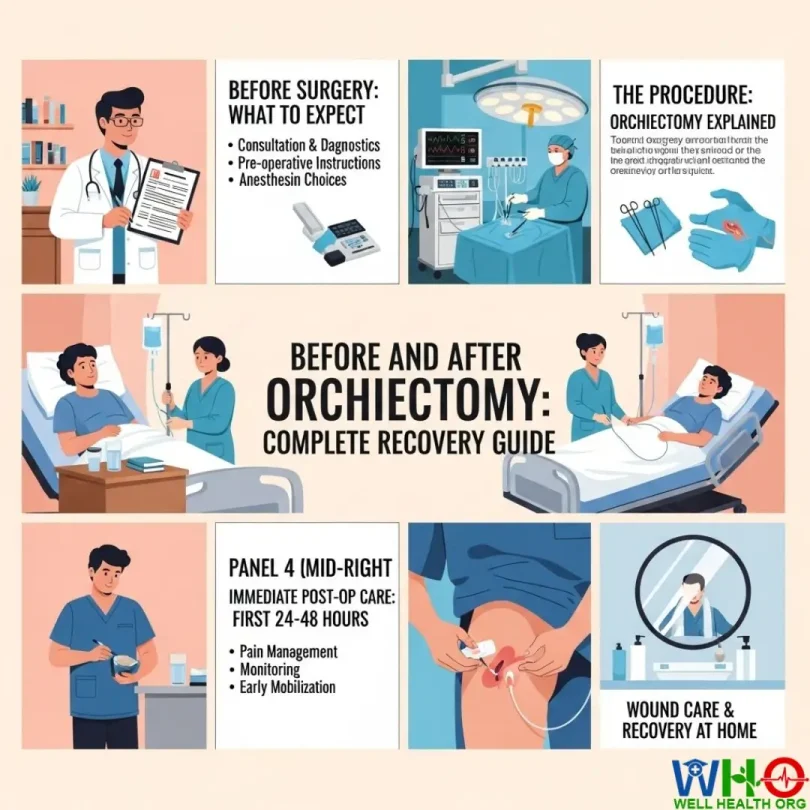
Introduction: Understanding Orchiectomy and Testicular Cancer
Hearing the words “you have testicular cancer” can turn your world upside down in a matter of seconds. Many men describe it as an emotional earthquake—shaking not only their health but also their confidence, sense of identity, and plans for the future. While testicular cancer accounts for only about 1% of all cancers in men, it is still the most common cancer among young men aged 15 to 35. The good news? When detected early, testicular cancer is one of the most treatable and curable forms of cancer, with a survival rate of over 95%.
- Introduction: Understanding Orchiectomy and Testicular Cancer
- Preparing for Testicular Cancer Surgery
- Pre-Operative Consultation and Planning
- Lifestyle Adjustments Before Surgery
- Important Decisions to Consider Before Surgery
- 1. Fertility and Sperm Banking
- 2. Testicular Prosthesis (Artificial Testicle)
- Understanding the Surgical Procedure
- How the Surgery Is Performed
- Types of Orchiectomy
- Immediate Post-Orchiectomy Care and Recovery
- What to Expect Right After Surgery
- Pain Management Strategies After Orchiectomy
- Medications Your Doctor May Prescribe
- At-Home Comfort Strategies
- Caring for the Surgical Site
- Long-Term Recovery and Lifestyle Adjustments
- Activity Restrictions and Return to Daily Life
- Impact on Hormone Levels and Testosterone
- Why Testosterone Matters
- Treatment Options for Low Testosterone
- Fertility and Sexual Health Considerations
- Fertility After Testicle Removal
- What to Expect After Surgery
- Sexual Function and Intimacy After Orchiectomy
- Retroperitoneal Lymph Node Dissection (RPLND) and Sexual Function
- Emotional and Relationship Aspects
- Potential Complications and When to Seek Help
- Warning Signs After Orchiectomy
- Managing Common Concerns During Recovery
- Long-Term Physical and Emotional Considerations
- Psychological Impact and Support Resources
- Emotional Aspects of Recovery
- Strategies to Cope Emotionally
- Available Support Networks
- Follow-Up Care and Long-Term Monitoring
- Why Ongoing Medical Surveillance Matters
- Self-Examination for Ongoing Health
- Life After Testicular Cancer Surgery: Looking Forward
- Maintaining Quality of Life
- Building Resilience and Moving Forward
- Conclusion
- FAQs
- 1. How long does recovery from orchiectomy take?
- 2. Will losing a testicle affect my sex life?
- 3. Can I still have children after orchiectomy?
- 4. Do I need hormone replacement therapy after orchiectomy?
- 5. What’s the survival rate for testicular cancer?
- Final Note
An orchiectomy—the surgical removal of one or both testicles—is often the very first step in treatment. For many patients, it feels like the scariest part of the journey, because the idea of losing a testicle raises natural questions about masculinity, fertility, sex life, and overall well-being. But here’s the reassuring truth: an orchiectomy is typically a straightforward and safe surgery with a relatively quick recovery period. Thousands of men undergo it each year and go on to live full, active, and healthy lives.
This comprehensive guide will walk you through the entire orchiectomy experience—from preparing for surgery to recovery, long-term health, fertility, sexual function, and emotional resilience. Whether you are facing surgery yourself or supporting someone who is, understanding what lies ahead is one of the most powerful tools you have. Knowledge reduces fear and empowers you to actively participate in your own healing journey.
Preparing for Testicular Cancer Surgery
Before undergoing an orchiectomy, there are several important steps to take. Preparation isn’t just about the logistics of the operation—it’s also about mental readiness, lifestyle adjustments, and making informed decisions about your future health.
Pre-Operative Consultation and Planning
Your healthcare team will schedule a comprehensive pre-operative consultation to ensure you’re ready for surgery. This appointment typically covers:
- Detailed explanation of the procedure – Your surgeon will describe how the operation is performed, why it is necessary, and what you can expect during and after surgery.
- Risk discussion – Although orchiectomy is considered a safe procedure, your doctor will explain possible risks such as infection, bleeding, or complications with anesthesia.
- Answering your questions – This is your opportunity to clarify concerns about recovery, fertility, sex life, and hormone balance. No question is too small—remember, this is your body and your health.
During this time, your surgeon and anesthesiologist will also review your medical history and order routine tests such as:
- Blood tests – to check your overall health, clotting ability, and hormone levels.
- Imaging scans (such as ultrasound or CT scans) – to better evaluate the tumor and surrounding structures.
- Electrocardiogram (ECG/EKG) – to ensure your heart is fit for anesthesia, especially if you are older or have other medical conditions.
This consultation is not just about logistics—it’s a chance for you to mentally prepare. Many men find it helpful to bring a family member or partner along, both for emotional support and to help remember the details of what the surgeon explains.
Lifestyle Adjustments Before Surgery
Your recovery starts before you even set foot in the operating room. Making small but powerful lifestyle changes can significantly improve healing and reduce the risk of complications:
- Quit smoking – Nicotine interferes with circulation and slows healing. Doctors strongly advise quitting at least two weeks before surgery.
- Limit alcohol – Alcohol can interfere with anesthesia and slow recovery. Reduce or eliminate drinking in the days leading up to surgery.
- Eat a balanced diet – Focus on whole foods, lean proteins, and vegetables. Good nutrition strengthens your immune system and helps your body repair itself faster after surgery.
- Stay active – Light physical activity, like walking, helps maintain cardiovascular health and reduces surgical risks.
Your surgeon will also review your medications and supplements. Blood thinners, aspirin, or certain herbal remedies (like ginkgo or garlic supplements) may need to be paused, as they can increase the risk of bleeding during surgery.
Another essential step is pre-surgical fasting. You’ll likely be instructed not to eat or drink anything after midnight before your surgery, as an empty stomach reduces anesthesia risks.
Important Decisions to Consider Before Surgery
Facing an orchiectomy isn’t only about the operation itself—it’s also about the long-term implications. Two major decisions to think about ahead of time are fertility preservation and testicular prosthesis placement.
1. Fertility and Sperm Banking
Even if you’re not thinking about having children right now, sperm banking is one of the smartest steps you can take before surgery. Cancer treatments such as chemotherapy or radiation can affect sperm production temporarily—or in some cases, permanently.
By banking sperm before surgery, you give yourself the option of biological fatherhood later, even if treatments affect fertility. The process is simple, and clinics usually accommodate urgent requests for men with cancer diagnoses. Think of it as insurance for your future family plans.
2. Testicular Prosthesis (Artificial Testicle)
Some men worry about how losing a testicle might affect their body image or self-confidence. To help with this, surgeons can insert a testicular prosthesis—a silicone or saline-filled implant that mimics the look and feel of a natural testicle.
This can be placed during the orchiectomy itself or at a later time. It doesn’t affect sexual function or fertility, but it can help many men feel more comfortable with their appearance. Whether you choose to have one is entirely personal—there’s no medical requirement, but it’s worth discussing with your surgeon.
Understanding the Surgical Procedure
Knowing exactly what happens during surgery often reduces anxiety, because it takes away the fear of the unknown.
An orchiectomy is usually a short operation lasting about 30–60 minutes. It is performed under general anesthesia, meaning you’ll be completely asleep and won’t feel pain during the procedure.
How the Surgery Is Performed
- The surgeon makes a small incision in the inguinal region (the groin area, just above the pubic bone). This approach is chosen rather than cutting directly into the scrotum, because it reduces the risk of spreading cancer cells.
- The affected testicle, along with the spermatic cord (which contains blood vessels, lymph vessels, and the vas deferens), is carefully removed through this incision.
- If you’ve chosen to have a prosthesis implanted, the surgeon places it at this time.
- The incision is then closed with dissolvable stitches, and a small bandage is applied.
Types of Orchiectomy
There are different kinds of orchiectomy, depending on your diagnosis:
- Radical Inguinal Orchiectomy – The standard treatment for testicular cancer; removes the entire testicle and spermatic cord.
- Simple Orchiectomy – Usually performed for conditions like severe testicular damage or gender-affirming surgery.
- Bilateral Orchiectomy – Removal of both testicles, usually only necessary if cancer affects both or for certain hormone-related treatments.
In some cases, patients may also undergo a retroperitoneal lymph node dissection (RPLND) if there’s concern that the cancer has spread to nearby lymph nodes in the abdomen. This is a more complex procedure and may be performed separately.
Immediate Post-Orchiectomy Care and Recovery
What to Expect Right After Surgery
When you wake up from anesthesia, you’ll likely be in a post-anesthesia care unit (PACU). Nurses and doctors will monitor your vital signs—heart rate, blood pressure, oxygen levels—while you recover from the effects of anesthesia. It’s common to feel groggy, slightly confused, or even emotional during this stage.
Many men report experiencing:
- Mild to moderate pain around the groin incision site
- A sore throat from the breathing tube used during anesthesia
- Chills or shivering, which are a normal reaction as the body adjusts after surgery
- Nausea or vomiting, sometimes caused by anesthesia medications
- Drowsiness and difficulty staying awake for long periods
Don’t worry—these effects are temporary and usually fade within a few hours. Most men are able to go home the same day of surgery unless there are complications or additional procedures performed.
If your surgeon used a surgical drain to prevent fluid buildup, this will be explained to you before you leave the hospital. In most cases, drains are removed within a few days.
Pain Management Strategies After Orchiectomy
Pain after orchiectomy is typically mild to moderate and manageable with a combination of prescribed medications and simple home remedies. Every individual’s pain tolerance is different, but most men describe the discomfort as “soreness” or “aching” rather than sharp or severe pain.
Medications Your Doctor May Prescribe
- Over-the-counter pain relievers like acetaminophen (Tylenol) or ibuprofen (Advil, Motrin).
- Stronger prescription painkillers for the first couple of days if needed.
- Stool softeners to prevent constipation, which is a common side effect of pain medications and reduced mobility after surgery.
At-Home Comfort Strategies
- Apply a covered ice pack or cold compress to the groin area for 10–15 minutes at a time during the first 24–48 hours. This helps reduce swelling and discomfort.
- Wear supportive underwear or a jockstrap. This provides gentle compression, reduces movement, and supports the healing area.
- Rest with your legs slightly elevated on a pillow when lying down. This improves circulation and decreases swelling.
Remember: Pain that is sudden, sharp, or worsening instead of improving should be reported to your doctor immediately, as it could signal a complication.
Caring for the Surgical Site
Proper wound care is essential to prevent infection and ensure a smooth recovery. Your surgeon will provide specific instructions, but here are the general guidelines most men receive:
- Bandages: You’ll leave the hospital with a dressing over your incision. This is usually removed within 48 hours.
- Steri-strips: Small adhesive strips placed over the incision should remain in place until they fall off naturally, usually within a week.
- Showering: You can typically shower after 48 hours, but avoid soaking in bathtubs, pools, or hot tubs until your doctor clears you.
- Cleaning: Gently wash the area with mild soap and warm water. Pat dry with a clean towel—never rub the incision.
- Observation: Check the incision daily for signs of infection, including redness, swelling, warmth, pus-like discharge, or a foul smell.
If you notice any unusual changes, call your surgical team immediately. Catching an infection early prevents serious complications.
Long-Term Recovery and Lifestyle Adjustments
Activity Restrictions and Return to Daily Life
Recovery from an orchiectomy is generally quicker than many other cancer surgeries, but it’s still important to take things slow. Pushing your body too hard too soon can cause complications like swelling, bleeding, or delayed healing.
Typical recovery timeline:
- First few days: Rest as much as possible. Light walking around the house is encouraged to improve circulation and prevent blood clots.
- 1 week: Many men can return to light daily activities such as desk work or driving. However, driving is only safe once you’re off prescription painkillers and can comfortably move without pain.
- 2–3 weeks: Gradual increase in physical activity. Light chores, short walks, and basic exercise may be resumed with caution.
- 4 weeks and beyond: Most men can return to regular exercise, sports, and sexual activity—only after receiving clearance from their doctor.
Avoid during recovery:
- Heavy lifting (anything over 10–15 pounds)
- Strenuous exercise such as running, cycling, or weight training
- Sexual intercourse until cleared by your doctor
- Contact sports, which can strain the healing incision
Patience is key. A slow, steady return to normal life ensures the best healing outcomes.
Impact on Hormone Levels and Testosterone
One of the biggest concerns men have before surgery is: “Will I lose my testosterone?”
The answer depends on whether one or both testicles are removed.
- If only one testicle is removed: The remaining testicle usually compensates by producing enough testosterone to maintain normal hormone levels. Most men notice no difference in energy, mood, or sexual function.
- If both testicles are removed (bilateral orchiectomy): The body will no longer produce significant testosterone on its own. In this case, testosterone replacement therapy (TRT) is necessary.
Why Testosterone Matters
Testosterone plays a crucial role in:
- Maintaining energy and stamina
- Supporting healthy muscle and bone mass
- Regulating mood and mental health
- Driving sexual desire and performance
Without adequate testosterone, men may experience fatigue, low libido, weight gain, depression, and bone loss. That’s why hormone monitoring is a standard part of follow-up care after orchiectomy.
Treatment Options for Low Testosterone
If hormone replacement is needed, your doctor may recommend:
- Testosterone injections (every 1–2 weeks)
- Testosterone gels or patches applied daily to the skin
- Testosterone pellets implanted under the skin and replaced every few months
These treatments restore hormone levels, helping men maintain physical, mental, and sexual health after surgery.
Fertility and Sexual Health Considerations
Fertility After Testicle Removal
For many men, one of the biggest worries before orchiectomy isn’t the surgery itself, but the possibility of losing the ability to father children. Fertility concerns are valid and important to discuss openly with your medical team.
The good news is that if only one testicle is removed, the remaining testicle can usually produce both sperm and testosterone at levels sufficient for normal fertility. Many men father children naturally after an orchiectomy.
However, other cancer treatments—especially chemotherapy and radiation—can temporarily or permanently impact sperm production. Chemotherapy drugs may damage sperm cells or slow down production, and radiation to the pelvic area can affect fertility as well.
What to Expect After Surgery
- Sperm production usually continues from the remaining testicle.
- Fertility may decrease temporarily if you undergo chemotherapy or radiation, but often improves within 1–2 years.
- Doctors typically recommend waiting at least 12 months after completing cancer treatment before attempting conception. This allows time for sperm health to recover.
For peace of mind, many men choose sperm banking before surgery. This creates a safety net in case future treatments affect sperm quality or quantity. Think of it as an investment in your future family.
Sexual Function and Intimacy After Orchiectomy
Another common concern is how orchiectomy will affect sexual health and intimacy. Many men worry about performance, erections, and their partner’s perception after surgery. These concerns are completely normal, but the reassuring truth is:
- Erections and sexual function usually remain unchanged after removal of one testicle.
- Testosterone levels are typically stable when one testicle is left, so libido and performance are maintained.
- The appearance of the scrotum may change, but this can be addressed with a testicular prosthesis if desired.
Retroperitoneal Lymph Node Dissection (RPLND) and Sexual Function
If cancer spreads to the lymph nodes, some men undergo an additional surgery called RPLND. This carries a small risk of retrograde ejaculation, where semen flows backward into the bladder instead of out of the penis. While this doesn’t affect pleasure or erections, it does affect fertility.
Thanks to modern nerve-sparing techniques, the risk of retrograde ejaculation is much lower than it used to be. If you need RPLND, discuss these surgical techniques with your doctor.
Emotional and Relationship Aspects
Beyond the physical side, orchiectomy can affect how a man feels about his masculinity and self-image. Some men feel self-conscious or worry about how their partner sees them. These feelings are natural but often temporary.
Helpful approaches include:
- Open communication with your partner about your fears and needs.
- Professional counseling to work through body image or intimacy concerns.
- Support groups where you can talk with other men who’ve gone through similar experiences.
Sexual health isn’t just about physical ability—it’s about confidence, emotional connection, and communication. With time and support, most men regain full confidence in this area.
Potential Complications and When to Seek Help
While orchiectomy is generally considered a low-risk surgery, no medical procedure is completely without complications. Being aware of potential problems helps you take action early if something feels off.
Warning Signs After Orchiectomy
Contact your healthcare team immediately if you notice any of the following:
- Excessive bleeding from the incision that doesn’t stop with light pressure.
- Signs of infection such as fever, increasing pain, redness, warmth, or pus at the incision site.
- Severe swelling or sudden increase in groin or scrotum size.
- Blood clots, which may cause leg swelling, chest pain, or shortness of breath.
- Uncontrolled pain that doesn’t improve with prescribed medications.
While rare, these complications can become serious quickly, so it’s always better to err on the side of caution and call your surgeon.
Managing Common Concerns During Recovery
Some post-surgery symptoms may feel concerning but are actually part of the normal healing process:
- Bruising and swelling in the groin and scrotum area are common and usually resolve within 2–3 weeks.
- Mild numbness or tingling near the incision can occur as nerves heal.
- Pulling or tight sensations in the groin are normal during early recovery but gradually ease.
- Fatigue may linger for several weeks as your body uses energy to heal.
Practical tips for managing these issues:
- Wear supportive underwear to reduce scrotal swelling.
- Use ice packs for comfort during the first week.
- Take short daily walks to improve circulation and prevent blood clots.
- Rest when your body tells you to—healing takes time.
Long-Term Physical and Emotional Considerations
Most men fully recover without major issues, but there are a few long-term considerations to keep in mind:
- Chronic pain: A small percentage of men experience ongoing groin or scrotal pain after orchiectomy. Pain management specialists and physical therapy can help.
- Hormonal balance: If both testicles are removed, lifelong testosterone replacement is necessary. Regular monitoring ensures stability.
- Emotional health: Some men experience anxiety, depression, or body image struggles after orchiectomy. Seeking counseling or joining a support group can provide significant relief.
Remember, recovery isn’t just physical—it’s also emotional. Facing cancer and surgery can feel overwhelming, but with the right tools and support, most men find a renewed sense of strength and resilience.
Psychological Impact and Support Resources
Emotional Aspects of Recovery
An orchiectomy is not just a physical surgery—it carries deep emotional and psychological effects as well. Many men describe the days and weeks after surgery as an emotional rollercoaster. Feelings can range from relief (knowing the cancerous testicle is gone) to sadness, anxiety, or even anger.
Some common emotional challenges include:
- Anxiety about cancer returning
- Concerns about masculinity or body image
- Worries about fertility and future family planning
- Feelings of vulnerability or loss
It’s important to understand that these emotions are completely normal. They are not a sign of weakness, but rather a natural response to a major life event.
Strategies to Cope Emotionally
Recovering emotionally is just as important as healing physically. Here are some approaches that many men find helpful:
- Counseling or therapy – A counselor who specializes in cancer care can provide tools to manage anxiety, fear, and self-image concerns.
- Support groups – Speaking with other men who have undergone orchiectomy can be incredibly validating. Hearing real experiences helps you realize you’re not alone.
- Open communication with loved ones – Sharing your feelings with a partner or family member fosters understanding and strengthens relationships.
- Self-care routines – Practices like meditation, journaling, and light exercise can improve mood and reduce stress.
Available Support Networks
You don’t have to go through recovery alone. Several organizations offer excellent resources, both in-person and online:
- Testicular Cancer Society – Provides education, peer support, and advocacy.
- Testicular Cancer Awareness Foundation – Offers patient navigation and community programs.
- CancerCare – Free counseling and virtual support groups.
- Livestrong Foundation – Provides survivorship resources and fertility support programs.
Reaching out to these networks not only provides information but also fosters connection with others who understand the unique challenges of testicular cancer recovery.
Follow-Up Care and Long-Term Monitoring
Why Ongoing Medical Surveillance Matters
Even though orchiectomy is often curative, follow-up care remains essential. Cancer recurrence is uncommon but possible, and early detection is critical. Your oncology team will schedule a series of follow-up appointments that usually include:
- Physical examinations – Checking the remaining testicle and surgical site.
- Blood tests – Monitoring tumor markers such as AFP (alpha-fetoprotein), hCG (human chorionic gonadotropin), and LDH (lactate dehydrogenase).
- Imaging studies – Ultrasound, CT scans, or chest X-rays if needed.
The exact schedule varies, but typically you’ll see your doctor every 3–6 months for the first few years, then less frequently as time goes on.
Self-Examination for Ongoing Health
Since there’s a 2% risk of cancer developing in the remaining testicle, self-examination becomes an important lifelong habit. Your doctor will teach you how to perform monthly testicular self-checks.
Steps for self-exam:
- Do it during or after a warm shower, when the scrotal skin is relaxed.
- Gently roll the testicle between your thumb and fingers.
- Check for lumps, swelling, or changes in size, shape, or consistency.
- Report any abnormalities to your doctor immediately.
This simple habit takes only a few minutes but can be lifesaving.
Life After Testicular Cancer Surgery: Looking Forward
Maintaining Quality of Life
The vast majority of men who undergo orchiectomy return to completely normal lives—working, exercising, pursuing relationships, and starting families. The five-year survival rate of over 95% for testicular cancer is among the highest of any cancer.
With proper care and monitoring, most men experience:
- Full return to physical activities
- Normal testosterone function (if one testicle remains)
- Healthy fertility in most cases
- Minimal long-term limitations
Even in cases requiring testosterone replacement therapy, men can live full, active, and healthy lives.
Building Resilience and Moving Forward
Cancer survivors often describe their experience as a turning point—a chance to reevaluate priorities, embrace healthier habits, and develop resilience.
Practical steps to thrive after recovery include:
- Maintain regular follow-ups to stay proactive with your health.
- Adopt healthy lifestyle habits—exercise regularly, eat well, and avoid smoking.
- Stay connected with support networks for ongoing encouragement.
- Focus on stress management through mindfulness, yoga, or hobbies.
- Celebrate milestones—whether it’s finishing treatment, returning to work, or simply feeling stronger each week.
Recovery is not only about survival but about reclaiming life with a new perspective.
Conclusion
An orchiectomy may feel like a daunting step, but it is also the beginning of healing and recovery. For most men, it provides the best chance of curing testicular cancer while still preserving a normal, fulfilling life.
Yes, there are challenges—physical, emotional, and psychological—but none of them are insurmountable. With the right medical care, emotional support, and lifestyle adjustments, men who undergo orchiectomy can expect to return to their daily routines, pursue meaningful relationships, and live with renewed purpose.
Above all, remember: you are not defined by a surgery or a diagnosis. Your strength, resilience, and the way you move forward are what truly define you.
FAQs
1. How long does recovery from orchiectomy take?
Most men return to light activities within a week and resume normal life within 4–6 weeks, though recovery timelines vary based on overall health and whether additional treatments are needed.
2. Will losing a testicle affect my sex life?
In most cases, no. Men who have one testicle removed typically maintain normal testosterone levels, libido, and sexual function. Erectile performance is usually unaffected.
3. Can I still have children after orchiectomy?
Yes, if you have one healthy testicle, fertility usually remains intact. However, chemotherapy or radiation can affect sperm production. Sperm banking before treatment is highly recommended.
4. Do I need hormone replacement therapy after orchiectomy?
If only one testicle is removed, hormone therapy is rarely needed. If both are removed, testosterone replacement is essential to maintain energy, sexual health, and bone strength.
5. What’s the survival rate for testicular cancer?
Testicular cancer has an excellent prognosis. The five-year survival rate is about 95%, and even in advanced cases, treatment success rates remain high.
Final Note
An orchiectomy may seem overwhelming, but it is also a step toward reclaiming your health and your future. With medical advances, strong support systems, and personal resilience, you can move forward with confidence and strength.
Medically Reviewed by Prof. Dr. Akram
Orthopedic Surgeon | Professor | Senior Medical Specialist
Prof. Dr. Akram is a distinguished surgeon with over 15 years of clinical expertise. Having served as a lead Emergency Specialist at Complex International Government Hospital, he currently leads a specialized team of 13 medical professionals at his private hospital. As a Professor at top medical universities, he ensures that every article on WellHealthOrg.com meets rigorous clinical standards.
Medical Disclaimer:
The information provided is for educational purposes only and is not a substitute for professional medical advice, diagnosis, or treatment. Always consult your physician for any medical concerns.
Our content is rigorously fact-checked by our 13-member Editorial Team under the clinical supervision of Prof. Dr. Akram.