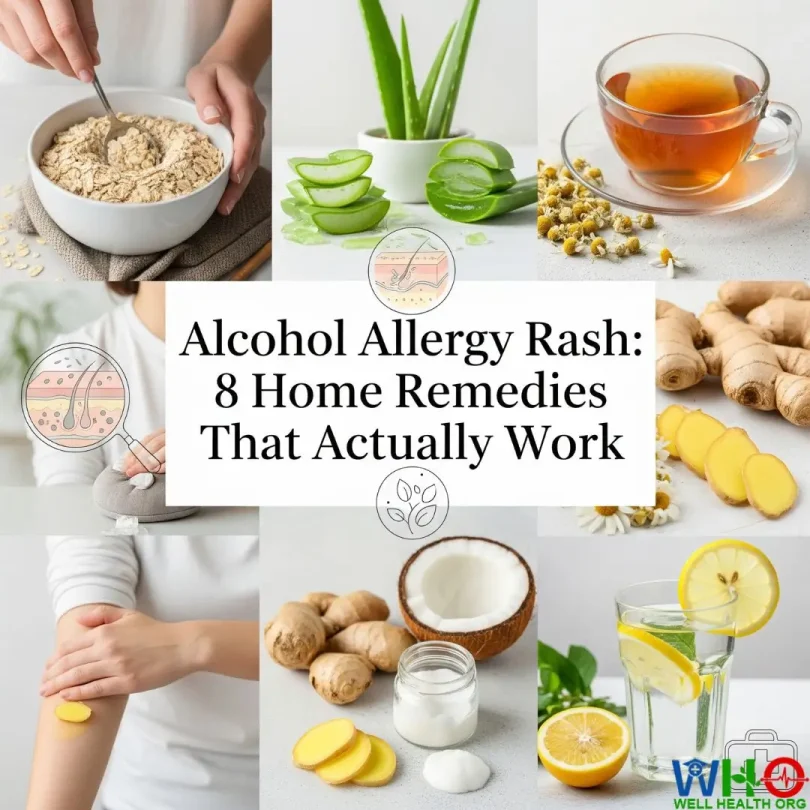
Alcohol Allergy Rash Treatment Home Remedy
Red, blotchy, and itchy skin after enjoying a glass of wine or beer isn’t just uncomfortable—it’s your body sending a clear signal that something’s not right. When your skin reacts to alcohol with redness, itching, or inflammation, it could indicate either an alcohol allergy or intolerance. While both conditions produce similar symptoms, their underlying causes differ significantly, and understanding those differences is key to finding the right treatment.
- Alcohol Allergy Rash Treatment Home Remedy
- Common Causes and Triggers of Alcohol Allergy Rash
- 1. True Alcohol Allergy
- 2. Alcohol Intolerance (ALDH2 Deficiency)
- 3. Histamine Sensitivity
- 4. Sulfite Intolerance
- 5. Ingredient Sensitivities
- Recognizing the Symptoms of an Alcohol Allergy Rash
- Common Skin Symptoms Include:
- Accompanying Systemic Symptoms:
- 8 Proven Home Remedies for Alcohol Allergy Rash
- 1. Cold Compress for Immediate Relief
- 2. Oatmeal Baths and Soothing Oat Pastes
- 3. Pure Aloe Vera Gel for Cooling Relief
- 4. Apple Cider Vinegar (ACV) — Natural pH Balancer
- 5. Raw Honey – Nature’s Healing Balm
- 6. Virgin Coconut Oil – Deep Hydration and Healing
- 7. Green Tea Compresses – Natural Anti-Inflammatory Power
- 8. Hydration and Anti-Inflammatory Diet
- Preventing Alcohol Allergy Rash: Long-Term Strategies
- Identify Your Personal Triggers
- Choose Lower-Risk Alcoholic Beverages
- Read Product Labels Carefully
- Smart Pre-Treatment Strategies Before Drinking
- When to See a Doctor
- Emergency Warning Signs
- Schedule a Doctor’s Visit If:
- Getting a Professional Diagnosis
- Taking Control of Your Skin Health
- Conclusion
- Frequently Asked Questions (FAQs)
An alcohol-related rash can appear anywhere on the body, though it most commonly affects the face, neck, chest, and arms. This reaction can occur within minutes or hours of consuming alcohol and may last several hours to several days depending on the severity of your body’s response.
Though true alcohol allergies are rare—affecting less than 1% of the population—alcohol intolerance is surprisingly common, especially among individuals of East Asian descent. The discomfort might seem minor at first, but repeated reactions are your body’s way of warning that it’s struggling to process alcohol effectively.
The good news? There are proven, natural ways to calm your skin, reduce inflammation, and help your body recover more comfortably. With the right approach, you can restore balance to your skin and prevent future flare-ups.
Common Causes and Triggers of Alcohol Allergy Rash
Alcohol allergy rashes can result from multiple underlying factors. Understanding what’s behind your skin’s reaction helps you make better choices about what—and how—you drink. Let’s break down the most common triggers.
1. True Alcohol Allergy
A true alcohol allergy occurs when your immune system mistakenly identifies alcohol as a harmful substance. In response, it releases immunoglobulin E (IgE) antibodies, which trigger the release of histamines—chemicals responsible for the redness, itching, and inflammation you experience.
Symptoms often go beyond skin irritation and may include nasal congestion, wheezing, or even digestive upset. Because this is an immune reaction, even a small sip of alcohol can cause noticeable symptoms. People with a true alcohol allergy need to be especially cautious, as their reactions can sometimes be severe.
2. Alcohol Intolerance (ALDH2 Deficiency)
Alcohol intolerance is far more common than a true allergy. It’s caused by a genetic enzyme deficiency—specifically, a lack of aldehyde dehydrogenase 2 (ALDH2). This enzyme is responsible for breaking down acetaldehyde, a toxic byproduct of alcohol metabolism.
When your body can’t process acetaldehyde efficiently, it builds up in your system, leading to flushing, warmth, redness, and itching—especially on the face and neck. People of East Asian heritage are genetically more likely to experience this condition, often referred to as “Asian flush.”
3. Histamine Sensitivity
Many alcoholic beverages—especially red wine, champagne, and beer—contain naturally occurring histamines, produced during fermentation. Histamines can trigger allergic-type reactions in individuals who lack sufficient amounts of the enzyme diamine oxidase (DAO), which breaks down histamine in the body.
If your body struggles with histamine breakdown, drinking alcohol can result in rashes, hives, nasal congestion, or headaches—symptoms similar to an allergic reaction.
4. Sulfite Intolerance
Sulfites are commonly used preservatives found in wine, beer, and certain spirits. For people with sulfite sensitivity, even small amounts can cause skin irritation, redness, and other allergy-like symptoms. Organic wines and beers typically contain fewer sulfites, making them a better option for sensitive individuals.
5. Ingredient Sensitivities
Sometimes, it’s not the alcohol itself that causes the problem, but what’s in your drink. Flavorings, colorings, grains, or yeast in alcoholic beverages can all act as potential allergens. For instance, someone allergic to wheat or barley may react to beer, while those sensitive to grapes may react to wine.
Recognizing the Symptoms of an Alcohol Allergy Rash
Alcohol-related skin reactions can vary widely in intensity, but several telltale signs indicate your body’s intolerance or allergy. Recognizing these symptoms early helps prevent further irritation and guides you toward appropriate care.
Common Skin Symptoms Include:
- Red, inflamed patches or blotchy skin
- Itchy, burning sensations
- Raised bumps or hives (urticaria)
- Warmth or heat radiating from the rash area
- Mild to moderate swelling, especially on the face or neck
- In some cases, dry, scaly skin after the initial inflammation subsides
The rash often develops within minutes to a few hours after alcohol consumption. However, for some individuals, it might appear the next day, particularly if the body is still processing alcohol byproducts.
Accompanying Systemic Symptoms:
- Flushed skin (especially around the cheeks and chest)
- Headache or pressure behind the eyes
- Nasal congestion or runny nose
- Nausea or mild stomach upset
- Rapid heartbeat or palpitations
While most cases are mild and manageable at home, any difficulty breathing, dizziness, or swelling of the lips, tongue, or throat requires immediate medical attention, as these could signal a severe allergic reaction called anaphylaxis.
8 Proven Home Remedies for Alcohol Allergy Rash
If your skin flares up after drinking, you don’t necessarily need to rush to the pharmacy. Nature offers several safe, effective remedies that can reduce itching, redness, and inflammation while supporting your body’s recovery. Here are eight proven home treatments you can try today.

1. Cold Compress for Immediate Relief
Applying a cold compress is one of the simplest and most effective ways to soothe irritated skin after alcohol exposure. The cold temperature constricts blood vessels, minimizing swelling and calming the itch almost instantly.
How to Apply a Cold Compress:
- Wrap a few ice cubes in a clean cloth or use a cold, damp towel.
- Apply gently to the affected area for 10–15 minutes.
- Remove the compress for 10 minutes, then reapply if needed.
- Repeat several times throughout the day to maintain relief.
⚠️ Avoid applying ice directly to your skin, as it can cause frostbite or worsen irritation.
A cold compress works best when used at the first sign of a rash, helping control inflammation before it spreads.
2. Oatmeal Baths and Soothing Oat Pastes
Colloidal oatmeal is a time-tested skin remedy for itching and irritation. It contains natural compounds called avenanthramides, which reduce inflammation and soothe the skin. Oatmeal baths can be especially helpful if your rash covers a large area.
For a Relaxing Oatmeal Bath:
- Grind 1 cup of plain oatmeal into a fine powder.
- Add it to a lukewarm bath and stir until the water turns milky.
- Soak for 15–20 minutes, gently massaging affected areas.
- Pat dry with a soft towel—avoid rubbing.
For a Quick Topical Paste:
- Mix 2 tablespoons of ground oatmeal with enough water to form a thick paste.
- Apply directly to rash areas and leave on for 15–20 minutes.
- Rinse off with cool water and pat dry gently.
Oatmeal not only relieves itching but also forms a protective layer over the skin, locking in moisture and preventing further irritation.
3. Pure Aloe Vera Gel for Cooling Relief
Aloe vera has long been celebrated for its anti-inflammatory, antimicrobial, and cooling properties. Applying fresh aloe vera gel to your rash can soothe burning sensations, reduce redness, and promote faster healing.
How to Use Aloe Vera Gel:
- Extract fresh gel from an aloe leaf or use 100% pure store-bought aloe vera gel.
- Apply a thin layer to the rash.
- Let it sit for 20–30 minutes before rinsing with cool water.
- Repeat 2–3 times daily for best results.
Aloe vera acts like a natural shield on your skin, locking in hydration and protecting the rash from external irritants.
4. Apple Cider Vinegar (ACV) — Natural pH Balancer
Apple cider vinegar is a powerful antimicrobial and skin-soothing agent. When properly diluted, it can restore your skin’s pH balance, fight bacteria, and relieve itching.
How to Apply Safely:
- Mix 1 part ACV with 2 parts water.
- Soak a cotton ball in the mixture and gently dab on affected skin.
- Leave for 5–10 minutes, then rinse with cool water.
- Follow with a gentle, fragrance-free moisturizer.
Use this remedy once daily only.
⚠️ Avoid applying vinegar to open wounds or highly sensitive skin, as it can sting or cause further irritation.
5. Raw Honey – Nature’s Healing Balm
Raw honey—particularly Manuka honey—is one of nature’s most powerful healers. It’s packed with antioxidants, enzymes, and antibacterial compounds that can calm inflammation and promote skin repair.
Application Steps:
- Use a clean spoon or spatula to apply a thin layer of honey to the rash.
- Leave it on for 15–20 minutes.
- Rinse with lukewarm water and gently pat dry.
- Repeat once daily.
Honey’s sticky texture allows it to adhere to your skin, ensuring prolonged exposure to its soothing and antimicrobial properties. It’s especially useful if your rash has become dry or flaky.
6. Virgin Coconut Oil – Deep Hydration and Healing
Virgin coconut oil is a skin-saving remedy that offers both hydration and protection. Packed with healthy fatty acids like lauric acid, it penetrates deep into the skin, reducing inflammation and supporting natural healing. Its antimicrobial properties also protect against infection, especially if scratching has irritated the skin.
How to Use Coconut Oil Effectively:
- Clean the affected area with mild soap and lukewarm water.
- Pat your skin dry gently—don’t rub.
- Apply a small amount of virgin or cold-pressed coconut oil to the rash.
- Massage it in gently using circular motions.
- Reapply twice daily, ideally after bathing and before bed.
For best results, use coconut oil on slightly damp skin—it locks in moisture and keeps your skin supple. Over a few days, you’ll notice reduced redness, less itching, and a smoother skin texture. It’s also safe for sensitive skin, making it an excellent daily moisturizer even after your rash heals.
7. Green Tea Compresses – Natural Anti-Inflammatory Power
Green tea isn’t just a healthy drink—it’s also a powerful topical remedy for irritated skin. The polyphenols and catechins in green tea work as antioxidants, helping to neutralize free radicals, reduce inflammation, and promote faster skin repair.
To Prepare a Green Tea Compress:
- Brew 2–3 bags of green tea in hot water.
- Allow it to cool completely to room temperature.
- Soak a clean cloth or cotton pad in the tea.
- Apply to the affected area for 10–15 minutes.
- Repeat twice daily until redness subsides.
For an extra-cooling effect, refrigerate the tea before use or pour it into an ice cube tray. Rubbing a green tea ice cube gently over your rash provides instant relief while tightening pores and reducing inflammation.
Green tea’s soothing properties also make it ideal for preventing post-rash hyperpigmentation, keeping your skin even-toned and healthy.
8. Hydration and Anti-Inflammatory Diet
True healing starts from the inside out. When dealing with an alcohol allergy rash, hydration and nutrition play a massive role in how quickly your skin recovers. Alcohol dehydrates your body, so replenishing fluids is crucial to help flush out toxins and restore balance.
Hydration Tips:
- Drink 8–10 glasses of water daily to keep your body hydrated.
- Add lemon, cucumber, or mint for a natural detox boost.
- Avoid alcohol and caffeine until your symptoms completely resolve.
Anti-Inflammatory Foods to Include:
| Food Type | Benefits | Examples |
|---|---|---|
| Antioxidant-rich foods | Combat inflammation and cell damage | Blueberries, spinach, kale |
| Omega-3 fats | Moisturize and repair skin | Salmon, walnuts, flaxseeds |
| Probiotics | Support gut and immune health | Yogurt, kefir, kimchi |
| Spices | Natural anti-inflammatory effects | Turmeric, ginger, cinnamon |
These foods support your immune system and help your skin heal faster. Avoid processed foods, refined sugars, and fried snacks, as they can worsen inflammation and delay recovery.
Preventing Alcohol Allergy Rash: Long-Term Strategies
Treating your skin is only half the battle—prevention is the real goal. By understanding your body’s reactions and making small lifestyle changes, you can dramatically reduce the chances of another rash developing in the future.
Identify Your Personal Triggers
The first step toward prevention is recognizing which drinks or ingredients cause your reactions. Keeping a drinking and symptom journal can be extremely helpful. Each time you drink alcohol, note:
- The type of alcohol (wine, beer, vodka, etc.)
- Brand or specific ingredients used
- The amount consumed
- The timing and severity of your reaction
Patterns will soon emerge, helping you identify your main culprits. For instance, you may find that red wine always causes flushing, while clear spirits don’t. Once you identify your triggers, avoiding or limiting them becomes much easier.
Choose Lower-Risk Alcoholic Beverages
Not all alcoholic drinks are equally irritating. Certain beverages contain more histamines, sulfites, or congeners (chemical byproducts of fermentation) than others. Choosing wisely can make a big difference.
- Lower-histamine choices: Vodka, gin, and white wine
- Lower-sulfite options: Organic or preservative-free wines
- Cleaner alternatives: Potato- or rice-based spirits instead of grain-based ones
If you’re prone to alcohol-related skin issues, drink slowly, and limit yourself to one serving. Always accompany your drink with food, as it slows alcohol absorption and reduces the intensity of your body’s reaction.
Read Product Labels Carefully
Alcohol isn’t only found in beverages. You’d be surprised how many everyday products contain alcohol or alcohol-derived ingredients that could trigger a reaction. Always check the ingredient list of:
- Cooking extracts like vanilla or almond extract
- Mouthwash and hand sanitizers
- Cough syrups and liquid medications
- Sauces, desserts, or marinades that use wine or spirits
Even small exposures can add up and cause flare-ups if you’re sensitive, so vigilance pays off.
Smart Pre-Treatment Strategies Before Drinking
If you know you’re sensitive but still plan to enjoy a drink occasionally, a few precautionary steps can help minimize reactions.
- Take an antihistamine (like cetirizine or loratadine) about 30 minutes before drinking.
- Eat a balanced meal with healthy fats and protein to slow absorption.
- Stay well-hydrated by drinking a glass of water between alcoholic beverages.
- Keep your remedies handy, especially aloe vera gel or coconut oil, in case symptoms appear.
Remember: these strategies reduce discomfort but don’t cure the underlying intolerance. If your reactions worsen, it’s best to abstain from alcohol entirely.
When to See a Doctor
While home remedies and prevention strategies work for mild cases, certain symptoms signal something more serious. Recognizing these warning signs early could be lifesaving.
Emergency Warning Signs
Call your local emergency services or go to the nearest hospital immediately if you experience any of the following after drinking alcohol:
- Difficulty breathing or wheezing
- Rapid swelling of the face, lips, tongue, or throat
- Severe dizziness or fainting
- Chest tightness or racing heartbeat
- Widespread hives or blistering rash
- Intense nausea, vomiting, or abdominal pain
These may be signs of anaphylaxis, a rare but life-threatening allergic reaction that requires immediate epinephrine treatment and medical care.
Schedule a Doctor’s Visit If:
- Your rash lasts longer than a week, even after home care
- The rash spreads or becomes increasingly painful
- You experience frequent reactions even with small amounts of alcohol
- You notice infection signs like pus, swelling, or red streaks around the rash
A healthcare professional can determine whether you’re dealing with a true allergy, intolerance, or sensitivity to additives in alcoholic drinks.
Getting a Professional Diagnosis
An allergist or immunologist can perform tests to pinpoint what’s causing your reaction. This might include:
- Skin prick tests to identify specific allergens
- Blood tests measuring IgE antibody levels
- Oral challenge tests under medical supervision
- Patch testing for delayed skin sensitivities
Accurate diagnosis allows your doctor to recommend tailored treatment, prescribe emergency medications like epinephrine (if necessary), and guide you toward safe beverage options.
Taking Control of Your Skin Health
Managing alcohol allergy rash effectively isn’t just about treating symptoms—it’s about understanding your body and making mindful choices. The natural remedies we’ve discussed—like cold compresses, aloe vera, honey, and coconut oil—offer fast relief without harsh chemicals. Combined with proper hydration and a balanced, anti-inflammatory diet, they help restore your skin’s natural equilibrium.
However, true long-term success lies in avoiding triggers and listening to your body’s warning signs. If your skin repeatedly reacts to alcohol, consider that your body might be asking for a break. Reducing or eliminating alcohol not only prevents rashes but also improves your overall health, liver function, and skin clarity.
When in doubt, consult a dermatologist or allergist to develop a personalized plan. With the right care, knowledge, and consistency, you can prevent flare-ups, protect your skin, and enjoy peace of mind—without sacrificing your comfort or confidence.
Conclusion
Alcohol allergy rash can be irritating, but it’s also your body’s way of communicating that something deeper is at play. Whether caused by histamines, sulfites, or enzyme deficiencies, understanding your triggers and responding with effective remedies makes all the difference.
From simple cold compresses to skin-loving aloe vera and hydrating coconut oil, home remedies can provide quick and lasting relief. Combine these with smart prevention habits—like reading labels, eating anti-inflammatory foods, and staying hydrated—and you’ll be well-equipped to manage or even prevent future breakouts.
Remember: your skin reflects your internal health. Treat it gently, pay attention to how your body responds to alcohol, and don’t hesitate to seek medical advice if symptoms persist. With mindful care, clear, comfortable skin is entirely within reach.
Frequently Asked Questions (FAQs)
1. How long does an alcohol allergy rash last?
Typically, mild rashes fade within a few hours to a few days. However, if your body continues to process alcohol or you have a sensitivity to ingredients like sulfites or histamines, symptoms may persist up to a week.
2. Can alcohol allergy rash go away on its own?
Yes, mild cases often resolve naturally once alcohol is eliminated from your system. Still, topical remedies like aloe vera, coconut oil, and oatmeal baths can speed recovery and reduce discomfort.
3. Is it safe to drink alcohol again after a rash?
If your reaction was mild, you may try reintroducing small amounts of low-histamine, low-sulfite drinks. But if you experienced severe or repeated reactions, it’s best to avoid alcohol entirely and consult a doctor.
4. Can I be allergic to certain types of alcohol but not others?
Absolutely. Some people react to specific ingredients—like grains in beer, grapes in wine, or additives in flavored spirits. Identifying your specific triggers helps you make safer drinking choices.
5. What’s the best natural remedy for alcohol allergy rash?
While it depends on your skin type, cold compresses, aloe vera gel, and virgin coconut oil are among the most universally effective and gentle remedies for soothing inflammation and restoring skin balance.
Medically Reviewed by Prof. Dr. Akram
Orthopedic Surgeon | Professor | Senior Medical Specialist
Prof. Dr. Akram is a distinguished surgeon with over 15 years of clinical expertise. Having served as a lead Emergency Specialist at Complex International Government Hospital, he currently leads a specialized team of 13 medical professionals at his private hospital. As a Professor at top medical universities, he ensures that every article on WellHealthOrg.com meets rigorous clinical standards.
Medical Disclaimer:
The information provided is for educational purposes only and is not a substitute for professional medical advice, diagnosis, or treatment. Always consult your physician for any medical concerns.
Our content is rigorously fact-checked by our 13-member Editorial Team under the clinical supervision of Prof. Dr. Akram.