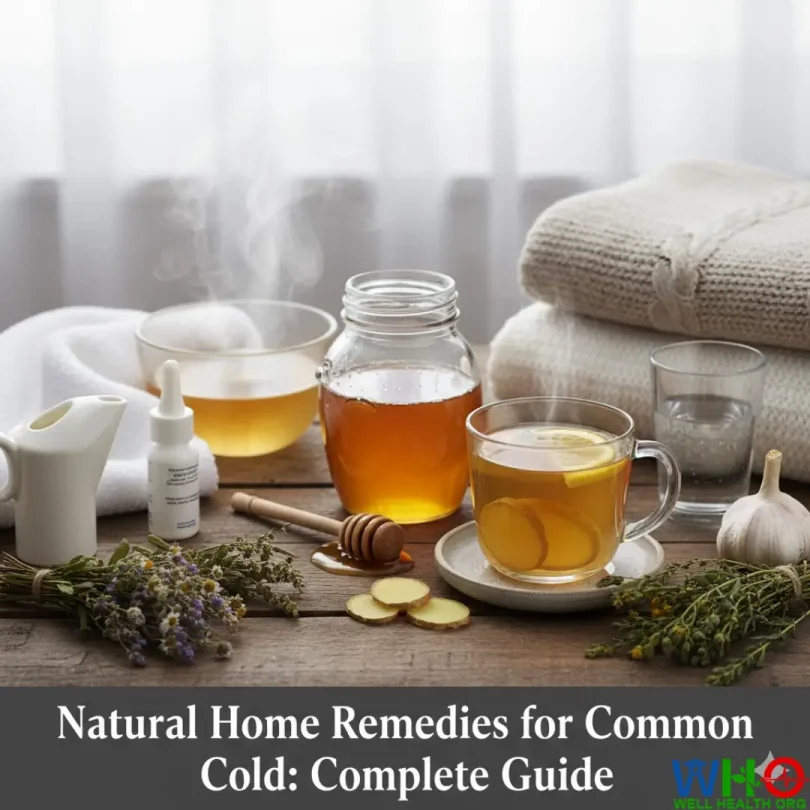
Understanding the Common Cold And Flu
The common cold might seem like a minor inconvenience, but when it hits, it can drain your energy, disrupt your sleep, and make even the simplest tasks feel overwhelming. While it’s not typically dangerous, the cold’s combination of congestion, sore throat, and fatigue can make you feel miserable for days.
- Understanding the Common Cold And Flu
- Recognizing the Symptoms Early
- Why Natural Remedies Work So Well
- 1. Rest and Hydration: The Cornerstones of Recovery
- 2. Steam Inhalation: Clear Your Airways Naturally
- 3. Saltwater Gargle: Soothe Sore Throats Naturally
- 4. Honey and Lemon: Nature’s Dual Powerhouse
- 5. Ginger Tea: The Healing Root for Cold and Flu
- 6. Turmeric Milk: Golden Elixir for Immunity
- 7. Garlic: The Immune-Boosting Powerhouse
- Chamomile Tea
- Peppermint Tea
- Echinacea Tea
- Thyme or Tulsi Tea
- 9. Warm Soups and Broths: Healing from the Inside Out
- Why It Works
- Best Ingredients for Cold Recovery Soup
- 10. Vitamin C and Zinc: Your Immune System’s Best Friends
- Vitamin C
- Zinc
- 11. The Power of Humidifiers and Nasal Rinses
- Tips for Using a Humidifier:
- Nasal Rinses
- 12. Boosting Immunity with Proper Nutrition
- Top Immunity-Enhancing Foods:
- 13. Lifestyle Habits That Speed Up Recovery
- Prioritize Sleep
- Stay Active (Lightly)
- Manage Stress
- Avoid Smoking
- 14. When to Seek Medical Advice
- 15. Preventive Measures: Keeping Colds Away for Good
- Hygiene Habits
- Immune Support
- Environmental Adjustments
- Conclusion: Supporting Your Recovery Naturally
- FAQs About Natural Cold Remedies
Every year, millions of people across the world catch a cold, especially during the fall and winter months. The cold is caused by viruses—most commonly the rhinovirus—that attack your upper respiratory system. Because there are over 200 types of viruses that can cause a cold, developing immunity to just one doesn’t guarantee protection from the rest.
The typical cold lasts 7–10 days, though the duration and severity can vary depending on your overall health, immune strength, and how quickly you begin treatment. While there’s no known cure for the common cold, natural home remedies can help ease symptoms, speed recovery, and support your body’s healing mechanisms without relying on synthetic medications.
In this complete guide, we’ll explore scientifically supported and time-tested home remedies that relieve cold symptoms naturally. These treatments work with your body—not against it—to reduce discomfort and strengthen your immune system for faster recovery.
Recognizing the Symptoms Early
Spotting a cold early gives you an advantage. The earlier you begin natural treatment, the easier it is to manage symptoms and prevent them from escalating.
Common cold symptoms typically appear one to three days after exposure to the virus and may include:
- Runny or stuffy nose
- Sneezing
- Sore throat or scratchy throat
- Coughing (dry or phlegmy)
- Mild fever (usually below 101°F or 38°C)
- Fatigue and body aches
- Watery eyes and mild headache
Some people also experience loss of taste or smell, though this symptom is more prominent in viral infections like the flu or COVID-19.
It’s important to remember that these symptoms are your body’s natural immune response—a sign that your system is fighting the infection. Supporting this process with rest, hydration, and natural remedies can help your body recover faster and more comfortably.
Why Natural Remedies Work So Well
Natural remedies for colds aren’t just old wives’ tales—they’re backed by both traditional wisdom and modern scientific research. Many herbs, spices, and foods contain natural compounds that have antiviral, antibacterial, anti-inflammatory, and immune-boosting properties.

Unlike synthetic medications that often mask symptoms, natural remedies support your body’s healing process. They help manage inflammation, ease pain, and strengthen the immune response, allowing your body to fight off the virus more effectively.
Other benefits include:
- ✅ Fewer side effects compared to chemical medications
- ✅ Readily available ingredients found in most kitchens
- ✅ Lower cost and accessibility for everyone
- ✅ Holistic benefits, improving overall wellness beyond cold relief
Let’s explore the most effective and natural home remedies that can help relieve your cold symptoms and promote faster recovery.
1. Rest and Hydration: The Cornerstones of Recovery
When it comes to healing from any illness, rest is your body’s best medicine. During sleep, your immune system releases cytokines, special proteins that help fight off infection and inflammation. If you deprive yourself of rest, your body has fewer resources to battle the virus effectively.
Aim for 7–9 hours of sleep per night, and don’t hesitate to take short naps during the day if you’re feeling drained. Create a restful environment—keep your room cool, dark, and well-ventilated.
Alongside rest, hydration is essential. Cold viruses dry out your mucous membranes, making congestion worse. By staying hydrated, you keep your mucus thin and easier to expel.
Hydration Tips:
- Drink 8–10 glasses of water each day.
- Sip on warm liquids like herbal teas, clear soups, or warm lemon water.
- Avoid dehydrating beverages such as alcohol or caffeinated drinks.
- Add electrolytes (coconut water or a pinch of Himalayan salt in warm water) to restore minerals lost through sweating.
Think of hydration as flushing your system—helping your body eliminate toxins while keeping your throat and nasal passages moist and soothed.
2. Steam Inhalation: Clear Your Airways Naturally
Steam inhalation is a centuries-old remedy for congestion and sinus pressure. The warm moisture loosens mucus, opens airways, and reduces inflammation, offering immediate relief for stuffy noses and sinus discomfort.
How to Do It:
- Boil 4–5 cups of water and pour into a large, heatproof bowl.
- Add a few drops of eucalyptus or peppermint essential oil (optional for extra relief).
- Drape a towel over your head and lean over the bowl, keeping your face about 10–12 inches away.
- Inhale the steam deeply through your nose for 5–10 minutes.
- Repeat 2–3 times daily, especially before bedtime.
This simple method clears mucus, moisturizes nasal passages, and helps you breathe freely again. For children, use a humidifier instead to avoid the risk of burns.
Pro Tip: Adding a pinch of sea salt or a drop of tea tree oil to your steam can further enhance its antimicrobial benefits.
3. Saltwater Gargle: Soothe Sore Throats Naturally
A saltwater gargle may sound basic, but it’s one of the most effective home remedies for a sore throat. Salt helps draw out moisture from swollen tissues in your throat, reducing inflammation and bacteria.
How to Make It:
- Mix ½ teaspoon of salt in a glass of warm water.
- Gargle for 30 seconds, then spit it out.
- Repeat 2–3 times a day for relief.
Warm saltwater cleanses the throat, reduces pain, and may even help remove mucus buildup. If you find the taste unpleasant, you can add a small pinch of baking soda to neutralize acidity.
Gargling also helps prevent secondary infections, making it an excellent addition to your cold-care routine.
4. Honey and Lemon: Nature’s Dual Powerhouse
Few natural remedies rival the soothing power of honey and lemon. This duo works like a gentle elixir—lemon provides vitamin C to strengthen your immune system, while honey coats the throat and offers antimicrobial benefits.
How to Use It:
- Mix 1 tablespoon of raw honey with the juice of half a lemon in a cup of warm water.
- Sip slowly, letting it coat your throat.
- Repeat 2–3 times daily.
Honey acts as a natural cough suppressant and can be taken alone before bedtime to prevent nighttime coughing fits.
⚠️ Important Note: Never give honey to infants under 12 months old due to the risk of botulism.
For an added immune boost, sprinkle in a pinch of cinnamon or grated ginger—both known for their anti-inflammatory effects.
5. Ginger Tea: The Healing Root for Cold and Flu
Ginger is one of nature’s most powerful healers. It contains gingerols and shogaols, compounds known for their antiviral, antibacterial, and anti-inflammatory effects.
When consumed as tea, ginger helps relieve sore throat pain, reduces inflammation in nasal passages, and even eases nausea.
How to Prepare Fresh Ginger Tea:
- Slice 2–3 thin pieces of fresh ginger root.
- Add them to 2 cups of water and simmer for 10 minutes.
- Strain and add honey and lemon to taste.
Drink 2–3 cups daily to keep your throat warm and your sinuses clear.
If you’re feeling congested, adding a pinch of black pepper enhances circulation and boosts the tea’s warming properties.
Fresh ginger offers the strongest benefits, but dried ginger powder can be used in a pinch.
6. Turmeric Milk: Golden Elixir for Immunity
Turmeric, often called “the golden spice,” is a staple in Ayurvedic medicine and one of the most potent natural anti-inflammatories known to science. The key compound, curcumin, helps strengthen the immune system, reduce inflammation, and fight respiratory infections.
How to Make Turmeric Milk (Golden Milk):
- Warm 1 cup of milk (dairy or plant-based).
- Stir in 1 teaspoon of turmeric powder and a pinch of black pepper (which boosts curcumin absorption).
- Add honey for sweetness.
Drink it before bed to soothe the throat, ease coughing, and promote restful sleep. Regular consumption supports overall respiratory health and immunity.
This remedy is particularly helpful during cold weather or flu season when your immune defenses need extra support.
7. Garlic: The Immune-Boosting Powerhouse
Garlic is more than a kitchen staple—it’s a potent natural antibiotic and antiviral agent. Its active compound, allicin, has been shown to enhance immune function and reduce the severity and duration of colds.
Ways to Use Garlic:
- Crush 1–2 fresh garlic cloves and mix with a teaspoon of honey. Eat it directly once daily.
- Add fresh garlic to soups, broths, or teas for flavor and immune support.
- If raw garlic upsets your stomach, try lightly cooking it—it still retains many of its healing properties.
Garlic not only helps combat cold viruses but also strengthens your body’s natural defenses against future infections.
Pro Tip: Combining garlic with ginger and lemon creates an immune-boosting tonic you can take daily during cold season.
8. Herbal Teas: Nature’s Comforting Cold Soothers
When battling a cold, few things bring as much comfort as a warm cup of herbal tea. Beyond warmth and hydration, many herbal infusions are loaded with medicinal compounds that support the immune system, reduce inflammation, and help you breathe easier.
Some of the most effective teas for colds include:
Chamomile Tea
Chamomile has mild anti-inflammatory and sedative effects. It helps calm the body, reduce throat irritation, and promote better sleep — something essential for a faster recovery. Drinking chamomile tea before bedtime can ease coughing fits and support deep rest.
Peppermint Tea
Peppermint contains menthol, a natural decongestant that helps clear nasal passages. It also has antispasmodic properties that can relieve sore throat and coughing. For an extra boost, inhale the steam while sipping your tea — it acts as a mini-aromatherapy session for your sinuses.
Echinacea Tea
Echinacea is well-known for its immune-boosting benefits. Studies suggest it may help reduce the severity and duration of colds by stimulating white blood cell activity. Drinking echinacea tea twice a day at the first sign of a cold can make a noticeable difference in how quickly you recover.
Thyme or Tulsi Tea
Both thyme and tulsi (holy basil) are revered in traditional medicine for their antiviral and expectorant properties. They help loosen mucus, clear airways, and strengthen your body’s natural defenses.
Try mixing and matching herbs to create your own blend — for example, ginger, tulsi, and honey make a warming, soothing tea that relieves multiple cold symptoms at once.
9. Warm Soups and Broths: Healing from the Inside Out
Chicken soup isn’t just comfort food — it’s a scientifically backed cold remedy! Warm soups, especially homemade broths, provide fluids, electrolytes, and essential nutrients that your body needs to heal.
Why It Works
Warm liquids help clear nasal congestion by increasing mucus flow. The gentle steam from the soup also hydrates the respiratory tract. In addition, the ingredients commonly used — garlic, onion, herbs, and spices — have natural antiviral and anti-inflammatory properties.
Best Ingredients for Cold Recovery Soup
- Garlic and onion: Strengthen immunity and fight infection
- Carrots and celery: Rich in vitamins and antioxidants
- Ginger: Calms nausea and relieves throat irritation
- Chicken or vegetable stock: Restores electrolytes and hydration
Add a sprinkle of black pepper or turmeric to enhance anti-inflammatory benefits.
If you prefer a plant-based option, miso soup or lentil soup also provides warmth, nutrients, and gut-friendly probiotics to support immune health.
10. Vitamin C and Zinc: Your Immune System’s Best Friends
When it comes to cold prevention and recovery, vitamin C and zinc are among the most well-researched nutrients.
Vitamin C
Vitamin C supports immune cell function, acts as an antioxidant, and helps the body repair tissue. While it may not prevent colds entirely, taking vitamin C at the onset of symptoms can shorten the duration and lessen severity.
Natural Sources:
- Citrus fruits (oranges, lemons, grapefruit)
- Kiwi, strawberries, and papaya
- Bell peppers and broccoli
You can also take 500–1000 mg of vitamin C supplements daily during cold season, but natural sources are always preferable.
Zinc
Zinc plays a vital role in immune defense. Studies show that zinc lozenges can shorten the duration of a cold by up to 33% if taken within 24 hours of symptom onset.
Natural Sources of Zinc:
- Pumpkin seeds
- Chickpeas and lentils
- Shellfish (especially oysters)
- Nuts and whole grains
However, avoid taking high doses of zinc long-term, as it can interfere with copper absorption. Balance and moderation are key.
11. The Power of Humidifiers and Nasal Rinses
Cold viruses thrive in dry indoor air, which can irritate nasal passages and make symptoms worse. A humidifier adds moisture back into the air, helping you breathe easier and reducing congestion.
Tips for Using a Humidifier:
- Keep humidity levels between 40–50% — too high can encourage mold growth.
- Clean your humidifier daily to prevent bacterial buildup.
- Add a few drops of eucalyptus or lavender oil to promote relaxation and clearer breathing.
Nasal Rinses
Nasal irrigation with a saline solution (using a neti pot or saline spray) is another effective method to flush out mucus, allergens, and viruses from the nasal cavity.
How to Make Homemade Saline Rinse:
- Mix 1 cup of warm distilled water, ½ teaspoon salt, and ¼ teaspoon baking soda.
- Pour into a neti pot and gently rinse one nostril at a time.
This technique keeps your nasal passages moist and can significantly reduce sinus pressure and congestion.
12. Boosting Immunity with Proper Nutrition
Your diet plays a huge role in how your body responds to infections. Eating nutrient-dense, immune-boosting foods helps your body fight off the cold virus more efficiently.
Top Immunity-Enhancing Foods:
- Citrus fruits: Packed with vitamin C to strengthen immune cells.
- Berries: Rich in antioxidants that reduce inflammation.
- Leafy greens (spinach, kale): Provide iron, folate, and vitamin E.
- Nuts and seeds: Contain zinc, vitamin E, and healthy fats.
- Fermented foods (yogurt, kefir, kimchi): Support gut health — where much of your immune system resides.
Avoid processed foods, sugary snacks, and alcohol, as they can weaken immunity and increase inflammation.
You can also boost your nutrient intake with homemade smoothies using spinach, citrus, ginger, and honey — delicious, refreshing, and healing!
13. Lifestyle Habits That Speed Up Recovery
Recovery isn’t only about what you eat or drink — your lifestyle habits matter just as much.
Prioritize Sleep
Lack of sleep suppresses immune function and prolongs recovery. Stick to a regular sleep schedule, avoid screens before bed, and keep your room dark and quiet.
Stay Active (Lightly)
Gentle exercise like walking or yoga can improve circulation and help clear mucus. However, avoid strenuous workouts if you have a fever or severe fatigue — rest is your top priority.
Manage Stress
Chronic stress weakens immunity by raising cortisol levels. Try deep breathing, meditation, journaling, or even light stretching to calm your mind.
Avoid Smoking
Cigarette smoke irritates your respiratory tract, worsens congestion, and delays healing. If you smoke, use your recovery period as motivation to cut down or quit.
14. When to Seek Medical Advice
While home remedies work for most mild colds, certain symptoms require medical attention.
Seek a doctor’s help if you experience:
- A fever above 101.3°F (38.5°C) lasting more than 3 days
- Difficulty breathing or wheezing
- Chest pain or tightness
- Severe sinus pain or persistent headache
- Cold symptoms lasting longer than 10 days without improvement
- Worsening symptoms after initial recovery
Elderly individuals, young children, pregnant women, and those with chronic conditions (like asthma or diabetes) should consult a healthcare provider sooner.
Remember, a cold shouldn’t knock you out completely. If it does, something else may be going on — such as the flu, bronchitis, or allergies.
15. Preventive Measures: Keeping Colds Away for Good
Prevention is the best treatment. Small daily habits can significantly reduce your chances of catching a cold.
Hygiene Habits
- Wash your hands frequently with soap for at least 20 seconds.
- Avoid touching your face, especially your nose and mouth.
- Disinfect high-touch surfaces like phones, doorknobs, and keyboards.
Immune Support
- Eat a balanced, nutrient-rich diet.
- Stay active and maintain a healthy weight.
- Get 7–8 hours of quality sleep.
- Manage stress effectively.
Environmental Adjustments
- Use a humidifier in dry climates.
- Get fresh air daily — viruses spread easily in poorly ventilated rooms.
- Avoid close contact with people who are sick.
By consistently practicing these habits, you can build a stronger immune defense and reduce your risk of future infections.
Conclusion: Supporting Your Recovery Naturally
Catching a cold is never fun, but with the right combination of rest, hydration, and natural remedies, you can ease discomfort and recover faster — without relying solely on over-the-counter drugs.
From ginger tea and turmeric milk to steam inhalation and saltwater gargles, these remedies offer real relief backed by both tradition and science. The key is consistency: start treatment early, stay hydrated, and allow your body the rest it needs to heal.
Natural healing isn’t about instant fixes; it’s about working with your body rather than against it. When you nurture your immune system through wholesome foods, gentle care, and smart lifestyle choices, recovery becomes smoother — and your body grows stronger for the future.
FAQs About Natural Cold Remedies
1. How long does it take for home remedies to work for a cold?
Most people begin to feel better within 2–3 days of using consistent natural remedies. However, a full recovery can take up to 10 days, depending on your immune health and rest.
2. Can I combine multiple remedies at once?
Absolutely. Combining remedies like honey lemon water, steam inhalation, and ginger tea often produces better results than using just one approach.
3. Is it safe to use essential oils for cold relief?
Yes, but use them with caution. Always dilute essential oils and avoid direct skin contact. Eucalyptus, peppermint, and tea tree oils are the best for colds.
4. Should I avoid dairy when I have a cold?
Some people find dairy thickens mucus, but this varies. If it doesn’t worsen your symptoms, moderate dairy intake is fine — especially warm milk with turmeric.
5. What’s the most important thing to do when you catch a cold?
Rest, hydrate, and start natural remedies early. Supporting your body in the first 24–48 hours can drastically shorten recovery time.
Medically Reviewed by Prof. Dr. Akram
Orthopedic Surgeon | Professor | Senior Medical Specialist
Prof. Dr. Akram is a distinguished surgeon with over 15 years of clinical expertise. Having served as a lead Emergency Specialist at Complex International Government Hospital, he currently leads a specialized team of 13 medical professionals at his private hospital. As a Professor at top medical universities, he ensures that every article on WellHealthOrg.com meets rigorous clinical standards.
Medical Disclaimer:
The information provided is for educational purposes only and is not a substitute for professional medical advice, diagnosis, or treatment. Always consult your physician for any medical concerns.
Our content is rigorously fact-checked by our 13-member Editorial Team under the clinical supervision of Prof. Dr. Akram.