
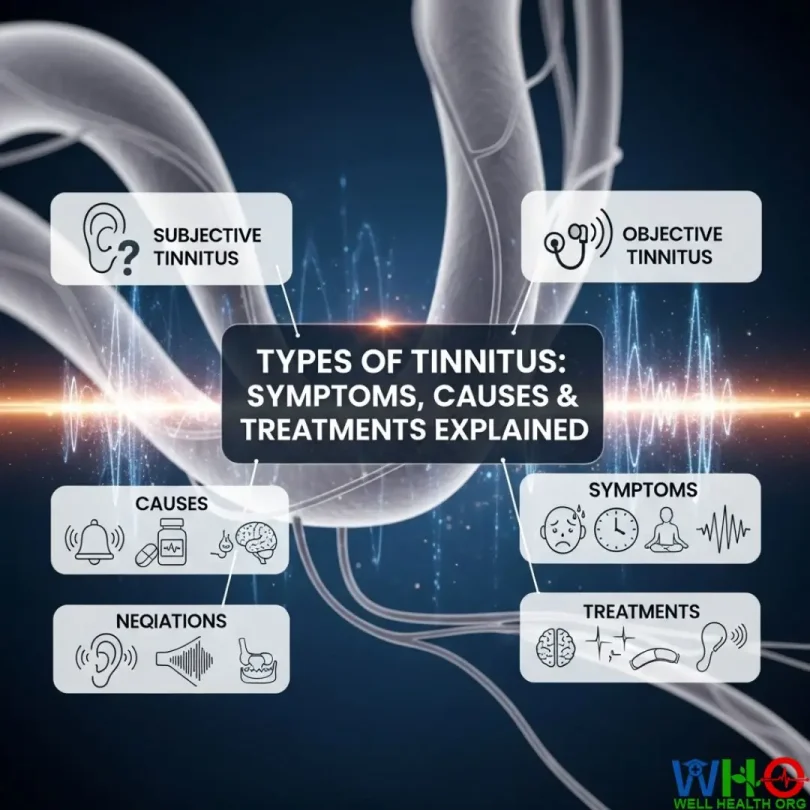
Types of Tinnitus
That persistent ringing, buzzing, or humming sound in your ears — is it just a passing irritation or something more serious? For millions around the world, this sensation, medically known as tinnitus, isn’t a temporary annoyance but a long-term condition that can affect focus, mood, and overall quality of life.
- What Is Tinnitus? The Basics You Need to Know
- Tinnitus Is a Symptom — Not a Disease
- Subjective Tinnitus: The Most Common Form
- Common Symptoms of Subjective Tinnitus
- Causes of Subjective Tinnitus
- 1. Exposure to Loud Noises
- 2. Age-Related Hearing Loss
- 3. Earwax Buildup
- 4. Ear Infections or Fluid Buildup
- 5. Ototoxic Medications
- 6. Underlying Medical Conditions
- Treatment Options for Subjective Tinnitus
- 1. Sound Therapy
- 2. Tinnitus Retraining Therapy (TRT)
- 3. Cognitive Behavioral Therapy (CBT)
- 4. Hearing Aids
- 5. Relaxation and Lifestyle Changes
- 6. Medical Interventions
- Objective Tinnitus: When Others Can Hear It Too
- Symptoms of Objective Tinnitus
- Causes of Objective Tinnitus
- 1. Blood Vessel Disorders
- 2. Muscle Spasms
- 3. Eustachian Tube Dysfunction
- 4. Temporomandibular Joint (TMJ) Disorders
- Treatment for Objective Tinnitus
- Somatic Tinnitus: When Body Movement Triggers the Sound
- Symptoms of Somatic Tinnitus
- Causes of Somatic Tinnitus
- Treatment Options for Somatic Tinnitus
- Neural Tinnitus: A Deeper Look Into Brain-Related Causes
- Symptoms of Neural Tinnitus
- Causes of Neural Tinnitus
- Treatments for Neural Tinnitus
- Diagnosing Tinnitus: Getting to the Root Cause
- Typical Diagnostic Steps Include:
- Preventing Tinnitus: Protecting Your Hearing for Life
- 1. Protect Your Ears from Loud Noises
- 2. Maintain Cardiovascular Health
- 3. Manage Stress and Sleep
- 4. Limit Stimulants
- 5. Seek Early Treatment for Ear Problems
- Living with Tinnitus: Finding Relief and Balance
- Frequently Asked Questions About Tinnitus
- 1. How do I know if what I’m hearing is tinnitus or something else?
- 2. Can tinnitus cause anxiety, depression, or sleep problems?
- 3. Is there a cure for tinnitus?
- 4. How can I prevent tinnitus from getting worse?
- 5. Can lifestyle changes really help with tinnitus relief?
- Conclusion: Regaining Control Over the Noise
- Key Takeaways
- Final Thought
According to the American Tinnitus Association (ATA), approximately 15% of people experience tinnitus in some form, making it one of the most common auditory issues worldwide. Despite its prevalence, tinnitus remains a complex and often misunderstood condition. Some people describe it as a high-pitched ringing; others report clicking, humming, or even whooshing sounds. In many cases, the noise seems to come from inside the head rather than the ears, which can make it particularly distressing.
While tinnitus itself isn’t a disease, it often serves as a symptom of an underlying issue, such as hearing loss, ear injury, or circulatory problems. Understanding the type of tinnitus you have — and what might be causing it — is the key to finding effective relief.
In this comprehensive guide, we’ll explore the different types of tinnitus, their distinct causes and symptoms, and the most effective treatment and management strategies available today. Whether your tinnitus is occasional or constant, understanding it is the first step toward peace and quiet.
What Is Tinnitus? The Basics You Need to Know
Tinnitus is defined as the perception of sound in the absence of an external noise source. In simpler terms, it’s hearing something that isn’t actually there — a phantom noise that only you can perceive. The sound may vary from person to person and can be ringing, buzzing, roaring, clicking, hissing, or humming. It might occur in one ear or both, be soft or loud, constant or intermittent.
Tinnitus can appear suddenly or develop gradually over time. While for some it’s merely a mild distraction, for others it can lead to sleep difficulties, concentration problems, irritability, anxiety, or depression.
According to audiologist Dr. Emily Carter, “Early diagnosis and intervention are key to managing tinnitus effectively. The sooner we identify what’s causing it, the better we can tailor a treatment plan that reduces discomfort and restores peace of mind.”
Tinnitus Is a Symptom — Not a Disease
It’s important to understand that tinnitus itself isn’t the illness — it’s a warning signal. It’s your body’s way of saying something may be wrong with your hearing system or related structures.
The most common underlying conditions include:
- Age-related hearing loss (presbycusis)
- Noise-induced hearing damage
- Earwax impaction or ear infections
- Circulatory disorders or high blood pressure
- Jaw or neck problems (like TMJ dysfunction)
- Certain medications (such as some antibiotics, diuretics, or chemotherapy drugs)
Each of these can alter how sound is processed in the brain, leading to the perception of tinnitus.
Subjective Tinnitus: The Most Common Form
The most frequently diagnosed form of tinnitus is subjective tinnitus, which accounts for over 90% of all cases. This is the type of tinnitus that only the affected person can hear. Even an audiologist with a stethoscope won’t be able to detect the sound externally because it originates within your auditory system.
Subjective tinnitus can fluctuate in intensity — some days the sound might be barely noticeable, while on others it might feel overwhelming. For many, the noise seems to grow louder in quiet environments, such as during bedtime or early in the morning.
Common Symptoms of Subjective Tinnitus
The defining characteristic of subjective tinnitus is hearing phantom sounds that have no external source. These sounds may include:
- A ringing or buzzing sound
- A hissing, whistling, or roaring noise
- A clicking or chirping pattern
- A constant hum or tone
The volume and pitch can vary, and in some cases, the sound may even pulse in rhythm with your heartbeat. For some individuals, these symptoms remain stable, while for others they may worsen over time — especially with stress, fatigue, or further hearing damage.
Causes of Subjective Tinnitus
Subjective tinnitus has several potential causes, many of which involve the inner ear and auditory nerve pathways. Below are the most common factors that contribute to this type:
1. Exposure to Loud Noises
Prolonged or repeated exposure to loud sounds — such as concerts, power tools, gunfire, or even high-volume headphones — can damage the sensitive hair cells in the cochlea (inner ear). Once these cells are injured, they can’t regenerate, which may lead to hearing loss and tinnitus.
2. Age-Related Hearing Loss
As we age, the auditory system naturally becomes less sensitive to certain frequencies. This age-related hearing loss (presbycusis) can trigger tinnitus as the brain tries to “fill in” the missing sounds, creating the illusion of ringing or buzzing.
3. Earwax Buildup
Excessive earwax (cerumen) can block the ear canal, altering pressure and interfering with normal hearing. The blockage can cause temporary tinnitus until the wax is removed safely.
4. Ear Infections or Fluid Buildup
Inflammation or fluid in the middle ear due to infection can distort sound perception and create a temporary ringing sensation.
5. Ototoxic Medications
Some medications — including high doses of aspirin, certain antibiotics, antidepressants, and diuretics — can harm the inner ear, leading to tinnitus as a side effect.
6. Underlying Medical Conditions
Conditions such as Ménière’s disease, thyroid disorders, head or neck injuries, or high blood pressure can all contribute to tinnitus development.
Treatment Options for Subjective Tinnitus
Because subjective tinnitus stems from internal auditory processes, treatment focuses on managing perception, reducing distress, and addressing the root cause when possible. While there’s no universal cure, many therapies have proven effective at helping patients live comfortably with tinnitus.
1. Sound Therapy
Sound therapy uses external sounds — like gentle white noise, nature sounds, or music — to mask or distract from tinnitus. Many people find relief by using white noise machines, fans, or mobile apps that produce ambient soundscapes. Over time, this technique can train your brain to pay less attention to the tinnitus.
2. Tinnitus Retraining Therapy (TRT)
TRT combines sound therapy with counseling to help the brain habituate to tinnitus. With guidance from an audiologist, patients learn to gradually ignore the noise. Studies show that with consistent use, TRT can significantly reduce the perceived intensity of tinnitus.
3. Cognitive Behavioral Therapy (CBT)
CBT helps address the emotional and psychological impact of tinnitus. According to a study in the Journal of Neurology, CBT doesn’t necessarily eliminate the sound but helps patients change how they respond to it. This reduces anxiety, frustration, and sleep problems linked to tinnitus.
4. Hearing Aids
If your tinnitus is associated with hearing loss, hearing aids can make a remarkable difference. By amplifying environmental sounds, they reduce the contrast between tinnitus and silence, making the ringing less noticeable.
5. Relaxation and Lifestyle Changes
Stress is one of the biggest aggravators of tinnitus. Relaxation methods such as deep breathing, yoga, or mindfulness meditation can calm the nervous system and lessen the intensity of tinnitus sounds.
6. Medical Interventions
In some cases, addressing underlying conditions — like removing earwax, treating infections, or adjusting medication — can resolve or reduce tinnitus symptoms.
Objective Tinnitus: When Others Can Hear It Too
While subjective tinnitus is internal and personal, objective tinnitus is a rare form where the sound is actually audible to someone else, such as a doctor using a stethoscope. Unlike the phantom sounds of subjective tinnitus, objective tinnitus is generated by real physical processes in the body, often related to blood flow or muscle activity near the ear.
Though it represents less than 1% of tinnitus cases, objective tinnitus can provide valuable clues about underlying medical issues that are often treatable.
Symptoms of Objective Tinnitus
The most distinguishing feature of objective tinnitus is its rhythmic or pulsating quality. Many patients describe it as hearing a “whooshing” or “thumping” sound that syncs with their heartbeat — a phenomenon known as pulsatile tinnitus. In other cases, patients may hear clicking or fluttering sounds caused by muscle contractions around the ear.
Because these noises originate from physical movement or blood flow, they can sometimes be heard by an examining clinician, confirming that the sound is real, not imagined.
Causes of Objective Tinnitus
Objective tinnitus often stems from vascular or muscular abnormalities near the ear or skull. Common causes include:
1. Blood Vessel Disorders
Abnormalities in the blood vessels near the ear — such as arterial narrowing, aneurysms, or high blood pressure — can create turbulent blood flow that produces sound. When the sound matches your heartbeat, it’s called pulsatile tinnitus.
2. Muscle Spasms
Involuntary contractions of muscles in or around the middle ear, such as the tensor tympani or stapedius muscles, can cause repetitive clicking or thumping sounds.
3. Eustachian Tube Dysfunction
When the Eustachian tube — which connects the middle ear to the back of the throat — stays abnormally open (a condition called patulous Eustachian tube), you may hear echoes of your own breathing or voice amplified in your ear.
4. Temporomandibular Joint (TMJ) Disorders
The jaw joint sits close to the ear canal. Misalignment or inflammation of the TMJ can transmit vibrations to the ear, creating tinnitus-like sensations.
Treatment for Objective Tinnitus
Unlike subjective tinnitus, objective tinnitus often has a treatable physical cause. Once the underlying issue is identified, targeted treatment can reduce or eliminate the sound completely.
- Medication: If high blood pressure or muscle spasms are the cause, appropriate medications can help.
- Surgery: Structural problems, such as vascular malformations, may require surgical correction.
- Physical Therapy: TMJ disorders or muscle tension near the neck and jaw often respond well to physical therapy, massage, or posture correction techniques.
- Lifestyle Changes: Reducing caffeine, alcohol, and nicotine can also improve vascular health and decrease tinnitus severity.
Somatic Tinnitus: When Body Movement Triggers the Sound
Another fascinating — and often misunderstood — form of tinnitus is somatic tinnitus. This type is directly linked to the body’s physical sensory system. Unlike subjective or objective tinnitus, somatic tinnitus is influenced by movements of the head, neck, jaw, or even by touch.
For instance, some people notice that turning their head to one side, clenching their jaw, or pressing on their neck changes the intensity or pitch of the sound they hear. This happens because somatic tinnitus is often associated with neuromuscular dysfunction — particularly involving the neck, shoulders, or temporomandibular joint (TMJ).
Symptoms of Somatic Tinnitus
Somatic tinnitus can feel unpredictable, as the sound may fluctuate depending on physical movements or tension levels. Common symptoms include:
- Tinnitus that changes in volume or pitch when moving the head or neck
- Ringing that worsens after physical exertion or poor posture
- Clicking or crackling sounds related to jaw movement
- A sensation of pressure or tightness around the neck or temples
Many individuals describe their tinnitus as being more pronounced when they’re stressed, fatigued, or carrying tension in their shoulders or jaw.
Causes of Somatic Tinnitus
This form of tinnitus usually develops due to interaction between sensory and auditory pathways in the brain. When nerves in the neck or jaw are irritated or misfiring, they can send incorrect signals that are misinterpreted as sound.
Common causes include:
- Temporomandibular Joint (TMJ) Dysfunction – One of the most frequent triggers. Misalignment or inflammation of the jaw joint can directly affect nearby auditory nerves.
- Neck or Spine Misalignment – Problems like cervical spine tension, herniated discs, or whiplash injuries can cause abnormal neural feedback.
- Bruxism (Teeth Grinding) – Chronic jaw clenching, especially at night, can aggravate both TMJ and tinnitus symptoms.
- Muscle Strain – Overuse of neck or shoulder muscles, poor posture, or repetitive strain can contribute to tinnitus by tightening nearby nerves and blood vessels.
Treatment Options for Somatic Tinnitus
Unlike other tinnitus types, somatic tinnitus often responds well to physical and neuromuscular therapies, because it’s rooted in muscle and nerve function.
Effective approaches include:
- Physical Therapy and Massage: Gentle stretching, myofascial release, or chiropractic care can reduce muscular tension that contributes to tinnitus.
- TMJ Treatment: A dentist or oral specialist can prescribe mouthguards or jaw realignment therapies to reduce strain on the joint.
- Posture Correction: Ergonomic improvements at work, neck-strengthening exercises, and stress reduction can all minimize tension-based tinnitus.
- Trigger Point Injections or Dry Needling: In severe cases, these methods target specific muscles contributing to tinnitus.
By focusing on the musculoskeletal system, somatic tinnitus often shows significant improvement — sometimes even complete resolution — once the root physical cause is addressed.
Neural Tinnitus: A Deeper Look Into Brain-Related Causes
Neural tinnitus originates not from the ear itself but from the brain’s auditory pathways. It’s essentially a form of tinnitus where the brain misinterprets electrical signals as sound. This often occurs when hearing loss deprives the brain of normal sound input, prompting it to “fill in the silence” with phantom noises.
Symptoms of Neural Tinnitus
People with neural tinnitus may experience:
- Persistent or fluctuating ringing, hissing, or roaring sounds
- Sensitivity to external sounds (hyperacusis)
- Difficulty concentrating or sleeping due to internal noise
- Occasional balance issues or dizziness (if related to neurological disorders)
Because the issue lies within the central nervous system, the sound may persist even after the ear’s physical structures appear healthy.
Causes of Neural Tinnitus
Common triggers and underlying factors include:
- Hearing Loss: When auditory input is reduced, the brain increases neural activity to compensate — resulting in the perception of sound.
- Head or Brain Injuries: Trauma can disrupt neural connections, altering how sound is processed.
- Neurological Disorders: Conditions like multiple sclerosis (MS) or neuropathies can cause auditory misfiring.
- Stress and Anxiety: Chronic stress alters brain chemistry and can heighten the awareness of internal sounds.
- Medication Effects: Some neuroactive drugs can change how the brain perceives auditory input.
Treatments for Neural Tinnitus
Because neural tinnitus involves brain activity, treatment focuses on neurological and cognitive retraining:
- Cognitive Behavioral Therapy (CBT) and Acceptance and Commitment Therapy (ACT) help patients reduce emotional distress and reframe their perception of tinnitus.
- Neuromodulation Devices such as Lenire® and other sound-based neural stimulation tools use gentle electrical or auditory signals to retrain brain patterns.
- Mindfulness-Based Stress Reduction (MBSR) techniques help calm the nervous system, reducing the intensity of perceived tinnitus.
- Medication Support: In some cases, antidepressants or anti-anxiety medications may help manage associated symptoms like stress or insomnia.
Research into neural tinnitus is evolving rapidly, with promising studies exploring transcranial magnetic stimulation (TMS) and deep brain stimulation for severe, treatment-resistant cases.
Diagnosing Tinnitus: Getting to the Root Cause
Because tinnitus can have so many potential triggers, accurate diagnosis is crucial. The process usually begins with a comprehensive hearing evaluation conducted by an audiologist or ENT (ear, nose, and throat) specialist.
Typical Diagnostic Steps Include:
- Medical History Review – Your doctor will ask about noise exposure, medications, and any related symptoms like dizziness or hearing loss.
- Hearing Tests (Audiometry) – These measure how well you hear various frequencies and can reveal hidden hearing loss that contributes to tinnitus.
- Physical Examination – Doctors may inspect the ear canal for wax, infection, or fluid buildup.
- Imaging Tests – MRI or CT scans are sometimes used to detect structural issues, blood vessel abnormalities, or tumors.
- Specialized Tests – For pulsatile tinnitus, imaging of blood vessels may be done to check for vascular causes.
Accurate diagnosis ensures you receive the right treatment for your specific tinnitus type, avoiding unnecessary medications or procedures.
Preventing Tinnitus: Protecting Your Hearing for Life
While not all tinnitus cases are preventable, many are linked to lifestyle and environmental factors. Protecting your ears and managing health conditions can significantly reduce your risk.
1. Protect Your Ears from Loud Noises
Exposure to loud sounds is one of the most preventable causes of tinnitus. Follow these guidelines:
- Wear earplugs or earmuffs in noisy environments (concerts, construction sites, shooting ranges).
- Follow the 60/60 rule for headphones: listen at no more than 60% volume for no longer than 60 minutes at a time.
- Avoid prolonged exposure to constant background noise.
2. Maintain Cardiovascular Health
Poor blood circulation affects the delicate structures in your inner ear. Keep your cardiovascular system strong by:
- Exercising regularly (30 minutes of moderate activity daily)
- Eating a balanced diet rich in omega-3s and antioxidants
- Managing cholesterol and blood pressure
3. Manage Stress and Sleep
Chronic stress and lack of rest can worsen tinnitus perception. Incorporate:
- Daily mindfulness or breathing exercises
- Consistent sleep routines
- Relaxation activities like yoga, reading, or nature walks
4. Limit Stimulants
Excessive caffeine, alcohol, and nicotine can irritate the auditory system. Reducing intake often helps diminish tinnitus intensity.
5. Seek Early Treatment for Ear Problems
Don’t ignore ear infections, wax buildup, or sinus issues. Early medical attention can prevent long-term auditory damage.
Living with Tinnitus: Finding Relief and Balance
Living with tinnitus doesn’t mean resigning yourself to discomfort. While the sound may not completely disappear, many individuals find lasting relief through a combination of medical treatment, lifestyle changes, and mental resilience.
Here are practical ways to improve your quality of life:
- Create a Soothing Sound Environment
Keep soft background noise — like gentle music, fans, or water sounds — to reduce tinnitus awareness. - Follow a Consistent Sleep Routine
Sleep is when your body restores balance. Avoid screens and stimulants before bedtime. - Join Support Groups
Sharing your experiences with others who understand tinnitus can be incredibly empowering and reduce isolation. - Stay Positive and Patient
Improvement takes time. As your brain adapts and therapies take effect, the sound often becomes less noticeable.
Remember — tinnitus is not a life sentence. With the right approach, many people regain peace, focus, and control over their auditory world.
Frequently Asked Questions About Tinnitus
Tinnitus can feel overwhelming, especially when the constant ringing or buzzing seems to have no clear cause. Below are answers to some of the most common questions people ask about tinnitus, based on expert insights and real-world experiences.
1. How do I know if what I’m hearing is tinnitus or something else?
If you hear ringing, buzzing, hissing, or other phantom noises that don’t come from an external source — and others around you can’t hear them — it’s very likely tinnitus. However, only a qualified healthcare provider can confirm the diagnosis.
An audiologist or ENT specialist can perform hearing tests and imaging to rule out other issues like ear infections, wax blockages, or vascular abnormalities.
If you ever experience tinnitus along with dizziness, vision problems, or sudden hearing loss, seek immediate medical attention. These could be signs of an underlying condition that needs urgent care.
2. Can tinnitus cause anxiety, depression, or sleep problems?
Yes, and it often does. Chronic tinnitus can be mentally draining, especially when the noise is constant. Over time, the brain’s response to the sound can trigger stress hormones, which may lead to anxiety, irritability, or sleep disturbances.
This is why mental and emotional management is a critical part of tinnitus care. Treatments like Cognitive Behavioral Therapy (CBT), mindfulness meditation, and support groups can help retrain your emotional response to tinnitus, reducing distress and improving sleep quality.
Remember, it’s not just about silencing the sound — it’s about changing how your mind reacts to it.
3. Is there a cure for tinnitus?
Currently, there’s no universal cure, but there are many effective ways to manage and reduce symptoms.
For some people, tinnitus disappears when the underlying cause — such as earwax buildup or infection — is treated. For others, management involves ongoing strategies like sound therapy, stress reduction, hearing aids, or neuromodulation.
The key is personalization. Because tinnitus can stem from many different causes, what works for one person might not work for another. A good treatment plan is tailored to your unique health profile, lifestyle, and emotional needs.
4. How can I prevent tinnitus from getting worse?
Prevention is often about protecting your ears and your overall health. Here are practical steps to keep tinnitus from worsening:
- Always wear hearing protection in loud environments.
- Keep headphone volume at a safe level — below 60% of the maximum volume.
- Manage blood pressure, cholesterol, and blood sugar, since poor circulation can affect ear function.
- Stay hydrated and maintain a healthy diet rich in antioxidants.
- Limit or avoid caffeine, nicotine, and alcohol, all of which can heighten tinnitus symptoms.
- Practice regular stress management, since anxiety often amplifies tinnitus awareness.
Taking a proactive approach early on can help you maintain better hearing health and reduce the impact of tinnitus over time.
5. Can lifestyle changes really help with tinnitus relief?
Absolutely. While lifestyle changes may not “cure” tinnitus, they play a major role in how manageable the condition becomes.
Simple adjustments — like getting regular exercise, improving sleep hygiene, eating a balanced diet, and managing stress — can significantly reduce the perceived loudness of tinnitus and improve emotional resilience.
Even activities like yoga, tai chi, or spending time outdoors can calm the nervous system, helping your brain adapt to the presence of tinnitus more peacefully.
Conclusion: Regaining Control Over the Noise
Living with tinnitus can feel like an uphill battle — but understanding it is the most powerful step toward relief.
Whether your tinnitus is subjective, objective, somatic, or neural, knowing which type you have helps you find the right path forward. Each kind has distinct causes, and in many cases, there are real, effective solutions that bring measurable improvement.
For some, relief comes from treating an underlying medical condition; for others, it’s about learning to retrain the brain’s response through therapies and healthy lifestyle habits. The journey often involves patience and self-compassion — but countless people have found lasting comfort through the right combination of treatments, support, and mindset shifts.
Remember: tinnitus doesn’t define you. It’s a challenge, not a life sentence.
If you’re currently struggling, don’t ignore it or try to manage it alone. Schedule an appointment with a qualified audiologist or ENT specialist. A personalized evaluation will help uncover what’s driving your tinnitus and guide you toward the most effective solutions.
By taking that first step, you’re not just addressing the noise — you’re taking back control of your life, your focus, and your peace of mind.
Key Takeaways
- Tinnitus affects about 15% of the population and can take many forms, including subjective, objective, somatic, and neural.
- The condition is a symptom, not a disease, and often stems from hearing loss, noise exposure, or vascular or muscular issues.
- Treatments include sound therapy, cognitive behavioral therapy, hearing aids, neuromodulation, and lifestyle changes.
- Managing stress, sleep, and cardiovascular health can dramatically reduce symptom intensity.
- Early diagnosis and tailored treatment plans are crucial for long-term relief.
Final Thought
Tinnitus may begin as an unwelcome sound, but with the right knowledge, care, and persistence, it can become background noise in the soundtrack of a calm, balanced life.
Medically Reviewed by Prof. Dr. Akram
Orthopedic Surgeon | Professor | Senior Medical Specialist
Prof. Dr. Akram is a distinguished surgeon with over 15 years of clinical expertise. Having served as a lead Emergency Specialist at Complex International Government Hospital, he currently leads a specialized team of 13 medical professionals at his private hospital. As a Professor at top medical universities, he ensures that every article on WellHealthOrg.com meets rigorous clinical standards.
Medical Disclaimer:
The information provided is for educational purposes only and is not a substitute for professional medical advice, diagnosis, or treatment. Always consult your physician for any medical concerns.
Our content is rigorously fact-checked by our 13-member Editorial Team under the clinical supervision of Prof. Dr. Akram.







