Table of Contents
- ➔ What is Pre-Workout Induced Hyperthermic Dehydration?
- ➔ The Root Causes: Extreme Heat Meets Chemical Stimulation
- ➔ Advanced Medical Treatments for Heatstroke
- ➔ Proven Home Remedies & Gym First Aid
- ➔ Doctor’s Final Verdict & The Bottom Line
- ➔ Regional Fitness Realities (Global Perspectives)
- ➔ Global FAQs on Gym Dehydration
What is Pre-Workout Supplements Induced Hyperthermic Dehydration?
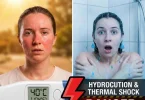
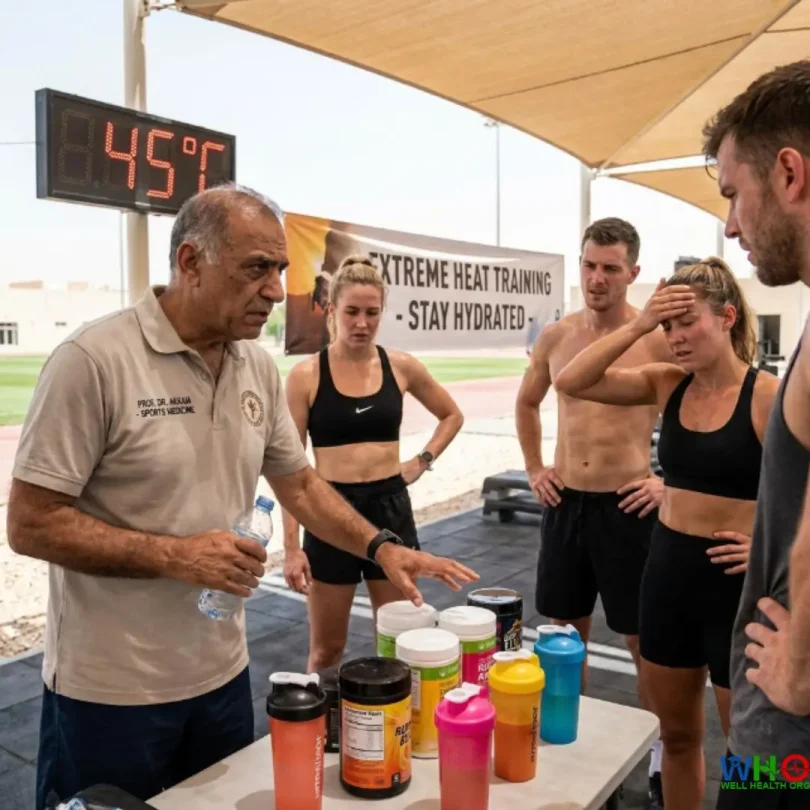
Human thermoregulation is a marvel of evolutionary biology. When exposed to heat, your hypothalamus acts as an internal thermostat, signaling your sweat glands to produce moisture. As this moisture evaporates off your skin, it pulls thermal energy away from your body, cooling your blood, which then circulates back to protect your vital organs. However, working out in an extreme 45°C (113°F) environment completely changes the physics of this survival mechanism.
In such blistering temperatures, the ambient air is often hotter than your skin. This means your body can no longer rely on simple heat radiation; it must rely entirely on sweat evaporation. To sustain this, your cardiovascular system works overtime, aggressively shunting blood away from your internal organs and pushing it toward your skin’s surface. Your heart rate skyrockets just to keep you cool, long before you even lift a single dumbbell.
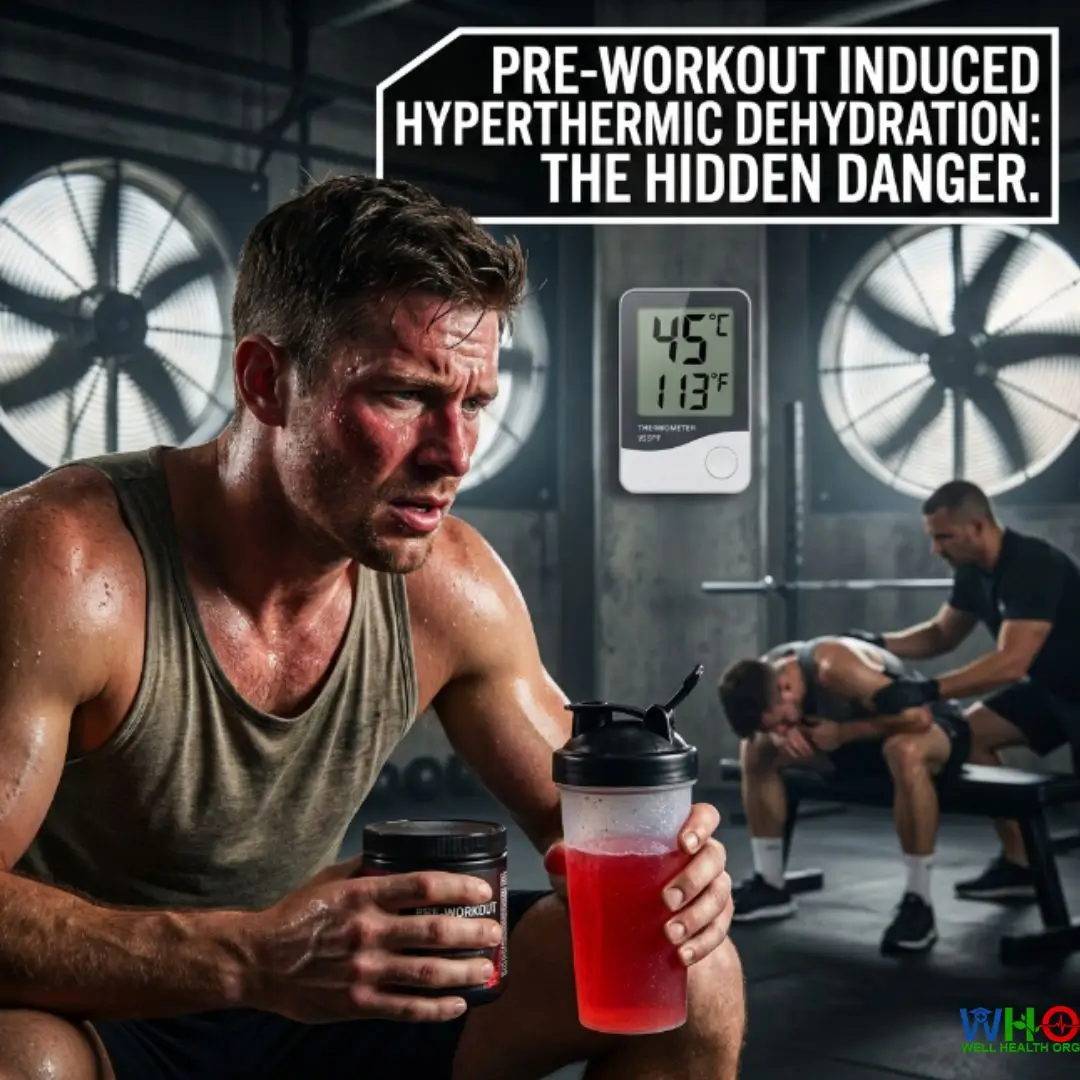
Enter the pre-workout supplement. Modern formulas are densely packed with central nervous system stimulants, primarily high-dose anhydrous caffeine, combined with amino acids like beta-alanine and various nitric oxide boosters. When you ingest these chemicals in extreme heat, you initiate a dangerous physiological conflict. The stimulants act as mild diuretics, prompting your kidneys to flush out the very water your body desperately needs to manufacture sweat. You begin losing fluids through accelerated urination and hyper-profuse sweating simultaneously. Within minutes, the volume of your blood plasma begins to drop. This condition, known clinically as hypovolemia, thickens your blood, forces your heart into a state of severe tachycardia, and sets the stage for catastrophic heat exhaustion or life-threatening heatstroke.
The Root Causes: Why Extreme Heat and Stimulants Are a Lethal Mix
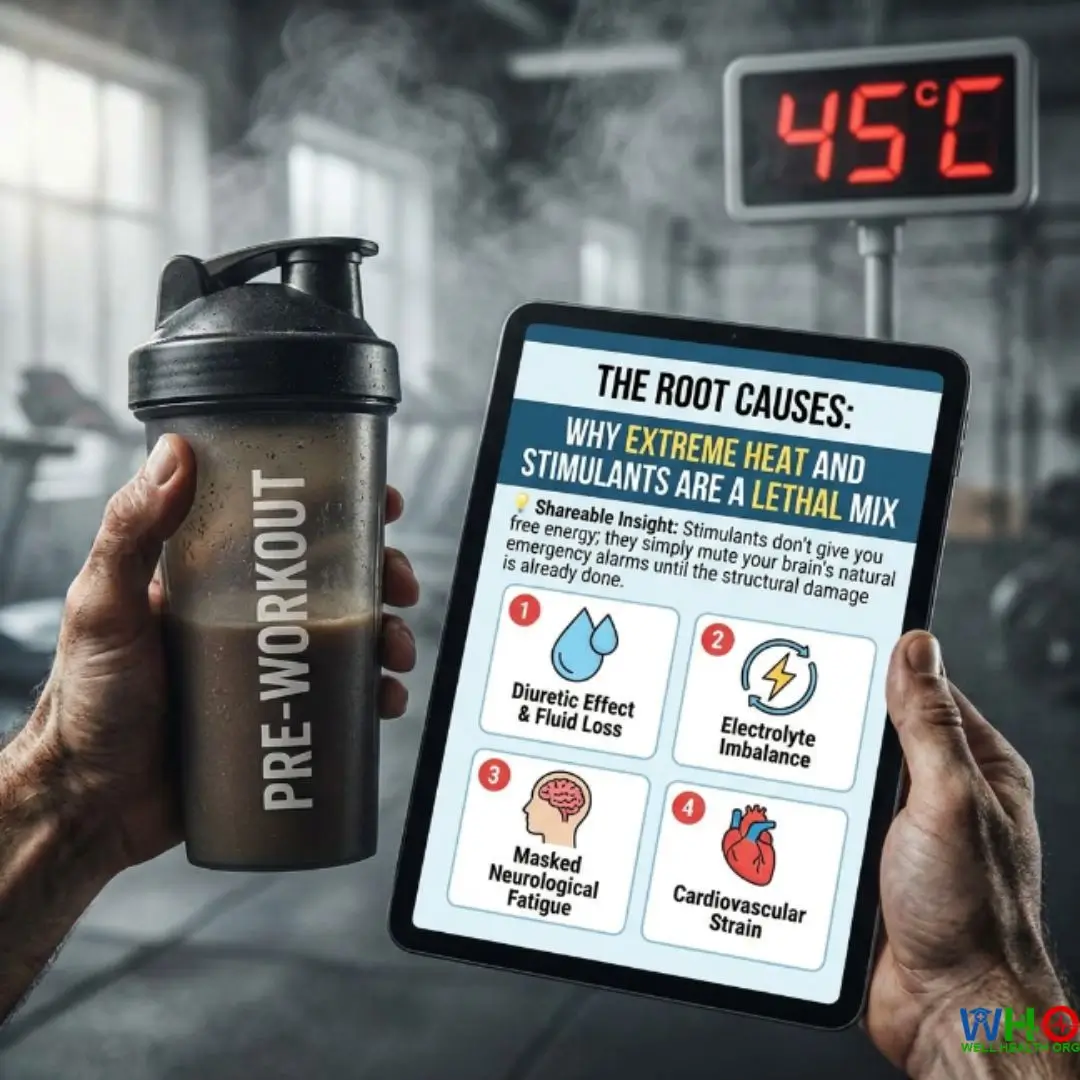
Understanding the exact biochemical mechanisms at play is crucial for anyone lifting weights or running in high temperatures. The danger is not a singular event but a cascading failure of the body’s cooling, filtration, and vascular systems. Here is a deep clinical breakdown of how pre-workout supplements compound the dangers of 45°C heat.
1. The Diuretic Effect and Accelerated Fluid Loss
Caffeine is the backbone of almost every commercial pre-workout supplement, often dosed between 200mg to 400mg per serving (equivalent to 3 or 4 cups of strong coffee). Pharmacologically, caffeine blocks adenosine receptors in the brain, keeping you alert, but it also inhibits the release of antidiuretic hormone (ADH) in the kidneys. ADH is responsible for telling your kidneys to conserve water. Without it, your renal system aggressively filters water out of your bloodstream and into your bladder. When you combine this chemical fluid loss with the massive, rapid sweat rate required to cool down a human body in a 45°C room, cellular dehydration happens at a multiplied velocity. The water reservoir your body needs to sweat simply vanishes.
2. Catastrophic Electrolyte Imbalance
Sweating in extreme heat does not just release pure water; it flushes out critical intracellular and extracellular electrolytes—predominantly sodium, potassium, magnesium, and chloride. These conductive minerals are the electrical wiring of your nervous system. They operate the sodium-potassium pumps that tell your muscle fibers to contract and relax. Pre-workout ingredients like beta-alanine (which causes the infamous “tingling” sensation known as paresthesia) can induce sudden, intense waves of sweating. As these vital electrolytes are washed out, athletes frequently experience agonizing skeletal muscle cramps, severe dizziness, and in worst-case scenarios, cardiac arrhythmias, because the heart muscle itself loses its electrical pacing.
3. Masked Neurological Fatigue
From a neurological perspective, fatigue is not a weakness; it is a highly evolved protective mechanism. When your core temperature rises dangerously close to 102°F or 103°F, your brain deliberately induces a feeling of sluggishness and exhaustion to force you to stop moving, thereby stopping internal heat generation. Pre-workout stimulants synthetically hijack this mechanism. They dump massive amounts of dopamine and adrenaline into your synapses, tricking the brain into feeling invincible. Athletes push themselves past safe thermal thresholds, completely ignoring the subtle warning signs of heat exhaustion (nausea, headache, chills) until they abruptly collapse.
4. Cardiovascular Strain and Vasodilation Conflicts
In high heat, your blood vessels dilate (expand) near the skin to release heat. Many pre-workouts contain nitric oxide boosters like L-arginine and L-citrulline to create a “muscle pump” through forced vasodilation. Concurrently, high doses of caffeine cause systemic vasoconstriction (narrowing of blood vessels) while dramatically spiking the heart rate. This creates a chaotic tug-of-war within your vascular system. Your heart is desperately trying to pump a decreasing volume of thickening, dehydrated blood through vessels that are receiving mixed chemical signals. This physiological confusion massively elevates blood pressure and strains the myocardium.
Advanced Medical Treatments for Stimulant-Induced Heatstroke
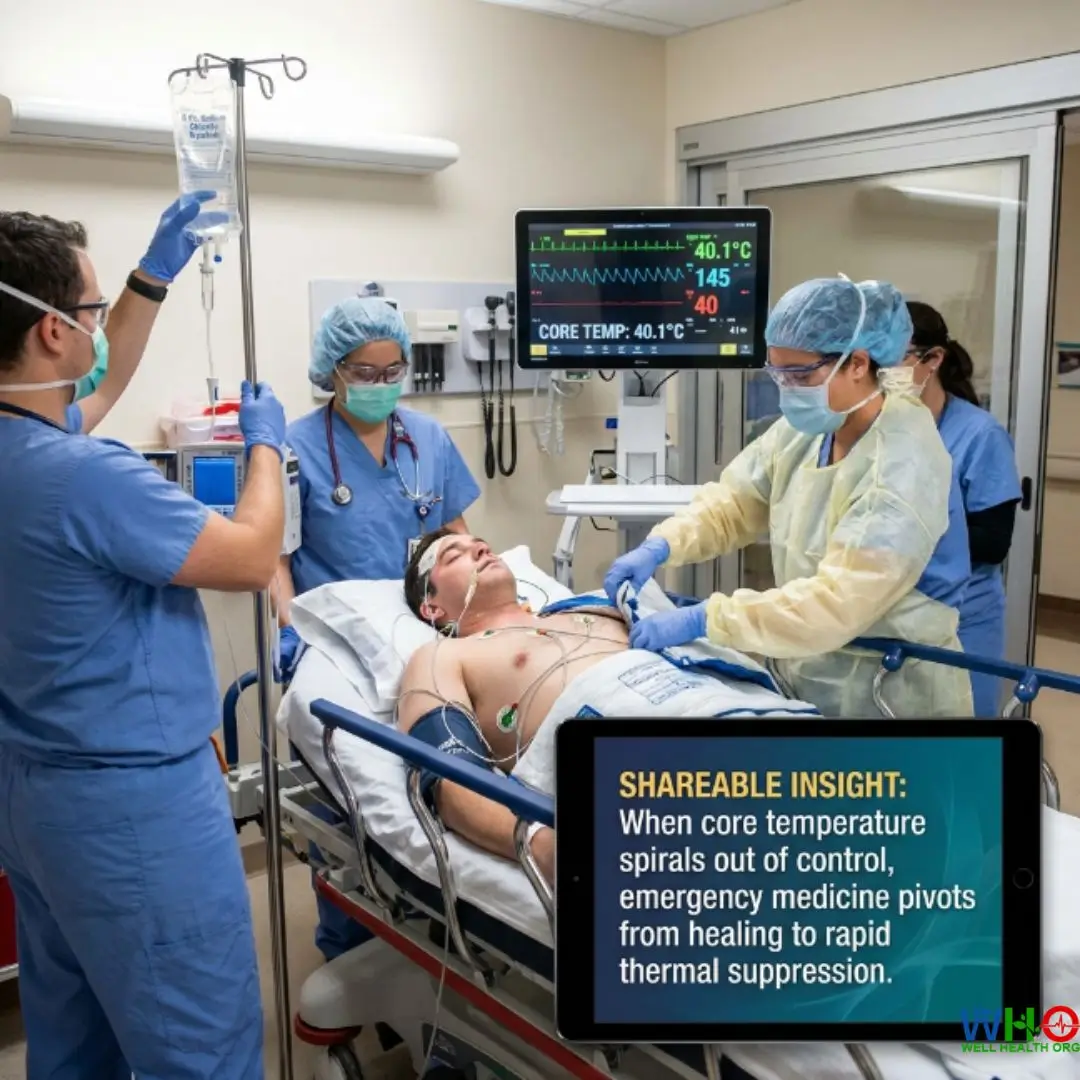
When preventive measures fail and an athlete succumbs to severe hyperthermic dehydration—especially when exacerbated by high-dose stimulants—the situation immediately transitions from a fitness problem to a life-threatening medical emergency. Paramedics and emergency room physicians utilize highly aggressive stabilization protocols to halt cellular degradation.
⚡ Clinical Application: Intravenous (IV) Fluid Resuscitation
⚖️ Dosage (US/Metric): 1 to 2 Liters bolus of 0.9% Normal Saline or Lactated Ringer’s solution, administered rapidly over 30 to 60 minutes depending on patient weight and renal output.
🔬 Mechanism of Action: In severe heat exhaustion, the gastrointestinal tract often shuts down, rendering oral rehydration useless and prone to causing vomiting. Direct intravenous infusion bypasses the digestive system, instantly expanding intravascular blood volume. This restores cellular turgor, stabilizes plummeting blood pressure, and allows the kidneys to resume filtering toxins like lactic acid from the bloodstream.
⚠️ Medical Warning: Must be carefully titrated by a licensed medical professional. Over-infusion in dehydrated patients can lead to pulmonary edema (fluid in the lungs) or hypernatremia if the wrong saline ratio is utilized.
⚡ Clinical Application: Cold-Water Immersion Therapy
⚖️ Dosage (US/Metric): Full-body immersion up to the neck in water maintained between 35°F to 59°F (2°C to 15°C) until core temperature drops below 102.2°F (39°C).
🔬 Mechanism of Action: Recognized globally as the gold standard for exertional heatstroke. Water conducts heat away from the human body approximately 25 times faster than air. Submerging a dangerously overheated patient initiates massive peripheral vasoconstriction followed by rapid heat transfer from the organ-rich core out into the surrounding cold water, halting brain damage.
⚠️ Medical Warning: Requires constant airway management to prevent drowning in an unconscious patient. Unmonitored use can lead to life-threatening hypothermia if the patient is not removed from the ice bath at the precise thermal target.
⚡ Clinical Application: Evaporative Cooling and Misting
⚖️ Dosage (US/Metric): Continuous tepid water misting (approx. 68°F / 20°C) paired with high-velocity industrial fans positioned directly over the exposed epidermis.
🔬 Mechanism of Action: When an ice bath is unavailable or contraindicated, hospitals use the latent heat of vaporization to mimic human sweat. By continuously misting the skin and blowing high-speed air across it, water molecules absorb massive amounts of thermal energy from the skin as they convert from liquid to gas, safely bleeding heat out of the body.
⚠️ Medical Warning: Not as instantaneous as immersion therapy. If the surrounding ambient room temperature is too humid or hot, evaporative physics fail, rendering the treatment ineffective.
⚡ Clinical Application: Targeted Conductive Cooling Blankets
⚖️ Dosage (US/Metric): Application of specialized hydrogel cooling pads or circulating fluid blankets strictly placed over major pulse points (carotid, axillary, and femoral arteries).
🔬 Mechanism of Action: Cooling the blood directly as it passes close to the surface through major arteries. The cooled blood then circulates back to the heart and brain, lowering the internal temperature steadily without shocking the external nervous system as severely as full-body immersion.
⚠️ Medical Warning: Never place dry ice directly on the skin as it will cause instant severe frostbite and localized tissue necrosis.
⚡ Clinical Application: Anti-Shivering Medications
⚖️ Dosage (US/Metric): Low-dose intravenous benzodiazepines (e.g., Diazepam or Lorazepam) or specific muscle relaxants, dictated solely by an attending ER physician.
🔬 Mechanism of Action: Rapid cooling treatments often trick the brain into thinking the body is freezing, triggering violent, involuntary muscle shivering. Shivering is a thermogenic process—it generates massive amounts of internal heat. Administering sedatives neurologically overrides the shivering reflex, allowing the cooling therapies to work unhindered.
⚠️ Medical Warning: Strictly hospital-administered. These drugs depress the central nervous system and respiratory drive, requiring continuous SpO2 (oxygen) monitoring.
⚡ Clinical Application: Continuous Invasive Vitals Monitoring
⚖️ Dosage (US/Metric): Real-time assessment of Rectal Core Temperature, continuous 12-lead ECG, and hourly Foley catheter urine output measurement.
🔬 Mechanism of Action: Skin temperature is an unreliable metric during heatstroke. Rectal thermometry provides the only highly accurate representation of deep-tissue heat. Concurrently, tracking urine color and volume alerts doctors to impending Acute Kidney Injury or Rhabdomyolysis (muscle tissue breakdown entering the kidneys).
⚠️ Medical Warning: Delaying deep core temperature monitoring in severe hyperthermia cases significantly increases the risk of multi-organ failure and mortality.
Proven Home Remedies & First Aid Protocols for Mild Dehydration
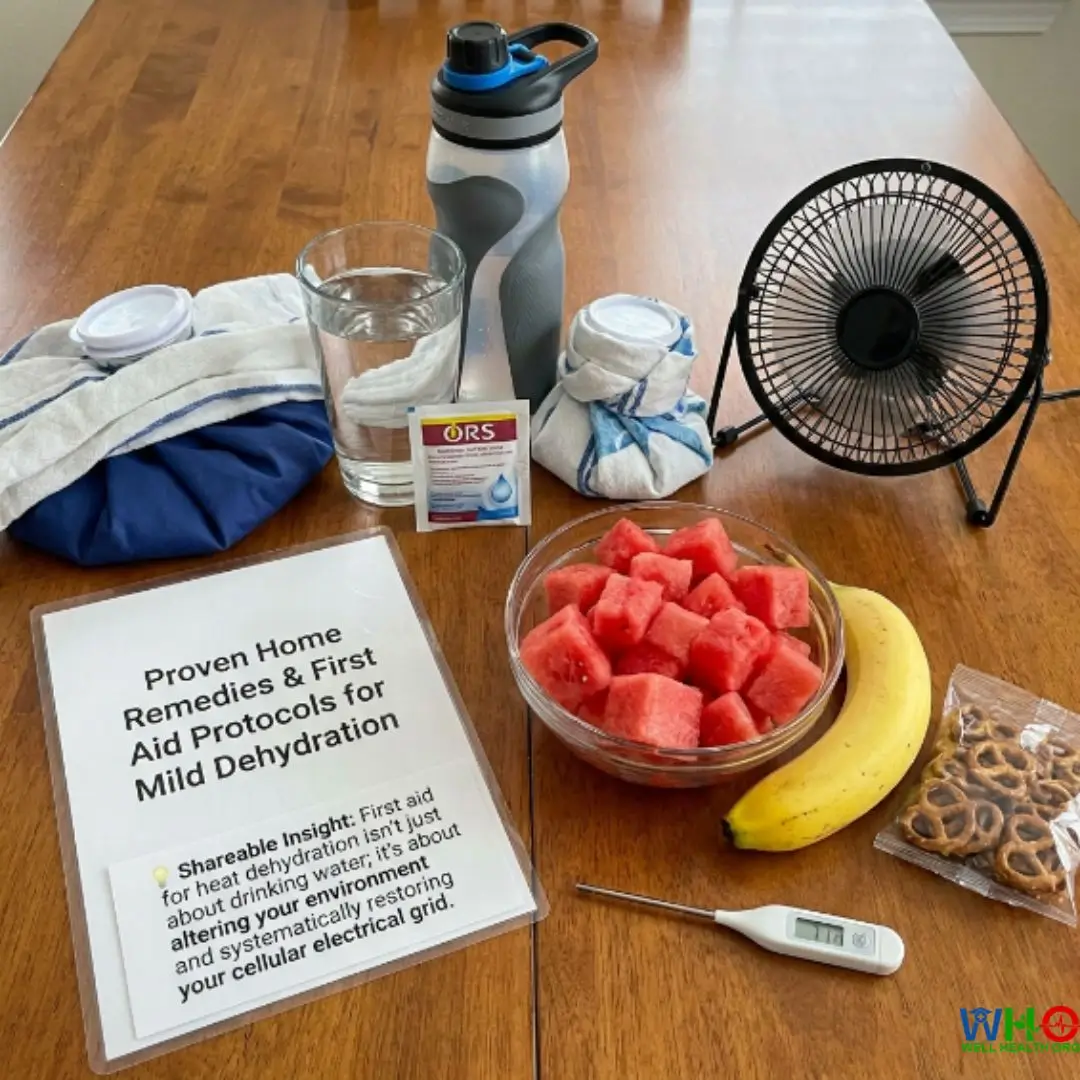
If you or your training partner recognize the early symptoms of heat exhaustion and stimulant-induced hypovolemia—such as extreme thirst, heavy sweating followed by sudden dry skin, dizziness, or a throbbing headache—immediate intervention on the gym floor or at home is required. Do not wait for symptoms to escalate.
⚡ Preparation & Use: Relocate and Elevate
⚖️ Quantity (US/Metric): Shift the person immediately into a space with AC set below 72°F (22°C). Elevate the feet 12 inches off the ground.
🔬 Natural Healing Process: Dropping the ambient temperature halts further environmental heat loading. Elevating the legs utilizes gravity to shunt pooling venous blood from the lower extremities back to the heart and brain, quickly resolving dizziness and preventing fainting (syncope).
⚠️ Safe Usage Note: If the individual has sustained a head or neck injury from fainting, do not move their spine; wait for paramedics.
⚡ Preparation & Use: Sip Oral Rehydration Solutions (ORS)
⚖️ Quantity (US/Metric): Mix 1 standard ORS sachet in 1 Liter (33 oz) of clean water. Sip slowly over 30 to 45 minutes.
🔬 Natural Healing Process: Plain water is inefficient for severe dehydration because it lacks necessary solutes. An ORS utilizes the exact biological ratio of sodium to glucose to activate the sodium-glucose cotransporter protein in the intestinal wall, pulling water directly into the bloodstream at an accelerated rate.
⚠️ Safe Usage Note: Do not gulp rapidly, as large volumes of fluid entering a dehydrated stomach can trigger violent vomiting, worsening the dehydration.
⚡ Preparation & Use: Strip Excess Clothing
⚖️ Quantity (US/Metric): Remove all non-essential layers, including weightlifting belts, heavy cotton socks, thick gym shoes, and compression gear.
🔬 Natural Healing Process: Heavy gym clothing traps radiant body heat and blocks ambient air from interacting with sweat. Exposing maximum skin surface area directly to cooler air allows the body’s natural evaporative and convective cooling mechanisms to function properly.
⚠️ Safe Usage Note: Ensure privacy and dignity, but prioritize medical necessity—removing synthetic, heat-trapping fabrics is non-negotiable for rapid cooling.
⚡ Preparation & Use: Apply Cold Packs to Pulse Points
⚖️ Quantity (US/Metric): Use 3 to 4 cloth-wrapped ice packs or damp, frozen towels.
🔬 Natural Healing Process: By placing cold packs directly over the neck (carotid artery), armpits (axillary artery), and groin (femoral artery), you cool the massive volumes of blood flowing near the skin’s surface. This chilled blood acts as a refrigerant as it circulates deep into the torso.
⚠️ Safe Usage Note: Never place bare ice directly onto the skin. Always wrap ice in a thin towel to prevent frostnip or thermal skin damage.
⚡ Preparation & Use: Fan and Mist the Skin
⚖️ Quantity (US/Metric): Continuous spraying with a standard water bottle while sitting in front of a high-power electric fan.
🔬 Natural Healing Process: This is a highly effective, do-it-yourself simulation of hospital evaporative cooling. As the fan blows across the artificially dampened skin, the water forcibly evaporates, pulling intense heat loads away from the epidural layers and rapidly dropping body temperature.
⚠️ Safe Usage Note: Room-temperature water is actually better for misting than ice water, as ice water can shock the skin pores into closing, trapping heat inside the body.
⚡ Preparation & Use: Eat Hydrating, Mineral-Rich Foods
⚖️ Quantity (US/Metric): 1 medium banana, a small bowl of watermelon cubes, or a handful of lightly salted pretzels.
🔬 Natural Healing Process: Once the nausea completely subsides, solid foods can safely introduce dense minerals back into the system. Bananas provide high-bioavailability potassium to ease muscle cramping, while salted pretzels offer direct sodium replacement to fix extracellular fluid balance.
⚠️ Safe Usage Note: Wait at least 60 minutes after stabilizing before eating solid food. Digesting food requires blood flow to the stomach, which you currently need near your skin for cooling.
⚡ Preparation & Use: Enforce 24-Hour Bed Rest
⚖️ Quantity (US/Metric): Absolute cessation of physical activity and direct sun exposure for 24 to 48 hours.
🔬 Natural Healing Process: After a severe heat incident, the hypothalamus (your brain’s temperature regulator) is neurologically traumatized and highly sensitive. Returning to the gym the next day makes you exponentially more vulnerable to a secondary, more severe heatstroke. The body requires time to recalibrate its neurochemical thermal baseline.
⚠️ Safe Usage Note: If lethargy, dark-colored urine, or a lingering headache persist after 24 hours of rest, seek professional medical evaluation immediately to rule out acute renal failure.
Doctor’s Final Verdict & The Bottom Line
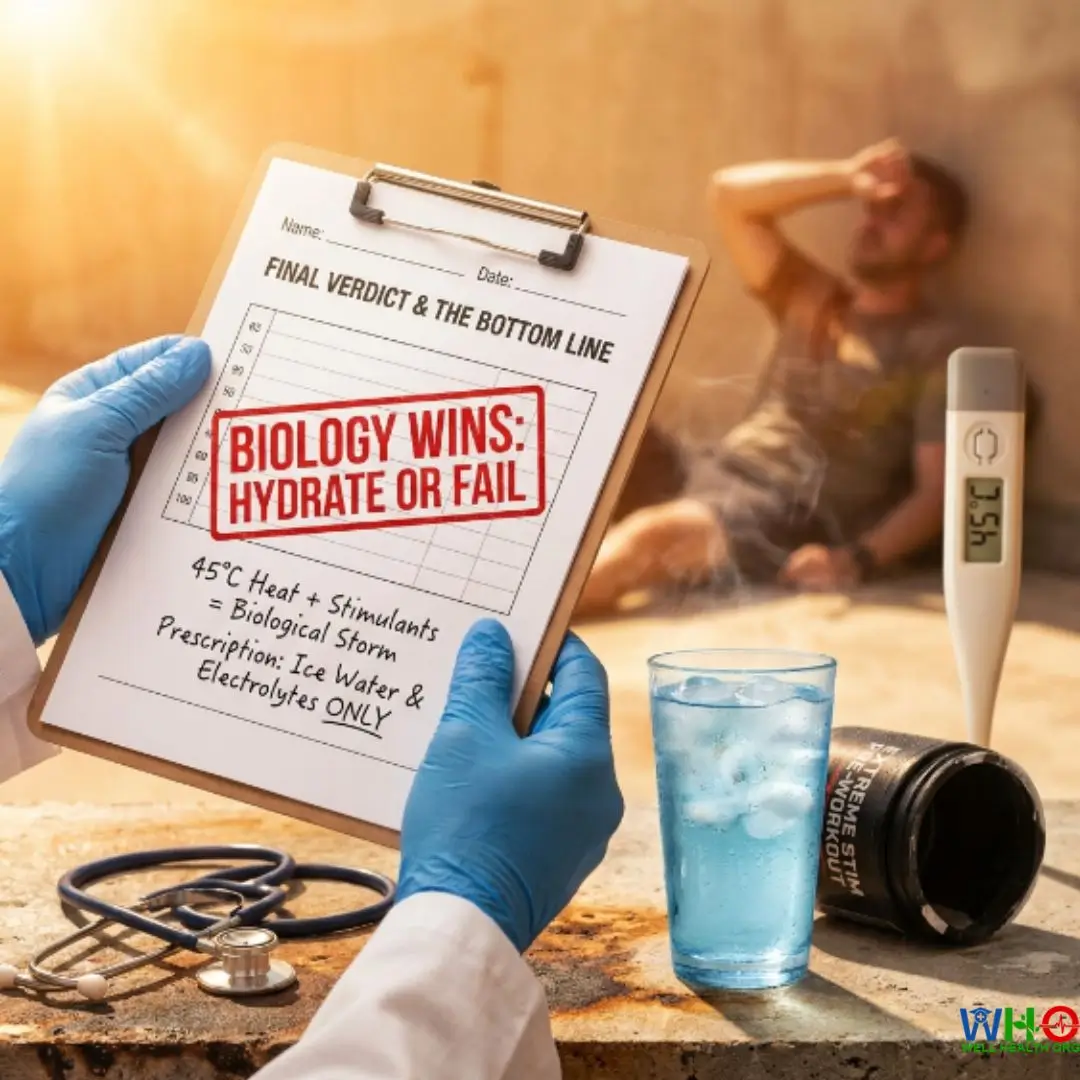
In my decades of clinical neurology and sports medicine, I have witnessed thousands of athletes compromise their safety for a temporary chemical boost. The bottom line is incontrovertible: consuming heavy stimulants in extreme heat creates a biological perfect storm. You are forcing a diuretic, vasoconstricting agent into a cardiovascular system that desperately requires water retention and immense vasodilation to survive.
If you must train in a harsh, 45°C environment, you have to drastically adapt your routine. Pre-hydrate vigorously with an electrolyte-infused beverage at least one hour prior to stepping onto the gym floor. Most importantly, abandon high-caffeine formulas during peak summer months. Instead, opt for “stim-free” or “pump-focused” supplements that rely solely on nitric oxide precursors like L-citrulline to enhance blood flow without taxing the central nervous system or prompting fluid loss. Lastly, check your ego at the door. High heat demands lower intensity, lighter weight, higher rest periods, and acute self-awareness. Listen to your body, not the stimulants.
Regional Fitness Realities: Global Perspectives
🇺🇸 🇬🇧 🇪🇺 For US, UK & European Athletes
While mega-gym chains in the West are typically heavily air-conditioned, the rise of outdoor CrossFit boxes, garage gyms, and peak-summer marathon training exposes many to dangerous heat indexes. In places like Texas, Arizona, or Southern Europe during a heatwave, the localized humidity can cripple sweat evaporation. Western athletes often rely on pre-workouts containing up to 400mg of caffeine per scoop. During summer months, it is critical to cycle off these extreme stimulants and switch to hydration-heavy protocols. Furthermore, post-workout sauna sessions should be strictly avoided if high-dose stimulants were ingested prior to training, as the compounded cardiovascular strain can trigger acute cardiac events.
🌏 🇮🇳 🇵🇰 🇦🇪 For Asian & Middle Eastern Athletes
In Southeast Asia, the Subcontinent, and the Middle East, training environments are frequently open-air, non-air-conditioned warehouse setups. During monsoon seasons, 45°C heat is often paired with 90% humidity, creating a “wet-bulb” temperature phenomenon where sweat physically cannot evaporate off the skin. Under these extreme geographical conditions, taking heavy pre-workout powders is exceptionally hazardous. Local athletes must prioritize drinking coconut water, lassi (with a pinch of salt), or WHO-standard ORS before touching any commercial supplement. Mid-day training should be entirely avoided; workouts must be shifted to early dawn or late night to navigate around peak atmospheric thermal loading.
Global FAQs on Gym Dehydration and Supplements
How long does a high-stimulant pre-workout stay in my system during a hot workout?
Caffeine has a half-life of approximately 5 to 6 hours in healthy adults. However, extreme heat dehydration slows down kidney filtration. This means your body takes significantly longer to metabolize and excrete the chemicals. A 300mg dose can keep your heart rate elevated and your central nervous system stimulated long after your gym session is over, prolonging the risk of post-workout heat exhaustion and delaying vital recovery sleep.
Can I just drink a gallon of pure water to offset the pre-workout dehydration?
No. In fact, doing so is highly dangerous. Chugging massive quantities of plain, mineral-less water while sweating out massive amounts of sodium leads to a condition called hyponatremia (water intoxication). This dangerously dilutes your blood sodium levels, causing brain swelling, seizures, and potentially coma. You must replace water and electrolytes (sodium, potassium, magnesium) concurrently using sports drinks or oral rehydration salts.
What is a “Stim-Free” pre-workout, and is it safer in 45°C heat?
A “stim-free” (stimulant-free) pre-workout completely omits central nervous system stimulants like caffeine, yohimbine, and synephrine. Instead, it relies on ingredients like L-citrulline, betaine, and glycerin, which pull water into the muscle cells (cellular hydration) and promote healthy vasodilation. Because they do not act as diuretics or spike your heart rate, stim-free formulas are exponentially safer for high-heat training environments.
What are the warning signs of Rhabdomyolysis?
Rhabdomyolysis occurs when overheated, severely dehydrated muscle tissue breaks down and leaks a protein called myoglobin into the bloodstream, overwhelming and destroying the kidneys. The triad of classic symptoms includes: extreme muscle weakness, agonizing muscle pain out of proportion to the workout, and dark, tea-colored or cola-colored urine. If you notice dark urine after a hot workout, treat it as an absolute medical emergency and seek immediate hospital care.
Does beta-alanine contribute to dehydration?
While beta-alanine itself is not a direct diuretic like caffeine, it significantly impacts your sensory nervous system, causing paraesthesia (a flushing, tingling sensation under the skin). In many individuals, this acute nervous system response triggers sudden, intense bursts of sweating, which rapidly depletes the body’s superficial water stores. In a 45°C gym, this extra, unneeded sweating acts as a catalyst for faster overall dehydration.
Medically Reviewed by Prof. Dr. Akram
Orthopedic Surgeon | Professor | Senior Medical Specialist
Prof. Dr. Akram is a distinguished surgeon with over 15 years of clinical expertise. Having served as a lead Emergency Specialist at Complex International Government Hospital, he currently leads a specialized team of 13 medical professionals at his private hospital. As a Professor at top medical universities, he ensures that every article on WellHealthOrg.com meets rigorous clinical standards.
Medical Disclaimer:
The information provided is for educational purposes only and is not a substitute for professional medical advice, diagnosis, or treatment. Always consult your physician for any medical concerns.
Our content is rigorously fact-checked by our 13-member Editorial Team under the clinical supervision of Prof. Dr. Akram.