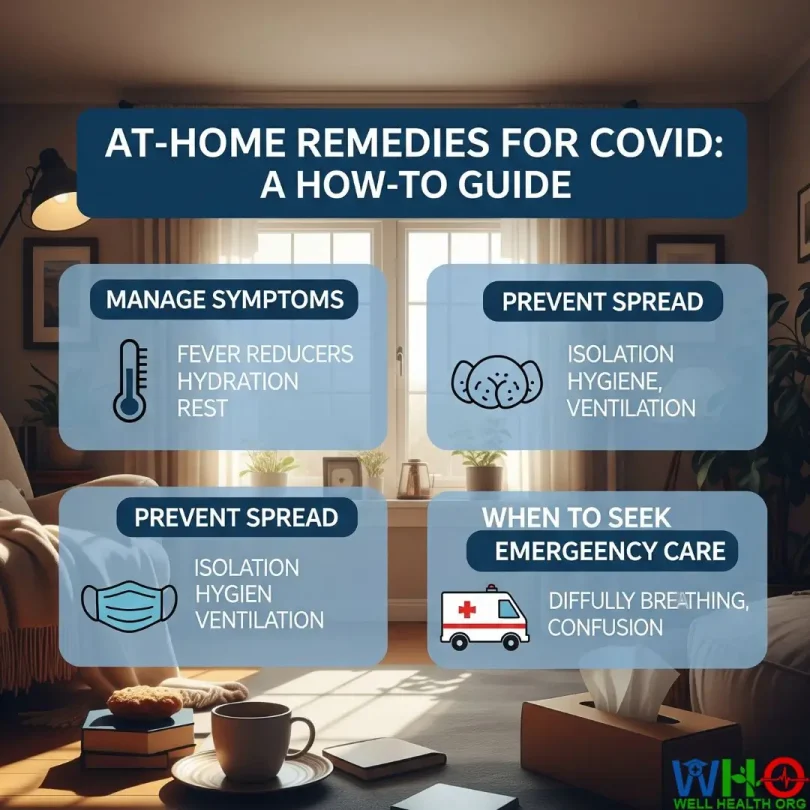
When you test positive for COVID-19, the first feelings that often arise are worry and confusion. Questions like “What should I do now?” or “When should I see a doctor?” are completely natural. Fortunately, if your symptoms are mild, you can recover fully at home with the right care, awareness, and preventive steps.
- 1. Understanding COVID-19 and Its Home Care Possibilities
- How the Virus Affects the Body
- Who Can Manage COVID-19 at Home
- 2. Managing COVID-19 Symptoms at Home: What You Should Know
- a. Rest and Hydration: The Foundation of Healing
- b. Balanced Nutrition
- 3. Over-the-Counter Medications: Safe Symptom Relief
- a. For Pain and Fever
- b. For Cough or Congestion
- c. For Sore Throat
- d. Important Safety Tips
- 4. Supporting Your Recovery: The Holistic Approach
- a. Sleep Is Your Superpower
- b. Practice Gentle Breathing Exercises
- c. Keep Your Mind Engaged and Positive
- d. Eat Well and Move Gently
- 5. When to Seek Emergency Medical Care: Recognizing Red Flags
- a. Severe or Worsening Symptoms
- b. When in Doubt, Call a Doctor
- c. Prepare for Emergencies
- 6. How to Prevent Spreading COVID-19 at Home
- a. Isolate Effectively
- b. Wear a Mask Indoors
- c. Maintain Hand Hygiene
- d. Clean and Disinfect Regularly
- e. Ventilate and Freshen the Air
- 7. Guidelines for Ending Isolation Safely
- a. The General Rule (Based on CDC Guidance)
- b. For Those Without Symptoms
- c. When Symptoms Persist
- d. Consulting a Doctor Before Returning to Work or School
- 8. Tips for Caregivers: Protecting Yourself While Helping Others
- a. Set Up a Safe Care Zone
- b. Personal Protection for Caregivers
- c. Maintain Hygiene Around the Patient
- d. Monitor the Patient’s Health
- e. Prioritize Self-Care
- 9. Recovery After COVID-19: Rebuilding Strength and Stamina
- a. Ease Back into Activity
- b. Focus on Nutrition for Recovery
- c. Take Care of Your Lungs
- d. Address Lingering Fatigue and Brain Fog
- e. Get Follow-Up Checkups
- 10. Staying Protected After Recovery
- a. Stay Up to Date on Vaccines
- b. Maintain Healthy Lifestyle Habits
- c. Don’t Neglect Mental Health
- d. Protect Others
- 11. Building Long-Term Immunity and Preventing Reinfection
- a. Strengthen Your Immune System Naturally
- b. Stay Informed About Booster Shots
- c. Maintain Preventive Hygiene Habits
- 12. Managing “Long COVID”: Recognizing and Treating Lingering Symptoms
- a. Common Long COVID Symptoms
- b. Home Strategies for Managing Long COVID
- c. When to Seek Medical Evaluation
- 13. Expert-Recommended Natural Remedies and Self-Care Techniques
- a. Herbal Teas and Remedies
- b. Natural Immune-Boosting Ingredients
- c. Breathing and Relaxation Practices
- d. Sunlight and Vitamin D
- e. Aromatherapy for Comfort
- 14. The Mental and Emotional Side of COVID-19 Recovery
- a. Coping with Anxiety or Depression
- b. Mindfulness and Meditation
- c. Reintegrating into Normal Life
- 15. Conclusion: Taking Control of Your Health and Recovery
- Frequently Asked Questions (FAQs)
- 1. What should I eat during COVID-19 recovery?
- 2. How long does it take to recover from COVID-19?
- 3. Can natural remedies cure COVID-19?
- 4. How can I avoid long COVID?
- 5. When should I see a doctor during home recovery?
This comprehensive guide walks you through how to manage COVID-19 safely at home, reduce transmission, and know when professional medical care is necessary. It combines expert-backed advice, practical home remedies, and mental well-being strategies to support your full recovery.
1. Understanding COVID-19 and Its Home Care Possibilities
COVID-19, caused by the SARS-CoV-2 virus, affects people in very different ways. While some experience mild cold-like symptoms, others may develop more severe respiratory distress. However, according to global health authorities like the World Health Organization (WHO) and Centers for Disease Control and Prevention (CDC), the majority of COVID-19 cases can be safely managed outside of the hospital with attentive self-care.
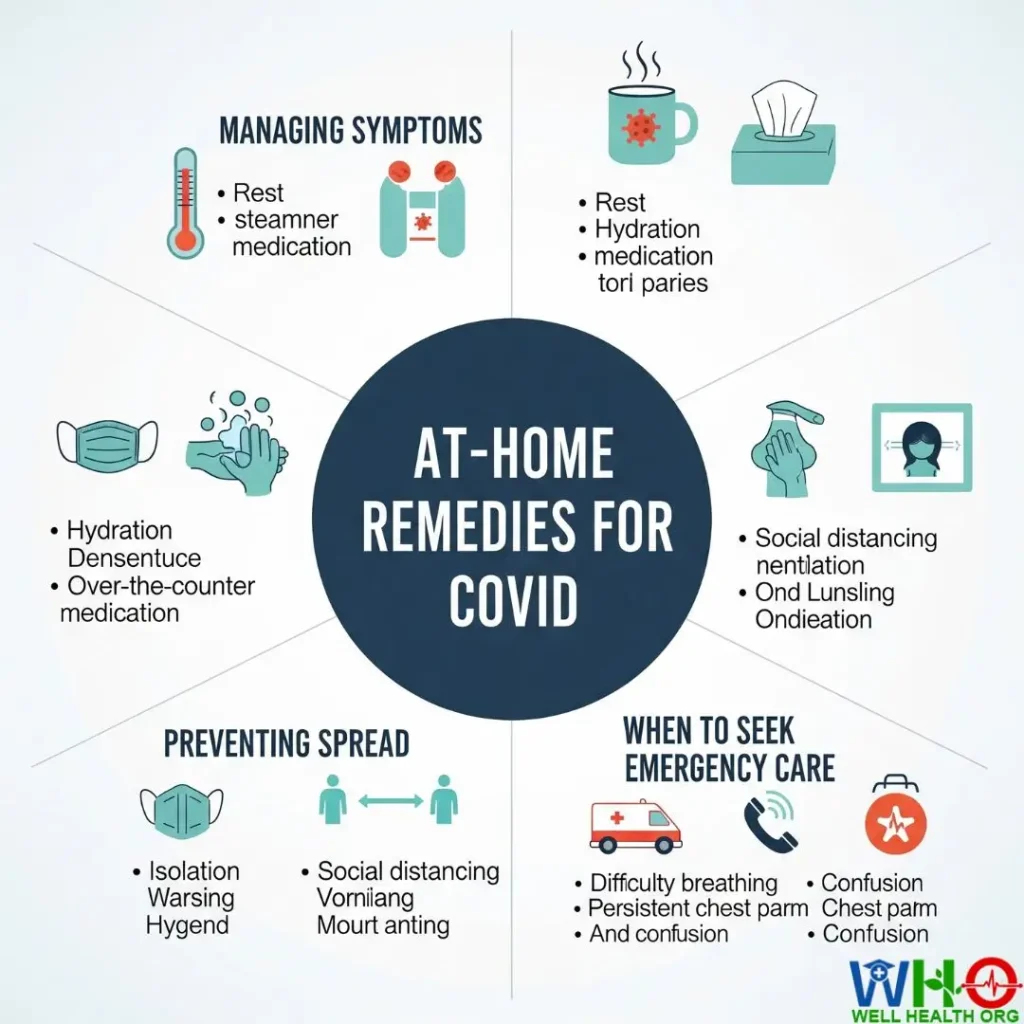
How the Virus Affects the Body
The virus primarily targets the respiratory system, but its effects can extend far beyond. Common symptoms include:
- Fever or chills
- Cough (dry or productive)
- Fatigue
- Muscle or body aches
- Headache
- Loss of taste or smell
- Sore throat
- Nasal congestion
- Shortness of breath
These symptoms may appear 2 to 14 days after exposure and can last for several days to a few weeks depending on your immune response, age, and overall health.
Who Can Manage COVID-19 at Home
If your symptoms are mild or moderate, and you are not at high risk for severe disease (such as having heart disease, diabetes, lung disease, or being immunocompromised), you can typically recover at home safely. The key is monitoring your condition daily, maintaining isolation, and supporting your body’s natural healing process.
For those with risk factors, home care can still be effective—but you must maintain close contact with your healthcare provider.
2. Managing COVID-19 Symptoms at Home: What You Should Know
Most people with COVID-19 will experience mild illness similar to a cold or mild flu. The goal of home management is to relieve symptoms, prevent complications, and avoid spreading the virus to others.
a. Rest and Hydration: The Foundation of Healing
Your immune system needs energy to fight the infection. Prioritize rest and listen to your body. Fatigue is a natural signal that your body is working hard to heal.
Hydration is equally crucial. Fever and sweating can cause dehydration, which worsens fatigue and delays recovery. Aim to drink plenty of fluids such as:
- Water
- Clear broths or soups
- Herbal teas (like chamomile, peppermint, or ginger)
- Fresh fruit juices or electrolyte drinks
Avoid caffeine and alcohol—they can dehydrate you and interfere with sleep.
b. Balanced Nutrition
Even if your appetite is low, nourishing your body supports immune recovery. Choose foods that are easy to digest and rich in vitamins, minerals, and antioxidants:
- Fresh fruits (especially citrus, berries, kiwi) for vitamin C
- Leafy greens and vegetables for immune support
- Whole grains and oats for energy
- Lean proteins like eggs, fish, and lentils
- Probiotic-rich foods like yogurt or kefir to maintain gut health
If your throat is sore, opt for warm soups, smoothies, or mashed foods to avoid irritation.
3. Over-the-Counter Medications: Safe Symptom Relief
When you’re recovering from COVID-19 at home, a few over-the-counter (OTC) medicines can make you more comfortable. Always follow the recommended doses and check with your healthcare provider before combining medications—especially if you have chronic conditions or are on prescription drugs.
a. For Pain and Fever
Mild fever and body aches are common. You can take:
- Acetaminophen (Tylenol): Gentle on the stomach and effective for fever and mild pain.
- Ibuprofen (Advil, Motrin): Reduces inflammation, pain, and fever.
Use whichever your body tolerates best, and never exceed the daily dosage on the label.
b. For Cough or Congestion
Cough syrups can help soothe throat irritation and make breathing easier.
- Dry cough: Use a suppressant containing dextromethorphan.
- Wet cough: Try an expectorant like guaifenesin to loosen mucus.
If nasal congestion is bothering you, saline sprays or steam inhalation can also help clear airways naturally.
c. For Sore Throat
Warm saltwater gargles (½ teaspoon of salt in a glass of warm water) can reduce inflammation. Lozenges or honey (for adults) are also soothing options.
d. Important Safety Tips
- Avoid mixing multiple cold medicines with similar ingredients.
- Do not give aspirin to children with viral infections.
- If your fever persists beyond three days or spikes above 103°F (39.4°C), consult a doctor immediately.
OTC medications are tools for comfort—not a cure. They ease symptoms while your immune system does the real healing.
4. Supporting Your Recovery: The Holistic Approach
Recovering from COVID-19 isn’t only about managing physical symptoms—it’s also about mental well-being, emotional resilience, and routine self-care. The isolation period can be mentally exhausting, so maintaining a positive mindset is key to healing completely.
a. Sleep Is Your Superpower
Sleep is one of the most effective natural medicines. During deep sleep, your body repairs tissue, produces immune-boosting proteins, and reduces inflammation. Create a calming bedtime routine:
- Turn off screens an hour before bed.
- Keep your room cool and quiet.
- Avoid caffeine after midday.
- Try breathing exercises or gentle stretching before sleep.
Aim for 7–9 hours of quality sleep each night.
b. Practice Gentle Breathing Exercises
COVID-19 can affect lung capacity, even in mild cases. Deep breathing can help your lungs recover and improve oxygen flow. Try this exercise:
- Sit upright and inhale deeply through your nose for 4 seconds.
- Hold your breath for 7 seconds.
- Exhale slowly through your mouth for 8 seconds.
Repeat 5–10 times, several times a day.
This technique not only strengthens lung function but also reduces anxiety.
c. Keep Your Mind Engaged and Positive
Staying mentally active helps prevent the emotional slump that often accompanies isolation. You can:
- Read, write, or listen to audiobooks.
- Watch uplifting movies or documentaries.
- Stay connected via video calls or online chats.
- Try journaling your thoughts and progress.
Positive mental health directly influences physical healing.
d. Eat Well and Move Gently
Even small stretches or slow walks around your room (if you’re up to it) promote blood circulation, prevent stiffness, and lift your mood. Nutrition and light movement together accelerate recovery.
5. When to Seek Emergency Medical Care: Recognizing Red Flags
While most people recover at home without complications, COVID-19 can progress unpredictably. It’s critical to monitor yourself (or your loved one) daily for any signs that the illness may be worsening.
a. Severe or Worsening Symptoms
Seek immediate medical attention if you experience:
- Difficulty breathing, gasping, or shortness of breath even at rest
- Persistent chest pain or pressure
- Sudden confusion, disorientation, or trouble speaking
- Inability to stay awake or extreme fatigue
- Skin, lips, or nail beds turning blue, gray, or pale
These could signal dangerously low oxygen levels or other complications such as pneumonia or heart involvement.
b. When in Doubt, Call a Doctor
Even if your symptoms don’t fit the “emergency” list, trust your instincts. If you feel your condition is declining—worsening cough, high fever, or prolonged fatigue—contact a healthcare professional. Describe your symptoms clearly and mention your COVID-19 status.
If you use a pulse oximeter, watch for oxygen levels consistently below 94%; this can indicate the need for medical support.
c. Prepare for Emergencies
Keep a list of emergency contacts, including your doctor, local hospital, and a trusted family member. Make sure you have transportation arranged in case you need to reach a clinic or ER quickly.
Being proactive about warning signs can save lives. COVID-19 recovery is usually straightforward, but staying vigilant ensures you act before small issues become serious.
6. How to Prevent Spreading COVID-19 at Home
If you’ve tested positive for COVID-19, one of your most important responsibilities is preventing the virus from spreading to others. Even if your symptoms are mild, the virus remains contagious and can cause severe illness in others—especially those who are older or have pre-existing health conditions.
a. Isolate Effectively
The golden rule: Stay home and stay separate.
Isolation helps break the chain of transmission. Ideally:
- Stay in a separate bedroom away from other family members.
- Use a separate bathroom if possible.
- Avoid sharing household items like utensils, cups, or towels.
- Keep your doors closed and open windows to allow fresh air circulation.
If space is limited and you share a room, keep a minimum distance of 6 feet and wear a well-fitting mask whenever you’re near others.
b. Wear a Mask Indoors
A high-quality mask like an N95, KN95, or surgical mask can significantly reduce transmission, even within your home.
- Wear your mask properly — covering both nose and mouth.
- Replace disposable masks regularly.
- Ask others in your household to wear masks too when around you.
c. Maintain Hand Hygiene
Hand hygiene is your first line of defense. Wash your hands frequently with soap and warm water for at least 20 seconds — especially after coughing, sneezing, or touching shared surfaces.
If soap isn’t available, use a hand sanitizer containing at least 60% alcohol.
d. Clean and Disinfect Regularly
COVID-19 spreads primarily through respiratory droplets, but contaminated surfaces can also play a role. To minimize risk:
- Disinfect high-touch areas like doorknobs, phones, remote controls, light switches, and countertops daily.
- Use disinfectants containing bleach, hydrogen peroxide, or alcohol (check product labels).
- Wash bedding, clothes, and towels using hot water and detergent.
A clean environment not only keeps others safe but also supports your recovery by minimizing re-exposure to pathogens.
e. Ventilate and Freshen the Air
Good ventilation dramatically reduces viral particles indoors.
- Keep windows open when weather allows.
- Use fans to circulate fresh air.
- If possible, use an air purifier with HEPA filters to capture airborne particles.
Simple airflow improvements can make your home a safer place during isolation.
7. Guidelines for Ending Isolation Safely
Knowing when to end isolation can be confusing — but it’s crucial for protecting those around you. The goal is to ensure you’re no longer contagious before rejoining others.
a. The General Rule (Based on CDC Guidance)
You can end isolation when:
- At least 5 days have passed since your symptoms first appeared, and
- You’ve been fever-free for 24 hours without fever-reducing medication, and
- Your other symptoms (like cough or fatigue) are improving.
After ending isolation, continue to wear a mask around others for five more days to reduce the chance of spreading lingering viral particles.
b. For Those Without Symptoms
If you tested positive but never developed symptoms, you can end isolation 5 days after your test date, as long as you remain symptom-free. Continue masking and practicing good hygiene for another 5 days.
c. When Symptoms Persist
If your fever returns or symptoms worsen after isolation, restart your isolation period and contact your healthcare provider. Some people experience “rebound” symptoms—a mild return of illness after initial recovery—especially if treated with antiviral medication like Paxlovid.
d. Consulting a Doctor Before Returning to Work or School
If you’re uncertain about your contagiousness or have ongoing cough, fatigue, or breathing issues, get medical clearance before resuming normal activities. Many workplaces and schools follow specific COVID-19 protocols, so verify their guidelines too.
Remember: ending isolation responsibly protects others and shows consideration for your community’s well-being.
8. Tips for Caregivers: Protecting Yourself While Helping Others
Caring for someone with COVID-19 requires a delicate balance of compassion and caution. It’s possible to provide excellent care without putting yourself at unnecessary risk.
a. Set Up a Safe Care Zone
Designate one area of the home as the patient’s recovery zone. Keep it well-ventilated, stocked with water, tissues, hand sanitizer, and basic medications. Limit access to others in the household.
If possible, assign one caregiver only — ideally someone healthy and fully vaccinated — to minimize exposure risk.
b. Personal Protection for Caregivers
Wear a mask at all times when in the same room as the infected person. Disposable gloves are helpful when handling laundry, waste, or dishes. Always:
- Wash hands before and after contact.
- Avoid touching your face, eyes, or mouth during care.
- Dispose of gloves and masks safely after each use.
c. Maintain Hygiene Around the Patient
- Wash dishes and utensils with hot water and soap immediately after use.
- Use disposable tissues and trash bags.
- Disinfect shared surfaces frequently.
- Avoid shaking laundry to reduce viral spread through the air.
d. Monitor the Patient’s Health
Keep a daily log of the patient’s temperature, symptoms, and oxygen levels (if using a pulse oximeter). Watch for red-flag symptoms such as trouble breathing, chest pain, or confusion — and be ready to call for medical help if needed.
e. Prioritize Self-Care
Caregiving can be emotionally draining. Take breaks, stay hydrated, and get enough rest. If you feel unwell, inform a healthcare provider immediately and arrange for backup support.
Your health matters just as much as the person you’re caring for.
9. Recovery After COVID-19: Rebuilding Strength and Stamina
Once you’ve tested negative or completed your isolation period, you may expect to feel completely back to normal. However, recovery can be gradual — and for some, symptoms like fatigue, cough, or brain fog linger for weeks. The goal now is to restore your body’s strength and vitality through mindful recovery habits.
a. Ease Back into Activity
Don’t rush. Start with light activity such as stretching, yoga, or short walks. Gradually increase your energy output based on how your body feels. Overexertion can delay recovery.
If you experience shortness of breath or dizziness during activity, rest and try again later. The body needs time to rebuild stamina.
b. Focus on Nutrition for Recovery
Continue eating immune-boosting foods:
- Protein: eggs, fish, chicken, lentils
- Vitamin C: oranges, bell peppers, and kiwi
- Zinc: pumpkin seeds, chickpeas, and shellfish
- Iron: spinach, red meat, or fortified cereals
Hydration remains essential—water, coconut water, or homemade soups are excellent choices.
c. Take Care of Your Lungs
COVID-19 can weaken respiratory function. Support lung health with deep breathing exercises, steam inhalation, and maintaining good posture. Avoid smoking or exposure to polluted air.
A practical breathing routine:
- Inhale slowly for 5 seconds.
- Hold for 3 seconds.
- Exhale fully for 7 seconds.
Repeat 5–10 times daily to enhance lung capacity.
d. Address Lingering Fatigue and Brain Fog
It’s normal to feel mentally or physically drained. Prioritize gentle routines, adequate hydration, and mental relaxation. Natural supplements like magnesium or vitamin B-complex (after doctor’s approval) can support energy levels and cognitive clarity.
e. Get Follow-Up Checkups
If your symptoms persist longer than expected — such as chronic cough, heart palpitations, or breathlessness — schedule a follow-up. Post-COVID conditions, sometimes called “long COVID,” can benefit from early evaluation and supportive care.
Recovery is not just physical — it’s emotional and mental. Be patient with yourself and acknowledge the progress you’re making daily.
10. Staying Protected After Recovery
Once you’ve beaten COVID-19, it’s tempting to believe you’re immune for good. While recovering from infection does provide some natural immunity, it doesn’t guarantee lasting protection. Staying proactive ensures you remain protected from reinfection and severe illness.
a. Stay Up to Date on Vaccines
Vaccination remains the strongest line of defense.
- Get your booster shots as recommended by health authorities.
- Even if you’ve had COVID-19, vaccination strengthens your immune memory and reduces reinfection severity.
Vaccines are particularly vital for older adults, healthcare workers, and people with chronic diseases.
b. Maintain Healthy Lifestyle Habits
Continue to:
- Eat nutritious meals daily.
- Exercise regularly (even light workouts help).
- Manage stress through mindfulness, yoga, or hobbies.
- Get consistent sleep every night.
These habits not only protect you from COVID-19 but also strengthen overall immunity against seasonal infections.
c. Don’t Neglect Mental Health
Post-COVID anxiety or depression is common. Social isolation, illness stress, or fear of relapse can affect emotional balance. If you notice persistent sadness, insomnia, or irritability, talk to a mental health professional. Support groups and counseling can make a big difference in recovery.
d. Protect Others
If someone close to you falls ill, use the same protective practices you followed — masks, hand hygiene, and distancing. Your experience can help guide and comfort others during their illness.
11. Building Long-Term Immunity and Preventing Reinfection
Recovering from COVID-19 is an accomplishment, but maintaining long-term immunity is just as important. Reinfections can occur, especially with evolving variants. Fortunately, certain habits and preventive measures can greatly reduce your risk.
a. Strengthen Your Immune System Naturally
Your immune system thrives when you support it through balanced living. Simple but powerful actions can make a big difference:
- Eat whole foods: Emphasize fruits, vegetables, lean proteins, and healthy fats like olive oil or nuts.
- Stay hydrated: Even mild dehydration can weaken immunity. Aim for at least 8 glasses of water daily.
- Exercise regularly: Activities like brisk walking, yoga, or cycling boost circulation and immune cell activity.
- Manage stress: Chronic stress releases cortisol, which suppresses immune response. Try meditation, journaling, or spending time outdoors.
- Prioritize sleep: Adults need 7–9 hours per night to repair tissues and regulate immune function.
A strong immune system doesn’t just protect you from COVID-19 — it also helps you fight off other infections more effectively.
b. Stay Informed About Booster Shots
Health organizations periodically update vaccine recommendations based on new virus strains. Make sure you stay current on boosters, especially if:
- You’re over 50 years old
- You have underlying health conditions
- You’re a healthcare or frontline worker
Vaccines have proven to reduce severe outcomes, hospitalizations, and long-term complications even after breakthrough infections.
c. Maintain Preventive Hygiene Habits
Even after recovery, simple hygiene routines continue to protect you and others:
- Wash hands before eating or touching your face.
- Avoid close contact with sick individuals.
- Sanitize frequently used devices (phones, keyboards, remotes).
- Wear a mask in crowded indoor spaces if community transmission rates are high.
Prevention is far easier than dealing with another infection cycle.
12. Managing “Long COVID”: Recognizing and Treating Lingering Symptoms
While many people recover fully within a few weeks, some experience lingering effects known as “long COVID” or post-acute sequelae of SARS-CoV-2 infection (PASC). This condition can last for weeks or even months, affecting the respiratory, cardiovascular, and nervous systems.
a. Common Long COVID Symptoms
People with long COVID report a wide range of symptoms, including:
- Fatigue and low energy
- Brain fog or trouble concentrating
- Shortness of breath
- Palpitations or chest pain
- Joint or muscle aches
- Sleep disturbances
- Anxiety or depression
These symptoms may fluctuate — improving for a while, then suddenly returning. This can be frustrating, but with proper care and patience, improvement is possible.
b. Home Strategies for Managing Long COVID
While ongoing research continues to uncover new insights, the following approaches can support recovery:
- Pace Yourself: Don’t push your body too hard. Alternate activity with rest periods.
- Prioritize Nutrition: Anti-inflammatory foods like turmeric, ginger, berries, and leafy greens can help reduce systemic inflammation.
- Stay Active — Gradually: Gentle physical therapy or stretching prevents deconditioning, but avoid overexertion.
- Practice Mindfulness: Meditation, slow breathing, or grounding exercises can reduce anxiety and improve focus.
- Stay Connected: Isolation can worsen mental fatigue. Join long-COVID support communities online or locally.
c. When to Seek Medical Evaluation
If your symptoms persist beyond 4–6 weeks, consult a doctor. You may need specific assessments such as lung function tests, heart monitoring, or nutritional evaluations.
In some cases, specialized post-COVID clinics offer rehabilitation programs designed to restore stamina and cognitive function.
Healing from long COVID requires time and compassion toward your body — recovery is not linear, and that’s perfectly normal.
13. Expert-Recommended Natural Remedies and Self-Care Techniques
While medical guidance is essential, several natural remedies can complement conventional COVID-19 care and enhance overall recovery. These are not cures, but supportive approaches to ease symptoms and boost wellness.
a. Herbal Teas and Remedies
- Ginger Tea: Reduces inflammation, eases sore throat, and supports digestion.
- Turmeric Milk (Golden Milk): The curcumin in turmeric has antiviral and anti-inflammatory properties.
- Chamomile Tea: Calms the nervous system and promotes better sleep.
- Peppermint Steam Inhalation: Clears nasal congestion and soothes breathing discomfort.
Always consult your doctor before mixing herbal remedies with prescription medications.
b. Natural Immune-Boosting Ingredients
- Honey: Has antibacterial and soothing properties. A teaspoon in warm tea can calm a cough.
- Garlic: Contains allicin, which supports immune defense and reduces inflammation.
- Lemon and Vitamin C Foods: Citrus fruits, bell peppers, and strawberries strengthen immunity.
- Probiotics: Yogurt, kefir, and fermented foods maintain gut balance, which plays a major role in immune health.
c. Breathing and Relaxation Practices
Deep breathing, yoga, and meditation not only strengthen lung capacity but also reduce stress hormones.
One simple technique:
- Inhale deeply through your nose for 4 seconds.
- Hold your breath for 2 seconds.
- Exhale slowly through pursed lips for 6 seconds.
Repeat 10 times daily to enhance oxygen flow and calm the nervous system.
d. Sunlight and Vitamin D
Spend 15–20 minutes outdoors each day. Vitamin D is essential for immune balance and mood regulation. If sunlight exposure is limited, consult your doctor about supplementation.
e. Aromatherapy for Comfort
Essential oils like eucalyptus, lavender, or tea tree can be diffused to relieve congestion or create a relaxing environment. Remember: never ingest essential oils or apply them undiluted to your skin.
14. The Mental and Emotional Side of COVID-19 Recovery
The COVID-19 journey doesn’t only affect your body — it impacts your mental and emotional resilience. Fear, isolation, and uncertainty can take a toll, making emotional recovery just as vital as physical healing.
a. Coping with Anxiety or Depression
It’s common to feel anxious about your health or future. To ease emotional strain:
- Acknowledge your feelings: Denying fear only amplifies it.
- Stay connected: Regular phone or video calls with loved ones lift morale.
- Seek joy in small moments: Reading, listening to music, or spending time with pets can be therapeutic.
- Limit news consumption: Constant exposure to negative news can increase anxiety.
b. Mindfulness and Meditation
Daily mindfulness practices help you stay present and reduce emotional distress. Apps and guided videos can help beginners ease into meditation.
Even 10 minutes of focused breathing or gratitude journaling can shift your mindset from stress to healing.
c. Reintegrating into Normal Life
Once you’ve recovered, returning to your usual activities can feel overwhelming. Start slowly:
- Resume work or social life at a comfortable pace.
- Don’t rush to “be normal” — recovery looks different for everyone.
- Communicate your limits to friends, family, or coworkers.
Emotional healing is a crucial part of rebuilding post-COVID life, and acknowledging that need is a sign of strength, not weakness.
15. Conclusion: Taking Control of Your Health and Recovery
Recovering from COVID-19 at home requires awareness, patience, and consistency. With proper rest, nutrition, hydration, and hygiene, most people can recover safely without hospitalization. However, true recovery extends beyond the virus — it’s about rebuilding your physical vitality, mental peace, and immune resilience.
By practicing prevention, staying connected, and supporting your body holistically, you take charge of your healing journey.
Remember: health isn’t just about fighting illness — it’s about nurturing balance, strength, and peace in every aspect of your life.
Stay informed, stay positive, and treat every day of recovery as progress toward full wellness.
Frequently Asked Questions (FAQs)
1. What should I eat during COVID-19 recovery?
Focus on nutrient-dense foods like fruits, vegetables, lean proteins, and whole grains. Hydrate often and include soups, smoothies, and herbal teas if your appetite is low.
2. How long does it take to recover from COVID-19?
Most mild cases resolve within 10–14 days, but fatigue or cough can linger for several weeks. Recovery time varies depending on your age, health, and viral strain.
3. Can natural remedies cure COVID-19?
No. Natural remedies can ease symptoms and support immunity but cannot replace medical treatment. Always follow healthcare advice for testing, isolation, and medication.
4. How can I avoid long COVID?
Recover gradually, rest adequately, stay hydrated, and avoid returning to strenuous activity too soon. Proper nutrition and follow-up care also lower the risk of long-term effects.
5. When should I see a doctor during home recovery?
Seek medical help immediately if you experience breathing difficulty, chest pain, persistent high fever, or confusion. If symptoms worsen after improvement, contact your doctor promptly.
Medically Reviewed by Prof. Dr. Akram
Orthopedic Surgeon | Professor | Senior Medical Specialist
Prof. Dr. Akram is a distinguished surgeon with over 15 years of clinical expertise. Having served as a lead Emergency Specialist at Complex International Government Hospital, he currently leads a specialized team of 13 medical professionals at his private hospital. As a Professor at top medical universities, he ensures that every article on WellHealthOrg.com meets rigorous clinical standards.
Medical Disclaimer:
The information provided is for educational purposes only and is not a substitute for professional medical advice, diagnosis, or treatment. Always consult your physician for any medical concerns.
Our content is rigorously fact-checked by our 13-member Editorial Team under the clinical supervision of Prof. Dr. Akram.