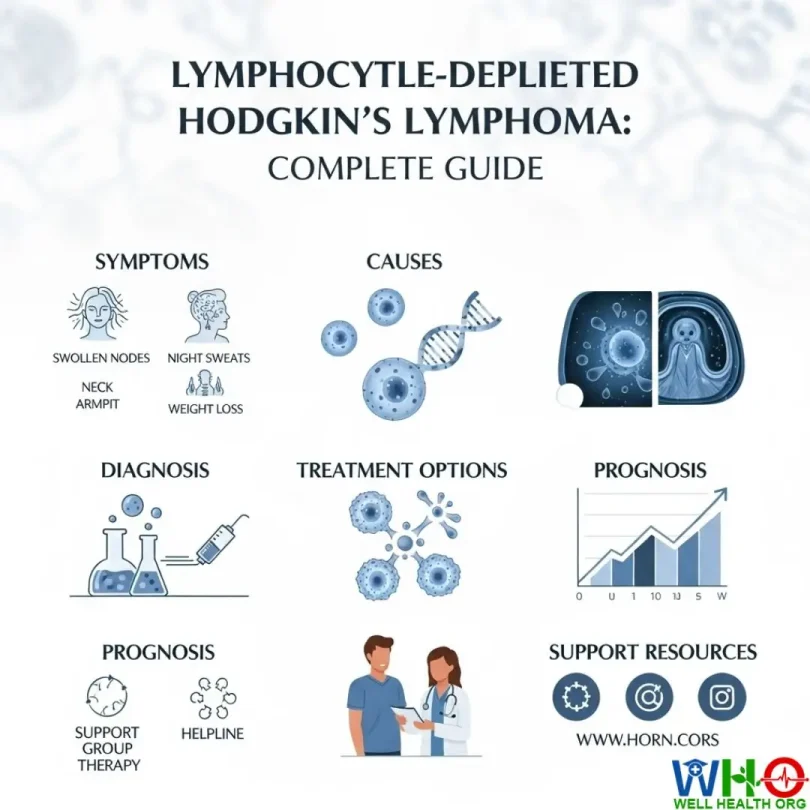
Introduction: Why Understanding LDHL Matters
Lymphocyte-depleted Hodgkin’s lymphoma (LDHL) is one of the rarest forms of Hodgkin’s lymphoma, representing only about 1–1.5% of all classical Hodgkin’s lymphoma cases. While uncommon, it is also known to be one of the most aggressive subtypes, which makes early recognition and treatment absolutely vital. Patients diagnosed with LDHL often face unique challenges compared to those with other subtypes of Hodgkin’s lymphoma. This guide is designed to provide a clear, comprehensive, and human-friendly explanation of LDHL — from what it is, why it develops, how to recognize its symptoms, to the most effective treatment options available today.
- Introduction: Why Understanding LDHL Matters
- What is Lymphocyte-Depleted Hodgkin’s Lymphoma?
- What Makes LDHL Different from Other Hodgkin’s Lymphomas?
- 1. Cellular Makeup
- 2. Aggressiveness
- 3. Patient Demographics
- 4. Diagnostic Markers
- 5. Prognosis
- Recognizing the Symptoms of LDHL
- Primary Symptoms
- “B Symptoms” (Advanced Warning Signs)
- When to Seek Medical Attention
- Causes and Risk Factors: Why Does LDHL Develop?
- 1. Age
- 2. Immune System Weakness
- 3. Epstein-Barr Virus (EBV)
- 4. Genetic Changes
- 5. Environmental & Lifestyle Factors
- How Doctors Diagnose Lymphocyte-Depleted Hodgkin’s Lymphoma
- 1. Initial Evaluation
- 2. Imaging Tests
- 3. The Definitive Step: Biopsy
- 4. Additional Genetic & Viral Testing
- Treatment Options for LDHL
- 1. Standard Chemotherapy
- 2. Radiation Therapy
- 3. Stem Cell Transplantation
- 4. Targeted Therapy
- 5. Immunotherapy
- Treatment Planning Considerations
- Prognosis and Long-Term Outlook
- Factors That Influence Prognosis
- Long-Term Follow-Up Care
- Potential Long-Term Side Effects
- Living with LDHL: Support, Coping, and Daily Life
- 1. Professional Support Services
- 2. Mental and Emotional Well-Being
- 3. Family and Caregiver Support
- Organizations and Resources for LDHL Patients
- Lifestyle Adjustments During and After Treatment
- 1. Nutrition
- 2. Exercise
- 3. Avoiding Infections
- 4. Sleep and Rest
- Taking the Next Steps: Advocating for Your Health
- Conclusion: Finding Hope with LDHL
- Frequently Asked Questions (FAQs)
If you or a loved one has received this diagnosis, the medical jargon may feel overwhelming. That’s why this article breaks down everything in simple but detailed language while still maintaining scientific accuracy, drawing on information from trusted medical guidelines and expert consensus. You’ll also find real-life insights, supportive care tips, and practical advice to help you navigate the journey more confidently.
What is Lymphocyte-Depleted Hodgkin’s Lymphoma?
To understand LDHL, it helps to know a bit about the lymphatic system, which plays a central role in our immune defense. The lymphatic system is a network of lymph nodes, vessels, and organs (like the spleen, thymus, and bone marrow) that help filter harmful substances and fight infections. Within this system, lymphocytes — a type of white blood cell — serve as the frontline soldiers against infections and diseases.
In LDHL, however, this defense system becomes compromised. Instead of functioning normally, abnormal B lymphocytes multiply uncontrollably and transform into what are known as Reed-Sternberg cells. These cells are the classic hallmark of all types of Hodgkin’s lymphoma. The difference with LDHL lies in the imbalance of cellular makeup:
- Very few normal lymphocytes remain in the tumor tissue.
- Reed-Sternberg cells dominate, crowding out healthy immune cells.
- The lack of lymphocytes weakens the body’s ability to fight infections, while the excess abnormal cells fuel cancer progression.
Because of this unusual cellular profile, LDHL tends to be more aggressive than other forms of Hodgkin’s lymphoma. It often advances quickly, is usually diagnosed at a later stage, and requires intensive treatment strategies.
What Makes LDHL Different from Other Hodgkin’s Lymphomas?
While all subtypes of Hodgkin’s lymphoma share the defining feature of Reed-Sternberg cells, LDHL stands out due to its distinctive characteristics. Here’s what sets it apart:
1. Cellular Makeup
- Low lymphocyte count: Unlike other types where healthy lymphocytes are more abundant, LDHL shows a striking depletion of these protective immune cells.
- High Reed-Sternberg cell presence: These large, abnormal cells with their signature “owl’s eye” nuclei take over the tissue.
2. Aggressiveness
LDHL is often faster-progressing and more resistant to treatment compared to other classical subtypes like nodular sclerosis or mixed cellularity Hodgkin’s lymphoma.
3. Patient Demographics
- LDHL is more common in older adults (usually over 55).
- It is also seen more frequently in people with compromised immune systems — such as those living with HIV/AIDS, organ transplant recipients on immunosuppressive drugs, or individuals with inherited immune deficiencies.
4. Diagnostic Markers
In the lab, Reed-Sternberg cells in LDHL typically test positive for CD30 and may also show CD15, PAX5, and LMP1 (linked to Epstein-Barr virus infection). These markers help pathologists confirm the diagnosis under the microscope.
5. Prognosis
Because LDHL often appears at more advanced stages, outcomes can be more challenging. Still, with modern chemotherapy, immunotherapy, and stem cell transplant options, survival rates have improved significantly.
Recognizing the Symptoms of LDHL
One of the most important steps in managing LDHL is recognizing its early warning signs. Symptoms may overlap with other Hodgkin’s lymphoma subtypes, but in LDHL, they often develop and worsen more quickly.
Primary Symptoms
- Lymph Node Swelling: The most common sign. Swelling occurs in lymph nodes located in the neck, armpits, or groin. These swollen nodes are usually firm, painless, and persistent. Unlike swollen nodes from an infection, they don’t go away on their own.
- Respiratory Issues: If the disease affects lymph nodes in the chest, it can cause chronic coughing, chest pain, and difficulty breathing. These symptoms often worsen when lying flat.
- Unexplained Fatigue: Patients often describe a deep, unrelenting tiredness that doesn’t improve with sleep or rest. This fatigue can significantly affect daily life.
- Persistent Itching (Pruritus): Many LDHL patients experience intense, widespread itching without a rash or visible cause. Itching may worsen at night, interfering with sleep and overall comfort.
“B Symptoms” (Advanced Warning Signs)
Doctors classify certain symptoms as “B symptoms”, which often indicate that the lymphoma has spread more extensively:
- Unexplained Fever: Cyclical fevers that come and go without infection.
- Drenching Night Sweats: So intense that patients often wake up soaked and need to change clothes or bedding.
- Unintentional Weight Loss: Losing 10% or more of body weight in six months without dieting or exercise.
When to Seek Medical Attention
If you notice any of these symptoms — especially persistent lymph node swelling, unexplained fevers, or significant fatigue — it’s critical to see a doctor. Early evaluation may not always mean cancer, but if it is LDHL, early treatment could greatly improve outcomes.
⚠️ Tip: Don’t ignore ongoing symptoms. Many patients delay seeing a doctor because the swelling isn’t painful or because fatigue is brushed off as stress. Trust your instincts if something feels “off.”
Causes and Risk Factors: Why Does LDHL Develop?
The exact cause of LDHL is not fully understood, but researchers have identified several risk factors that may increase susceptibility. These include a combination of genetic, viral, immune-related, and environmental influences.
1. Age
LDHL is most often diagnosed in older adults over 55, which makes it different from other Hodgkin’s lymphomas that commonly affect young adults.
2. Immune System Weakness
People with weakened immune systems are at higher risk. This includes:
- HIV/AIDS patients
- Organ transplant recipients on long-term immunosuppressive medications
- Individuals with inherited immune deficiencies
3. Epstein-Barr Virus (EBV)
A striking 60–72% of LDHL cases test positive for EBV. This virus, which also causes mononucleosis, may play a role in triggering abnormal B cell changes that lead to Reed-Sternberg cell formation.
4. Genetic Changes
While LDHL is not inherited, mutations in B cells that occur during a person’s lifetime may transform normal immune cells into cancerous ones.
5. Environmental & Lifestyle Factors
Some research suggests possible links between LDHL and:
- Previous radiation therapy for other cancers
- Occupational exposure to chemicals like pesticides or solvents
- Autoimmune conditions
These connections are still being studied, and more research is needed to confirm direct causes.
⚠️ Important Note: Having one or more risk factors does not mean you will definitely develop LDHL. Many people with risk factors never get the disease, while some patients diagnosed with LDHL have no clear risk factors at all.
How Doctors Diagnose Lymphocyte-Depleted Hodgkin’s Lymphoma
Because LDHL is so rare and shares symptoms with other conditions, a thorough and careful diagnostic process is required. Doctors need to rule out infections, autoimmune disorders, and other cancers before confirming LDHL. Diagnosis usually involves a combination of medical history, physical exams, imaging tests, biopsies, and lab analysis.
1. Initial Evaluation
The first step is often a detailed consultation with a physician. This includes:
- Medical history review: Your doctor will ask about the duration of symptoms such as swollen lymph nodes, fever, night sweats, weight loss, or fatigue. Family medical history, past infections, and any history of cancer treatment are also important.
- Physical examination: Special attention is given to palpating lymph nodes in the neck, underarms, and groin. Doctors also check for an enlarged spleen or liver, which may suggest advanced disease.
- Blood tests: These include a complete blood count (CBC) to look for abnormalities such as low white blood cells or anemia. Other blood work can help assess liver and kidney function and rule out infections that mimic lymphoma symptoms.
2. Imaging Tests
Once suspicion is raised, imaging studies provide critical information about how far the disease has spread.
- CT Scans (Computed Tomography): Produces detailed cross-sectional images of the body and highlights enlarged lymph nodes.
- PET Scans (Positron Emission Tomography): Detects cancer cells based on their high metabolic activity. PET scans are especially useful for staging the disease and monitoring treatment response.
- MRI (Magnetic Resonance Imaging): Less common but may be used to evaluate certain body areas, particularly the brain or spinal cord, if there are concerning symptoms.
3. The Definitive Step: Biopsy
The gold standard for diagnosis is a lymph node biopsy. In LDHL, doctors usually prefer an excisional biopsy, where an entire lymph node (or a significant portion) is surgically removed for analysis. Fine-needle aspiration often isn’t sufficient because it doesn’t provide enough tissue.
Pathologists then examine the sample under a microscope to identify Reed-Sternberg cells and the lack of normal lymphocytes. Special lab tests called immunophenotyping detect cell surface proteins (markers such as CD30, CD15, and PAX5). If present, these confirm the diagnosis of Hodgkin’s lymphoma, and when combined with the depleted lymphocyte environment, specifically LDHL.
4. Additional Genetic & Viral Testing
Some cases undergo genetic testing to understand the mutations driving the disease. Tests may also detect the presence of Epstein-Barr virus (EBV) in cancer cells, which is more common in LDHL than in other subtypes.
Treatment Options for LDHL
Treating LDHL requires a personalized approach because the disease is both rare and aggressive. The treatment strategy depends on factors such as disease stage, patient’s age, overall health, and presence of B symptoms. Thankfully, medical advancements in chemotherapy, radiation, immunotherapy, and stem cell transplantation have significantly improved survival outcomes.
1. Standard Chemotherapy
Chemotherapy remains the foundation of LDHL treatment. Unlike some cancers where targeted therapy may come first, LDHL usually requires aggressive multi-drug regimens.
The most common protocols include:
- ABVD (Adriamycin, Bleomycin, Vinblastine, Dacarbazine): A widely used regimen with relatively manageable side effects.
- BEACOPP (Bleomycin, Etoposide, Adriamycin, Cyclophosphamide, Oncovin, Procarbazine, Prednisone): A more intensive regimen used for advanced cases, though it carries higher toxicity risks.
- CHOP (Cyclophosphamide, Hydroxydaunorubicin, Oncovin, Prednisone): Less commonly used for Hodgkin’s but sometimes considered in select cases.
Each of these combinations is given in cycles over several months, with careful monitoring for side effects such as nausea, fatigue, infections, and organ toxicity.
2. Radiation Therapy
Radiation uses high-energy beams to target and destroy cancer cells. It may be used in LDHL:
- After chemotherapy, to eliminate remaining cancer in affected lymph node regions.
- As primary treatment in very early, localized cases.
- For palliative purposes in advanced cases, to shrink tumors and relieve symptoms like chest pressure or pain.
3. Stem Cell Transplantation
If the disease does not respond well to initial therapy or relapses after treatment, doctors may recommend stem cell transplantation. This involves high-dose chemotherapy to destroy cancerous cells followed by infusion of healthy stem cells to rebuild the immune system.
- Autologous transplant: Uses the patient’s own previously collected stem cells.
- Allogeneic transplant: Uses donor stem cells. This carries more risk but may provide stronger anti-cancer effects.
4. Targeted Therapy
Advances in medical research have led to newer treatments designed to attack cancer cells more precisely.
- Brentuximab vedotin: A drug that targets the CD30 protein on Reed-Sternberg cells and delivers a toxin directly to them.
- Checkpoint inhibitors (e.g., Pembrolizumab, Nivolumab): These drugs boost the immune system’s ability to recognize and attack cancer cells. They have shown promising results, especially in relapsed or refractory LDHL cases.
5. Immunotherapy
In addition to checkpoint inhibitors, other immunotherapy strategies are being tested in clinical trials. These treatments aim to enhance the body’s natural defenses to fight LDHL more effectively.
Treatment Planning Considerations
Every LDHL case is different, which means there is no one-size-fits-all approach. Doctors develop a tailored treatment plan by evaluating:
- The stage of the disease (I–IV)
- Presence of B symptoms
- Age and overall health of the patient
- Previous medical history and tolerance for side effects
- Patient’s personal goals and quality-of-life priorities
⚠️ Practical Tip: Don’t hesitate to ask your doctor about the risks and benefits of each treatment option. For example, while BEACOPP may be more aggressive, ABVD may be safer for older adults with heart or lung conditions.
Prognosis and Long-Term Outlook
Although LDHL has historically been associated with a poorer prognosis compared to other subtypes of Hodgkin’s lymphoma, outcomes have improved dramatically in recent years. Advances in early diagnosis, treatment regimens, and supportive care mean that many patients can achieve remission and long-term survival.
Factors That Influence Prognosis
- Stage at Diagnosis: Patients diagnosed at earlier stages (I or II) generally have better outcomes.
- Age: Younger patients tend to respond more favorably to treatment.
- Overall Health: The ability to tolerate chemotherapy or stem cell transplant plays a big role.
- Response to Initial Therapy: Patients who achieve remission after the first line of treatment have significantly better survival rates.
- Presence of B Symptoms: These usually indicate more advanced disease and may lower survival rates.
Long-Term Follow-Up Care
After completing treatment, patients require ongoing monitoring to ensure the disease does not return and to manage any long-term side effects. Follow-up care usually includes:
- Regular physical exams
- Blood tests to check organ function and look for late effects of treatment
- Imaging studies to detect recurrence
- Screening for secondary cancers caused by chemotherapy or radiation exposure
Potential Long-Term Side Effects
Some treatments can cause lasting complications, such as:
- Heart and lung problems from chemotherapy drugs or radiation
- Secondary cancers later in life
- Fertility challenges, especially with intensive chemotherapy or radiation near reproductive organs
- Thyroid dysfunction if radiation affects the neck area
Patients should discuss fertility preservation, heart health monitoring, and lifestyle modifications with their doctors before starting treatment.
Living with LDHL: Support, Coping, and Daily Life
A diagnosis of lymphocyte-depleted Hodgkin’s lymphoma can feel overwhelming. Beyond the medical treatments, patients and their families face emotional, physical, and lifestyle challenges. Successfully navigating life with LDHL requires a holistic approach that includes medical care, emotional support, and practical strategies for daily living.
1. Professional Support Services
Patients often benefit from working with a multidisciplinary care team. This may include:
- Oncology social workers: They help with non-medical concerns such as insurance navigation, financial aid applications, workplace adjustments, and emotional support for families.
- Dietitians: Cancer treatments often cause nausea, appetite loss, or taste changes. A registered dietitian can help develop meal plans that support strength and immunity.
- Physical therapists: Exercise can reduce fatigue and improve recovery, but patients may need guidance on safe activity levels.
- Palliative care specialists: These experts focus on managing symptoms, improving comfort, and enhancing quality of life, even during active treatment.
2. Mental and Emotional Well-Being
LDHL does not just affect the body — it also affects mental health. Anxiety, depression, and fear of recurrence are common among patients. Coping strategies include:
- Therapy and counseling: Talking with a professional can help patients and caregivers process emotions.
- Mind-body practices: Yoga, meditation, deep-breathing exercises, and mindfulness can reduce stress and improve resilience.
- Support groups: Meeting others facing the same challenges helps patients feel less isolated. Both in-person and online communities exist for lymphoma patients.
3. Family and Caregiver Support
Caregivers play a vital role in the LDHL journey. However, the stress of caregiving can lead to burnout. Families should:
- Share caregiving responsibilities to avoid exhaustion.
- Use respite care services when needed.
- Communicate openly about needs and boundaries.
⚠️ Tip for caregivers: Don’t forget self-care. Supporting a loved one is easier when you maintain your own physical and emotional well-being.
Organizations and Resources for LDHL Patients
Finding trustworthy resources can help patients and families feel more informed and supported. Several well-established organizations provide education, advocacy, and assistance programs:
- Lymphoma Research Foundation (LRF): Offers patient education programs, financial assistance, and access to research updates.
- Leukemia & Lymphoma Society (LLS): Provides patient services, educational materials, and peer-to-peer support.
- American Cancer Society (ACS): Offers resources like transportation assistance, lodging near treatment centers, and survivor programs.
- National Cancer Institute (NCI): Maintains information about current clinical trials and the latest research developments.
In addition to national organizations, many hospitals and cancer centers offer local support programs, including counseling, nutritional workshops, and survivorship clinics.
Lifestyle Adjustments During and After Treatment
Beyond formal treatment, patients can make lifestyle changes to support their recovery and long-term health. These changes are not a replacement for medical care but can complement it effectively.
1. Nutrition
A balanced diet plays a crucial role in helping the body recover from chemotherapy and radiation. Key recommendations include:
- High-protein foods (chicken, fish, legumes, eggs) to repair tissues.
- Antioxidant-rich fruits and vegetables to fight inflammation.
- Whole grains for steady energy.
- Plenty of hydration to flush toxins from the body.
Patients should avoid highly processed foods, excess sugar, and alcohol, especially during active treatment.
2. Exercise
Moderate exercise — even simple daily walks — can:
- Reduce fatigue.
- Boost mood and reduce anxiety.
- Improve heart and lung health.
- Support better sleep.
Always consult with a doctor before starting or adjusting an exercise routine during cancer treatment.
3. Avoiding Infections
Because LDHL patients often have weakened immune systems, infection prevention is critical.
- Wash hands frequently.
- Avoid large crowds or sick individuals during treatment.
- Stay up to date with vaccinations, if approved by your oncologist.
4. Sleep and Rest
Cancer-related fatigue is different from ordinary tiredness. Patients should prioritize restful sleep, consider daytime naps if needed, and create a bedtime routine that supports recovery.
Taking the Next Steps: Advocating for Your Health
One of the most empowering actions a patient can take is to actively participate in their care. This means:
- Asking questions about treatment options and side effects.
- Requesting second opinions if uncertain about the plan.
- Keeping a health journal to track symptoms, medication responses, and emotional well-being.
- Staying informed about clinical trials, especially since LDHL is rare and new therapies are continually being tested.
⚠️ Key Reminder: Every LDHL journey is unique. Some patients respond quickly to first-line treatments, while others may need multiple approaches. What matters most is building a personalized plan in collaboration with a trusted healthcare team.
Conclusion: Finding Hope with LDHL
Lymphocyte-depleted Hodgkin’s lymphoma is undoubtedly a rare and challenging cancer, but advances in modern oncology have brought real hope. Many patients who once faced grim outcomes now achieve remission and long-term survival thanks to new therapies, better diagnostic tools, and comprehensive support systems.
For patients and families, understanding LDHL means more than learning medical facts. It’s about recognizing the importance of early detection, the power of personalized treatment, and the value of emotional and practical support. No one should face this diagnosis alone. With the right medical team, community support, and personal resilience, it is possible not only to fight LDHL but also to live fully while doing so.
Frequently Asked Questions (FAQs)
1. Is LDHL more aggressive than other Hodgkin’s lymphomas?
Yes. LDHL is generally considered the most aggressive subtype of classical Hodgkin’s lymphoma. It often presents at advanced stages, which can make treatment more complex. However, with modern therapies, outcomes are steadily improving.
2. Can LDHL be prevented?
Currently, there is no proven way to prevent LDHL. Reducing risks such as HIV infection, maintaining a strong immune system, and managing overall health may help lower susceptibility, but no guaranteed prevention exists.
3. How long does treatment usually last?
Most chemotherapy regimens last 4–6 months, depending on the disease stage and treatment plan. Radiation, stem cell transplants, or immunotherapy may extend the timeline.
4. What are the chances of survival with LDHL?
Prognosis varies. While LDHL has historically had lower survival rates than other subtypes, outcomes improve significantly when diagnosed early and treated with modern therapies. Individual factors such as age, health, and treatment response strongly influence survival.
5. What should I do if I notice LDHL symptoms?
Don’t delay. See a doctor if you have persistent lymph node swelling, night sweats, unexplained fever, or fatigue. While many conditions can mimic LDHL symptoms, early detection is crucial for effective treatment.
✅ Final Note
If you or a loved one are facing LDHL, remember: you are not alone. Between cutting-edge treatments, dedicated healthcare providers, and supportive communities, there are many resources to guide you through. Stay proactive, stay informed, and most importantly — stay hopeful.
Medically Reviewed by Prof. Dr. Akram
Orthopedic Surgeon | Professor | Senior Medical Specialist
Prof. Dr. Akram is a distinguished surgeon with over 15 years of clinical expertise. Having served as a lead Emergency Specialist at Complex International Government Hospital, he currently leads a specialized team of 13 medical professionals at his private hospital. As a Professor at top medical universities, he ensures that every article on WellHealthOrg.com meets rigorous clinical standards.
Medical Disclaimer:
The information provided is for educational purposes only and is not a substitute for professional medical advice, diagnosis, or treatment. Always consult your physician for any medical concerns.
Our content is rigorously fact-checked by our 13-member Editorial Team under the clinical supervision of Prof. Dr. Akram.