Introduction: The Delicate Balance of Skincare with Rosacea
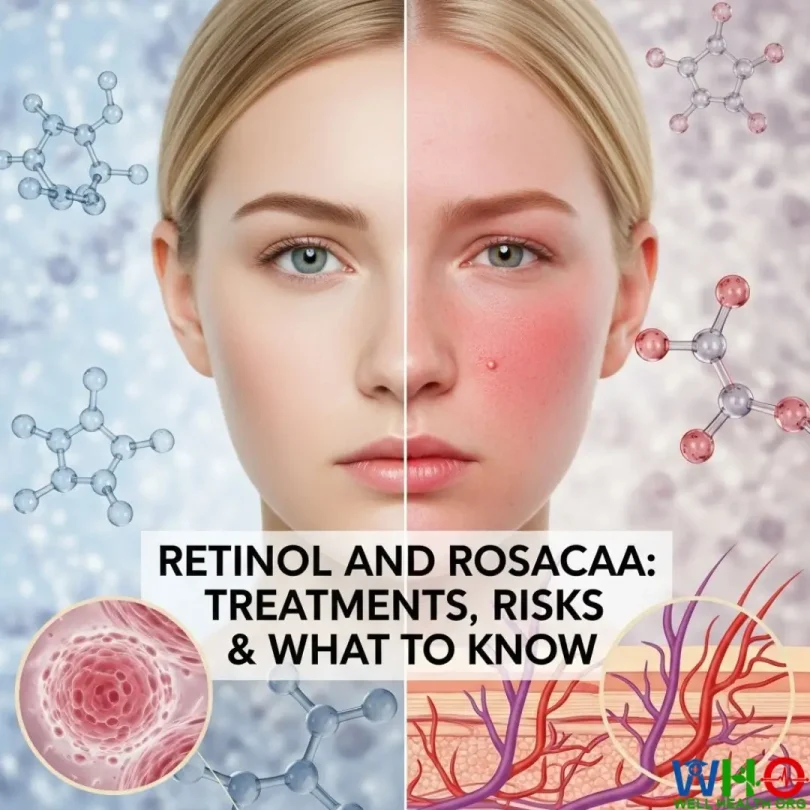
Managing rosacea is often described by dermatologists and patients alike as walking a tightrope. On one side, you’re searching for treatments that can help control redness, flare-ups, and skin sensitivity. On the other, you’re trying to avoid ingredients that might make matters worse. For many people, the challenge lies in figuring out which products calm their skin and which ones ignite inflammation.
- Introduction: The Delicate Balance of Skincare with Rosacea
- What is Retinol and How Does It Work?
- Types of Retinoids
- How Retinoids Work
- Understanding Rosacea: Why the Skin Reacts Differently
- Common Symptoms
- Why Rosacea Skin is More Sensitive
- Potential Benefits of Retinol for Rosacea
- 1. Improving Skin Texture and Signs of Aging
- 2. Preventing Breakouts
- 3. Oral Retinoids for Severe Rosacea
- Important Caveat
- Risks and Side Effects of Retinol in Rosacea-Prone Skin
- 1. Skin Irritation
- 2. Increased Sun Sensitivity
- 3. Pregnancy Risks
- 4. Oral Retinoid Side Effects
- How to Use Retinol Safely If You Have Rosacea
- 1. Start with the Lowest Strength
- 2. Introduce It Slowly
- 3. Buffer with Moisturizer (“Sandwich Method”)
- 4. Apply at Night Only
- 5. Always Pair with Sunscreen
- 6. Avoid Mixing with Harsh Ingredients
- 7. Listen to Your Skin
- Alternative Treatments for Rosacea
- Topical Medications
- Oral Medications
- Laser and Light Therapy
- Gentle Skincare Routine for Rosacea-Prone Skin
- Step 1: Cleanser
- Step 2: Moisturizer
- Step 3: Sunscreen (Morning Routine)
- Step 4: Targeted Treatments
- Lifestyle and Trigger Management
- When to See a Dermatologist
- FAQs: Retinol and Rosacea
- 1. Is retinol safe for rosacea?
- 2. Can retinol make rosacea worse?
- 3. What is the best anti-aging alternative to retinol for rosacea?
- 4. Is oral isotretinoin safe for rosacea?
- 5. Can sunscreen really improve rosacea?
- Final Thoughts: Should Rosacea Patients Use Retinol?
One ingredient that sparks endless debate is retinol. Known as one of the most effective skincare ingredients for anti-aging, acne, and skin renewal, retinol is also infamous for causing irritation, peeling, and redness — which sounds like a recipe for disaster in rosacea-prone skin. So the big question is: Can retinol be used safely if you have rosacea, or is it better to avoid it altogether?
This guide takes a closer look at the complex relationship between retinol and rosacea. We’ll break down what retinol is, how it works, the potential benefits and risks for rosacea sufferers, safe ways to introduce it (if at all), and gentler alternatives to consider. Whether you’ve been recently diagnosed with rosacea, are exploring new treatments, or are simply curious about how retinoids interact with sensitive skin, this article is here to provide clarity.
What is Retinol and How Does It Work?
Before we talk about whether retinol belongs in a rosacea routine, let’s start with the basics. Retinol is part of a family of ingredients known as retinoids, which are derivatives of vitamin A. Retinoids are used both in skincare and medicine because they have profound effects on skin health.
Types of Retinoids
- Over-the-counter (OTC) retinol: Found in many serums and creams marketed for anti-aging. These are weaker but still effective over time.
- Retinaldehyde (retinal): Slightly stronger than retinol but still available in non-prescription skincare.
- Prescription retinoids (e.g., tretinoin, adapalene, tazarotene): More potent and often prescribed for acne, photoaging, or pigmentation.
- Oral isotretinoin (commonly known as Accutane): The strongest form, used for severe acne and sometimes off-label for resistant rosacea.
How Retinoids Work
Retinoids accelerate cell turnover, meaning they push old skin cells to shed faster and stimulate the production of new ones. They also:
- Increase collagen production, helping skin appear firmer and smoother.
- Reduce clogged pores, making them a go-to for acne treatment.
- Improve skin tone and texture, reducing fine lines and pigmentation.
However, the very action that makes retinoids powerful — rapid cell turnover — also explains why they can cause:
- Redness
- Flaking
- Irritation
- A stinging or burning sensation
For rosacea-prone skin, which is already sensitive and reactive, this potential for irritation can be a major concern.
Understanding Rosacea: Why the Skin Reacts Differently
Rosacea is a chronic inflammatory skin disorder that affects an estimated 16 million Americans and many more worldwide. While it’s most common in adults between 30 and 50, it can occur in anyone, regardless of age or skin type.
Common Symptoms
- Facial redness and flushing (often triggered by heat, alcohol, or stress)
- Visible blood vessels (telangiectasia)
- Papules and pustules that resemble acne but are actually inflammation-based
- Thickened skin, particularly around the nose (phymatous rosacea)
- Eye irritation, leading to burning, watery, or bloodshot eyes (ocular rosacea)
Why Rosacea Skin is More Sensitive
Researchers believe rosacea develops due to a mix of genetics, immune system irregularities, and environmental triggers. What sets rosacea apart from normal skin is that it has an overreactive barrier and immune response. This means:
- Ingredients that would be tolerable for most people can cause burning, stinging, and redness in rosacea patients.
- Blood vessels in the skin dilate more easily, leading to persistent flushing.
- Chronic inflammation makes the skin barrier weaker, trapping patients in a cycle of irritation.
Because of this sensitivity, dermatologists often recommend avoiding strong actives like alcohol-based products, harsh exfoliants, menthol, witch hazel, and — sometimes — retinoids.
Potential Benefits of Retinol for Rosacea
At first glance, retinol seems like a bad match for rosacea. However, under controlled conditions and medical supervision, some forms of retinoids may offer benefits.
1. Improving Skin Texture and Signs of Aging
Rosacea patients, like anyone else, may want to reduce fine lines, wrinkles, and uneven tone. Low-dose retinol, used carefully, can improve these concerns by stimulating collagen and helping the skin renew itself.
2. Preventing Breakouts
Some rosacea subtypes (especially papulopustular rosacea) involve acne-like breakouts. Retinoids can help keep pores clear and reduce inflammation-driven bumps once the skin is under control.
3. Oral Retinoids for Severe Rosacea
In cases where standard rosacea treatments don’t work, dermatologists sometimes prescribe oral isotretinoin off-label. Research shows it can:
- Reduce skin inflammation
- Improve thickened skin (phymatous rosacea)
- Regulate immune response in resistant cases
Important Caveat
The American Academy of Dermatology (AAD) does not recommend topical retinoids for active rosacea flare-ups. Retinoids may be considered only after inflammation is under control, and even then, under strict medical guidance.
In other words: Retinoids can be helpful in the right situation, but they are never the first choice for managing rosacea.
Risks and Side Effects of Retinol in Rosacea-Prone Skin
For all the possible benefits, retinol carries real risks that rosacea patients should weigh carefully.
1. Skin Irritation
The most immediate and common side effect is irritation — redness, stinging, burning, peeling, or worsening of rosacea flare-ups.
2. Increased Sun Sensitivity
Retinoids thin the outer skin temporarily, making it more vulnerable to UV damage. Since sun exposure is already a major rosacea trigger, this doubles the risk.
3. Pregnancy Risks
- Oral isotretinoin is strictly banned during pregnancy due to its link with severe birth defects and pregnancy loss.
- Even topical retinoids carry pregnancy warnings, meaning they should be avoided if you’re pregnant or trying to conceive.
4. Oral Retinoid Side Effects
Isotretinoin can cause systemic side effects, including:
- Extremely dry skin, lips, and nasal passages
- Joint or muscle pain
- Hair thinning
- Mood changes or headaches (rare but documented)
Because of these risks, isotretinoin is tightly regulated and prescribed only in severe, treatment-resistant cases.
⚠️ Bottom line: Retinol and other retinoids are not first-line rosacea treatments. They can sometimes be used under medical supervision, but risks often outweigh benefits for mild to moderate cases.
How to Use Retinol Safely If You Have Rosacea
If your dermatologist believes that a retinoid could benefit your skin despite rosacea, it’s crucial to use it with extra caution. The key is to minimize irritation while still gaining potential benefits. Here’s how:
1. Start with the Lowest Strength
- Begin with an OTC retinol at a concentration of 0.1%–0.3%.
- Avoid prescription-strength options like tretinoin unless specifically prescribed by your dermatologist.
2. Introduce It Slowly
- Apply retinol once a week for the first 2–3 weeks.
- If tolerated, increase to twice a week. Only move to more frequent use after several months without major irritation.
3. Buffer with Moisturizer (“Sandwich Method”)
- Apply a thin layer of moisturizer first.
- Then apply a pea-sized amount of retinol.
- Follow with another layer of moisturizer.
This creates a protective cushion and reduces irritation.
4. Apply at Night Only
Retinol breaks down in sunlight and increases sensitivity, so it should only be used in your nighttime routine.
5. Always Pair with Sunscreen
Since UV rays worsen both rosacea and retinol irritation, a broad-spectrum SPF 30+ sunscreen is non-negotiable. Daily use helps prevent flare-ups, sun damage, and premature aging.
6. Avoid Mixing with Harsh Ingredients
Do not combine retinol with:
- Exfoliating acids (AHAs, BHAs like glycolic or salicylic acid)
- Benzoyl peroxide
- Harsh scrubs
- Alcohol-based toners
These combinations can overwhelm rosacea-prone skin and lead to painful flare-ups.
7. Listen to Your Skin
If redness, stinging, or peeling worsen, stop immediately. Resume only under your dermatologist’s advice, or consider alternatives that are gentler on sensitive skin.
Alternative Treatments for Rosacea
For many people with rosacea, safer and more effective options exist compared to retinol. Here’s a breakdown of doctor-recommended alternatives:
Topical Medications
- Azelaic Acid (15–20%)
- Calms redness and reduces bumps.
- Less irritating than retinoids.
- Metronidazole Cream/Gel
- Often a first-line prescription for rosacea.
- Reduces inflammation and papules.
- Ivermectin (Soolantra)
- Kills Demodex mites (thought to contribute to rosacea).
- Reduces inflammation and pustules.
- Brimonidine (Mirvaso) or Oxymetazoline (Rhofade)
- Constricts blood vessels temporarily.
- Reduces redness for several hours after application.
Oral Medications
- Low-dose Doxycycline (antibiotic)
- Used not for its antibacterial effects but for its anti-inflammatory properties.
- Isotretinoin (Accutane)
- Reserved for severe, treatment-resistant rosacea.
- Requires strict monitoring due to strong side effects.
- Beta-blockers (e.g., Propranolol)
- Sometimes prescribed to control severe flushing and blushing.
Laser and Light Therapy
- Vascular Lasers (PDL, Nd:YAG)
- Targets blood vessels to reduce visible redness and broken capillaries.
- Intense Pulsed Light (IPL)
- Improves flushing and persistent redness.
These treatments are often effective for patients whose primary symptom is persistent facial redness.
Gentle Skincare Routine for Rosacea-Prone Skin
Whether or not you decide to try retinol, having the right skincare foundation is essential. A well-structured routine helps reduce flare-ups and strengthen the skin barrier.
Step 1: Cleanser
- Use a gentle, sulfate-free cleanser with a pH close to skin’s natural level (~5.5).
- Avoid foaming cleansers with strong surfactants.
Step 2: Moisturizer
- Look for ceramide-rich, fragrance-free moisturizers.
- Ingredients like niacinamide, hyaluronic acid, and squalane can soothe without irritation.
Step 3: Sunscreen (Morning Routine)
- Use a mineral sunscreen (zinc oxide or titanium dioxide).
- These are generally better tolerated than chemical sunscreens in rosacea patients.
Step 4: Targeted Treatments
- Instead of retinol, consider azelaic acid or metronidazole as safer options.
Lifestyle and Trigger Management
Rosacea flare-ups are often linked to triggers, which vary from person to person. Keeping a rosacea diary can help identify and manage yours. Common triggers include:
- Hot beverages and spicy foods
- Alcohol (especially red wine)
- Sun exposure
- Emotional stress
- Hot showers or saunas
- Extreme temperatures (cold wind or heat)
Managing triggers is as important as medical treatment. By reducing exposure, you can prevent flare-ups and maintain more stable skin health.
When to See a Dermatologist
You should consult a dermatologist if you:
- Have persistent facial redness that doesn’t improve with lifestyle changes.
- Experience frequent flushing or burning.
- Notice acne-like bumps that don’t respond to OTC products.
- Are considering retinol or prescription treatments.
A professional can confirm whether it’s rosacea or another condition (like acne, lupus, or seborrheic dermatitis, which can look similar).
FAQs: Retinol and Rosacea
1. Is retinol safe for rosacea?
Generally, topical retinol is not recommended for active rosacea. It may be considered in low doses once inflammation is controlled, but only under medical supervision.
2. Can retinol make rosacea worse?
Yes. For many people, it causes increased redness, burning, and peeling, worsening symptoms.
3. What is the best anti-aging alternative to retinol for rosacea?
- Bakuchiol (a plant-based retinol alternative)
- Niacinamide (soothes redness, strengthens skin barrier)
- Peptides (support collagen without irritation)
4. Is oral isotretinoin safe for rosacea?
In select cases, yes — but it’s only used when all other treatments fail. It requires strict monitoring due to potential side effects.
5. Can sunscreen really improve rosacea?
Absolutely. Since UV exposure is one of the strongest rosacea triggers, sunscreen is often described by dermatologists as the single most important skincare step for rosacea patients.
Final Thoughts: Should Rosacea Patients Use Retinol?
Retinol is a powerful tool in skincare, but for rosacea patients, it’s often a double-edged sword. While certain forms of retinoids (especially oral isotretinoin) have a place in treating severe rosacea, topical retinol is usually too harsh for sensitive, rosacea-prone skin.
If you want to try it, proceed only with:
✔️ A dermatologist’s guidance
✔️ The lowest possible strength
✔️ A cautious, slow introduction
✔️ Proper sun protection and supportive skincare
For most people, however, gentler alternatives like azelaic acid, niacinamide, and laser therapy provide excellent results without the same risks.
At the end of the day, rosacea management is about personalization. No two patients experience the exact same symptoms or triggers, which is why a customized treatment plan guided by a dermatologist is the safest, most effective way forward.
Medically Reviewed by Prof. Dr. Akram
Orthopedic Surgeon | Professor | Senior Medical Specialist
Prof. Dr. Akram is a distinguished surgeon with over 15 years of clinical expertise. Having served as a lead Emergency Specialist at Complex International Government Hospital, he currently leads a specialized team of 13 medical professionals at his private hospital. As a Professor at top medical universities, he ensures that every article on WellHealthOrg.com meets rigorous clinical standards.
Medical Disclaimer:
The information provided is for educational purposes only and is not a substitute for professional medical advice, diagnosis, or treatment. Always consult your physician for any medical concerns.
Our content is rigorously fact-checked by our 13-member Editorial Team under the clinical supervision of Prof. Dr. Akram.