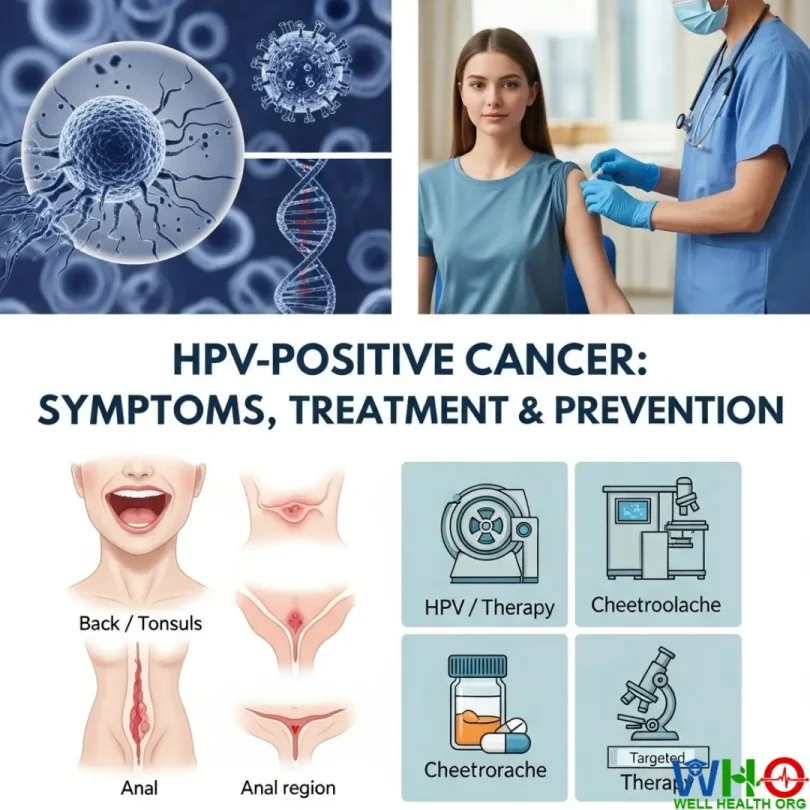
Human papillomavirus (HPV) is one of the most common viral infections in the world. While many HPV infections clear on their own without causing harm, certain strains — especially the “high-risk” types — can cause serious health problems, including cancer.
- What is HPV-Positive Cancer?
- Why the HPV-Positive Classification Matters
- Common Types of HPV-Positive Cancers
- 1. Cervical Cancer
- 2. Oropharyngeal Cancer
- 3. Anal Cancer
- 4. Penile Cancer
- 5. Vulvar Cancer
- 6. Vaginal Cancer
- Why Understanding Types Matters
- Symptoms of HPV-Positive Cancer
- Cervical Cancer Symptoms
- Oropharyngeal (Throat) Cancer Symptoms
- Anal Cancer Symptoms
- Penile Cancer Symptoms
- Vulvar and Vaginal Cancer Symptoms
- Why Symptoms Can Be Misleading
- When to See a Doctor
- Red Flag Symptoms to Never Ignore
- Routine Screenings Save Lives
- Practical Advice
- Causes and Risk Factors of HPV-Positive Cancer
- High-Risk HPV Strains
- How HPV Leads to Cancer
- Additional Risk Factors
- Real-World Example
- Treatment Options for HPV-Positive Cancer
- 1. Surgery
- 2. Radiation Therapy
- 3. Chemotherapy
- 4. Targeted Therapy
- 5. Immunotherapy
- Coping with Side Effects
- Common Side Effects and Management Tips
- Patient Experience Example
- Prevention of HPV-Positive Cancers
- HPV Vaccination
- Other Preventive Measures
- Important Note
- Hope, Prognosis, and Survival Rates
- Why Prognosis is Better
- Survival Statistics
- Quality of Life After Treatment
- Living with an HPV-Positive Cancer Diagnosis
- Emotional and Mental Health
- Lifestyle Adjustments During Treatment
- Building a Long-Term Health Plan
- Patient Story
- Research and Advancements in HPV-Positive Cancer Treatment
- 1. De-escalation Therapy
- 2. Personalized Medicine
- 3. Immunotherapy Advancements
- 4. Minimally Invasive Surgery
- 5. Long-Term Survivorship Studies
- Common Myths and Misconceptions About HPV-Positive Cancer
- Myth 1: Only Women Get HPV-Related Cancer
- Myth 2: HPV Infection Always Leads to Cancer
- Myth 3: If You Have HPV, You Must Have Been Promiscuous
- Myth 4: The HPV Vaccine is Only for Teenagers
- Myth 5: HPV-Positive Cancers Have a Poor Prognosis
- Supportive Care for Patients and Families
- 1. Emotional and Psychological Support
- 2. Nutritional Support
- 3. Speech and Physical Therapy
- 4. Financial and Practical Support
- 5. Family and Caregiver Support
- The Role of Regular Screenings and Early Detection
- Cervical Cancer Screening
- Oral and Throat Cancers
- Anal Cancer Screening
- Why Early Detection Matters
- Looking Ahead: The Future of HPV-Positive Cancer Care
- Key Future Directions
- Hope for Patients
- Conclusion: Taking Charge Against HPV-Positive Cancer
- Frequently Asked Questions (FAQs)
- 1. Can HPV-positive cancer be completely cured?
- 2. If I get the HPV vaccine, am I 100% protected against cancer?
- 3. Can men develop HPV-positive cancer, or is it only a women’s concern?
- 4. Are HPV infections always permanent?
- 5. How can I support a loved one with HPV-positive cancer?
- Final Thoughts
When HPV doesn’t go away, it may alter the DNA of infected cells, leading to uncontrolled cell growth. This condition is referred to as HPV-positive cancer, and it can affect several areas of the body such as the cervix, throat, anus, penis, vulva, and vagina.
Because HPV-positive cancers often behave differently from HPV-negative cancers, understanding the symptoms, causes, treatment options, and prevention strategies is crucial. Whether you’re newly diagnosed, supporting someone, or simply learning more about HPV, this guide will help you navigate the topic with clarity.
What is HPV-Positive Cancer?
HPV-positive cancer refers to any cancer that develops due to a persistent infection with high-risk HPV strains. HPV primarily targets epithelial cells — the cells that line surfaces of the skin, cervix, throat, and other mucous membranes.
In most cases, the immune system clears HPV infections within one to two years. However, when high-risk strains such as HPV 16 or HPV 18 remain in the body, they can integrate into the host’s DNA. This disrupts normal cell regulation, leading to precancerous changes that may eventually progress into cancer.
Why the HPV-Positive Classification Matters
When cancer cells are tested and found to contain HPV DNA, the cancer is labeled “HPV-positive.” This distinction is important because:
- Response to treatment differs: Many HPV-positive cancers respond better to radiation and chemotherapy than their HPV-negative counterparts.
- Prognosis is often better: Studies show that HPV-positive head and neck cancers, for example, often have a more favorable outcome.
- Prevention strategies are clearer: HPV vaccines target the very strains responsible for these cancers, offering a strong preventive tool.
HPV-positive cancers are most closely linked with cervical cancer but are increasingly recognized as major contributors to oropharyngeal (throat), anal, penile, vulvar, and vaginal cancers.
Common Types of HPV-Positive Cancers
HPV can affect multiple regions of the body, especially areas where skin meets mucous membranes. Below are the most common types of HPV-related cancers:
1. Cervical Cancer
- Nearly all cases of cervical cancer are linked to HPV.
- The infection causes abnormal changes in cervical cells, which can progress from precancerous lesions to invasive cancer if untreated.
- Regular Pap tests and HPV screenings have dramatically reduced cervical cancer rates in many countries.
2. Oropharyngeal Cancer
- Affects the back of the throat, base of the tongue, and tonsils.
- Once mainly associated with smoking and alcohol, a growing number of cases are now linked to HPV infections.
- HPV-positive oropharyngeal cancers generally respond better to treatment than HPV-negative cases.
3. Anal Cancer
- Roughly 90% of anal cancers are associated with HPV.
- More common in individuals with weakened immune systems, including people living with HIV.
4. Penile Cancer
- Though rare, HPV accounts for a significant portion of penile cancer cases.
- Early symptoms may include visible skin changes on the penis, such as sores or discoloration.
5. Vulvar Cancer
- Persistent HPV infections cause many vulvar cancers, especially among younger women.
- Symptoms often include itching, skin changes, or pain in the vulva.
6. Vaginal Cancer
- HPV contributes to most vaginal cancers, although these are relatively rare compared to cervical cancer.
Why Understanding Types Matters
Each type of HPV-positive cancer has unique symptoms, risk factors, and treatment responses. Knowing these differences helps with early detection and personalized care planning.
Symptoms of HPV-Positive Cancer
The symptoms of HPV-related cancers can be subtle, vary widely, and often resemble non-cancerous conditions. This makes awareness and routine screening especially important.
Cervical Cancer Symptoms
- Unusual vaginal bleeding (between periods, after sex, or after menopause)
- Pelvic or lower back pain
- Pain during intercourse
- Unusual vaginal discharge
Oropharyngeal (Throat) Cancer Symptoms
- Persistent sore throat or hoarseness
- Difficulty or pain while swallowing
- Ear pain without infection
- Swollen lymph nodes in the neck
- Unexplained weight loss
Anal Cancer Symptoms
- Rectal bleeding
- Pain, itching, or a lump near the anus
- Abnormal discharge
- Changes in bowel habits (constipation, narrowing of stool, etc.)
Penile Cancer Symptoms
- Skin thickening, sores, or growths on the penis
- Color changes in penile skin
- Foul-smelling discharge
- Swelling at the tip of the penis
Vulvar and Vaginal Cancer Symptoms
- Chronic itching or burning sensations
- Skin changes (rashes, lumps, or sores)
- Persistent tenderness or pain
- Abnormal bleeding or discharge
Why Symptoms Can Be Misleading
Because many of these symptoms overlap with benign conditions (like infections or hemorrhoids), regular checkups and screenings are vital. Early detection often makes the difference between simple treatment and complex cancer therapy.
When to See a Doctor
One of the most important steps in preventing advanced HPV-related cancer is knowing when to seek medical evaluation.
Red Flag Symptoms to Never Ignore
- Persistent bleeding or sores that don’t heal
- Unexplained weight loss or fatigue
- Difficulty swallowing or chronic hoarseness
- New lumps or swollen lymph nodes in the neck, groin, or anal area
Routine Screenings Save Lives
- Pap Smears: Detect precancerous cervical cell changes early.
- HPV DNA Tests: Identify high-risk HPV strains before cancer develops.
- Anal Pap Tests: Sometimes recommended for high-risk groups, such as men who have sex with men or immunocompromised individuals.
Practical Advice
If you’re experiencing persistent or unusual symptoms, do not wait. Early consultation with a healthcare provider dramatically increases the chances of successful treatment.
Causes and Risk Factors of HPV-Positive Cancer
Not everyone with HPV will develop cancer. In fact, most people will clear the virus naturally. But certain factors make persistent infections more likely and increase the chance of progression to cancer.
High-Risk HPV Strains
- Out of more than 100 types of HPV, 12 are classified as high-risk, with HPV 16 and HPV 18 being the most dangerous.
- These strains account for the majority of cervical and oropharyngeal cancers worldwide.
How HPV Leads to Cancer
- The virus infects epithelial cells.
- In persistent infections, HPV integrates its DNA into host cells.
- This disrupts tumor suppressor genes, leading to uncontrolled cell division.
- Over time, precancerous lesions develop into malignant tumors.
Additional Risk Factors
- Weakened immune system: HIV, organ transplants, or immunosuppressive drugs increase vulnerability.
- Multiple sexual partners: Raises the likelihood of contracting high-risk HPV strains.
- Smoking: Damages the immune system and increases cancer risk.
- Other sexually transmitted infections (STIs): Co-infections may worsen immune response.
Real-World Example
A person with a strong immune system may clear HPV within months. But another individual with HIV or a long-term smoking history may fail to eliminate the virus, allowing it to cause precancerous cell changes.
Treatment Options for HPV-Positive Cancer
Treatment for HPV-positive cancers is never one-size-fits-all. The right plan depends on the type of cancer, its stage, and the patient’s overall health. Because HPV-positive cancers tend to respond better to certain therapies, doctors often tailor treatment specifically for these cases.
1. Surgery
- Goal: Remove the cancerous tissue while preserving as much normal function as possible.
- Types of surgeries include:
- Conization for cervical cancer (removing a cone-shaped piece of tissue from the cervix).
- Hysterectomy in advanced cervical cancer cases.
- Tumor resection in throat cancers, often combined with reconstructive surgery to restore swallowing or speaking functions.
- Pros: Immediate removal of the tumor.
- Cons: Recovery time, potential complications like scarring, infertility (if reproductive organs are removed).
2. Radiation Therapy
- How it works: Uses high-energy rays to kill or shrink cancer cells.
- External beam radiation therapy (EBRT): Radiation directed at the tumor from outside the body.
- Brachytherapy: Radioactive material placed directly inside or near the tumor (often used in cervical cancer).
- Common side effects: Fatigue, skin changes, dry mouth (in throat cancers), or bowel issues.
- Why it works well: HPV-positive cancers, especially oropharyngeal, tend to be more sensitive to radiation than HPV-negative cancers.
3. Chemotherapy
- Purpose: Uses powerful drugs to kill cancer cells or stop their growth.
- Methods: Often combined with radiation (chemoradiation) for greater effectiveness.
- Common drugs: Cisplatin, carboplatin, and paclitaxel.
- Side effects: Nausea, fatigue, lowered immunity, and hair loss.
- Advantage in HPV-positive cancers: These cancers often show a stronger response, which can improve survival rates.
4. Targeted Therapy
- What makes it different: Instead of killing all fast-growing cells, targeted drugs focus on specific proteins or pathways that cancer cells use to grow.
- Example: Cetuximab (Erbitux), which targets the EGFR protein in some head and neck cancers.
- Benefit: Often fewer side effects compared to traditional chemotherapy.
5. Immunotherapy
- How it works: Stimulates the body’s own immune system to recognize and fight cancer cells.
- Checkpoint inhibitors: Drugs like pembrolizumab (Keytruda) and nivolumab (Opdivo) block proteins that prevent immune cells from attacking cancer.
- Why it’s promising: HPV-positive cancers already have viral proteins on their surface, making them more visible to the immune system — and more likely to respond to immunotherapy.
Coping with Side Effects
Treatment can be life-saving, but side effects are often challenging. Managing them well is key to maintaining quality of life during therapy.
Common Side Effects and Management Tips
- Fatigue: Prioritize rest, maintain light exercise like walking, and manage sleep routines.
- Nausea/Vomiting: Anti-nausea medications, eating small meals, and avoiding greasy foods can help.
- Mouth and Throat Issues (for throat cancers): Use mouth rinses, avoid alcohol-based products, and work with a speech therapist if swallowing becomes difficult.
- Skin Irritation (from radiation): Apply doctor-recommended creams and wear loose-fitting clothing.
- Emotional Health: Many patients experience anxiety or depression. Support groups, therapy, and mindfulness practices can be valuable.
Patient Experience Example
A woman undergoing radiation for HPV-positive cervical cancer reported severe fatigue and skin irritation. With her doctor’s support, she adopted a daily walking routine and used prescribed skin creams, which significantly improved her comfort during treatment.
Prevention of HPV-Positive Cancers
The best way to combat HPV-related cancers is through prevention. This includes vaccination, safe lifestyle practices, and regular screenings.
HPV Vaccination
- Effectiveness: Protects against the high-risk HPV strains (including HPV 16 and 18) that cause most cancers.
- Recommended ages:
- Routine: Boys and girls aged 11–12 years.
- Catch-up vaccination: Up to age 26 if not previously vaccinated.
- Adults aged 27–45: May also benefit, depending on risk factors, but the protection is less compared to younger groups.
- Gardasil 9: The most widely used vaccine, covering 9 HPV strains linked to cancer and genital warts.
Other Preventive Measures
- Safe Sexual Practices: Using condoms or dental dams can reduce — but not eliminate — HPV transmission.
- Limiting Sexual Partners: Fewer partners reduce exposure to high-risk strains.
- Quit Smoking: Tobacco weakens immune defenses and increases cancer risks.
- Boosting Immunity: A healthy diet, regular exercise, and managing chronic illnesses can help the body clear infections naturally.
- Regular Screenings:
- Pap smears for cervical precancer detection.
- HPV DNA tests to identify high-risk infections early.
Important Note
Even vaccinated individuals should continue regular screenings, since the vaccine doesn’t cover all cancer-causing HPV strains.
Hope, Prognosis, and Survival Rates
The outlook for HPV-positive cancers is generally more favorable compared to HPV-negative cancers.
Why Prognosis is Better
- HPV-positive tumors tend to respond more effectively to radiation and chemotherapy.
- Patients are often younger and healthier, which improves recovery chances.
- Ongoing research is leading to more personalized, less toxic treatments.
Survival Statistics
- Cervical Cancer: Early detection leads to a 5-year survival rate of 90% in localized cases.
- Oropharyngeal Cancer: HPV-positive patients may have a 50–60% lower risk of death compared to HPV-negative cases.
- Anal Cancer: With combined treatments, survival rates have been steadily improving.
Quality of Life After Treatment
Many survivors lead full, healthy lives after treatment. While some may face long-term challenges (speech issues, infertility, or chronic fatigue), rehabilitation programs and support systems can significantly improve recovery.
Living with an HPV-Positive Cancer Diagnosis
An HPV-positive cancer diagnosis can be overwhelming — both physically and emotionally. But with the right resources, patients can navigate treatment and life after cancer more effectively.
Emotional and Mental Health
- Normal Reactions: Anxiety, fear, or even guilt are common after diagnosis.
- Support Systems: Leaning on family, friends, and patient groups can make a huge difference.
- Professional Help: Therapists and oncology social workers provide coping tools.
Lifestyle Adjustments During Treatment
- Eat a nutrient-rich diet (lean proteins, vegetables, and whole grains).
- Stay hydrated, especially during chemotherapy or radiation.
- Avoid alcohol and smoking, which may worsen side effects.
- Prioritize gentle physical activity to reduce fatigue and support immune health.
Building a Long-Term Health Plan
Survivorship care involves:
- Regular follow-up scans and blood tests.
- Screening for secondary cancers.
- Monitoring and managing long-term side effects.
- Continued HPV prevention education for family members.
Patient Story
One throat cancer survivor shared that quitting smoking, reducing alcohol, and adopting meditation not only aided his recovery but also gave him a sense of control during a difficult journey.
Research and Advancements in HPV-Positive Cancer Treatment
The landscape of cancer treatment is evolving rapidly, and HPV-positive cancers are at the center of some of the most exciting breakthroughs. Researchers are focusing on making therapies more effective while reducing long-term side effects.
1. De-escalation Therapy
One of the most promising areas of research for HPV-positive throat cancers is treatment de-escalation. Because these cancers respond better to therapy, doctors are exploring whether patients can safely receive lower doses of radiation or chemotherapy.
- Goal: Maintain high survival rates while minimizing side effects such as swallowing difficulties, dry mouth, or hearing loss.
- Ongoing trials: Clinical studies are testing if a reduced treatment load can still prevent cancer recurrence.
2. Personalized Medicine
Genetic and molecular testing of tumors allows doctors to design treatments tailored to an individual’s cancer profile.
- Biomarkers: Specific markers in HPV-positive cancers help predict how well a patient will respond to certain therapies.
- Customized care: This approach reduces unnecessary exposure to toxic drugs and improves overall outcomes.
3. Immunotherapy Advancements
While immunotherapy is already being used, researchers are working on ways to make it more effective:
- Combination therapies: Pairing immunotherapy with radiation or targeted drugs may help the immune system better recognize and destroy HPV-positive cancer cells.
- Cancer vaccines: Unlike preventive HPV vaccines, these therapeutic vaccines are designed to help the immune system fight existing HPV-related cancers. Several are currently in clinical trials.
4. Minimally Invasive Surgery
For HPV-positive oropharyngeal cancers, robotic-assisted surgery techniques are being developed.
- Advantages: Less damage to surrounding tissue, quicker recovery, and fewer long-term functional issues (like speech or swallowing problems).
5. Long-Term Survivorship Studies
Since HPV-positive cancers often affect younger patients, researchers are studying quality of life after treatment.
- Issues like fertility, intimacy, and chronic fatigue are being investigated so survivors can enjoy a healthier long-term future.
Bottom line: The future of HPV-positive cancer treatment is moving toward more precise, less harmful therapies with a strong focus on survivorship.
Common Myths and Misconceptions About HPV-Positive Cancer
Misinformation often causes fear and stigma around HPV and HPV-related cancers. Let’s clear up some common myths.
Myth 1: Only Women Get HPV-Related Cancer
- Reality: While cervical cancer is the most recognized HPV-related cancer, men are equally at risk for HPV-related oropharyngeal, anal, and penile cancers.
Myth 2: HPV Infection Always Leads to Cancer
- Reality: Most HPV infections go away on their own. Only a small percentage of persistent high-risk infections progress to cancer.
Myth 3: If You Have HPV, You Must Have Been Promiscuous
- Reality: HPV is the most common sexually transmitted infection, and even a single sexual encounter can transmit it. Nearly everyone who is sexually active will be exposed at some point.
Myth 4: The HPV Vaccine is Only for Teenagers
- Reality: While most effective when given before sexual activity begins, adults up to age 45 may also benefit from the HPV vaccine, depending on their health history.
Myth 5: HPV-Positive Cancers Have a Poor Prognosis
- Reality: HPV-positive cancers often respond better to treatment than HPV-negative cancers, leading to higher survival rates.
Supportive Care for Patients and Families
Cancer treatment goes beyond medicine. Supportive care helps patients and families cope with the emotional, social, and physical challenges of living with HPV-positive cancer.
1. Emotional and Psychological Support
- Counseling: Professional therapists can help patients manage anxiety, depression, or fear of recurrence.
- Support Groups: Sharing experiences with others facing the same journey can reduce feelings of isolation.
- Mind-body practices: Meditation, yoga, and breathing exercises can reduce stress and improve well-being.
2. Nutritional Support
- Cancer treatments often affect appetite and digestion. Nutritionists can create meal plans to:
- Prevent weight loss.
- Manage nausea or swallowing difficulties.
- Strengthen the immune system during recovery.
3. Speech and Physical Therapy
- For throat or head-and-neck cancers, speech therapy can restore swallowing and communication abilities.
- Physical therapy helps rebuild strength and manage fatigue after treatment.
4. Financial and Practical Support
- Cancer care can be expensive and time-consuming.
- Social workers can assist with insurance issues, transportation, and financial aid resources.
- Some organizations provide free wigs, prosthetics, or transportation to treatment centers.
5. Family and Caregiver Support
Caregivers often face burnout. Counseling, support groups, and respite services can help them maintain balance while caring for a loved one.
The Role of Regular Screenings and Early Detection
Catching HPV-related cancers early is one of the most powerful tools in improving survival rates.
Cervical Cancer Screening
- Pap Smear Test: Detects precancerous changes in the cervix.
- HPV DNA Test: Identifies the presence of high-risk HPV strains.
- Schedule:
- Women ages 21–29: Pap test every 3 years.
- Women ages 30–65: Pap + HPV co-testing every 5 years (or Pap alone every 3 years).
Oral and Throat Cancers
- No standard screening yet, but regular dental check-ups can help spot suspicious lesions early.
Anal Cancer Screening
- Anal Pap smears may be recommended for high-risk groups, such as individuals with weakened immune systems.
Why Early Detection Matters
- Precancerous changes can often be treated before they develop into cancer.
- Survival rates are significantly higher when cancers are caught early.
Looking Ahead: The Future of HPV-Positive Cancer Care
The outlook for HPV-positive cancers is more hopeful than ever thanks to advancements in medicine, prevention, and awareness.
Key Future Directions
- Wider Vaccine Access: Expanding vaccination programs globally could prevent the majority of HPV-related cancers.
- Improved Screening Tools: Researchers are developing self-sampling HPV tests that allow people to screen themselves at home.
- Less Toxic Treatments: The shift toward de-escalation and personalized medicine will reduce side effects while maintaining survival rates.
- Global Awareness Campaigns: Tackling stigma and misinformation will encourage more people to get vaccinated and screened.
Hope for Patients
For those already diagnosed, the combination of cutting-edge treatments and comprehensive supportive care means better outcomes and improved quality of life than ever before.
Conclusion: Taking Charge Against HPV-Positive Cancer
HPV-positive cancers highlight both the challenges and opportunities of modern healthcare. On one hand, HPV is the most common sexually transmitted infection worldwide, and persistent high-risk strains can cause serious diseases such as cervical, throat, anal, and penile cancers. On the other hand, HPV-related cancers are among the most preventable — thanks to vaccination, regular screenings, and lifestyle awareness.
If you or a loved one is diagnosed with HPV-positive cancer, it’s important to know that:
- These cancers often respond better to treatment than HPV-negative cancers.
- Treatment options continue to expand, from traditional therapies like surgery and radiation to advanced approaches such as immunotherapy and targeted drugs.
- Early detection plays a vital role in survival, making screenings and regular check-ups essential.
- Supportive care — emotional, nutritional, and physical — is just as important as medical treatment in maintaining quality of life.
- Prevention remains the best defense: vaccination, safe practices, and health monitoring can dramatically reduce cancer risk.
Living with HPV-positive cancer may feel overwhelming, but hope is stronger today than ever. With ongoing medical research, global vaccination programs, and comprehensive patient care, the future looks brighter. Patients and families are not alone — a strong support system of doctors, caregivers, communities, and survivors stands alongside them in the journey toward healing and resilience.
Frequently Asked Questions (FAQs)
1. Can HPV-positive cancer be completely cured?
Yes, many HPV-positive cancers are highly treatable and even curable, especially when detected early. For example, localized cervical cancers have a 90% five-year survival rate when caught at an early stage. Similarly, HPV-positive oropharyngeal cancers respond well to radiation and chemotherapy, often with better outcomes than HPV-negative cancers. However, prognosis depends on factors such as the cancer’s location, stage, and the patient’s overall health. Even after successful treatment, follow-up care is crucial to monitor for recurrence.
2. If I get the HPV vaccine, am I 100% protected against cancer?
The HPV vaccine offers very strong protection against the high-risk HPV strains (like HPV 16 and 18) responsible for most HPV-related cancers. However, it does not protect against all cancer-causing HPV types. This means the vaccine greatly reduces — but does not eliminate — the risk of HPV-positive cancers. For this reason, vaccinated individuals should still undergo recommended screenings such as Pap smears and HPV tests. Think of the vaccine as a powerful shield, but not an impenetrable one.
3. Can men develop HPV-positive cancer, or is it only a women’s concern?
HPV affects both men and women. While cervical cancer in women is most strongly linked to HPV, men are equally at risk of other HPV-related cancers such as oropharyngeal (throat), anal, and penile cancer. In fact, HPV-positive throat cancers are increasingly common in men. The HPV vaccine is therefore recommended for boys and girls alike, as prevention benefits both sexes.
4. Are HPV infections always permanent?
No. In fact, the majority of HPV infections clear up on their own within one to two years, thanks to the body’s immune system. Only a small percentage of persistent infections caused by high-risk HPV types may progress to cancer over time. This is why maintaining a strong immune system through healthy lifestyle habits and avoiding smoking is so important. However, once cancer develops, medical treatment becomes necessary.
5. How can I support a loved one with HPV-positive cancer?
Supporting someone with HPV-positive cancer involves a mix of practical, emotional, and physical care:
- Listen actively: Sometimes, patients just need someone to hear their fears and frustrations without judgment.
- Help with daily tasks: Cooking, cleaning, driving to appointments, or managing medications can ease their burden.
- Encourage healthy routines: Gentle exercise, nutritious meals, and proper rest can make a big difference.
- Stay informed: Understanding the disease, treatments, and side effects will help you provide better support.
- Look after yourself: Caregiver burnout is real. Taking breaks and seeking your own support system ensures you can continue helping your loved one effectively.
By being present, patient, and compassionate, caregivers can provide both strength and comfort to their loved one’s healing journey.
Final Thoughts
HPV-positive cancer doesn’t have to be a silent, devastating diagnosis. With awareness, prevention, early detection, and cutting-edge treatments, outcomes are improving every day. The global effort to expand HPV vaccination, improve access to screenings, and invest in medical research means the future could see a dramatic decline in HPV-related cancers altogether.
For now, the best steps you can take are:
- Get vaccinated (if eligible).
- Stay consistent with screenings.
- Practice healthy lifestyle habits.
- Seek medical advice promptly for unusual symptoms.
- Stay hopeful and informed — because knowledge is power.
The fight against HPV-positive cancer is not just a medical challenge but a community effort. Together, through awareness and action, we can reduce suffering and save lives.
Medically Reviewed by Prof. Dr. Akram
Orthopedic Surgeon | Professor | Senior Medical Specialist
Prof. Dr. Akram is a distinguished surgeon with over 15 years of clinical expertise. Having served as a lead Emergency Specialist at Complex International Government Hospital, he currently leads a specialized team of 13 medical professionals at his private hospital. As a Professor at top medical universities, he ensures that every article on WellHealthOrg.com meets rigorous clinical standards.
Medical Disclaimer:
The information provided is for educational purposes only and is not a substitute for professional medical advice, diagnosis, or treatment. Always consult your physician for any medical concerns.
Our content is rigorously fact-checked by our 13-member Editorial Team under the clinical supervision of Prof. Dr. Akram.