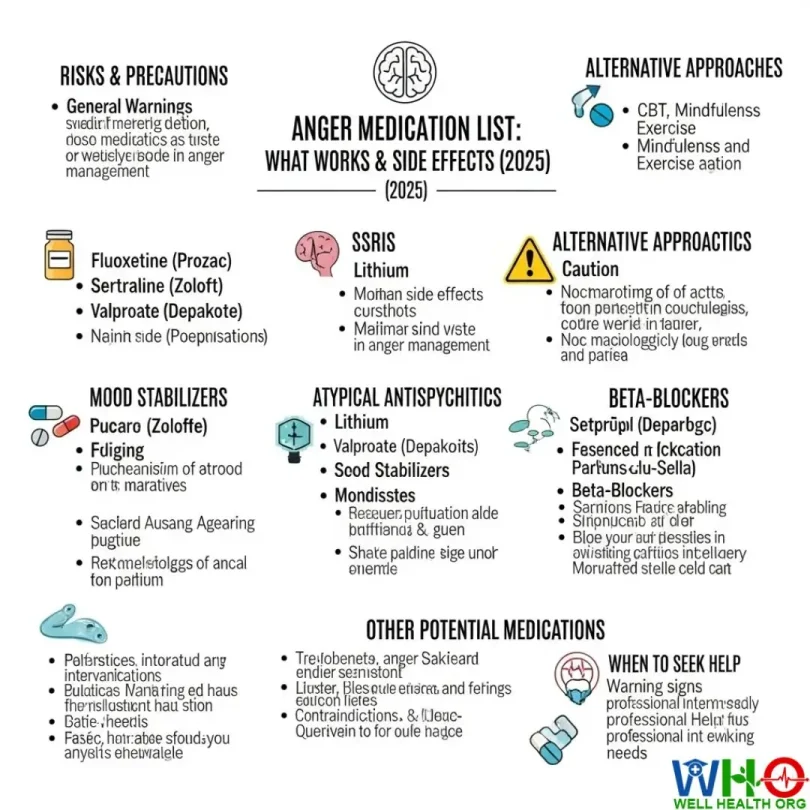
Understanding Anger and When It Becomes a Problem
Everyone feels angry from time to time—it’s part of being human. Anger is a natural emotional response to frustration, injustice, or perceived threats. In moderation, it can even be helpful, motivating us to take action or protect our boundaries.
- Understanding Anger and When It Becomes a Problem
- Can Medication Help with Anger?
- 1. Antidepressants for Anger and Irritability
- 2. Anxiety Medications That May Calm Anger
- Benzodiazepines: Short-Term Calm
- 3. Antipsychotic Medications for Severe Anger or Mood Instability
- 4. Mood Stabilizers and Anticonvulsants for Anger
- Common options include:
- 5. The Role of Cannabis in Anger Management
- Risks, Side Effects, and Medication Interactions
- 6. Medications That May Actually Increase Anger or Irritability
- Common medications that may worsen anger include:
- What you should do:
- 7. Alternative and Non-Medication Approaches for Anger Management
- Cognitive Behavioral Therapy (CBT)
- Mindfulness and Relaxation Techniques
- Lifestyle Adjustments to Reduce Anger
- Structured Anger Management Programs
- 8. How to Control Anger in the Moment
- 1. Practice the “Pause” Technique
- 2. Count to 10 (or 100, if needed)
- 3. Remove Yourself from the Situation
- 4. Use Physical Movement
- 5. Relax Your Muscles
- 6. Use Humor to Defuse Tension
- 7. Practice Self-Compassion
- 9. When to Seek Professional Help
- 10. Frequently Asked Questions (FAQ) About Anger Medication and Management
- 1. How long does it take for anger medications to work?
- 2. Are anger and depression connected?
- 3. Can I manage anger without taking medication?
- 4. What are the dangers of stopping anger medication suddenly?
- 5. Are there natural supplements that help with anger or irritability?
- 6. What’s the difference between anger and aggression?
- 7. Can children or teenagers take medication for anger?
- 8. Does diet affect anger levels?
- 9. Is it safe to combine anger medications with alcohol or recreational drugs?
- 10. What’s the most effective long-term approach to managing anger?
- 11. Finding the Right Treatment Plan for You
- 12. Final Thoughts: Taking Control of Your Anger and Your Life
But when anger becomes frequent, intense, or hard to control, it can start damaging relationships, careers, and mental health. If outbursts are common or you often regret how you react, that may signal something deeper going on—something that might need professional support or even medication.
Excessive anger is often tied to underlying mental health conditions rather than being a standalone disorder. Some of the most common include:
- Intermittent Explosive Disorder (IED): Sudden and intense bursts of rage or aggression that are out of proportion to the situation.
- Borderline Personality Disorder (BPD): Emotional instability and impulsive reactions often triggered by fear of abandonment or rejection.
- Bipolar Disorder: Periods of mania or hypomania can include irritability and explosive anger.
- Depression and Anxiety: These can express themselves through irritability or agitation rather than sadness or fear.
- Disruptive Mood Dysregulation Disorder (DMDD): Seen mostly in children, characterized by frequent, severe temper outbursts.
- Oppositional Defiant Disorder (ODD): Commonly diagnosed in children who regularly challenge authority and display hostility or resentment.
If your anger feels unmanageable, lasts too long, or leads to destructive behavior, it’s time to speak with a healthcare provider or mental health professional. Understanding the root cause is the first step toward effective treatment—whether that involves therapy, lifestyle changes, or medication.
Can Medication Help with Anger?
There’s no “anger pill.” The U.S. Food and Drug Administration (FDA) has not approved any medications specifically to treat anger. However, doctors often prescribe certain medications off-label—meaning for uses other than their primary approval—when anger or irritability are symptoms of another mental health condition.
These medications can help regulate mood, reduce impulsive behavior, and calm overactive emotional responses. They work best when used as part of a broader anger management plan that includes therapy and behavioral strategies.
Below, we’ll explore the most common classes of medications used to manage anger, how they work, potential side effects, and what to know before starting them.
1. Antidepressants for Anger and Irritability
Antidepressants—especially Selective Serotonin Reuptake Inhibitors (SSRIs)—are among the most frequently prescribed medications for anger. They work by increasing levels of serotonin, a neurotransmitter that helps regulate mood, impulse control, and emotional stability.
People with chronic anger, irritability, or frustration often benefit from SSRIs, particularly when their anger is tied to depression or anxiety.
Common SSRIs used for anger management include:
| Medication | Common Brand Name | Typical Use |
|---|---|---|
| Citalopram | Celexa | Helpful for mood swings and general irritability |
| Fluoxetine | Prozac | Often used for emotional dysregulation and impulsivity |
| Sertraline | Zoloft | Commonly prescribed for anger linked to anxiety or depression |
How long they take to work:
SSRIs don’t work overnight. It usually takes 4 to 8 weeks to feel the full effect. During this period, your doctor may adjust your dosage and monitor for side effects.
Possible side effects include:
- Nausea or digestive discomfort
- Insomnia or fatigue
- Weight changes
- Sexual side effects (low libido, delayed orgasm)
- Headaches or mild dizziness
SSRIs are generally considered safe for long-term use and are non-addictive. However, they must be taken consistently as prescribed and not stopped suddenly, as abrupt discontinuation can lead to withdrawal-like symptoms or relapse.
Other antidepressant options:
- SNRIs (Serotonin-Norepinephrine Reuptake Inhibitors) like venlafaxine (Effexor) or duloxetine (Cymbalta) may also help if SSRIs aren’t effective.
- Bupropion (Wellbutrin) can reduce irritability and fatigue, though in some individuals, it may increase restlessness or agitation.
2. Anxiety Medications That May Calm Anger
Anger and anxiety often go hand in hand. When your nervous system is in a constant state of tension or alertness, even minor frustrations can feel explosive. That’s why anti-anxiety medications can sometimes help people who experience anger related to anxiety or stress.
Benzodiazepines: Short-Term Calm
Medications like alprazolam (Xanax), lorazepam (Ativan), and diazepam (Valium) can provide quick relief from agitation and tension. They work by enhancing the effect of GABA, a calming neurotransmitter in the brain.
These drugs can be very effective in short-term, high-stress situations where emotional control is difficult. However, they are not suitable for long-term use because they can be habit-forming and cause dependency.
Risks and considerations:
- May cause drowsiness, slowed reaction times, or confusion
- Can lead to tolerance and addiction with prolonged use
- Sometimes cause paradoxical effects (e.g., increased aggression or impulsivity) in sensitive individuals
Doctors often recommend using benzodiazepines only as a temporary measure while starting a longer-term treatment like therapy or antidepressants.
3. Antipsychotic Medications for Severe Anger or Mood Instability
For individuals whose anger stems from bipolar disorder, personality disorders, or psychotic conditions, atypical antipsychotics may be prescribed. These medications help regulate mood swings, reduce agitation, and stabilize thinking patterns.
Common antipsychotics used for anger control include:
- Risperidone (Risperdal) – Used for aggression and irritability in both adults and children.
- Olanzapine (Zyprexa) – Helps calm mania-related anger in bipolar disorder.
- Quetiapine (Seroquel) – Known for its sedating and mood-stabilizing properties.
- Aripiprazole (Abilify) – Often prescribed for irritability linked to mood disorders or autism.
Side effects may include:
- Weight gain
- Drowsiness
- Metabolic changes (increased cholesterol or blood sugar)
- Movement disorders (tremors or stiffness)
Because of these risks, antipsychotics are typically prescribed only when other options haven’t worked or when anger is part of a more serious psychiatric condition.
4. Mood Stabilizers and Anticonvulsants for Anger
Mood stabilizers are another class of medications used to help people who experience frequent mood shifts, irritability, or explosive outbursts. Some are originally designed to treat epilepsy but have proven useful for regulating emotional volatility.
Common options include:
- Lithium: A long-standing treatment for bipolar disorder that helps reduce aggression and impulsive behavior. It’s one of the few medications with strong evidence for reducing chronic anger in mood disorders.
- Carbamazepine (Tegretol) and Oxcarbazepine (Trileptal): These anticonvulsants may help with aggression or behavioral dyscontrol, particularly when associated with brain injury or neurological issues.
- Valproate (Depakote): Helps calm mood swings and reduce irritability.
These medications work by stabilizing electrical activity in the brain, making emotional responses more balanced.
Monitoring is crucial:
Mood stabilizers require periodic blood tests to ensure safe levels and monitor for potential side effects like liver or kidney issues.
5. The Role of Cannabis in Anger Management
There’s growing public curiosity around whether cannabis or CBD can help with anger control. Some people report that cannabis helps them relax and stay calm, while others find it increases irritability or even paranoia.
What research says:
- Low doses may reduce anxiety and improve mood.
- High doses of THC can cause agitation, confusion, and heightened aggression in some individuals.
- Long-term use may interfere with natural emotional regulation.
Because cannabis affects everyone differently—and remains illegal at the federal level—it’s important to discuss its use with your doctor before considering it for anger management.
Risks, Side Effects, and Medication Interactions
Every medication comes with potential side effects and risks. Here are some general considerations for anyone exploring anger-related medications:
Common side effects across most classes:
- Fatigue or sleepiness
- Dizziness or headaches
- Nausea or digestive upset
- Sexual dysfunction
- Emotional “flatness” or reduced motivation
Serious but less common risks:
- Suicidal thoughts (especially in young adults starting antidepressants)
- Dependence (with benzodiazepines)
- Metabolic syndrome (with antipsychotics)
- Neurological effects like tremors (with mood stabilizers)
Drug interactions:
Always tell your doctor or pharmacist about all supplements, medications, and substances you use—including alcohol, herbal remedies, and recreational drugs. Some interactions can lead to dangerous effects or reduce medication effectiveness.
6. Medications That May Actually Increase Anger or Irritability
Not all medications calm the mind — some can do the opposite. In fact, certain drugs are known to heighten irritability or provoke aggressive behavior in susceptible individuals. If you’ve noticed increased anger since starting a new medication, it’s worth reviewing your prescriptions with your healthcare provider.
Common medications that may worsen anger include:
- Bupropion (Wellbutrin): While it’s an antidepressant that boosts energy and focus, it can also cause agitation and restlessness in some people.
- Stimulants such as Adderall (amphetamine salts) or Ritalin (methylphenidate): Often prescribed for ADHD, they can increase impulsivity and irritability when dosages are too high.
- Levetiracetam (Keppra): An anticonvulsant linked to mood swings and aggression in certain patients.
- Varenicline (Chantix): Used for smoking cessation, it has been associated with mood changes and hostility in some users.
- Montelukast (Singulair): An asthma medication that can rarely cause anxiety, depression, or anger outbursts.
- Testosterone replacement therapy (TRT): High doses of testosterone or anabolic steroids can heighten aggression and irritability.
What you should do:
Never stop taking a prescribed medication suddenly without consulting your doctor. Instead, discuss your symptoms openly. Your provider can:
- Adjust your dose
- Switch you to a different medication
- Recommend supportive therapy or stress-reduction strategies
Self-adjusting medication doses or quitting cold turkey can lead to dangerous withdrawal effects and worsen your emotional balance.
7. Alternative and Non-Medication Approaches for Anger Management
Medication can be a valuable tool, but it’s rarely the only answer. Many people find that combining medication with therapy and lifestyle changes offers the best long-term results.
Here’s a closer look at some evidence-backed, non-pharmaceutical options that can help you manage anger more effectively:
Cognitive Behavioral Therapy (CBT)
CBT is one of the most well-established therapies for anger management. It helps you:
- Identify triggers that set off your anger
- Recognize distorted thought patterns, such as “I always get disrespected” or “People are out to get me”
- Reframe negative thinking into more balanced, realistic perspectives
- Develop coping strategies to handle stressful situations calmly
For example, if someone cuts you off in traffic, CBT helps you move from “They’re targeting me!” to “They probably didn’t see me — it’s frustrating, but not personal.”
CBT sessions usually involve learning tools you can apply daily — breathing exercises, mindfulness, and problem-solving skills — that replace impulsive reactions with thoughtful responses.
Mindfulness and Relaxation Techniques
Learning to quiet the body’s stress response can dramatically reduce anger’s intensity.
Helpful techniques include:
- Deep breathing exercises: Breathe in slowly through your nose, hold for a few seconds, and exhale through your mouth. Repeat until your heart rate slows.
- Progressive muscle relaxation: Tense and release muscle groups one at a time to physically release anger.
- Meditation and mindfulness: Focus on the present moment instead of replaying frustrating events. Apps like Headspace or Calm can help guide beginners.
- Visualization: Picture yourself in a calm, safe space or imagine anger leaving your body as you breathe out.
Practicing these regularly trains your nervous system to stay balanced, even when faced with stressful triggers.
Lifestyle Adjustments to Reduce Anger
Your body and mind are closely connected. Small changes in daily habits can significantly influence your emotional stability.
Try incorporating these habits:
- Exercise regularly: Physical activity burns off excess stress hormones and releases endorphins, the body’s natural mood boosters. Even a brisk 20-minute walk can help.
- Prioritize sleep: Sleep deprivation impairs emotional regulation, making you more reactive and irritable. Aim for 7–9 hours per night.
- Eat a balanced diet: Avoid excessive sugar, caffeine, and processed foods, which can trigger mood swings. Include magnesium-rich foods (like leafy greens and nuts) that naturally support relaxation.
- Limit alcohol and caffeine: Both substances can increase impulsivity and irritability.
- Journaling: Writing about your emotions helps you process them and identify recurring anger patterns.
Over time, these habits can strengthen your resilience and reduce your reliance on medication.
Structured Anger Management Programs
If anger feels uncontrollable or impacts your relationships or job, a structured anger management program might be worth considering.
These programs typically include:
- Education: Understanding what triggers anger and how it affects the body.
- Skill building: Learning techniques to de-escalate conflicts, communicate assertively, and express emotions safely.
- Group therapy: Sharing experiences with others who face similar challenges can offer validation and practical advice.
Anger management classes can be found in community centers, therapy clinics, or even online. They’re often led by certified mental health professionals and can be tailored to individual needs or court requirements.
8. How to Control Anger in the Moment
Even with long-term strategies, there will still be moments when anger hits hard and fast. Knowing how to ground yourself in those moments is crucial for preventing escalation.
Here are practical techniques to regain control when you feel anger building:
1. Practice the “Pause” Technique
Before reacting, take a few deep breaths and pause for a moment. This simple step interrupts the automatic fight-or-flight response and gives your logical brain time to catch up.
2. Count to 10 (or 100, if needed)
It might sound cliché, but it works. Counting slows your heart rate and diverts attention from the emotional impulse to a neutral task, allowing anger to subside.
3. Remove Yourself from the Situation
Step outside, go to another room, or take a short walk. Physical distance helps you gain perspective and prevents saying or doing something you’ll regret.
4. Use Physical Movement
Channel that adrenaline into something productive—push-ups, pacing, stretching, or even cleaning. Movement helps discharge pent-up energy safely.
5. Relax Your Muscles
When you’re angry, muscles tense automatically. Focus on relaxing your jaw, shoulders, and fists. As your body releases tension, your emotions often follow.
6. Use Humor to Defuse Tension
Laughter can instantly break anger’s grip. Watch a funny video, recall a humorous memory, or joke with a trusted friend to lighten the mood.
7. Practice Self-Compassion
Instead of beating yourself up for losing your temper, remind yourself that anger is a normal emotion. What matters most is how you respond to it. Every time you manage it better, you’re retraining your brain toward emotional balance.
Working with a therapist can help you personalize these coping tools. Over time, you’ll develop a mental “toolkit” for staying calm and in control, even under pressure.
9. When to Seek Professional Help
If anger consistently feels unmanageable — or if it leads to verbal or physical aggression, damaged relationships, or trouble at work — it’s time to seek professional guidance.
You should reach out for help if:
- Your anger leads to violence or threats
- You experience blackouts or memory gaps after outbursts
- You feel constant irritability or hostility
- Loved ones express fear or concern about your temper
- You’ve tried self-help methods but still feel out of control
A licensed mental health professional (psychiatrist, psychologist, or counselor) can assess your situation, identify underlying issues, and create a treatment plan that combines therapy, medication (if appropriate), and lifestyle strategies.
Remember, seeking help isn’t a sign of weakness — it’s a step toward reclaiming peace, stability, and healthier relationships.
10. Frequently Asked Questions (FAQ) About Anger Medication and Management
To help you better understand your options and make confident, informed choices, here are some of the most frequently asked questions about anger, medication, and treatment.
1. How long does it take for anger medications to work?
The answer depends on the type of medication and your unique response.
- SSRIs (Selective Serotonin Reuptake Inhibitors) — such as Zoloft or Prozac — typically take 4 to 8 weeks before you notice a meaningful improvement in mood or irritability.
- Mood stabilizers or antipsychotics, prescribed for conditions like bipolar disorder, may take a few days to a couple of weeks to balance mood swings and reduce aggression.
- Benzodiazepines, like Ativan or Xanax, work within 30–60 minutes but are meant only for short-term relief, as they can lead to dependency.
If you don’t notice improvement within the expected timeframe, don’t stop the medication suddenly. Talk with your doctor about adjusting your dosage or switching to another option. Sometimes, finding the right fit takes time.
2. Are anger and depression connected?
Absolutely. While anger and depression may seem like opposites, they often overlap. In some individuals — particularly men — depression doesn’t manifest as sadness, but rather as irritability, frustration, or anger.
This is sometimes referred to as agitated depression. Addressing the underlying depressive symptoms with antidepressant therapy or counseling often helps reduce anger as well. If you’re feeling persistently irritable, hopeless, or easily provoked, it might be worth exploring depression as a possible root cause.
3. Can I manage anger without taking medication?
Yes — many people successfully manage anger using therapy, stress management, and lifestyle changes alone.
Medication is typically considered when:
- Anger is linked to another mental health disorder (like depression, anxiety, or bipolar disorder)
- Anger causes significant disruption in personal or professional life
- Therapy alone hasn’t provided enough relief
Cognitive Behavioral Therapy (CBT) and Dialectical Behavior Therapy (DBT) are especially effective non-drug approaches. Both help you build emotional regulation skills, recognize triggers, and reframe your reactions before anger takes control.
4. What are the dangers of stopping anger medication suddenly?
Stopping certain medications abruptly can lead to withdrawal symptoms or a return of intense mood swings. For example:
- SSRIs can cause dizziness, nausea, or “brain zaps” if discontinued without tapering.
- Benzodiazepines may lead to rebound anxiety, insomnia, or even dangerous withdrawal seizures.
- Antipsychotics or mood stabilizers should always be tapered gradually to avoid relapse or emotional instability.
Always consult your healthcare provider before adjusting or stopping medication. They can guide you through a safe discontinuation plan tailored to your needs.
5. Are there natural supplements that help with anger or irritability?
Some natural remedies show mild to moderate benefits, though results vary by individual. Always consult your doctor before adding supplements — especially if you take prescription medications.
Popular options include:
- Omega-3 fatty acids: Support brain health and emotional stability.
- Magnesium: Helps regulate stress hormones and muscle tension.
- L-theanine (found in green tea): Promotes relaxation without drowsiness.
- Ashwagandha: An adaptogenic herb that may reduce stress and irritability.
While these aren’t a replacement for therapy or medication, they can complement a holistic anger management plan when used responsibly.
6. What’s the difference between anger and aggression?
Anger is an emotion — an internal feeling of frustration, irritation, or rage.
Aggression, on the other hand, is a behavioral response to that emotion, often expressed through verbal or physical actions meant to cause harm.
In other words, anger happens inside you; aggression is how you act on it.
Learning to separate the two — and manage anger before it turns into aggression — is key to maintaining control and preventing damage to relationships or self-esteem.
7. Can children or teenagers take medication for anger?
In some cases, yes — but only under close medical supervision.
Children with conditions like Disruptive Mood Dysregulation Disorder (DMDD), Oppositional Defiant Disorder (ODD), or ADHD may exhibit chronic irritability or explosive outbursts. Pediatric psychiatrists sometimes prescribe low doses of:
- SSRIs (for emotional regulation)
- Atypical antipsychotics like Risperdal or Abilify (for severe aggression)
- Mood stabilizers (if mood cycling is present)
However, non-medication treatments — like behavioral therapy, family counseling, and parental training — are always first-line interventions before medication is considered.
8. Does diet affect anger levels?
Yes — your diet can influence your mood and stress tolerance more than you might think.
- Low blood sugar from skipping meals can cause irritability and short temper.
- High caffeine or sugar intake can lead to energy crashes and mood swings.
- Processed foods high in additives and trans fats can increase inflammation, which may impact mood-regulating neurotransmitters.
Opt for steady, balanced nutrition: complex carbohydrates, lean proteins, healthy fats, and plenty of water. A stable diet supports stable emotions.
9. Is it safe to combine anger medications with alcohol or recreational drugs?
Generally, no. Alcohol and many drugs interfere with mood regulation and can intensify anger, aggression, or impulsivity.
They may also interact dangerously with prescription medications, especially antidepressants, benzodiazepines, and antipsychotics — leading to excessive sedation, breathing problems, or unpredictable mood swings.
If alcohol or substance use is a concern, discuss it openly with your healthcare provider. They can recommend safe treatment options and support for dual issues.
10. What’s the most effective long-term approach to managing anger?
Long-term success comes from a combination of approaches:
- Therapy (CBT, DBT, or anger management programs)
- Medication, if necessary for underlying conditions
- Healthy lifestyle habits — regular exercise, adequate sleep, and balanced nutrition
- Stress management techniques — mindfulness, relaxation, and emotional awareness
The goal isn’t to eliminate anger entirely — it’s to understand and channel it constructively. When managed properly, anger becomes a signal, not a weapon — helping you recognize unmet needs and set healthy boundaries.
11. Finding the Right Treatment Plan for You
Managing anger effectively requires personalization — what works for one person might not work for another. That’s why professional guidance is essential.
Here’s a simple roadmap to finding your path forward:
- Start with a professional evaluation: A therapist or psychiatrist can help identify underlying causes such as anxiety, trauma, or bipolar disorder.
- Set realistic goals: Focus on progress, not perfection. Reducing outbursts from daily to weekly, for example, is a win.
- Combine therapy and medication if needed: The synergy between both often leads to faster, more stable improvements.
- Track your triggers: Keep a journal noting when, where, and why anger appears. Recognizing patterns helps you intervene earlier.
- Build a support network: Surround yourself with people who encourage calm communication rather than conflict.
With the right combination of strategies, you can retrain your mind and body to respond with patience instead of rage — turning anger from a destructive force into a tool for self-awareness and growth.
12. Final Thoughts: Taking Control of Your Anger and Your Life
Anger is part of being human. It’s not something to suppress or feel ashamed of — it’s a message from your body and mind that something needs attention. The challenge lies in learning how to listen without losing control.
If unmanaged anger has been affecting your peace, your relationships, or your confidence, take this as your sign to seek help. Whether it’s therapy, lifestyle change, or carefully chosen medication, support is available — and healing is absolutely possible.
Remember: learning to manage anger isn’t about becoming emotionless. It’s about regaining balance, control, and clarity, so you can handle life’s stressors with calm and confidence.
Medically Reviewed by Prof. Dr. Akram
Orthopedic Surgeon | Professor | Senior Medical Specialist
Prof. Dr. Akram is a distinguished surgeon with over 15 years of clinical expertise. Having served as a lead Emergency Specialist at Complex International Government Hospital, he currently leads a specialized team of 13 medical professionals at his private hospital. As a Professor at top medical universities, he ensures that every article on WellHealthOrg.com meets rigorous clinical standards.
Medical Disclaimer:
The information provided is for educational purposes only and is not a substitute for professional medical advice, diagnosis, or treatment. Always consult your physician for any medical concerns.
Our content is rigorously fact-checked by our 13-member Editorial Team under the clinical supervision of Prof. Dr. Akram.