
7 Soothing Home Remedies for Itching Pubic Area After Shaving
Shaving your pubic area can make you feel clean, confident, and refreshed — but let’s be honest, what comes after isn’t always so pleasant. That uncomfortable itching, redness, and irritation that follows can quickly turn confidence into discomfort. If you’ve ever found yourself squirming hours after grooming, you’re far from alone. The pubic region’s delicate skin is extremely sensitive, making it more prone to razor burn, bumps, ingrown hairs, and inflammation than almost any other area on your body.
- 7 Soothing Home Remedies for Itching Pubic Area After Shaving
- Why Does Shaving Cause Itching in the Pubic Area?
- 1. Razor Burn
- 2. Ingrown Hairs
- 3. Friction and Moisture
- 4. Harsh Products
- 5. Over-Shaving
- Natural Home Remedies That Actually Work
- 1. Aloe Vera: Nature’s Ultimate Skin Soother
- 2. Coconut Oil: Deep Hydration and Protection
- 3. Cucumber: Cool, Calm, and Refresh
- 4. Baking Soda: Restore pH and Prevent Ingrown Hairs
- 5. Witch Hazel: Nature’s Antiseptic Toner
- 6. Cool Compress: Instant Relief for Intense Itching
- 7. Colloidal Oatmeal: The Ultimate Skin Protector
- Prevention: Your Best Defense Against Razor Burn and Itching
- Before Shaving:
- During Shaving:
- After Shaving:
- When to Seek Medical Attention
- Take Control of Your Comfort
- Conclusion: Soothe, Protect, and Prevent — Your Skin Deserves It
- FAQs About Post-Shave Itching Down There
- 1. How long does post-shave itching usually last?
- 2. Is it safe to use aloe vera or coconut oil on the pubic area?
- 3. What’s the best way to prevent razor bumps and ingrown hairs after shaving?
- 4. Can I use baby oil or lotion instead of natural remedies?
- 5. When should I see a doctor for post-shave irritation?
Here’s the good news: you don’t need to tolerate the irritation or rely on chemical-laden products to find relief. There are simple, natural home remedies that can calm itching and restore comfort — often using ingredients already in your kitchen or bathroom cabinet.
In this comprehensive guide, you’ll discover:
- Why shaving “down there” often leads to itching and discomfort
- Seven effective natural remedies that truly work
- Expert-backed prevention tips for smoother, irritation-free results
- And when to know it’s time to seek professional help
Let’s dive into everything you need to know to keep your post-shave skin calm, healthy, and itch-free.
Why Does Shaving Cause Itching in the Pubic Area?
To understand how to stop the itch, it helps to know why it happens in the first place. Shaving doesn’t just remove hair — it also scrapes away the top layer of skin cells, leaving behind micro-abrasions that can easily become irritated.
Here are the most common culprits behind that dreaded post-shave itch:
1. Razor Burn
When you drag a blade across your skin, especially if it’s dull or used without adequate lubrication, it can cause razor burn — tiny red bumps accompanied by itching and a stinging sensation. The pubic area, being soft and sensitive, reacts more strongly to friction and blade pressure.
2. Ingrown Hairs
Because pubic hair is curly and coarse, it’s more likely to curl back into the skin as it regrows. These trapped hairs can cause painful bumps and persistent itching, often mistaken for pimples. If not treated properly, they can even become infected.
3. Friction and Moisture
The groin area naturally traps heat and moisture, which can lead to sweat buildup and bacterial growth. When freshly shaved skin rubs against tight clothing or synthetic fabrics, friction can worsen irritation and prolong healing.
4. Harsh Products
Using alcohol-based shaving gels, scented lotions, or chemical-laden soaps after shaving can dry out the skin and trigger inflammation. Even something as simple as laundry detergent residue in underwear can cause stinging on newly shaved skin.
5. Over-Shaving
Shaving too frequently doesn’t give your skin enough time to heal. If you’re grooming every day or even every other day, you’re constantly irritating the surface and increasing your risk of chronic sensitivity.
Understanding these causes is the first step toward lasting comfort. Once you know what’s irritating your skin, you can choose the best natural remedy and make smart adjustments to your shaving routine.
Natural Home Remedies That Actually Work
These seven home remedies are not just quick fixes — they’re dermatologist-approved solutions backed by science and real-world use. Each one helps soothe irritation, prevent infection, and restore hydration, giving you fast and long-lasting relief.
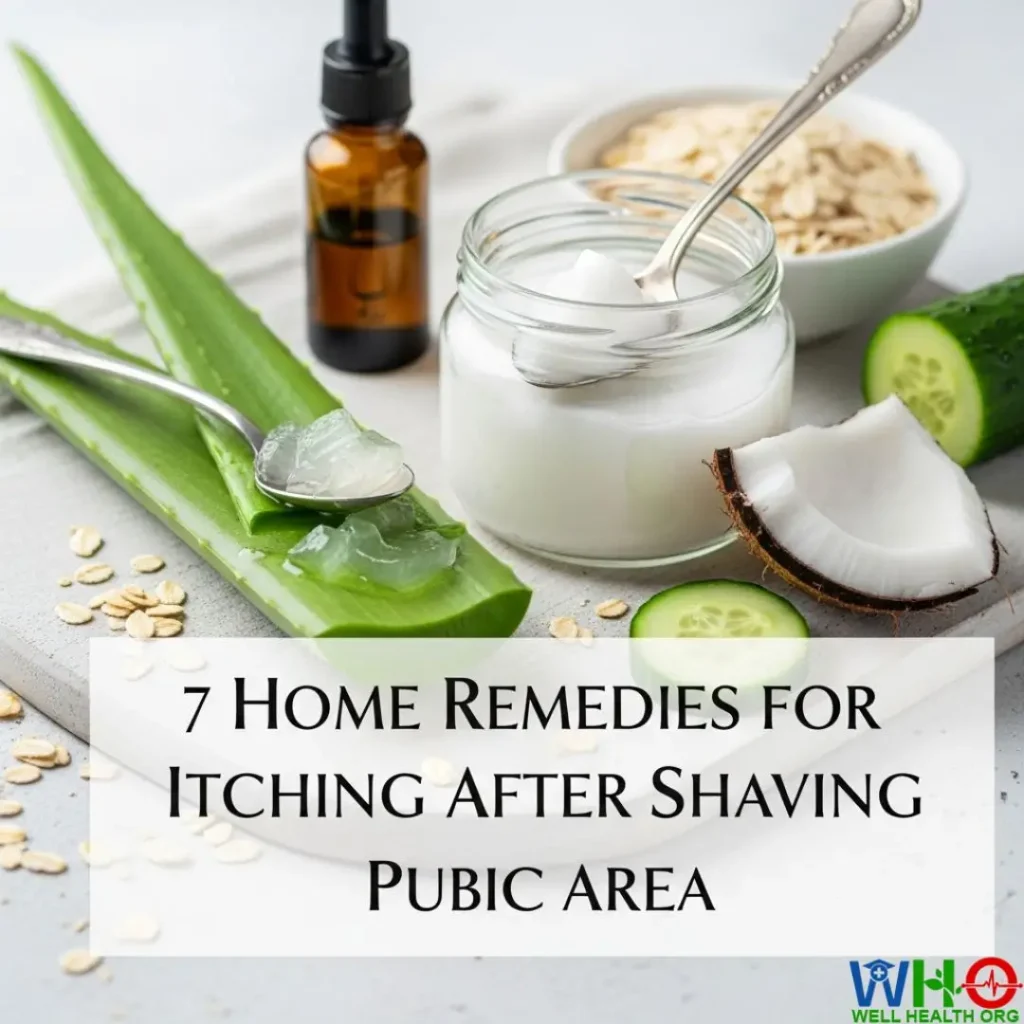
1. Aloe Vera: Nature’s Ultimate Skin Soother
Few natural ingredients can compete with aloe vera when it comes to calming inflammation. The plant’s gel is rich in antioxidants, vitamins A, C, and E, and compounds like aloin that reduce redness and swelling.
How to Use:
- Apply pure aloe vera gel directly to the affected area.
- Choose a 100% natural gel free of alcohol, dyes, or fragrances — or, better yet, cut a leaf from a fresh aloe plant and extract the gel yourself.
- Let it absorb naturally; no need to rinse.
- Repeat 2–3 times daily until the itching subsides.
Why It Works:
Aloe vera forms a thin, breathable barrier on the skin that locks in moisture while cooling and healing irritation. Within minutes, you’ll feel a noticeable soothing sensation.
Expert Tip:
Store aloe vera gel in the refrigerator for an extra cooling effect — perfect for calming razor burn instantly.
2. Coconut Oil: Deep Hydration and Protection
If your post-shave skin feels dry, tight, or irritated, coconut oil can be a game-changer. This natural moisturizer not only hydrates but also provides antibacterial and anti-inflammatory benefits.
How to Use:
- Apply a thin layer of virgin or cold-pressed coconut oil to clean, dry skin after shaving or whenever itching occurs.
- Massage gently until absorbed.
- For best results, apply it before bedtime and wear loose, breathable cotton underwear overnight.
Why It Works:
Coconut oil’s fatty acids — especially lauric acid — help strengthen your skin’s natural barrier and prevent bacteria from causing infections or folliculitis (inflamed hair follicles). Its smooth texture also reduces friction against clothing.
Extra Tip:
If you’re prone to clogged pores, use coconut oil sparingly or mix it with a few drops of tea tree oil for added antibacterial power without heaviness.
3. Cucumber: Cool, Calm, and Refresh
When itching strikes immediately after shaving, cucumber offers almost instant comfort. Its high water content and natural antioxidants (like vitamin C and caffeic acid) help cool the skin and reduce inflammation.
How to Use:
- Slice a chilled cucumber and place the pieces on the irritated area for 10–15 minutes.
- Alternatively, blend half a cucumber into a puree and apply it as a soothing mask.
- Rinse with cool water and pat dry.
Why It Works:
The natural enzymes and silica in cucumber help restore the skin’s elasticity and minimize redness. The cold temperature also numbs irritation, making it a perfect quick fix after shaving.
Pro Tip:
For an extra-soothing mask, mix cucumber puree with a teaspoon of aloe vera gel.
4. Baking Soda: Restore pH and Prevent Ingrown Hairs
If you’re dealing with itchy bumps or razor burn, baking soda can help balance your skin’s pH while gently exfoliating dead cells that block hair follicles.
How to Use:
- Mix 2 tablespoons of baking soda with just enough water to make a smooth paste.
- Apply it to the itchy area and leave it for 5–10 minutes.
- Rinse thoroughly with cool water and pat dry — no scrubbing!
- Follow up with a light moisturizer like coconut oil or aloe vera.
Why It Works:
Baking soda neutralizes acids and reduces inflammation. It also prevents ingrown hairs by clearing away trapped debris and excess oil.
Caution:
Use this remedy no more than twice a week. Overuse can strip your skin’s natural oils and cause dryness.
5. Witch Hazel: Nature’s Antiseptic Toner
Witch hazel is a natural astringent that tightens pores, reduces redness, and prevents bacterial infections after shaving. It’s a must-have for sensitive skin prone to razor burn.
How to Use:
- Choose an alcohol-free witch hazel solution.
- Soak a cotton pad and gently dab it on the shaved area.
- Let it dry naturally — no need to rinse.
- Follow with a hydrating cream or oil if desired.
Why It Works:
Its tannins and antioxidants help soothe irritation and promote healing. Witch hazel is particularly effective if you tend to get small bumps or inflammation after every shave.
6. Cool Compress: Instant Relief for Intense Itching
When itching becomes unbearable, a cool compress is one of the simplest and most effective remedies.
How to Use:
- Soak a clean washcloth in cold water (you can even add ice cubes).
- Wring out the excess and press it gently against the irritated area for 10–20 minutes.
- Repeat several times a day as needed.
Why It Works:
Cold temperatures constrict blood vessels, which helps reduce redness, swelling, and itching almost immediately. It also numbs nerve endings, providing temporary but fast relief.
Tip:
Never apply ice directly to your skin — it can cause frostbite or worsen irritation.
7. Colloidal Oatmeal: The Ultimate Skin Protector
If your irritation covers a wider area or feels extra inflamed, colloidal oatmeal is your best friend. Known for its anti-inflammatory and soothing properties, it’s often recommended by dermatologists for conditions like eczema and rashes.
How to Use:
- Add 1 cup of finely ground oats to a lukewarm bath.
- Soak for 15–20 minutes while gently massaging the affected area with the water.
- Rinse and pat dry — avoid rubbing.
- Follow up with a light moisturizer to lock in hydration.
Why It Works:
Oatmeal contains compounds called avenanthramides, which have natural anti-itch properties. It also forms a protective film on your skin that locks in moisture and speeds up healing.
Prevention: Your Best Defense Against Razor Burn and Itching
As comforting as these remedies are, prevention is always better than cure. A few simple tweaks to your grooming routine can dramatically reduce your chances of post-shave discomfort.
Before Shaving:
- Soften Hair and Skin:
Take a warm shower for 5–10 minutes to open pores and soften hair. - Exfoliate Gently:
Use a mild scrub or loofah to remove dead skin cells that trap ingrown hairs. - Use a Sharp, Clean Razor:
Replace disposable razors after 3–5 uses. A dull blade tugs and irritates.
During Shaving:
- Always use shaving cream or gel — never dry shave.
- Let the product sit for a few minutes before shaving to soften hair.
- Shave in the direction of hair growth to reduce friction.
- Rinse the blade after each stroke and avoid going over the same area repeatedly.
After Shaving:
- Rinse with cool water to close pores.
- Pat dry with a clean towel (no rubbing!).
- Apply a fragrance-free moisturizer immediately to seal in hydration.
- Wear loose-fitting cotton underwear to let skin breathe.
When to Seek Medical Attention
In most cases, post-shave itching improves within a couple of days. But if irritation persists or worsens, it’s time to call your doctor.
Seek medical help if you notice:
- Severe itching that lasts more than 72 hours
- Red, pus-filled bumps or spreading rash
- Warmth, swelling, or tenderness suggesting infection
- Fever or general discomfort accompanying skin symptoms
- Recurring irritation even with preventive care
A healthcare professional may prescribe antibiotic ointments or medicated creams to treat infections or chronic folliculitis effectively.
Take Control of Your Comfort
Post-shave itching doesn’t have to be an inevitable part of grooming. By combining smart shaving habits with natural, skin-friendly remedies, you can keep your intimate skin smooth, comfortable, and irritation-free.
Start with a soothing treatment like aloe vera or coconut oil for fast relief, then make preventive care a part of your regular routine. Remember — your skin deserves gentle attention and consistency, not harsh products or shortcuts.
If your symptoms don’t improve after a few days, don’t hesitate to consult a dermatologist. Sometimes, what seems like simple razor burn could be an underlying skin condition that needs professional care.
Healthy, comfortable skin isn’t just about beauty — it’s about confidence and well-being. Treat your skin with kindness, and it will reward you with smooth, irritation-free comfort every time you shave.
Conclusion: Soothe, Protect, and Prevent — Your Skin Deserves It
Post-shave itching in the pubic area might be uncomfortable, but it’s absolutely manageable with the right approach. Your skin “down there” is delicate and deserves the same level of care you give your face or body — maybe even more. By using natural remedies like aloe vera, coconut oil, or cucumber, you can calm irritation quickly without harsh chemicals. Pair these soothing treatments with a smart shaving routine — including sharp blades, gentle pressure, and proper hydration — and you’ll significantly reduce your chances of ever dealing with razor burn again.
Remember, the goal isn’t just to stop the itch once it starts but to prevent it from happening altogether. Consistency matters: hydrate, exfoliate, and protect your skin every time you shave. And if the itching or irritation doesn’t go away after a few days, don’t tough it out — talk to a dermatologist. Healthy, happy skin is worth a little extra effort.
With these 7 proven home remedies and preventive tips, you can say goodbye to post-shave discomfort and hello to smooth, confident skin every single time.
FAQs About Post-Shave Itching Down There
1. How long does post-shave itching usually last?
Typically, mild post-shave itching lasts anywhere from a few hours to two days. If you follow proper aftercare — like moisturizing with aloe vera or coconut oil and wearing loose clothing — it often resolves much faster. If itching persists beyond three days or worsens, it may be a sign of infection or folliculitis.
2. Is it safe to use aloe vera or coconut oil on the pubic area?
Yes, both are safe and dermatologist-approved when used correctly. Choose pure aloe vera gel or virgin coconut oil with no added fragrances or alcohol. These natural ingredients help soothe inflammation, lock in moisture, and protect sensitive skin from bacterial growth.
3. What’s the best way to prevent razor bumps and ingrown hairs after shaving?
The best prevention method is to shave in the direction of hair growth using a clean, sharp razor and a hydrating shaving gel. Avoid shaving too closely or going over the same area repeatedly. Regular gentle exfoliation — with a sugar scrub or washcloth — also helps prevent hair from curling back into the skin.
4. Can I use baby oil or lotion instead of natural remedies?
Baby oil can provide temporary relief, but it may clog pores and trap bacteria, especially in the humid pubic area. Instead, opt for lighter, non-comedogenic oils like coconut oil, jojoba oil, or aloe vera-based moisturizers. Always choose fragrance-free products to minimize irritation.
5. When should I see a doctor for post-shave irritation?
Seek medical attention if:
- You develop painful, pus-filled bumps
- The redness or swelling spreads or worsens
- You notice warmth, tenderness, or fever
- The irritation doesn’t improve within 72 hours
A doctor can prescribe antibiotic or anti-inflammatory creams if your symptoms are caused by bacterial infection or chronic folliculitis.
Final Thought:
Your post-shave care routine matters as much as your shaving technique. Treat your pubic area with gentle, consistent care, and you’ll avoid the uncomfortable aftermath while keeping your skin smooth, healthy, and confident all year long.
Medically Reviewed by Prof. Dr. Akram
Orthopedic Surgeon | Professor | Senior Medical Specialist
Prof. Dr. Akram is a distinguished surgeon with over 15 years of clinical expertise. Having served as a lead Emergency Specialist at Complex International Government Hospital, he currently leads a specialized team of 13 medical professionals at his private hospital. As a Professor at top medical universities, he ensures that every article on WellHealthOrg.com meets rigorous clinical standards.
Medical Disclaimer:
The information provided is for educational purposes only and is not a substitute for professional medical advice, diagnosis, or treatment. Always consult your physician for any medical concerns.
Our content is rigorously fact-checked by our 13-member Editorial Team under the clinical supervision of Prof. Dr. Akram.







