🩺 Dr. Akram Authority Badge
Chief Medical Content Strategist & Senior Neurologist
30+ Years Clinical Experience | Emergency Neurology | Critical Care Education | WHO, NHS & FDA-Aligned Medical Content
🩺 Dr. Akram’s Private Clinical Notes
Several summers ago, I reviewed the case of a middle-aged construction supervisor who spent nearly ten hours working outdoors during an extreme heat wave. He believed his fatigue was simply part of a difficult workday. By late afternoon, he noticed dizziness and overwhelming thirst. He ignored the warning signs and continued working.
Within hours, he became confused, weak, and unable to stand. Emergency teams discovered that severe fluid depletion had dramatically reduced his circulating blood volume. His kidneys were beginning to fail, his blood pressure had collapsed, and oxygen delivery to multiple organs was critically compromised.
What started as ordinary sweating had progressed into hypovolemic shock—a condition capable of causing irreversible organ damage within a surprisingly short period of time.
This experience reinforced a lesson I have witnessed repeatedly throughout my career: dehydration is not always harmless. During intense summer heat, fluid loss can quietly evolve into a medical emergency long before most people realize the danger.
Table of Contents
What Is Hypovolemic Shock?
💡 Shareable Insight: Your organs do not fail because you sweat—they fail when fluid loss silently steals the blood flow they need to survive.
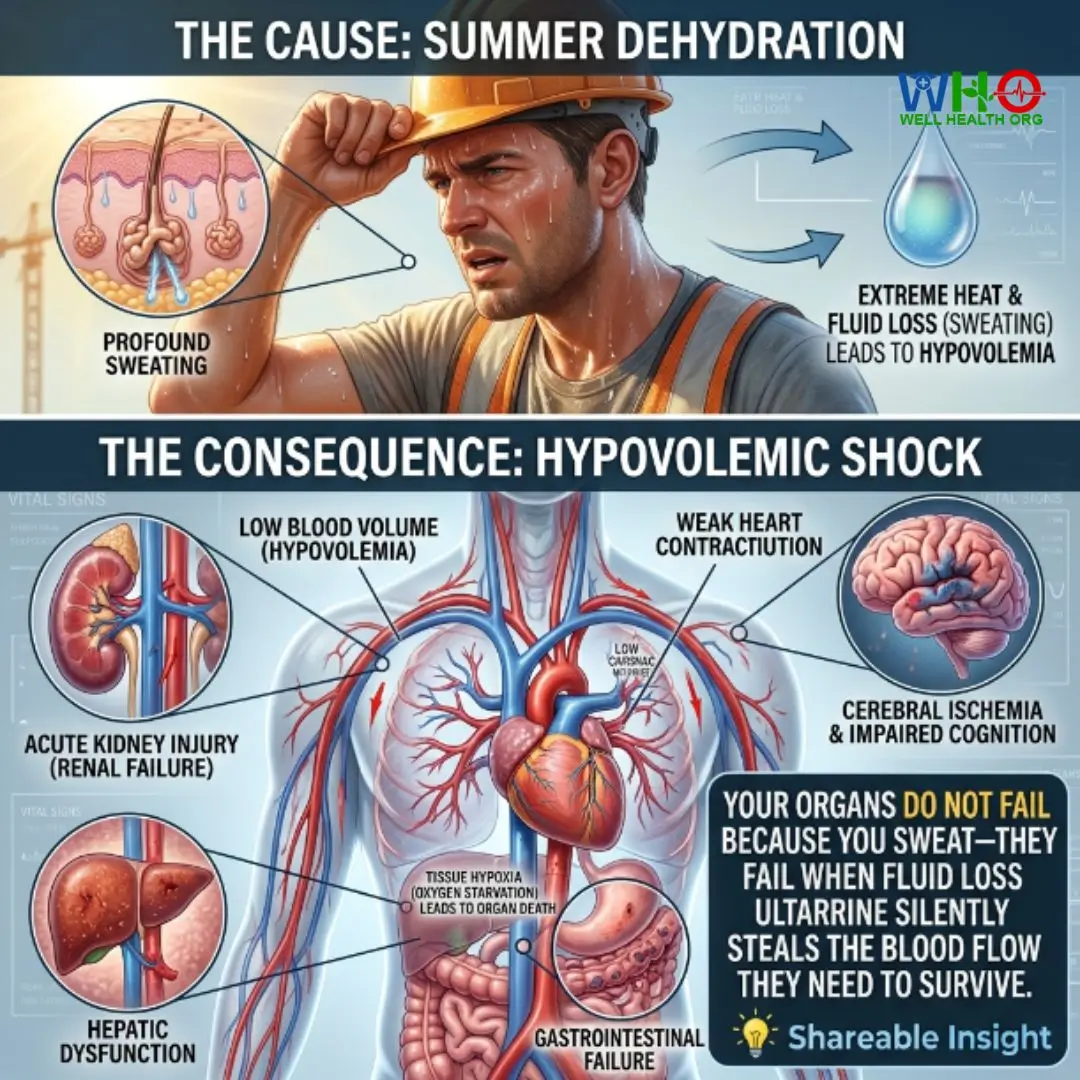
Hypovolemic shock is a life-threatening medical emergency that occurs when the body loses so much fluid that the heart can no longer pump enough blood to maintain adequate circulation.
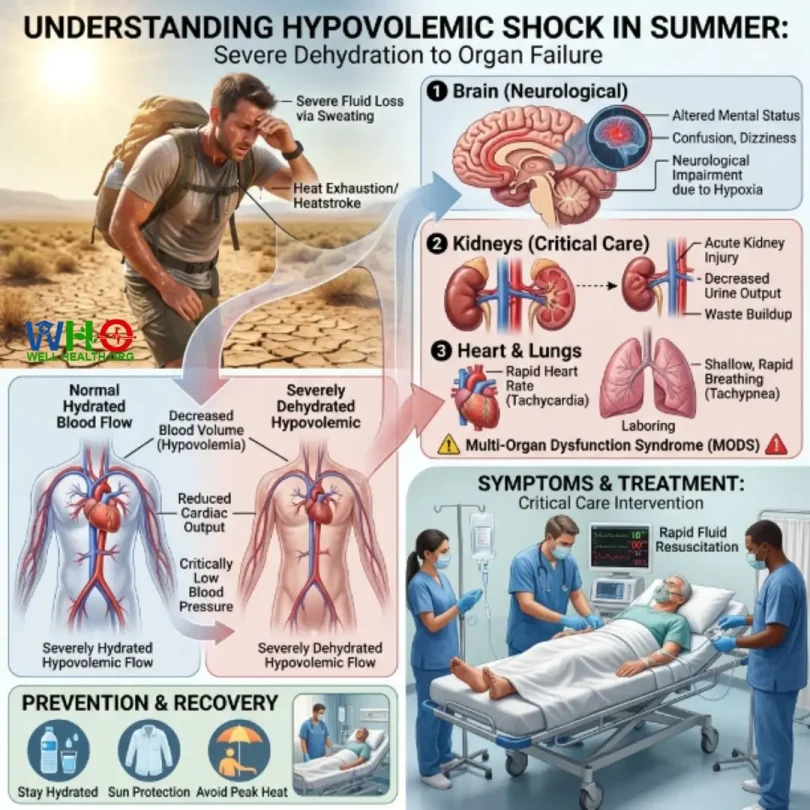
The word “hypovolemic” simply means low blood volume. Blood is responsible for transporting oxygen, nutrients, hormones, immune cells, and electrolytes throughout the body. When blood volume falls dramatically, every organ begins receiving less oxygen-rich blood.
Without rapid treatment, the body enters a state known as tissue hypoxia. Cells become starved of oxygen and energy. Organs begin malfunctioning. Eventually, widespread organ failure can develop.
While traumatic injuries and severe bleeding are well-known causes of hypovolemic shock, many people are unaware that profound dehydration can trigger the same dangerous pathway.
This is particularly important during summer months when prolonged sweating, inadequate hydration, gastrointestinal illnesses, outdoor labor, athletic activities, and heat-related illnesses dramatically increase fluid losses.
In modern emergency medicine, hypovolemic shock remains one of the most urgent conditions physicians encounter because every minute of delayed treatment increases the risk of permanent organ damage.
Why Summer Creates Unique Risks
💡 Shareable Insight: The hottest days of summer test not only your endurance but also your body’s ability to preserve blood volume.
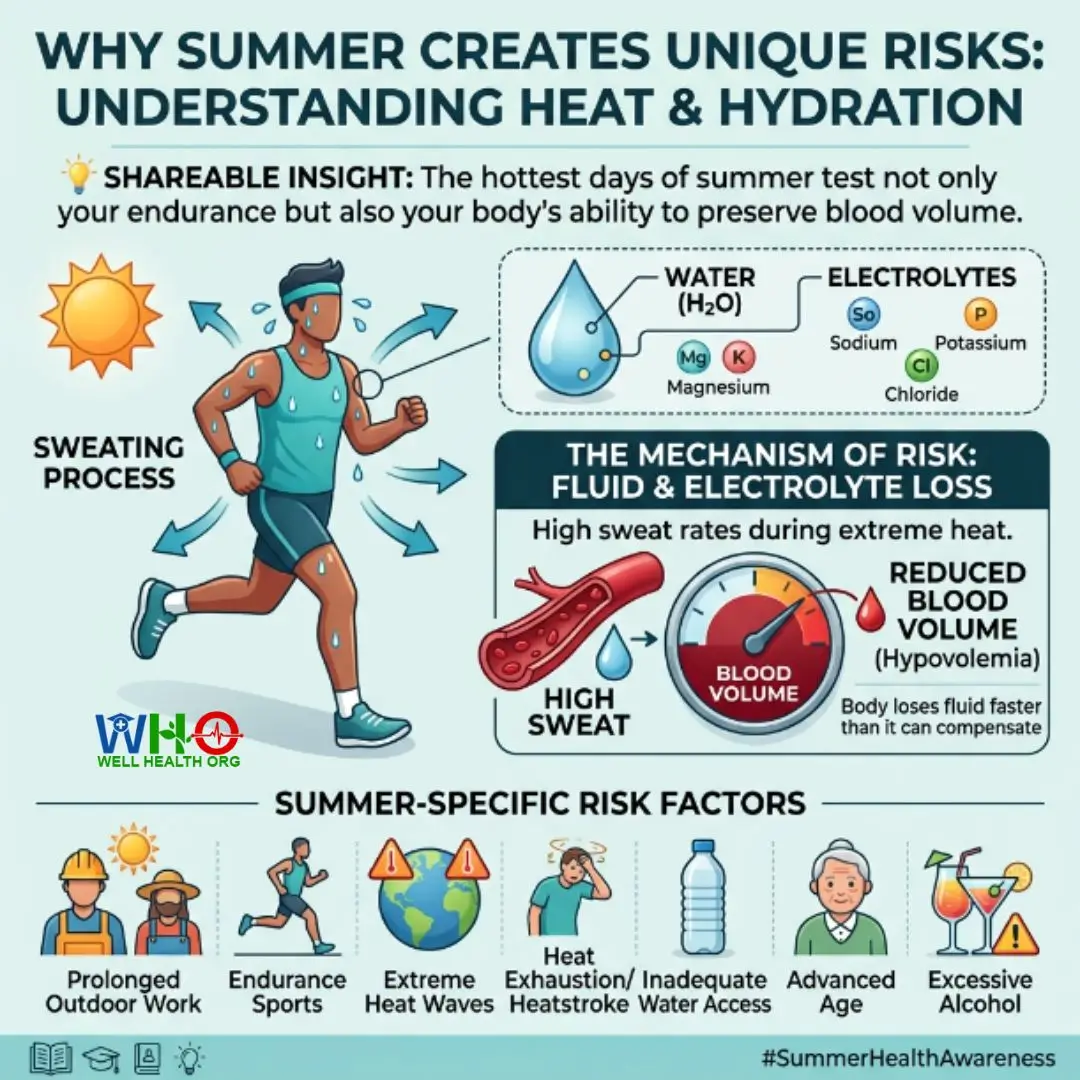
Human beings rely on sweating as their primary cooling mechanism. When body temperature rises, sweat glands release fluid onto the skin surface. As that fluid evaporates, heat leaves the body.
This process is remarkably effective—but it comes at a cost.
Every drop of sweat contains water along with important electrolytes such as sodium, potassium, chloride, and magnesium. During extreme heat, a physically active adult can lose several liters of fluid within a few hours.
The challenge becomes even greater when environmental temperatures remain elevated for prolonged periods.
Across North America, Europe, the Middle East, South Asia, and many tropical regions, record-breaking heat waves are becoming increasingly common. Hospitals often report surges in dehydration-related emergencies during these periods.
Several summer-specific factors contribute to hypovolemic shock risk:
- Prolonged outdoor work
- Construction and agricultural labor
- Long-distance running and endurance sports
- Heat exhaustion and heatstroke
- Inadequate access to drinking water
- Excessive alcohol consumption
- Gastrointestinal infections causing diarrhea and vomiting
- Advanced age reducing thirst perception
- Certain medications including diuretics
When multiple risk factors occur simultaneously, fluid losses can become overwhelming, causing blood volume to decline faster than the body can compensate.
The Journey From Sweating to Shock
💡 Shareable Insight: Shock rarely arrives suddenly—it develops through a chain reaction of physiological failures.
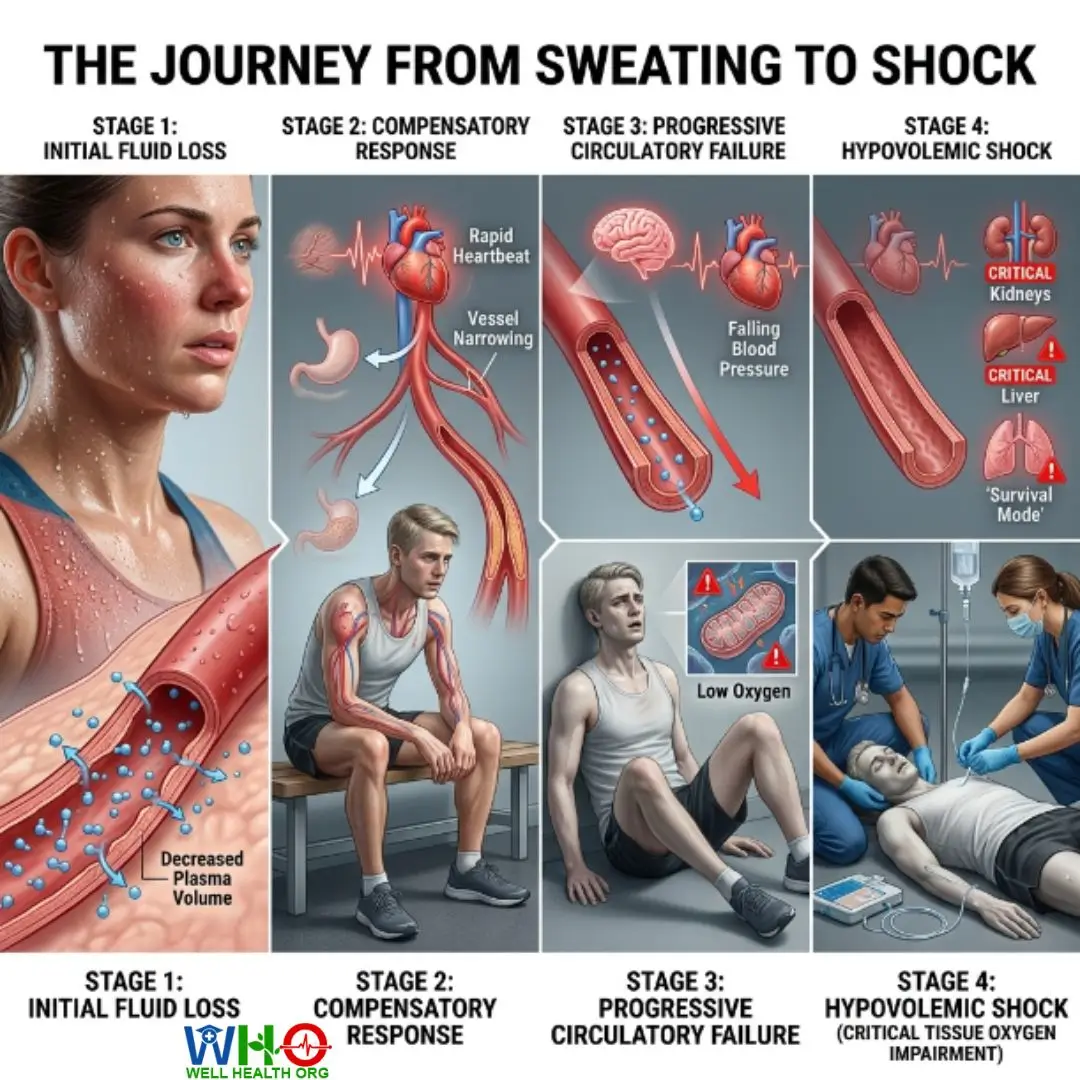
Stage 1: Initial Fluid Loss
The process begins with excessive sweating. As fluid leaves the body, plasma volume inside blood vessels gradually decreases.
Initially, the body compensates effectively. Most people experience nothing more than thirst, mild fatigue, or dry mouth.
Stage 2: Compensatory Response
As blood volume continues falling, the cardiovascular system activates emergency survival mechanisms.
The heart beats faster to maintain circulation. Blood vessels narrow to preserve blood pressure. Blood flow is redirected away from the skin and digestive system toward vital organs such as the heart and brain.
At this stage, individuals often experience:
- Rapid heartbeat
- Lightheadedness
- Reduced exercise tolerance
- Weakness
- Decreased urine production
Stage 3: Progressive Circulatory Failure
When fluid losses become severe, compensatory mechanisms begin failing.
Blood pressure starts dropping significantly. Oxygen delivery declines. Cells switch into emergency metabolic pathways that produce less energy and generate harmful metabolic waste products.
This period represents a medical turning point.
Without intervention, organ injury begins developing rapidly.
Stage 4: Hypovolemic Shock
Once fluid losses exceed approximately 15% to 20% of total circulating volume, full shock can occur.
The heart no longer receives enough blood to pump effectively.
Blood pressure collapses.
Tissue oxygen delivery becomes critically impaired.
Multiple organs begin entering survival mode.
Emergency treatment becomes essential to prevent death.
The Root Causes of Hypovolemic Shock in Summer
💡 Shareable Insight: The body can survive heat remarkably well—until fluid losses begin exceeding replacement.
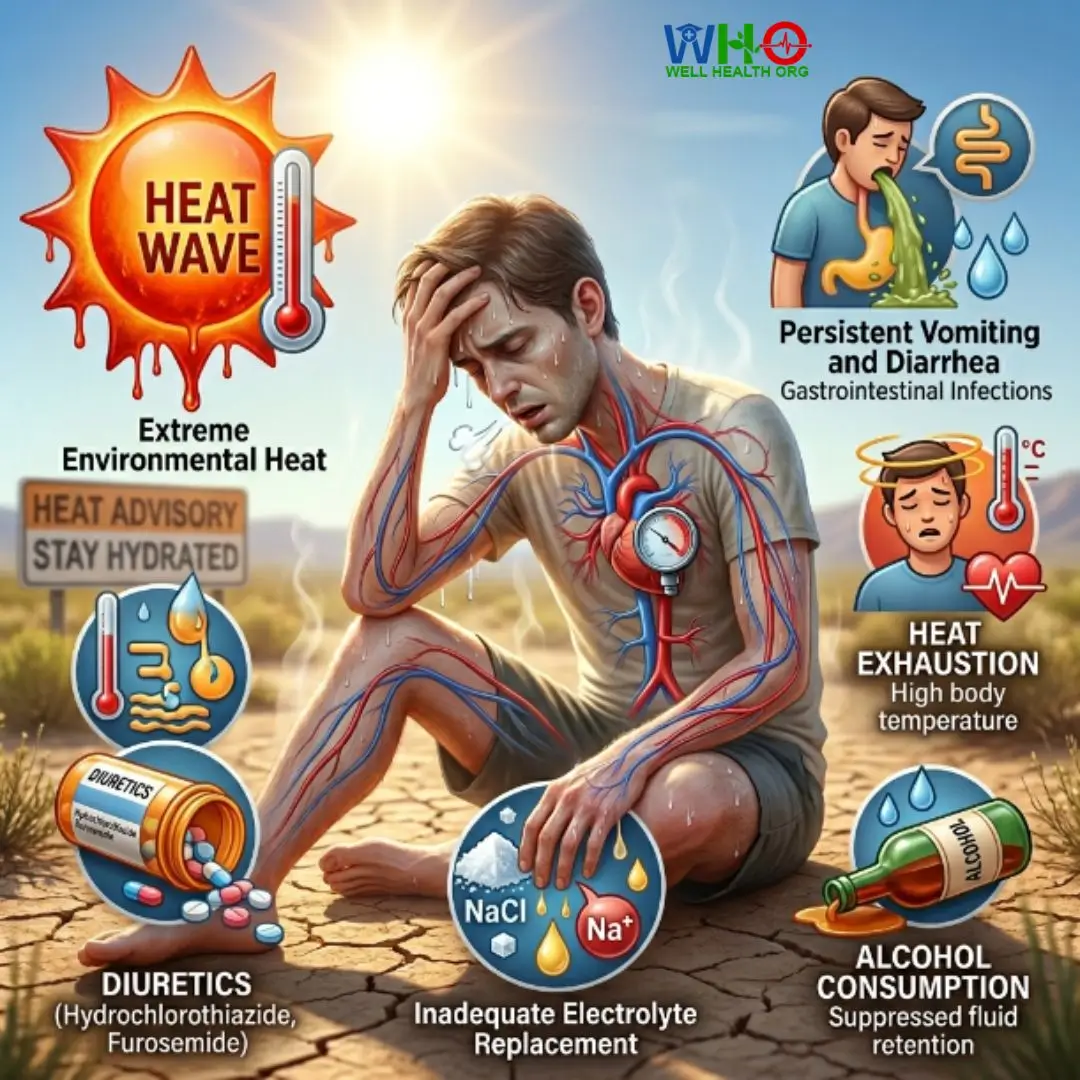
Although sweating is often the primary trigger, hypovolemic shock usually develops from a combination of fluid depletion mechanisms.
Common causes include:
Extreme Environmental Heat
Heat waves dramatically increase sweat production. Continuous exposure can lead to severe dehydration even when individuals believe they are drinking enough water.
Heat Exhaustion and Heatstroke
These conditions accelerate fluid depletion while simultaneously placing enormous stress on the cardiovascular and nervous systems.
Persistent Vomiting and Diarrhea
Summer gastrointestinal infections remain common worldwide. The combined loss of water and electrolytes can rapidly push vulnerable individuals toward shock.
Diuretic Medications
Many patients take medications for hypertension, heart failure, or kidney disease that increase urine output. During extreme heat, these drugs may amplify dehydration risk.
Alcohol Consumption
Alcohol suppresses important hormonal mechanisms involved in fluid retention. This can worsen dehydration significantly during hot weather.
Inadequate Electrolyte Replacement
Drinking only plain water during prolonged heavy sweating may fail to replace essential sodium losses. Electrolyte imbalances can worsen circulatory instability and muscle dysfunction.
Who Faces the Greatest Risk?
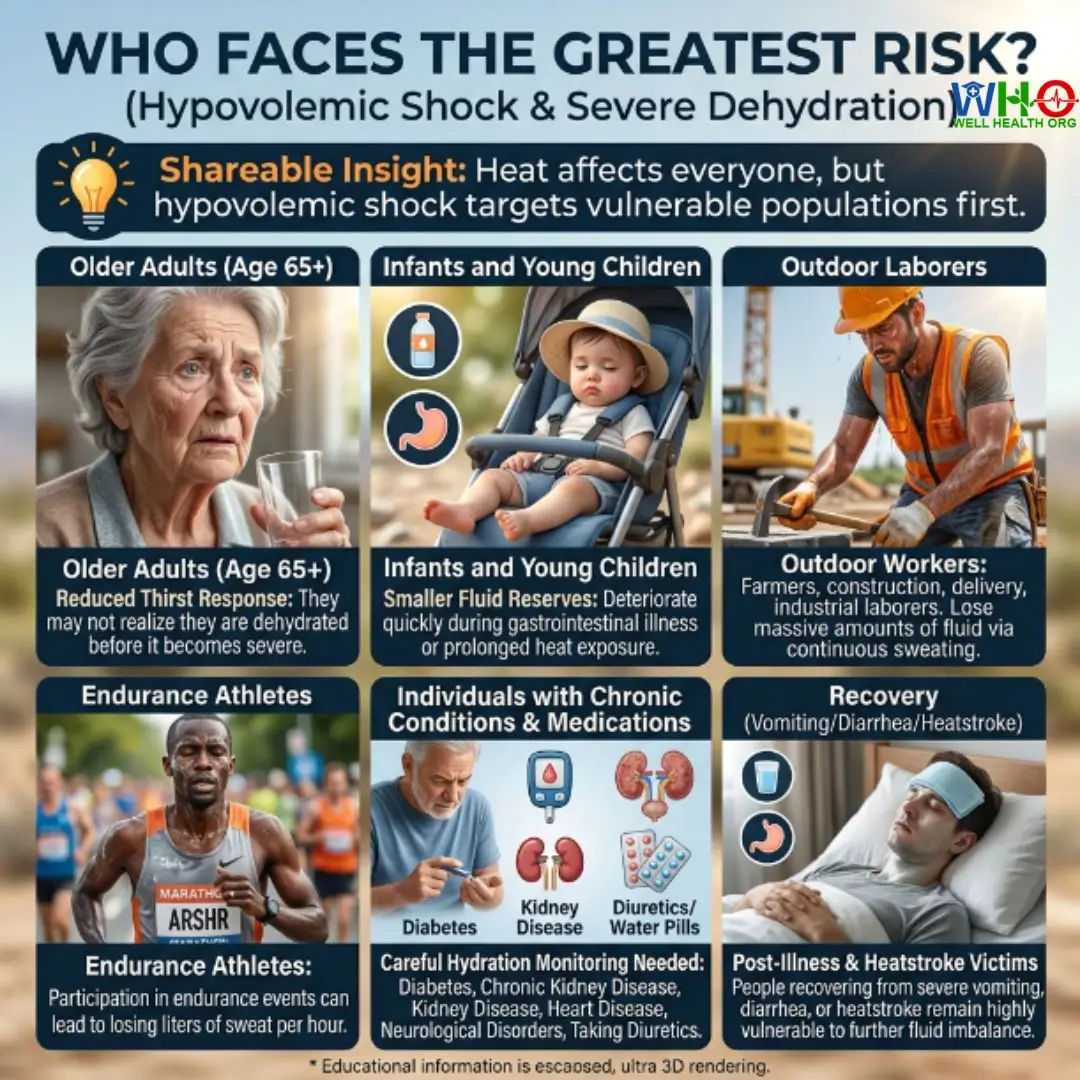
Older adults often experience a reduced thirst response. They may become significantly dehydrated before realizing their bodies need fluid replacement.
Young children possess smaller fluid reserves and can deteriorate quickly during gastrointestinal illnesses or prolonged heat exposure.
Outdoor workers—including farmers, construction workers, delivery personnel, and industrial laborers—frequently lose large amounts of fluid through continuous sweating.
Athletes participating in endurance events can lose several liters of sweat per hour under extreme environmental conditions.
Individuals with chronic kidney disease, heart disease, diabetes, neurological disorders, or those taking diuretics require especially careful hydration monitoring.
- Adults over age 65
- Infants and young children
- Athletes and marathon runners
- Outdoor laborers
- People taking diuretics
- Individuals with diabetes
- Patients with kidney disease
- People recovering from vomiting or diarrhea
- Heatstroke victims
Early Warning Signs Most People Miss
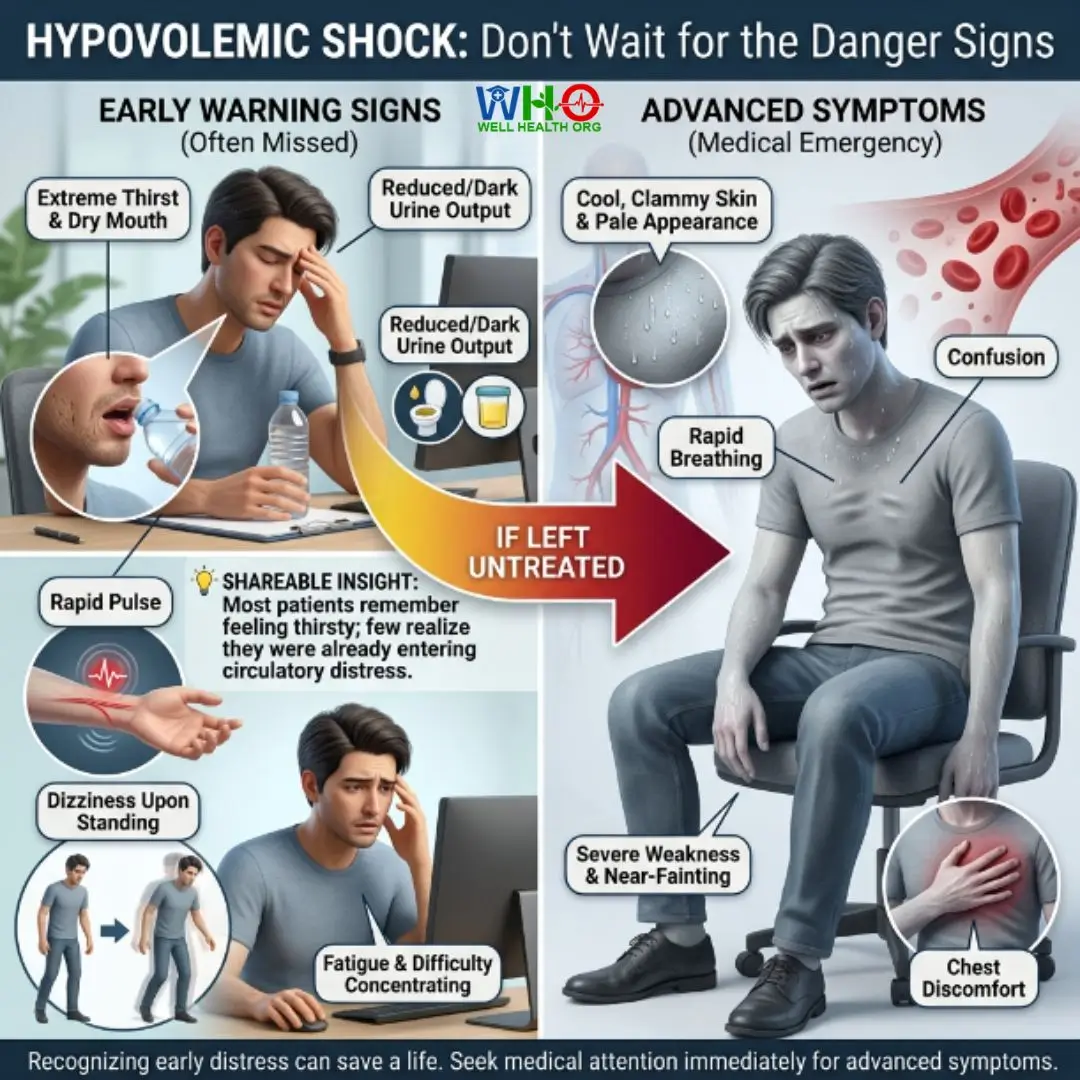
One of the greatest dangers associated with hypovolemic shock is that its early symptoms often appear harmless.
Many people dismiss them as simple fatigue, overwork, or ordinary dehydration.
The body, however, may already be struggling to preserve circulation.
Common early warning signs include:
- Extreme thirst
- Dry mouth
- Reduced urine output
- Dark yellow urine
- Rapid pulse
- Dizziness upon standing
- Fatigue
- Muscle cramps
- Difficulty concentrating
- Persistent headache
As blood volume continues to fall, symptoms become increasingly dangerous:
- Cool, clammy skin
- Pale appearance
- Confusion
- Rapid breathing
- Severe weakness
- Chest discomfort
- Near-fainting episodes
- Loss of consciousness
These advanced symptoms should never be ignored. They indicate a potentially life-threatening reduction in blood flow to critical organs.
How Hypovolemic Shock Triggers Multiorgan Failure
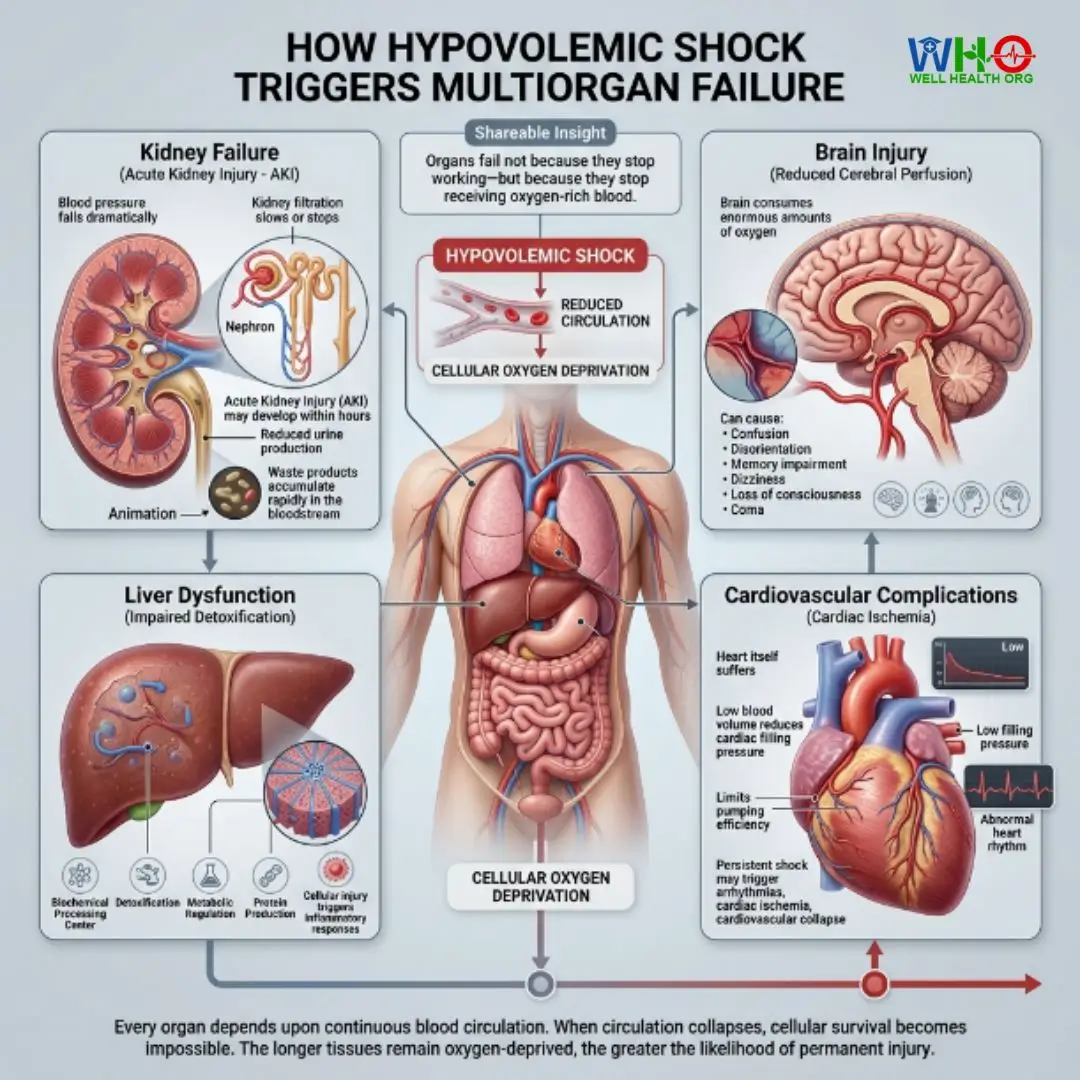
The most devastating consequence of hypovolemic shock is widespread organ dysfunction.
Every organ in the human body depends upon continuous blood circulation. When circulation collapses, cellular survival becomes impossible.
The longer tissues remain oxygen-deprived, the greater the likelihood of permanent injury.
Kidney Failure
The kidneys require significant blood flow to filter toxins and maintain fluid balance.
When blood pressure falls dramatically, kidney filtration slows or stops.
Acute Kidney Injury (AKI) may develop within hours.
Patients often notice sharply reduced urine production or complete cessation of urination.
Without treatment, waste products accumulate rapidly in the bloodstream.
Brain Injury
The brain consumes enormous amounts of oxygen despite representing only a small percentage of total body weight.
Reduced cerebral perfusion can cause:
- Confusion
- Disorientation
- Memory impairment
- Dizziness
- Loss of consciousness
- Coma
Neurological complications become increasingly likely as shock progresses.
Liver Dysfunction
The liver serves as the body’s biochemical processing center.
Insufficient blood flow impairs detoxification, metabolic regulation, and protein production.
Cellular injury can trigger inflammatory responses that further worsen organ stress.
Cardiovascular Complications
Ironically, the heart itself suffers when circulation collapses.
Low blood volume reduces cardiac filling pressure, limiting pumping efficiency.
Persistent shock may trigger dangerous arrhythmias, cardiac ischemia, and cardiovascular collapse.
Advanced Medical Treatments for Hypovolemic Shock
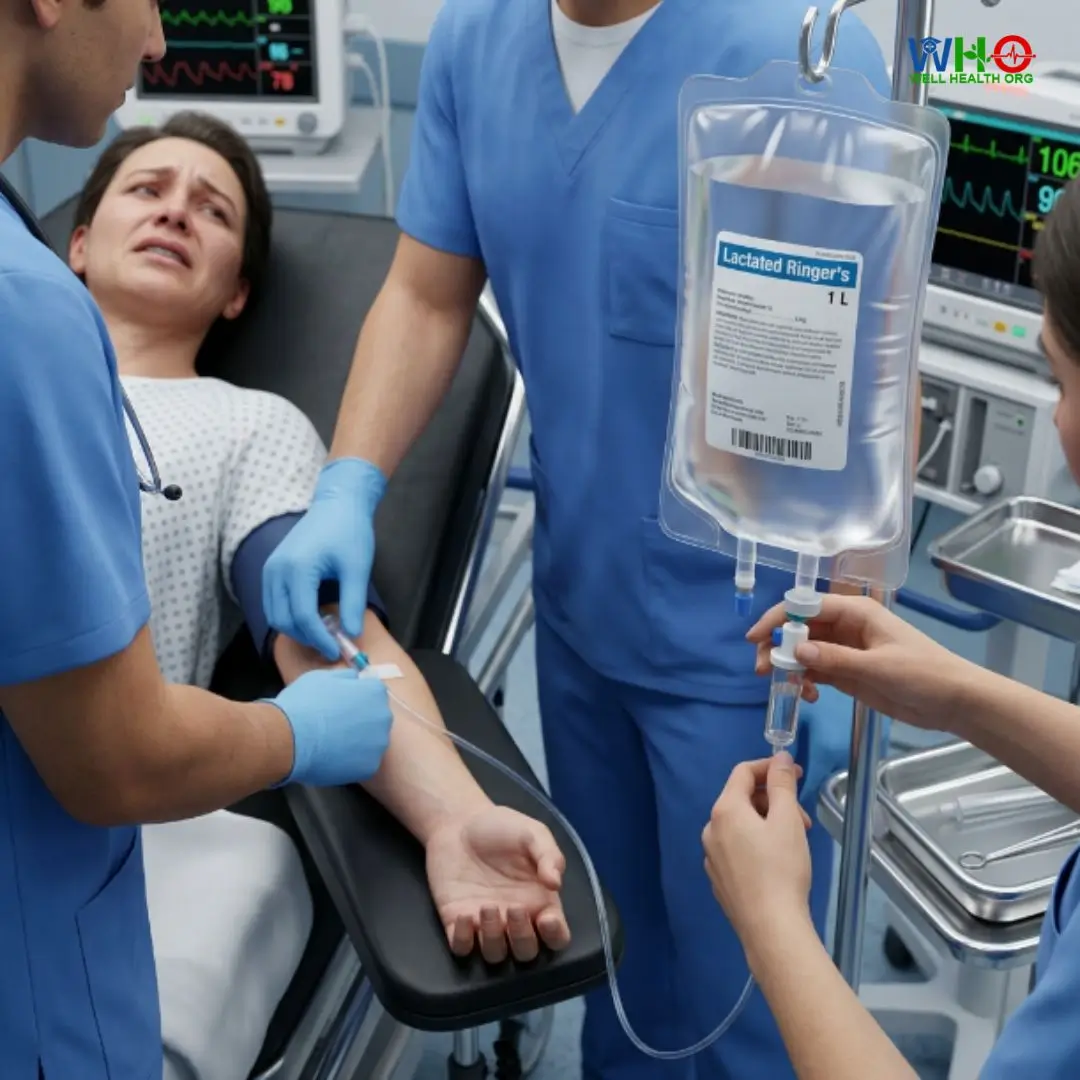
Intravenous Fluid Resuscitation
⚡ Clinical Application: Emergency physicians rapidly administer isotonic crystalloid solutions through large-bore intravenous lines.
⚖️ Dosage (US/Metric): Often begins with 1–2 liters of Normal Saline or Lactated Ringer’s solution, adjusted according to patient status.
🔬 Mechanism of Action: Restores circulating volume, improves cardiac output, and increases oxygen delivery.
⚠️ Medical Warning: Excessive administration may contribute to fluid overload in susceptible patients.
Blood and Component Transfusions
⚡ Clinical Application: Utilized when significant blood loss contributes to shock.
⚖️ Dosage (US/Metric): Determined according to laboratory findings and patient condition.
🔬 Mechanism of Action: Restores oxygen-carrying capacity and clotting function.
⚠️ Medical Warning: Requires close monitoring for transfusion-related reactions.
Vasopressor Therapy
⚡ Clinical Application: Used when blood pressure remains critically low despite aggressive fluid replacement.
⚖️ Dosage (US/Metric): Individually titrated in intensive care settings.
🔬 Mechanism of Action: Constricts blood vessels and supports circulation to vital organs.
⚠️ Medical Warning: Requires continuous monitoring and specialist oversight.
Oxygen and Airway Management
⚡ Clinical Application: High-flow oxygen therapy is commonly administered immediately.
⚖️ Dosage (US/Metric): Based on oxygen saturation levels and respiratory function.
🔬 Mechanism of Action: Maximizes oxygen delivery to compromised tissues.
⚠️ Medical Warning: Airway intervention may become necessary in critically ill patients.
Doctor Review and Emergency Diagnosis
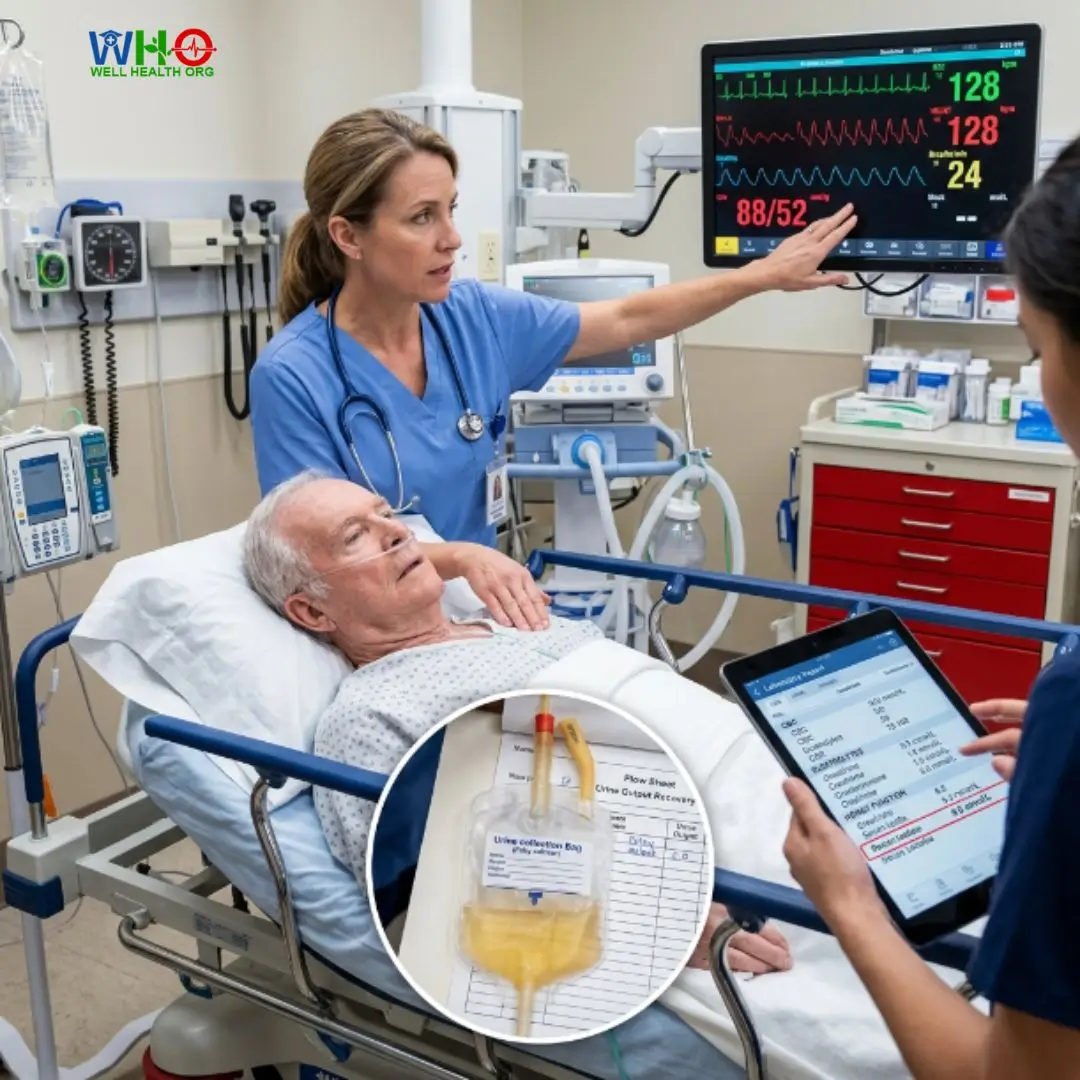
Emergency physicians perform a rapid but comprehensive assessment designed to identify circulatory failure immediately.
Vital Sign Monitoring
- Low blood pressure
- Rapid heart rate
- Rapid breathing
- Low oxygen saturation
- Altered mental status
Laboratory Evaluation
- Complete Blood Count (CBC)
- Electrolyte panels
- Kidney function testing
- Liver function assessment
- Serum lactate measurement
- Blood gas analysis
Organ Function Tracking
Continuous monitoring of urine output remains one of the most valuable indicators of recovery.
Improving urine production often signals that circulation is returning to safer levels.
Proven Home Remedies (First Aid Only)
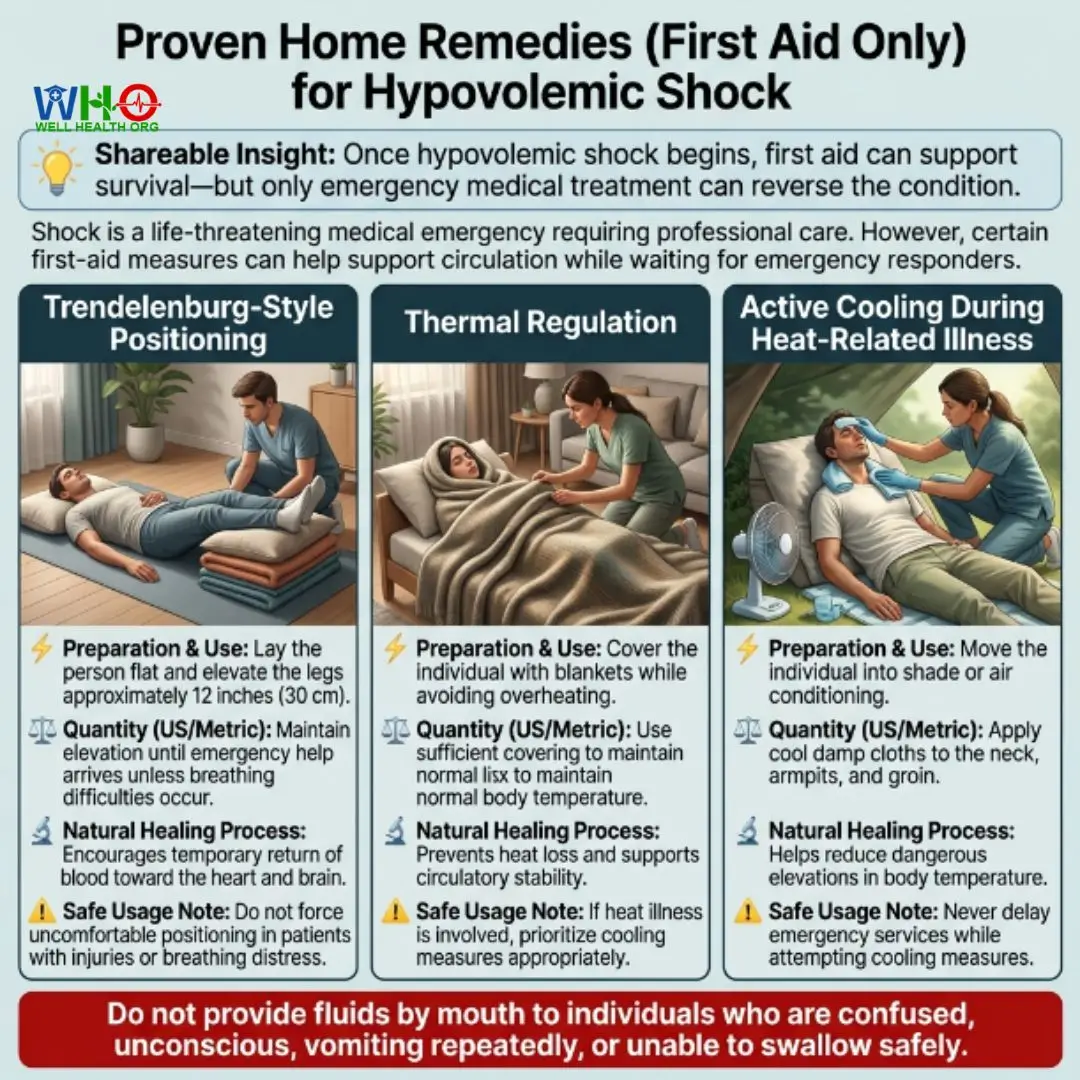
A critical point must be emphasized: there are no true home remedies capable of treating established hypovolemic shock.
Shock is a life-threatening medical emergency requiring professional care.
However, certain first-aid measures can help support circulation while waiting for emergency responders.
Trendelenburg-Style Positioning
⚡ Preparation & Use: Lay the person flat and elevate the legs approximately 12 inches (30 cm).
⚖️ Quantity (US/Metric): Maintain elevation until emergency help arrives unless breathing difficulties occur.
🔬 Natural Healing Process: Encourages temporary return of blood toward the heart and brain.
⚠️ Safe Usage Note: Do not force uncomfortable positioning in patients with injuries or breathing distress.
Thermal Regulation
⚡ Preparation & Use: Cover the individual with blankets while avoiding overheating.
⚖️ Quantity (US/Metric): Use sufficient covering to maintain normal body temperature.
🔬 Natural Healing Process: Prevents heat loss and supports circulatory stability.
⚠️ Safe Usage Note: If heat illness is involved, prioritize cooling measures appropriately.
Active Cooling During Heat-Related Illness
⚡ Preparation & Use: Move the individual into shade or air conditioning.
⚖️ Quantity (US/Metric): Apply cool damp cloths to the neck, armpits, and groin.
🔬 Natural Healing Process: Helps reduce dangerous elevations in body temperature.
⚠️ Safe Usage Note: Never delay emergency services while attempting cooling measures.
Do not provide fluids by mouth to individuals who are confused, unconscious, vomiting repeatedly, or unable to swallow safely.
The Medical Recovery Timeline
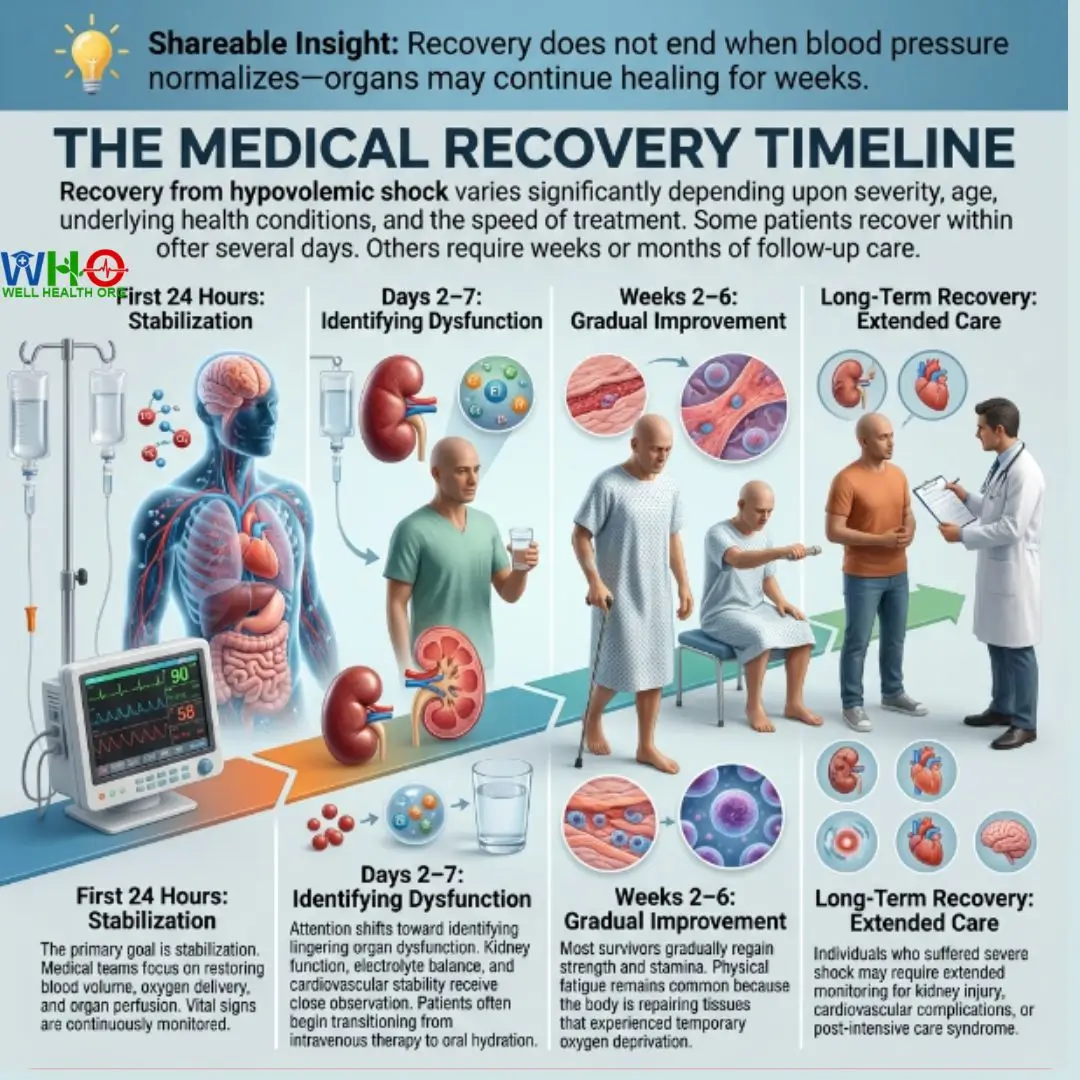
Recovery from hypovolemic shock varies significantly depending upon severity, age, underlying health conditions, and the speed of treatment.
Some patients recover within several days.
Others require weeks or months of follow-up care.
First 24 Hours
The primary goal is stabilization.
Medical teams focus on restoring blood volume, oxygen delivery, and organ perfusion.
Vital signs are continuously monitored.
Days 2–7
Attention shifts toward identifying lingering organ dysfunction.
Kidney function, electrolyte balance, and cardiovascular stability receive close observation.
Patients often begin transitioning from intravenous therapy to oral hydration.
Weeks 2–6
Most survivors gradually regain strength and stamina.
Physical fatigue remains common because the body is repairing tissues that experienced temporary oxygen deprivation.
Long-Term Recovery
Individuals who suffered severe shock may require extended monitoring for kidney injury, cardiovascular complications, or post-intensive care syndrome.
Essential Lifestyle Adjustments for Prevention

Structured Hydration
Drink fluids consistently throughout the day rather than waiting until thirst becomes intense.
Thirst often appears after dehydration has already begun.
Monitor Urine Color
Pale yellow urine generally indicates adequate hydration.
Dark urine frequently signals insufficient fluid intake.
Replace Electrolytes
During prolonged sweating, hydration should include sodium and potassium replacement.
Oral rehydration solutions can be especially valuable during extreme heat.
Avoid Peak Heat Exposure
Outdoor activity should be minimized during the hottest hours of the day whenever possible.
Wear Appropriate Clothing
Loose-fitting, breathable fabrics help support temperature regulation and reduce heat stress.
Pre-Hydrate Before Activity
Workers and athletes should begin hydration before entering hot environments rather than attempting to catch up later.
🌟 Words of Strength and Recovery
“Surviving hypovolemic shock is a remarkable demonstration of human resilience. Your heart continued fighting, your organs continued adapting, and your body continued searching for recovery even during a profound physiological crisis.
Healing is rarely instantaneous. It occurs one day at a time, one healthy decision at a time, and one step forward at a time.
Every glass of water, every follow-up appointment, every moment of rest, and every healthy choice contributes to rebuilding strength.
You survived the emergency. Now give yourself permission to recover fully and patiently.”
Global Summer Hydration Considerations
United States, United Kingdom & Europe
Monitor hydration during heat waves, outdoor sports, gardening activities, festivals, and travel. Older adults should receive particular attention during prolonged hot weather.
Asia, Middle East & Tropical Regions
High humidity, intense sun exposure, outdoor labor, fasting periods, and extended commuting can significantly increase fluid loss and dehydration risk.
Article Summary (Hindi & Hinglish)
🇮🇳 संपूर्ण लेख का सारांश (Pure Hindi Summary)
- 1. हाइपोवोलेमिक शॉक क्या है: गर्मियों में अत्यधिक पसीना आने से शरीर में खून और पानी की मात्रा इतनी कम हो जाती है कि दिल शरीर के अंगों तक खून नहीं पहुंचा पाता।
- 2. मुख्य कारण: तेज धूप, अत्यधिक उमस (Humidity), और पसीने के जरिए शरीर से जरूरी नमक (Electrolytes) का बाहर निकल जाना।
- 3. शुरुआती लक्षण: बहुत ज्यादा प्यास लगना, चक्कर आना, दिल की धड़कन तेज होना, और त्वचा का ठंडा या चिपचिपा पड़ जाना।
- 4. अंगों पर असर: खून की कमी से ऑक्सीजन नहीं पहुंचती, जिससे किडनी (गुर्दे) और दिमाग तेजी से काम करना बंद कर सकते हैं।
- 5. सादा पानी खतरनाक हो सकता है: पसीने के बाद सिर्फ सादा पानी पीने से शरीर में सोडियम की कमी हो जाती है, इसलिए ORS या इलेक्ट्रोलाइट्स लेना जरूरी है।
- 6. अस्पताल का इलाज: आपातकालीन स्थिति में डॉक्टर नसों के जरिए (IV Fluids) सलाइन वॉटर चढ़ाते हैं ताकि खून का दबाव (Blood Pressure) तुरंत सामान्य हो सके।
- 7. गंभीर स्थिति का उपचार: जरूरत पड़ने पर वैसोप्रेसर (Vasopressors) दवाएं और ऑक्सीजन दी जाती है ताकि अंगों को मरने से बचाया जा सके।
- 8. फर्स्ट एड (First Aid): एंबुलेंस का इंतजार करते समय मरीज को सीधा लिटा दें और उसके पैरों को 12 इंच ऊपर उठा दें ताकि खून दिमाग तक पहुंच सके।
- 9. बेहोशी में पानी न पिलाएं: यदि मरीज बेहोश है या भ्रमित है, तो उसे मुंह से कुछ भी न पिलाएं, यह श्वास नली में जाकर जानलेवा हो सकता है।
- 10. बचाव के उपाय: तेज धूप में बाहर जाने से बचें, नियमित रूप से नींबू पानी या ORS पीते रहें, और प्यास लगने का इंतजार न करें।
🇮🇳 Article Summary in Hinglish (Roman Hindi)
- 1. Hypovolemic Shock kya hai: Summer mein extreme sweating se body mein fluid aur blood volume itna gir jata hai ki heart organs tak blood pump nahi kar pata.
- 2. Main Reasons: Direct sun exposure, high humidity (ummas), aur pasine ke through essential sodium aur electrolytes ka loss hona.
- 3. Warning Signs: Extreme thirst, chakkar aana (dizziness), fast heart rate (tachycardia), aur skin ka thanda aur clammy ho jana.
- 4. Organs par danger: Blood flow rukne se oxygen ki kami hoti hai, jisse brain aur kidneys fail hone lagte hain.
- 5. Sirf plain paani peena risky hai: Sweating ke baad sirf paani peene se body mein sodium dilte ho jata hai. Isliye ORS ya sports drinks zaroori hain.
- 6. Hospital Treatment: Emergency room mein doctors turant IV fluids (Normal Saline) lagate hain taaki blood pressure normal ho sake.
- 7. Advanced Care: Agar BP nahi badhta, toh vasopressor medicines aur high-flow oxygen di jati hai organs ko bachane ke liye.
- 8. Emergency First Aid: Ambulance aane tak patient ko flat litayein aur unke legs ko 12 inches elevate karein taaki blood brain tak flow kare.
- 9. Unconscious patient precaution: Agar patient behosh ya confused hai, toh use muh (mouth) se liquid na dein, isse choking ka khatra hota hai.
- 10. Prevention tips: Peak afternoon sun ko avoid karein, hydrated rahein, aur bina pyaas ke bhi ORS ya nimbu paani peete rahein.
Frequently Asked Questions (FAQs)
1. Is hypovolemic shock the exact same thing as a heat stroke?
No, although they frequently occur simultaneously during extreme summer weather. Heat stroke is a catastrophic failure of the body’s neurological thermoregulation system, causing the core internal temperature to spike dangerously high (over 104°F / 40°C). Hypovolemic shock, on the other hand, is strictly a fluid-mechanical failure—it means the total volume of blood plasma has dropped too low to sustain blood pressure. A patient can suffer from hypovolemic shock due to heavy sweating without ever reaching the core temperatures required to technically classify as heat stroke.
2. What are the earliest warning signs before full shock sets in?
Long before hemodynamic collapse occurs, the body enters moderate to severe dehydration. The first systemic warning signs include a persistently dry mouth, a sudden and stark decrease in urine output, very dark or amber-colored urine, profound fatigue, painful muscle cramps (due to sodium loss), and a dull, throbbing headache. If ignored, this progresses into dizziness upon standing, severe nausea, and an abnormally fast, pounding heart rate as the cardiovascular system attempts to compensate for the lowering blood volume.
3. Why does someone in heat-induced shock feel cold and clammy instead of hot?
This is a fascinating survival mechanism executed by the autonomic nervous system. When your blood volume drops critically low, the brain decides that the skin and extremities are non-essential for survival. It secretes powerful catecholamines (like adrenaline) that cause massive peripheral vasoconstriction. The blood vessels in your skin forcefully squeeze shut to redirect all available blood deep into the core to supply the brain, heart, and lungs. Without warm blood flowing through the skin layers, the surface of the body feels ice-cold, pale, and clammy, even if the outdoor temperature is 110 degrees.
4. How long does it take for the kidneys to recover after a shock event?
The kidneys are exceptionally sensitive to blood flow and oxygen deprivation. During shock, they frequently suffer from Acute Kidney Injury (AKI) due to a condition called ischemic acute tubular necrosis. If IV fluid resuscitation in the hospital is rapid and successful, kidney function can begin to normalize within 48 to 72 hours. However, in severe delays, full regeneration of the delicate kidney filtration tubules can take several weeks or months, during which the patient’s creatinine and BUN (Blood Urea Nitrogen) levels must be closely monitored by a nephrologist.
5. Why are the elderly and young children at a much higher risk during summer?
Vulnerability comes down to biology. As we age, our neurological thirst mechanism naturally blunts; older adults often simply do not feel thirsty even when their intravascular volume is dangerously low. Additionally, aging kidneys lose their ability to concentrate urine effectively, leading to faster baseline fluid loss. Conversely, young children have a much larger surface-area-to-body-mass ratio than adults. This means they absorb ambient heat faster from the environment and lose fluid much more rapidly through the skin, accelerating the timeline to cardiovascular collapse.
6. Can daily prescription medications increase my risk of summer hypovolemia?
Absolutely. In my clinical practice, I frequently review patient charts where daily medications acted as the fatal catalyst for shock. Diuretics (water pills, often prescribed for hypertension) actively force the kidneys to excrete water, effectively dehydrating the body from the inside. Beta-blockers present another hidden danger: they prevent the heart rate from rising. If your blood volume drops due to sweating, your heart needs to beat faster (tachycardia) to compensate. A beta-blocker chemically blocks this defensive reflex, causing blood pressure to crash abruptly without warning.
7. If I don’t have commercial ORS packets, can I make a prevention drink at home?
Yes, for prevention only (never for treating active shock). The World Health Organization (WHO) provides a basic emergency recipe to prevent severe dehydration before it turns into an emergency. You can mix 1 liter (about 4 cups) of clean, boiled water with 6 level teaspoons of sugar and 1/2 level teaspoon of table salt. The sugar is not for taste; it acts as a molecular transport mechanism, helping to pull the salt and water across the intestinal wall directly into the bloodstream to rebuild your blood volume.
8. What exactly is Post-Intensive Care Syndrome (PICS) in shock survivors?
Patients who survive severe hypovolemic shock and spend time in the Intensive Care Unit (ICU) often experience Post-Intensive Care Syndrome. PICS is a collection of physical, cognitive, and emotional symptoms that persist long after hospital discharge. Because the brain and muscles were temporarily starved of optimal oxygen levels, survivors may endure profound muscular weakness, chronic fatigue, memory disturbances, brain fog, and psychological trauma such as anxiety or PTSD. Gentle physical therapy and long-term neurological rest are critical components of a full recovery.
9. How do doctors clinically diagnose the severity of hypovolemic shock in the ER?
Emergency physicians use a combination of rapid physical assessments and laboratory panels. Beyond checking for severe hypotension and tachycardia, we look at capillary refill time (pressing the fingernail and seeing how long it takes for color to return). In the lab, a Complete Blood Count (CBC) helps assess hemoconcentration (blood becoming too thick due to water loss). A comprehensive metabolic panel checks electrolyte imbalances and kidney function. Most importantly, we test serum lactate levels—high lactic acid indicates that the tissues are actively dying from oxygen starvation.
10. Can I exercise outdoors again after surviving a hypovolemic crisis?
Yes, but it requires a very slow, medically guided period of acclimatization. After a shock event, your autonomic nervous system—which controls the dilation and constriction of your blood vessels—remains fragile for several weeks. Rushing back into high-heat cardiovascular activities can trigger a secondary hemodynamic crisis. I advise my patients to wait at least 4 to 6 weeks, beginning with light, indoor exercise in an air-conditioned environment, and slowly reintroducing outdoor activity during the cooler early morning hours while rigorously tracking electrolyte intake.
“`
Medically Reviewed by Prof. Dr. Akram
Orthopedic Surgeon | Professor | Senior Medical Specialist
Prof. Dr. Akram is a distinguished surgeon with over 15 years of clinical expertise. Having served as a lead Emergency Specialist at Complex International Government Hospital, he currently leads a specialized team of 13 medical professionals at his private hospital. As a Professor at top medical universities, he ensures that every article on WellHealthOrg.com meets rigorous clinical standards.
Medical Disclaimer:
The information provided is for educational purposes only and is not a substitute for professional medical advice, diagnosis, or treatment. Always consult your physician for any medical concerns.
Our content is rigorously fact-checked by our 13-member Editorial Team under the clinical supervision of Prof. Dr. Akram.