Introduction
Heart failure is not just a medical condition—it’s a daily battle for millions of people across the globe. For many, even the simplest activities like walking across a room, climbing stairs, or carrying groceries can feel overwhelming. Shortness of breath, constant fatigue, and swelling in the legs are more than just symptoms—they’re barriers that prevent patients from enjoying life the way they once did.
- Introduction
- What Is a Biventricular Pacemaker?
- How a Biventricular Pacemaker Works
- Who Needs a Biventricular Pacemaker?
- Benefits of a Biventricular Pacemaker
- Preparing for the Procedure
- The Biventricular Pacemaker Procedure: Step-by-Step
- Recovery and Hospital Stay
- Risks and Complications of Biventricular Pacemaker Surgery
- Life After Biventricular Pacemaker Implantation
- Lifestyle Improvements After Implantation
- Precautions and Lifestyle Modifications
- Maximizing Your Heart Health Journey
- Questions to Ask Your Cardiologist
- Conclusion: Taking the Next Step Toward Better Heart Health
Traditional medications and therapies, such as diuretics, beta-blockers, and ACE inhibitors, have long been the mainstay of heart failure treatment. While these drugs provide relief for many, they aren’t always enough. For some patients, the problem isn’t just a weakened heart—it’s a heart that’s out of rhythm with itself. When the right and left sides of the heart fail to contract in sync, the pumping efficiency plummets, leaving organs starved of the oxygen-rich blood they need.
This is where modern cardiology offers hope through biventricular pacemakers, also known as cardiac resynchronization therapy (CRT) devices. Unlike standard pacemakers, which only manage simple rhythm problems, these advanced devices restore coordination between both lower chambers of the heart. For countless patients, implantation of a biventricular pacemaker marks the turning point between a life limited by heart failure and a future filled with improved energy, independence, and vitality.
In this guide, we’ll explore what a biventricular pacemaker is, who needs it, how the procedure works, potential risks, and what life looks like after recovery. Whether you’re a patient, a family member, or simply curious about this breakthrough treatment, you’ll gain a clear, comprehensive understanding of how this technology can transform heart health.
What Is a Biventricular Pacemaker?
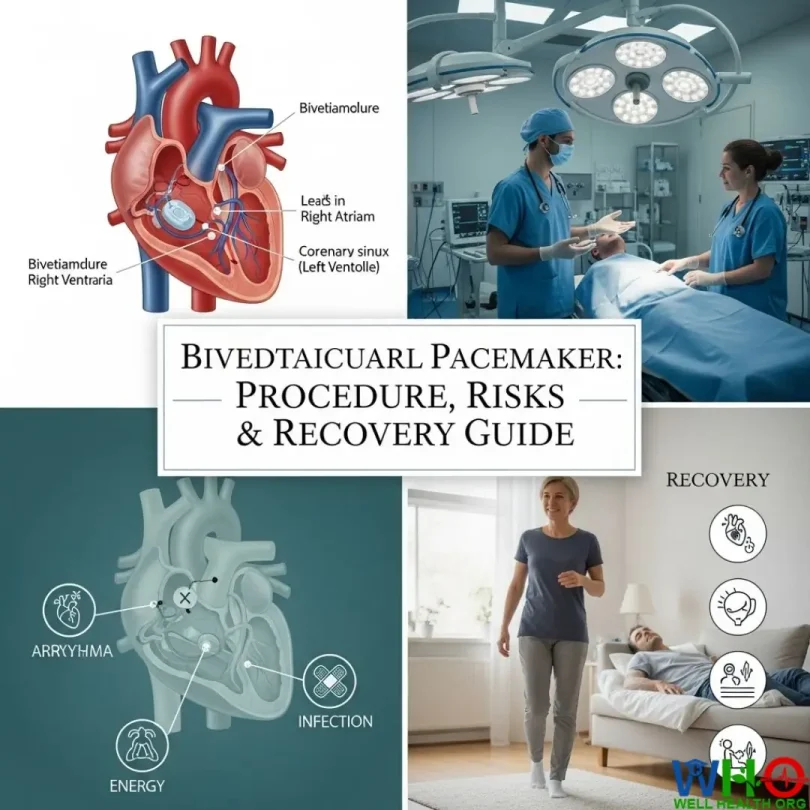
A biventricular pacemaker is an implantable device designed to help the heart beat in a more coordinated way. Roughly the size of a small stopwatch, it consists of two main parts:
- The generator – a small, battery-powered device containing computer circuits that send electrical impulses.
- The leads – three thin, insulated wires that carry these impulses directly to specific areas of the heart.
While a standard pacemaker usually uses one or two leads, a biventricular pacemaker uses three leads strategically placed:
- One in the right atrium (the heart’s upper right chamber).
- One in the right ventricle (the lower right chamber).
- One threaded through the coronary sinus vein to reach the left ventricle (the lower left chamber).
This unique three-lead setup allows the pacemaker to synchronize contractions of the heart’s ventricles, ensuring that both pump blood at the same time. The result is a more powerful and efficient heartbeat.
Think of it like a rowing team: if one side of the boat rows ahead while the other lags behind, the boat wobbles and slows down. But when both sides row in perfect unison, the boat glides smoothly and powerfully forward. A biventricular pacemaker ensures your heart rows in sync, maximizing every beat.
How a Biventricular Pacemaker Works
To appreciate the function of this device, it helps to understand how the heart’s natural electrical system operates. Normally, electrical impulses travel in a precise sequence through the heart, telling each chamber when to contract. This ensures a steady rhythm and an efficient blood flow.
In heart failure, however, especially when electrical conduction pathways are disrupted, the ventricles may contract at different times—a condition known as dyssynchrony. When this happens, the pumping power of the heart decreases, and the body receives less oxygen.
A biventricular pacemaker solves this problem by sending tiny, carefully timed pulses to both ventricles. These pulses act like a conductor leading an orchestra, bringing all the heart’s sections back into rhythm. With better synchronization, the heart pumps more effectively, reducing symptoms like shortness of breath and fatigue.
Real-world analogy: Imagine trying to clap along with a song, but your left hand claps a half-second later than your right hand. The rhythm feels awkward and weak. Now, picture both hands clapping together in perfect timing—the sound is stronger, fuller, and more effective. That’s essentially what a biventricular pacemaker does for your heart.
Who Needs a Biventricular Pacemaker?
Not every patient with heart problems requires a biventricular pacemaker. Doctors carefully evaluate candidates based on specific medical criteria. Typically, this therapy is recommended for individuals who:
- Have moderate to severe heart failure – Usually those in New York Heart Association (NYHA) Class II, III, or IV, meaning they struggle with noticeable symptoms like fatigue, breathlessness, or swelling despite medications.
- Show electrical conduction problems – Especially a prolonged QRS duration on an ECG (greater than 120 milliseconds), which indicates delayed or blocked electrical signals between ventricles.
- Have a low ejection fraction (EF) – Typically 35% or less, meaning the heart pumps out less than one-third of the blood in the left ventricle with each beat. Normal EF ranges from 50% to 70%.
- Do not respond adequately to medication – Even with guideline-based therapies like ACE inhibitors, beta-blockers, and diuretics, their symptoms persist.
Additional factors such as overall health, age, co-existing heart conditions, and expected life span are also considered. Cardiologists use tests like echocardiograms, ECGs, and sometimes stress tests to determine candidacy.
It’s important to remember that every patient is different. Some people with advanced heart failure may not benefit, while others with moderate disease may see dramatic improvements. That’s why the evaluation process is personalized, involving not just test results but also lifestyle considerations and patient goals.
Benefits of a Biventricular Pacemaker
For eligible patients, the benefits of receiving a biventricular pacemaker can be life-changing. Clinical studies and real-world patient experiences highlight several major advantages:
- Symptom relief: Many patients report less fatigue, easier breathing, and reduced swelling in the legs.
- Improved exercise tolerance: Activities like walking, gardening, or climbing stairs become more manageable.
- Enhanced heart function: Synchronizing the ventricles increases pumping efficiency, allowing more oxygen-rich blood to reach organs.
- Better quality of life: Patients often experience improved sleep, higher energy levels, and greater independence in daily life.
- Reduced hospitalizations: Studies show CRT can lower the frequency of emergency visits and hospital stays related to heart failure.
- Long-term survival benefits: Some research indicates that CRT not only improves symptoms but may also extend life expectancy in selected patients.
For many, the difference is dramatic. One patient might describe being able to walk their dog again without stopping every few steps, while another finally enjoys a full night’s sleep without gasping for air. These are not small improvements—they are the difference between merely surviving and truly living.
Preparing for the Procedure
Getting ready for a biventricular pacemaker implant involves more than just showing up on surgery day. Preparation is an important step that ensures the procedure goes smoothly and that the patient is physically and mentally ready.
Medical Evaluations: Before scheduling the surgery, your cardiologist will order several diagnostic tests. These may include an echocardiogram to measure ejection fraction, an electrocardiogram (ECG) to analyze heart rhythm, and sometimes a stress test to see how the heart responds under physical exertion. Blood work is also standard, checking clotting ability, kidney function, and other baseline health markers.
Medication Adjustments: Certain medications, especially blood thinners like warfarin or newer anticoagulants, may need to be paused or adjusted to reduce bleeding risks. Your doctor will guide you on when to stop and restart these drugs. Other heart medications, such as diuretics or beta-blockers, may be continued, but the exact plan will depend on your condition.
Fasting and Pre-Procedure Instructions: Typically, patients are asked not to eat or drink for about 6–8 hours before the procedure. This reduces risks associated with anesthesia and sedation. You’ll also receive specific instructions about bathing and avoiding lotions or creams on the chest area.
Emotional Preparation: It’s natural to feel nervous before surgery. Many patients find it helpful to bring a family member or trusted friend to the hospital for support. Your care team will also explain the steps, answer questions, and make sure you understand the risks and benefits before you sign the consent form.
Practical Preparations: Since you’ll stay in the hospital for at least a night, pack personal essentials like comfortable clothing, slippers, and reading material. Arrange for someone to drive you home after discharge, as driving isn’t permitted for at least a week post-surgery.
Preparing well helps you feel more in control of the process. The more informed and ready you are, the smoother the overall experience tends to be.
The Biventricular Pacemaker Procedure: Step-by-Step
The implantation of a biventricular pacemaker is considered a minimally invasive procedure, but it is still a form of heart surgery that requires precision and expertise. Knowing what to expect can ease anxiety and help you feel more confident.
Step 1: Anesthesia and Sedation
The procedure is usually performed under local anesthesia combined with conscious sedation. This means you’ll be awake but relaxed, and the incision site near your collarbone will be numb. In rare cases, general anesthesia may be used, but this is not typical.
Step 2: Lead Placement
The surgeon makes a small incision under the left collarbone and threads thin, flexible wires (leads) into veins that connect to the heart. Using fluoroscopy (live X-ray imaging), the leads are guided into position: one in the right atrium, one in the right ventricle, and one in the left ventricle through the coronary sinus vein.
Step 3: Device Placement
Once the leads are secured, the surgeon creates a small “pocket” beneath the skin or chest muscle. The pacemaker generator is connected to the leads and placed inside this pocket.
Step 4: Testing and Programming
The device is tested to ensure the leads are stable and transmitting electrical signals correctly. The pacemaker is then programmed to deliver precise impulses that optimize heart synchronization.
Step 5: Closure and Dressing
The incision is closed with sutures, medical glue, or surgical tape, and a sterile dressing is applied.
The entire procedure usually takes 2–4 hours. While it may sound complex, most patients are surprised by how quickly it is completed and how soon they’re able to begin recovery.
Recovery and Hospital Stay
After implantation, you’ll typically spend 1–2 days in the hospital for observation and recovery. During this time, your care team focuses on ensuring the device is functioning correctly and that you are stable.
Immediate Monitoring: Nurses and doctors will monitor your heart rhythm, blood pressure, and oxygen levels. A chest X-ray is usually performed to confirm proper placement of the leads and to check for complications like pneumothorax (collapsed lung).
Pain and Incision Care: Some soreness around the incision site is common, but most patients describe it as mild to moderate. Pain medication may be prescribed if needed. The incision will be covered with a sterile dressing, and you’ll be instructed on how to keep it clean and dry.
Device Programming: The pacemaker is fine-tuned using a special computer. Doctors can adjust the settings wirelessly to ensure that your heart’s contractions are synchronized as effectively as possible.
Activity Restrictions: You’ll be advised to avoid raising your arm above shoulder height on the side where the device was implanted. This precaution helps prevent the leads from shifting while they heal into place. Heavy lifting and strenuous activities are restricted for a few weeks.
Going Home: Most patients are discharged within 24–48 hours. Before leaving, you’ll receive detailed instructions about wound care, physical activity, and follow-up appointments. It’s important to arrange for someone to drive you home since driving is restricted during the first week.
This hospital stay is relatively short compared to the benefits many patients experience. For many, it’s the beginning of a healthier, more active chapter of life.
Risks and Complications of Biventricular Pacemaker Surgery
Although biventricular pacemaker implantation is generally safe, no surgery is entirely risk-free. Being aware of potential complications helps patients make informed decisions and recognize warning signs early.
Immediate Surgical Risks:
- Bleeding or bruising at the incision site. Severe bleeding is rare but possible.
- Infection at the incision or around the device pocket. This may require antibiotics or, in serious cases, device removal.
- Pneumothorax (collapsed lung) can occur if the lung is punctured during lead placement, though this is uncommon.
- Blood vessel injuries or blood clots may develop but are rare with experienced surgeons.
Device-Related Risks:
- Lead displacement: The leads may shift out of position, requiring a repeat procedure.
- Lead malfunction or fracture: Leads can wear out or fail, especially after many years.
- Pericardial effusion: Fluid may collect around the heart due to lead irritation, sometimes requiring drainage.
- Pocket issues: The device pocket may bleed, form a hematoma, or become infected.
Long-Term Considerations:
- The pacemaker’s battery typically lasts 7–10 years. When it runs low, a replacement procedure is required.
- Routine monitoring is essential to catch issues before they cause symptoms.
- Rarely, patients may develop an allergy to the materials used in the device.
While these risks may sound concerning, the overall complication rate is low, especially when performed by experienced electrophysiologists. For many patients, the potential benefits of improved heart function far outweigh the risks.
Life After Biventricular Pacemaker Implantation
Life with a biventricular pacemaker doesn’t end with surgery—it’s the start of a new routine of recovery, adaptation, and ongoing care.
The First Few Weeks:
You’ll need to be cautious with physical movements, especially on the side where the device was implanted. Avoid lifting heavy objects, raising your arm overhead, or engaging in vigorous exercise. Light walking is encouraged, as it promotes circulation and aids recovery.
Incision Care:
Keep the incision dry until your doctor confirms it’s safe to get it wet. Avoid baths, swimming pools, or hot tubs until the wound is fully healed. Watch for signs of infection, such as redness, swelling, or discharge.
Driving and Work:
Most patients can resume driving within a week, though restrictions may vary depending on local regulations and your doctor’s advice. Returning to work depends on your occupation—desk jobs may resume sooner than physically demanding roles.
Follow-Up Visits:
Regular follow-ups are essential. Your cardiologist will check the incision, review device function, and fine-tune settings if needed. Many pacemakers also allow remote monitoring, which transmits data to your doctor without the need for frequent office visits.
Long-Term Outlook:
Patients often report feeling better within weeks to months. The key is consistency: attending follow-up appointments, sticking to prescribed medications, and adopting a heart-healthy lifestyle.
With proper care, most patients return to activities they once thought impossible—whether it’s gardening, playing with grandchildren, or simply enjoying a walk without stopping every few minutes.
Lifestyle Improvements After Implantation
For many patients, the decision to get a biventricular pacemaker marks a turning point in their journey with heart failure. The benefits are often noticeable within weeks, and they go far beyond numbers on a medical chart—they transform daily life in very real ways.
Increased Energy and Stamina: Before the implant, simple tasks like climbing stairs or walking short distances often left patients breathless and exhausted. With improved synchronization of the ventricles, the heart pumps more efficiently, delivering oxygen-rich blood to muscles and organs. This results in higher energy levels and the ability to stay active for longer periods.
Better Sleep Quality: Many people with heart failure struggle with poor sleep due to shortness of breath, fluid buildup, or discomfort. After implantation, improved heart function reduces these issues. Patients often report sleeping through the night without waking up gasping for air, which dramatically improves their overall well-being.
Reduced Hospitalizations: Studies consistently show that patients with cardiac resynchronization therapy experience fewer hospital visits related to heart failure. By improving the heart’s performance, the device helps stabilize the condition and prevents emergency flare-ups.
Emotional Well-Being: Living with heart failure can be mentally and emotionally draining. The constant fatigue and hospitalizations often lead to anxiety, depression, and feelings of hopelessness. Regaining independence and being able to participate in activities again provides a significant psychological boost. Many patients describe feeling “normal” again for the first time in years.
Long-Term Benefits: Beyond immediate symptom relief, biventricular pacemakers can improve survival rates and slow disease progression. By reducing strain on the heart, they help preserve muscle function, delaying further deterioration.
Simply put, the device doesn’t just extend life—it enhances the quality of it. Patients can once again enjoy hobbies, social outings, and time with loved ones without being limited by constant fatigue or fear of sudden health crises.
Precautions and Lifestyle Modifications
Although living with a biventricular pacemaker is generally safe and doesn’t impose major restrictions, there are important precautions every patient should keep in mind to protect their device and overall heart health.
Medical Procedures and Scans: While modern pacemakers are designed to be MRI-compatible, not all devices are. Always inform your healthcare providers about your pacemaker before undergoing imaging scans or surgical procedures. Special precautions may be required for treatments involving electrocautery, radiation, or lithotripsy.
Electronics and Magnets: Household electronics such as microwaves, televisions, and smartphones are safe to use. However, you should avoid placing strong magnets directly over your chest. For example, keeping your phone in a shirt pocket over the pacemaker or wearing magnetic jewelry could interfere with device function.
Security Systems and Travel: Airport metal detectors and security scanners generally pose little risk, but it’s wise to inform security personnel about your device. Carrying a pacemaker ID card can make this process smoother. If possible, request a manual pat-down instead of prolonged exposure to scanners.
Exercise and Physical Activity: Regular exercise is encouraged, but it should be moderate and tailored to your condition. Low-impact activities such as walking, cycling, or swimming (after incision healing) are ideal. Avoid contact sports or heavy lifting that could damage the device pocket or dislodge leads.
Diet and Lifestyle: A heart-healthy diet remains critical. This includes reducing salt intake to prevent fluid retention, maintaining a healthy weight, and avoiding smoking or excessive alcohol. These lifestyle choices not only protect your heart but also maximize the benefits of the pacemaker.
Emergency Identification: Consider wearing a medical alert bracelet or necklace. In the event of an emergency, this ensures first responders are aware of your device and can provide appropriate care.
By following these simple precautions, patients can enjoy the freedom of normal daily life while staying safe and protecting their investment in better heart health.
Maximizing Your Heart Health Journey
A biventricular pacemaker is not a cure for heart failure—it’s a tool that significantly improves symptoms and heart function. To get the most out of it, patients must remain active participants in their health journey.
Commit to Follow-Up Care: After implantation, you’ll need regular check-ups to monitor device performance. These appointments allow doctors to adjust settings, review battery status, and ensure the leads remain properly positioned. Skipping visits could mean missing early warning signs of complications.
Stay Active Within Limits: Regular physical activity strengthens the heart, improves circulation, and boosts mood. Even simple daily walks can make a difference. Your cardiologist may recommend a structured cardiac rehabilitation program, where exercise is supervised for safety.
Adopt Heart-Healthy Habits: In addition to exercise, nutrition plays a critical role. A diet rich in fruits, vegetables, whole grains, and lean protein supports cardiovascular function. Limiting sodium, processed foods, and added sugars can help reduce fluid retention and strain on the heart.
Medication Adherence: The pacemaker works best when combined with guideline-directed medical therapy. Continue taking prescribed medications such as ACE inhibitors, beta-blockers, and diuretics exactly as directed. Never stop or change doses without consulting your doctor.
Manage Stress and Mental Health: Stress places extra strain on the heart. Practices such as yoga, meditation, and deep breathing exercises can help. Support groups for heart failure patients may also provide encouragement and practical advice.
Listen to Your Body: While many patients experience dramatic improvements, symptoms may still flare up occasionally. Report any unusual changes—such as sudden weight gain, swelling, or increased breathlessness—to your doctor promptly.
By combining the power of modern technology with consistent lifestyle choices, you can maximize the benefits of your biventricular pacemaker and enjoy a longer, more fulfilling life.
Questions to Ask Your Cardiologist
Deciding to get a biventricular pacemaker is a big step. Patients should feel empowered to ask their cardiologist questions and fully understand the procedure and its impact. Here are some key questions:
- Am I a good candidate for CRT? – Not all heart failure patients qualify. Understanding why you’re eligible ensures you feel confident in the decision.
- What are the risks specific to my case? – Individual factors such as age, other health conditions, and prior surgeries can affect risks.
- How long will the device last? – Most pacemaker batteries last 7–10 years, but this can vary depending on usage. Ask about replacement procedures.
- What restrictions will I have after surgery? – This includes physical activity, work, and travel. Clarifying restrictions helps with planning.
- Will the device improve my survival or just my symptoms? – For some patients, CRT may extend life expectancy. For others, the main benefit is quality of life.
- How often will I need follow-up visits? – Ask about in-office check-ups and remote monitoring options.
- What should I do if I experience complications? – Knowing when to call your doctor or visit the emergency room can prevent serious issues.
- How will this interact with other medical conditions or devices? – For example, if you already have a defibrillator, your doctor may recommend a combined device called a CRT-D.
Asking these questions not only builds trust with your healthcare team but also ensures you’re fully prepared for the journey ahead.
Conclusion: Taking the Next Step Toward Better Heart Health
Living with heart failure can feel overwhelming, but modern medical advancements have made it possible to reclaim control. A biventricular pacemaker isn’t just a device—it’s a lifeline that restores rhythm to a heart out of sync and gives patients the chance to live with greater freedom and energy.
While the idea of heart surgery may seem daunting, the reality is that CRT implantation is a well-established, safe, and effective treatment. Most patients not only feel better but also enjoy improvements that extend to every part of their lives, from physical stamina to emotional well-being.
The key is timing. Early intervention often leads to the best results, preventing further heart damage and improving long-term outcomes. If you or a loved one has been diagnosed with moderate to severe heart failure, now is the time to have a conversation with a cardiologist or electrophysiologist.
Your heart health is too important to delay. With the right care, technology, and lifestyle choices, a brighter, healthier future is within reach.
Medically Reviewed by Prof. Dr. Akram
Orthopedic Surgeon | Professor | Senior Medical Specialist
Prof. Dr. Akram is a distinguished surgeon with over 15 years of clinical expertise. Having served as a lead Emergency Specialist at Complex International Government Hospital, he currently leads a specialized team of 13 medical professionals at his private hospital. As a Professor at top medical universities, he ensures that every article on WellHealthOrg.com meets rigorous clinical standards.
Medical Disclaimer:
The information provided is for educational purposes only and is not a substitute for professional medical advice, diagnosis, or treatment. Always consult your physician for any medical concerns.
Our content is rigorously fact-checked by our 13-member Editorial Team under the clinical supervision of Prof. Dr. Akram.