Introduction to PTE Surgery
Shortness of breath is one of those symptoms that can change a person’s life dramatically. Something as simple as walking across the room, climbing a flight of stairs, or playing with your children can feel nearly impossible. For many people, this is not just about being out of shape—it is a sign of something much more serious going on inside the lungs and heart.
- Introduction to PTE Surgery
- Understanding Chronic Thromboembolic Pulmonary Hypertension (CTEPH)
- What Is Pulmonary Thromboendarterectomy (PTE)?
- Who Is a Good Candidate for PTE Surgery?
- Preparing for PTE Surgery
- The PTE Surgery Procedure: Step by Step
- Post-Operative Care and Recovery Timeline
- Benefits of PTE Surgery
- Risks and Potential Complications of PTE Surgery
- Comparing PTE with Other Treatments for CTEPH
- Real-World Results and Success Rates
- Lifestyle After PTE Surgery
- Patient Stories and Experiences
- Key Questions About PTE Surgery
- Conclusion: A Path Toward Better Breathing and Renewed Life
- Frequently Asked Questions (FAQs) About Pulmonary Thromboendarterectomy
- Final Thoughts: Taking Back Control of Your Breath and Life
- Call to Action
One of the lesser-known but life-threatening conditions that can cause such breathlessness is chronic thromboembolic pulmonary hypertension (CTEPH). This condition arises when old blood clots block blood flow in the pulmonary arteries, increasing the pressure in the lungs and straining the right side of the heart. Over time, this strain can lead to heart failure, which is often fatal without intervention.
For decades, patients with CTEPH had very few options. Medications helped manage symptoms but rarely offered lasting relief. Then came pulmonary thromboendarterectomy (PTE)—a surgical breakthrough that doesn’t just treat symptoms but can actually cure the disease in eligible patients. This operation carefully removes the scar-like blockages from inside the pulmonary arteries, restoring normal blood flow and giving patients back the ability to breathe freely.
In this guide, we’ll explore what CTEPH is, how PTE surgery works, who qualifies, what the recovery journey looks like, and the risks and benefits patients should consider. Whether you are a patient, caregiver, or simply curious, understanding this procedure can make all the difference in making informed health decisions.
Understanding Chronic Thromboembolic Pulmonary Hypertension (CTEPH)
To grasp why PTE surgery is so important, you first need to understand CTEPH, the condition it treats.
When a blood clot forms in the body—often in the legs (deep vein thrombosis)—it can travel to the lungs, causing a pulmonary embolism (PE). Normally, the body’s natural processes dissolve these clots over time. But in some patients, clots remain lodged in the arteries, where they gradually transform into thick, scar-like tissue. This tissue sticks to the artery walls, narrowing them and restricting blood flow.
The restricted flow means the right side of the heart must pump harder and harder to push blood through the lungs. Over time, this causes pulmonary hypertension—a dangerous increase in blood pressure inside the lungs. The right ventricle, which is not designed to handle such strain, becomes enlarged and weakened.
Some common symptoms of CTEPH include:
- Persistent shortness of breath, especially during physical activity
- Fatigue or weakness
- Chest discomfort or palpitations
- Swelling in the ankles or legs due to fluid buildup
- Lightheadedness or fainting spells in severe cases
Left untreated, CTEPH can be devastating. Studies show that the 3-year mortality rate may reach 90% without proper intervention. This makes early diagnosis and consideration of surgical options absolutely crucial.
Risk factors for developing CTEPH include a history of recurrent pulmonary embolism, blood clotting disorders, splenectomy, and certain chronic inflammatory conditions. However, it’s important to note that not all patients with blood clots go on to develop CTEPH, which is why specialized testing is required for diagnosis.
What Is Pulmonary Thromboendarterectomy (PTE)?
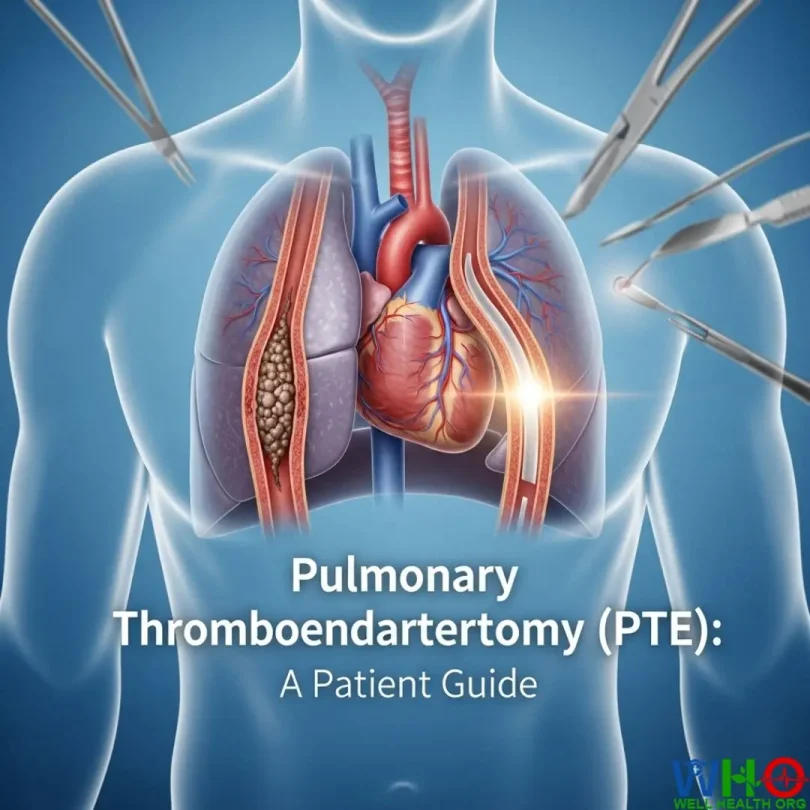
Pulmonary thromboendarterectomy (PTE), sometimes referred to as pulmonary endarterectomy (PEA), is a highly specialized surgical procedure that directly targets the root cause of CTEPH. Instead of simply managing the pressure in the lungs with medications, PTE removes the obstructive scar tissue and clots from the pulmonary arteries.
The surgery is unique because it requires circulatory arrest, meaning the patient’s blood circulation is temporarily stopped so the surgeon can operate in a blood-free field. This allows for precise removal of the blockages without damaging delicate lung tissue.
Unlike many other heart–lung surgeries, PTE offers something rare in chronic disease management—a potential cure. For patients with surgically accessible blockages, it can restore near-normal heart and lung function, reduce or eliminate symptoms, and significantly extend life expectancy.
The procedure was first introduced several decades ago, but it has evolved dramatically with advances in surgical techniques and equipment. Today, outcomes are much better, with experienced centers reporting very low surgical mortality rates and excellent long-term survival.
What makes PTE particularly remarkable is that it addresses not just symptoms but the underlying cause of CTEPH. By reopening the arteries and restoring circulation, patients often experience immediate relief from breathlessness, sometimes even while still in the recovery room.
Who Is a Good Candidate for PTE Surgery?
Not everyone with CTEPH is eligible for PTE surgery. The decision is made carefully after a thorough evaluation by a multidisciplinary medical team that typically includes pulmonologists, cardiologists, and cardiothoracic surgeons.
The key factors that determine eligibility include:
- Location of Blockages – The scar tissue must be in the larger, more central pulmonary arteries (main, lobar, or segmental arteries). If the clots are too deep in the smaller peripheral vessels, surgery may not be possible.
- Severity of Symptoms – Patients with significant limitations, such as difficulty climbing stairs, walking short distances, or experiencing frequent fainting spells, are often prioritized for surgery.
- Overall Health – Candidates must be strong enough to withstand a major operation that requires general anesthesia, heart-lung bypass, and circulatory arrest. Patients with severe comorbidities like end-stage lung disease or advanced cancer may not qualify.
- Response to Medications – If a patient’s symptoms remain severe despite optimal medical therapy, surgery becomes the best available option.
It’s also worth noting that the surgery should only be performed in specialized centers with extensive experience in PTE. Studies consistently show that outcomes improve significantly when patients are treated at high-volume hospitals with dedicated teams.
Preparing for PTE Surgery
Preparation for PTE is almost as important as the procedure itself. Patients go through a detailed preoperative process to ensure the surgery is as safe and effective as possible.
This preparation usually includes:
- Diagnostic Imaging – CT scans, echocardiograms, and pulmonary angiography are performed to map the exact location of blockages.
- Cardiac Catheterization – This test measures pressures in the heart and lungs, confirming the severity of pulmonary hypertension.
- Blood Tests and Lung Function Tests – To check overall organ function and readiness for surgery.
- Medication Adjustments – Anticoagulants like warfarin may need to be paused or replaced with shorter-acting blood thinners before surgery to reduce bleeding risks.
- Fasting and Lifestyle Restrictions – Patients are typically asked not to eat or drink for 6–8 hours before surgery and may be advised to stop smoking or reduce alcohol intake to optimize healing.
Equally important are the consultations with the medical team. Surgeons and anesthesiologists explain the risks, outline the recovery process, and answer patient questions. This stage helps reduce anxiety and ensures that the patient and their family understand exactly what to expect.
For many patients, preparation also involves emotional readiness. Knowing that the surgery is long and complex can be daunting, but understanding that it offers the best chance for recovery often gives patients the courage and determination to move forward.
The PTE Surgery Procedure: Step by Step
Pulmonary thromboendarterectomy is not a routine operation—it is one of the most technically demanding procedures in cardiothoracic surgery. Because of its complexity, it is performed only in a handful of specialized centers worldwide. Understanding how the surgery unfolds step by step can help patients and families prepare mentally and emotionally for what lies ahead.
The procedure begins under general anesthesia. After the patient is asleep and pain-free, the surgeon makes a vertical incision along the breastbone to open the chest and access the heart and lungs. The patient is then connected to a cardiopulmonary bypass machine, also known as the heart–lung machine. This device temporarily takes over the functions of both organs, circulating oxygenated blood throughout the body while the surgical team operates.
One of the most unique aspects of PTE is the use of deep hypothermic circulatory arrest (DHCA). The patient’s body temperature is cooled significantly, usually to around 18–20°C (64–68°F). This cooling protects vital organs, particularly the brain, during periods when blood flow must be completely stopped. Once cooled, the surgeon can temporarily halt circulation for about 15–20 minutes at a time. This creates a completely bloodless surgical field, which is essential for the precise removal of clots and scar tissue.
The surgeon then carefully opens the pulmonary arteries and begins dissecting out the obstructive material. These clots often appear like layers of scar tissue firmly attached to the artery walls. Removing them requires extraordinary precision—peeling away enough tissue to restore blood flow without damaging the delicate artery lining. The process is repeated on both lungs until all accessible blockages are cleared.
After clot removal, circulation is restarted gradually, and the body is warmed back to normal temperature. The heart is encouraged to beat again, and the patient is slowly weaned off the bypass machine. Finally, the surgeon closes the chest incision with surgical wires, and the skin is closed with sutures.
The entire surgery can last 8–10 hours or more, depending on how extensive the blockages are. Despite the length and complexity, the operation can offer immediate results—many patients notice an improvement in breathing within hours of surgery.
Post-Operative Care and Recovery Timeline
Recovery from PTE surgery is a journey that unfolds in phases, beginning in the hospital and continuing at home for several months. The immediate post-operative phase is critical, as the body adjusts to restored blood flow and the heart and lungs begin functioning under new conditions.
Most patients are taken directly to the intensive care unit (ICU) following surgery. Here, they are closely monitored for heart rhythm, oxygen levels, blood pressure, and overall stability. Mechanical ventilation is often required for the first 24–48 hours, allowing the lungs time to adjust and recover from the sudden increase in blood flow. Doctors also watch for signs of reperfusion injury, a condition where reintroducing blood to previously blocked areas of the lung can cause fluid buildup.
After stabilization in the ICU, patients are moved to a regular hospital ward. They typically remain in the hospital for 10–14 days, though this can vary. During this time, physical therapy begins gradually, starting with sitting up in bed, standing, and eventually walking short distances.
When patients return home, the focus shifts to gradual rehabilitation. Recovery can take up to two to three months, depending on overall health and the extent of pre-surgery damage to the heart and lungs. Common instructions during home recovery include:
- Avoiding lifting anything heavier than 10 pounds for several weeks.
- Refraining from driving until cleared by the surgeon, often about 4–6 weeks post-surgery.
- Keeping the chest incision dry until it has fully healed.
- Taking prescribed anticoagulant medications to prevent new clot formation.
Emotional recovery is equally important. Many patients feel anxious or fearful after such a major surgery, while others experience an overwhelming sense of relief. Counseling, support groups, or simply open conversations with loved ones can make a big difference during this time.
By about two months post-surgery, most patients notice significant improvements in stamina, reduced breathlessness, and a return to daily activities they once avoided. For many, the recovery process is not just about healing but about rediscovering the ability to live fully again.
Benefits of PTE Surgery
The benefits of pulmonary thromboendarterectomy are profound and, in many cases, life-changing. Unlike many medical treatments that simply manage symptoms, PTE directly addresses the root cause of CTEPH by physically removing the blockages inside the pulmonary arteries. This translates into immediate and long-term improvements for eligible patients.
One of the most significant benefits is the improvement in heart function. By clearing the obstructed arteries, the right ventricle no longer has to pump against dangerously high pressures. This reduces strain on the heart, preventing or even reversing right heart enlargement. As a result, patients often experience better circulation and overall cardiovascular health.
Another major benefit is the dramatic increase in oxygenation. With blood able to flow more freely through the lungs, oxygen transfer improves, reducing symptoms like shortness of breath and fatigue. Many patients report feeling like they can breathe fully for the first time in years.
The impact on exercise tolerance is also remarkable. Activities that once left patients gasping for air—such as climbing stairs, walking long distances, or carrying groceries—become manageable again. Some patients even return to sports or hobbies they thought were permanently lost.
Perhaps the most valued benefit is the improvement in quality of life. Studies consistently show that PTE patients report reduced symptoms, fewer hospital visits, improved sleep, and enhanced mental well-being. For many, the surgery is described as “getting a second chance at life.”
Real-world success stories back this up. Patients who once struggled to perform basic tasks often describe their post-surgery life with words like “freedom” and “rebirth.” Families notice renewed energy, optimism, and participation in daily activities.
And importantly, PTE is associated with long-term survival benefits. Research indicates that patients who undergo successful surgery often live significantly longer compared to those who rely solely on medications. In fact, for properly selected candidates, PTE remains the gold standard treatment because it offers the possibility of a cure rather than lifelong management.
Risks and Potential Complications of PTE Surgery
While the benefits are substantial, it is essential to acknowledge that PTE surgery is a major operation with inherent risks. Understanding these risks helps patients make informed decisions and prepares families for potential challenges during recovery.
Immediate surgical risks include:
- Bleeding: Because the pulmonary arteries are delicate and the surgery involves extensive dissection, bleeding is a potential complication. Surgeons are highly trained to control this, but transfusions may be needed.
- Infection: As with any open-chest surgery, there is a risk of infection at the incision site or within the chest cavity. Antibiotics and sterile techniques minimize this risk.
- Neurological complications: Since the procedure involves periods of circulatory arrest, there is a small risk of stroke or cognitive issues, though this risk has decreased significantly with modern techniques.
Post-operative risks include:
- Reperfusion injury: When blood flow is restored to blocked lung areas, fluid can leak into the lungs, causing temporary breathing difficulties. Most cases resolve with careful ICU management.
- Persistent pulmonary hypertension: In some patients, high blood pressure in the lungs remains after surgery, either because not all blockages were removable or due to damage to the smaller vessels.
Long-term risks include:
- The need for lifelong anticoagulation therapy to prevent new clots.
- Rare cases of recurrent blockages, which may require further intervention.
- Complications from the sternotomy incision, such as chest discomfort or slow healing.
It’s important to note that surgical risks are closely linked to the experience of the medical center. High-volume hospitals with expert teams report far lower complication rates compared to less experienced centers. This is why patients are strongly encouraged to seek treatment at specialized institutions.
When balanced against the severity of untreated CTEPH, the potential benefits of surgery often far outweigh the risks for eligible patients.
Comparing PTE with Other Treatments for CTEPH
Pulmonary thromboendarterectomy is considered the gold standard treatment for CTEPH, but it is not the only option available. For patients who are not surgical candidates or who have residual pulmonary hypertension after PTE, other treatments may be considered.
Medications play a role in managing symptoms. Drugs such as riociguat, a soluble guanylate cyclase stimulator, can lower pulmonary artery pressure and improve exercise tolerance. Anticoagulants are also prescribed to prevent new clots from forming. However, medications alone do not remove the existing blockages and therefore cannot cure CTEPH.
Balloon Pulmonary Angioplasty (BPA) is an alternative for patients with blockages in smaller, distal arteries that are not accessible surgically. In this minimally invasive procedure, a catheter with a small balloon is inserted into the pulmonary arteries. The balloon is inflated to widen the narrowed vessel, improving blood flow. BPA often requires multiple sessions and carries its own risks, but it can significantly help patients who cannot undergo surgery.
In very severe cases, particularly when both lungs are extensively damaged, lung transplantation may be considered. This is usually reserved for patients who cannot undergo PTE or BPA and whose symptoms remain life-threatening despite medications.
While these treatments have value, none matches the effectiveness of PTE in eligible patients. Studies consistently show that long-term survival and symptom relief are superior with PTE compared to medical therapy or BPA. For this reason, all patients with CTEPH are usually evaluated first for surgical eligibility before alternative treatments are considered.
Real-World Results and Success Rates
One of the most reassuring aspects of pulmonary thromboendarterectomy is the impressive success rate reported by specialized centers worldwide. While the surgery itself is highly complex, decades of refinement and growing expertise have made it safer and more effective than ever before.
Historically, mortality rates for PTE were relatively high when the procedure was first introduced in the 1970s and 1980s. However, with advancements in surgical techniques, better patient selection, and improved post-operative care, outcomes have improved dramatically. Today, many high-volume centers report operative mortality rates as low as 2%, which is remarkable for such an extensive operation.
The long-term benefits are equally striking. Studies show that most patients experience a significant and lasting reduction in pulmonary artery pressure after surgery, often returning to near-normal levels. This translates into improved heart function and reduced strain on the right ventricle. Importantly, survival rates after successful PTE are excellent. Research has found that patients who undergo the surgery have survival rates approaching those of the general population, particularly when the procedure is done at expert institutions.
A 2022 UK study that tracked over 2,000 patients across two decades revealed how outcomes have improved over time. In 1997, the 30-day mortality rate for PTE was about 12%, but by 2022, it had dropped to under 2%. This steady decline underscores the critical role of experience and specialization in achieving the best results.
Beyond statistics, real-world patient experiences highlight the surgery’s transformative impact. Many patients describe feeling immediate relief from shortness of breath, sometimes even while still in the hospital. Over the months following surgery, they regain stamina, energy, and confidence in daily life. For some, PTE means the difference between being wheelchair-bound and walking independently again.
The success of PTE surgery is not just about numbers; it is about the renewed hope and freedom it offers to patients once held captive by their disease. When performed in the right setting, this operation stands out as one of modern medicine’s most remarkable success stories.
Lifestyle After PTE Surgery
Life after PTE surgery is often described as a journey of renewal. Patients who once struggled with basic daily tasks find themselves rediscovering the ability to live without constant breathlessness. However, the recovery process does not end at the hospital doors. Long-term lifestyle adjustments play a key role in ensuring the best possible outcomes.
Follow-up care is essential. Patients typically return for checkups every few months during the first year, with annual visits thereafter. These appointments often include echocardiograms, lung function tests, and routine bloodwork to ensure the heart and lungs are functioning well. Device-based monitoring, such as right heart catheterization, may be used in some cases to assess pressures more precisely.
Exercise and physical rehabilitation are strongly encouraged. While patients should start slowly, guided rehabilitation programs can help rebuild stamina and lung capacity. Walking, light aerobic activity, and eventually moderate exercise can dramatically improve long-term health. Many patients find they can participate in activities they had long abandoned, such as hiking, cycling, or swimming.
Diet and lifestyle habits also matter. A balanced diet low in sodium helps reduce fluid retention, easing strain on the heart. Staying hydrated, avoiding smoking, and limiting alcohol are equally important. Since most patients remain on anticoagulants for life, maintaining a consistent diet and avoiding excessive vitamin K (which interferes with blood thinners like warfarin) may also be necessary.
Patients must also be mindful of infection prevention. Because sternotomy healing takes time, keeping the incision clean and avoiding environments with high infection risk is critical in the early months. Vaccinations for flu and pneumonia are often recommended to protect lung health.
Perhaps the most overlooked but crucial part of recovery is emotional well-being. Some patients experience anxiety or depression following such a major procedure. Joining support groups, talking with others who have undergone PTE, or seeking counseling can help patients and families adjust to their “new normal.”
For most, life after PTE surgery is not just about survival—it is about thriving. The return of energy, mobility, and freedom allows patients to enjoy life in ways they once thought impossible.
Patient Stories and Experiences
Numbers and statistics tell one part of the story, but nothing illustrates the impact of PTE surgery better than the voices of the patients themselves. Real-world stories highlight not just medical improvements but the profound changes in quality of life.
Take, for example, a patient who had been diagnosed with CTEPH after years of struggling with unexplained fatigue and breathlessness. Before surgery, walking across a room left them gasping for air, and they often required supplemental oxygen. After undergoing PTE, they reported feeling like “a heavy weight had been lifted off their chest.” Within weeks, they were walking independently, and within months, they were able to enjoy activities like gardening and playing with grandchildren again.
Another story comes from a younger patient in their 30s who had been sidelined by severe CTEPH. Despite being on multiple medications, their condition limited them from working and living a normal life. After surgery at a specialized center, they gradually regained their ability to exercise and eventually returned to full-time employment. The surgery not only saved their life but restored their independence.
These testimonials echo common themes:
- Immediate relief from breathlessness.
- Steady improvements in stamina and endurance.
- Restored confidence in physical ability.
- Emotional renewal, often described as “getting life back.”
Families also notice profound changes. Caregivers who once watched loved ones struggle with daily tasks often describe the surgery as “life-changing not just for the patient, but for the whole family.”
Hearing these success stories provides reassurance to new patients considering the surgery. While the procedure is complex and carries risks, the potential rewards are enormous. For many, PTE is not just about extending life—it is about restoring the freedom to live fully.
Key Questions About PTE Surgery
When facing the possibility of PTE surgery, patients and families naturally have many questions. Addressing these concerns openly helps reduce anxiety and improves understanding of what to expect.
1. How long does the surgery take?
PTE is lengthy, often lasting 8–10 hours or more. The duration depends on the complexity of the blockages and the patient’s overall condition.
2. What is the recovery time?
Hospital recovery typically lasts about two weeks, followed by 6–12 weeks of gradual rehabilitation at home. Most patients see steady improvement in energy and stamina within three months.
3. Will I need to take medications afterward?
Yes, nearly all patients remain on anticoagulants for life to prevent new clots from forming. Some may also need medications to manage residual pulmonary hypertension, though many can eventually reduce or stop these if pressures normalize.
4. Can I live a normal life after PTE?
Most patients return to a normal or near-normal lifestyle, including exercise, travel, and work. While precautions are necessary, such as avoiding high-impact chest trauma, patients generally enjoy far greater freedom than before surgery.
5. What are the chances of CTEPH coming back?
In rare cases, new clots can form or scar tissue can persist. However, with lifelong anticoagulation and proper follow-up care, the majority of patients remain free of recurrence.
6. How does PTE compare to other treatments?
Unlike medications or BPA, PTE is the only treatment that can potentially cure CTEPH. For eligible patients, it remains the first-line option worldwide.
By answering these questions, patients are better equipped to enter the process with confidence and realistic expectations.
Conclusion: A Path Toward Better Breathing and Renewed Life
Pulmonary thromboendarterectomy is more than just a surgical procedure—it is a lifeline for patients living with chronic thromboembolic pulmonary hypertension. By removing the blockages that choke the pulmonary arteries, PTE restores normal blood flow, eases the burden on the heart, and allows patients to breathe—and live—more freely.
Yes, it is a complex operation with significant risks. But when performed at specialized centers with experienced teams, the success rates are outstanding, and the long-term results can be life-transforming. Patients not only survive—they thrive, regaining independence, energy, and quality of life they thought was gone forever.
If you or someone you love has been diagnosed with CTEPH, the most important step is to seek evaluation at an expert center. There, a multidisciplinary team can determine if PTE is the right path forward. For many, this surgery represents hope, healing, and the chance to once again enjoy the simple joy of taking a deep, effortless breath.
Frequently Asked Questions (FAQs) About Pulmonary Thromboendarterectomy
Because PTE surgery is both rare and highly specialized, patients and families often struggle to find clear, practical answers to common concerns. Here’s a detailed FAQ section designed to address the questions most frequently asked by those considering or preparing for this life-changing procedure.
1. How do doctors confirm that I have CTEPH and qualify for PTE surgery?
Diagnosis involves a series of advanced tests. These include echocardiograms, ventilation-perfusion (V/Q) scans, CT pulmonary angiography, and right-heart catheterization. Together, these tests confirm the presence of chronic clots, measure pulmonary pressures, and assess whether the blockages are surgically accessible. Only after a thorough review can specialists determine candidacy.
2. Is the surgery painful?
The operation itself is performed under general anesthesia, so patients feel no pain during the procedure. Afterward, some chest discomfort and incision pain are common, particularly around the sternotomy site. However, modern pain management protocols ensure that discomfort is well controlled with medications. Most patients describe the pain as manageable and improving steadily within a few weeks.
3. Will I need oxygen therapy after surgery?
Many patients who required oxygen before surgery are able to wean off it afterward, sometimes even within days. However, this varies. Some patients may still need supplemental oxygen during recovery, especially at night or during exertion. Over time, as lung function and heart efficiency improve, oxygen needs typically decrease.
4. What lifestyle changes are necessary after PTE?
Patients should adopt a heart-healthy lifestyle. This includes avoiding smoking, maintaining a healthy weight, following a balanced diet low in sodium, and exercising regularly under medical guidance. Lifelong use of blood-thinning medications is essential to prevent new clots. Patients are also advised to keep follow-up appointments and undergo routine tests to monitor heart and lung health.
5. How does age affect eligibility for PTE?
There is no strict age cutoff for surgery. What matters most is overall health, surgical risk, and the accessibility of the clots. Some patients in their 70s and even 80s have successfully undergone PTE with excellent results, provided they are otherwise healthy enough for major surgery.
6. What happens if I’m not a candidate for PTE?
For patients who are not suitable candidates, alternatives such as balloon pulmonary angioplasty (BPA) or advanced medications can help manage symptoms and improve quality of life. In very rare cases, lung transplantation may be considered.
7. Can CTEPH recur after PTE surgery?
The risk of recurrence is low but not zero. Some patients may experience residual pulmonary hypertension due to small-vessel disease or incomplete removal of scar tissue. This is why lifelong anticoagulation and routine follow-up care are essential.
8. How soon can I return to work after surgery?
The answer depends on the patient’s job and recovery speed. Sedentary workers may return in 8–12 weeks, while those with physically demanding jobs may require a longer recovery period. Physicians generally recommend a gradual return, often starting with part-time hours.
9. Is traveling safe after PTE surgery?
Yes, most patients can resume traveling once fully recovered. However, air travel should generally be postponed for at least 6–12 weeks after surgery. When flying, it’s important to stay hydrated, move around periodically, and continue anticoagulant therapy as prescribed. Patients should always consult their care team before planning long trips.
10. What are the long-term survival rates after PTE?
Survival rates are excellent, especially when the surgery is performed at specialized centers. Many studies report 5-year survival rates of 85–90% for patients who undergo successful PTE. In fact, survival after surgery is often comparable to people without pulmonary hypertension.
Final Thoughts: Taking Back Control of Your Breath and Life
Pulmonary thromboendarterectomy is not just another surgical procedure—it is a beacon of hope for individuals battling chronic thromboembolic pulmonary hypertension. For decades, CTEPH was considered a debilitating and often fatal condition. Today, PTE offers many patients the chance at not just survival, but a return to full, vibrant living.
What sets this surgery apart is its ability to address the root cause of the disease: the scarred, obstructed arteries. Unlike medications or minimally invasive procedures that manage symptoms, PTE removes the physical blockages once and for all, allowing the lungs and heart to function normally again.
The journey is not without challenges. Preparing for surgery, facing recovery, and committing to long-term follow-up care require courage, patience, and support. Yet countless patient stories show that the rewards—freedom from constant breathlessness, renewed energy, and restored independence—are well worth the effort.
If you or a loved one has been diagnosed with CTEPH, the next step is clear: seek evaluation at a specialized PTE center. The expertise of the surgical team and the support of a multidisciplinary program are crucial to achieving the best results.
Remember, every deep breath you take without struggle is a step toward reclaiming your life. Pulmonary thromboendarterectomy offers exactly that—a path back to living, not just surviving.
Call to Action
👉 If you’ve been told you may have CTEPH, don’t delay. Schedule a consultation with a cardiologist or pulmonologist who specializes in pulmonary hypertension. Ask about referral to a PTE center. Early intervention can make all the difference.
Your lungs, your heart, and your quality of life are worth it. With the right treatment, the possibility of breathing freely—and fully living again—may be closer than you think.
Medically Reviewed by Prof. Dr. Akram
Orthopedic Surgeon | Professor | Senior Medical Specialist
Prof. Dr. Akram is a distinguished surgeon with over 15 years of clinical expertise. Having served as a lead Emergency Specialist at Complex International Government Hospital, he currently leads a specialized team of 13 medical professionals at his private hospital. As a Professor at top medical universities, he ensures that every article on WellHealthOrg.com meets rigorous clinical standards.
Medical Disclaimer:
The information provided is for educational purposes only and is not a substitute for professional medical advice, diagnosis, or treatment. Always consult your physician for any medical concerns.
Our content is rigorously fact-checked by our 13-member Editorial Team under the clinical supervision of Prof. Dr. Akram.