

Introduction of Boil
Discovering a red, swollen, and painful lump on your skin can quickly turn from a minor annoyance into a source of real discomfort. When that bump fills with pus and grows tender to the touch, you’re most likely dealing with a boil — a common but unpleasant skin infection.
- Introduction of Boil
- What Exactly Is a Boil?
- How Boils Develop: The Underlying Causes
- Spotting the Signs: How to Identify a Boil
- Typical Symptoms of a Boil Include:
- When Should You See a Doctor?
- Effective Home Remedies for Boils
- 1. Warm Compress Therapy
- 2. Tea Tree Oil Treatment
- 3. Turmeric Paste or Drink
- 4. Epsom Salt Compress
- 5. Neem (Indian Lilac) Paste
- 6. Castor Oil
- 7. Aloe Vera Gel
- Medical Treatments for Boils
- 1. Incision and Drainage (I&D)
- 2. Antibiotic Therapy
- 3. Pain Management and Anti-inflammatory Care
- 4. Treatment for Recurrent Boils
- Complications of Untreated Boils
- How to Prevent Boils: Proven Tips for Healthy, Clear Skin
- 1. Maintain Excellent Personal Hygiene
- 2. Avoid Sharing Personal Items
- 3. Manage Sweating and Friction
- 4. Strengthen Your Immune System
- 5. Take Care of Your Skin
- 6. Monitor for Recurrence
- Home Care After a Boil Drains
- Boil Prevention in Special Cases
- For Diabetics
- For Athletes and Gym-Goers
- For Individuals with Recurring Boils
- When to Seek Urgent Medical Help
- Natural Immunity Boosters to Prevent Future Boils
- Your Road to Healthier, Clearer Skin
Although boils can look intimidating, they’re typically treatable at home and rarely serious. The key to managing them successfully is understanding what causes them, how to treat them safely, and how to prevent them from coming back.
This comprehensive guide dives deep into everything you need to know — from identifying early signs and effective natural remedies to medical treatments and practical hygiene tips that keep your skin healthy and infection-free.
What Exactly Is a Boil?
A boil, medically known as a furuncle, is a localized infection that starts deep within a hair follicle or oil gland. When bacteria invade these small openings, the body reacts by sending immune cells to fight off the invaders. The result? A red, swollen lump filled with pus — a mix of white blood cells, dead skin, and bacteria.
Boils can develop anywhere on the body but tend to appear in areas where friction, sweat, and oil buildup occur — such as the face, neck, armpits, buttocks, thighs, or groin.
In some cases, several boils cluster together under the skin, forming a carbuncle, which is a deeper and more painful infection that may leave scars if not treated properly.
While anyone can get a boil, certain people are more susceptible depending on their hygiene habits, immune health, or skin type.
How Boils Develop: The Underlying Causes
The most common cause of boils is an infection by Staphylococcus aureus, a type of bacteria naturally found on the skin and inside the nose. Normally, these bacteria coexist harmlessly with us, but when they find a way through tiny cuts, abrasions, or clogged pores, they can cause infection and inflammation.
The immune system reacts immediately, forming a pocket of pus to isolate and destroy the bacteria — which is what causes the boil to rise, swell, and become painful.
Key Factors That Increase Your Risk of Boils:
- Poor hygiene
- Irregular bathing or using dirty towels allows bacteria to accumulate on the skin, increasing the chance of infection.
- Weakened immune system
- Conditions such as diabetes, HIV, or cancer compromise your body’s ability to fight bacteria efficiently, making boils more likely to develop.
- Chronic skin conditions
- Eczema, acne, and dermatitis damage the skin’s protective barrier, giving bacteria easy entry points.
- Close physical contact
- Sharing towels, razors, or bedding with someone who has a boil or staph infection can transmit bacteria.
- Obesity
- Excess body folds trap heat and moisture, providing the perfect breeding environment for bacteria.
- Ingrown hairs and shaving
- Shaving can cause tiny cuts that allow bacteria to enter the skin. Ingrown hairs can also trigger inflammation that leads to boils.
- Poor diet and dehydration
- Lack of essential nutrients and water weakens the immune system, slowing the body’s ability to heal skin infections.
By addressing these underlying factors, you can significantly reduce your likelihood of developing boils in the future.
Spotting the Signs: How to Identify a Boil
Knowing how to distinguish a boil from a regular pimple or cyst is crucial for proper treatment. While pimples are superficial and caused by clogged pores, boils form deeper beneath the skin and are far more painful.
Typical Symptoms of a Boil Include:
- A firm, red, tender bump that gradually enlarges over a few days.
- Throbbing pain that intensifies as pus builds beneath the surface.
- The center of the boil turns yellow or white, forming a visible “head.”
- The surrounding skin becomes warm, shiny, and swollen.
- The boil may eventually rupture and drain pus on its own.
- In severe cases, especially with carbuncles, you might also experience fever, fatigue, or swollen lymph nodes.
Note: Never squeeze or “pop” a boil — doing so can push the infection deeper, spreading bacteria to other areas of your body.
When Should You See a Doctor?
While most small boils clear up with proper home care, some require professional treatment. Seek medical attention if:
- The boil is located on the face, spine, or near your genitals.
- It grows larger than 2 inches (5 cm) or doesn’t improve after a week.
- You experience fever, chills, or general malaise.
- Red streaks appear around the boil, which may signal the infection is spreading.
- You have underlying health issues like diabetes or a compromised immune system.
- Multiple boils develop at once (carbuncle formation).
A healthcare provider can evaluate the infection and recommend drainage, antibiotics, or other targeted treatments to prevent complications.
Effective Home Remedies for Boils
For small or moderate boils, home remedies can be extremely effective. The goal is to encourage natural drainage, relieve pain, and prevent the infection from spreading.
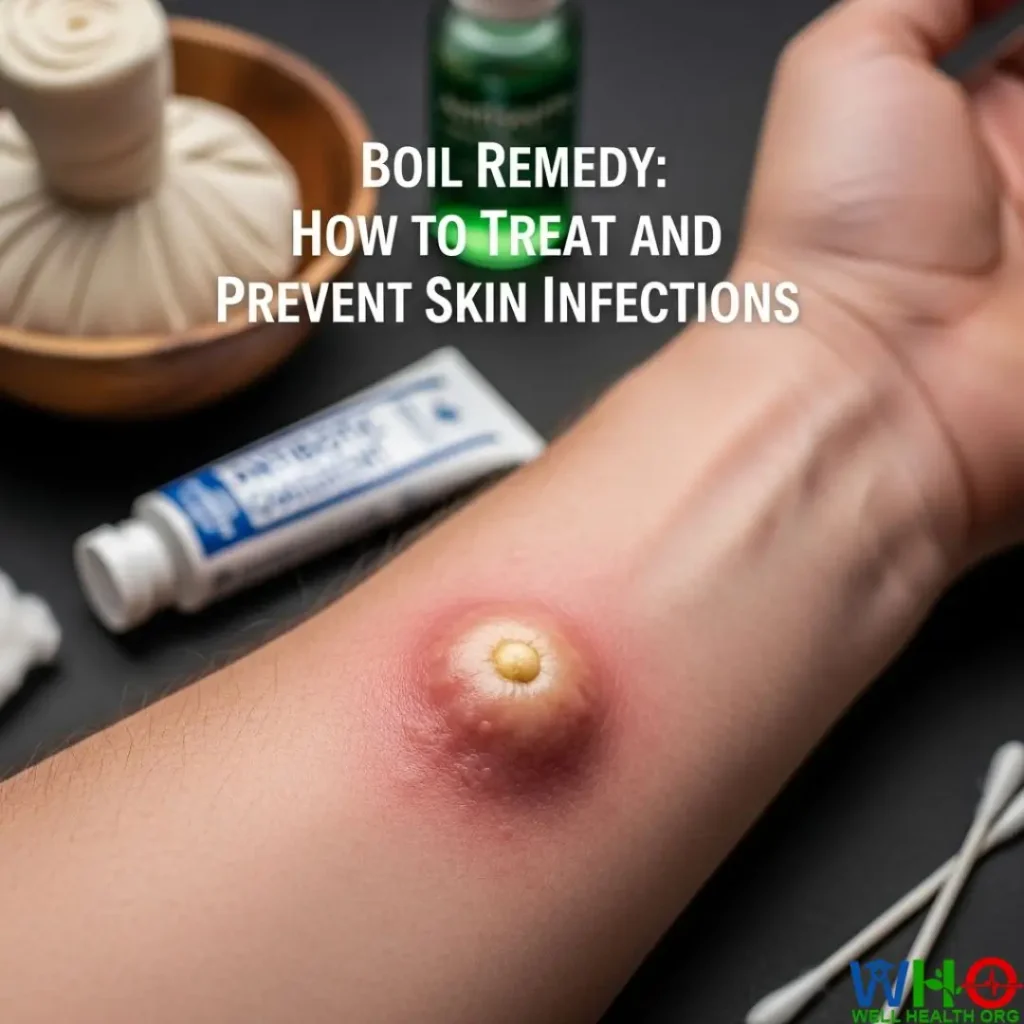
Here are some trusted, doctor-approved natural remedies:
1. Warm Compress Therapy
This is the simplest and most reliable home remedy for boils. Applying a warm, moist compress increases blood circulation to the affected area, allowing more white blood cells to reach the infection site and accelerate healing. The warmth also softens the boil’s surface, helping it come to a head and drain naturally.
How to Apply:
- Soak a clean washcloth in warm (not hot) water.
- Wring out excess water and gently place it over the boil.
- Hold for 10–15 minutes, three to four times a day.
- Always use a fresh, clean cloth each time to avoid reintroducing bacteria.
Continue this routine until the boil drains and heals completely. Once pus begins to drain, wash the area gently with mild soap and water, then cover it with a clean bandage.
2. Tea Tree Oil Treatment
Tea tree oil is a natural antibacterial powerhouse. Its antimicrobial and antiseptic properties make it one of the most effective natural treatments for staph-related skin infections, including boils.
How to Use:
- Mix 3–5 drops of tea tree oil with a carrier oil such as coconut or olive oil to prevent irritation.
- Dip a cotton swab into the mixture and apply it directly to the boil.
- Repeat two to three times daily until the boil improves.
Caution: Never apply undiluted tea tree oil directly to your skin — it can cause redness and burning, especially on sensitive areas.
3. Turmeric Paste or Drink
Turmeric isn’t just a kitchen spice; it’s a potent natural remedy with anti-inflammatory, antibacterial, and healing properties. The compound curcumin helps reduce pain, swelling, and infection.
How to Apply (Topically):
- Mix turmeric powder with a few drops of water or coconut oil to make a thick paste.
- Apply it directly to the boil.
- Cover with a bandage or gauze and replace twice daily.
For Internal Benefits:
Drink a turmeric tea by mixing 1 teaspoon of turmeric powder into warm milk or water. This boosts your immune system and helps fight the infection from the inside out.
4. Epsom Salt Compress
Epsom salt, or magnesium sulfate, helps draw out toxins and dry out pus. It also reduces inflammation, making it an excellent addition to your boil-care routine.
How to Use:
- Dissolve 2 tablespoons of Epsom salt in a cup of warm water.
- Soak a clean cloth in the solution and apply it to the boil for 10–15 minutes.
- Repeat two to three times a day.
This remedy works well in combination with warm compresses.
5. Neem (Indian Lilac) Paste
Neem leaves have been used in Ayurvedic medicine for centuries due to their antibacterial, antifungal, and antiseptic qualities. They are particularly effective against Staphylococcus aureus — the bacteria behind most boils.
How to Prepare:
- Crush a handful of fresh neem leaves into a paste (or use neem powder mixed with water).
- Apply directly to the affected area and let it sit for 20–30 minutes.
- Rinse with warm water.
- Repeat two times daily until healed.
Neem oil can also be used, but always dilute it with a carrier oil first.
6. Castor Oil
Castor oil contains ricinoleic acid, a natural anti-inflammatory and antibacterial compound that can help treat boils. It also softens the skin and speeds up the draining process.
How to Apply:
- Dip a cotton ball into pure castor oil and place it over the boil.
- Secure with a bandage and leave for several hours or overnight.
- Replace twice a day until the boil drains naturally.
7. Aloe Vera Gel
Aloe vera is widely known for its cooling and healing properties. It soothes irritated skin, reduces pain, and helps fight infection.
How to Use:
- Extract fresh gel from an aloe vera leaf.
- Apply directly to the boil and surrounding skin.
- Leave it on for at least 30 minutes before rinsing.
- Reapply three times daily for faster healing.
Aloe vera also helps fade scars after the boil heals.
Medical Treatments for Boils
While natural and home remedies work well for small boils, some infections require professional medical attention — especially when they become large, deep, or painful. Early medical treatment helps prevent complications like abscess formation or systemic infection.
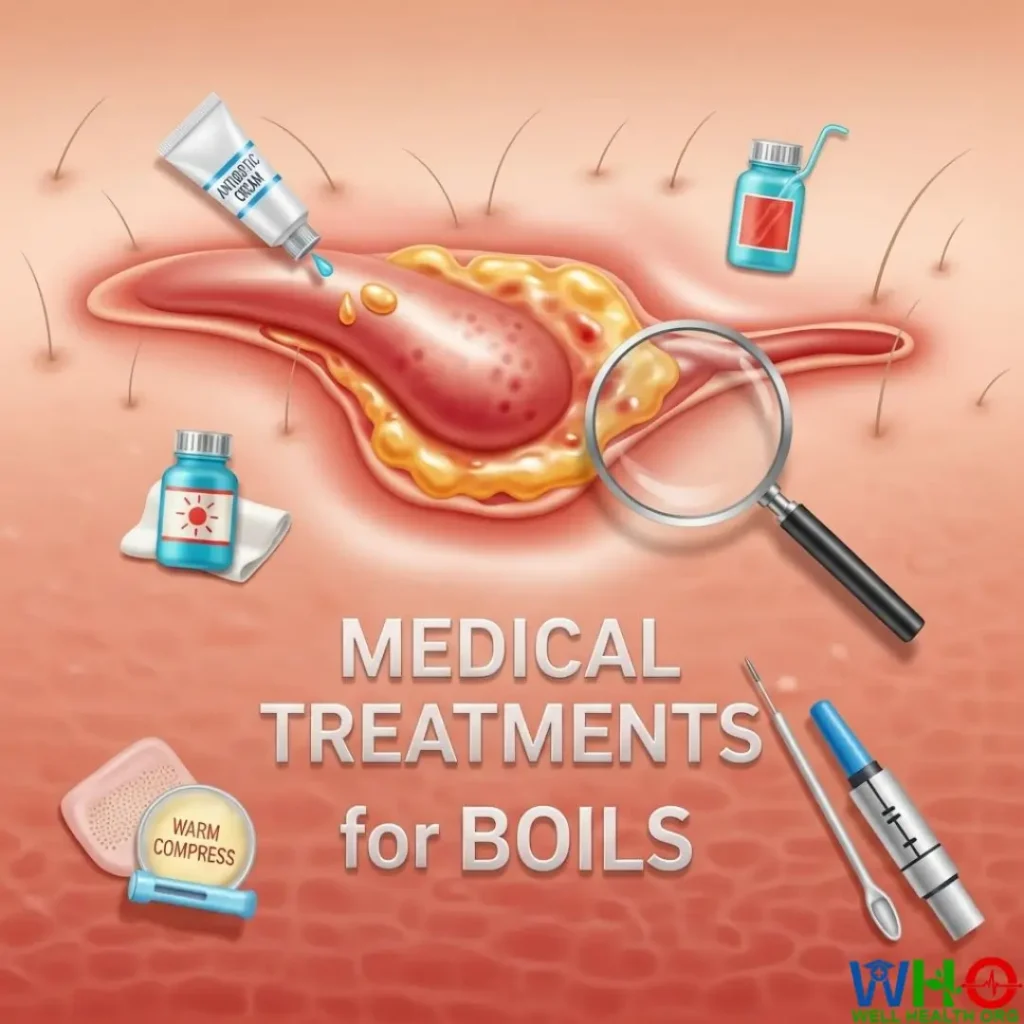
Here’s what a healthcare provider might recommend:
1. Incision and Drainage (I&D)
When a boil refuses to burst naturally or grows significantly, your doctor may perform a minor surgical procedure known as incision and drainage.
How It’s Done:
- The area around the boil is first cleaned and sterilized.
- A local anesthetic is applied to numb the area.
- The doctor makes a small cut in the center of the boil to allow the pus to drain.
- Once drained, the cavity is cleaned, sometimes packed with sterile gauze, and covered with a dressing.
This process brings immediate pain relief and accelerates healing. The gauze may need to be changed daily until the wound closes completely.
Important: Never try to drain a boil at home. Doing it incorrectly can spread bacteria deeper into your skin or bloodstream, leading to cellulitis or sepsis.
2. Antibiotic Therapy
If your boil results from a staph infection or has spread beyond the skin’s surface, your doctor may prescribe antibiotics. These help eliminate bacteria and prevent recurrence, especially in cases involving multiple boils (carbuncles).
Commonly prescribed antibiotics include:
- Dicloxacillin or Cephalexin (for mild infections)
- Clindamycin or Trimethoprim-sulfamethoxazole (Bactrim) (for MRSA infections)
- Amoxicillin-clavulanate (for complicated or deep infections)
Always complete the entire course of antibiotics, even if symptoms improve early, to prevent antibiotic resistance or relapse.
If you experience frequent boils, your doctor may also prescribe a topical antibiotic ointment (like mupirocin) for your nasal passages — a common place where staph bacteria hide.
3. Pain Management and Anti-inflammatory Care
Boils can cause significant discomfort. Over-the-counter medications like acetaminophen (Tylenol) or ibuprofen (Advil, Motrin) can relieve pain, reduce fever, and control inflammation.
If you have chronic or recurring boils, your healthcare provider might also recommend:
- Topical steroid creams to reduce redness and swelling.
- Hydrocolloid dressings that absorb pus while keeping the wound moist and protected.
4. Treatment for Recurrent Boils
If you develop boils repeatedly, your doctor may perform bacterial culture tests to identify the exact strain of bacteria and test for MRSA (methicillin-resistant Staphylococcus aureus).
In such cases, treatment may include:
- Antibacterial body washes containing chlorhexidine.
- Bleach baths (as prescribed by a dermatologist).
- Decolonization therapy, where nasal ointments and skin antiseptics are used together to eliminate bacteria from your body.
Complications of Untreated Boils
Most boils heal without complications, but ignoring them — especially large or recurring ones — can lead to serious issues.
Potential complications include:
- Abscess formation: A large pocket of pus forms under the skin, requiring surgical drainage.
- Cellulitis: The infection spreads to deeper layers of the skin, causing swelling, warmth, and pain.
- Sepsis: In rare cases, bacteria enter the bloodstream, leading to a life-threatening infection.
- Scarring: Improper drainage or repeated infection can leave behind permanent marks.
- Carbuncles: Multiple interconnected boils develop, often leading to fever and fatigue.
These risks highlight the importance of early treatment and proper hygiene when dealing with boils.
How to Prevent Boils: Proven Tips for Healthy, Clear Skin
Prevention is always better than treatment. By adopting a few smart hygiene and lifestyle habits, you can significantly lower your risk of developing boils in the future.
1. Maintain Excellent Personal Hygiene
- Wash your body daily using a mild antibacterial soap.
- Pay special attention to sweat-prone areas — like your armpits, groin, and buttocks.
- Dry yourself thoroughly after bathing, as bacteria thrive in moist environments.
- Change your underwear, gym clothes, and towels regularly.
2. Avoid Sharing Personal Items
Boils can spread easily through contaminated items.
Avoid sharing:
- Towels
- Razors
- Bedding
- Deodorants or lotions
Always use your own personal hygiene products, and disinfect shared surfaces regularly.
3. Manage Sweating and Friction
Excessive sweating (hyperhidrosis) and tight clothing create an ideal environment for bacterial growth.
- Wear loose-fitting, breathable fabrics like cotton.
- Shower immediately after workouts or physical activity.
- Use an antifungal or antibacterial powder to keep the skin dry.
4. Strengthen Your Immune System
A strong immune system helps your body naturally fight off infections before they start.
Incorporate these habits into your routine:
- Eat a balanced diet rich in fruits, vegetables, lean proteins, and whole grains.
- Stay hydrated — aim for at least 8 glasses of water daily.
- Get regular sleep (7–9 hours per night).
- Exercise regularly to promote circulation and immune health.
- Manage stress with mindfulness, yoga, or breathing exercises.
5. Take Care of Your Skin
Healthy skin is your body’s first line of defense.
- Treat cuts, scrapes, and insect bites promptly with antiseptic ointment.
- Avoid scratching or picking at skin irritations.
- Exfoliate gently once or twice a week to remove dead skin cells that clog pores.
If you have oily or acne-prone skin, consider using benzoyl peroxide washes or tea tree oil cleansers to keep bacteria in check.
6. Monitor for Recurrence
If you notice small bumps or early signs of irritation, treat them promptly before they turn into full-blown boils.
Regularly inspect areas prone to friction or sweat buildup — especially if you’ve had boils before.
For chronic sufferers, periodic check-ups with a dermatologist can help identify triggers and provide preventive care.
Home Care After a Boil Drains
Once your boil bursts or is drained, proper aftercare is vital to prevent reinfection and speed healing.
Follow these steps:
- Clean the area gently with warm water and mild soap.
- Apply an antibacterial ointment (like Neosporin).
- Cover with a sterile bandage or gauze pad.
- Change the dressing daily or whenever it becomes wet.
- Continue using warm compresses for 10–15 minutes twice daily to encourage complete drainage.
Avoid touching or scratching the area while it heals — and always wash your hands after any contact with the infected site.
Boil Prevention in Special Cases
Certain individuals need extra precautions due to underlying health issues or occupational exposure.
For Diabetics
- Keep your blood sugar under control — high glucose levels slow healing.
- Inspect your skin daily for minor cuts or irritations.
- See your healthcare provider promptly if any infection develops.
For Athletes and Gym-Goers
- Shower immediately after workouts.
- Disinfect gym equipment before and after use.
- Avoid tight, sweaty clothing for prolonged periods.
For Individuals with Recurring Boils
- Discuss decolonization therapy with your doctor.
- Use antibacterial body washes weekly.
- Replace razors frequently to prevent bacterial buildup.
When to Seek Urgent Medical Help
You should visit a healthcare provider or emergency room if:
- The boil is on your face, scalp, spine, or genital area.
- You develop fever, chills, or nausea.
- The boil is rapidly growing, spreading, or extremely painful.
- Red streaks appear near the infected site.
- You have diabetes, immune deficiency, or chronic skin conditions.
Prompt medical care ensures the infection doesn’t progress into something more serious like cellulitis or bloodstream infection (sepsis).
Natural Immunity Boosters to Prevent Future Boils
Supporting your body’s internal defense system reduces your risk of infections like boils. Here are some science-backed natural boosters:
- Vitamin C: Enhances white blood cell function and wound healing.
- Zinc: Promotes immune response and faster recovery from infections.
- Garlic: Acts as a natural antibiotic with strong antibacterial effects.
- Probiotics: Improve gut health, which indirectly strengthens skin immunity.
- Green tea: Contains antioxidants that help flush toxins and fight inflammation.
Your Road to Healthier, Clearer Skin
Boils can be painful and frustrating, but they’re not something you have to suffer through repeatedly. With the right care, hygiene habits, and awareness, you can keep your skin healthy and infection-free.
Quick Recap:
- Treat early with warm compresses and natural remedies like tea tree oil or turmeric.
- Never squeeze a boil — let it drain naturally or seek medical help.
- Maintain good hygiene and a balanced diet to strengthen your immunity.
- Consult a doctor if boils are recurrent, painful, or accompanied by fever.
Remember: Healthy skin starts with consistent care. Paying attention to small symptoms today can prevent painful infections tomorrow.
By following these proven boil remedies and prevention tips, you can enjoy smoother, clearer, and more resilient skin for the long term.
Medically Reviewed by Prof. Dr. Akram
Orthopedic Surgeon | Professor | Senior Medical Specialist
Prof. Dr. Akram is a distinguished surgeon with over 15 years of clinical expertise. Having served as a lead Emergency Specialist at Complex International Government Hospital, he currently leads a specialized team of 13 medical professionals at his private hospital. As a Professor at top medical universities, he ensures that every article on WellHealthOrg.com meets rigorous clinical standards.
Medical Disclaimer:
The information provided is for educational purposes only and is not a substitute for professional medical advice, diagnosis, or treatment. Always consult your physician for any medical concerns.
Our content is rigorously fact-checked by our 13-member Editorial Team under the clinical supervision of Prof. Dr. Akram.







