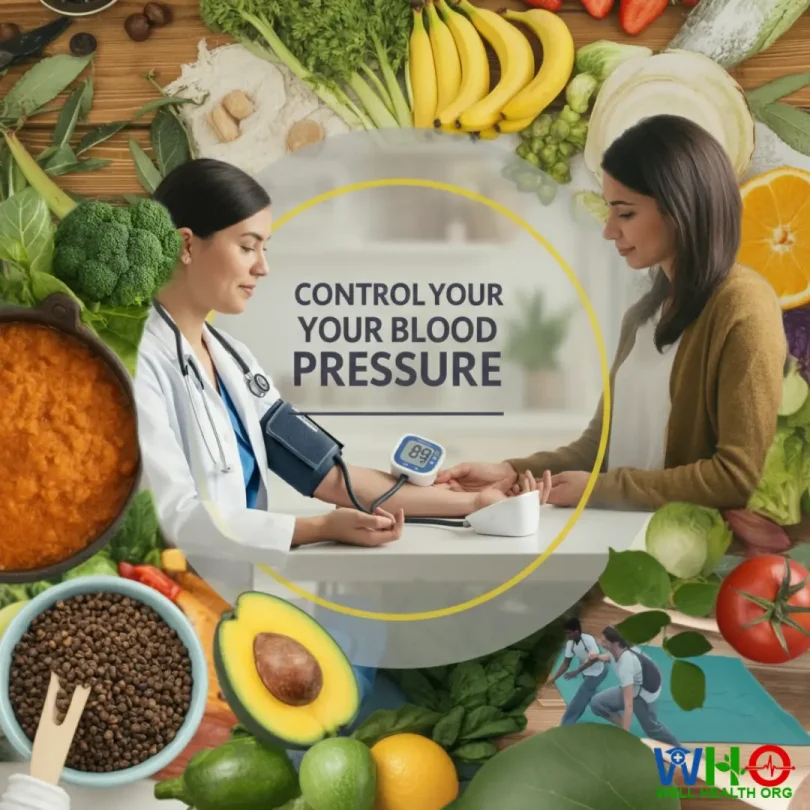
Introduction: Take Charge of Your Blood Pressure Naturally
Blood pressure plays a crucial role in your overall health—it’s the pressure of blood pushing against your artery walls as your heart works to pump it around your body. When that pressure rises too high (hypertension) or falls too low (hypotension), it can have a serious impact on your well-being. High blood pressure, in particular, is a major concern because it often shows no symptoms—earning it the name “the silent killer.”
- Introduction: Take Charge of Your Blood Pressure Naturally
- What is Blood Pressure and How Does it Work?
- Why Keeping Blood Pressure in Check Really Matters
- Smart Dietary Choices That Support Healthy Blood Pressure
- 1. Potassium-Packed Power Foods
- 2. Magnesium-Rich Foods for Vessel Relaxation
- 3. Natural Nitric Oxide Boosters
- 4. Cut the Salt, Not the Flavor
- 5. Stay Hydrated—It’s More Important Than You Think
- Lifestyle Changes That Make a Real Difference
- 1. Learn to Tame Your Stress
- 2. Move More, Sit Less
- 3. Prioritize Quality Sleep
- 4. Limit Alcohol and Caffeine Intake
- 5. Quit Smoking—Your Heart Will Thank You
- Natural Remedies for Blood Pressure: Proceed with Caution
- Popular Options That Show Promise
- Important Cautions:
- Simple Tips to Stay Consistent and Build Healthy Habits
- Start Small, Think Long-Term
- Track Your Progress
- Create a Support Network
- When to Call Your Doctor: Don’t Ignore the Warning Signs
- Routine Check-Ups Matter
- Conclusion: Your Heart, Your Habits, Your Health
- Frequently Asked Questions (FAQs)
- 1. Can drinking water lower blood pressure?
- 2. How long do lifestyle changes take to affect blood pressure?
- 3. Is it safe to drink coffee with high blood pressure?
- 4. Can I stop taking medication if my blood pressure improves with home remedies?
- 5. Are herbal supplements better than prescription drugs for high blood pressure?
Fortunately, managing blood pressure doesn’t always mean relying solely on medication. Many people find success through natural approaches, lifestyle changes, and mindful eating habits. This comprehensive guide breaks down practical, safe, and effective home remedies that can help you manage your blood pressure and promote heart health.
What is Blood Pressure and How Does it Work?
Understanding how blood pressure functions is the first step to managing it effectively. Blood pressure is measured in millimeters of mercury (mmHg) and is presented as two numbers:
- Systolic pressure: The pressure when your heart beats and pushes blood through the arteries.
- Diastolic pressure: The pressure when your heart rests between beats.
A normal reading is typically around 120/80 mmHg. If your numbers consistently exceed 130/80 mmHg, you could be dealing with elevated or high blood pressure, and that calls for attention.
Ignoring high blood pressure over time can damage blood vessels and organs, increasing the risk of life-threatening conditions like heart attacks, strokes, kidney failure, and even vision loss. That’s why it’s essential to act early and stay proactive.
Why Keeping Blood Pressure in Check Really Matters
Healthy blood pressure is not just about avoiding discomfort—it’s about preventing long-term health complications. Consistently high blood pressure puts strain on your arteries, causing them to harden and narrow, which restricts blood flow. This can lead to:
- Cardiovascular diseases: Heart attacks, strokes, heart failure
- Kidney damage: Reduced ability to filter waste
- Vision problems: Hypertensive retinopathy
- Cognitive decline: Memory loss, dementia
On the other end, low blood pressure can cause fatigue, dizziness, and fainting, and in severe cases, it can deprive your organs of the blood they need to function properly.
Maintaining a healthy balance is vital, and natural lifestyle changes can help you get there, even if you’re already on medication.
Smart Dietary Choices That Support Healthy Blood Pressure
The food you eat has a direct effect on your heart and blood vessels. A well-balanced, nutrient-rich diet can be one of the most powerful tools in your blood pressure control plan. Here’s what you should focus on:
1. Potassium-Packed Power Foods
Potassium is a game-changer when it comes to blood pressure. It helps your kidneys get rid of excess sodium and reduces tension in your blood vessels.
Top potassium-rich foods to try:
- Bananas – a portable, sweet source of potassium
- Sweet potatoes – fiber-rich and nutrient-dense
- Spinach – leafy green goodness with a potassium punch
Adding these foods to your meals regularly can help keep your blood pressure within a healthy range.
2. Magnesium-Rich Foods for Vessel Relaxation
Magnesium helps regulate blood pressure by relaxing blood vessels and supporting muscle and nerve function.
Great sources include:
- Almonds – a handful a day makes a big difference
- Avocados – rich in healthy fats and minerals
- Dark chocolate (70%+ cocoa) – indulgent yet beneficial in moderation
A lack of magnesium can increase your risk of hypertension, so aim to include these regularly.
3. Natural Nitric Oxide Boosters
Nitric oxide helps blood vessels widen, improving blood flow and reducing pressure. Some foods naturally enhance your body’s ability to produce nitric oxide.
Try these:
- Beets – rich in nitrates, excellent for circulation
- Arugula – adds a peppery punch and heart-healthy boost
- Pomegranate – delicious and full of antioxidants
Enjoy them raw, juiced, or blended into smoothies.
4. Cut the Salt, Not the Flavor
Sodium is one of the most notorious blood pressure-raising culprits. Reducing your intake can make a big difference quickly.
Tips to reduce sodium:
- Avoid canned soups and processed snacks
- Read food labels for “low sodium” or “no salt added”
- Use herbs, spices, garlic, and lemon to flavor food naturally
Aim to stay below 2,300 mg of sodium per day—or lower if recommended by your doctor.
5. Stay Hydrated—It’s More Important Than You Think
Water supports every system in your body, including circulation. Dehydration can cause blood vessels to constrict, which can increase blood pressure.
Hydration tips:
- Drink at least 8 glasses of water a day
- Carry a reusable water bottle to stay on track
- Infuse water with fruits or herbs for flavor
Proper hydration helps your heart pump more efficiently and keeps blood pressure stable.
Lifestyle Changes That Make a Real Difference
Beyond diet, your daily habits play a big role in how your body regulates blood pressure. Small shifts in your routine can deliver major benefits.
1. Learn to Tame Your Stress
Chronic stress floods your body with hormones that constrict blood vessels and spike your pressure. Managing stress isn’t just about peace of mind—it’s about heart health.
What helps:
- Deep breathing – 4-7-8 technique or box breathing
- Mindfulness meditation – focus on the present moment
- Yoga and gentle stretching – relieve tension and improve flexibility
Build these habits slowly, and make them part of your daily routine.
2. Move More, Sit Less
Regular physical activity strengthens the heart, improves circulation, and lowers stress hormones.
Aim for:
- 30 minutes of moderate activity, 5 days a week
- Activities like brisk walking, swimming, cycling, or gardening
- Strength training 2 times per week for muscle tone and metabolism
Exercise doesn’t have to be intense. What matters is consistency.
3. Prioritize Quality Sleep
Poor sleep increases your risk of high blood pressure, especially if you’re consistently getting less than 6 hours per night.
Tips for better rest:
- Set a consistent bedtime
- Turn off electronics 1 hour before sleeping
- Try non-caffeinated herbal teas like chamomile or lavender
- Create a dark, quiet, cool sleeping environment
When your body is well-rested, it’s better able to regulate stress and maintain balance.
4. Limit Alcohol and Caffeine Intake
Both alcohol and caffeine can cause temporary spikes in blood pressure. While they’re not entirely off-limits, consuming them in excess can make managing blood pressure more difficult—especially if you’re already at risk.
Here’s what to keep in mind:
- Alcohol: If you choose to drink, do so in moderation. That means no more than one drink per day for women and two for men. Excessive alcohol intake over time can damage the heart and elevate blood pressure.
- Caffeine: Found in coffee, energy drinks, tea, and even some pain relievers, caffeine can raise your pressure temporarily. If you’re sensitive, try cutting back and monitor how your body reacts.
A good alternative? Switch to decaffeinated beverages, herbal teas, or flavored water if you need variety without the side effects.
5. Quit Smoking—Your Heart Will Thank You
Smoking is one of the most harmful habits for your cardiovascular system. Every puff of a cigarette causes an immediate spike in blood pressure and damages your blood vessels. Over time, this leads to hardened arteries and increased heart disease risk.
Why quitting matters:
- Within 24 hours of stopping, your blood pressure begins to drop.
- After 1 year, your heart disease risk is cut in half.
- Long-term benefits continue to grow with each smoke-free year.
Helpful strategies:
- Use nicotine patches, gums, or prescription medications
- Seek support groups or mobile apps designed to help you quit
- Talk to your doctor about creating a quitting plan that works for you
It’s not just about willpower—it’s about setting yourself up for success with the right tools and support system.
Natural Remedies for Blood Pressure: Proceed with Caution
Many natural remedies are touted online as miracle cures for high blood pressure, but not all are backed by solid research. Some herbs and supplements can interact with medications or worsen certain conditions.
Popular Options That Show Promise
- Garlic: Contains allicin, which may help relax blood vessels and reduce pressure.
- Hawthorn: Traditionally used for heart health, though clinical research is limited.
- Hibiscus tea: Rich in antioxidants, studies suggest it may have a mild blood pressure-lowering effect.
Important Cautions:
- Always consult a doctor before starting any herbal remedy, especially if you’re on medications.
- Natural doesn’t always mean safe. Some herbs can cause side effects or interfere with prescription drugs.
- Never substitute herbal remedies for medical treatment if you have moderate to severe hypertension.
Use natural remedies as a complement, not a replacement, for professional medical guidance.
Simple Tips to Stay Consistent and Build Healthy Habits
Making lifestyle changes stick isn’t always easy. It takes time, effort, and a bit of strategy. These practical tips can help you stay the course:
Start Small, Think Long-Term
Don’t try to overhaul everything at once. Begin with one or two changes—like adding more leafy greens to your meals or going for a daily 15-minute walk. Once those become habits, build from there.
Track Your Progress
Use a journal or mobile app to monitor:
- Blood pressure readings
- Meals and water intake
- Exercise and sleep habits
Tracking makes it easier to spot patterns and celebrate progress, which keeps motivation high.
Create a Support Network
Tell friends or family about your health goals. Having someone to encourage you—or even join you in the journey—can make a huge difference.
- Cook healthy meals together
- Take walks as a group
- Share recipes or wellness tips
The journey to better blood pressure doesn’t have to be a solo mission.
When to Call Your Doctor: Don’t Ignore the Warning Signs
While these home remedies and lifestyle tweaks can support healthy blood pressure, they’re not a substitute for professional care—especially if your numbers are regularly high or low.
Get immediate medical help if you experience:
- Sudden, severe headache
- Chest pain or pressure
- Trouble breathing
- Dizziness or fainting
- Blurred vision or visual disturbances
- Numbness or weakness in the limbs or face
- Trouble speaking or understanding speech
These could be signs of a hypertensive crisis or stroke and require urgent attention.
Routine Check-Ups Matter
If your readings are consistently:
- Above 140/90 mmHg (High blood pressure)
- Below 90/60 mmHg (Low blood pressure)
…it’s time to schedule a visit with your healthcare provider. Regular check-ups help catch issues early and give you a customized plan for treatment.
Even if you’re using home remedies, medication may still be necessary. Your doctor can help you balance both approaches for the best results.
Conclusion: Your Heart, Your Habits, Your Health
Taking control of your blood pressure doesn’t have to be overwhelming or overly complex. With a few simple, consistent changes—like eating nutrient-rich foods, reducing stress, staying active, and getting enough rest—you can significantly improve your heart health and lower your risk of complications.
The key? Consistency over perfection. Small daily efforts add up to big, long-term rewards. Whether you’re aiming to lower high blood pressure or prevent issues before they start, these natural approaches can be powerful allies in your wellness journey.
So, why wait? Start today. Your heart will thank you tomorrow.
Frequently Asked Questions (FAQs)
1. Can drinking water lower blood pressure?
Yes, staying well-hydrated supports healthy blood circulation. Dehydration can cause your blood vessels to constrict, which may raise blood pressure.
2. How long do lifestyle changes take to affect blood pressure?
Many people see improvements within a few weeks, but it can vary. The key is consistency—daily habits matter more than quick fixes.
3. Is it safe to drink coffee with high blood pressure?
In moderation, yes. But if you’re sensitive to caffeine or notice a spike in your readings after coffee, it’s best to cut back or switch to decaf.
4. Can I stop taking medication if my blood pressure improves with home remedies?
Never stop medication without consulting your doctor. Home remedies can help support your treatment, but medication may still be necessary.
5. Are herbal supplements better than prescription drugs for high blood pressure?
Herbal remedies can offer benefits, but they are not replacements for medical treatment. Always consult your healthcare provider before using any supplements.
Medically Reviewed by Prof. Dr. Akram
Orthopedic Surgeon | Professor | Senior Medical Specialist
Prof. Dr. Akram is a distinguished surgeon with over 15 years of clinical expertise. Having served as a lead Emergency Specialist at Complex International Government Hospital, he currently leads a specialized team of 13 medical professionals at his private hospital. As a Professor at top medical universities, he ensures that every article on WellHealthOrg.com meets rigorous clinical standards.
Medical Disclaimer:
The information provided is for educational purposes only and is not a substitute for professional medical advice, diagnosis, or treatment. Always consult your physician for any medical concerns.
Our content is rigorously fact-checked by our 13-member Editorial Team under the clinical supervision of Prof. Dr. Akram.