Living with essential tremor is more than just dealing with shaky hands. For many people, it’s a constant challenge that affects their confidence, independence, and even social interactions. Something as simple as sipping coffee, signing your name, or holding a spoon can feel like a battle. Now, researchers are raising another concern: essential tremor may not only affect motor control—it could also be linked to an increased risk of dementia.
- 1. Understanding Essential Tremor
- Key Characteristics of Essential Tremor
- Prevalence and Impact
- Treatment Options
- 2. Understanding Dementia
- What Dementia Is (and Isn’t)
- Types of Dementia
- Early Symptoms of Dementia
- 3. The Link Between Essential Tremor and Dementia
- Key Findings from the Study
- What This Means for Patients
- 4. Potential Explanations for the Connection
- 5. Expert Perspectives on the Research
- 6. Risk Factors for Both Essential Tremor and Dementia
- Age as the Biggest Factor
- Genetics and Family History
- Cardiovascular Health
- Lifestyle and Environmental Factors
- 7. Prevention and Management Strategies
- Stay Physically Active
- Prioritize Cardiovascular Health
- Engage Socially and Mentally
- Adopt a Brain-Healthy Diet
- Follow Treatment Plans Consistently
- Monitor Cognitive Health Early
- 8. Managing Life with Essential Tremor and Cognitive Concerns
- Regular Medical Monitoring
- Medication Management
- Advanced Treatment Options
- Support Systems and Social Connections
- Adaptive Tools and Daily Living Aids
- 9. Looking Toward the Future of Research
- Key Research Questions Being Asked
- 10. Taking Proactive Steps for Your Health
- Work Closely with Your Healthcare Team
- Adopt a Prevention-Oriented Lifestyle
- Track Your Symptoms
- Seek Support Early
- 11. Emotional and Psychological Impact of Essential Tremor and Dementia Risk
- Coping with Anxiety and Fear
- Impact on Family and Caregivers
- Maintaining Identity and Confidence
- 12. Practical Tips for Daily Living with ET and Dementia Risk
- Meal Times and Eating
- Writing and Communication
- Clothing and Personal Care
- Technology and Smart Tools
- 13. Building a Strong Support Network
- Family Support
- Healthcare Team
- Support Groups and Communities
- Professional Care Services
- 14. Future Directions: Hope Through Research and Innovation
- New Treatment Possibilities
- Biomarkers and Early Detection
- Lifestyle Research
- Personalized Medicine
- 15. Conclusion: Living Fully with Essential Tremor While Protecting Brain Health
- FAQs About Essential Tremor and Dementia Risk
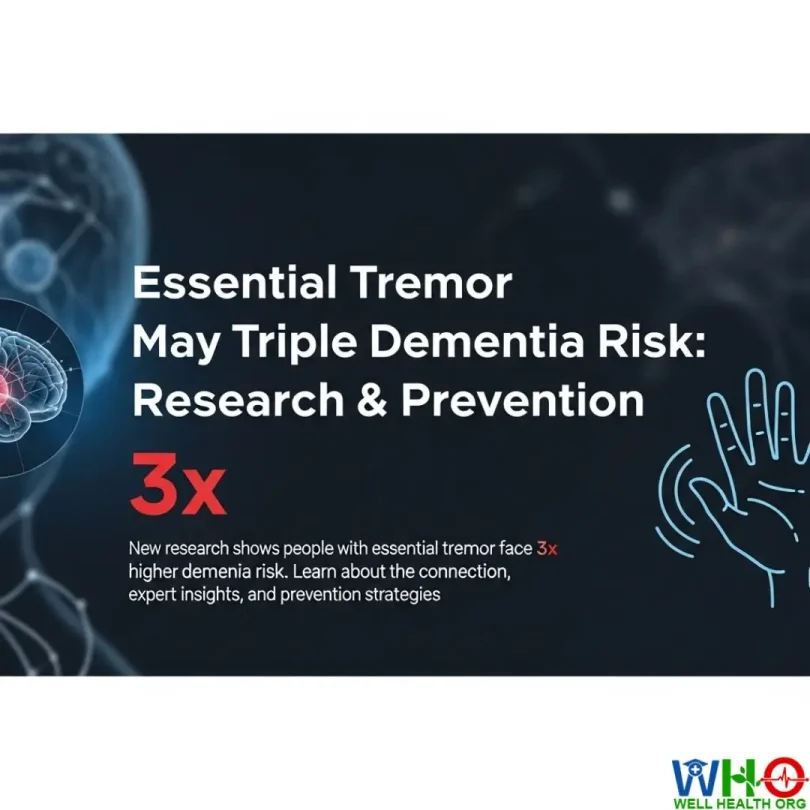
Recent findings from the University of Texas Southwestern Medical Center show that individuals with essential tremor are three times more likely to develop dementia compared to the general population. This discovery changes how doctors and patients alike view the condition. Essential tremor has often been dismissed as a benign nuisance, but emerging evidence suggests that it may be part of a much bigger picture involving brain health and aging.
For patients and families, understanding this link is crucial. It doesn’t mean everyone with essential tremor will develop dementia, but it does highlight the importance of proactive monitoring, lifestyle changes, and early interventions that may help protect cognitive health. In the following sections, we’ll explore essential tremor in depth, look at what dementia really means, discuss the connection between the two, and provide practical strategies to live a fuller, healthier life.
1. Understanding Essential Tremor
Essential tremor (ET) is one of the most common neurological disorders worldwide, affecting millions of people across all age groups, although it is most prevalent in older adults. It is characterized by involuntary, rhythmic shaking—most commonly in the hands, but it can also affect the head, voice, arms, or even legs.
Unlike Parkinson’s disease, where tremors typically appear when the body is at rest, essential tremor tends to occur during action. For instance, you may notice your hands shaking while holding a glass of water or trying to write. Over time, the tremor may worsen and interfere with everyday tasks, from buttoning a shirt to eating a meal without spilling food.
Key Characteristics of Essential Tremor
- Movement-related tremor: Symptoms become noticeable when performing tasks rather than when resting.
- Symmetry: Both sides of the body are usually affected, though one side may be worse.
- Genetic link: ET often runs in families, earning it the nickname “familial tremor.”
- Alcohol sensitivity: Interestingly, small amounts of alcohol can sometimes temporarily reduce tremor severity.
Prevalence and Impact
As of 2020, essential tremor was estimated to affect about 25 million people worldwide, making it one of the most widespread movement disorders. Although not life-threatening in itself, it can severely impact quality of life. Some people experience only mild tremors that remain stable for years, while others face progressively worsening symptoms that interfere with independence.
Treatment Options
There’s no cure yet, but treatments are available to manage symptoms:
- Medications: Propranolol (a beta-blocker) and primidone (an anti-seizure drug) are the most common first-line treatments.
- Botox injections: Useful for head and voice tremors.
- Deep brain stimulation (DBS): A surgical option for severe, medication-resistant cases.
- Focused ultrasound therapy: A newer, non-invasive procedure that targets specific brain regions.
For many, treatment is about striking a balance—reducing tremors enough to function better without overwhelming side effects.
2. Understanding Dementia
While essential tremor primarily affects motor skills, dementia is a condition that disrupts memory, thinking, and overall cognitive function. Dementia isn’t a single disease but rather an umbrella term for various disorders that impair brain function to the point where daily life becomes difficult.
What Dementia Is (and Isn’t)
Contrary to popular belief, dementia is not a normal part of aging. While occasional forgetfulness may come with age, dementia represents a more serious and progressive decline. It happens when brain cells are damaged or die, disrupting communication between neurons and interfering with essential mental functions.
Types of Dementia
- Alzheimer’s disease: The most common form, accounting for up to 80% of cases. It involves abnormal protein buildups that damage brain cells.
- Vascular dementia: Triggered by reduced blood flow to the brain, often after a stroke or related to cardiovascular problems.
- Lewy body dementia: Caused by abnormal protein deposits that disrupt brain chemistry, leading to cognitive and movement difficulties.
- Frontotemporal dementia: Involves degeneration of the brain’s frontal and temporal lobes, often affecting behavior and communication.
Early Symptoms of Dementia
- Memory lapses, especially short-term memory
- Difficulty with planning, decision-making, or problem-solving
- Confusion about time, place, or familiar settings
- Personality changes or mood swings
- Trouble with communication and language
Recognizing these signs early allows for timely medical evaluation, treatment planning, and supportive interventions that can improve quality of life.
3. The Link Between Essential Tremor and Dementia
The groundbreaking study from the University of Texas Southwestern Medical Center followed 222 people with essential tremor, with an average age of 79, for about five years. The results revealed a strong connection between ET and cognitive decline.
Key Findings from the Study
- Nearly 19% of participants developed dementia, compared to much lower rates in the general population.
- About 27% developed mild cognitive impairment (MCI), which is often a precursor to dementia.
- For participants who already had MCI at the beginning of the study, 12% progressed to dementia each year.
This means that people with ET are three times more likely to develop dementia than those without the condition. Previous studies also support this, showing ET patients face a 60% higher dementia risk overall. Even more concerning, individuals with both ET and dementia have a two to three times higher mortality rate compared to those with either condition alone.
What This Means for Patients
The connection between ET and dementia highlights that essential tremor is not simply a “benign” disorder of shaky hands. It may involve broader neurological pathways that affect thinking, memory, and overall brain health. Patients with ET should be aware of this risk and work with their doctors to monitor for early cognitive changes.
4. Potential Explanations for the Connection
Researchers are still working to fully understand why essential tremor may increase dementia risk. Several theories are being explored:
- Shared Brain Circuits: The cerebellum, which plays a central role in essential tremor, also connects to brain areas involved in memory and cognition. Dysfunction in these circuits could explain why both movement and thinking are affected.
- Social Withdrawal: People with ET often feel embarrassed about their tremors, leading to social isolation. Over time, reduced social engagement is a known risk factor for cognitive decline.
- Underlying Neurological Changes: ET and dementia may share similar biological or genetic vulnerabilities that make the brain more susceptible to neurodegeneration.
These explanations are not mutually exclusive—ET may contribute to dementia risk through multiple overlapping mechanisms.
5. Expert Perspectives on the Research
Neurologists stress that while the findings are significant, they should not cause panic.
- Dr. Elan D. Louis, the lead researcher, emphasizes that most people with essential tremor will not develop dementia. Still, he believes doctors should educate patients and families about the potential risk so they can prepare for possible future challenges.
- Dr. Rocco DiPaola, a movement disorder specialist, agrees that essential tremor is not purely a motor disorder. He suggests that factors such as the age of tremor onset and overall health may influence dementia risk.
The consensus among experts is clear: ET is more complex than once thought. While the majority of patients will not develop dementia, awareness, early monitoring, and proactive healthcare strategies are critical for long-term well-being.
6. Risk Factors for Both Essential Tremor and Dementia
Understanding risk factors is an important part of managing health proactively. While essential tremor (ET) and dementia are separate conditions, they share overlapping risk factors that may help explain their connection.
Age as the Biggest Factor
Age is the single strongest predictor for both ET and dementia. Essential tremor often begins in midlife but becomes more common and severe with advancing age. Dementia, too, primarily affects older adults, with risk increasing significantly after age 65. The combination of age-related brain changes and existing neurological vulnerabilities may explain why the two conditions sometimes appear together in elderly patients.
Genetics and Family History
Both ET and dementia have strong genetic components. In families where essential tremor is passed down through generations, it’s often referred to as “familial tremor.” Similarly, Alzheimer’s disease and other dementias have identifiable genetic risk factors. For example, carrying the APOE-e4 gene variant increases Alzheimer’s risk. While researchers haven’t identified a direct genetic overlap between ET and dementia, having a family history of either condition raises overall vulnerability.
Cardiovascular Health
Poor cardiovascular health is a known risk factor for vascular dementia, and it may also worsen ET symptoms. Conditions like high blood pressure, diabetes, and high cholesterol damage blood vessels in the brain, reducing blood flow and contributing to both cognitive decline and neurological dysfunction.
Lifestyle and Environmental Factors
- Physical inactivity: A sedentary lifestyle increases the risk of both tremor worsening and dementia development.
- Social isolation: People with ET may avoid social situations due to embarrassment, which reduces mental stimulation—a known factor in cognitive decline.
- Unhealthy diet: Diets high in processed foods, sugar, and unhealthy fats increase inflammation and oxidative stress, both of which are linked to brain degeneration.
Recognizing these risk factors gives patients and caregivers opportunities to take action. While you can’t change age or genetics, lifestyle choices and health management play a big role in reducing risk.
7. Prevention and Management Strategies
The connection between essential tremor and dementia can feel overwhelming, but the good news is that there are steps you can take to lower risks and protect brain health. Prevention isn’t about guaranteeing that dementia won’t happen—it’s about stacking the odds in your favor.
Stay Physically Active
Exercise is one of the most powerful tools for both movement and brain health. Physical activity improves blood flow to the brain, encourages the growth of new neurons, and strengthens the body’s ability to regulate inflammation. For people with ET, low-impact activities like swimming, walking, yoga, or tai chi can help improve coordination and reduce stress, which often worsens tremors.
Prioritize Cardiovascular Health
Since vascular health plays a key role in both ET and dementia, managing heart-related risk factors is essential. This includes keeping blood pressure in check, controlling cholesterol, and managing diabetes. Simple habits—like reducing salt intake, eating more fiber, and avoiding smoking—can make a big difference over time.
Engage Socially and Mentally
Cognitive decline progresses more slowly in people who stay socially connected and mentally stimulated. Joining clubs, volunteering, or simply maintaining strong family connections helps keep the brain active. Mentally stimulating activities like puzzles, reading, learning new skills, or even playing music can build what scientists call “cognitive reserve”—the brain’s ability to compensate for age-related changes.
Adopt a Brain-Healthy Diet
Research suggests that diets like the Mediterranean diet or MIND diet (a blend of Mediterranean and DASH diets) are beneficial for brain health. These diets emphasize fresh fruits, vegetables, whole grains, fish, nuts, and olive oil while minimizing red meats, sweets, and processed foods. For ET patients, stable blood sugar and reduced inflammation can also lessen tremor severity.
Follow Treatment Plans Consistently
Managing ET with prescribed treatments—whether medication, injections, or advanced therapies—not only improves quality of life but may also reduce indirect dementia risks. For instance, when tremors are under control, patients can remain more socially active and independent, which supports cognitive health.
Monitor Cognitive Health Early
If you or a loved one has ET, don’t wait for symptoms of cognitive decline to become obvious. Ask your doctor about including regular cognitive assessments as part of your care routine. Catching mild cognitive impairment early allows for interventions that may delay or slow progression into dementia.
8. Managing Life with Essential Tremor and Cognitive Concerns
Living with ET is already challenging, and adding the possibility of dementia can feel overwhelming. However, with the right strategies, patients can maintain independence, dignity, and quality of life.
Regular Medical Monitoring
Routine checkups are essential for tracking both tremor severity and cognitive function. Neurologists can assess changes, adjust medications, and recommend therapies tailored to evolving needs. Some patients may also benefit from seeing neuropsychologists who specialize in cognitive testing.
Medication Management
Medications like propranolol and primidone are highly effective for tremor but can have side effects, including fatigue or dizziness. It’s important to work closely with your healthcare team to find the right balance. If cognitive decline is present, your doctor may adjust doses or switch medications to minimize negative effects on memory or thinking.
Advanced Treatment Options
For severe ET that resists standard treatments, deep brain stimulation (DBS) and focused ultrasound therapy are options worth considering. These treatments can significantly reduce tremors, restoring independence in daily tasks. Researchers are still exploring whether these interventions may also help preserve cognitive function in the long term.
Support Systems and Social Connections
Joining support groups for ET or dementia provides emotional relief, coping strategies, and community understanding. These groups help reduce the feelings of isolation that often come with chronic conditions. Having a strong support system—whether family, friends, or professionals—ensures that patients are not navigating these challenges alone.
Adaptive Tools and Daily Living Aids
Small adjustments can make daily life easier:
- Weighted utensils to reduce shaking while eating
- Voice-to-text apps for communication and writing
- Special pens and adaptive clothing with Velcro instead of buttons
- Non-slip mats and spill-proof cups for added safety
These tools can restore a sense of independence and dignity for people living with tremors and cognitive changes.
9. Looking Toward the Future of Research
The connection between essential tremor and dementia is a growing area of interest for scientists. Current studies are focused on better understanding how the two conditions interact and whether treating ET more aggressively might reduce dementia risk.
Key Research Questions Being Asked
- Does treating tremor aggressively lower dementia risk? Researchers are exploring whether patients who undergo deep brain stimulation or focused ultrasound have lower rates of cognitive decline.
- Is severity or duration of tremor more important? Scientists are studying whether people with more severe tremors are at higher risk of dementia, or if the risk is tied to how long someone has had ET.
- What role do genetics play? Future genetic studies may identify shared pathways that explain why ET patients are more prone to dementia.
- Can lifestyle changes help both conditions? Researchers are also looking at how diet, exercise, and social activity may reduce the risk of developing both ET and dementia simultaneously.
The goal is not only to improve treatment for tremors but also to better protect cognitive health in ET patients.
10. Taking Proactive Steps for Your Health
The idea of having an increased dementia risk may sound frightening, but it’s important to remember that risk does not equal certainty. Most people with essential tremor will not develop dementia. What matters most is how you respond to this information.
Work Closely with Your Healthcare Team
Discuss the latest findings with your neurologist. Together, you can create a care plan that addresses both tremor symptoms and long-term cognitive health. This may include medication adjustments, routine cognitive testing, and lifestyle recommendations.
Adopt a Prevention-Oriented Lifestyle
Simple daily choices—staying active, eating brain-healthy foods, engaging socially, and challenging your mind—can go a long way in lowering risk. Think of it like building a “savings account” for your brain; the more deposits you make now, the more resilience you’ll have later.
Track Your Symptoms
Keeping a journal of both motor and cognitive changes can help you and your doctor spot early warning signs. Note when tremors worsen, when memory lapses happen, or if mood and behavior begin to shift. This record can guide treatment decisions and support timely interventions.
Seek Support Early
Don’t wait until daily life becomes overwhelming. Support groups, occupational therapists, and even simple assistive tools can make life easier and less stressful. Addressing challenges early prevents frustration from building up.
Ultimately, the key message is this: knowledge is power. By understanding the risks and taking proactive steps, people with ET can maintain independence, protect cognitive health, and continue living fulfilling lives.
11. Emotional and Psychological Impact of Essential Tremor and Dementia Risk
Living with essential tremor can already be emotionally challenging, but adding the concern of dementia risk introduces an entirely new layer of stress. Many patients describe feelings of frustration, embarrassment, or even hopelessness when tremors interfere with simple tasks like holding a cup or signing a check. When they hear about the increased dementia risk, these emotions often intensify, sometimes leading to anxiety or depression.
Coping with Anxiety and Fear
It’s natural to feel worried after learning about research that connects ET to dementia. However, fear should not prevent you from living fully. Instead, acknowledging the risk can empower you to take proactive steps. Some coping strategies include:
- Education: Understanding the facts helps reduce irrational fears.
- Therapy or counseling: Talking with a mental health professional can help you process emotions.
- Stress-reduction techniques: Meditation, mindfulness, and deep breathing exercises can reduce stress, which often makes tremors worse.
Impact on Family and Caregivers
The psychological impact extends beyond the individual. Family members may feel anxious about the future, uncertain about their loved one’s independence, or overwhelmed by the potential of becoming caregivers. Open conversations within families are vital to ensure emotional needs are met and plans are in place for long-term care if necessary.
Maintaining Identity and Confidence
People with ET often feel self-conscious about their tremors in public. Adding cognitive concerns can amplify feelings of being “different” or “less capable.” Maintaining hobbies, continuing to engage socially, and seeking support groups where others face similar challenges can help individuals protect their sense of identity and self-worth.
12. Practical Tips for Daily Living with ET and Dementia Risk
Living with ET doesn’t mean giving up independence. Small adjustments in daily routines can make a big difference in quality of life, especially for those who also want to protect cognitive health.
Meal Times and Eating
- Use weighted utensils and cups with lids to minimize spills.
- Prepare meals that are easy to handle, such as finger foods or pre-cut portions.
- Consider adaptive devices like plate guards or scoop bowls.
Writing and Communication
- Switch to voice-to-text software or speech recognition tools for emails and notes.
- Use large-grip pens that are easier to control.
- Keep printed checklists for daily tasks to reduce memory strain.
Clothing and Personal Care
- Wear clothes with Velcro or zippers instead of buttons.
- Use electric toothbrushes and razors to simplify grooming.
- Install grab bars and non-slip mats in bathrooms for safety.
Technology and Smart Tools
- Smart home devices like Alexa or Google Home can set reminders, control lights, and answer questions, reducing memory-related stress.
- Medication management apps can help track prescriptions and send reminders.
- Wearable devices, such as fitness trackers, encourage regular activity while also monitoring heart rate and sleep quality.
By combining these practical tools with healthy lifestyle habits, individuals with ET can maintain independence while safeguarding their cognitive health.
13. Building a Strong Support Network
No one should face essential tremor or dementia risk alone. A strong support system is one of the most important protective factors for both emotional and physical well-being.
Family Support
Families play a crucial role in daily care and long-term planning. Encouraging open communication, sharing responsibilities, and respecting the patient’s autonomy are key elements of effective family support.
Healthcare Team
A comprehensive care team may include:
- Neurologists to manage tremors and cognitive health.
- Primary care physicians to oversee general health and cardiovascular risk factors.
- Mental health professionals for emotional support.
- Occupational therapists to provide adaptive strategies for daily life.
Support Groups and Communities
Joining ET or dementia support groups can provide a safe space for sharing experiences, frustrations, and coping strategies. Many groups now operate online, making it easier to connect with others who truly understand.
Professional Care Services
For some families, professional care—whether part-time home health aides or assisted living facilities—becomes necessary. Planning ahead for these possibilities reduces stress when the time comes to make decisions.
The strength of your support network can greatly affect how well you cope with ET and reduce the isolation that sometimes accelerates cognitive decline.
14. Future Directions: Hope Through Research and Innovation
Although the current research paints a concerning picture, it also points toward hope. Scientists are actively working to better understand essential tremor and its connection to dementia.
New Treatment Possibilities
- Advanced neuromodulation therapies like adaptive deep brain stimulation, which adjusts in real time, may not only reduce tremors but also support cognitive functions.
- Non-invasive brain stimulation techniques such as transcranial magnetic stimulation (TMS) are being studied for their ability to improve both motor and memory function.
Biomarkers and Early Detection
Researchers are exploring biomarkers—measurable indicators in blood, spinal fluid, or imaging scans—that could predict dementia risk in ET patients. Early detection would allow interventions before significant decline begins.
Lifestyle Research
Clinical studies are underway to measure how diet, exercise, and social engagement directly influence the connection between ET and dementia. These findings may empower patients with more concrete prevention strategies.
Personalized Medicine
As genetic and neurological research advances, treatments may become more personalized. Doctors might one day tailor therapies not only to control tremor but also to target a patient’s specific dementia risk profile.
The future is not about fear—it’s about using research to create better outcomes for people living with essential tremor.
15. Conclusion: Living Fully with Essential Tremor While Protecting Brain Health
Essential tremor is often misunderstood as “just shaky hands,” but science now shows it’s more complex. While most people with ET will not develop dementia, the increased risk is real and important to acknowledge. By understanding the link, patients and families can take proactive steps that protect both motor and cognitive health.
Living fully with ET means:
- Staying physically and mentally active
- Maintaining a healthy diet and cardiovascular system
- Building strong support systems
- Seeking treatment options and medical advice early
- Monitoring both tremor and memory changes over time
Knowledge is power. The more you understand about ET and dementia, the more prepared you’ll be to make choices that preserve independence, dignity, and quality of life.
FAQs About Essential Tremor and Dementia Risk
1. Does everyone with essential tremor develop dementia?
No. While research shows people with ET are at higher risk, the majority do not develop dementia. Risk depends on many factors, including age, genetics, lifestyle, and overall health.
2. Can lifestyle changes really reduce dementia risk if I already have essential tremor?
Yes. Exercise, diet, social engagement, and mental stimulation all play a role in maintaining brain health and lowering dementia risk, regardless of existing ET.
3. Is essential tremor a type of Parkinson’s disease?
No. While both are movement disorders, they differ significantly. Parkinson’s tremors occur at rest, while essential tremors appear during activity. Parkinson’s also includes symptoms like stiffness and slowness of movement, which ET does not.
4. Are advanced treatments like deep brain stimulation safe for older adults?
Deep brain stimulation has been proven effective and safe for many older patients, but it may not be suitable for everyone. A thorough evaluation by a neurologist is necessary to determine eligibility.
5. Should I tell my family about the dementia risk?
Absolutely. Open discussions allow for shared decision-making, emotional support, and early planning for care if needed. It helps reduce uncertainty and stress in the long run.
Medically Reviewed by Prof. Dr. Akram
Orthopedic Surgeon | Professor | Senior Medical Specialist
Prof. Dr. Akram is a distinguished surgeon with over 15 years of clinical expertise. Having served as a lead Emergency Specialist at Complex International Government Hospital, he currently leads a specialized team of 13 medical professionals at his private hospital. As a Professor at top medical universities, he ensures that every article on WellHealthOrg.com meets rigorous clinical standards.
Medical Disclaimer:
The information provided is for educational purposes only and is not a substitute for professional medical advice, diagnosis, or treatment. Always consult your physician for any medical concerns.
Our content is rigorously fact-checked by our 13-member Editorial Team under the clinical supervision of Prof. Dr. Akram.