
Introduction
Lesch-Nyhan syndrome (LNS) is one of those rare medical conditions that, while uncommon, has an enormous impact on the lives of patients and their families. First identified in the 1960s by Dr. Michael Lesch and Dr. William Nyhan, this genetic disorder is often described as complex because it doesn’t just affect one aspect of health. Instead, it influences the body in multiple ways—neurological, behavioral, and physical. Families facing an LNS diagnosis often find themselves navigating a maze of symptoms, treatment options, and long-term care decisions.
- Introduction
- What is Lesch-Nyhan Syndrome?
- What Causes Lesch-Nyhan Syndrome?
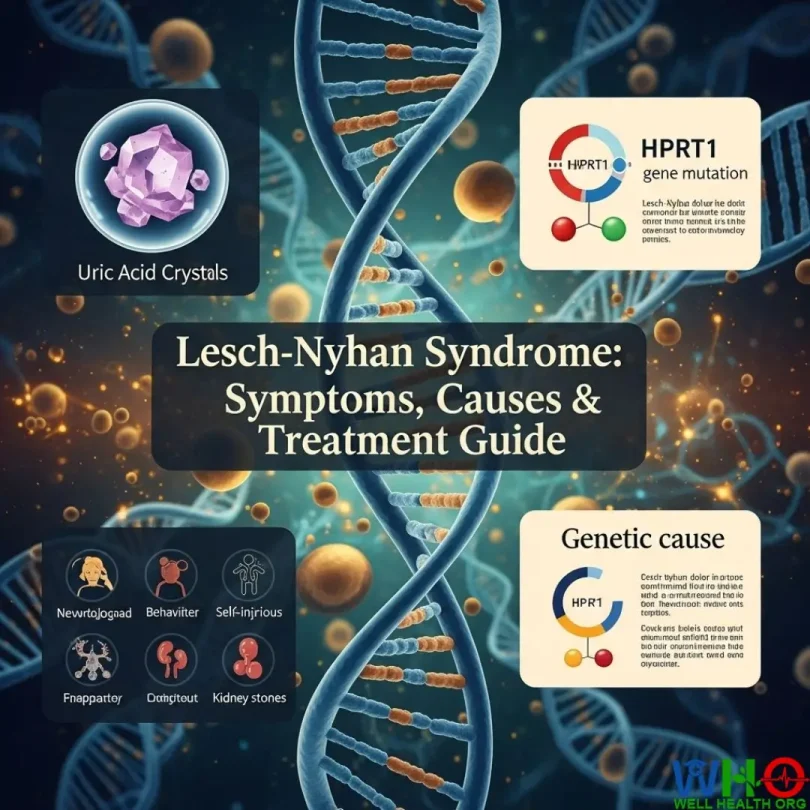
- The Role of the HPRT1 Gene and Uric Acid Buildup
- Symptoms of Lesch-Nyhan Syndrome
- Neurological Symptoms
- Behavioral Symptoms
- Physical Symptoms
- Progression of Symptoms Over Time
- How is Lesch-Nyhan Syndrome Diagnosed?
- Step 1: Clinical Evaluation
- Step 2: Laboratory Testing
- Step 3: Genetic Testing
- Step 4: Differential Diagnosis
- The Emotional Journey of Diagnosis
- Treatment and Management of Lesch-Nyhan Syndrome
- Managing Uric Acid Overproduction
- Medications for Neurological and Behavioral Symptoms
- Therapies and Supportive Interventions
- Assistive Devices and Safety Measures
- The Importance of a Multidisciplinary Team
- Emotional and Social Support
- Quality of Life Matters
- Assistive Technology and Stories of Hope in Lesch-Nyhan Syndrome
- The Role of Assistive Technology
- Stories of Hope and Progress
- The Importance of Community and Support Networks
- Why Stories Matter
- The Future of Lesch-Nyhan Syndrome Research
- Living a Full Life with LNS
- Conclusion
- FAQs
What makes Lesch-Nyhan syndrome particularly challenging is the way it blends seemingly unrelated issues into a single disorder. Affected individuals may experience muscle stiffness and involuntary movements that make simple activities like sitting, eating, or walking extremely difficult. On top of that, many also struggle with self-injurious behaviors, such as biting their lips or fingers, that are not driven by choice but by uncontrollable urges. These behaviors can be emotionally devastating for caregivers, who often find themselves constantly balancing protection with compassion.
Physically, LNS is rooted in the overproduction of uric acid in the body—a substance most people associate with gout or kidney stones. But in this case, the excessive buildup of uric acid is just one piece of a much larger puzzle that includes developmental delays, neurological impairment, and unique behavioral symptoms.
Although the disorder is rare, with estimates ranging between 1 in 100,000 to 1 in 380,000 live births, its effects are profound. Every diagnosis brings with it not only medical complexity but also the need for a multidisciplinary approach that involves doctors, therapists, educators, and—perhaps most importantly—families themselves.
This guide explores everything you need to know about Lesch-Nyhan syndrome: what causes it, how it manifests, how doctors diagnose it, and the treatment strategies currently available. Beyond the science, we’ll also share insights into what daily life looks like for families living with LNS, and what the future of research may hold.
Understanding LNS isn’t just about learning medical facts—it’s about fostering awareness, empathy, and support for those navigating a condition that changes everything from early childhood onward.
What is Lesch-Nyhan Syndrome?
Lesch-Nyhan syndrome is classified as a rare inherited metabolic disorder. At its core, it is caused by a genetic mutation that prevents the body from properly recycling purines—compounds that play a key role in DNA and RNA building. Instead of being reused, these purines are broken down into uric acid, which then builds up in the bloodstream and other body tissues.
This excess uric acid is only part of the problem. What makes LNS particularly unique is that, in addition to the metabolic issues, it also leads to serious neurological and behavioral symptoms. This combination sets it apart from other metabolic disorders that may only affect the body physically.
Children with LNS typically appear healthy at birth, but symptoms usually start to show within the first year of life. Parents may first notice delays in development—such as difficulty holding up the head, sitting without support, or crawling. As the child grows, movement disorders such as stiff muscles, involuntary jerking, and unusual postures become more obvious. These motor difficulties often mean that many individuals with LNS require wheelchairs for mobility throughout life.
Perhaps the most distressing feature of LNS, however, is its behavioral component. Around the age of two to three years, many children begin to exhibit self-injurious behaviors like lip and finger biting. What’s important to understand is that these actions are not voluntary. Children with LNS don’t want to hurt themselves—rather, they are driven by powerful neurological impulses they cannot control. Families often describe this as one of the most heartbreaking aspects of the condition.
From a medical perspective, Lesch-Nyhan syndrome is also categorized as an X-linked recessive disorder. This means that it primarily affects males, since they have only one X chromosome. Females, with two X chromosomes, usually act as carriers. In very rare cases, a female can show symptoms, but this happens only if both of her X chromosomes carry the faulty gene or if one X chromosome is inactive due to a genetic anomaly.
Although the condition is extremely rare, raising awareness is important. For families, a diagnosis often comes after months of searching for answers to unusual symptoms. For healthcare providers, understanding the hallmark features of LNS—developmental delay, motor dysfunction, self-injurious behavior, and elevated uric acid levels—is crucial for early detection and management.
In summary, Lesch-Nyhan syndrome is more than just a “genetic disorder.” It is a condition that impacts virtually every aspect of life, from physical health to emotional well-being, requiring both medical intervention and compassionate support.
What Causes Lesch-Nyhan Syndrome?
At the heart of Lesch-Nyhan syndrome lies a genetic mutation that disrupts how the body processes vital biochemical materials. Specifically, LNS is classified as an X-linked recessive genetic disorder, which means the mutated gene responsible for the condition is located on the X chromosome.
To better understand this, let’s break down how inheritance works. Humans typically have 46 chromosomes, arranged in 23 pairs. Two of these chromosomes are sex chromosomes: females have two X chromosomes (XX), while males have one X and one Y (XY). Because the defective gene in LNS is carried on the X chromosome, the way the condition passes from one generation to the next depends heavily on gender.
- In males (XY): Since they only have one X chromosome, inheriting the faulty gene from their mother means they will develop the syndrome. They don’t have a “backup” copy of the gene, so the mutation’s effects manifest fully.
- In females (XX): Women have two X chromosomes, so if one carries the defective gene, the other usually compensates. This makes most women “carriers” who do not display symptoms but can pass the condition on to their children. However, in rare cases—such as when one X chromosome is inactivated or both carry the mutation—a female may develop mild or even full symptoms of LNS.
Statistically, Lesch-Nyhan syndrome is extremely rare, with estimates ranging from 1 in 100,000 to 1 in 380,000 live births worldwide. Because of this rarity, many families go through a long and often frustrating diagnostic journey before finally receiving a clear explanation for their child’s symptoms.
For parents, knowing that LNS is an inherited condition can bring up feelings of guilt or fear about passing on the gene. It is important to remember, however, that carriers have no control over genetic inheritance. Advances in genetic counseling and carrier screening now allow families to understand their risks better, prepare for possible outcomes, and make informed reproductive decisions. Prenatal testing, such as chorionic villus sampling (CVS) or amniocentesis, can detect whether a fetus has inherited the HPRT1 gene mutation, providing valuable information for families with a known history of the disorder.
What’s particularly striking about LNS is how a single gene defect can ripple out into so many aspects of health—neurological, behavioral, and physical. Unlike some genetic conditions that only affect one body system, Lesch-Nyhan syndrome has widespread consequences, which is why its diagnosis and treatment require a multidisciplinary approach involving specialists in genetics, neurology, nephrology, and behavioral medicine.
In essence, the cause of LNS is simple—a mutation in one gene—but its effects are anything but simple. The condition reminds us how deeply interconnected our genes are with every function of the human body.
The Role of the HPRT1 Gene and Uric Acid Buildup
To understand why Lesch-Nyhan syndrome is so complex, it helps to zoom in on the specific gene responsible: HPRT1. This gene is located on the X chromosome and carries the instructions for making an enzyme called hypoxanthine-guanine phosphoribosyltransferase (HPRT). While that name may sound intimidating, the enzyme’s job is relatively straightforward—it helps the body recycle purines.
Purines are natural chemical compounds found in every cell. They are essential building blocks for DNA and RNA, the molecules that carry genetic information and allow cells to function properly. Normally, purines are recycled through a process that conserves energy and maintains balance in the body. The HPRT enzyme is a key player in this recycling system.
When the HPRT1 gene is mutated, the body cannot produce enough functional HPRT enzyme. Without it, purines are not recycled but instead broken down into uric acid. This breakdown leads to an overproduction of uric acid in the blood and other body fluids, a condition known as hyperuricemia.
The consequences of this process unfold in multiple ways:
- Physical effects: The excess uric acid can crystallize into sharp needle-like structures, which deposit in joints and cause gout-like arthritis. These crystals can also form kidney and bladder stones, leading to painful urinary complications and, in severe cases, kidney damage. Parents of infants with LNS sometimes notice orange, sand-like crystals in diapers—an early clue to the disorder.
- Neurological effects: Surprisingly, the HPRT enzyme is also involved in brain function, particularly in areas that control movement and behavior. Without this enzyme, the brain circuits regulating movement, mood, and impulse control are disrupted. This explains why individuals with LNS experience dystonia, spasticity, involuntary movements, and self-injurious behaviors.
- Metabolic effects: The imbalance in purine metabolism affects the entire body. In some cases, patients develop megaloblastic anemia, a type of anemia where red blood cells are abnormally large and unable to carry oxygen efficiently. This occurs because the shortage of HPRT affects vitamin B12 metabolism as well.
One of the striking aspects of Lesch-Nyhan syndrome is how a single genetic error can produce such a broad spectrum of symptoms. The HPRT1 gene mutation doesn’t just cause one isolated problem—it sets off a cascade of metabolic, neurological, and behavioral consequences.
Researchers continue to study exactly how the absence of the HPRT enzyme leads to the neurological and behavioral symptoms of LNS. While we know that uric acid buildup explains the gout-like symptoms, the mechanisms behind compulsive self-injury and motor dysfunction are more complex and involve deeper disruptions in brain chemistry. This is why, despite decades of research, effective treatments remain focused mainly on symptom management rather than a cure.
In summary, the HPRT1 gene mutation is the root cause of Lesch-Nyhan syndrome. By preventing the body from recycling purines, it leads to a dangerous buildup of uric acid and widespread dysfunction across the body and brain. Understanding this process is key to developing better treatments in the future—treatments that may one day move beyond managing symptoms to actually correcting the underlying problem.
Symptoms of Lesch-Nyhan Syndrome
The symptoms of Lesch-Nyhan syndrome (LNS) are wide-ranging and often overwhelming, affecting not only the body but also the brain and behavior. While the disorder originates from a single gene mutation, its impact is so broad that it touches nearly every aspect of life—from how a child moves and communicates to how they interact with their environment and caregivers.
Symptoms usually begin to appear within the first year of life, although some early warning signs can be spotted in infancy. What makes LNS especially challenging is the combination of physical, neurological, and behavioral issues, which together create a complex clinical picture.
Neurological Symptoms
Neurological problems are among the most striking features of LNS and typically become evident before the age of one. Parents may first notice that their child is missing key developmental milestones—such as rolling over, sitting without support, or crawling. As the disorder progresses, neurological issues become more pronounced.
- Involuntary Movements (Dystonia & Choreoathetosis):
Children with LNS often display unusual, jerky movements. Dystonia (sustained muscle contractions causing twisting and repetitive motions) and choreoathetosis (writhing, dance-like movements) are common. These movements are involuntary and can make it difficult for children to control their bodies, leading to frustration and fatigue. - Muscle Tone Problems (Hypotonia & Spasticity):
Many infants begin with hypotonia, or low muscle tone, which makes them feel floppy when lifted. Over time, this often shifts to spasticity—increased muscle stiffness that causes rigid movements and difficulty with posture. Severe spasms may result in opisthotonos, a condition where the back arches dramatically due to uncontrolled muscle contractions. - Motor Delays:
Because of these neurological challenges, most children with LNS are unable to walk independently. Many require wheelchairs for mobility and daily support for tasks like feeding, dressing, and hygiene. - Speech Difficulties (Dysarthria):
Muscle control problems also affect speech. Children may understand language well but struggle to articulate words clearly. This communication barrier can be deeply frustrating, both for them and for their caregivers.
Behavioral Symptoms
One of the most defining and distressing features of LNS is its behavioral component, particularly self-injurious behavior. This usually begins between ages two and three, just when many children are entering a stage of social and emotional development.
- Self-Injury:
Perhaps the most recognizable symptom of LNS is the urge to harm oneself. This may include biting lips, cheeks, fingers, or hands, banging the head against hard surfaces, or hitting oneself. Importantly, this behavior is not voluntary. Children with LNS often cry while hurting themselves, expressing both pain and distress at their actions, but they are unable to stop. Caregivers often describe this as the most heartbreaking aspect of the disorder. - Aggressive Outbursts:
In addition to self-injury, individuals with LNS may show aggression toward others—spitting, screaming, or lashing out. Like self-injury, these behaviors are driven by neurological impulses rather than intent. Families often feel misunderstood by others who assume the behavior is deliberate, when in reality, it is beyond the child’s control. - Compulsive Actions:
Some individuals display repetitive behaviors or compulsions, such as shouting, swearing, or obsessive hand movements. These can be disruptive but are part of the broader neurological profile of the syndrome.
Recent research shows that early behavioral interventions—including structured environments, consistent routines, and caregiver training—can help reduce the severity of self-injury and aggression. While these strategies don’t eliminate the behaviors entirely, they provide families with tools to minimize harm and stress.
Physical Symptoms
Beyond neurological and behavioral issues, Lesch-Nyhan syndrome also manifests in the body through complications caused by uric acid buildup.
- Gout and Joint Pain:
The excess uric acid often crystallizes into sharp deposits in the joints, leading to gout-like arthritis. Children may experience swelling, stiffness, and intense pain, especially in the feet, ankles, and hands. Unlike typical childhood conditions, this gout appears unusually early and can severely restrict movement. - Kidney and Bladder Stones:
Uric acid crystals can also accumulate in the urinary tract, forming kidney or bladder stones. These cause painful urination, blood in the urine (hematuria), and sometimes urinary blockages. If untreated, stones can damage kidney function over time. - “Orange Sand” in Diapers:
One of the earliest physical signs of LNS in infants is the presence of orange, sand-like crystals in diapers. These crystals are uric acid deposits and can alert doctors to a possible metabolic disorder even before neurological symptoms appear. - Megaloblastic Anemia:
Some individuals develop a form of anemia characterized by large, immature red blood cells. This occurs because the HPRT deficiency affects vitamin B12 metabolism, which is essential for normal red blood cell development. Symptoms include fatigue, weakness, and pale skin.
Progression of Symptoms Over Time
LNS symptoms evolve as children grow.
- Infancy (0–12 months): Low muscle tone, delayed motor milestones, and presence of uric acid crystals in diapers.
- Early Childhood (1–3 years): Development of movement disorders (dystonia, spasticity), difficulty walking, and onset of self-injury.
- Later Childhood (3–10 years): Worsening of behavioral symptoms, increasing reliance on mobility aids, and frequent uric acid–related complications (gout, kidney stones).
- Adolescence & Adulthood: Most individuals continue to require full-time care. Behavioral issues may stabilize in some cases, but physical complications often persist.
In summary, the symptoms of Lesch-Nyhan syndrome are wide-ranging and multifaceted. Neurological problems limit independence, behavioral symptoms cause emotional strain, and physical complications add layers of medical complexity. Together, they create a condition that requires constant vigilance, comprehensive care, and deep resilience from both patients and families.
How is Lesch-Nyhan Syndrome Diagnosed?
Diagnosing Lesch-Nyhan syndrome (LNS) can be both challenging and emotionally overwhelming for families. Because the disorder is rare and shares overlapping features with other neurological and metabolic conditions, diagnosis often requires a multistep process that combines clinical observation, laboratory tests, and genetic confirmation.
Early and accurate diagnosis is critical—not only to help families understand what is happening with their child, but also to begin treatment strategies that can reduce complications and improve long-term outcomes.
Step 1: Clinical Evaluation
The first step in diagnosing LNS typically involves a thorough clinical examination by a pediatrician or neurologist.
- Medical History Review:
Doctors ask about developmental milestones, family history of genetic conditions, and early signs such as feeding difficulties, weak muscle tone, or unusual movements. - Observation of Symptoms:
Clinicians look for the classic triad of symptoms that strongly suggests LNS:- Neurological impairment (delayed milestones, movement disorders)
- Behavioral issues (especially self-injurious behaviors)
- Elevated uric acid levels leading to gout-like symptoms or kidney stones
When these three appear together, LNS becomes a strong diagnostic possibility.
Step 2: Laboratory Testing
Laboratory tests provide important biochemical evidence of the disorder.
- Blood Tests:
Blood samples are checked for hyperuricemia (high uric acid levels). Although elevated uric acid is not unique to LNS, when combined with neurological symptoms, it provides a crucial diagnostic clue. - Urine Tests:
Urinalysis often reveals excessive uric acid crystals, which may appear as an orange or pink “sand-like” substance. Parents sometimes notice this in their child’s diaper before formal testing is done. - Enzyme Activity Testing:
Specialized labs can measure the activity of the HPRT enzyme in blood or skin cells. In individuals with LNS, enzyme activity is extremely low or absent, confirming a biochemical basis for the disorder.
Step 3: Genetic Testing
The definitive diagnosis of Lesch-Nyhan syndrome comes from molecular genetic testing.
- HPRT1 Gene Analysis:
A blood sample is analyzed to check for mutations in the HPRT1 gene located on the X chromosome. If a pathogenic mutation is found, the diagnosis is confirmed. - Carrier Testing for Females:
Since LNS is an X-linked recessive disorder, mothers, sisters, and female relatives may undergo genetic testing to determine whether they are carriers. Female carriers typically don’t show full symptoms but may have elevated uric acid levels or mild joint pain later in life. - Prenatal Diagnosis:
In families with a known history of LNS, prenatal testing is sometimes available. This can be done through procedures such as chorionic villus sampling (CVS) or amniocentesis, which allow doctors to test fetal DNA for HPRT1 mutations. Early diagnosis helps families prepare emotionally and medically for a potential LNS diagnosis.
Step 4: Differential Diagnosis
Because the symptoms of LNS overlap with those of other conditions, doctors must carefully rule out alternatives.
- Cerebral Palsy: Both conditions involve movement disorders, but cerebral palsy does not cause uric acid buildup or self-injury.
- Autism Spectrum Disorder (ASD): Children with LNS may display repetitive behaviors and social challenges, but ASD does not involve gout, kidney stones, or HPRT enzyme deficiency.
- Other Metabolic Disorders: Conditions that cause high uric acid levels, such as Kelley-Seegmiller syndrome (a milder HPRT deficiency), need to be distinguished from full LNS.
By combining clinical signs, lab results, and genetic testing, physicians can confidently reach a diagnosis and begin treatment planning.
The Emotional Journey of Diagnosis
For many families, the road to diagnosis is long and filled with uncertainty. Parents often notice something is “not quite right” with their child—such as delays in rolling over or unusual stiffness—but it may take months or years before a doctor suggests LNS as a possibility.
Receiving a diagnosis of Lesch-Nyhan syndrome is life-changing. It brings both answers and new challenges. On one hand, families finally have an explanation for their child’s symptoms. On the other, they are faced with the reality of a rare genetic condition that has no cure.
Support from genetic counselors, advocacy organizations, and online communities can provide families with the knowledge and emotional resilience they need during this stage.
Treatment and Management of Lesch-Nyhan Syndrome
Lesch-Nyhan syndrome (LNS) is a lifelong genetic condition with no known cure at present. Because the disorder arises from a mutation in the HPRT1 gene, which disrupts the body’s ability to recycle purines, treatment focuses on managing symptoms rather than reversing the underlying cause.
A comprehensive approach requires a multidisciplinary medical team that may include pediatricians, neurologists, nephrologists, genetic counselors, behavioral psychologists, and physical therapists. The goal is to:
- Control uric acid buildup
- Minimize neurological and behavioral complications
- Support physical function
- Improve quality of life
Managing Uric Acid Overproduction
The earliest and most consistent medical intervention for LNS addresses the overproduction of uric acid, which can cause gout-like pain, kidney stones, and long-term organ damage.
- Allopurinol:
The most commonly prescribed drug is allopurinol, which reduces uric acid production by inhibiting the xanthine oxidase enzyme.- Benefits: Prevents gout, kidney stones, and uric acid crystal deposits.
- Limitations: Does not improve neurological symptoms or self-injurious behaviors.
- Hydration and Diet:
Encouraging high fluid intake helps dilute uric acid in the urine, reducing the risk of kidney stones. A diet lower in purine-rich foods (like red meat, seafood, and organ meats) may also help, though strict dietary restrictions are rarely effective on their own. - Monitoring Kidney Health:
Regular ultrasounds and urine testing are recommended to detect early signs of stones or renal impairment.
Medications for Neurological and Behavioral Symptoms
Uric acid management is only part of the picture. LNS patients also struggle with movement disorders, muscle stiffness, anxiety, and compulsive self-injury.
- Muscle Relaxants and Antispasmodics:
Drugs such as baclofen, benzodiazepines (diazepam, clonazepam), or gabapentin may reduce muscle spasms, dystonia, and pain. - Anticonvulsants and Mood Stabilizers:
Although seizures are not a core feature of LNS, some patients benefit from anticonvulsant drugs (like carbamazepine) for stabilizing abnormal brain activity. - Medications for Behavioral Issues:
Self-injury and aggression are extremely difficult to manage. Doctors sometimes prescribe antipsychotics (e.g., risperidone) or selective serotonin reuptake inhibitors (SSRIs) to help regulate mood and compulsions. However, no drug fully eliminates these behaviors.
Because every child responds differently, medication plans require careful trial, error, and monitoring under a neurologist’s supervision.
Therapies and Supportive Interventions
Since medication alone cannot address all the challenges of LNS, rehabilitative therapies play a central role.
- Physical Therapy (PT):
Helps manage muscle stiffness, improve posture, and prevent contractures. Stretching routines, assisted movement, and positioning strategies can relieve discomfort and maximize independence. - Occupational Therapy (OT):
Supports daily activities like feeding, dressing, and communication. Therapists may introduce adaptive devices or modify tasks to reduce frustration. - Behavioral Therapy:
While self-injurious behavior is often neurological rather than psychological, behavioral modification strategies can reduce harm. For example, redirecting attention, providing structured routines, and rewarding non-harmful behaviors may help. - Speech and Communication Therapy:
Since many children with LNS struggle with dysarthria (slurred or unclear speech), therapists may use communication boards, speech-generating devices, or eye-tracking technology to improve self-expression.
Assistive Devices and Safety Measures
Protecting patients from accidental harm is a key priority.
- Mouth Guards and Dental Modifications:
Custom oral devices or, in severe cases, tooth extraction may be necessary to prevent severe lip and finger biting. - Splints and Protective Gear:
Arm splints or padded gloves can minimize self-injury, especially during flare-ups of compulsive behavior. - Wheelchairs and Mobility Aids:
Since most individuals with LNS are unable to walk independently, specialized wheelchairs provide mobility and comfort. Adjustable supports also prevent spinal deformities. - Communication Aids:
Eye-gaze systems, touchscreens, and adapted keyboards give patients greater independence in learning and social interaction.
The Importance of a Multidisciplinary Team
Lesch-Nyhan syndrome affects nearly every aspect of life, meaning no single specialist can manage it alone. Families often work with:
- Neurologists for motor and behavioral issues
- Nephrologists for kidney health
- Orthopedists for musculoskeletal complications
- Genetic counselors for family planning and education
- Behavioral psychologists for self-injury management
- Therapists for mobility, speech, and daily functioning
Regular team meetings ensure that care is coordinated, personalized, and proactive.
Emotional and Social Support
Caring for a child with LNS is physically and emotionally demanding. Families benefit from:
- Support groups (in-person or online) where they can connect with others facing similar challenges
- Respite care services, which provide temporary relief for caregivers
- Counseling or therapy to help families cope with stress, grief, and uncertainty
Many families find strength through advocacy organizations that not only provide resources but also amplify awareness of this rare condition.
Quality of Life Matters
While no current treatment can fully reverse the effects of Lesch-Nyhan syndrome, a proactive management plan can significantly improve quality of life. Children and adults with LNS can still experience joy, build relationships, learn new skills, and participate in community activities when supported by compassionate care and innovative interventions.
Assistive Technology and Stories of Hope in Lesch-Nyhan Syndrome
One of the most inspiring aspects of managing Lesch-Nyhan syndrome (LNS) is seeing how assistive technology and supportive care can dramatically transform the lives of patients and families. While the condition remains challenging, modern innovations in medicine, therapy, and technology are creating new possibilities for independence, communication, and quality of life.
Equally important are the stories of resilience and perseverance shared by families worldwide, which remind us that even in the face of great adversity, there is room for progress, connection, and hope.
The Role of Assistive Technology
For individuals with LNS, mobility limitations, communication difficulties, and self-injurious behaviors often make daily life difficult. Assistive technology can bridge these gaps by providing practical tools for independence.
- Mobility Aids:
Specialized wheelchairs with custom seating, headrests, and posture supports allow patients to sit comfortably, reduce muscle strain, and engage more actively in daily life. Some wheelchairs come equipped with joystick controls or eye-tracking systems, enabling independent movement for those with severe motor limitations. - Communication Devices:
Since speech is often impaired by muscle control problems, communication boards, tablets with voice-generating software, and eye-gaze technology can empower patients to express their needs, thoughts, and emotions. For many families, the first time their child “spoke” through a device was a life-changing milestone. - Protective Equipment:
Safety tools like padded gloves, splints, and helmets help prevent injuries caused by compulsive self-biting or head banging. While not eliminating self-injury, they minimize physical harm and ease caregiver anxiety. - Environmental Controls:
Smart home systems, adaptive switches, and customized technology can allow patients to control lights, televisions, or doors—enhancing autonomy and reducing dependence on caregivers.
Stories of Hope and Progress
Behind every clinical description of Lesch-Nyhan syndrome lies a very human story. Families around the world have shared accounts of struggle, resilience, and small victories that demonstrate how meaningful progress is possible even in the face of this rare disorder.
- Early Intervention Success:
One family received a diagnosis for their son at just 18 months. By starting early treatment with allopurinol and enrolling in intensive behavioral therapy, they were able to minimize self-injurious behaviors before they became more severe. Today, their child attends school with adapted support and participates actively in learning. - Communication Breakthrough:
A young man with severe speech impairment discovered freedom through an eye-gaze communication device. For the first time, he could express his preferences, ask questions, and participate in conversations. His parents described the experience as “finally meeting the person trapped inside his body.” - Community Connection:
Another family found strength in joining a support group for rare genetic disorders. Sharing stories, exchanging coping strategies, and celebrating milestones together provided emotional healing and practical advice. Knowing they were not alone gave them courage to face the daily challenges of LNS. - Educational Inclusion:
With the support of special education teachers and adaptive technologies, some children with LNS have been able to attend mainstream classrooms. While they may require personal aides and modifications, inclusion helps foster social skills, friendships, and a sense of belonging.
The Importance of Community and Support Networks
Managing a rare condition like LNS can feel isolating. Families often struggle to find healthcare providers familiar with the syndrome, and the rarity of the condition may leave them feeling alone in their journey. Support networks play a vital role in bridging that gap.
- Advocacy Organizations:
Groups dedicated to rare diseases provide educational resources, connect families with specialists, and advocate for more research funding. - Online Communities:
Social media groups and forums allow parents worldwide to share daily struggles, medical updates, and emotional encouragement. - Local Support Services:
In some regions, nonprofit organizations provide respite care, therapy grants, and access to equipment that may otherwise be unaffordable.
Through these networks, families often find not just resources, but also a sense of solidarity and empowerment.
Why Stories Matter
Clinical facts explain what LNS is, but stories explain what it means to live with it. These real-life experiences highlight:
- The emotional resilience of patients and families
- The transformative impact of technology and therapy
- The power of community support in navigating challenges
Every milestone—whether it’s preventing a painful kidney stone, reducing self-injury, or hearing a child communicate for the first time—is a victory worth celebrating. These stories of hope remind us that while LNS cannot yet be cured, life with the condition can still hold meaning, growth, and joy.
The Future of Lesch-Nyhan Syndrome Research
Even though there is currently no cure for Lesch-Nyhan syndrome (LNS), research continues to make progress toward more effective treatments and, potentially, long-term solutions. Scientists are exploring several promising directions that may one day change the outlook for patients.
- Gene Therapy:
Since LNS is caused by mutations in the HPRT1 gene, gene therapy aims to deliver a healthy copy of the gene to the body’s cells. Early laboratory research has shown potential, but clinical applications remain in the early stages. If successful, this approach could correct the root cause of the condition rather than only managing symptoms. - Enzyme Replacement Therapy (ERT):
Some researchers are investigating whether synthetic or engineered forms of the HPRT enzyme could be delivered to patients to restore purine recycling. Challenges remain in ensuring the enzyme reaches the brain, where many symptoms originate. - Targeted Drug Development:
New drugs that focus on neurological pathways involved in self-injury and motor dysfunction are being studied. While current medications provide limited relief, future therapies could be tailored more specifically to the behavioral and neurological aspects of LNS. - Stem Cell Research:
Stem cell models of LNS are being used to study disease mechanisms at the cellular level. These models may pave the way for therapies that protect brain function or regenerate damaged cells. - Personalized Medicine:
With advancements in genetic testing, researchers are also exploring how different HPRT1 mutations may influence symptom severity. This knowledge could allow for more personalized treatment plans, tailored to each patient’s unique genetic profile.
Although these treatments are still in development, the progress offers hope for future generations of individuals living with LNS.
Living a Full Life with LNS
A diagnosis of Lesch-Nyhan syndrome can feel overwhelming. The condition is complex, unpredictable, and life-altering, not only for the individual but also for the entire family. However, a diagnosis does not diminish the potential for a meaningful life.
With early diagnosis, proactive treatment, and strong support systems, children and adults with LNS can:
- Reduce the severity of physical complications through uric acid management
- Minimize self-injury with behavioral interventions and protective devices
- Improve communication through assistive technology
- Participate in school, social activities, and community life
- Build strong, loving relationships with family and caregivers
For families, connecting with support networks and advocacy groups provides both practical guidance and emotional strength. Knowing they are not alone helps caregivers navigate the daily challenges and focus on moments of progress and joy.
Ultimately, living with LNS requires courage, resilience, and an adaptable approach to care. While challenges are real, so too are the possibilities for connection, independence, and a fulfilling life.
Conclusion
Lesch-Nyhan syndrome is a rare genetic disorder with complex neurological, behavioral, and physical challenges. Caused by mutations in the HPRT1 gene, it leads to excess uric acid, movement disorders, and characteristic self-injurious behaviors.
While there is no cure, advances in medicine, therapy, and assistive technology are helping patients live more comfortable, meaningful lives. A multidisciplinary approach—combining medications, physical and behavioral therapies, assistive devices, and emotional support—is essential for effective management.
Ongoing research into gene therapy, enzyme replacement, and personalized medicine offers hope for future breakthroughs. Until then, families and healthcare teams can focus on maximizing quality of life, ensuring that individuals with LNS are supported, understood, and empowered to thrive despite their challenges.
FAQs
1. Is Lesch-Nyhan syndrome always inherited?
Yes, LNS is an X-linked recessive disorder. Males who inherit the faulty HPRT1 gene from their mothers will develop the condition. Females are usually carriers, though rarely they may show mild symptoms.
2. Can Lesch-Nyhan syndrome be detected before birth?
Yes. Families with a known history of LNS may opt for prenatal testing using chorionic villus sampling (CVS) or amniocentesis to check for HPRT1 mutations.
3. Do all patients with LNS show self-injurious behavior?
Self-injury is considered a hallmark feature of LNS and develops in nearly all affected individuals, usually between ages two and three. However, the severity and patterns of behavior vary.
4. Can lifestyle changes reduce symptoms of LNS?
While lifestyle adjustments such as proper hydration, a balanced diet, and structured routines can help manage complications, they cannot replace medical treatment. LNS always requires a medical and therapeutic care plan.
5. What is the life expectancy for someone with LNS?
Life expectancy varies. Some individuals live into adulthood, while others face complications from kidney problems, infections, or self-injury that may shorten lifespan. With improved care, more patients are now living longer and healthier lives.
✨ Final Note
Living with Lesch-Nyhan syndrome is undeniably difficult, but it is not without hope. With ongoing medical research, innovative therapies, and the strength of families and communities, the future holds possibilities for better treatments and improved quality of life.
Medically Reviewed by Prof. Dr. Akram
Orthopedic Surgeon | Professor | Senior Medical Specialist
Prof. Dr. Akram is a distinguished surgeon with over 15 years of clinical expertise. Having served as a lead Emergency Specialist at Complex International Government Hospital, he currently leads a specialized team of 13 medical professionals at his private hospital. As a Professor at top medical universities, he ensures that every article on WellHealthOrg.com meets rigorous clinical standards.
Medical Disclaimer:
The information provided is for educational purposes only and is not a substitute for professional medical advice, diagnosis, or treatment. Always consult your physician for any medical concerns.
Our content is rigorously fact-checked by our 13-member Editorial Team under the clinical supervision of Prof. Dr. Akram.







